 Bordeaux
 Burgundy
 Champagne
 Rhône
Rhône Napa Valley
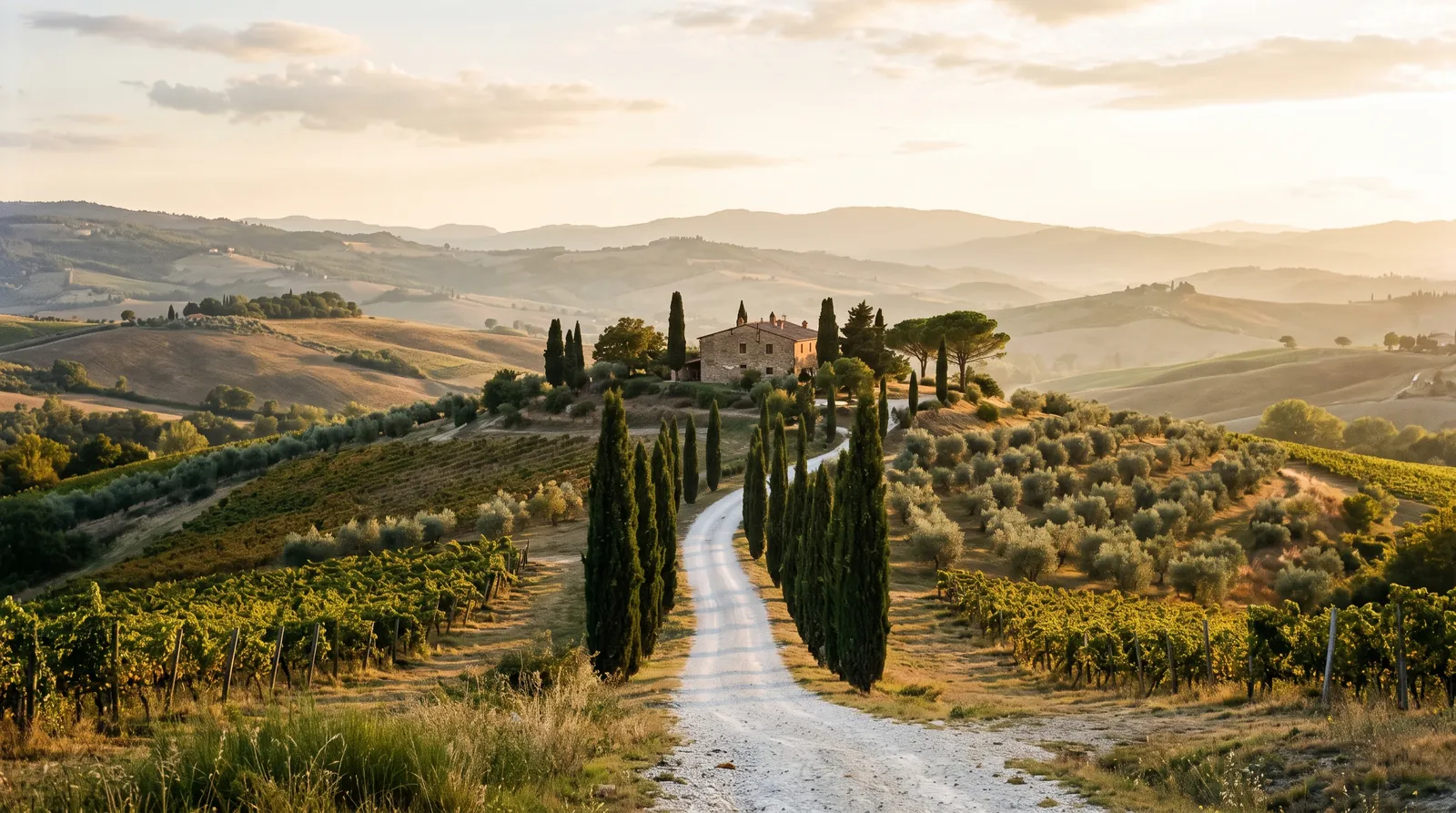
 Tuscany
 Piedmont
 Mosel
Mosel Oregon
 Rioja
Rioja California sparkling
 Valais and Lavaux
 England
 Douro
Douro Etna
Etna Mendoza
 Marlborough
 Stellenbosch
 Barossa Valley
 Tasmania
 Beaujolais
 Jura
Jura Alsace
 Loire
Loire Provence
 Ribera del Duero
 Sonoma
 Was Land kostet
 Gute und schlechte Jahrgänge
 Appellationen
 Berühmte Weinlagen
 Berühmte Weine
 Wer sie herstellt
 Einen Jahrgang finden
 Weine vergleichen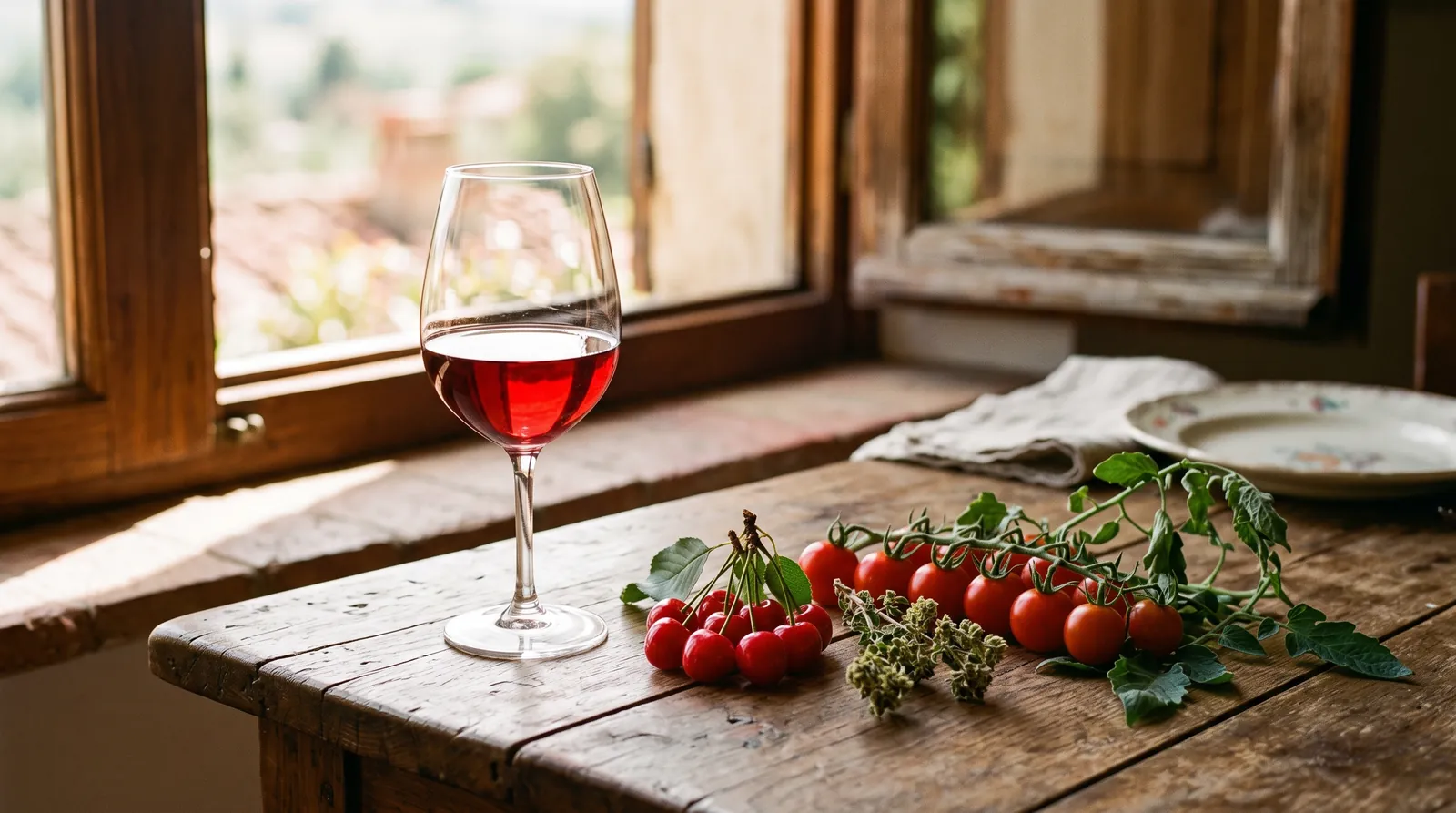
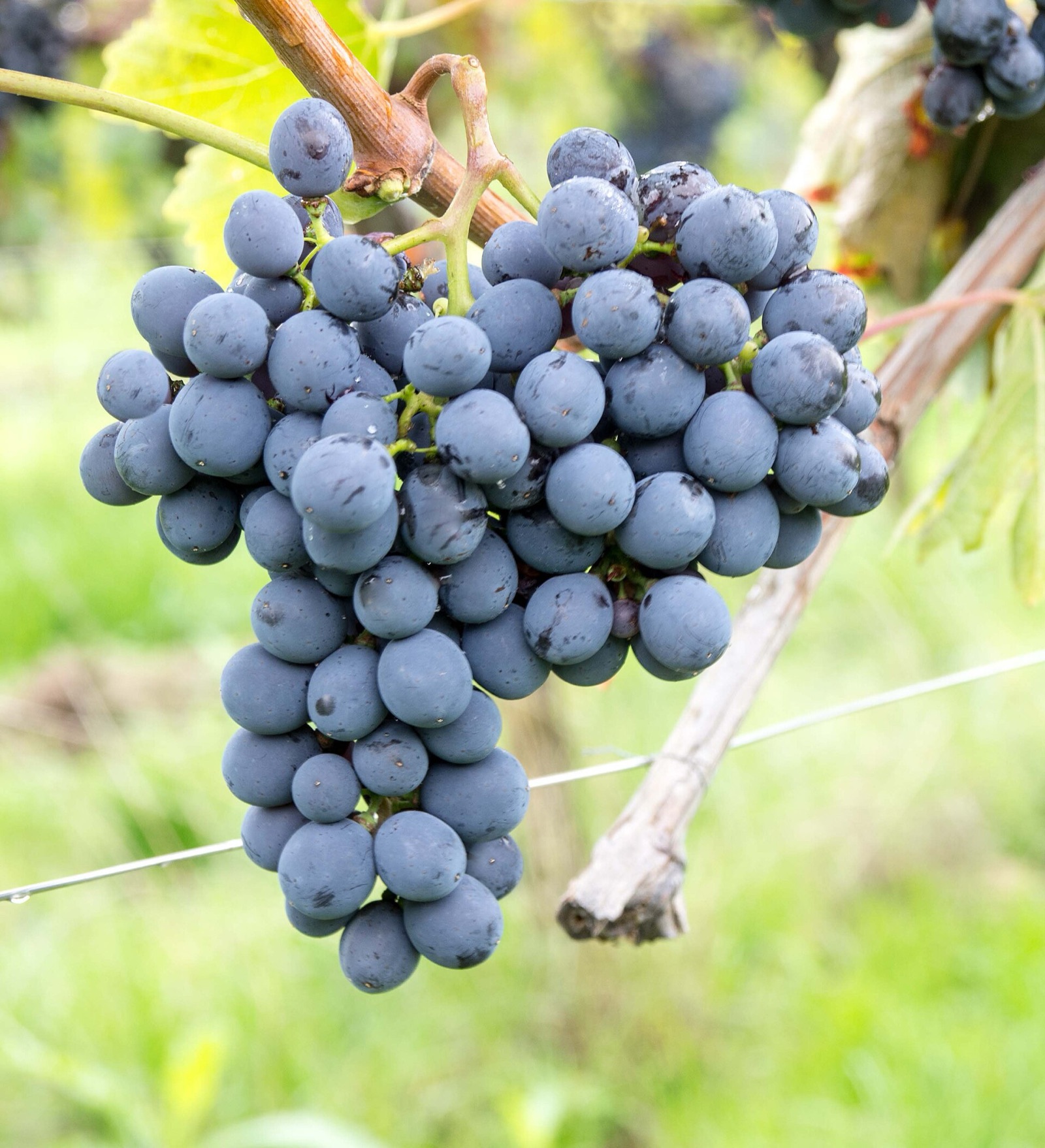
Sangiovese in einer Minute
- Schmeckt nach
- Sauerkirsche
- Tomatenblatt
- Getrocknete Kräuter
- Leder
- Am bekanntesten in
- Toskana: Chianti und Brunello di Montalcino
- Was man als Nächstes probieren kann
- Wenn er Ihnen gefällt, probieren Sie Nebbiolo für mehr Kraft oder Tempranillo für mehr Geschmeidigkeit.
 Nebbiolo
 Tempranillo
Wie er sich im Glas anfühlt
- Körper
- HellVoll
- Tannin
- WeichAdstringierend
- Säure
- WeichFrisch
Body bezeichnet das Gewicht des Weins im Mund. Tannin ist das trockene, adstringierende Gefühl wie bei starkem Tee. Acidity ist die Frische, die den Mund wässrig macht wie Limonade. Wie man Wein verkostet
Was dazu essen
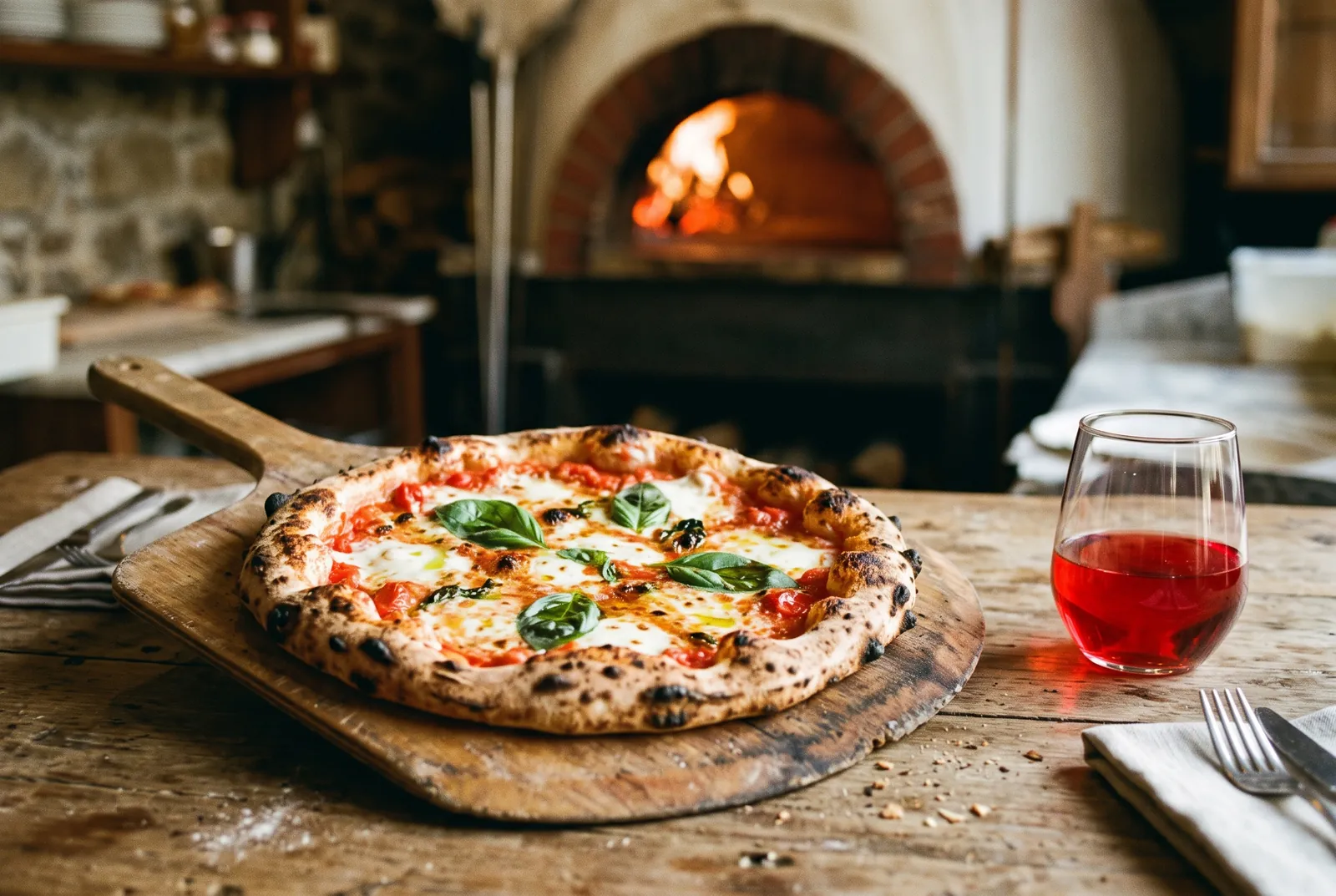
Tomatenpasta, Pizza, gegrilltes Fleisch.
Tomate ist herb, Sangiovese auch. Beides gleicht sich gegenseitig aus – deshalb sind Chianti und Tomatensauce alte Verbündete.
Das Geschäft dahinter
Sangiovese makes most of Tuscany's wine and its economics span the whole range from bulk Chianti to Brunello's long-aged riservas. At Montalcino the aging requirement — release in the fifth year — is the dominant cost.
Economics
Sangiovese makes most of Tuscany's wine and its economics span the whole range from bulk Chianti to Brunello's long-aged riservas. At Montalcino the aging requirement — release in the fifth year — is the dominant cost.
Eckdaten
Wo er wächst
Quellen
- California Grape Crush Report (prices per ton by variety and district), CDFA / USDA NASS, 2025. Abgerufen 3 September 2026.
- OIV Distribution of the world's grapevine varieties, OIV, 2017. Abgerufen 3 September 2026.