 Bordeaux
 Burgundy
 Champagne
 Rhône
Rhône Napa Valley
 Tuscany
 Piedmont
 Mosel
Mosel Oregon
 Rioja
Rioja California sparkling
 Valais and Lavaux
 England
 Douro
Douro Etna
Etna Mendoza
 Marlborough
 Stellenbosch
 Barossa Valley
 Tasmania
 Beaujolais
 Jura
Jura Alsace
 Loire
Loire Provence
 Ribera del Duero
 Sonoma
 What land costs
 Good years and bad
 Appellations
 Famous vineyards
 Famous wines
 Who makes them
 Find a vintage
 Compare wines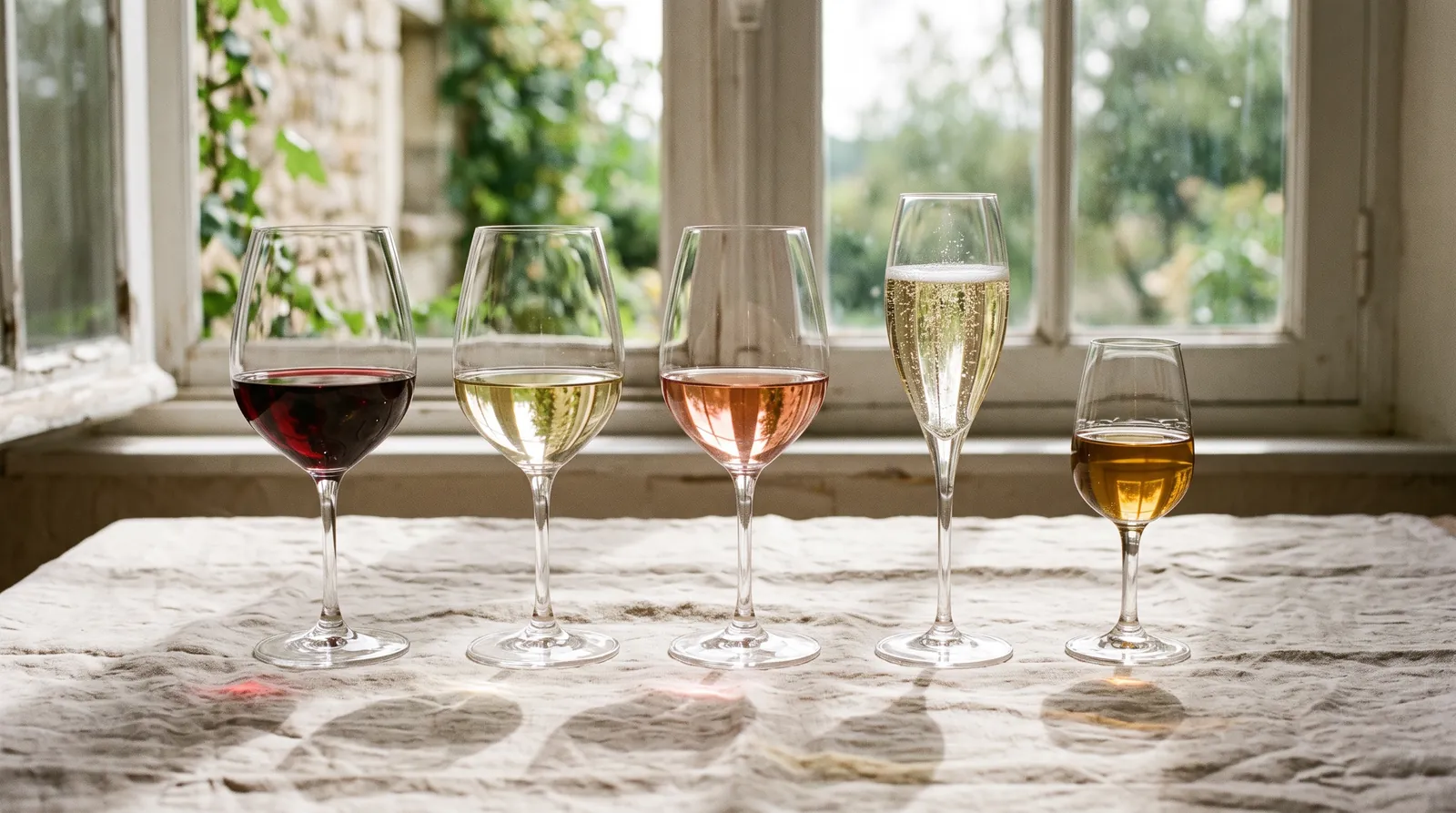
It mostly comes down to grape skins
Grape juice is nearly clear, even from dark grapes. Colour comes from the skins. Leave the skins in the juice for a week or two and you get red wine. Take them out straight away and you get white. Leave them in for a few hours and you get rosé.
The skins also carry tannin, the thing that makes strong tea feel dry in your mouth. That is why red wine can feel grippy and white wine almost never does.
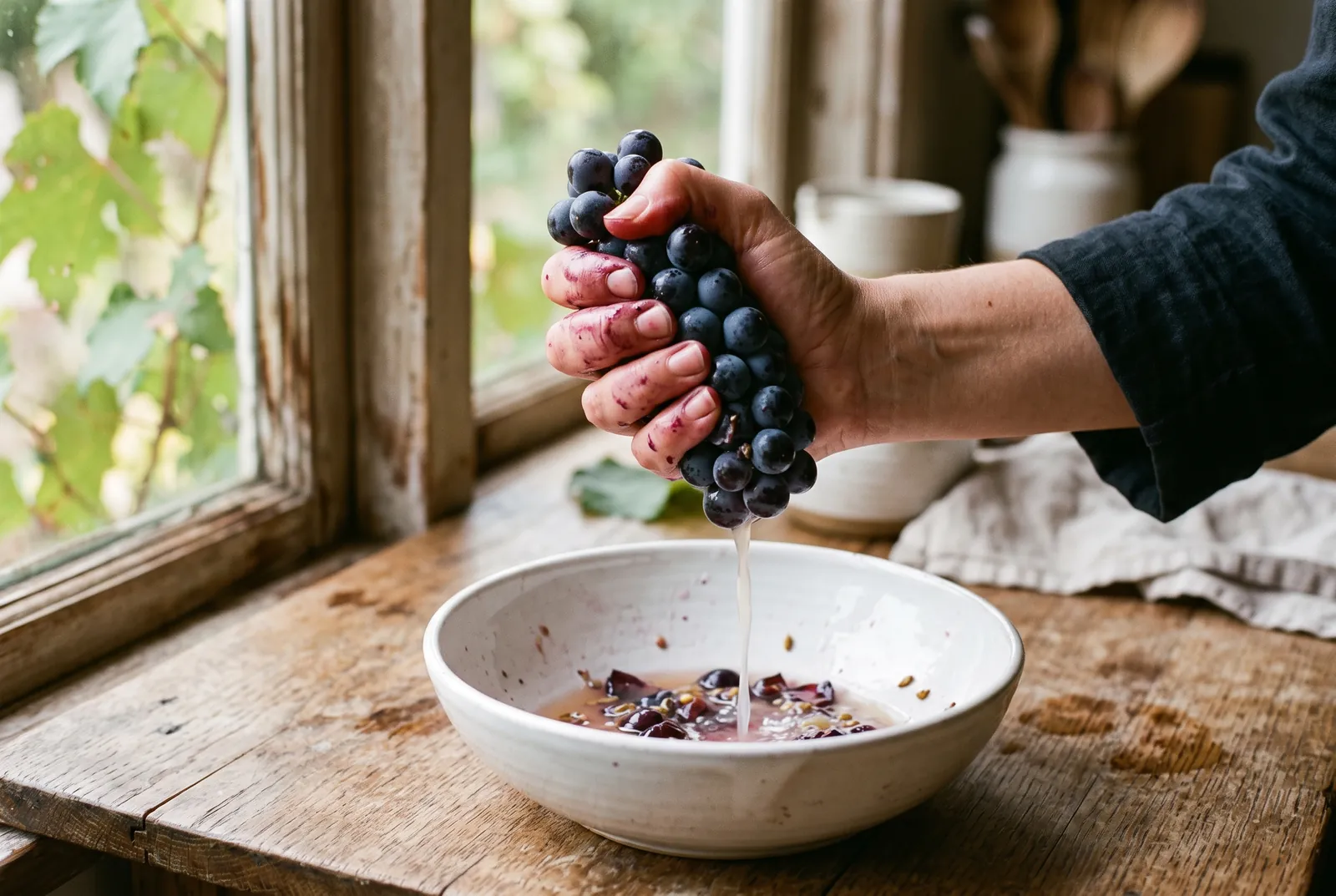
Red
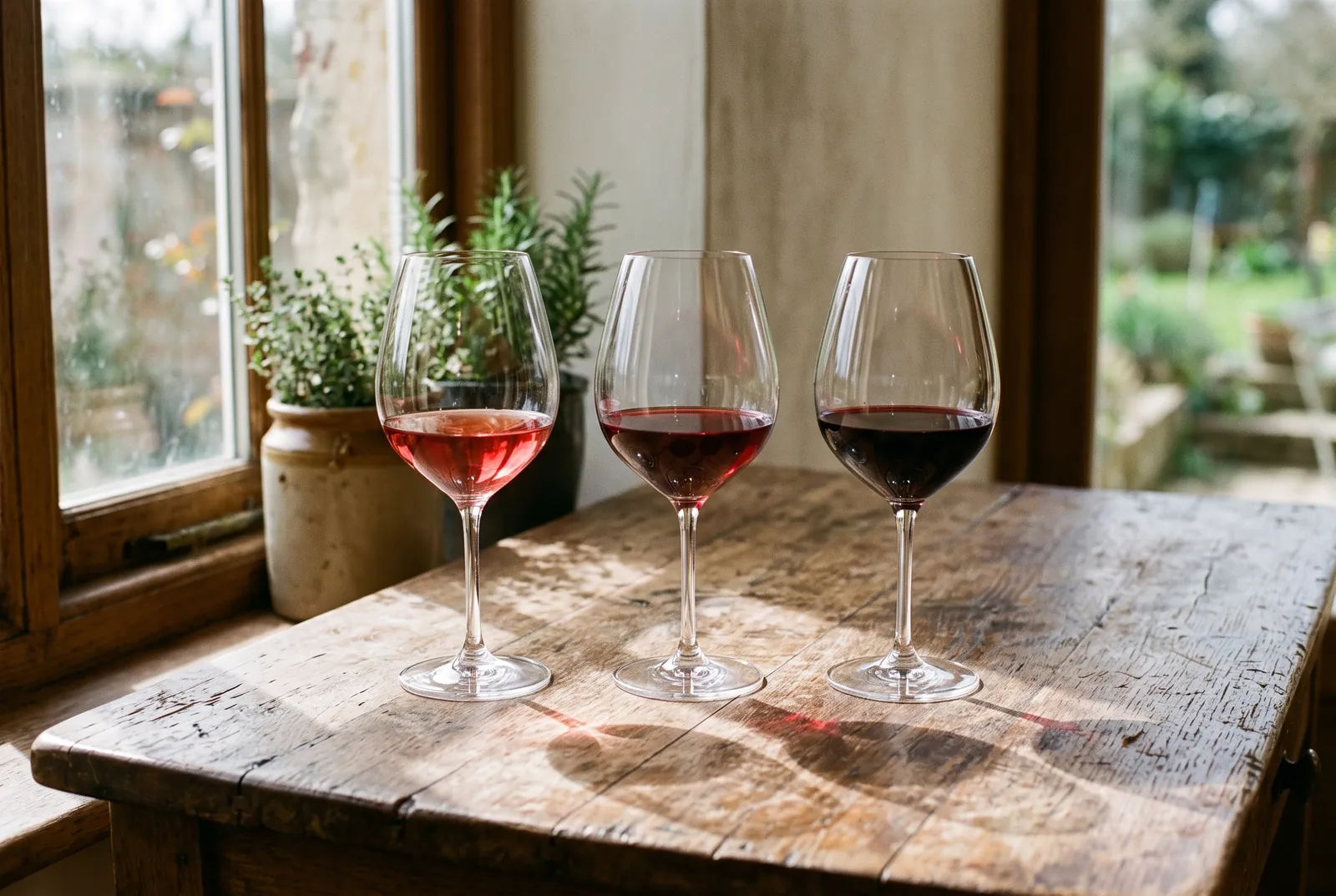
Made from dark grapes with the skins left in. Reds run from light and fruity (Pinot Noir) to dark and powerful (Cabernet Sauvignon, Syrah). Serve them a little cooler than the room. Twenty minutes in the fridge helps most reds.
Light
Pale, fresh and fruity, with very little grip. Lovely slightly chilled.
Try Pinot Noir, Gamay (Beaujolais)
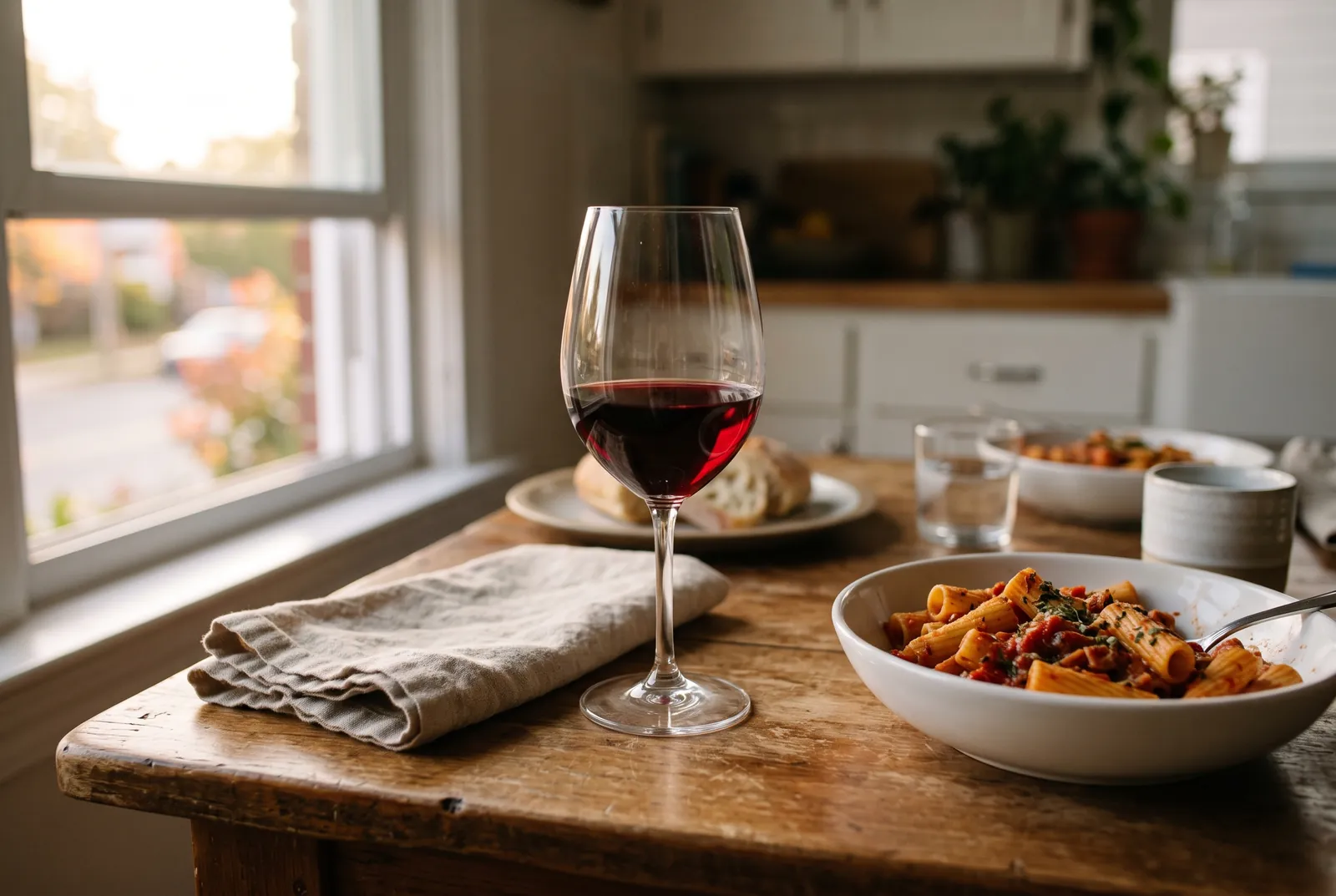
Medium
The all-rounder. Enough flavour for dinner without feeling heavy.
Try Merlot, Sangiovese (Chianti), Tempranillo (Rioja)
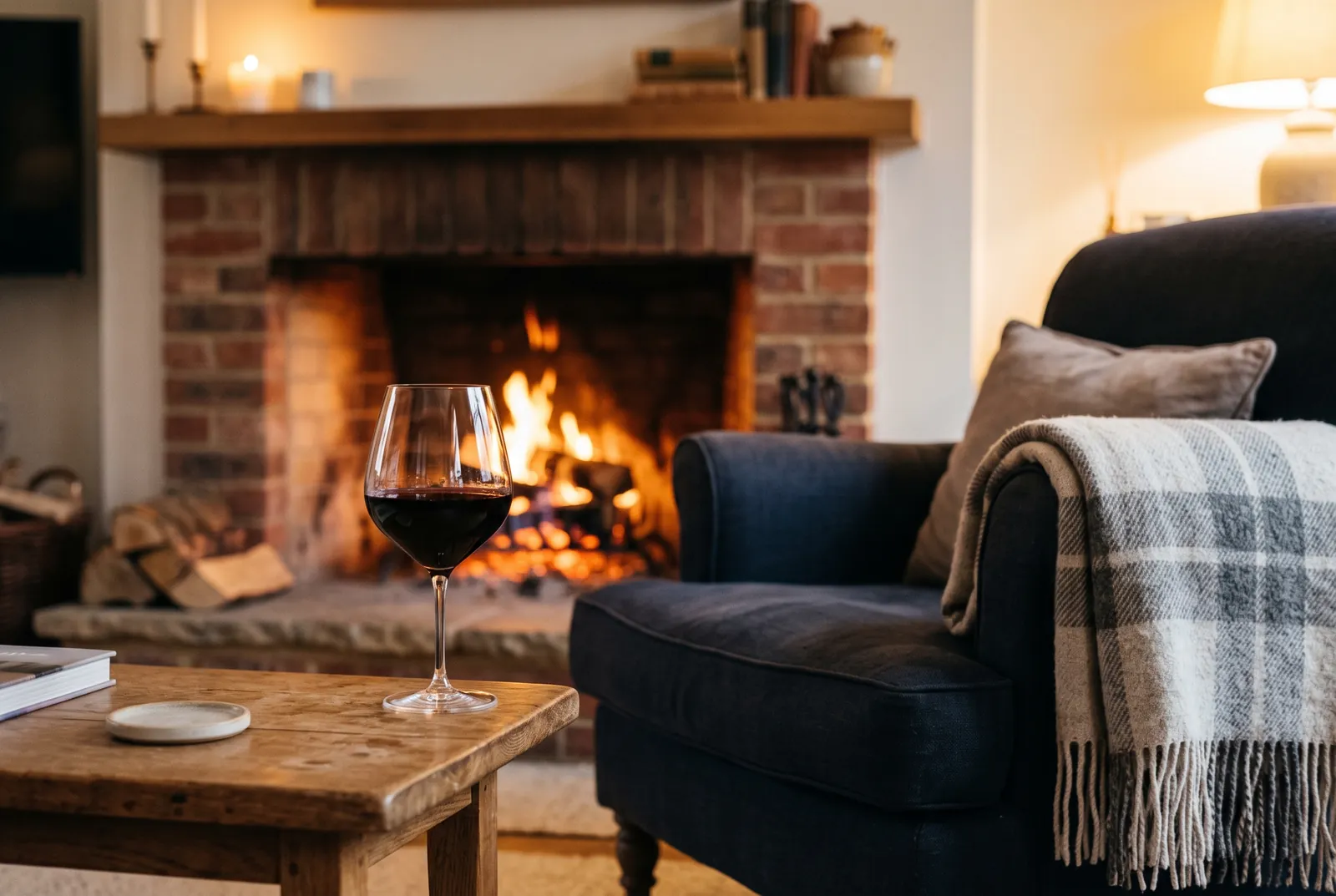
Bold
Dark, full and firm. Best with rich food or on a cold evening.
Try Cabernet Sauvignon, Syrah, Malbec
White
Made from the juice alone. Whites run from sharp and light (Riesling) to rich and round (oaked Chardonnay). Serve them cold, though not so icy that you cannot taste them.
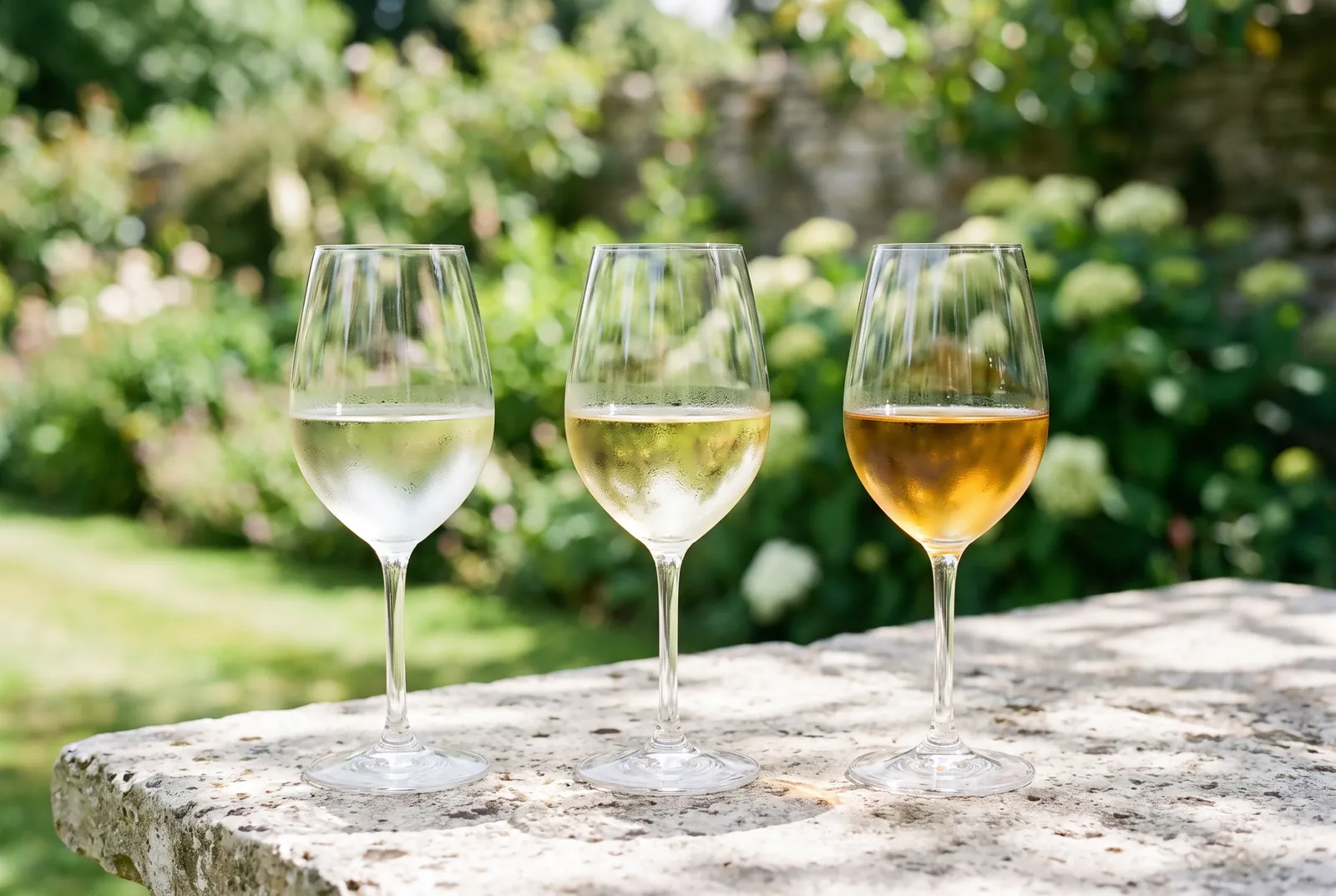
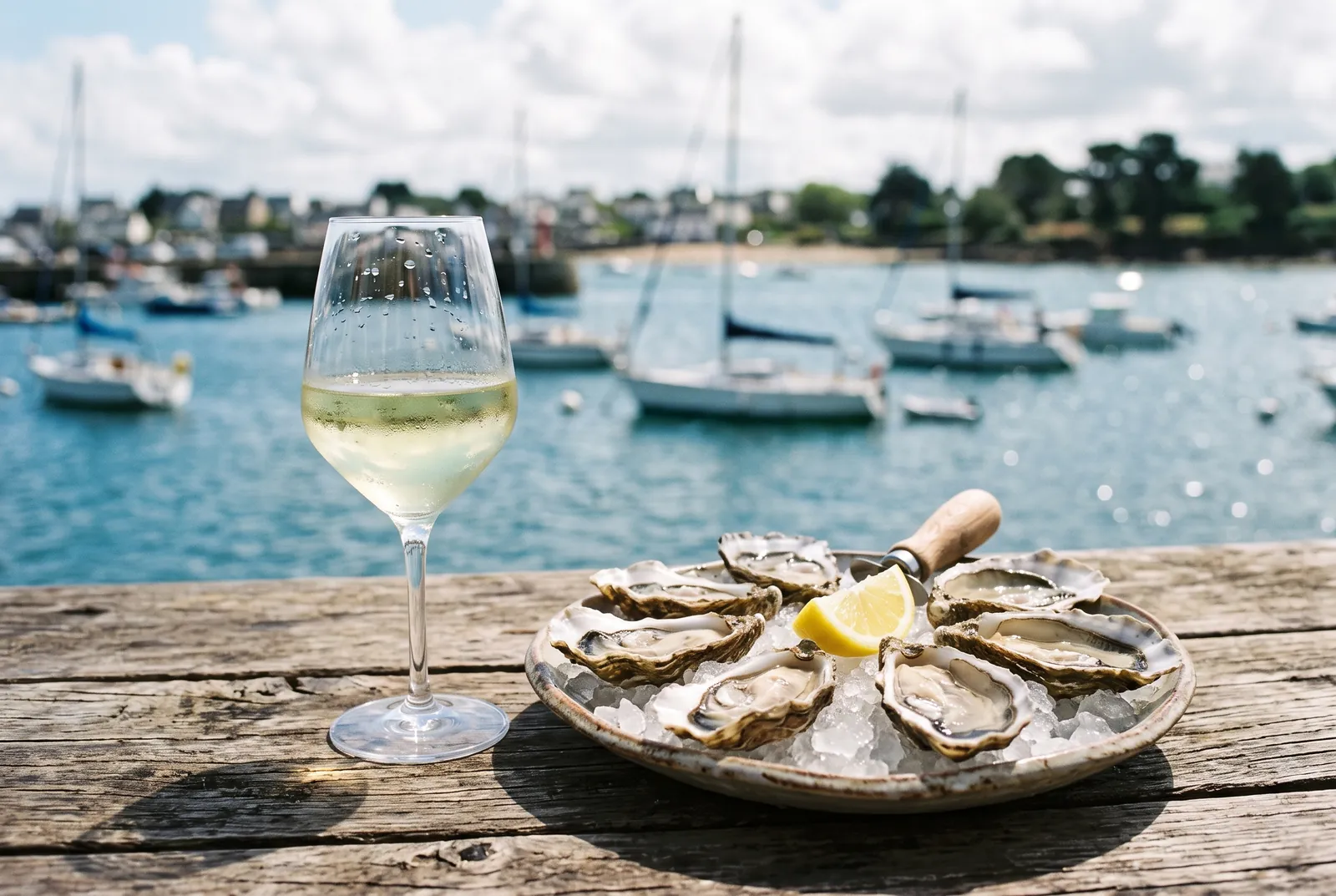
Crisp
Light, dry and mouth-watering, like a squeeze of lemon.
Try Sauvignon Blanc, Pinot Grigio, Chablis
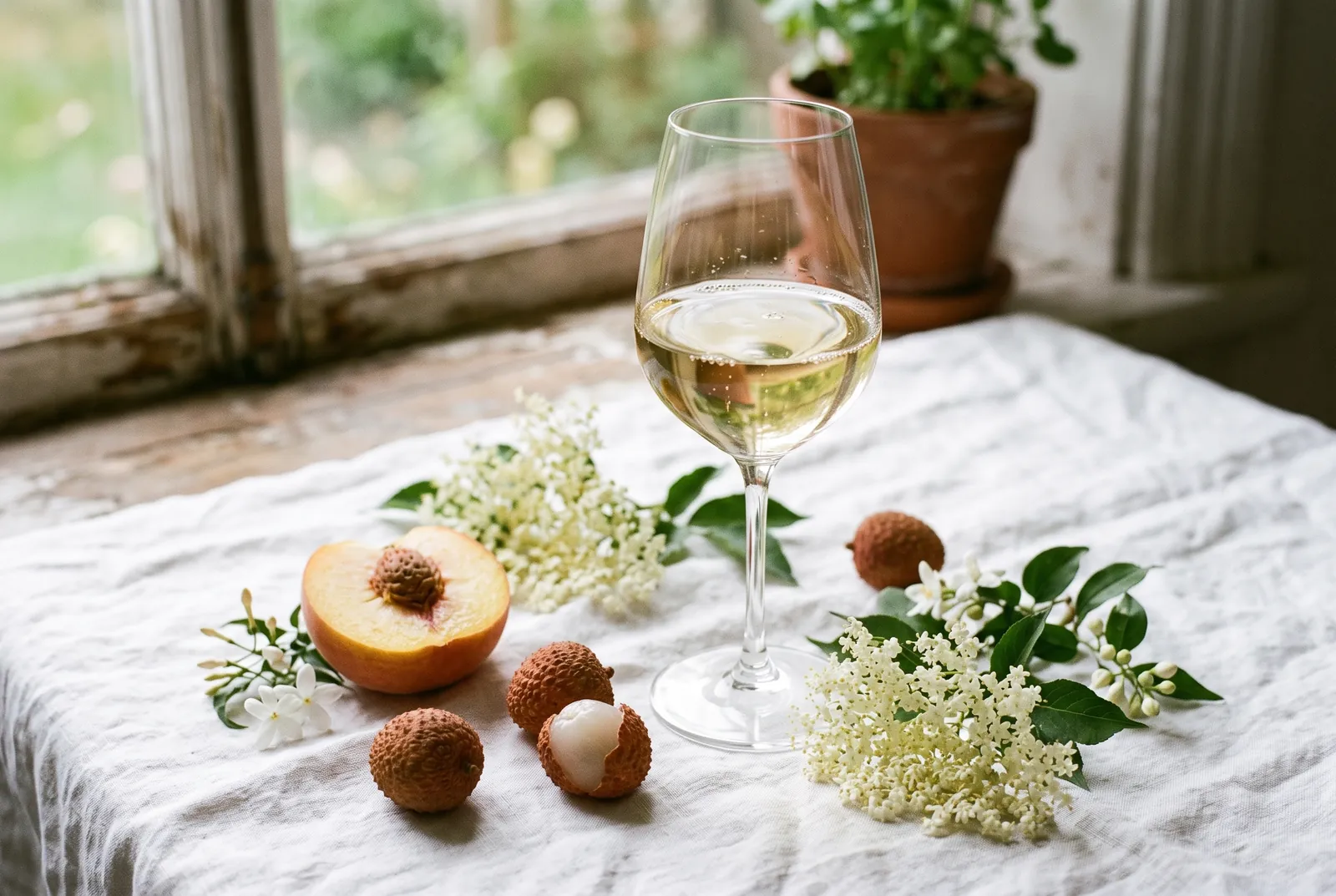
Aromatic
You smell flowers and ripe fruit before you even taste it. Dry or a touch sweet.
Try Riesling, Gewürztraminer, Viognier
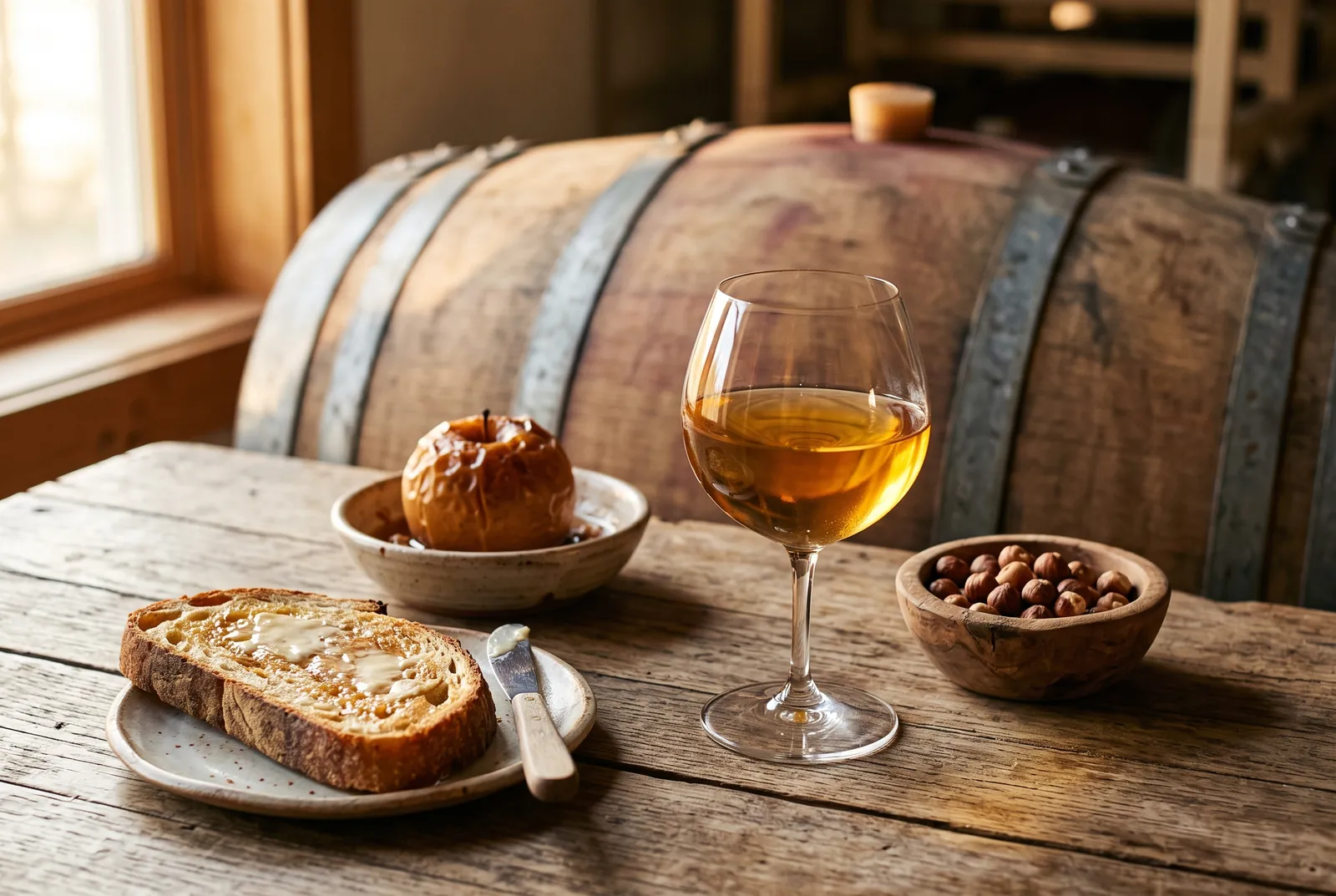
Rich
Fuller and rounder, often aged in oak, with flavours of butter, toast and ripe fruit.
Try Oaked Chardonnay from California or Burgundy
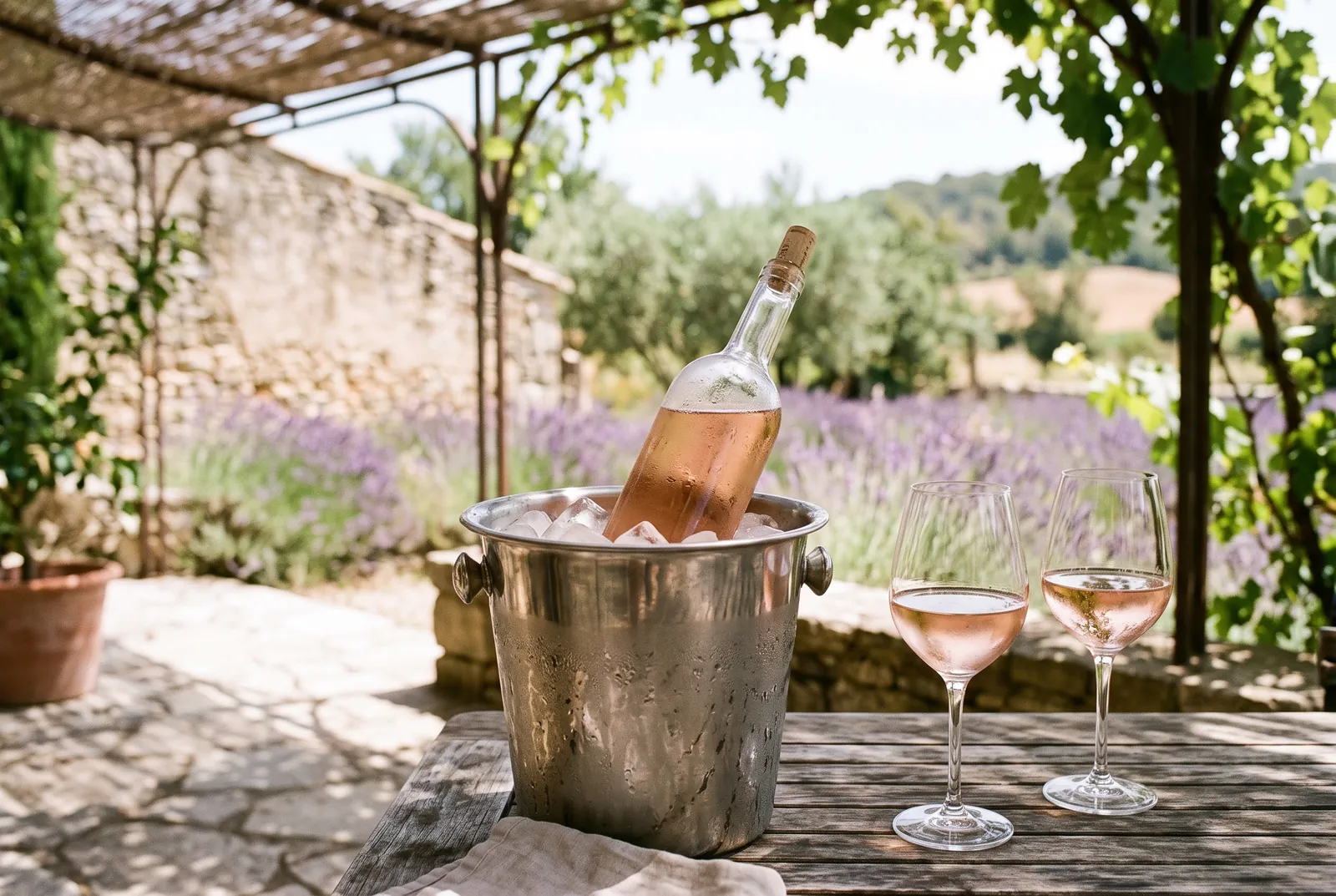
Rosé
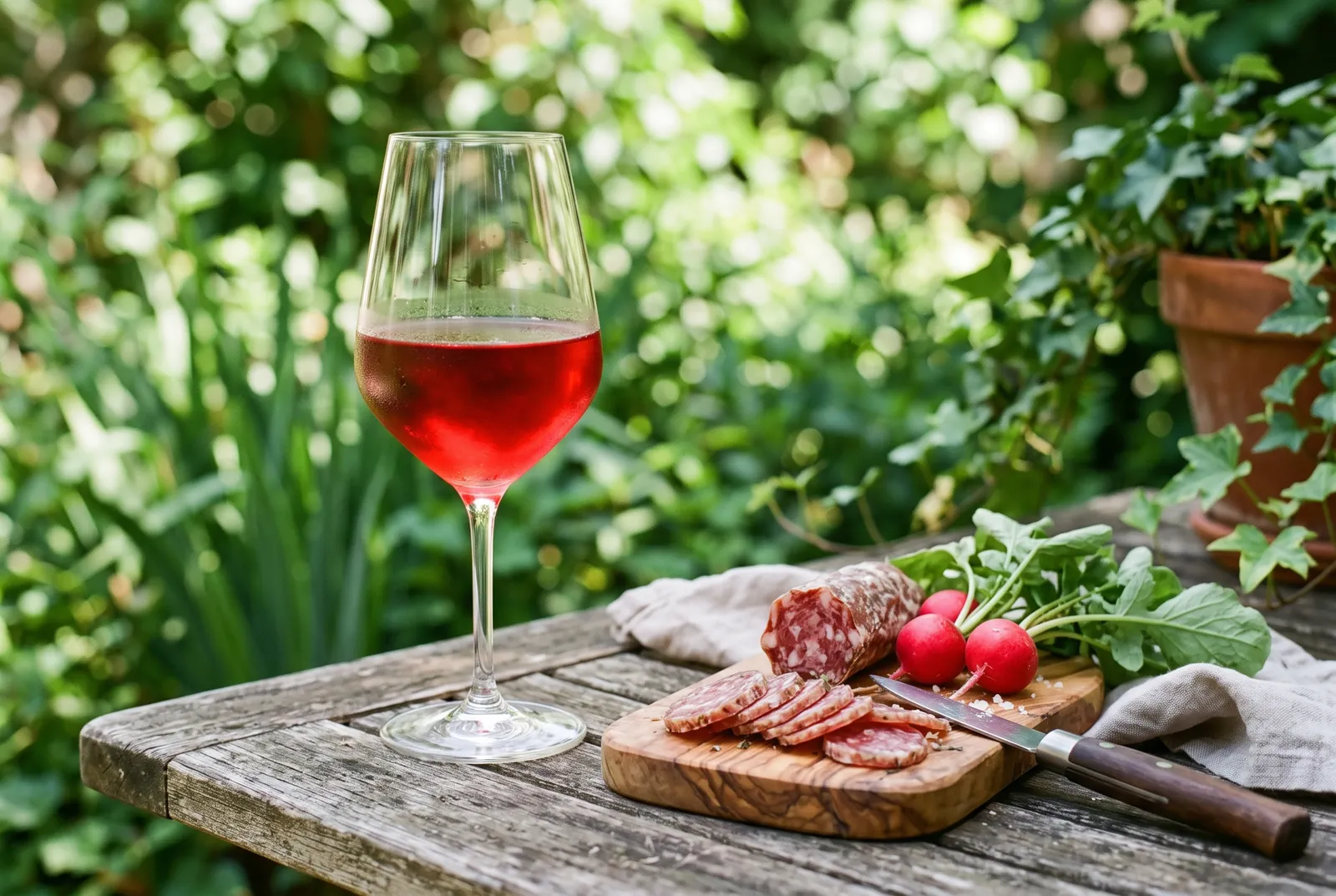
Pink wine, made from dark grapes with only a short time on the skins. Most rosé is dry, light and meant to be drunk young and cold. It is not a mix of red and white, with one famous exception: pink Champagne is often made by adding a little red wine.
Sparkling
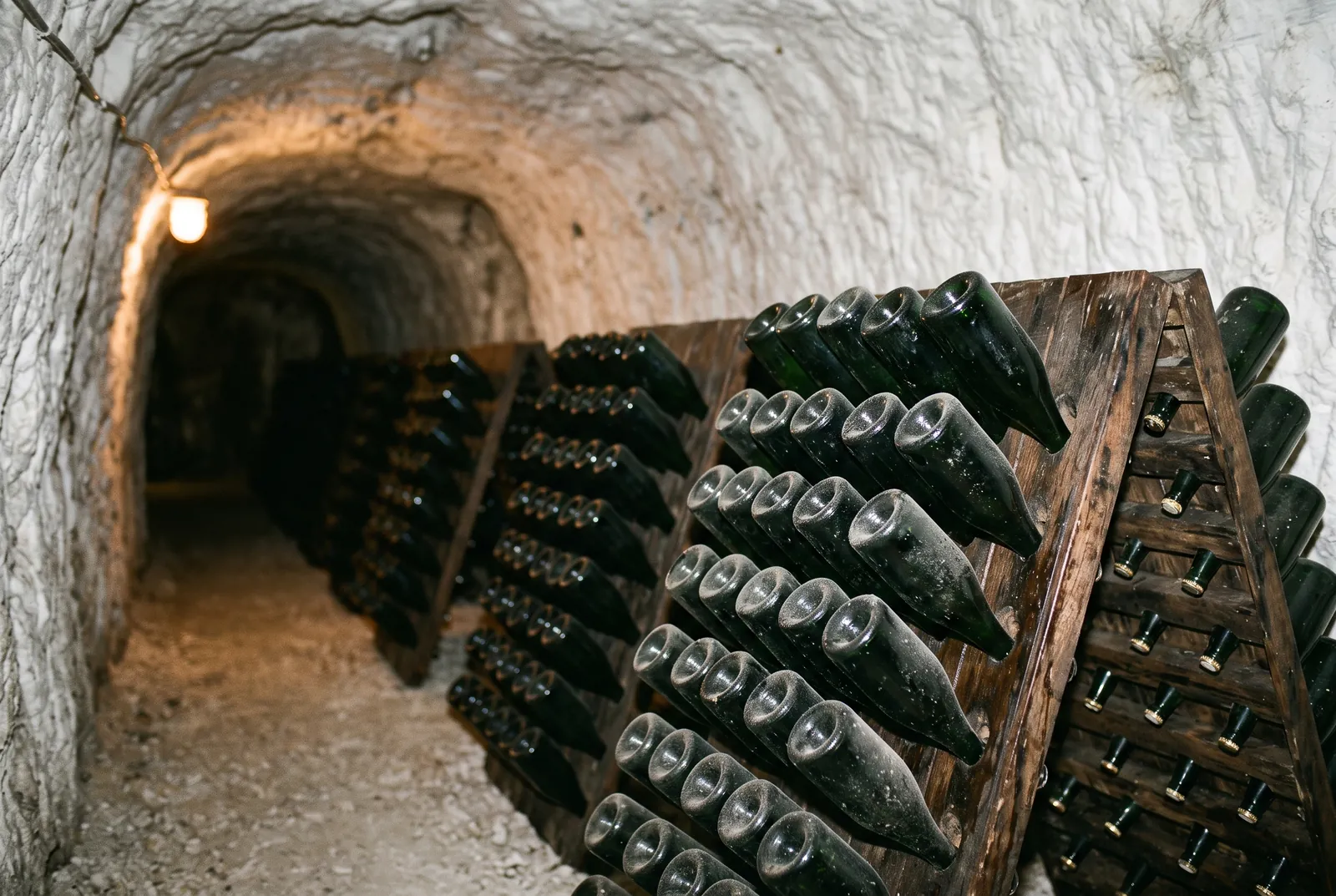
Any wine with bubbles. The fizz is carbon dioxide from a second fermentation. In Champagne that second fermentation happens inside the bottle you buy. It takes well over a year, which is part of why it costs more. Brut on the label means dry.
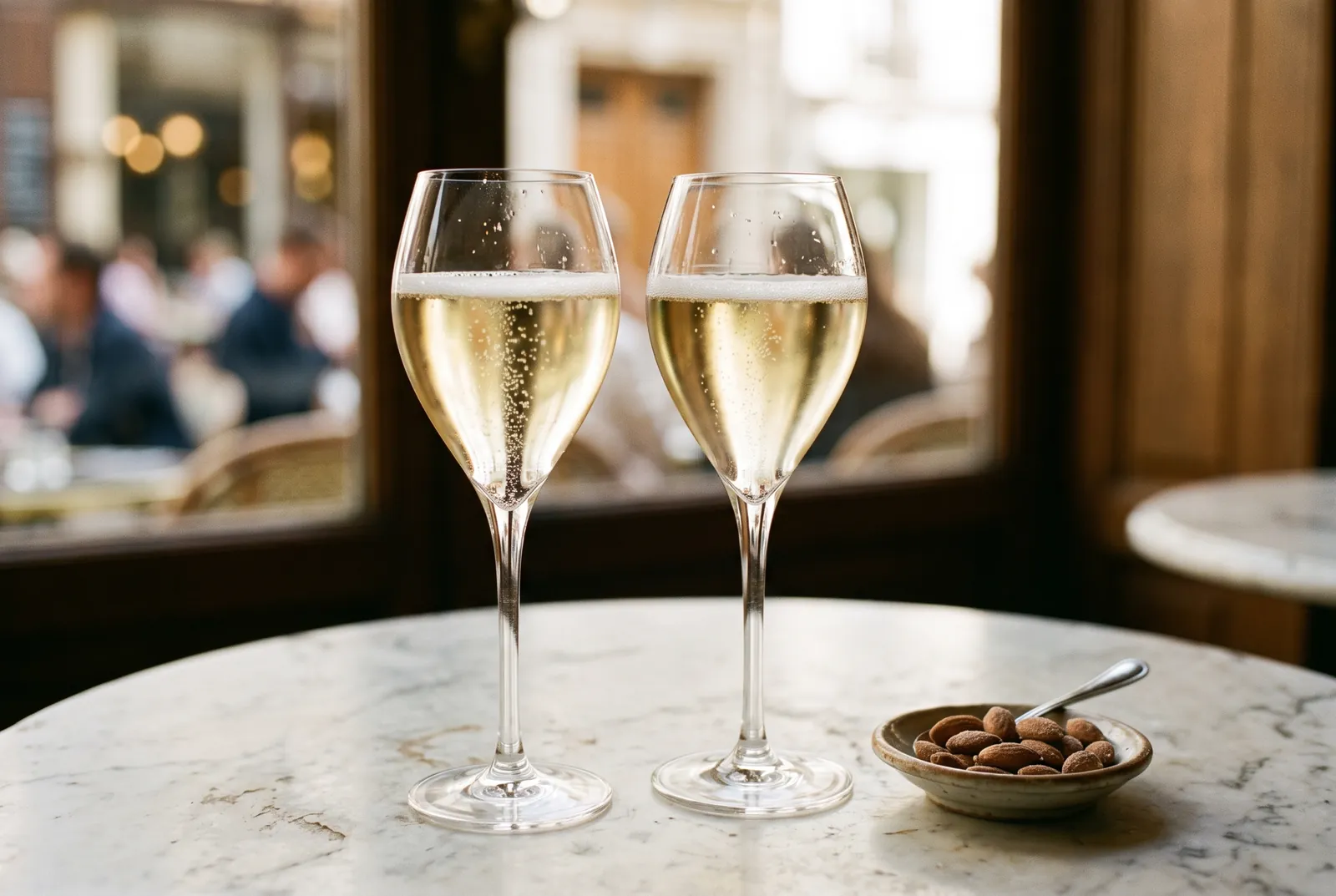
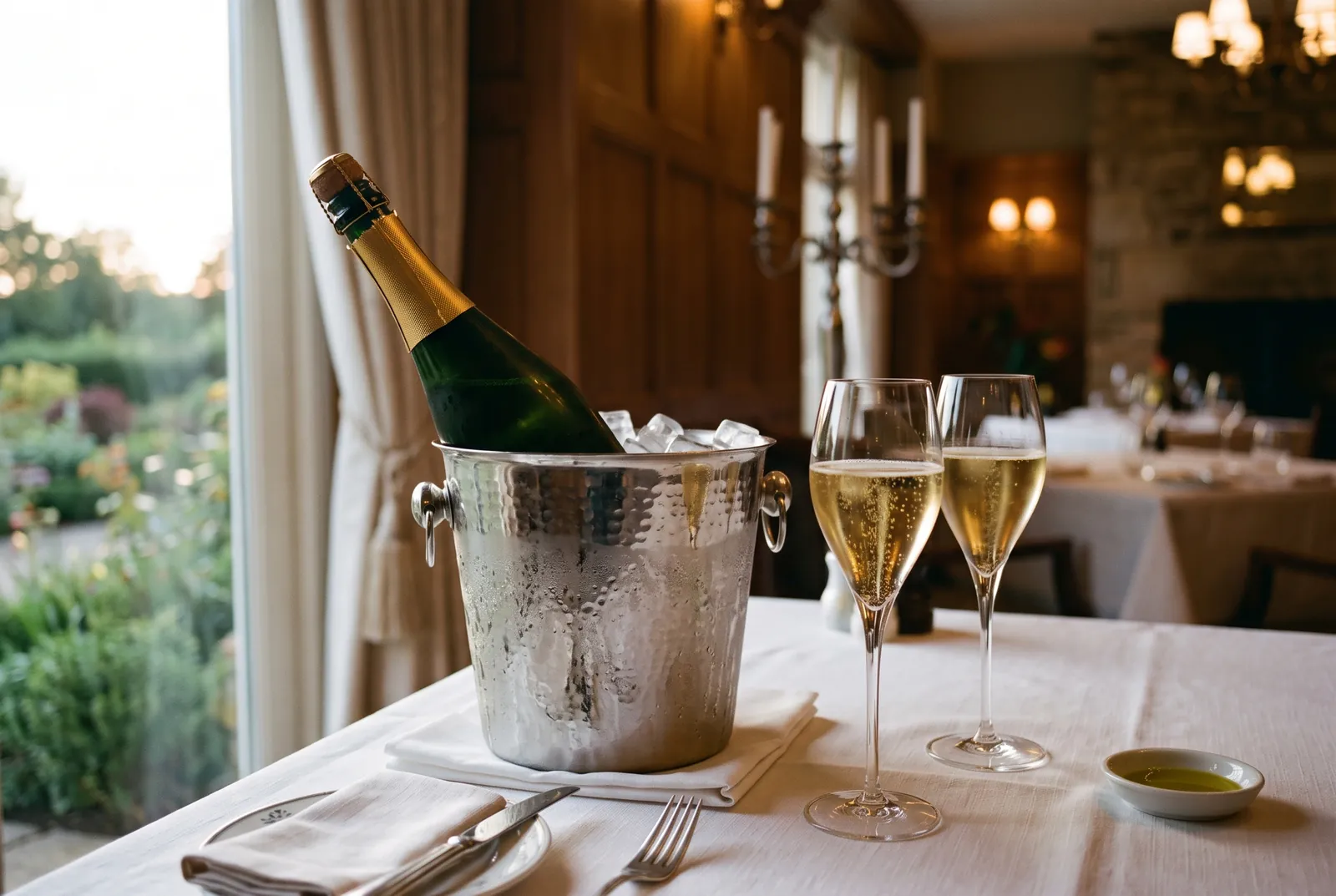
Champagne
From the Champagne region of northern France. The bubbles form slowly inside each bottle, which gives a toasty, bready taste. The most expensive of the three.
Tastes of Apple, lemon, toast
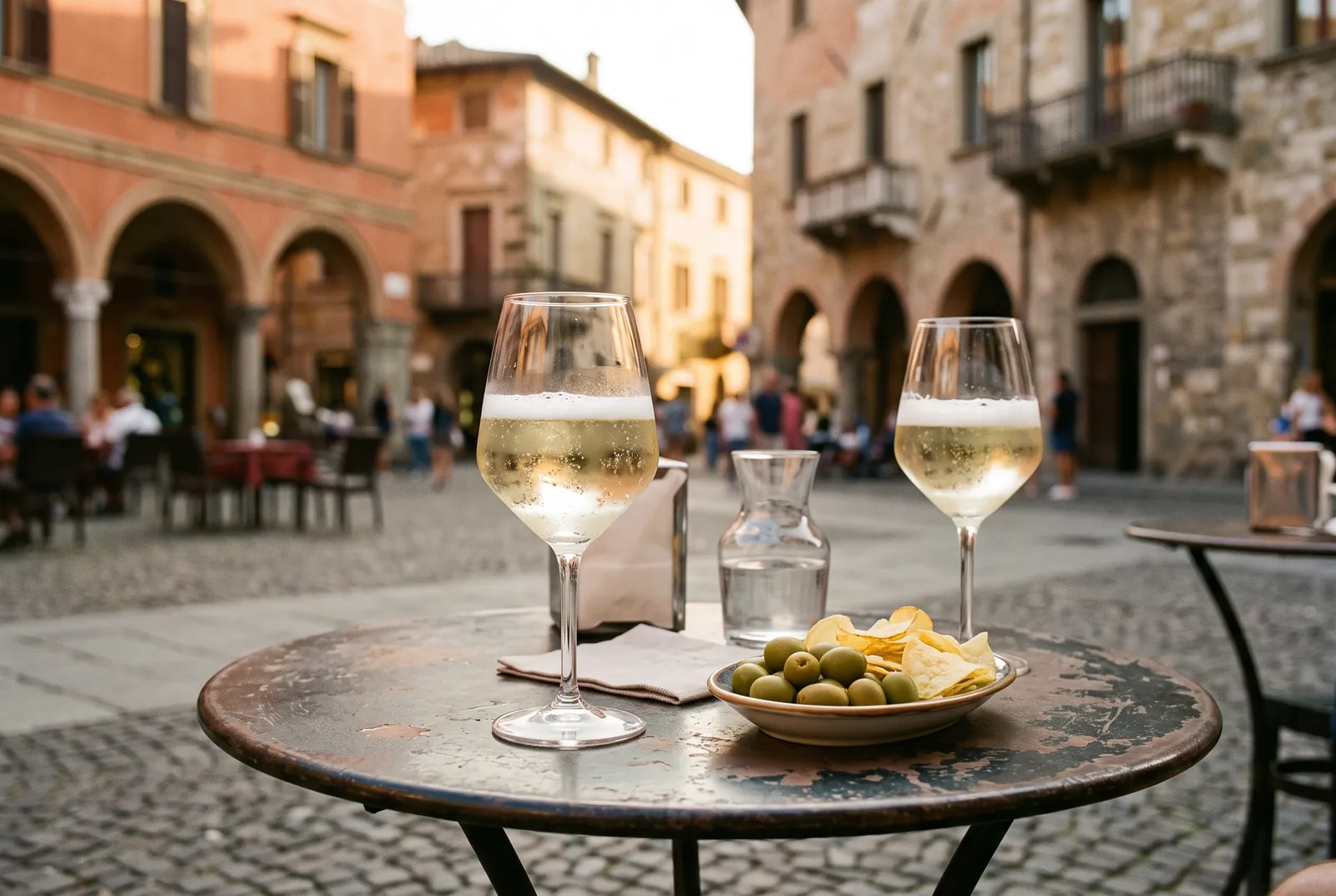
Prosecco
From north-east Italy. The bubbles form in a big sealed tank, which is quicker, so the wine is lighter, fruitier and costs less.
Tastes of Pear, apple, white flowers
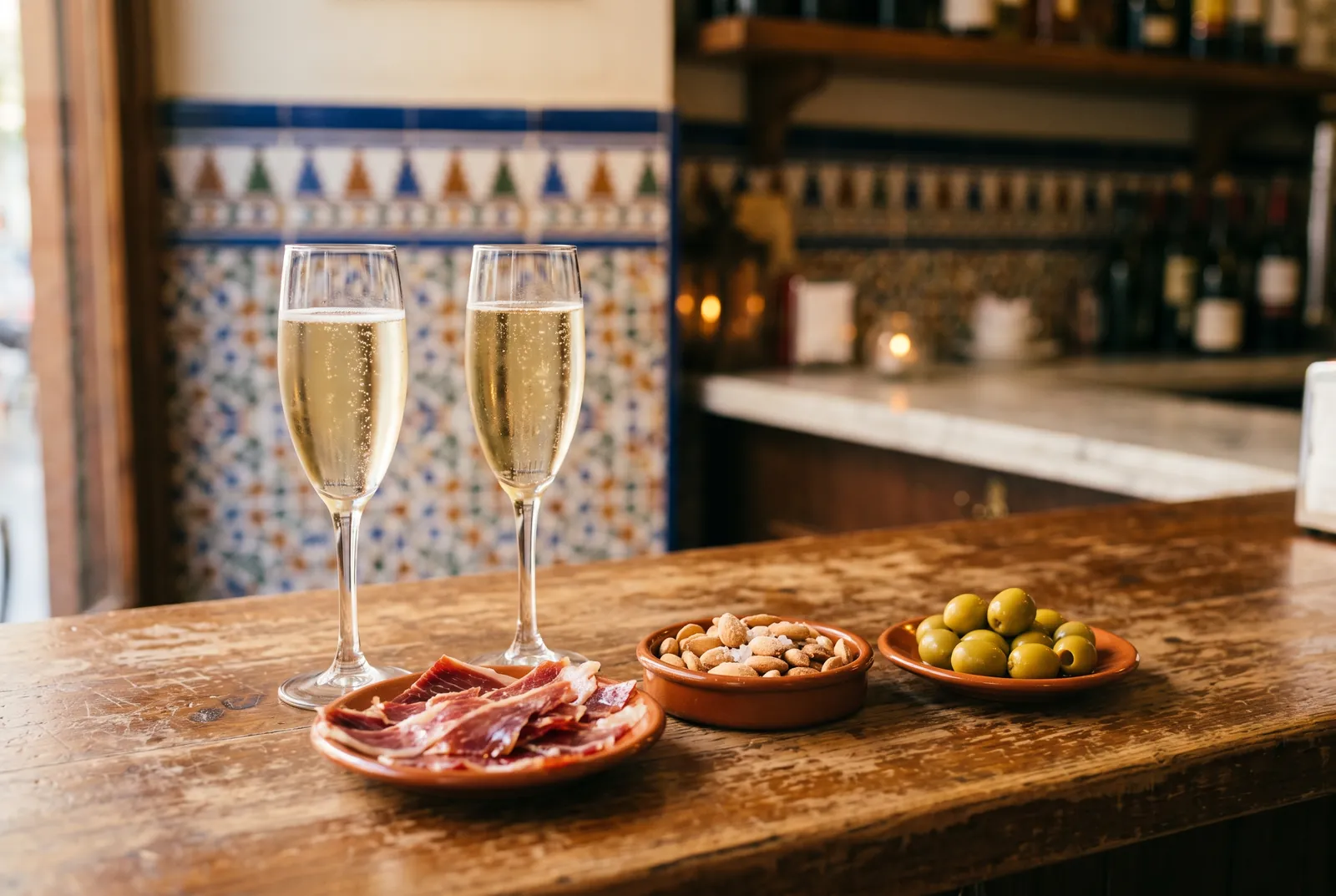
Cava
From Spain, mostly near Barcelona. Made in the bottle like Champagne, from local grapes, for far less money.
Tastes of Lemon, apple, a little toast
Sweet
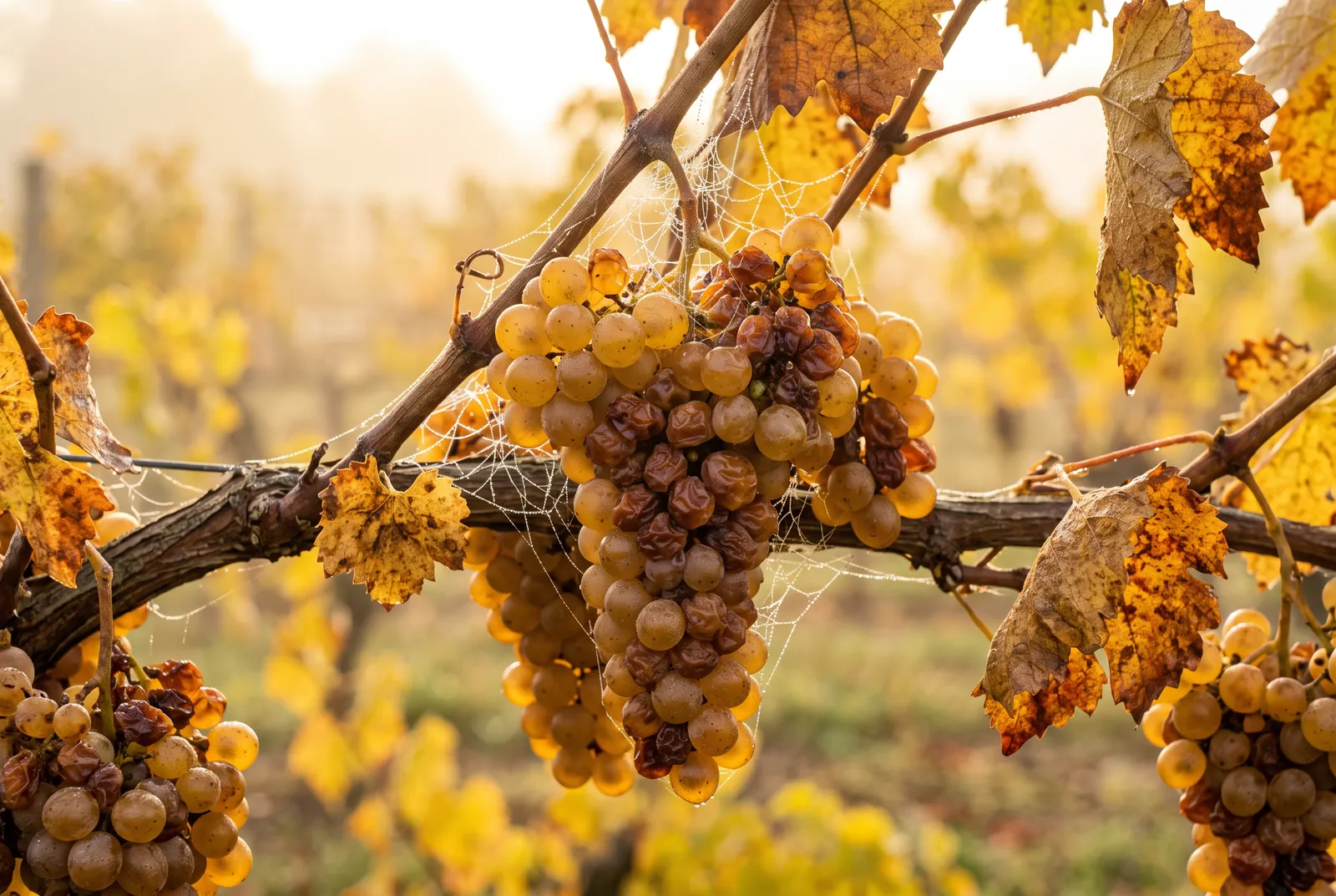
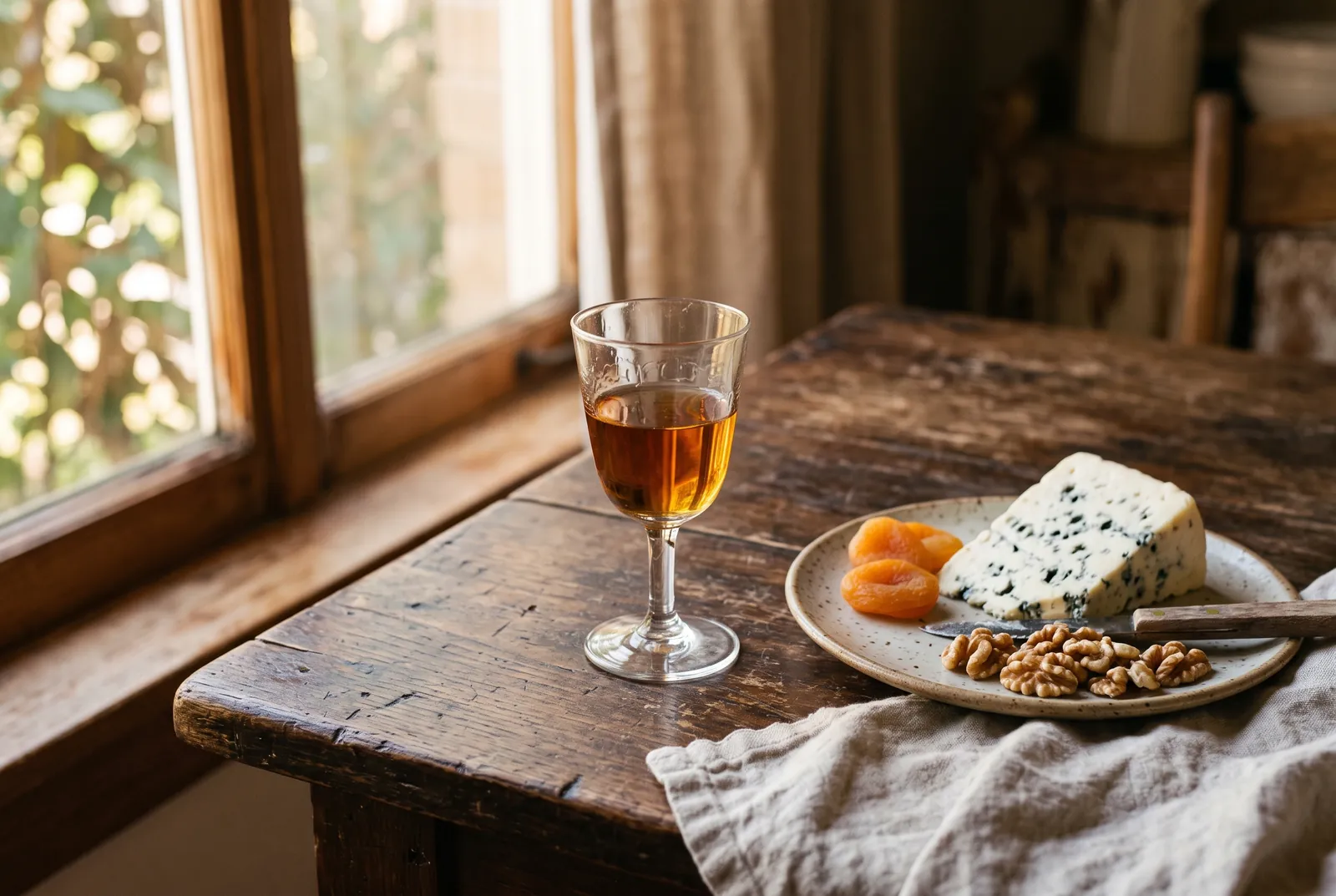
Wine that keeps some natural grape sugar, because the grapes were picked very ripe or the fermentation was stopped early. Sweet wines are served cold in small glasses and can be wonderful with cheese or dessert.
Dry does not mean the wine dries your mouth. It simply means not sweet. Most wine you will meet is dry.
More short lessons
 4 min read
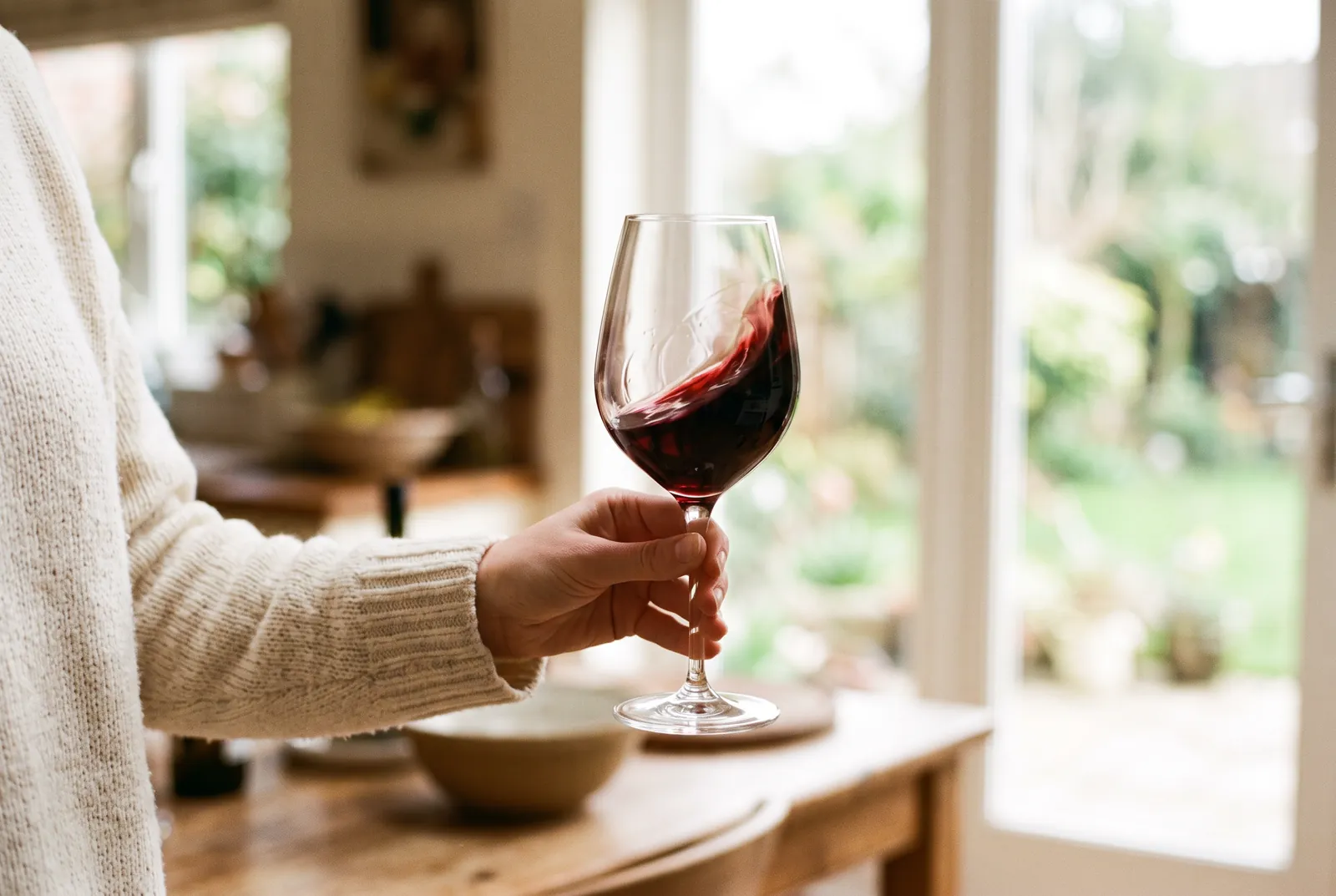
How to taste wine without feeling silly
Four small steps: look, swirl, sniff, sip. They take ten seconds and they really do make a glass more…
 4 min read
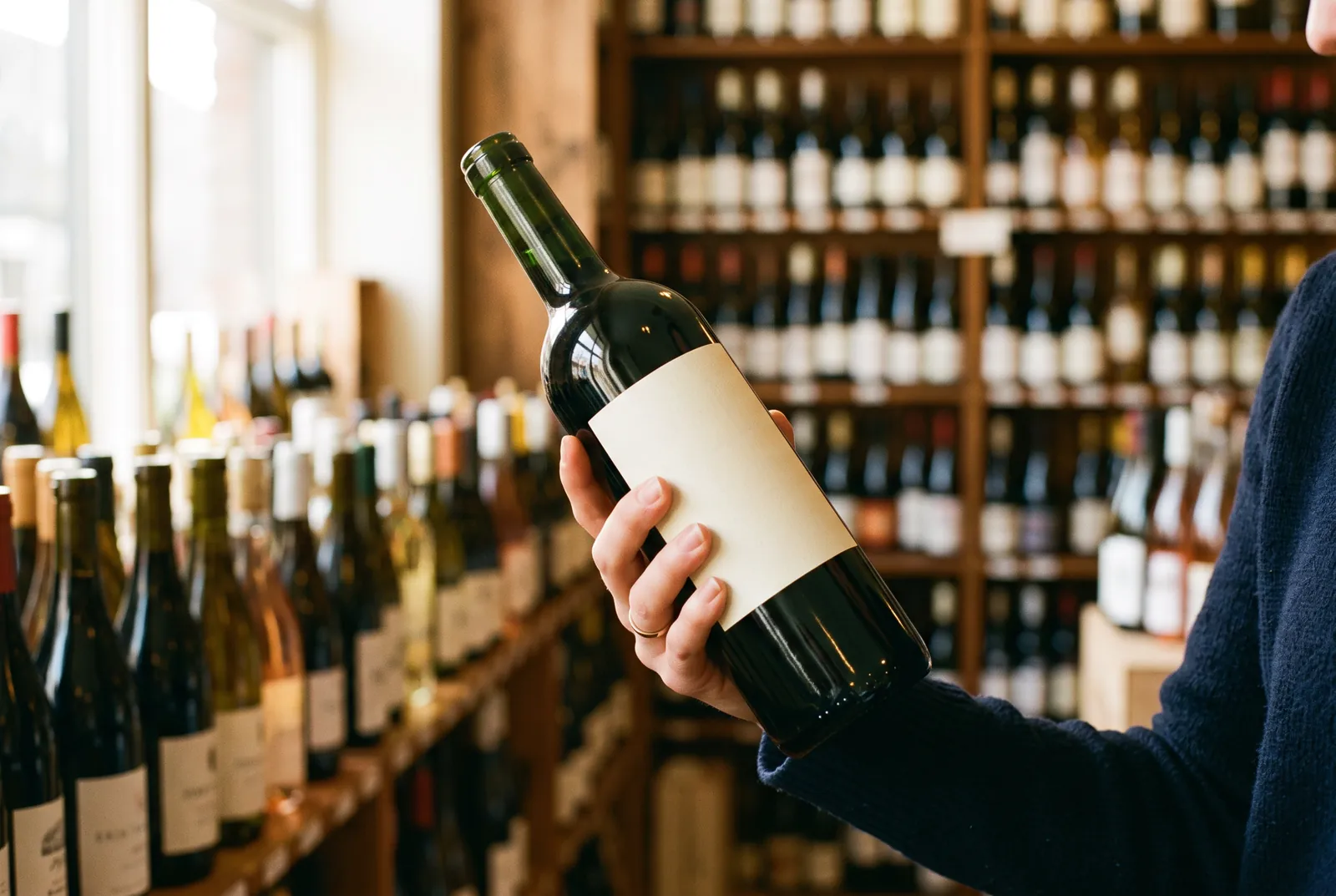
How to read a wine label
A label answers four questions: who made it, where, from which grape, and in which year. The trick is knowing…
 5 min read
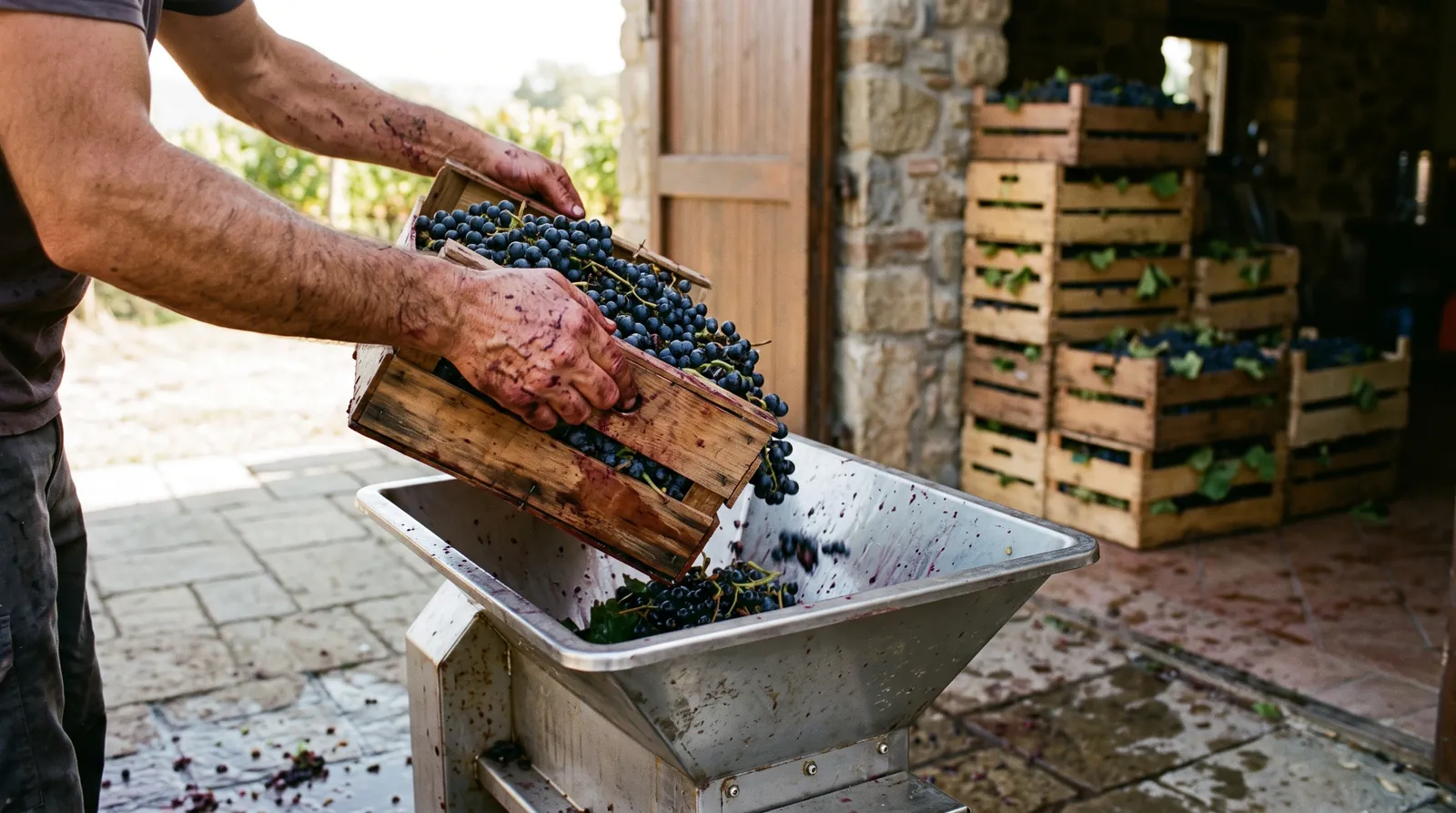
How wine is made, in five steps
Wine is fermented grape juice. Yeast eats the sugar in ripe grapes and turns it into alcohol. Everything else…