 Bordeaux
 Burgundy
 Champagne
 Rhône
Rhône Napa Valley
 Tuscany
 Piedmont
 Mosel
Mosel Oregon
 Rioja
Rioja California sparkling
 Valais and Lavaux
 England
 Douro
Douro Etna
Etna Mendoza
 Marlborough
 Stellenbosch
 Barossa Valley
 Tasmania
 Beaujolais
 Jura
Jura Alsace
 Loire
Loire Provence
 Ribera del Duero
 Sonoma
 What land costs
 Good years and bad
 Appellations
 Famous vineyards
 Famous wines
 Who makes them
 Find a vintage
 Compare wines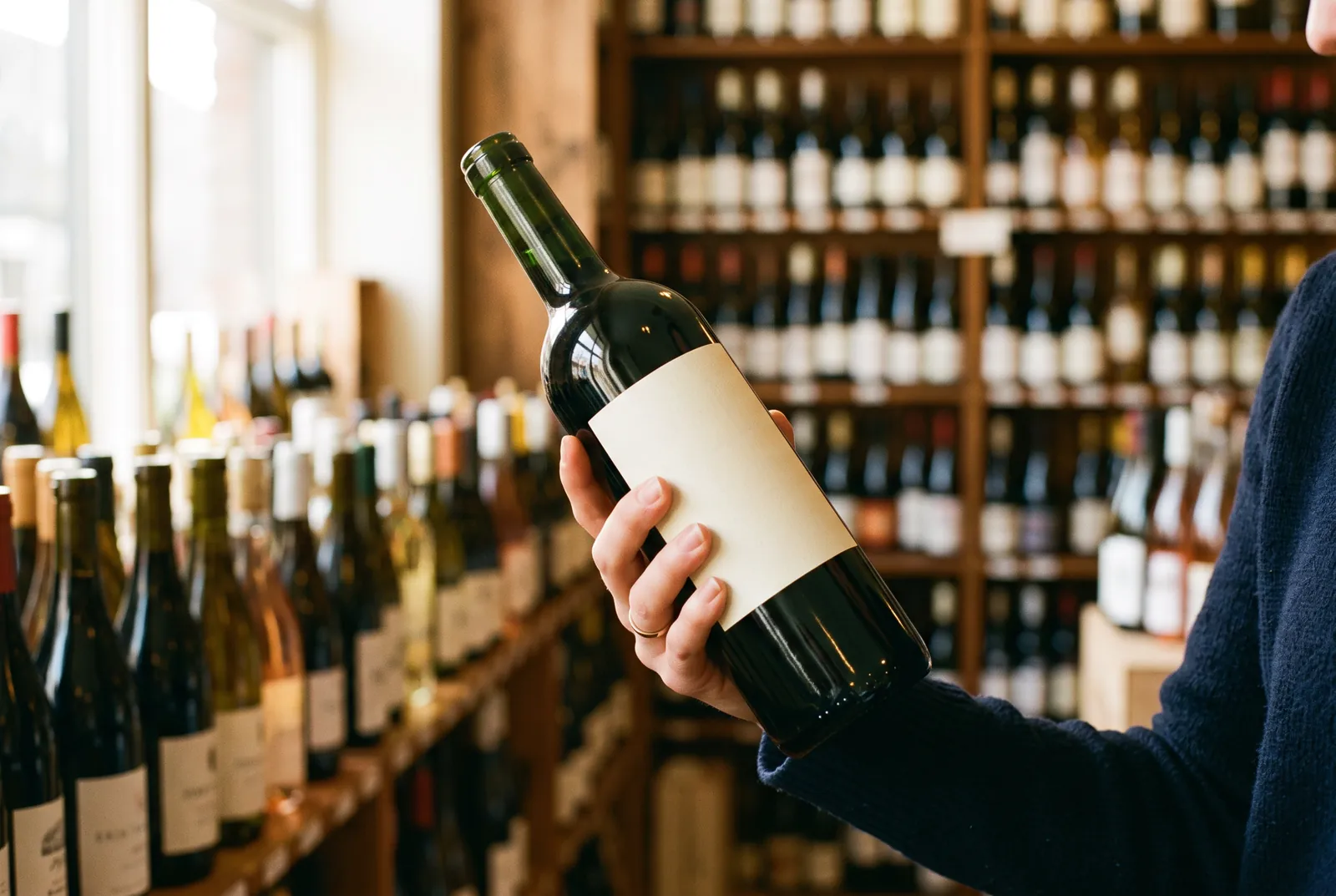
The four things on almost every label
- 1The producer. Who made the wine. Often the biggest words on the label.
- 2The place. Where the grapes grew. This might be a country, a region or a single village.
- 3The grape. Such as Chardonnay or Merlot. Not always shown. See below.
- 4The vintage. The year the grapes were picked.
Named after the grape
Usual in the United States, Australia, Chile and Argentina.
Named after the place
Usual in France, Italy and Spain.
Both labels are invented, to show where to look.
Why some labels name the grape and others name the place
Wines from the United States, Australia, Chile and most newer wine countries usually put the grape on the front: Napa Valley Cabernet Sauvignon.
Many European wines are named after the place instead, and you are expected to know the grape. A red Burgundy is Pinot Noir. A Chablis is Chardonnay. A Rioja is mostly Tempranillo. A Barolo is Nebbiolo. It feels unfair at first, but there are only a handful worth learning, and our region pages spell them out.
Words you will see
- Appellation. An official, legally protected growing area. France uses the letters AOC or AOP, Italy DOC or DOCG, Spain DO or DOCa.
- Reserve, Riserva, Reserva. In Italy and Spain this means the wine was aged longer by law. Elsewhere it can simply be marketing.
- Grand cru, premier cru. French terms for the highest-ranked vineyards or estates.
- Brut. On sparkling wine, dry.
- The percentage. Alcohol by volume. Around 12% feels light, 14.5% and above feels big.
The back label is often more useful than the front. It may tell you the grapes, how sweet the wine is, and what it tastes like.
More short lessons
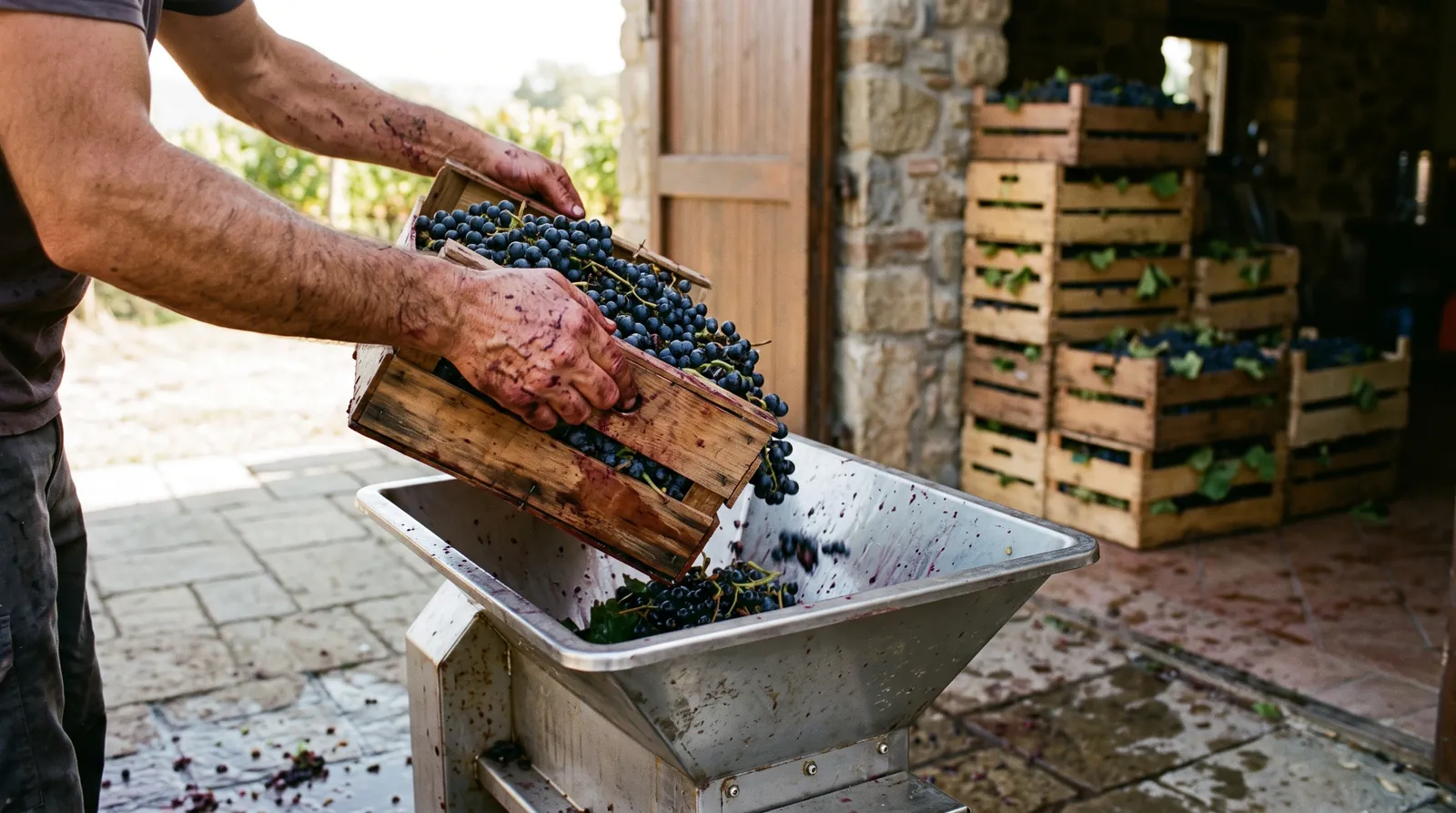 5 min read
How wine is made, in five steps
Wine is fermented grape juice. Yeast eats the sugar in ripe grapes and turns it into alcohol. Everything else…
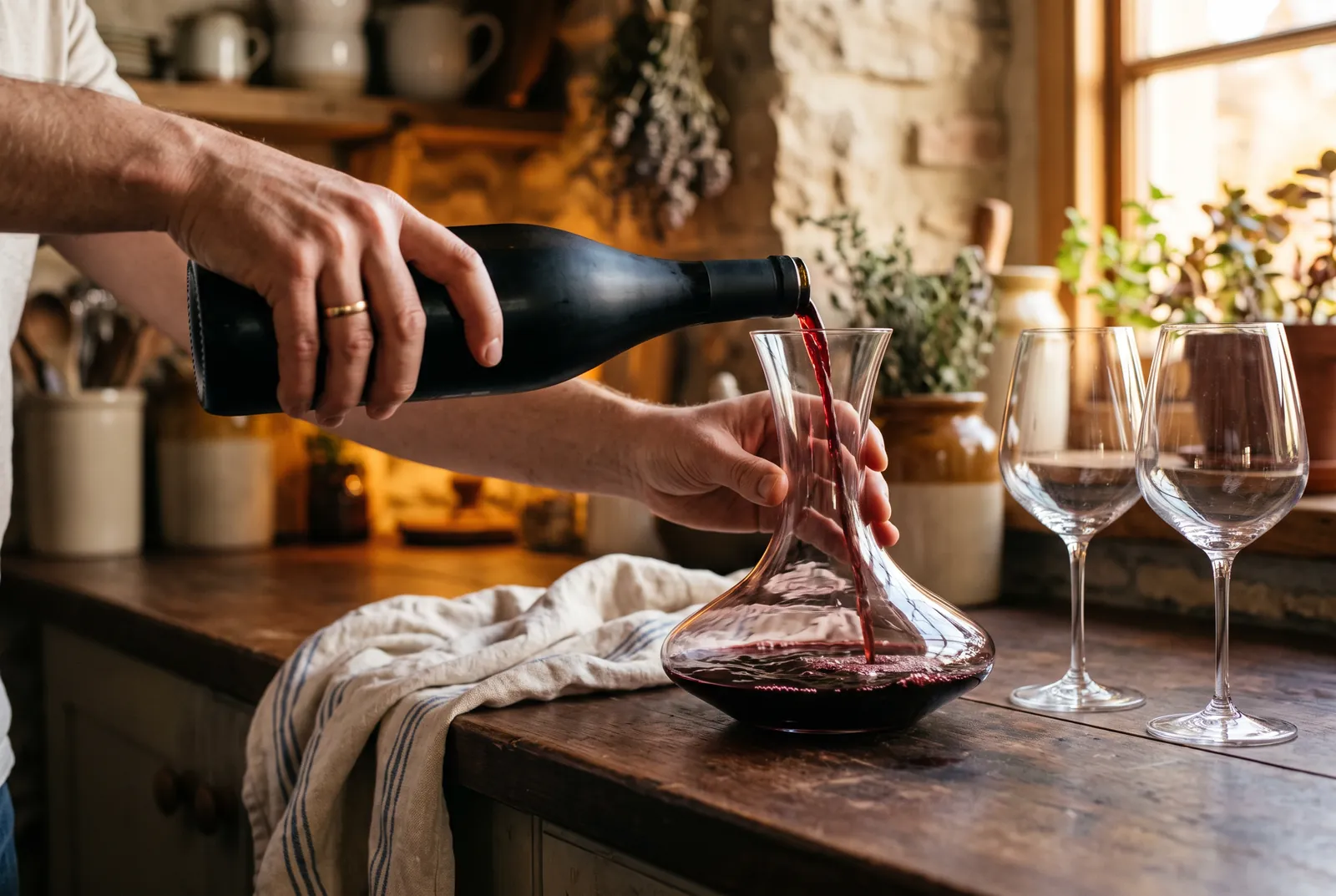 4 min read
Serving and storing wine at home
You do not need a cellar or special glasses. A few simple habits get the best out of any bottle.
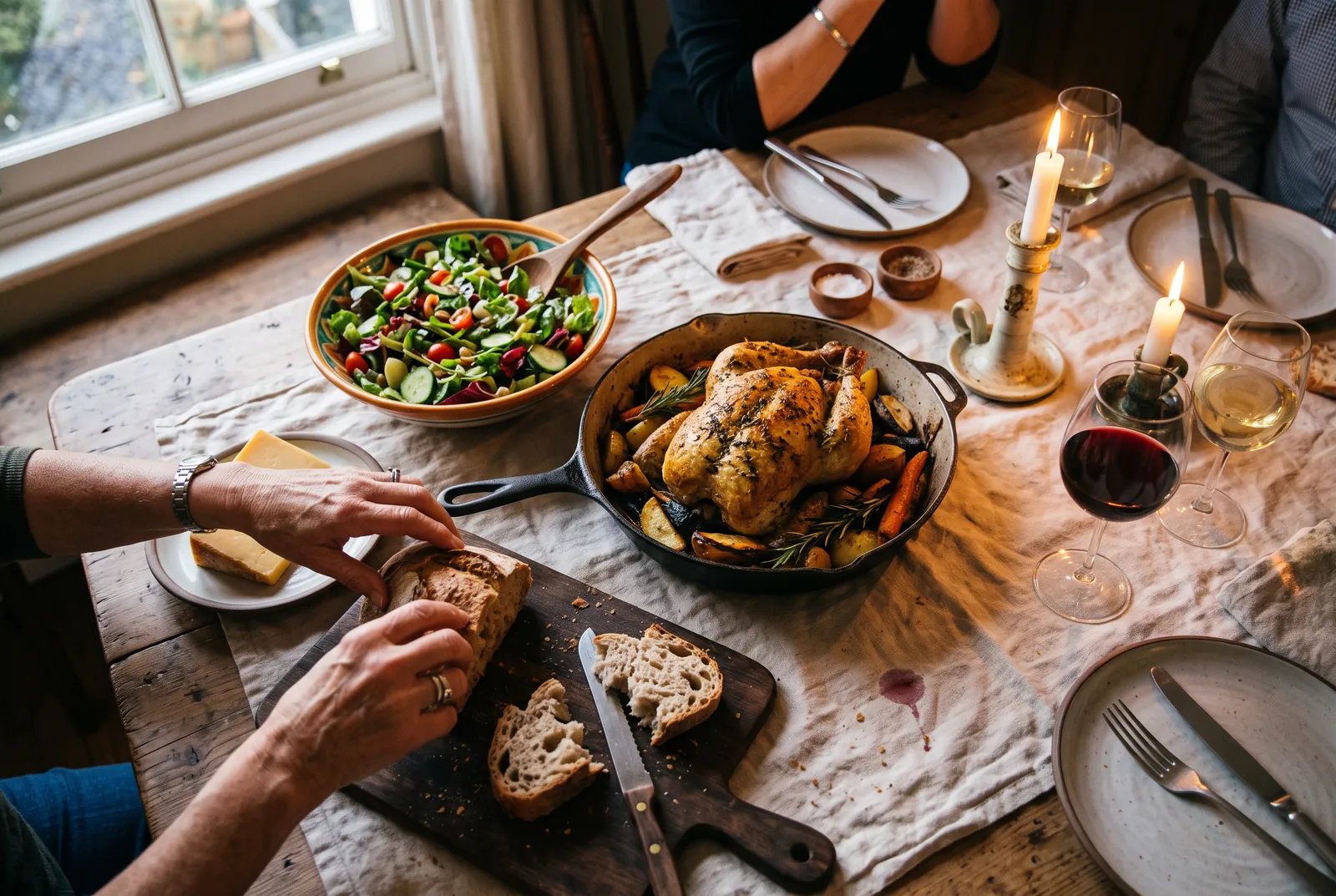 4 min read
Wine with food: the simple rules
There is no law about red with meat and white with fish. Match the weight of the wine to the weight of the…