 Bordeaux
 Burgundy
 Champagne
 Rhône
Rhône Napa Valley
 Tuscany
 Piedmont
 Mosel
Mosel Oregon
 Rioja
Rioja California sparkling
 Valais and Lavaux
 England
 Douro
Douro Etna
Etna Mendoza
 Marlborough
 Stellenbosch
 Barossa Valley
 Tasmania
 Beaujolais
 Jura
Jura Alsace
 Loire
Loire Provence
 Ribera del Duero
 Sonoma
 What land costs
 Good years and bad
 Appellations
 Famous vineyards
 Famous wines
 Who makes them
 Find a vintage
 Compare wines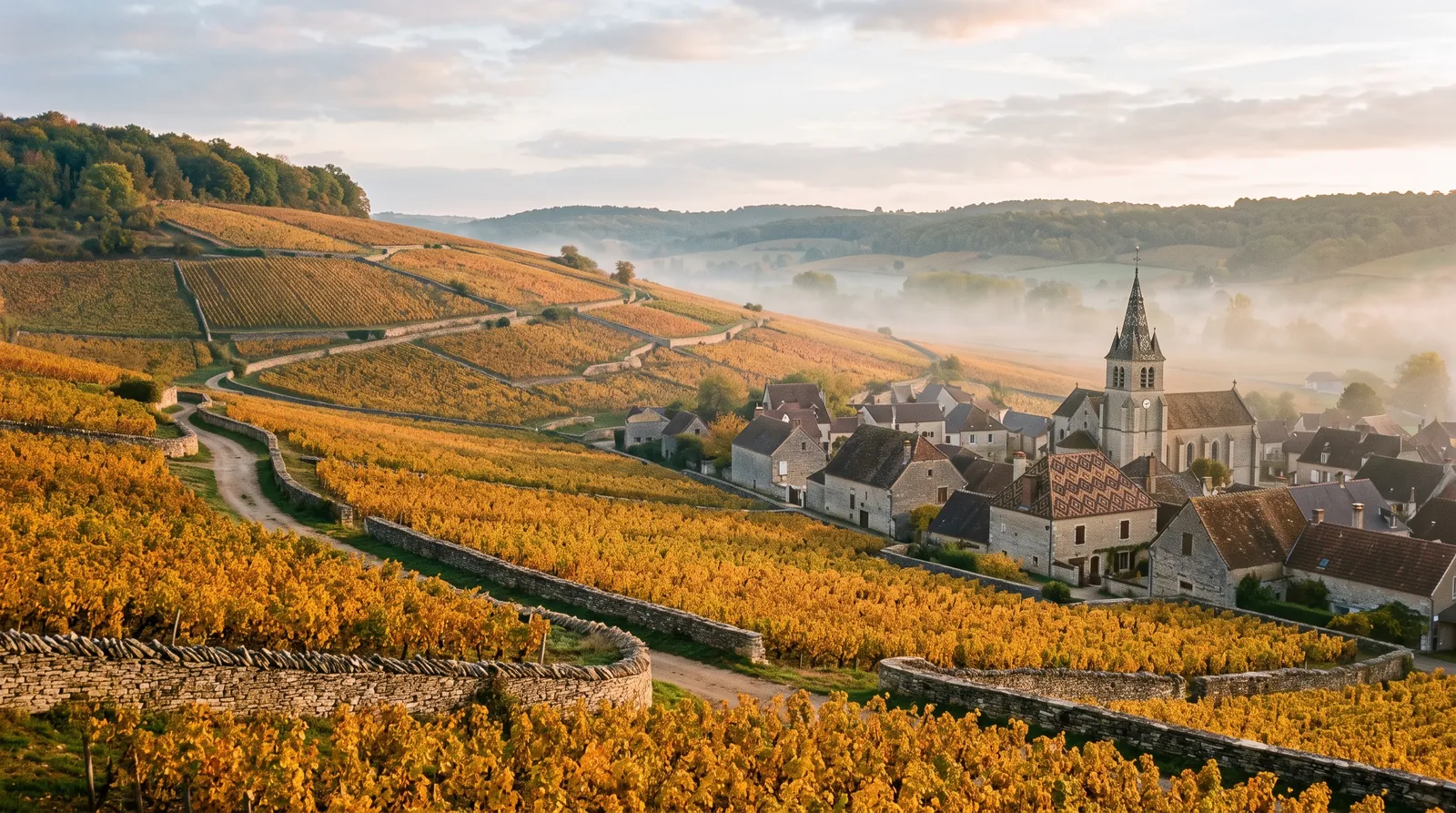
Burgundy in a minute
- The grapes
- Pinot Noir for red, Chardonnay for white
- What it tastes like
- Reds are pale and silky with cherry and earth. Whites run from steely to rich and nutty.
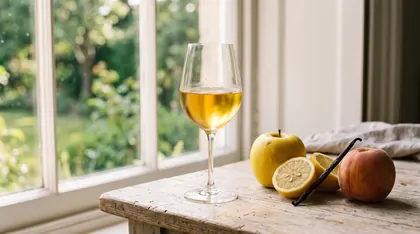 Chardonnay
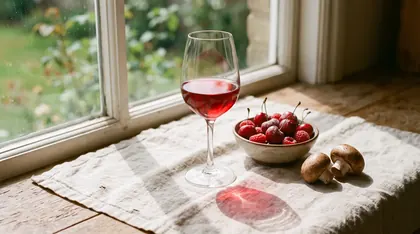 Pinot Noir
Good to know
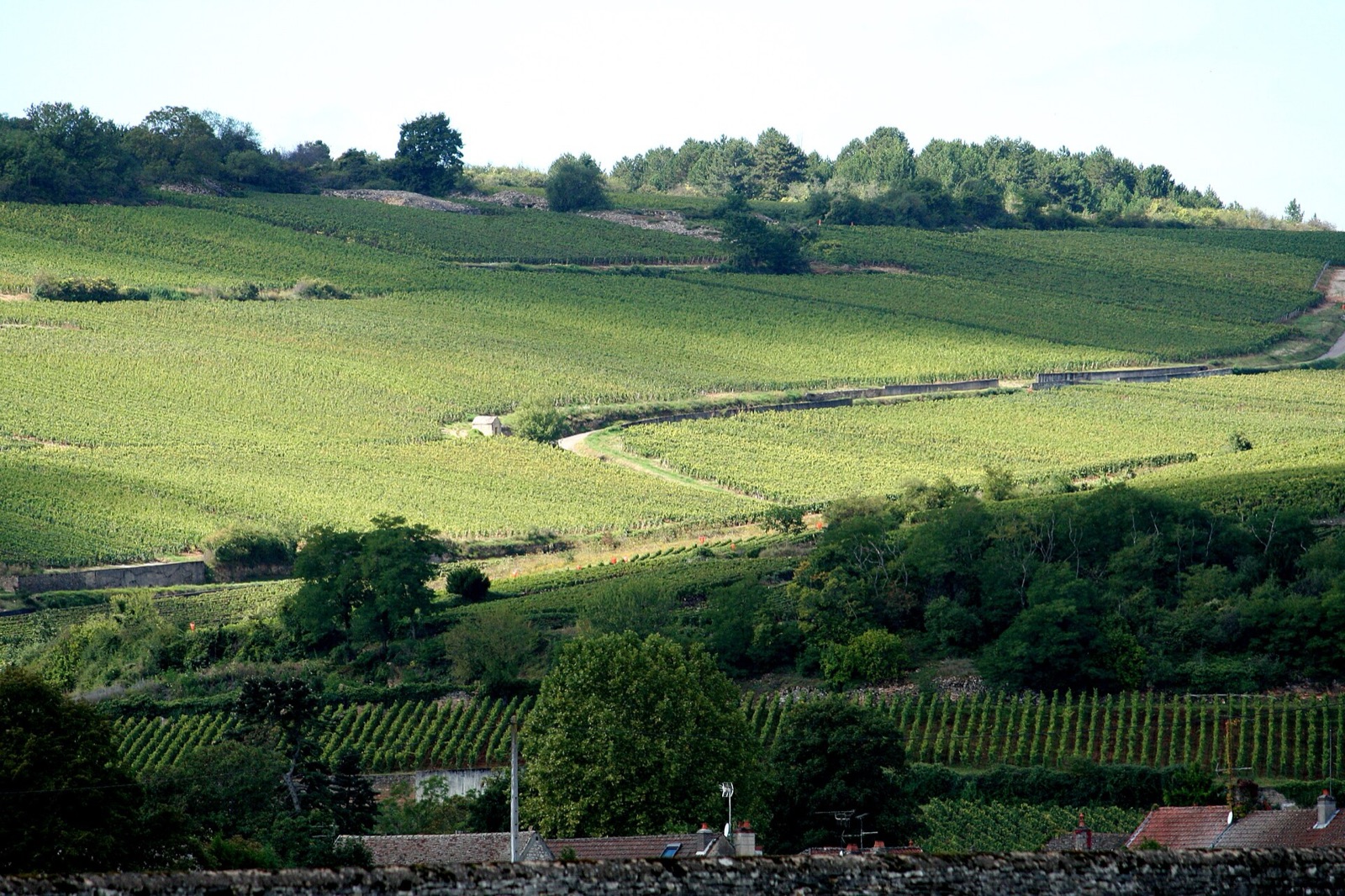
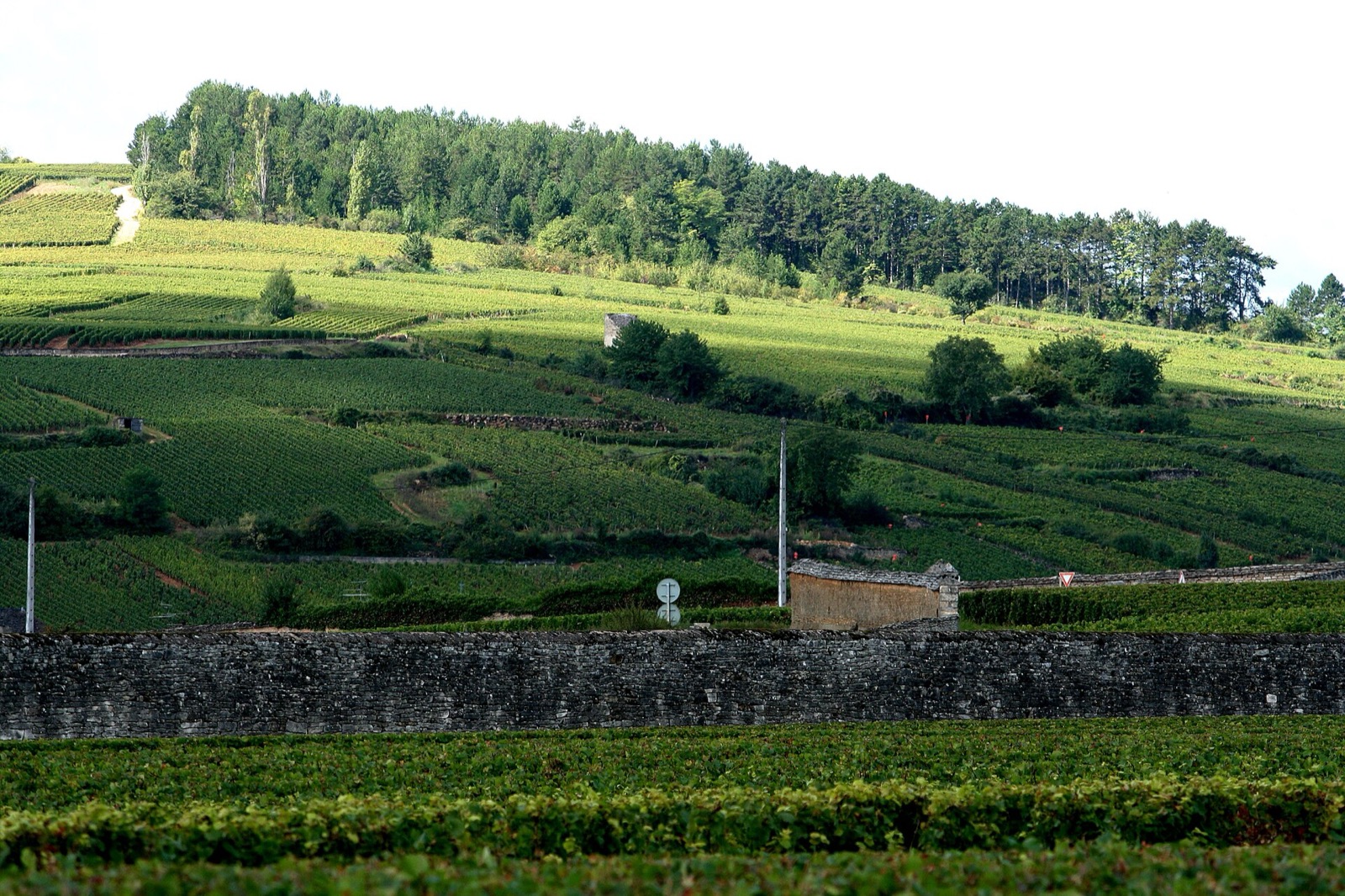
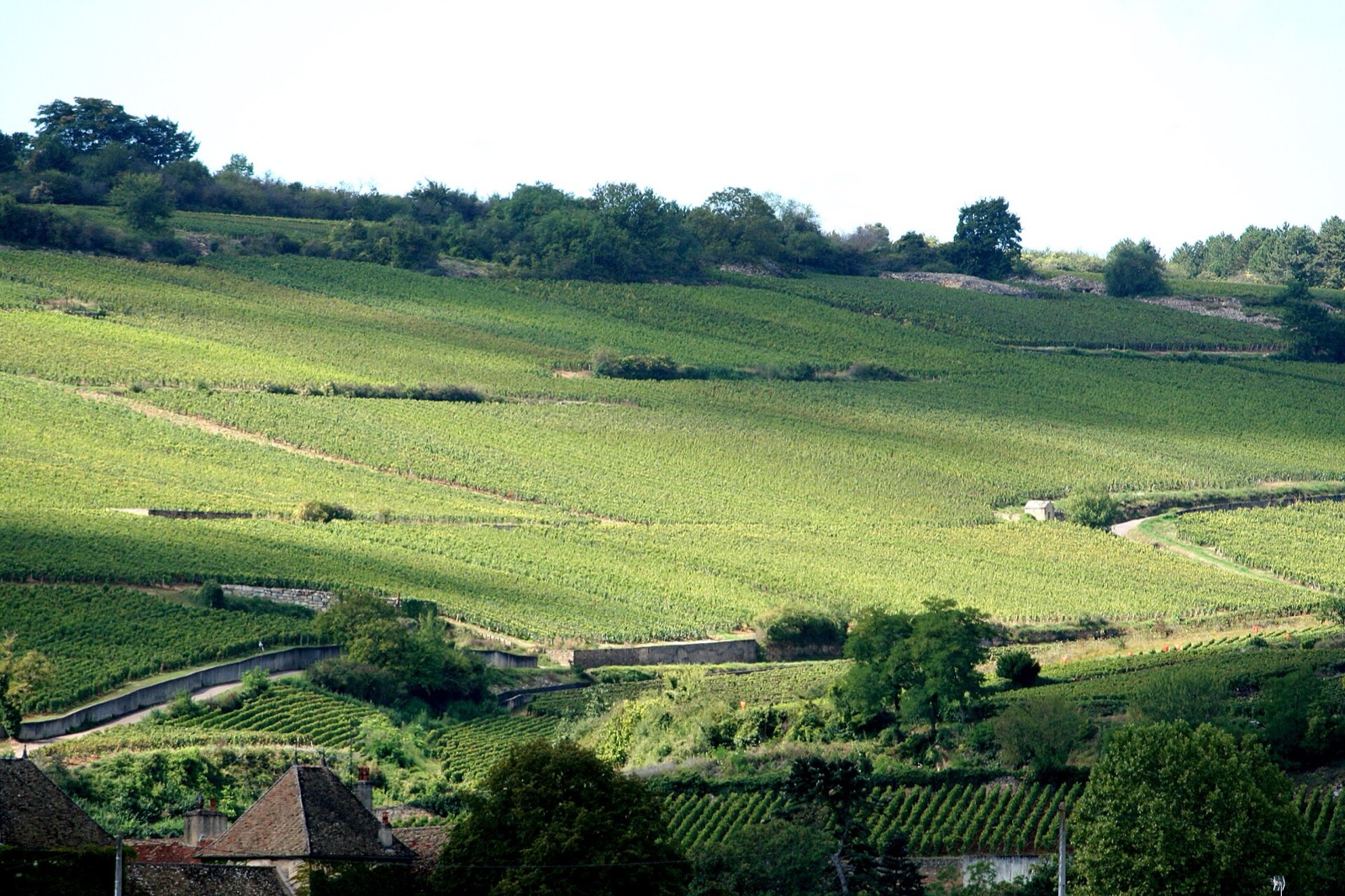
Vineyards are tiny and ranked in four steps: regional, village, premier cru and grand cru. Small plots mean few bottles, which is why prices climb so quickly.
On the label
Named after the village or vineyard, such as Gevrey-Chambertin or Meursault.
What the land costs
The dearest vineyards here are in Côte de Nuits grand cru: ≈$4,477,200–≈$13,431,600 a hectare (2019). Zone by zone
The business side
Burgundy's collectible tier is the grands crus and premiers crus of the Côte d'Or — about 33 grand cru sites totalling roughly 550 hectares, divided among hundreds of owners. Domaine holdings are measured in fractions of a hectare; annual production of a top wine in hundreds or a few thousand bottles. That structure, not marketing, is why Burgundy prices rose faster than any other region's from 2010 to 2022 and why they are the most volatile.
How the economics work
Burgundy sells by allocation: a domaine offers each importer and merchant a fixed number of bottles at a release price that is often far below the secondary-market price. The gap between allocation price and market price is captured by whoever holds the allocation, which is why allocations are hoarded and why secondary prices can be several times release. Supply is fixed by the site (a grand cru is a defined parcel), by inheritance (Napoleonic succession law split holdings for two centuries) and by the weather — 2016 and 2021 frosts cut some producers' crops by more than half.
Land
SAFER's reported prices for Côte de Nuits grand cru vineyard are the highest for any agricultural land in the world, in the millions of euros per hectare and, for the most famous sites, effectively unquotable because they do not trade. Village-level Côte d'Or land trades at a small fraction of that. The economics of a grand cru domaine are therefore dominated by the imputed value of land it typically inherited rather than bought — a domaine that had to buy its vineyards at today's prices could not cover the cost of capital from wine sales at release prices.
Deep dive
The collectible market
From roughly 2010 Burgundy replaced Bordeaux as the driver of fine-wine price appreciation, led by Domaine de la Romanée-Conti, Leroy, Rousseau, Roumier and a handful of others. The 2021–2022 peak was followed by a broad fall in 2023–2025 as Asian demand cooled and supply of the abundant 2022 and 2023 vintages arrived — the largest drawdown in Burgundy's modern record and a reminder that thin markets fall as fast as they rise.
Costs
Per hectare, Burgundy is expensive to farm: high vine density (about 10,000 vines per hectare), hand work on small parcels, and increasingly organic or biodynamic viticulture. Per bottle, the cost is modest next to the price: even at the top, Corkonomics' model puts winery cost in the tens of euros, with the imputed land cost the largest single line at the grand cru level.
Facts and figures
Good years and bad
All regions →The years to look for: 2019, 2015, 2005. The difficult ones: 2021.
| Year | How the year was rated | The growing season |
|---|---|---|
| 2023 | Very Good | |
| 2022 | Excellent | |
| 2021 | Difficult | The 6–8 April frost destroyed much of the crop; the smallest Burgundy harvest in decades. |
| 2020 | Excellent | |
| 2019 | Exceptional | Hot, dry summer with low yields; concentrated wines released into the 2021–22 peak. |
| 2018 | Excellent | |
| 2017 | Very Good | |
| 2016 | Very Good | April frost cut some Côte de Beaune producers' crops by more than half; very small quantities of good wine. |
| 2015 | Exceptional | Warm, dry summer; ripe, concentrated reds widely rated as a great vintage. |
| 2014 | Very Good | |
| 2013 | Good | |
| 2012 | Very Good | |
| 2011 | Good | |
| 2010 | Excellent | |
| 2009 | Excellent | |
| 2008 | Very Good | |
| 2007 | Good | |
| 2006 | Good | |
| 2005 | Exceptional | |
| 2004 | Mixed | |
| 2003 | Mixed | |
| 2002 | Excellent | |
| 2001 | Good | |
| 2000 | Good | |
| 1999 | Excellent | |
| 1998 | Good | |
| 1997 | Good | |
| 1996 | Very Good | |
| 1995 | Very Good |
Who makes the famous wines here
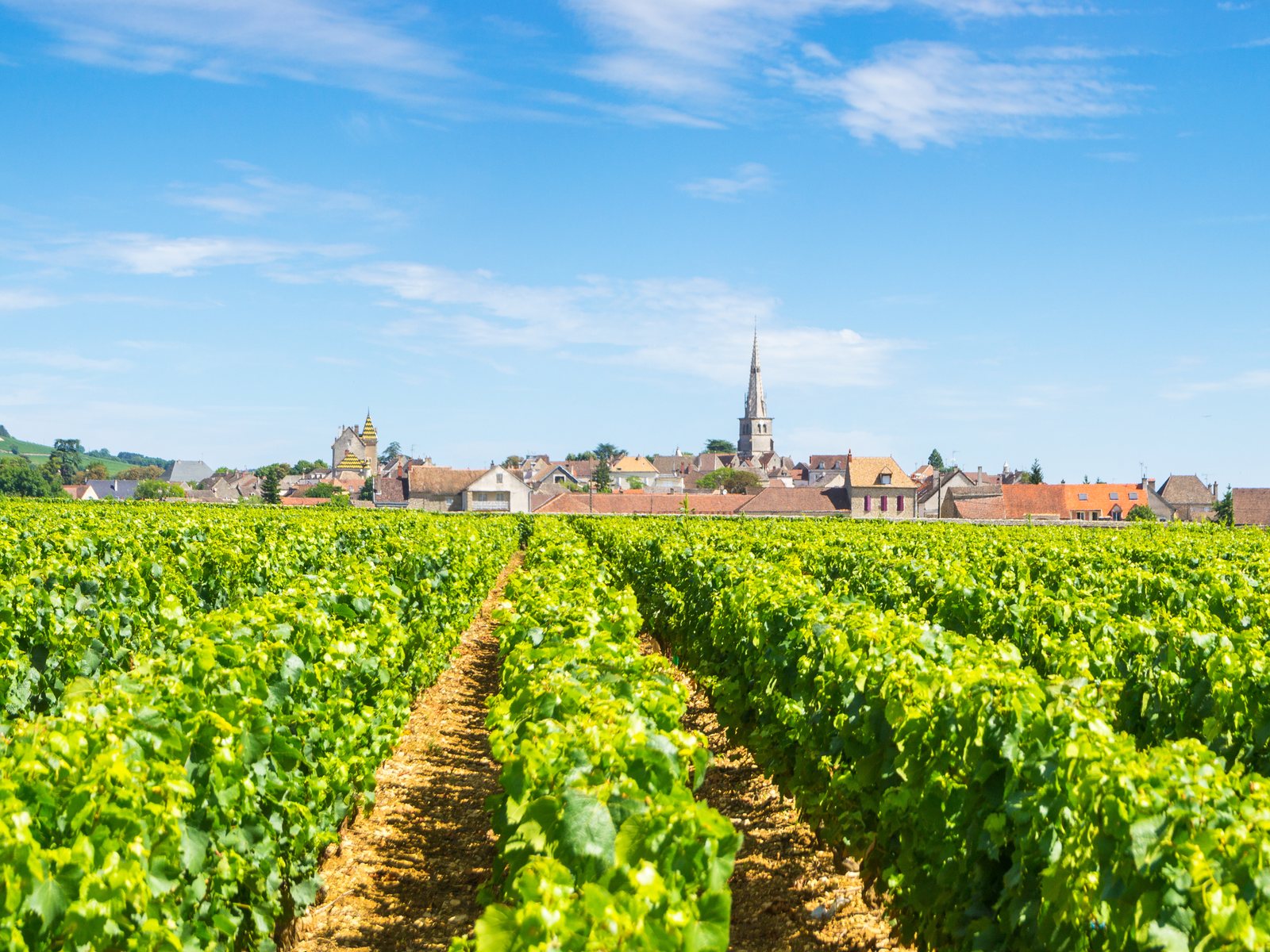
All producers →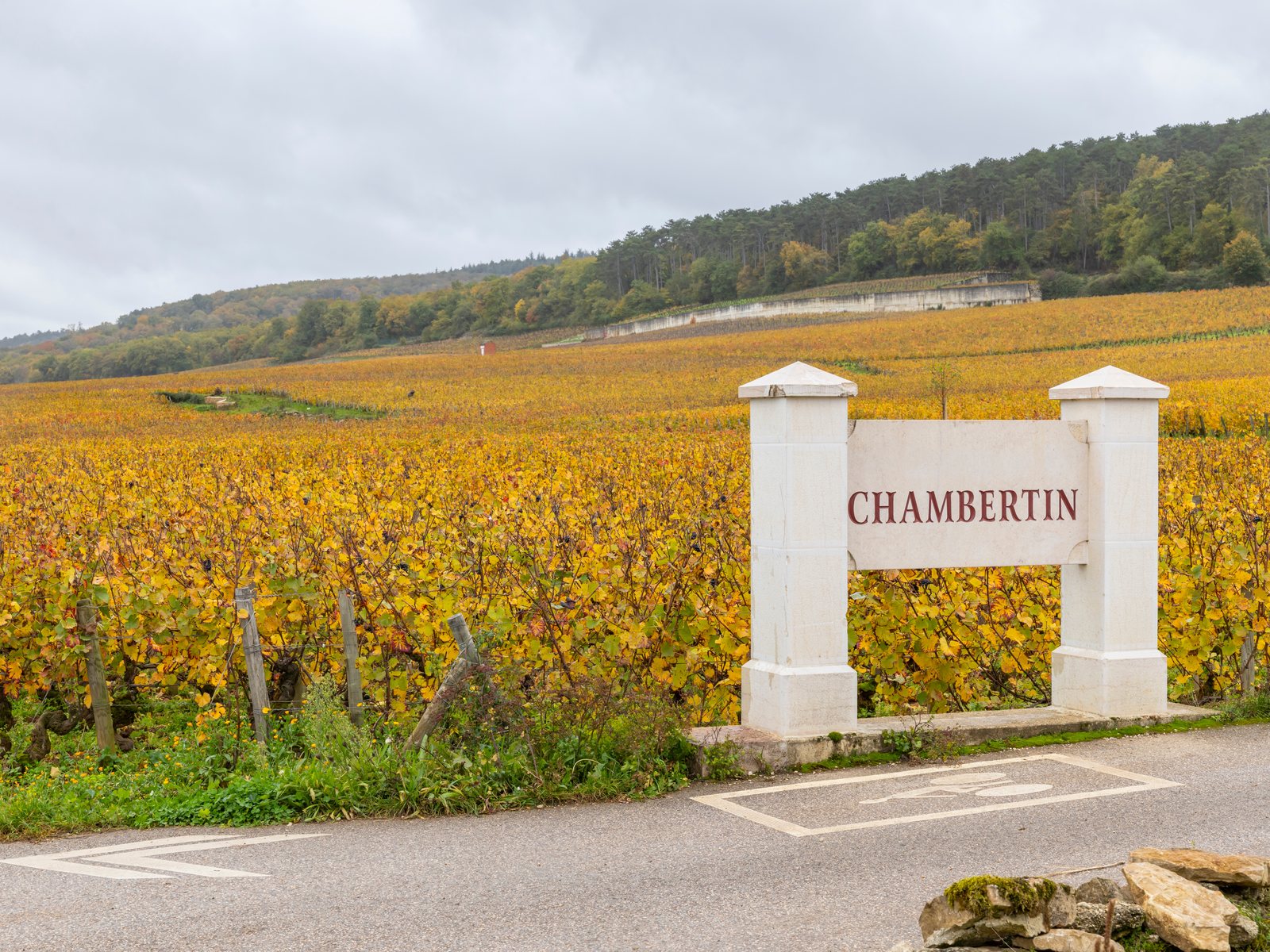 ProducerDomaine Armand RousseauGevrey-Chambertin's reference domaine: 15.5 hectares including Chambertin and Clos de Bèze, run by the fourth…
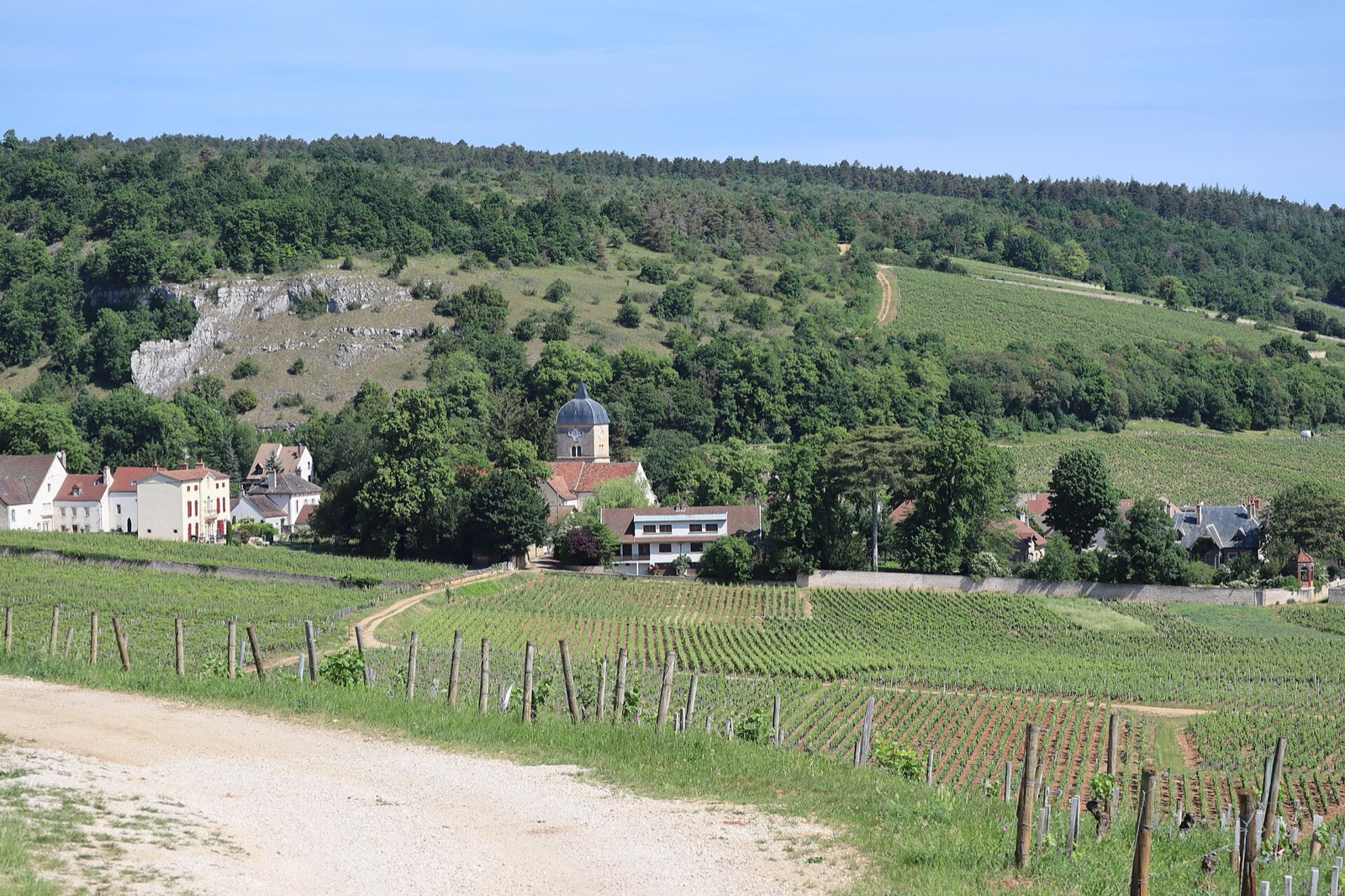
 ProducerDomaine Coche-DuryThe most expensive white Burgundy outside Montrachet: about 11 hectares in Meursault, with a…
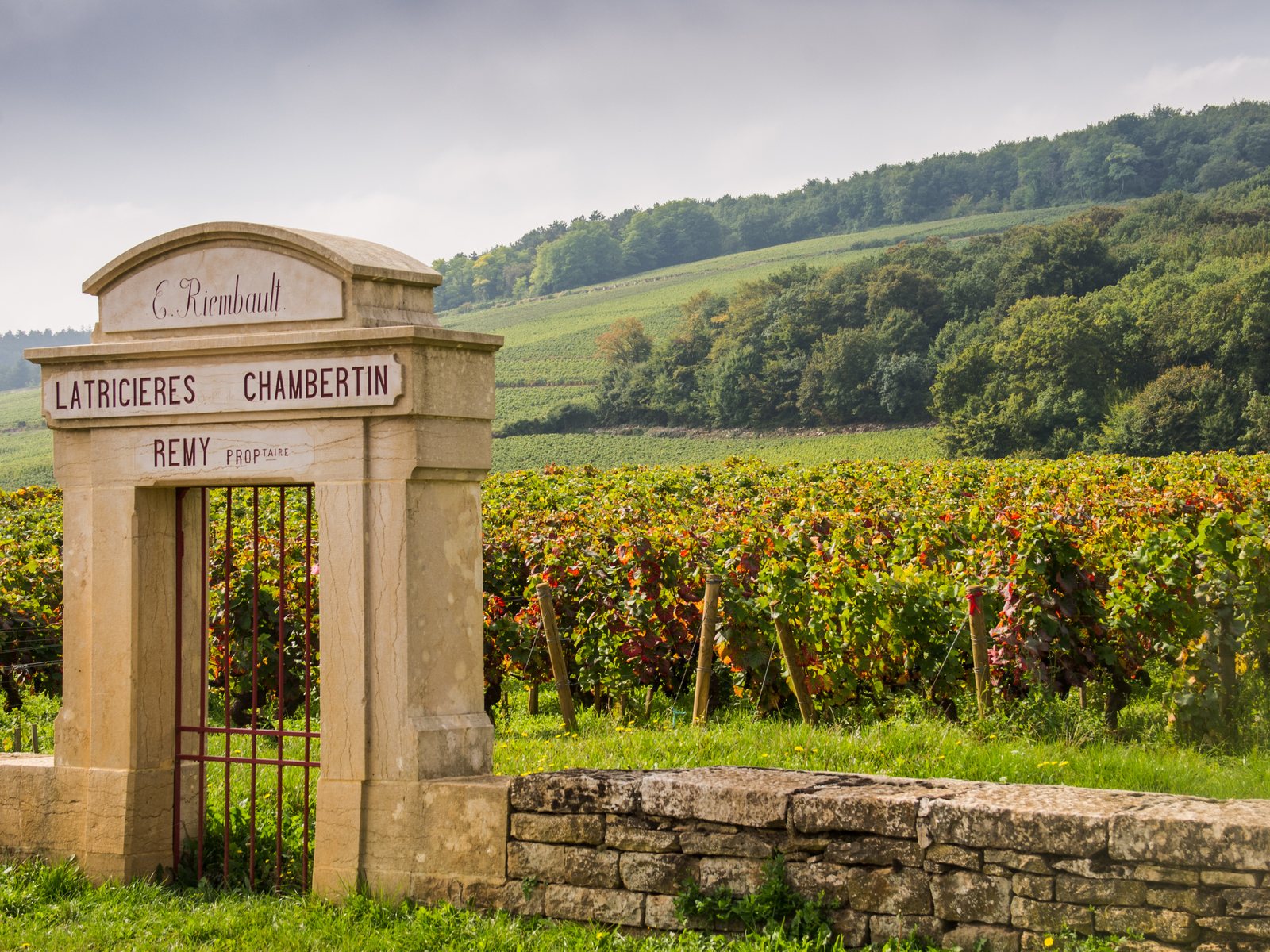
 ProducerDomaine Georges RoumierChambolle-Musigny's leading domaine, 12 hectares, whose Musigny — from a tenth of a hectare — is among the…
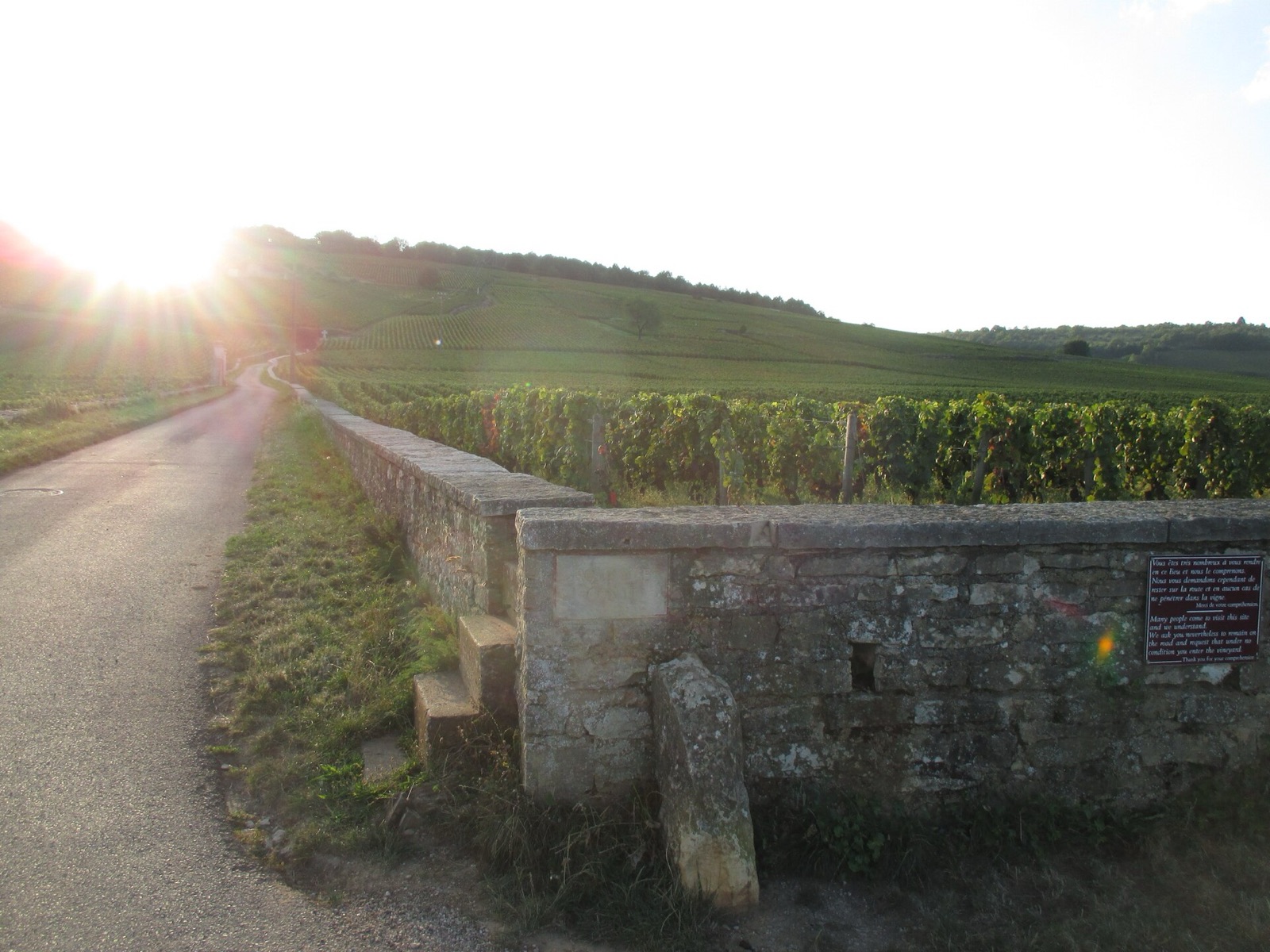
 ProducerDomaine LeroyLalou Bize-Leroy's biodynamic domaine, about 22 hectares, with wines that trade above DRC's for some grands…
 ProducerDomaine de la Romanée-ContiAbout 28 hectares of grands crus, two monopoles, and the most expensive wines on the planet — sold only by…
Famous wines from here
All →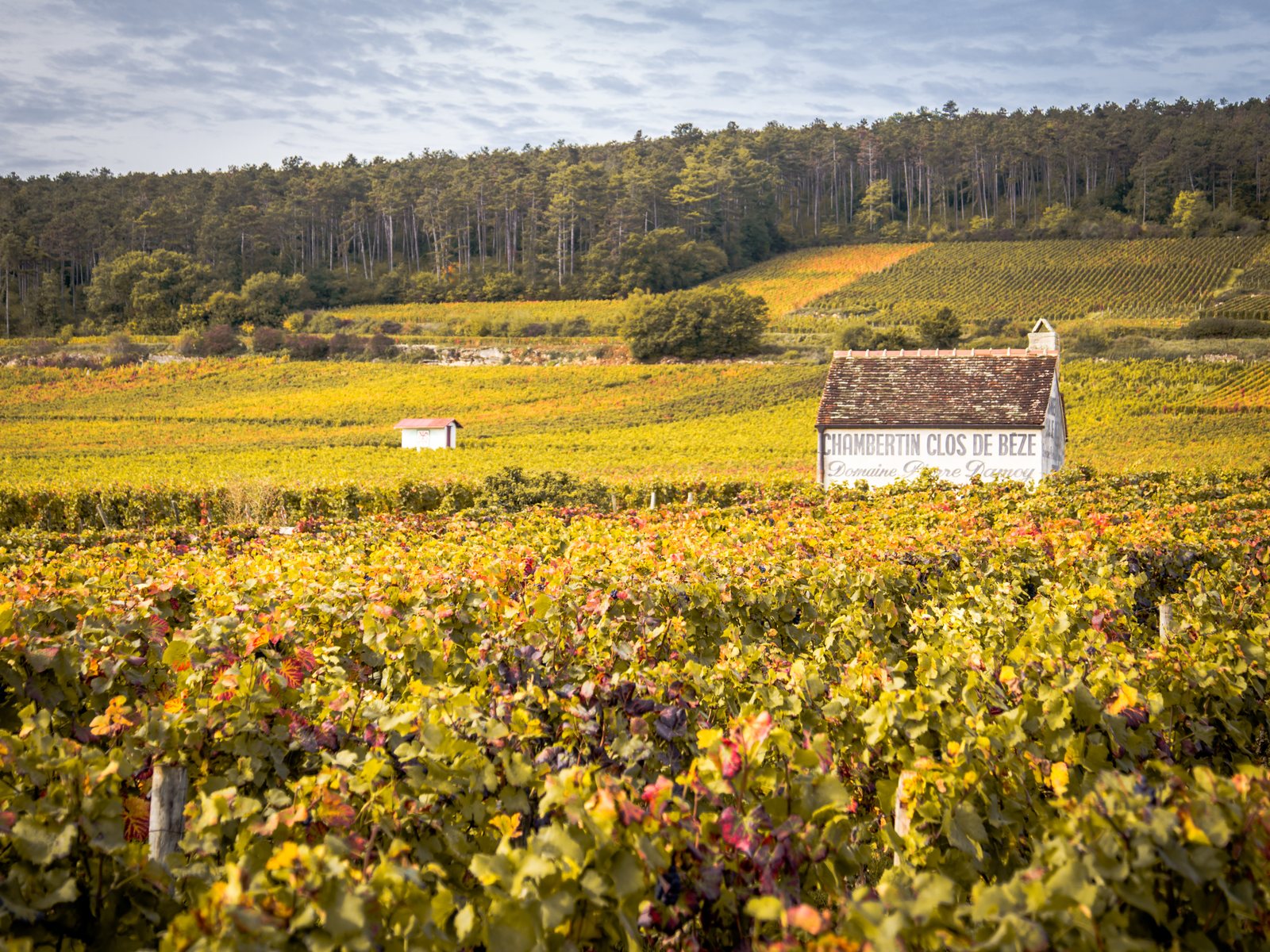 Domaine Armand Rousseau, Chambertin Clos de Bèze Grand CruDomaine Armand Rousseau, Chambertin Grand Cru
 Domaine Coche-Dury, Corton-Charlemagne Grand CruDomaine Georges Roumier, Bonnes-Mares Grand Cru
 Domaine Georges Roumier, Musigny Grand CruDomaine Leroy, Chambertin Grand Cru
 Domaine Leroy, Musigny Grand Cru
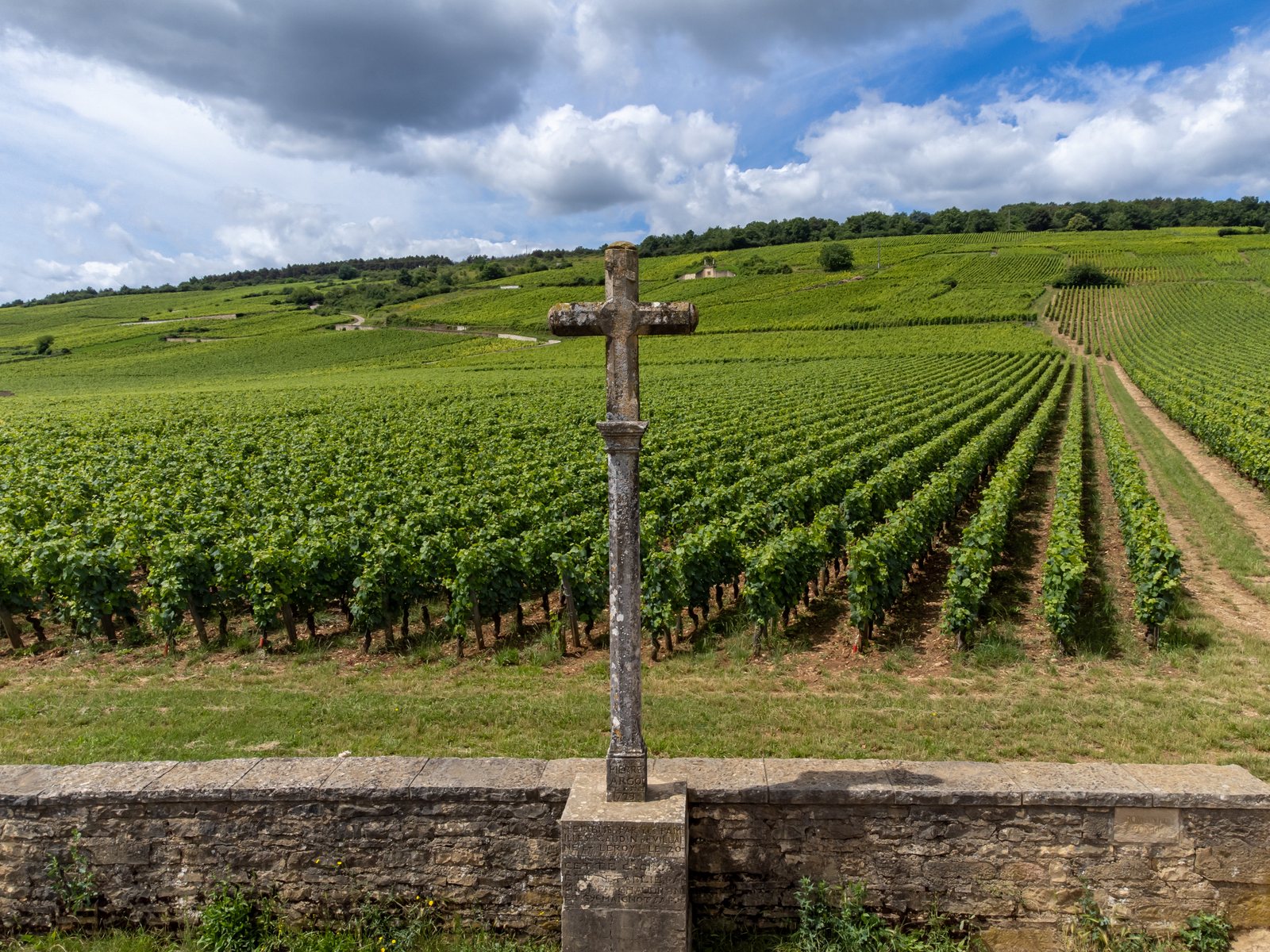 Domaine de la Romanée-Conti, La Tâche Grand Cru
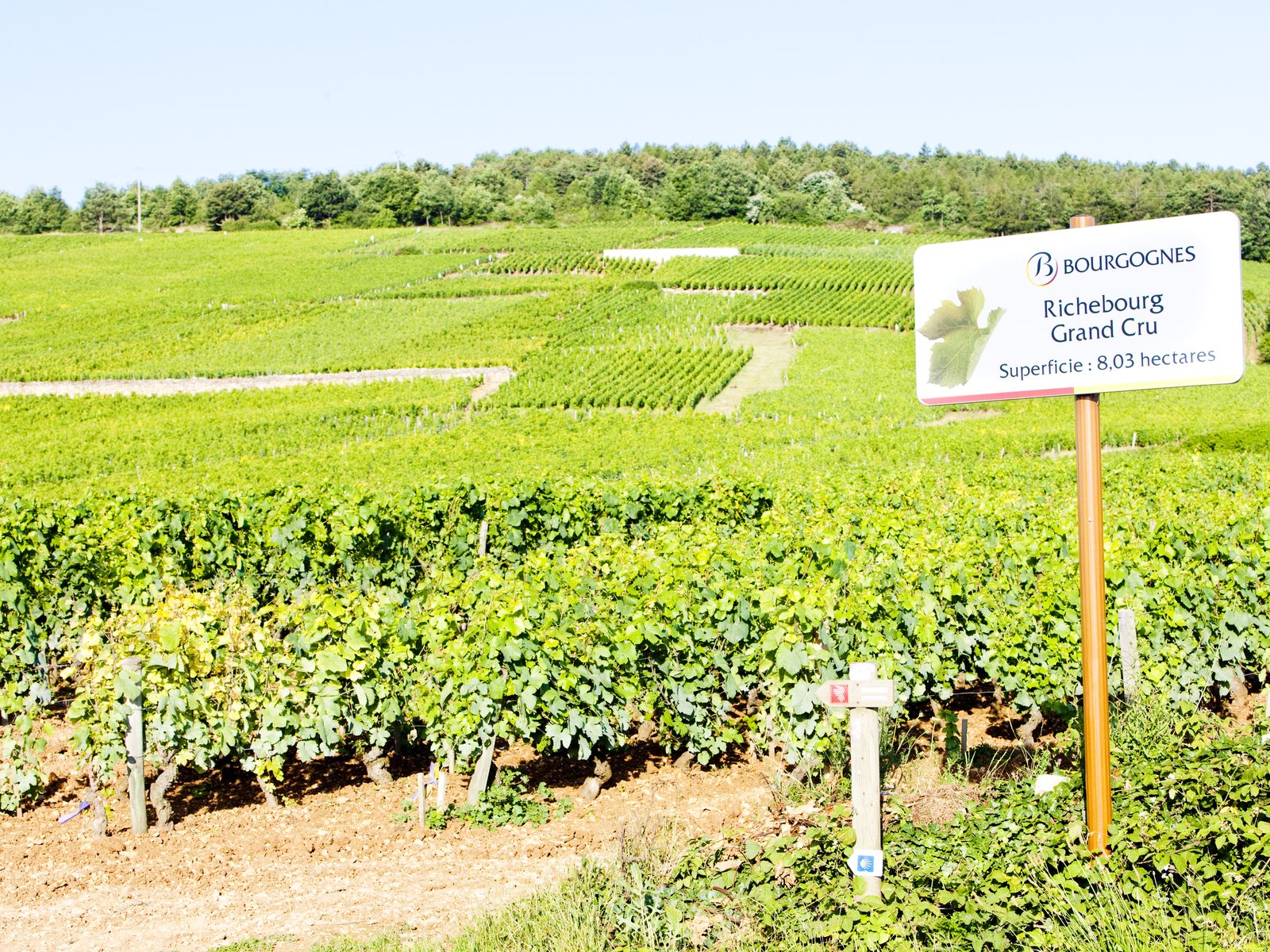 Domaine de la Romanée-Conti, Richebourg Grand CruDomaine de la Romanée-Conti, Romanée-Conti Grand Cru
Appellations
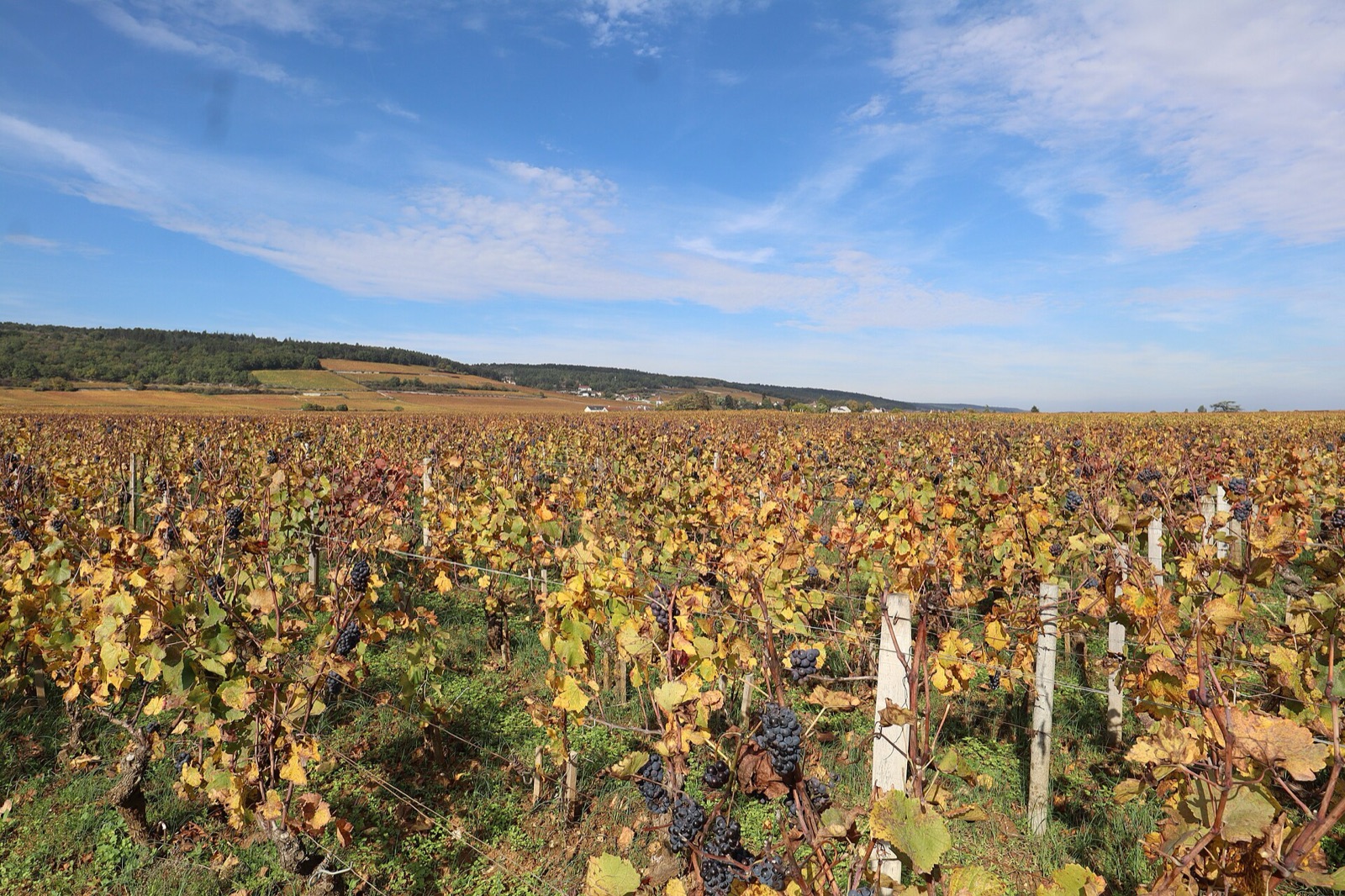 AppellationChambolle-MusignyMusigny and Bonnes-Mares; the village of Georges Roumier and the Comte de Vogüé.
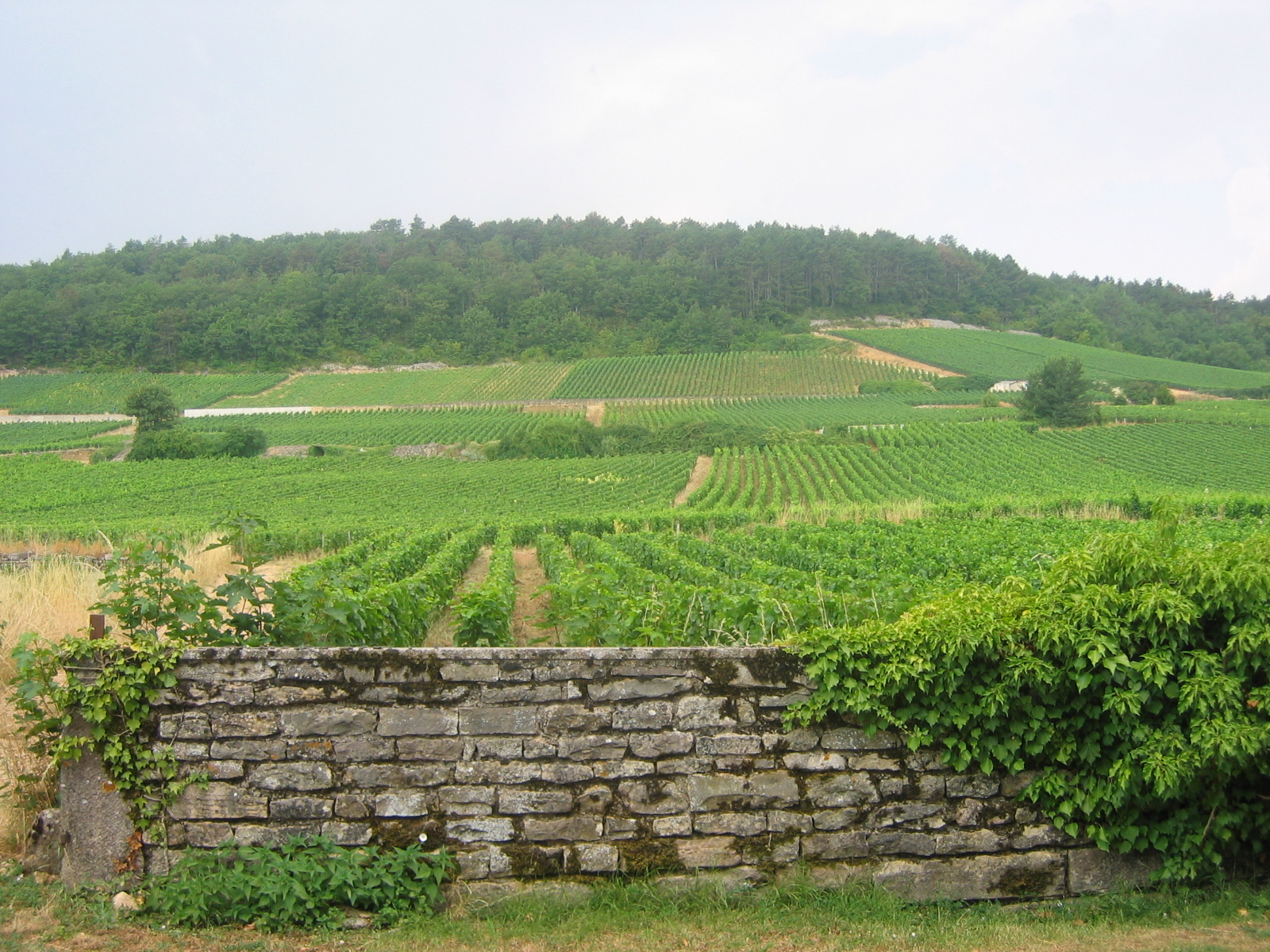 AppellationGevrey-ChambertinNine grands crus, including Chambertin and Clos de Bèze — the largest grand cru holding of any Côte de Nuits…
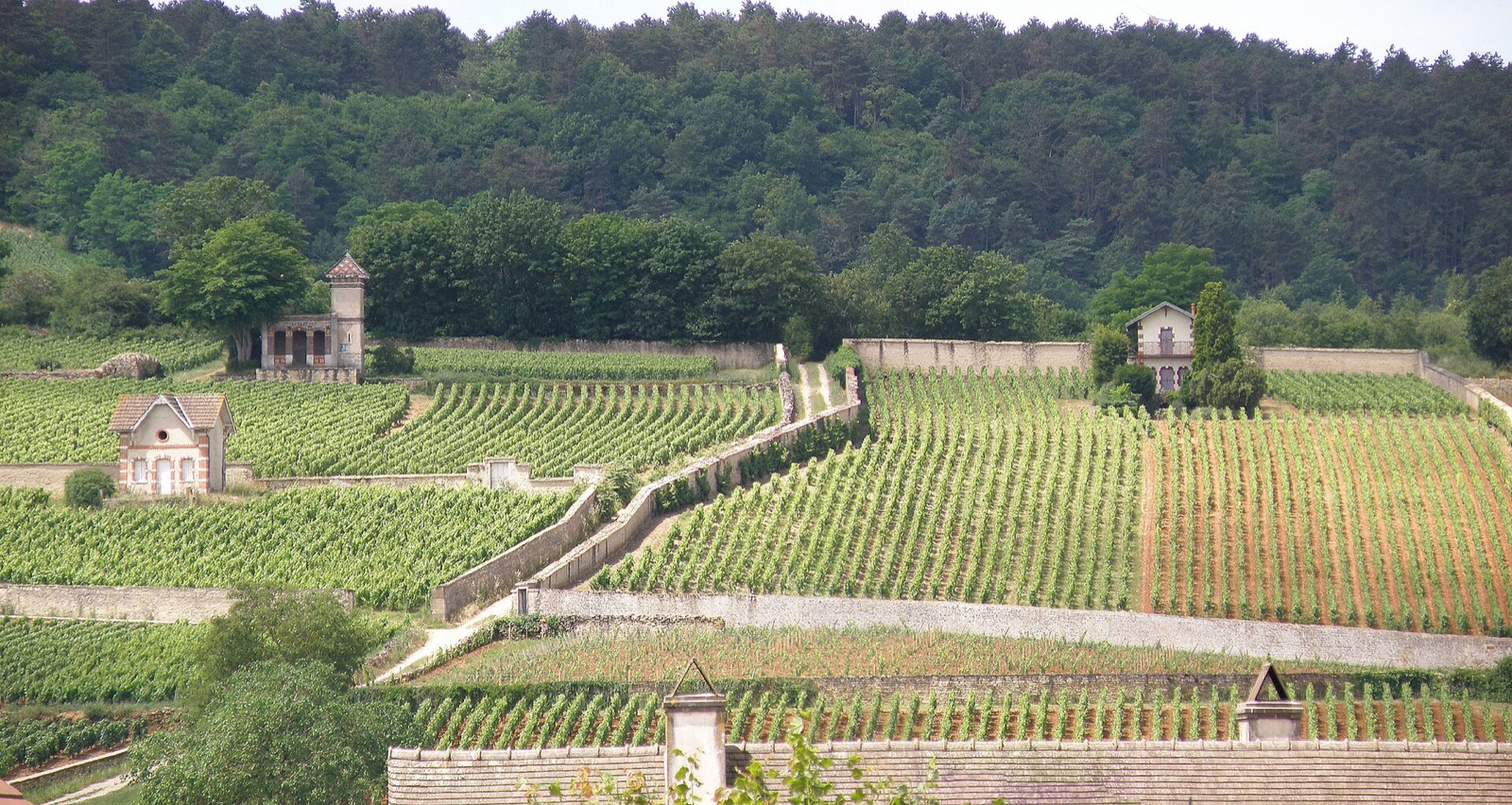 AppellationMeursaultWhite Burgundy's largest quality village and the home of Coche-Dury.
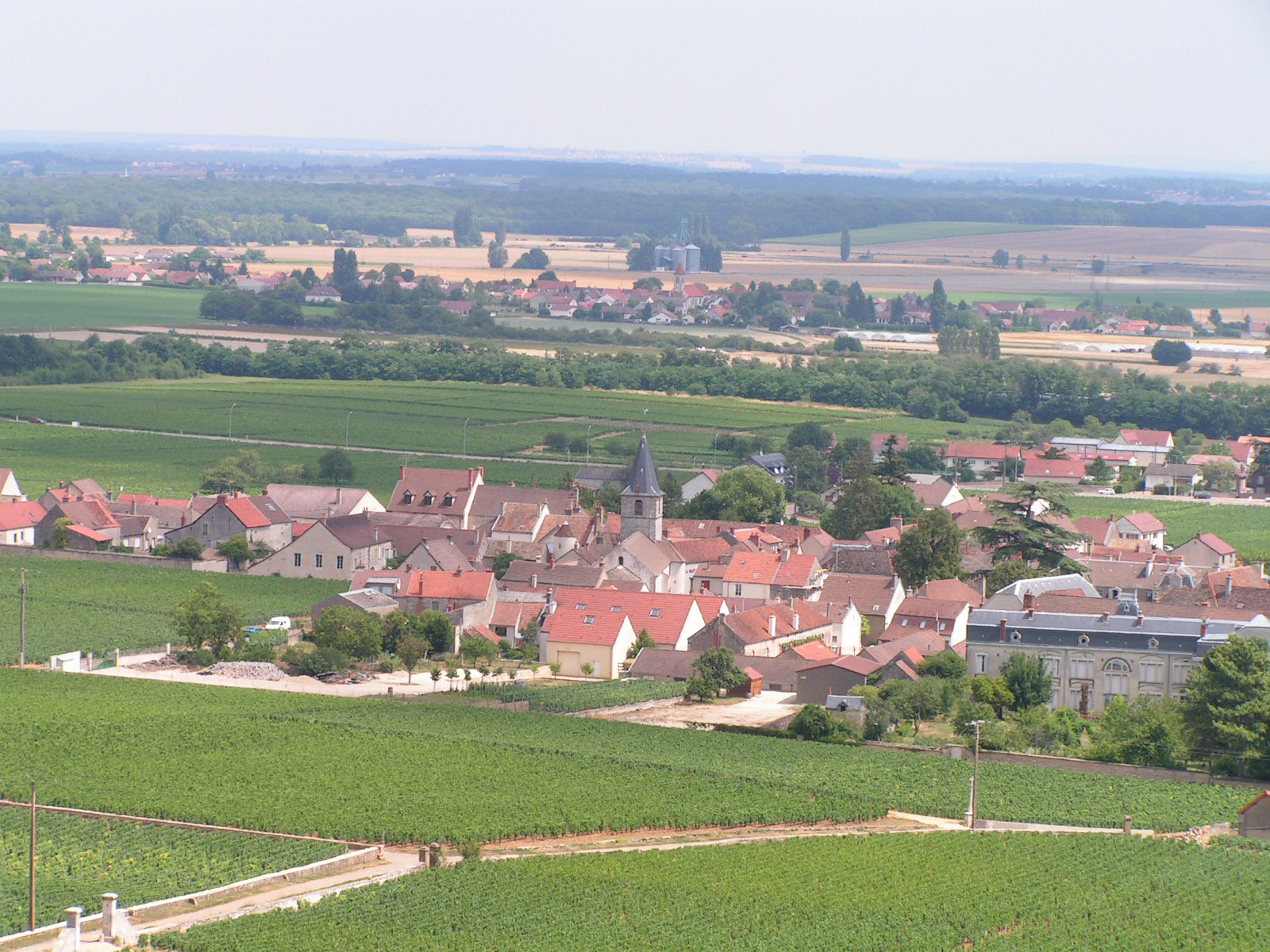 AppellationVosne-RomanéeThe village with the most expensive vineyard land in the world: Romanée-Conti, La Tâche, Richebourg and…
What a bottle costs to make here
All models →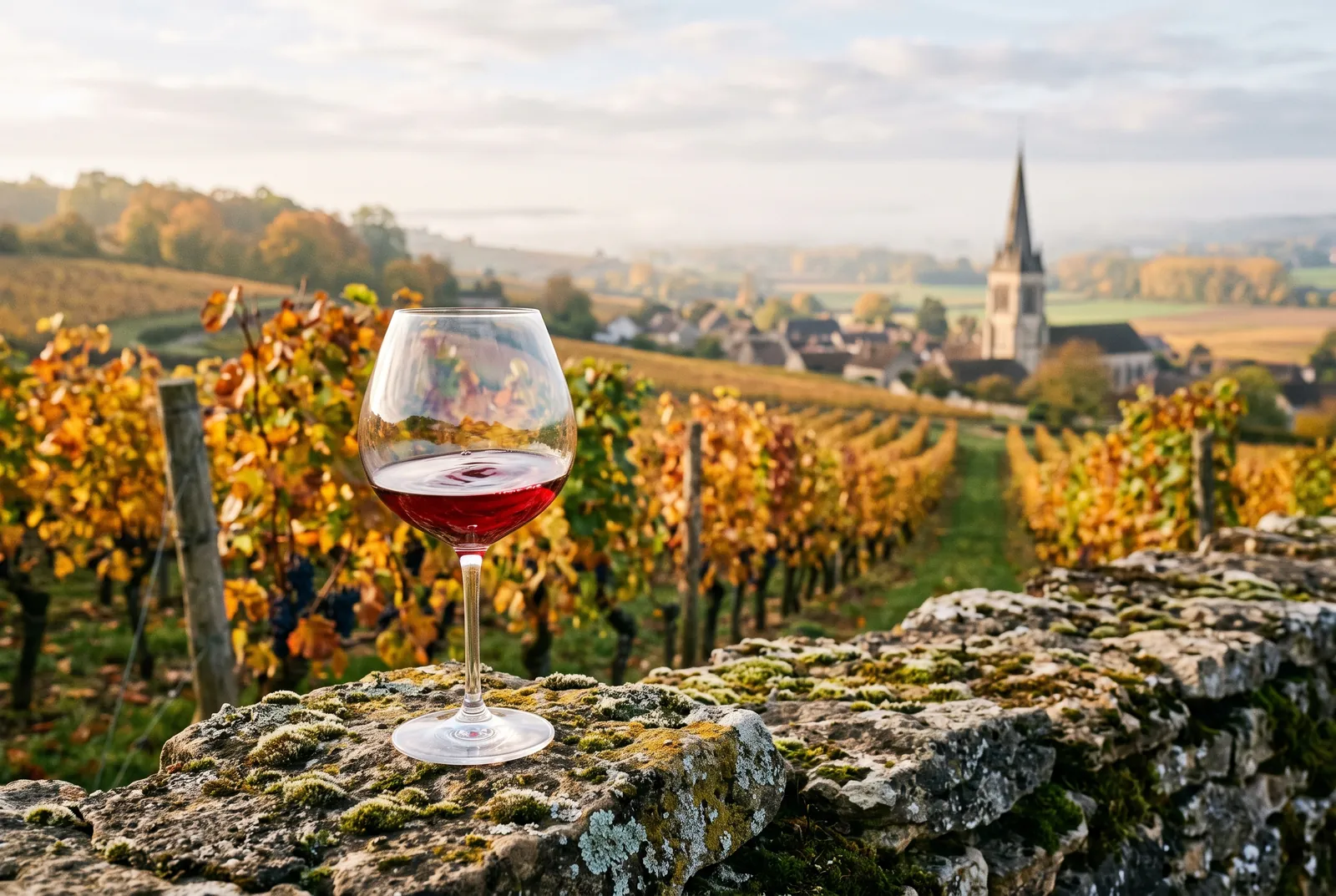
Burgundy grand cru (Pinot Noir)
$48–$283 to make one bottle
A Pinot Noir from one of the top-ranked vineyards of Burgundy. The plots are tiny and each vine gives very little wine.
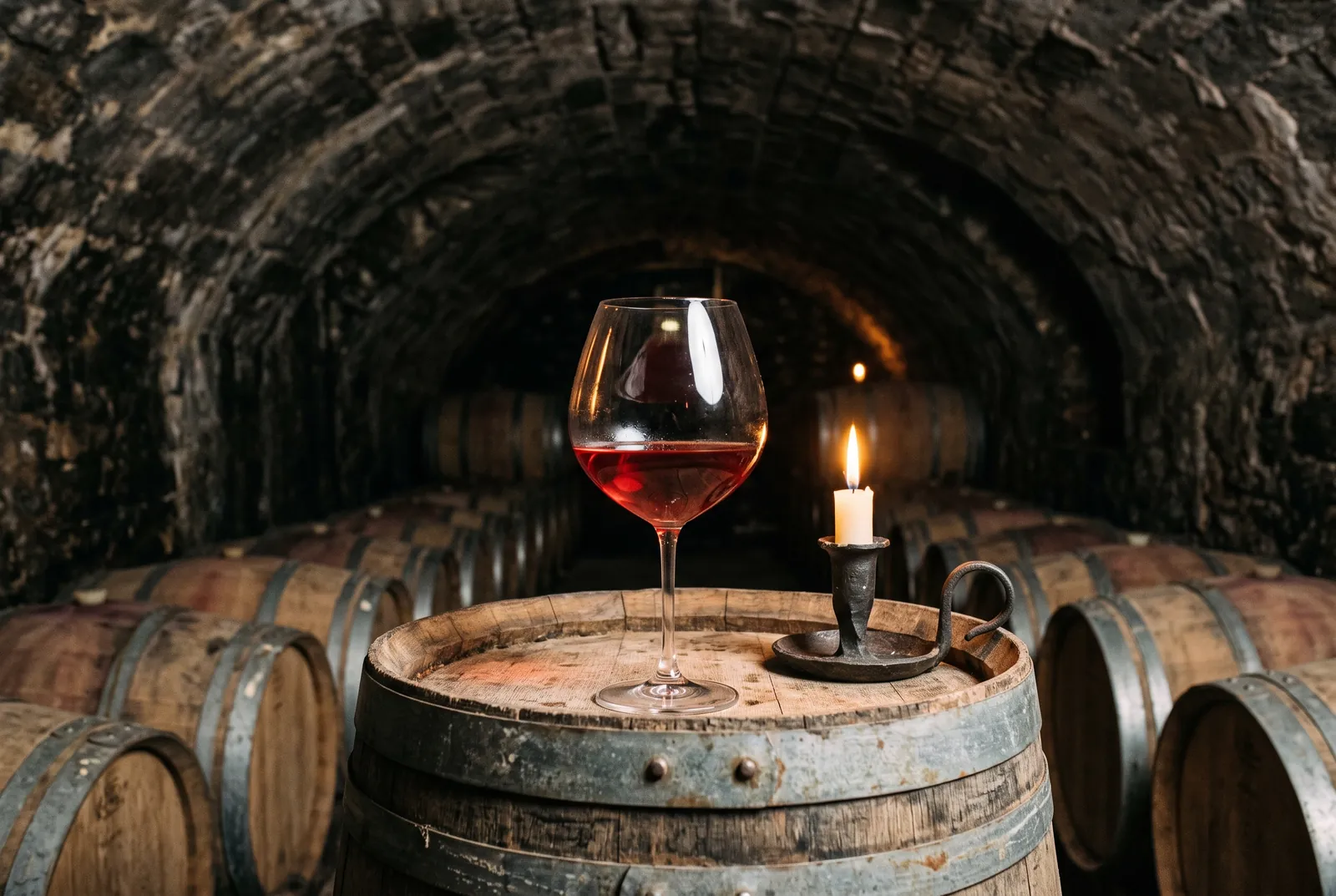
Burgundy premier cru
$22–$98 to make one bottle
A Burgundy from a vineyard one step below the very top rank.
The numbers behind the region: land, grapes, yields and costs
| Input | Range | Unit | Year | Source |
|---|---|---|---|---|
| Land — what a hectare of vineyard sells for | ||||
| Vineyard land, Bourgogne regionalOfficial 2024 table: dominant price €57,000/ha, range €30,000–107,000 | 30,000–107,000 | EUR/ha | 2024 | SAFER 2024 |
| Vineyard land, Côte d'Or premier cruOfficial 2024 table: dominant price €1,040,000/ha for red premier cru and €2,550,000 for… | 1,040,000–2,550,000 | EUR/ha | 2024 | SAFER 2024 |
| Vineyard land, Côte d'Or villageOfficial 2024 table: dominant price €900,000/ha for Côte de Nuits village red and… | 900,000–1,050,000 | EUR/ha | 2024 | SAFER 2024 |
| Vineyard land, Côte de Nuits grand cruSAFER publishes no significant recent figure for grands crus; its last published Côte… | 4,000,000–12,000,000 | EUR/ha | 2019 | SAFER |
| Grapes — what growers are paid | ||||
| Bulk Bourgogne rouge, per pièce of 228 litresThe BIVB price for the 2024 harvest used in the official rent order: €995 a pièce, about… | 995 | EUR/piece | 2024 | BIVB bulk price for the 2024 harvest |
| Yield — how much a hectare produces | ||||
| Yield, grand cru red | 25–37 | hl/ha | 2024 | INAO base yield 35 hl/ha for red grand… |
| Labour — farming and harvest | ||||
| Vineyard labour and operations, Côte d'Or domaine10,000 vines/ha; organic/biodynamic at the top | 18,000–35,000 | EUR/ha/year | 2024 | BIVB cost references and domaine inter… |
| Barrels | ||||
| New French oak pièce (228 l) | 800–1,400 | EUR/barrel | 2025 | Cooperage price lists and trade report… |
| Aging — time in barrel or on lees | ||||
| Barrel aging before bottling | 14–20 | months | 2024 | Domaine technical notes |
| Bottle, closure, label, case | ||||
| Bottle, cork, capsule, label, case | 2–6 | EUR/bottle | 2025 | Supplier price lists |
Where the inputs come from
- SAFER / FNSAFER, Le prix des terres 2024 — the official 2024 vineyard-value table (Décision du 26 août 2025, from SAFER data) as reproduced by Fidecorex, 10 February 2026
- SAFER / FNSAFER, Le prix des terres — as reported by iDealwine, 'Combien coûte un hectare de vigne ?', updated 1 October 2025
- BIVB bulk price for the 2024 harvest, as fixed for the 2025 vineyard-rent order of the Côte-d’Or prefecture (CAVB, November 2025)
- INAO base yield 35 hl/ha for red grands crus; producers often below
- BIVB cost references and domaine interviews as reported
- Cooperage price lists and trade reporting (Wine Industry Network, Wines & Vines), 2024–2025
- Domaine technical notes
- Supplier price lists
Sources
- Chiffres clés de la Bourgogne viticole, BIVB — Bureau Interprofessionnel des Vins de Bourgogne, 2025. Retrieved 3 September 2026.
- Le prix des terres — vignes AOC Bourgogne, SAFER / FNSAFER, 2025. Retrieved 3 September 2026. FNSAFER figures as reproduced in the official 2024 vineyard-value table (Décision du 26 août 2025), on a page that opens from outside France.