 Bordeaux
 Burgundy
 Champagne
 Rhône
Rhône Napa Valley
 Tuscany
 Piedmont
 Mosel
Mosel Oregon
 Rioja
Rioja California sparkling
 Valais and Lavaux
 England
 Douro
Douro Etna
Etna Mendoza
 Marlborough
 Stellenbosch
 Barossa Valley
 Tasmania
 Beaujolais
 Jura
Jura Alsace
 Loire
Loire Provence
 Ribera del Duero
 Sonoma
 What land costs
 Good years and bad
 Appellations
 Famous vineyards
 Famous wines
 Who makes them
 Find a vintage
 Compare wines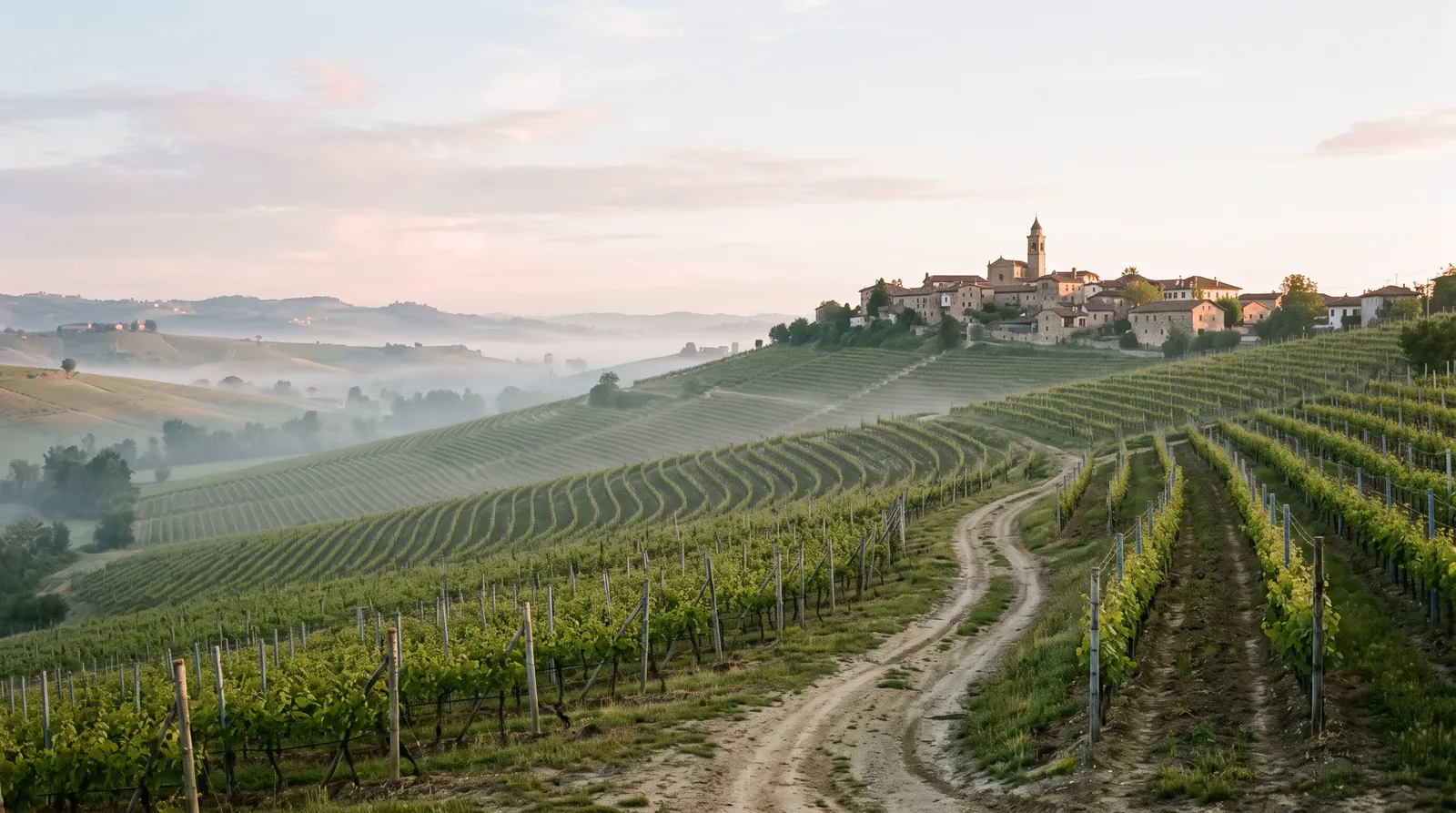
 France
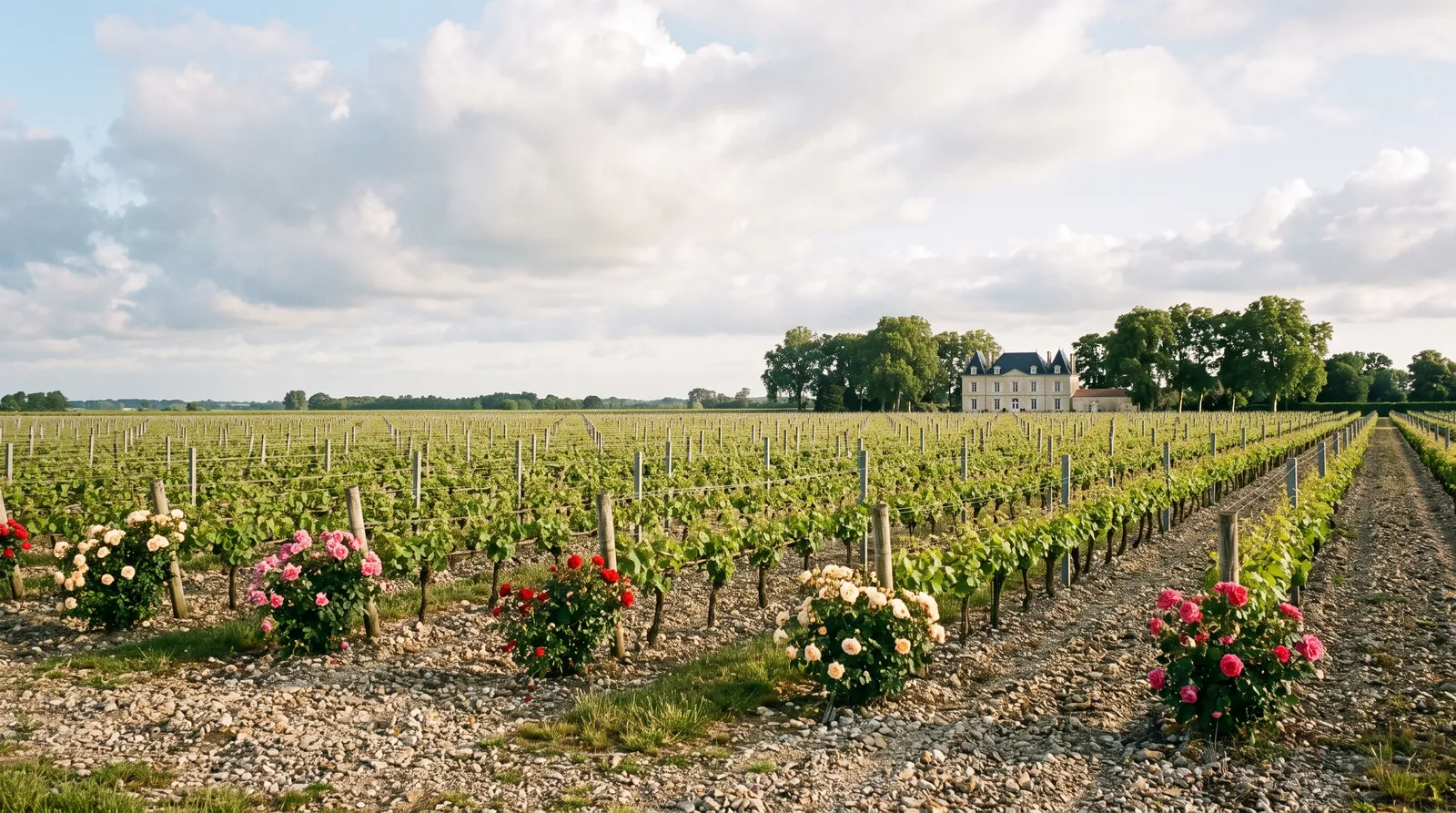
Bordeaux
The home of the classic red blend.
Grapes: Cabernet Sauvignon, Merlot and Cabernet Franc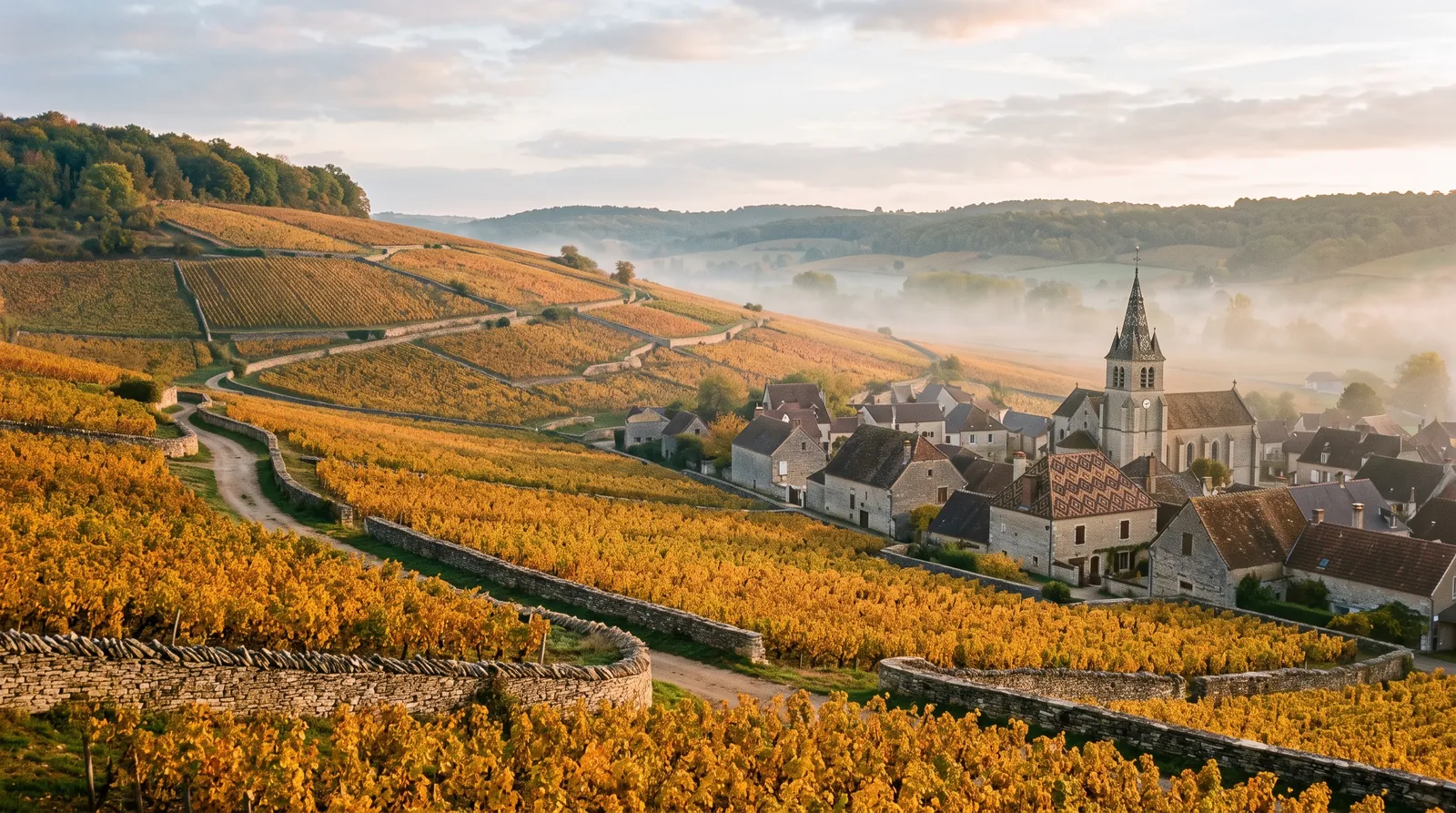 France
Burgundy
Pinot Noir and Chardonnay at their most detailed.
Grapes: Pinot Noir for red, Chardonnay for white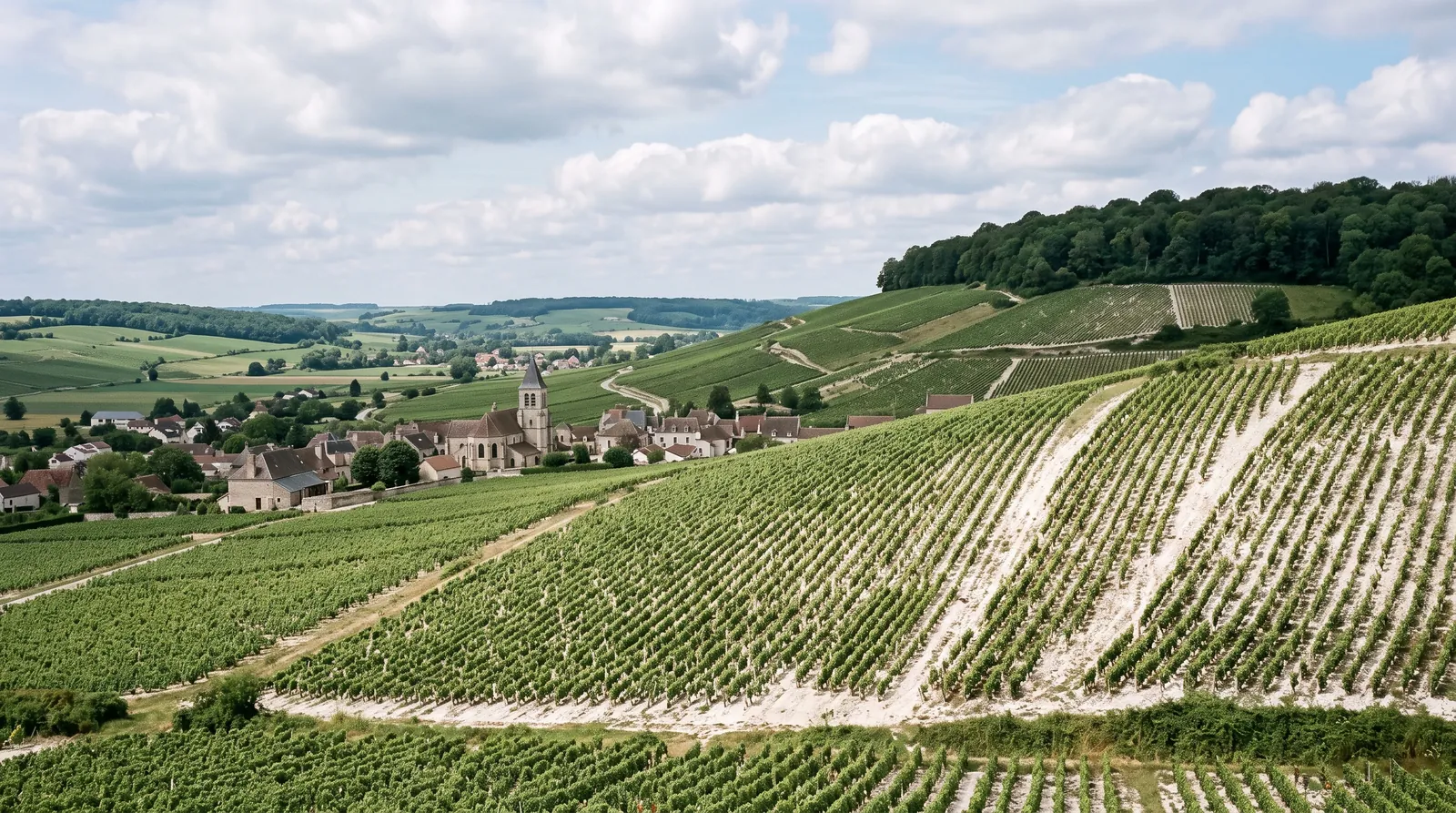 France
Champagne
The original sparkling wine.
Grapes: Chardonnay, Pinot Noir and Pinot Meunier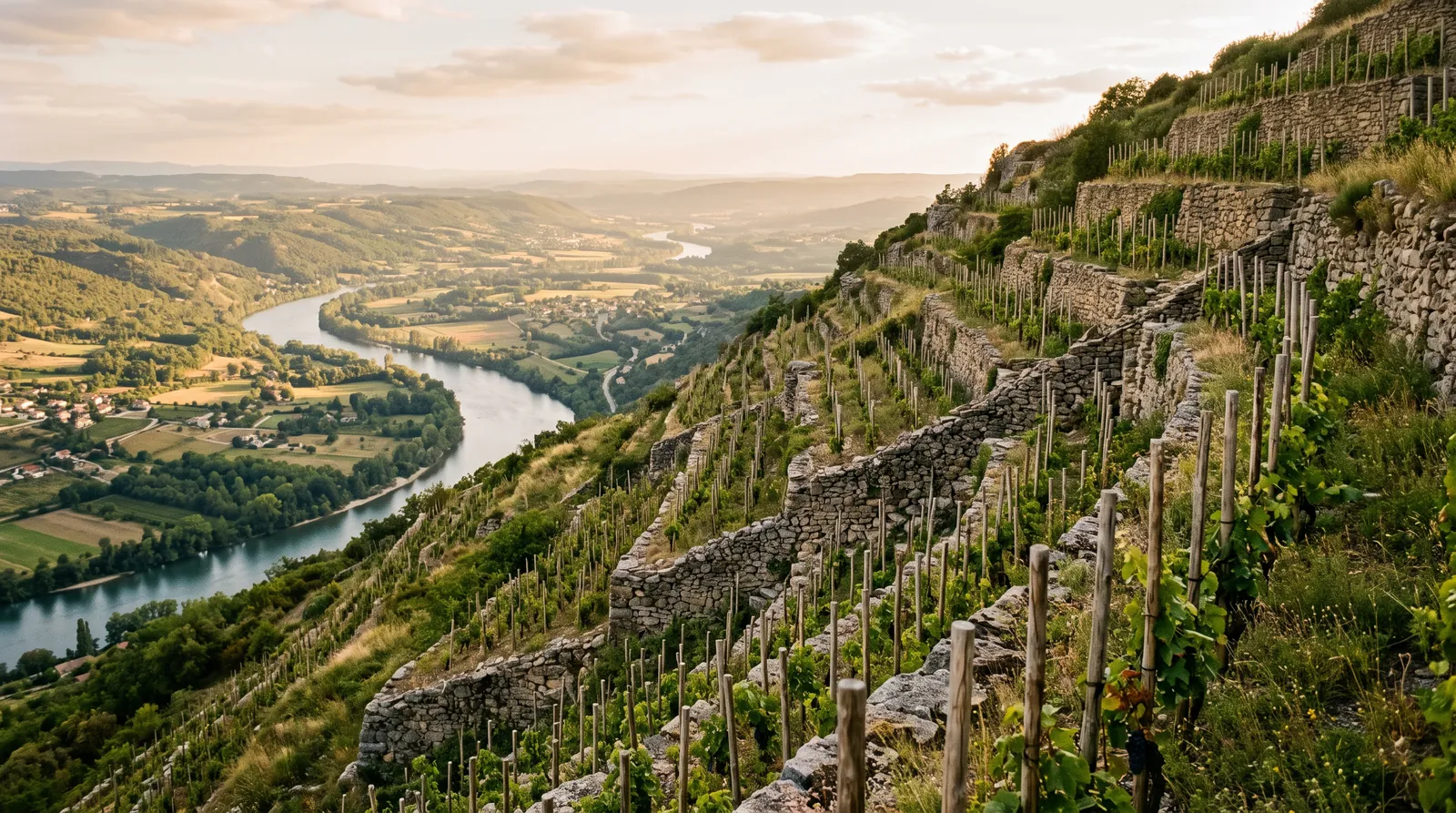 France
Rhône
Peppery Syrah in the north, warm Grenache blends in the south.
Grapes: Syrah in the north. Grenache, Syrah and Mourvèdre in the south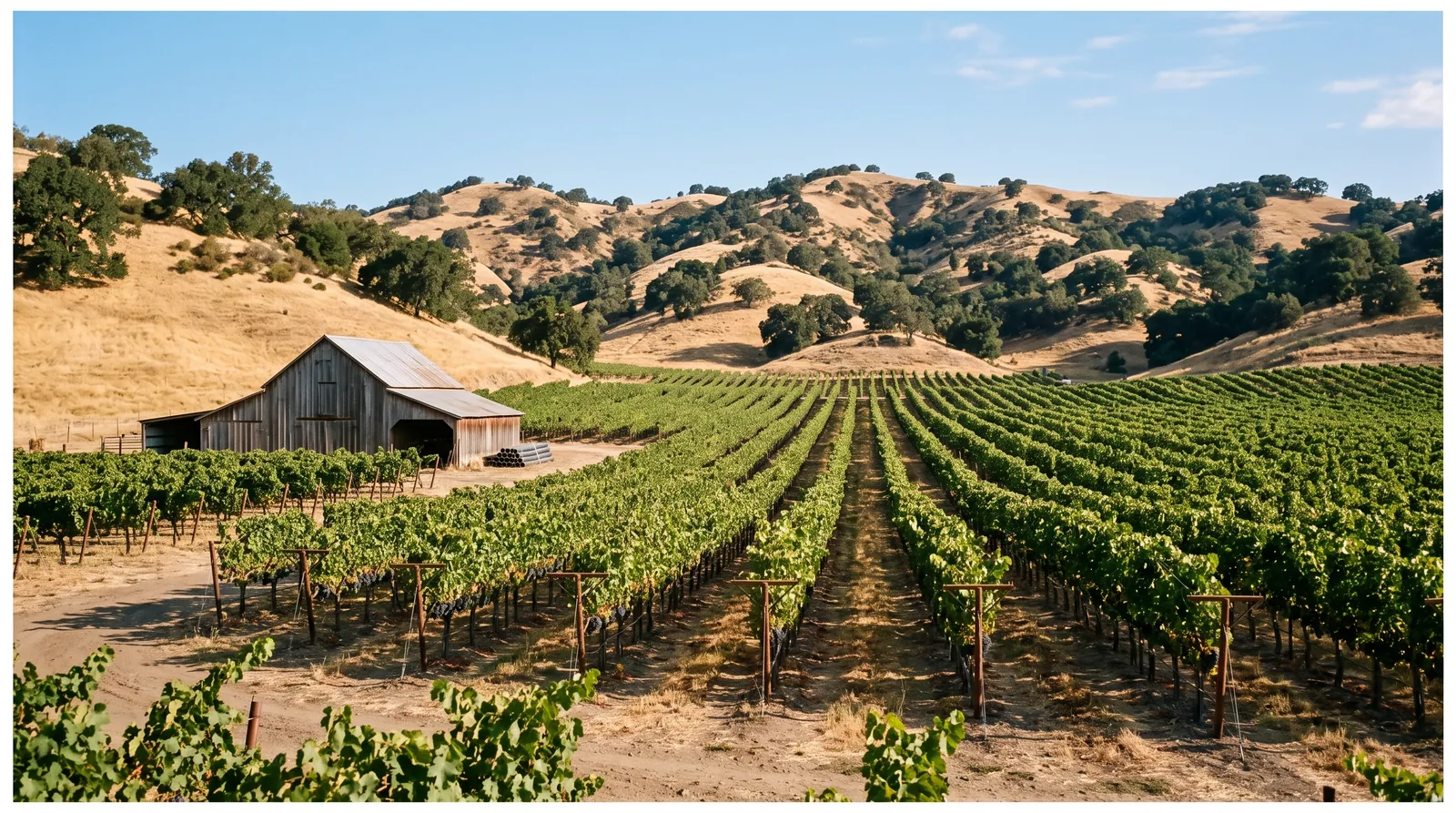 United States
Napa Valley
California's home of rich, ripe Cabernet Sauvignon.
Grapes: Cabernet Sauvignon above all, plus Chardonnay and Merlot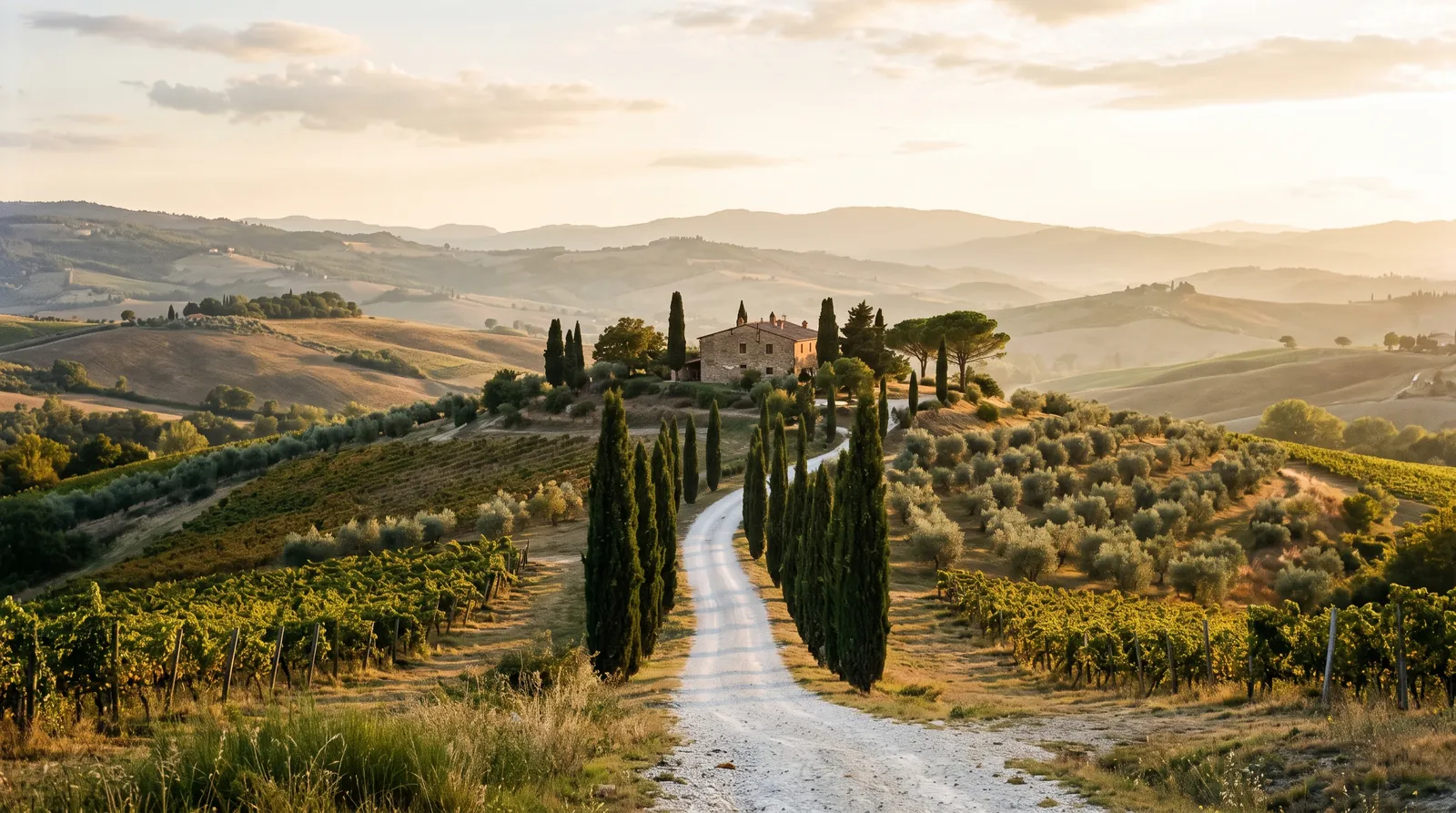 Italy
ItalyTuscany
Sangiovese country: Chianti, Brunello and the Super Tuscans.
Grapes: Sangiovese, plus Cabernet Sauvignon and Merlot near the coast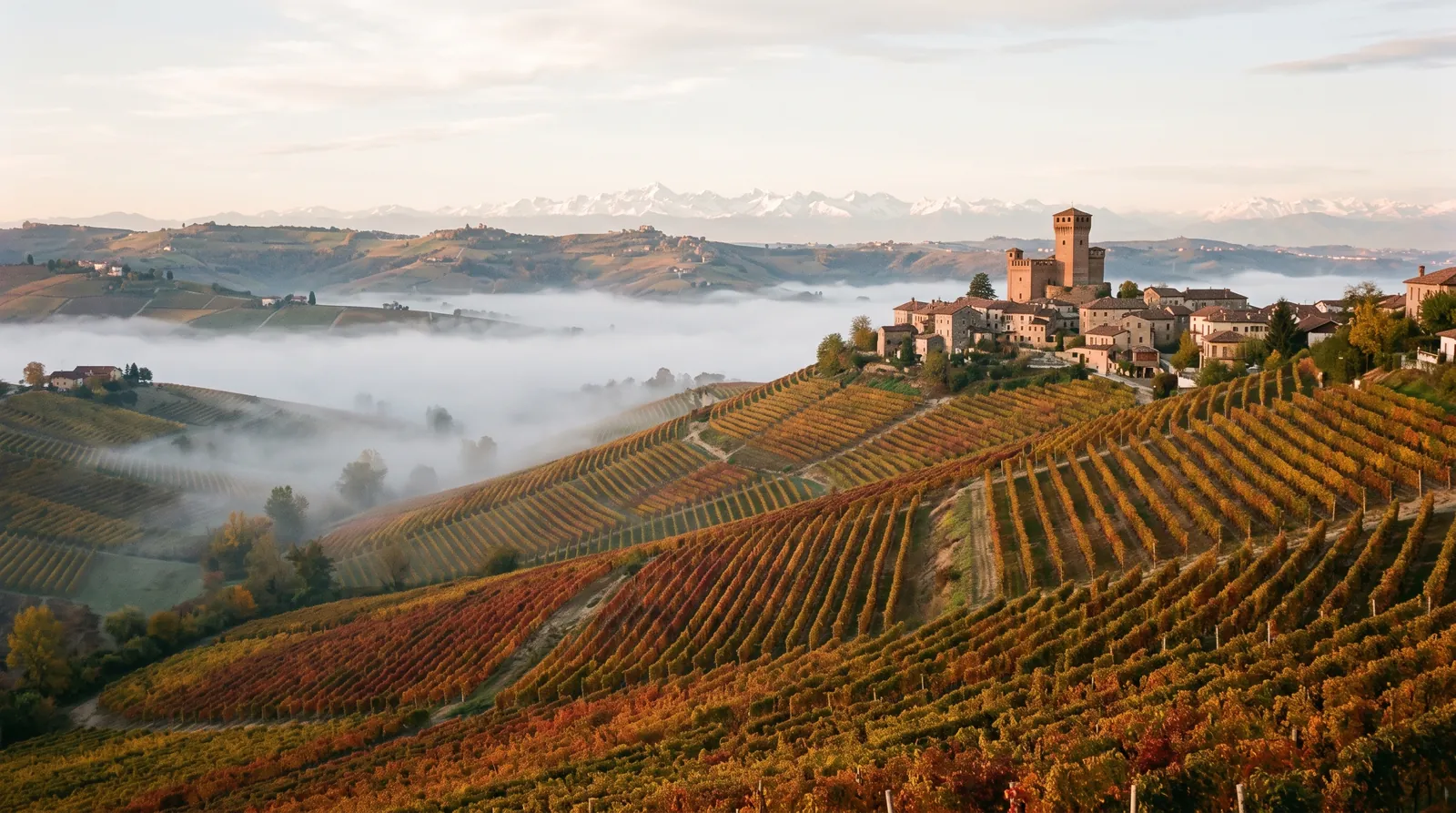 Italy
ItalyPiedmont
Foggy hills, and the mighty Nebbiolo grape.
Grapes: Nebbiolo, with Barbera and Dolcetto for everyday drinking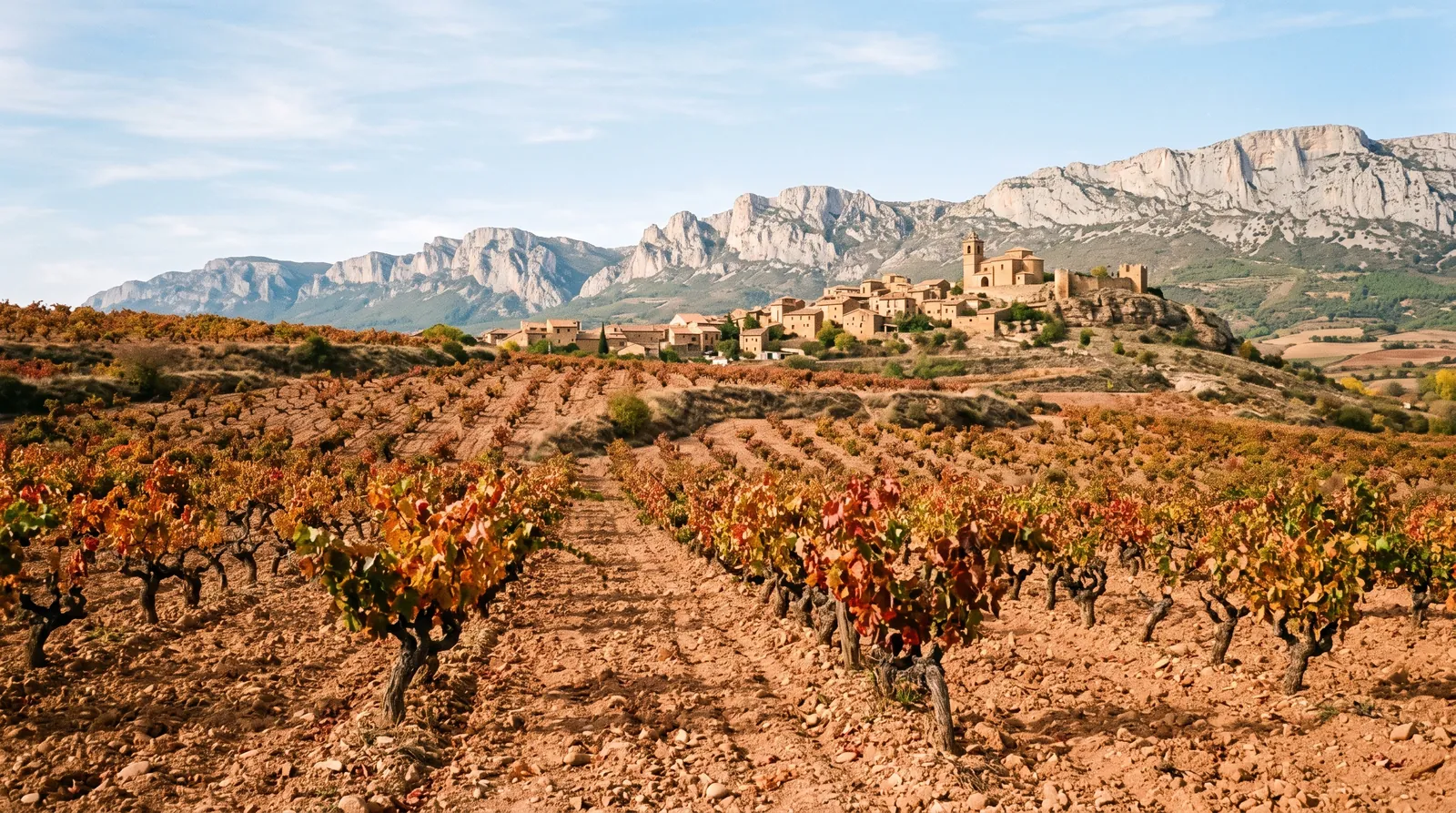 Spain
SpainRioja
Spain's classic red, mellowed by years in oak.
Grapes: Tempranillo, often with a little Garnacha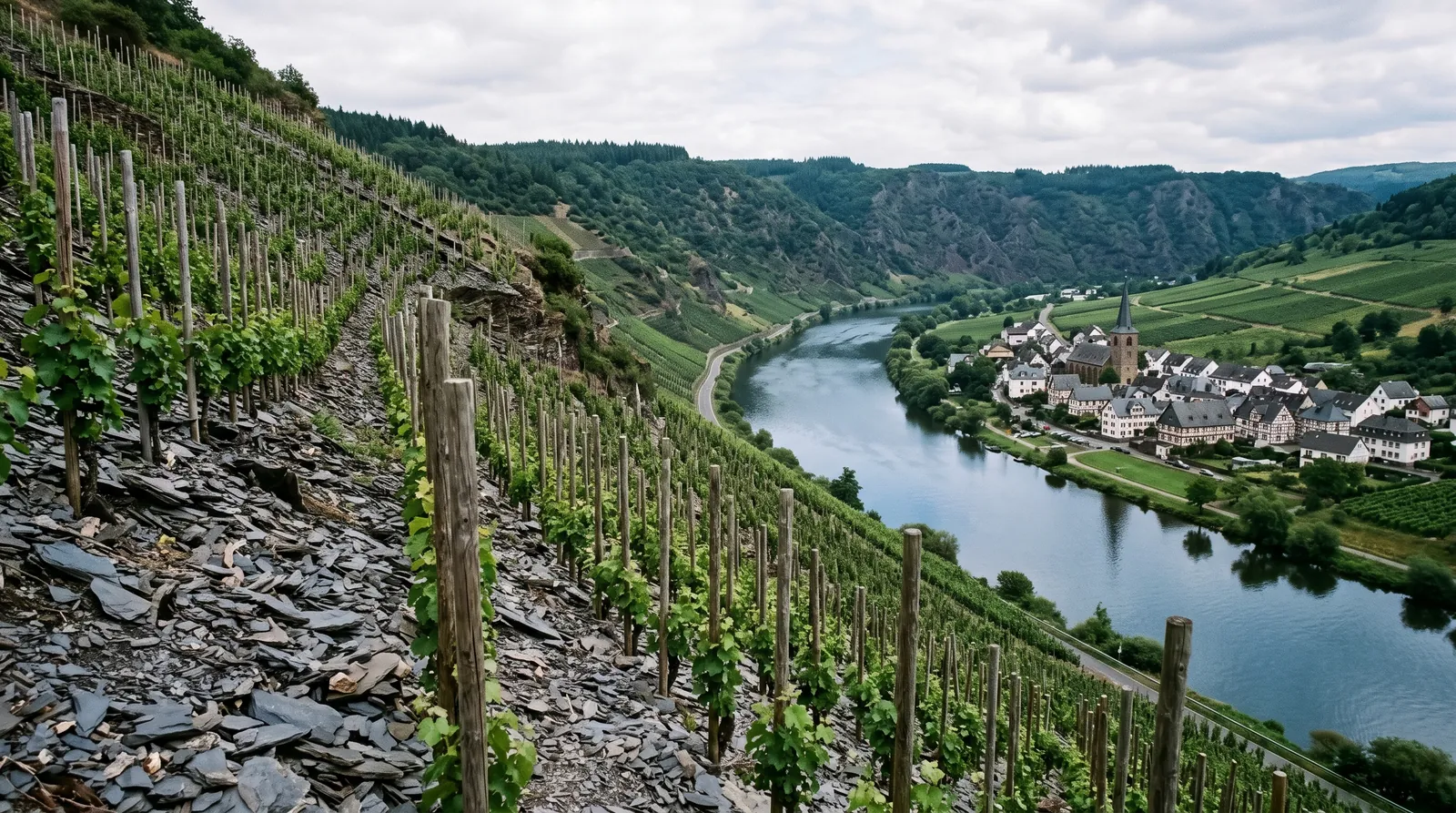 Germany
Mosel
Featherlight Riesling from dizzyingly steep slopes.
Grapes: Riesling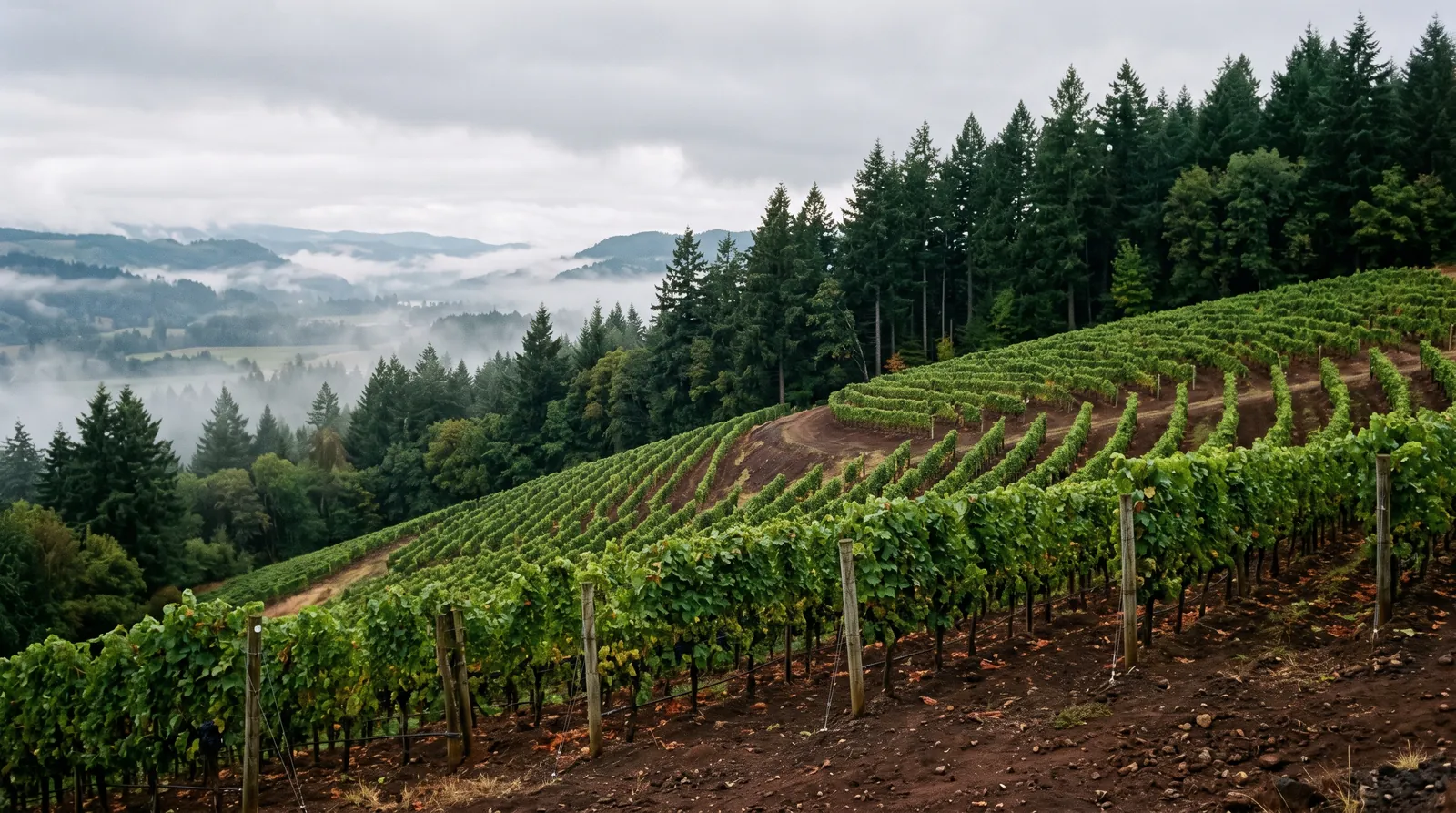 United States
Oregon (Willamette Valley)
Cool-climate Pinot Noir from the Willamette Valley.
Grapes: Pinot Noir, with Chardonnay and Pinot Gris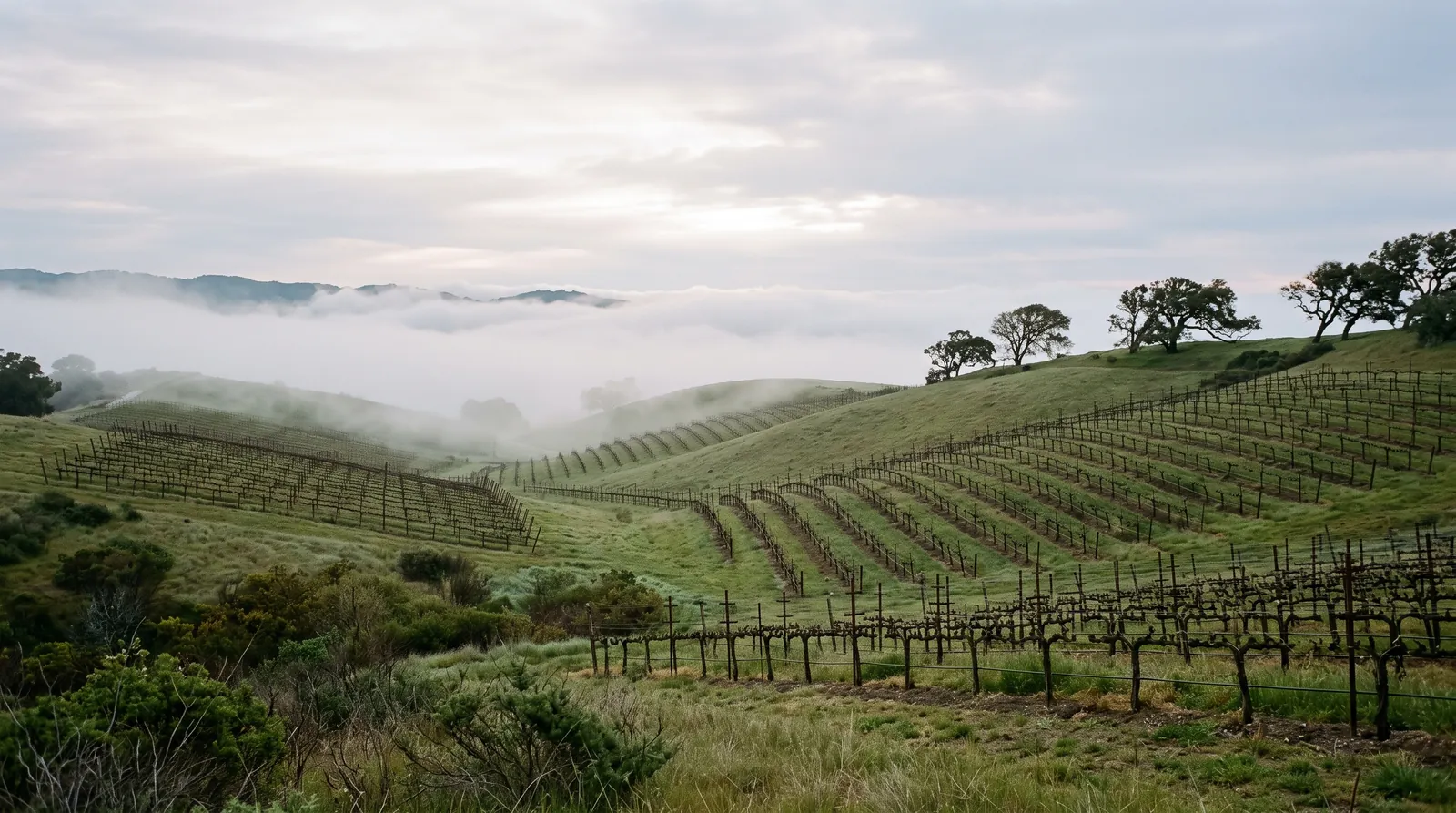 United States
California sparkling (Carneros, Anderson Valley)
Bubbles made the Champagne way, on the cool California coast.
Grapes: Chardonnay and Pinot Noir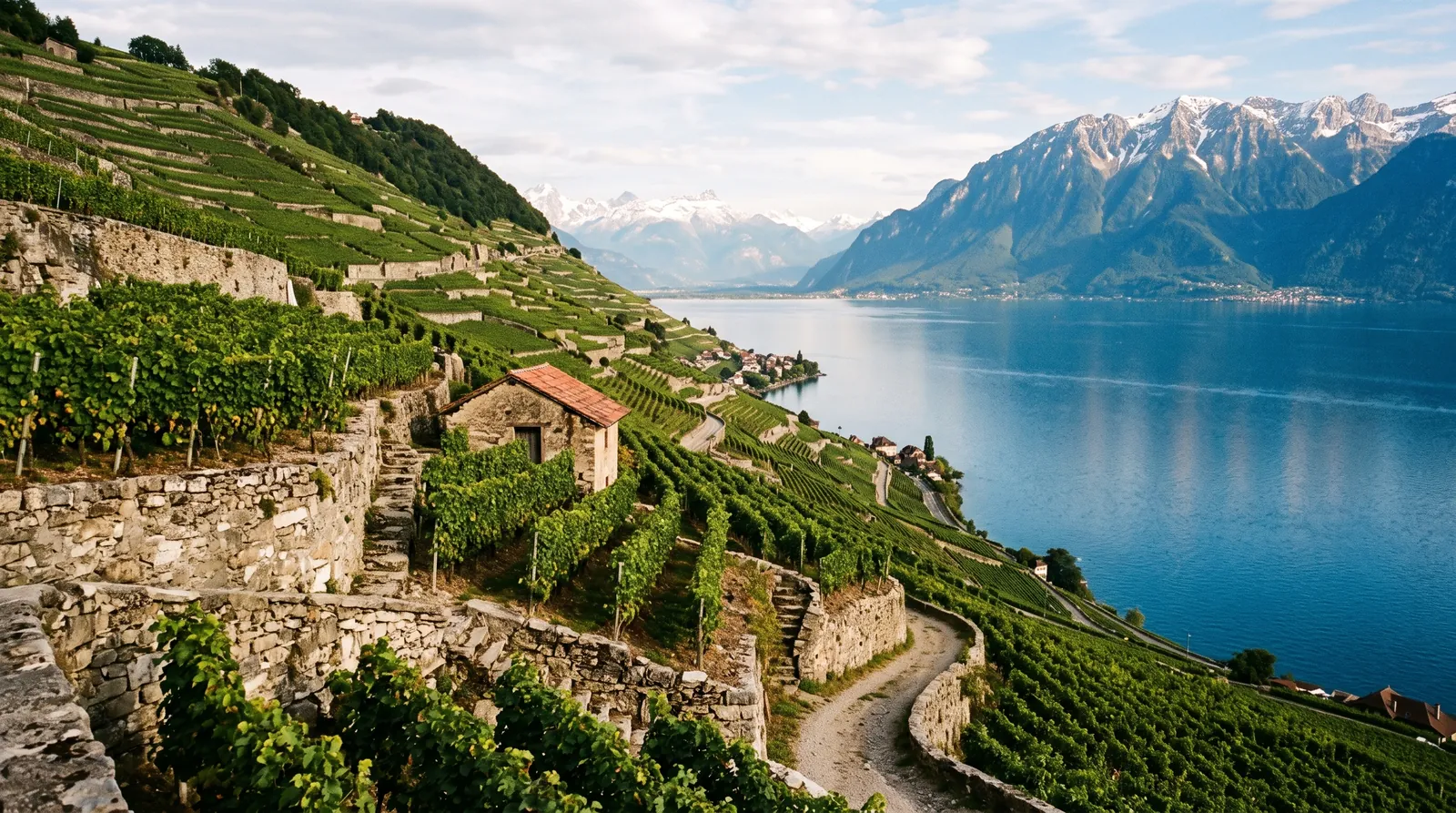 Switzerland
Valais and Lavaux
Alpine terraces above the Rhône and Lake Geneva.
Grapes: Chasselas (called Fendant), Pinot Noir, Gamay, and the Valais’s own Petite Arvine and Cornalin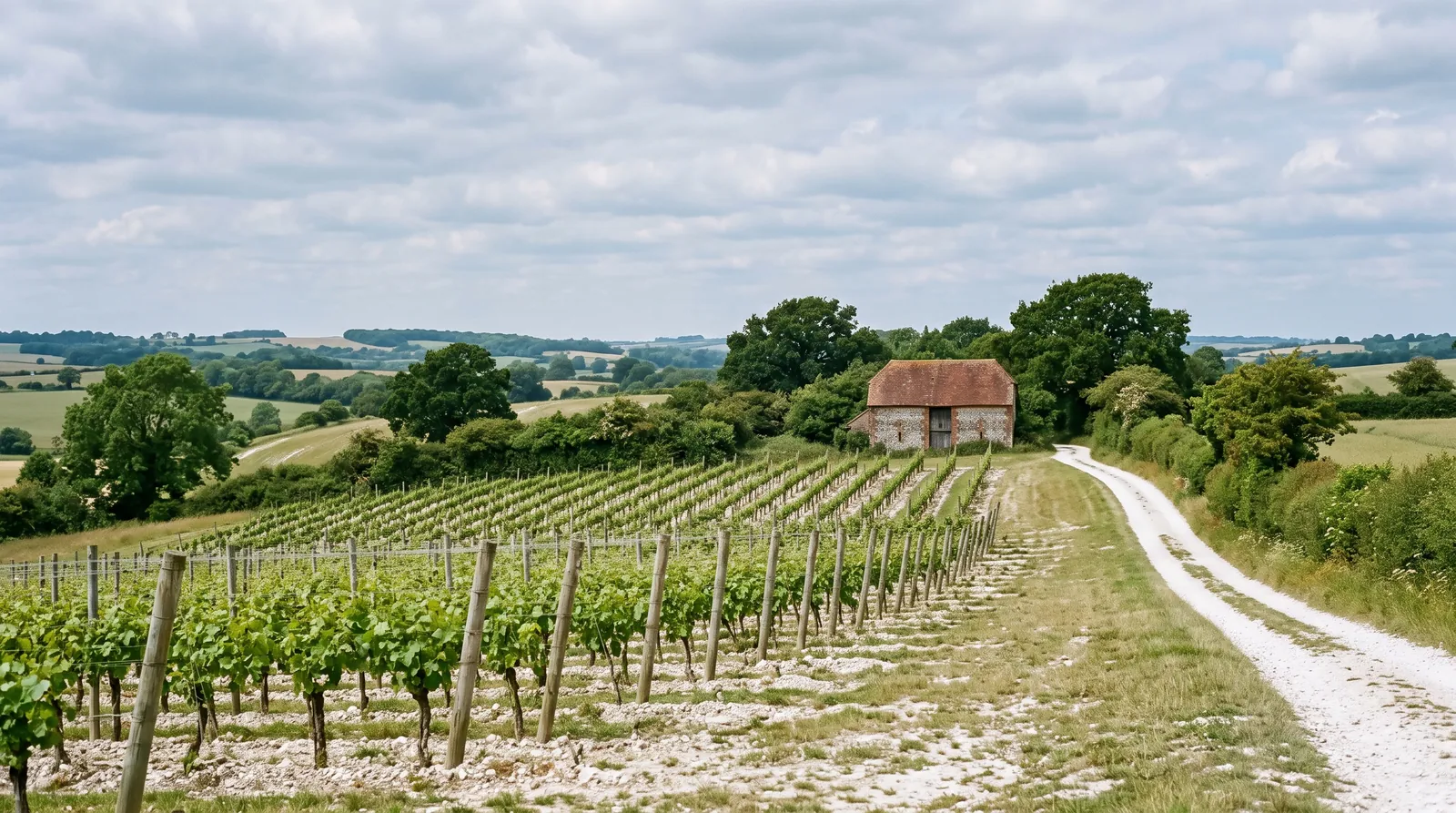 United Kingdom
England
Sparkling wine from the chalk of Kent and Sussex.
Grapes: Chardonnay, Pinot Noir and Pinot Meunier, the Champagne grapes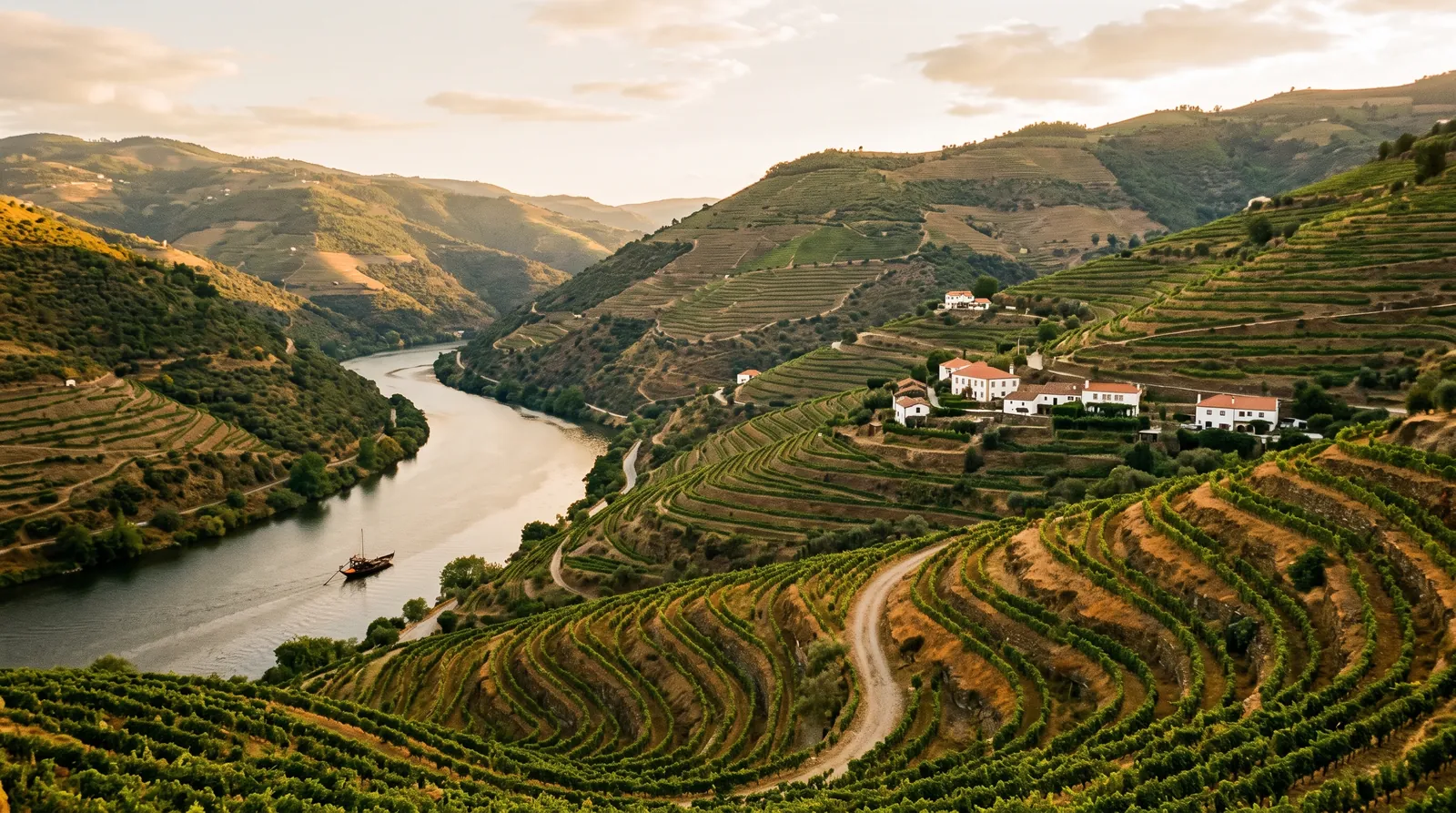 Portugal
Douro
Port, and now serious reds, from the steepest terraces in Europe.
Grapes: Touriga Nacional, Touriga Franca and Tinta Roriz, often blended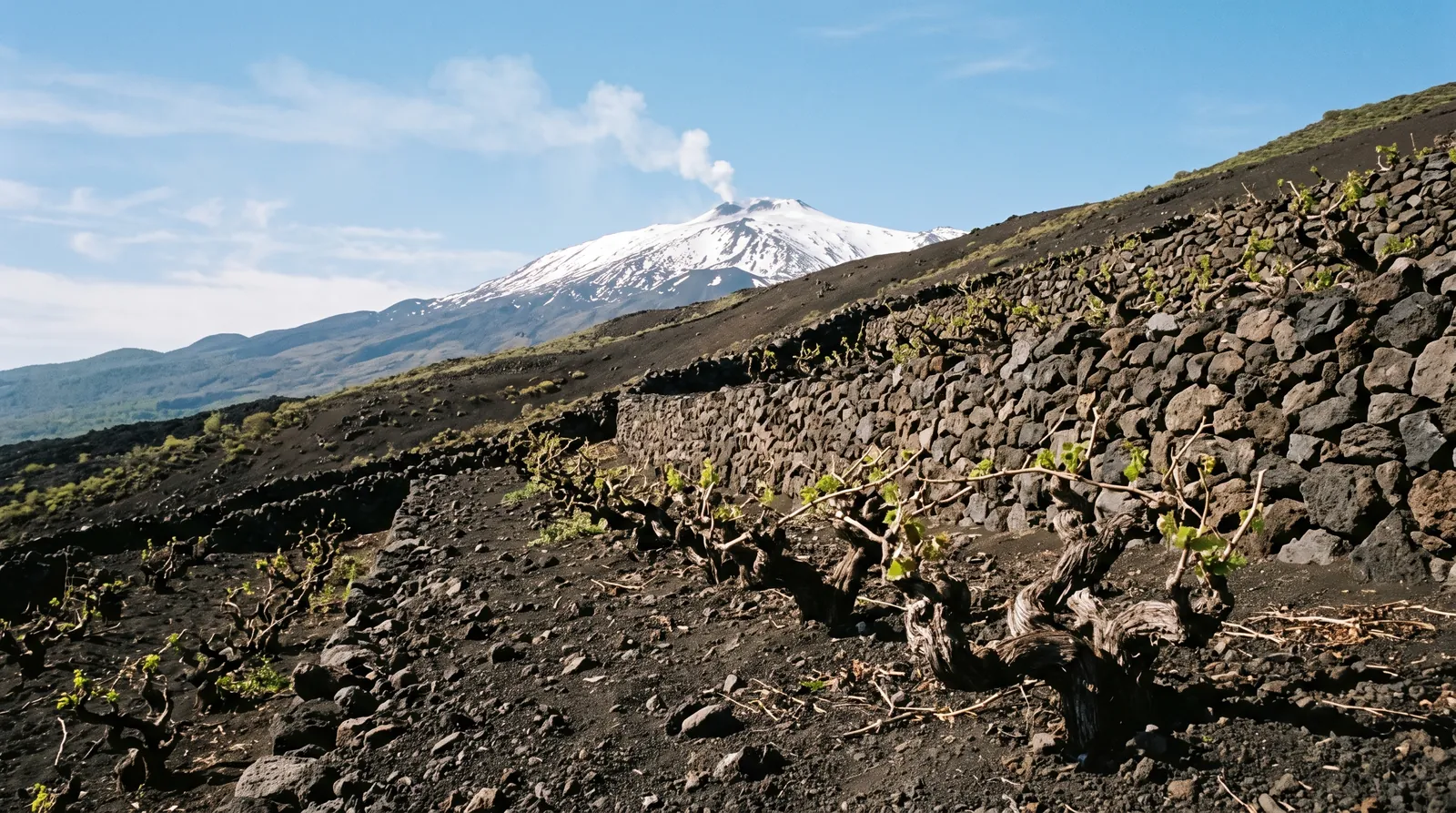 Italy
ItalyEtna
Old vines on a live volcano in Sicily.
Grapes: Nerello Mascalese for red, Carricante for white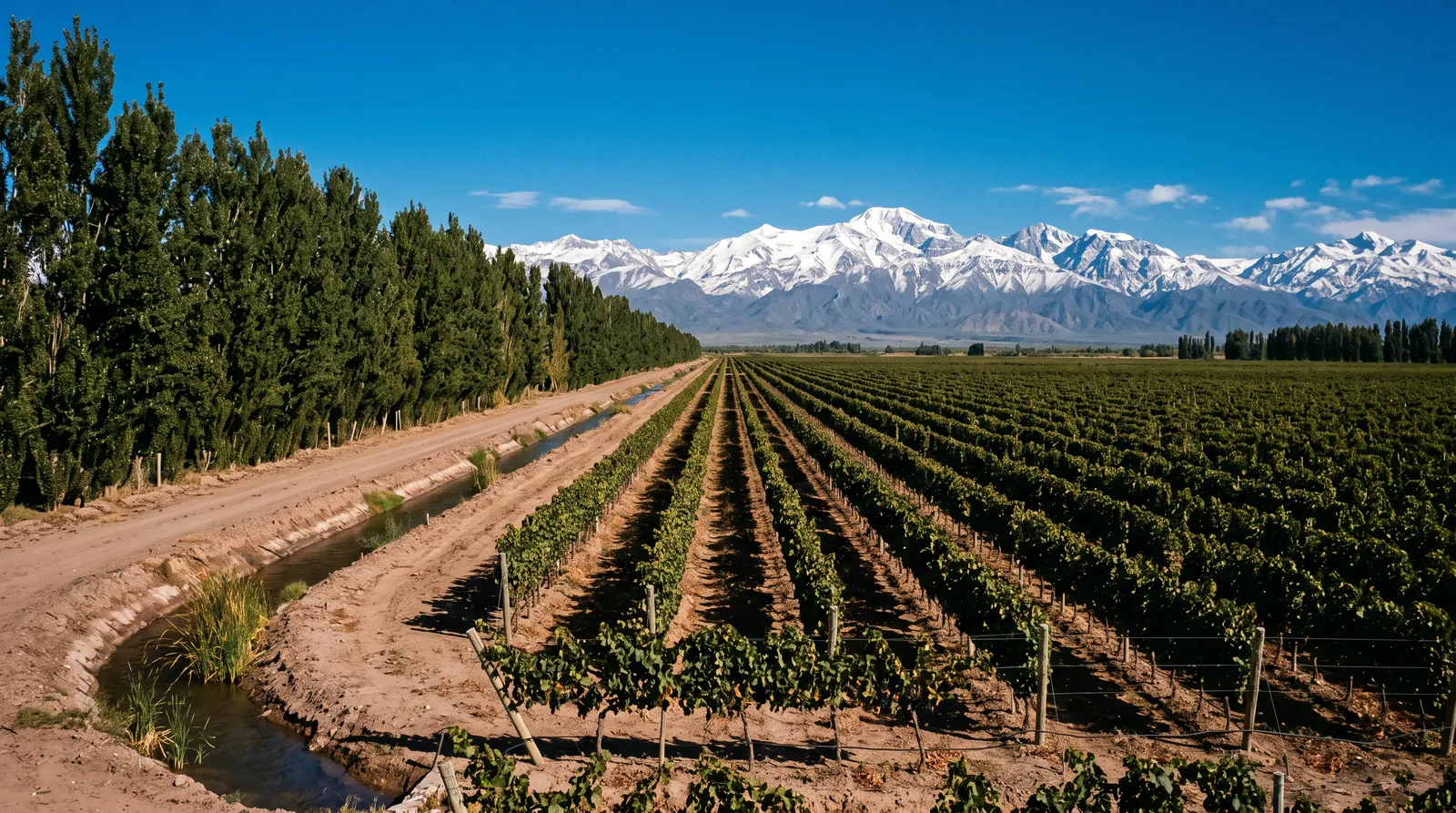 Argentina
Mendoza
Malbec in the high desert below the Andes.
Grapes: Malbec above all, with Cabernet Sauvignon and Chardonnay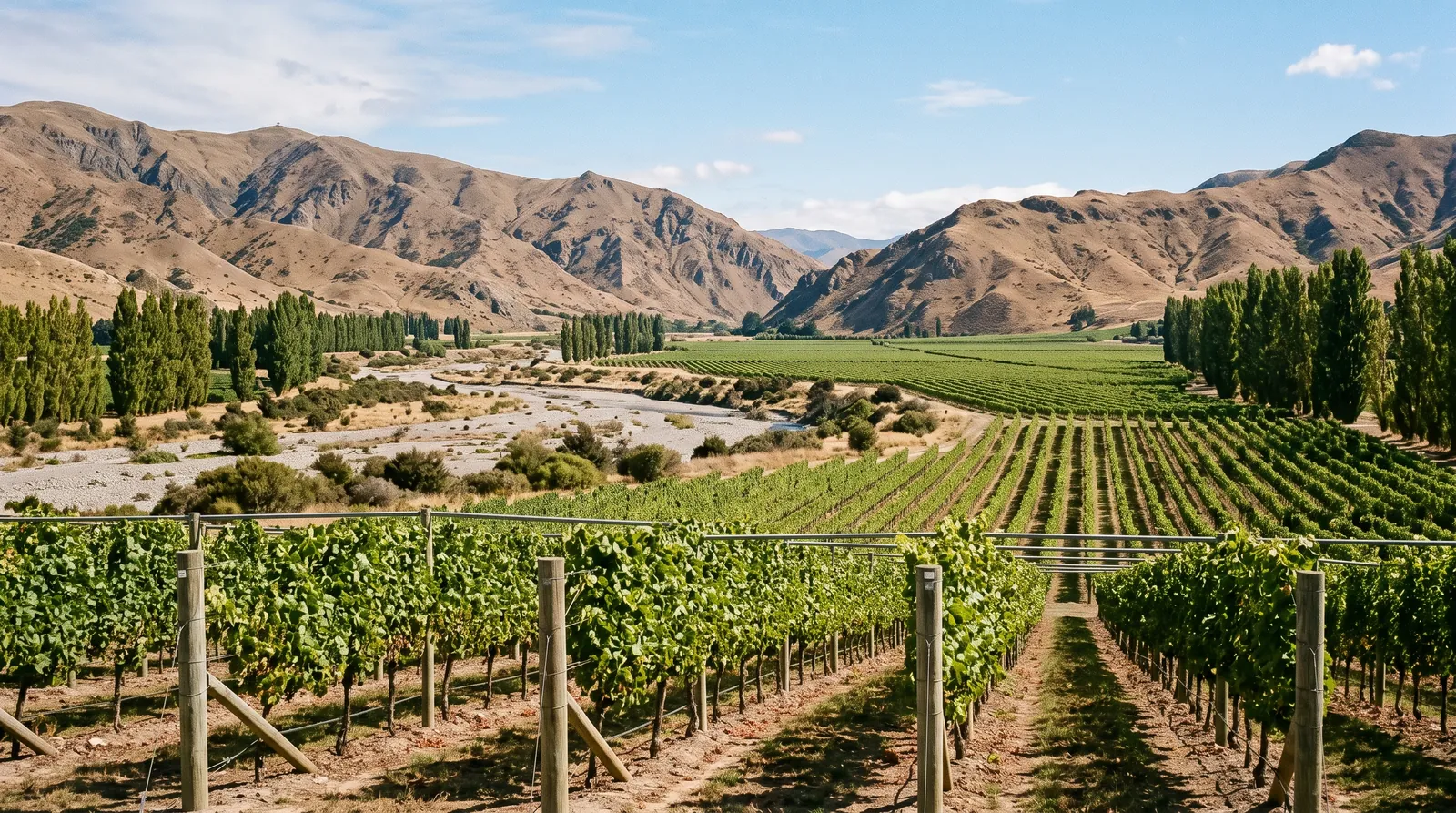 New Zealand
Marlborough
The home of Sauvignon Blanc.
Grapes: Sauvignon Blanc, with Pinot Noir and Chardonnay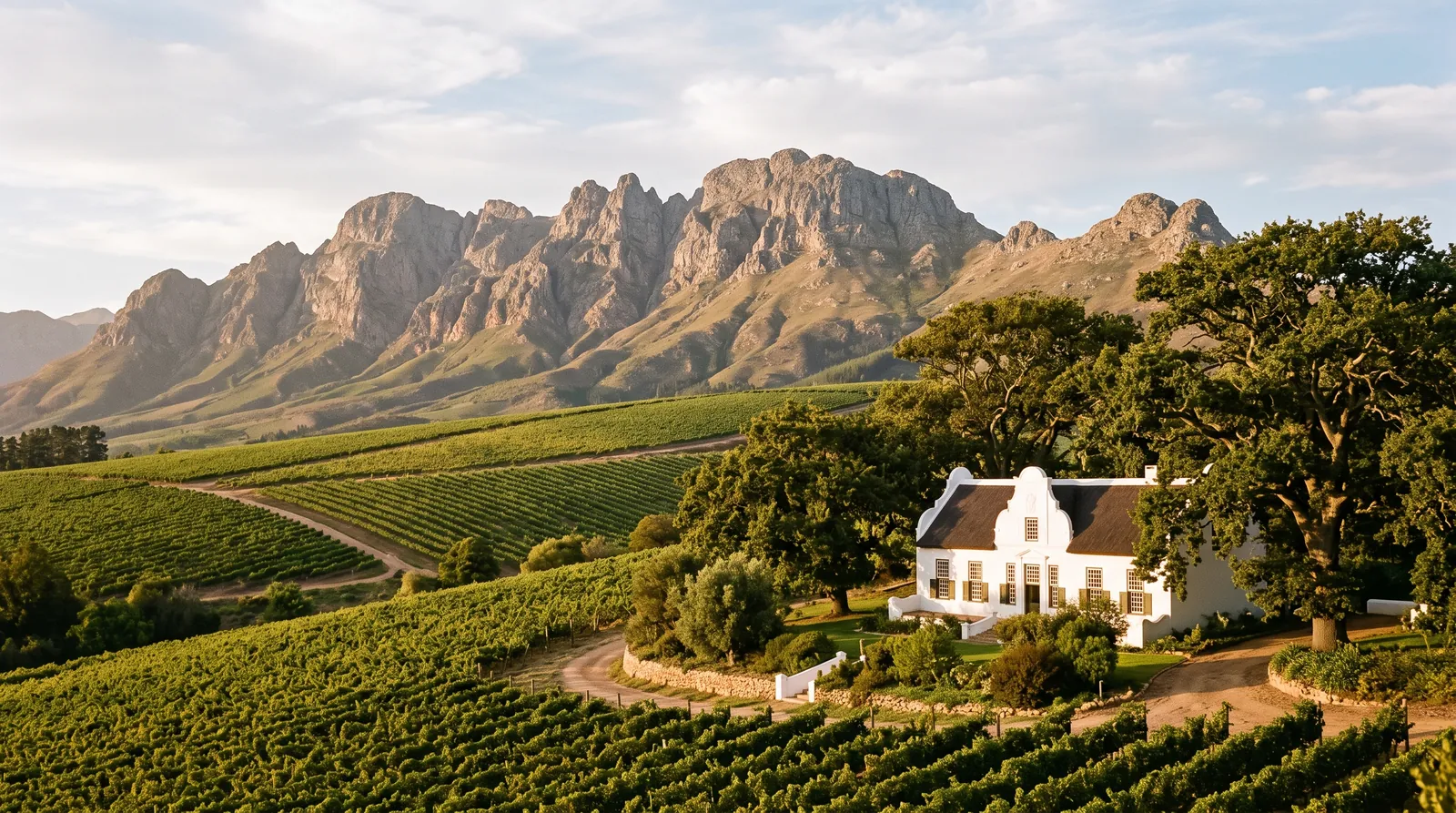 South Africa
Stellenbosch
The Cape’s oldest and grandest wine district.
Grapes: Cabernet Sauvignon, Chenin Blanc, Syrah and Pinotage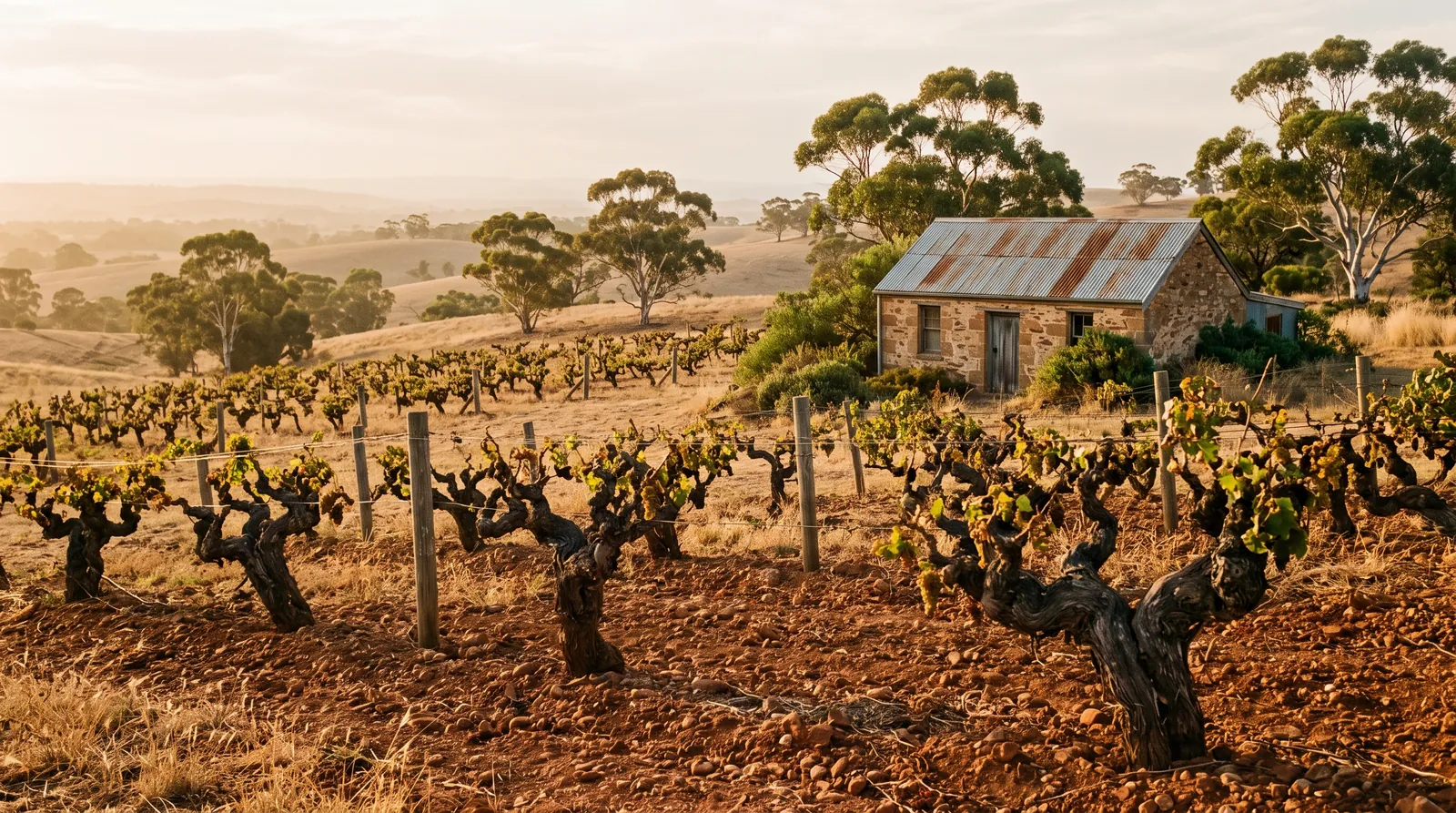 Australia
Barossa Valley
Old-vine Shiraz, Australia’s signature red.
Grapes: Shiraz, with Grenache and Cabernet Sauvignon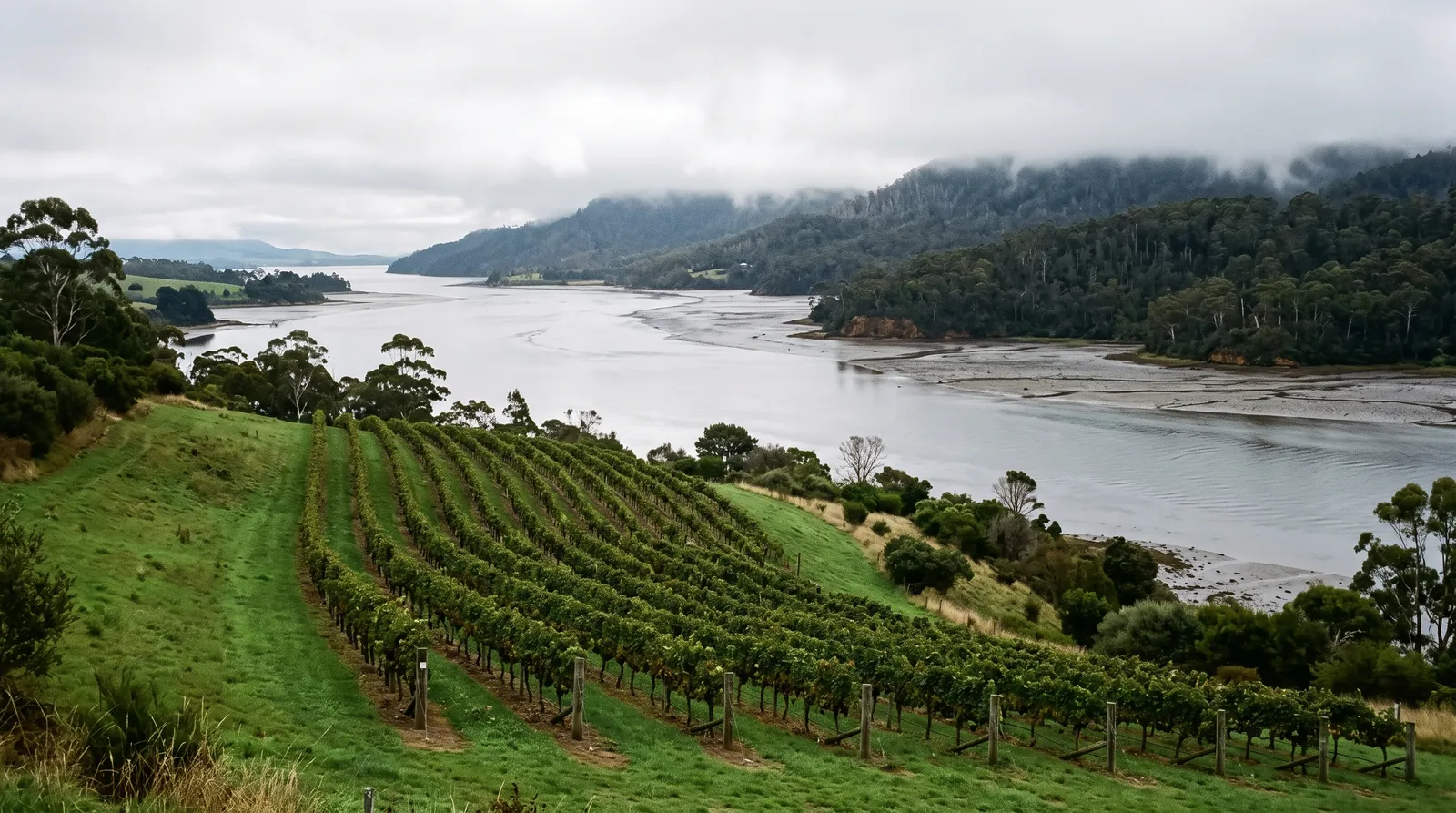 Australia
Tasmania
Cool-climate Pinot Noir and sparkling wine.
Grapes: Pinot Noir and Chardonnay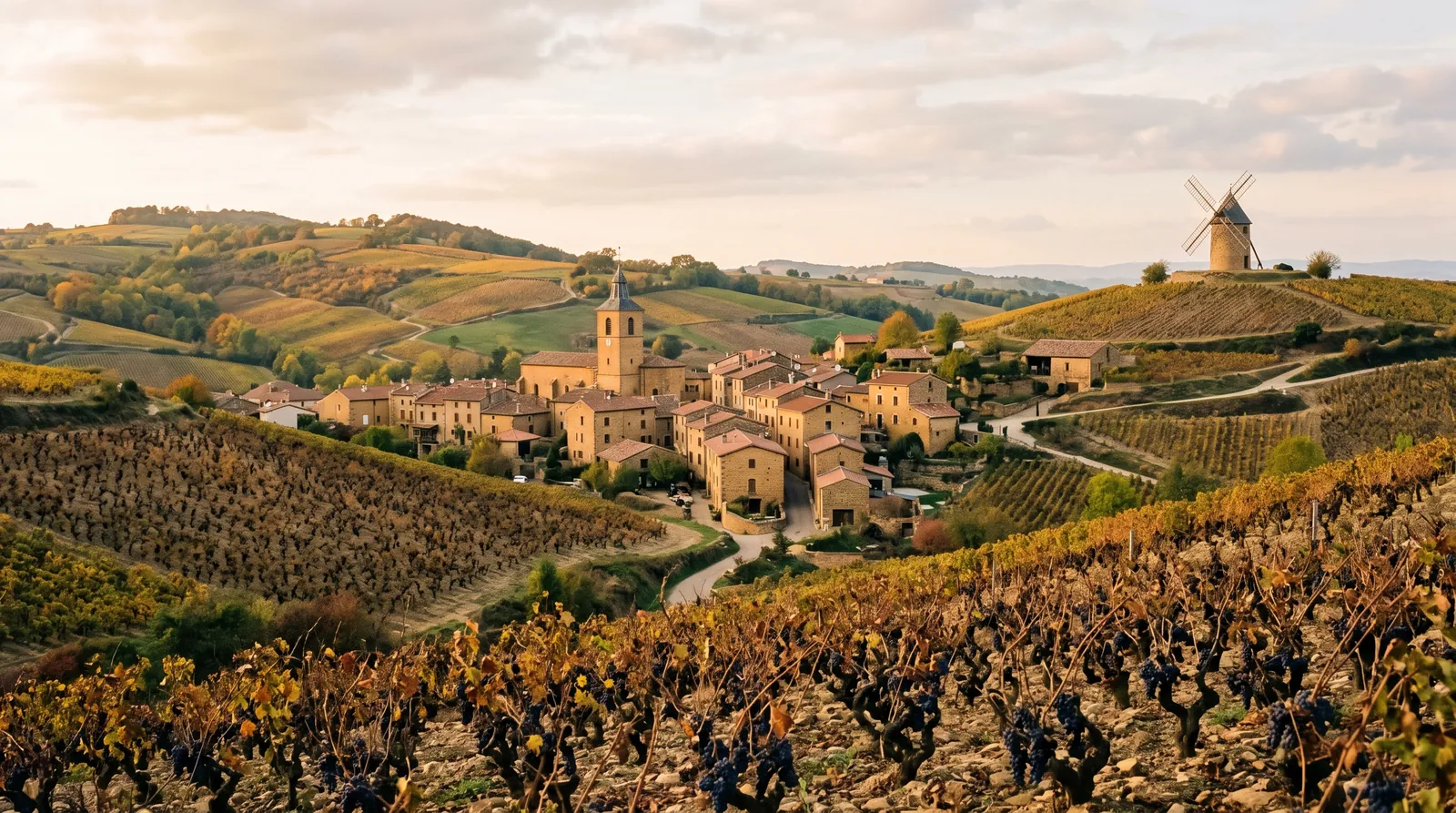 France
Beaujolais
Light, juicy Gamay from granite hills.
Grapes: Gamay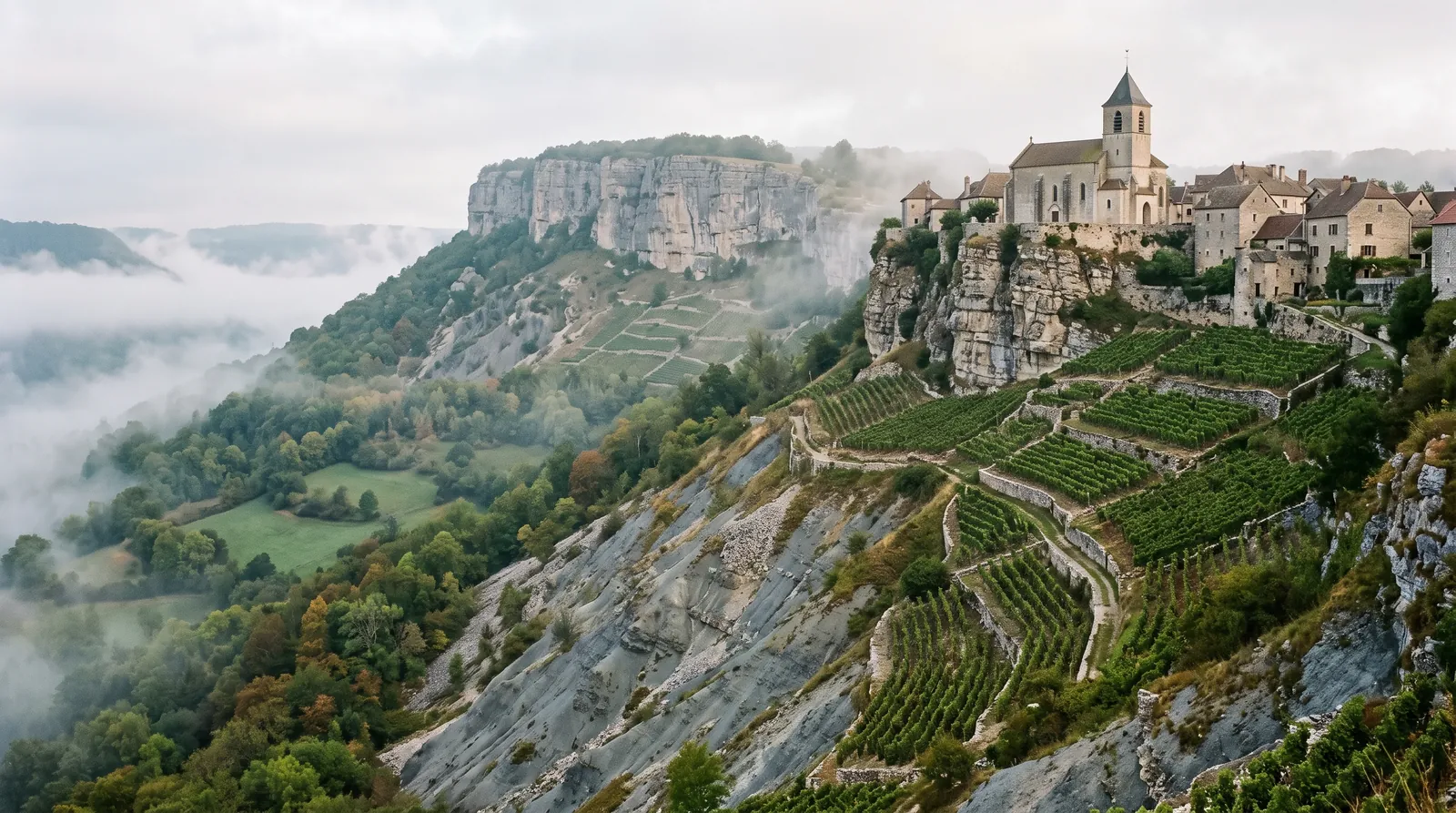 France
Jura
Nutty, oxidative whites and vin jaune from a tiny region.
Grapes: Savagnin and Chardonnay for white, Poulsard, Trousseau and Pinot Noir for red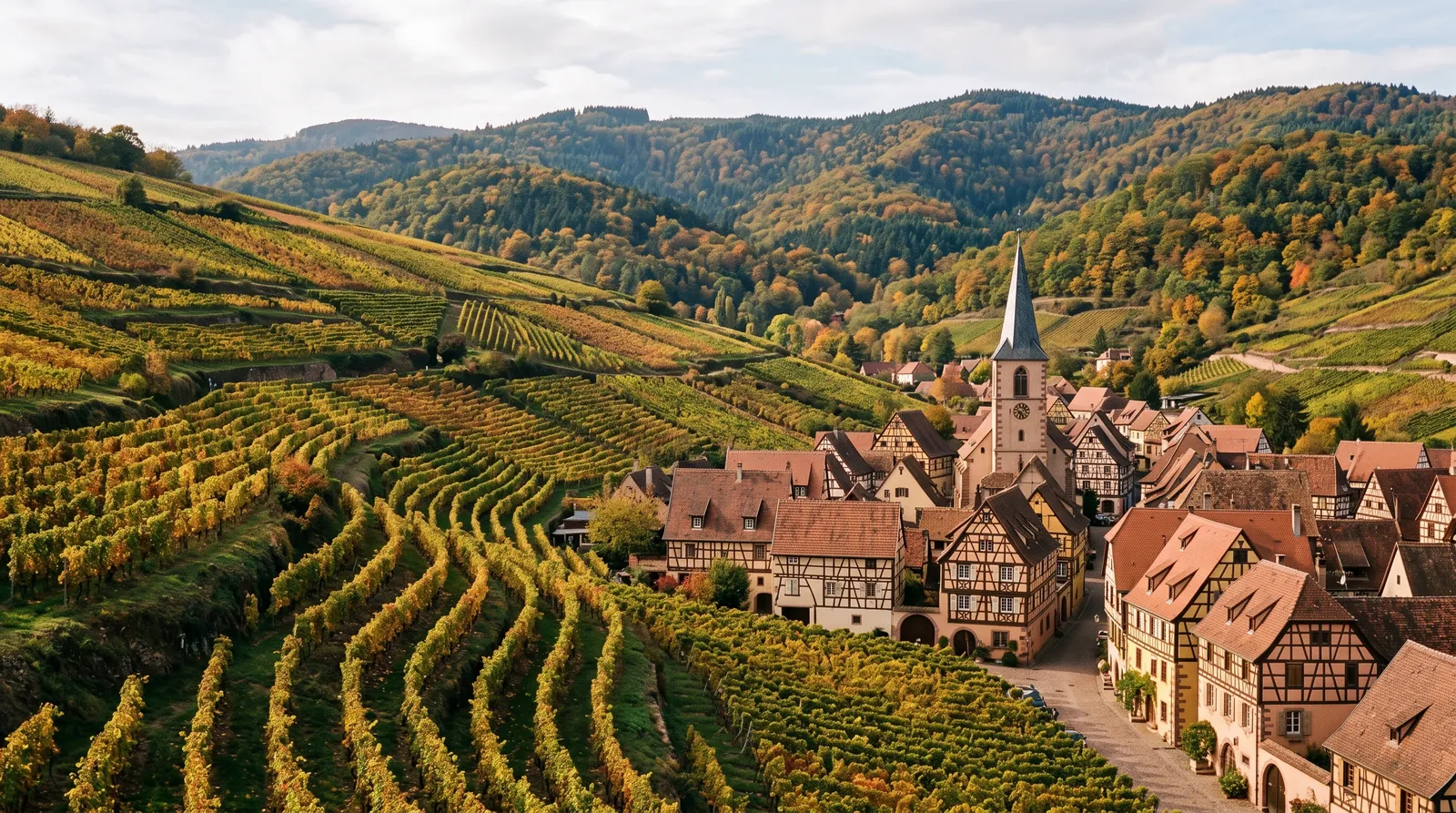 France
Alsace
Dry Riesling and perfumed Gewürztraminer in tall bottles.
Grapes: Riesling, Gewürztraminer, Pinot Gris and Pinot Blanc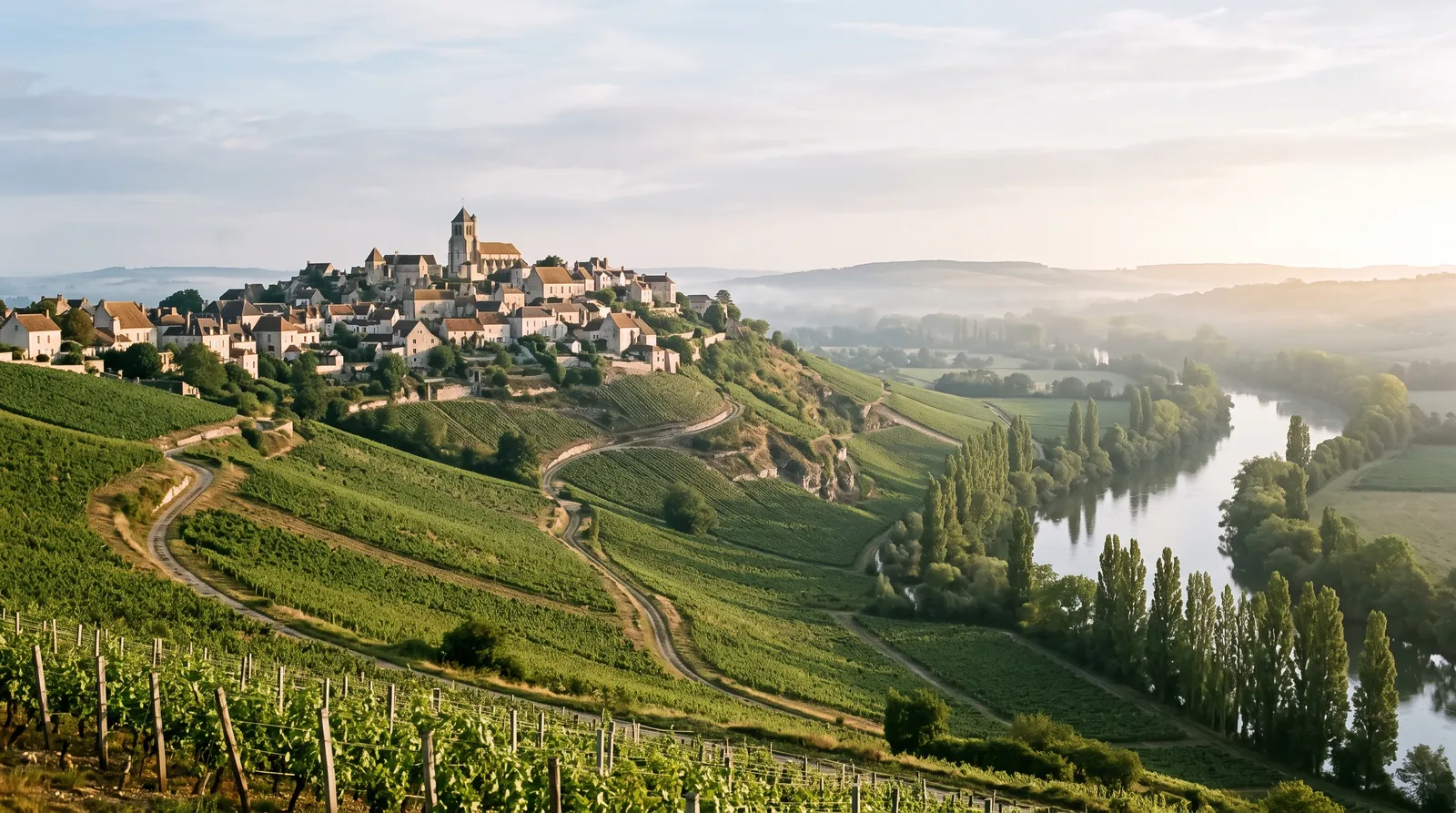 France
Loire: Sancerre and the river
Sancerre, Chinon and the river of a thousand wines.
Grapes: Sauvignon Blanc, Chenin Blanc, Cabernet Franc and Melon (Muscadet)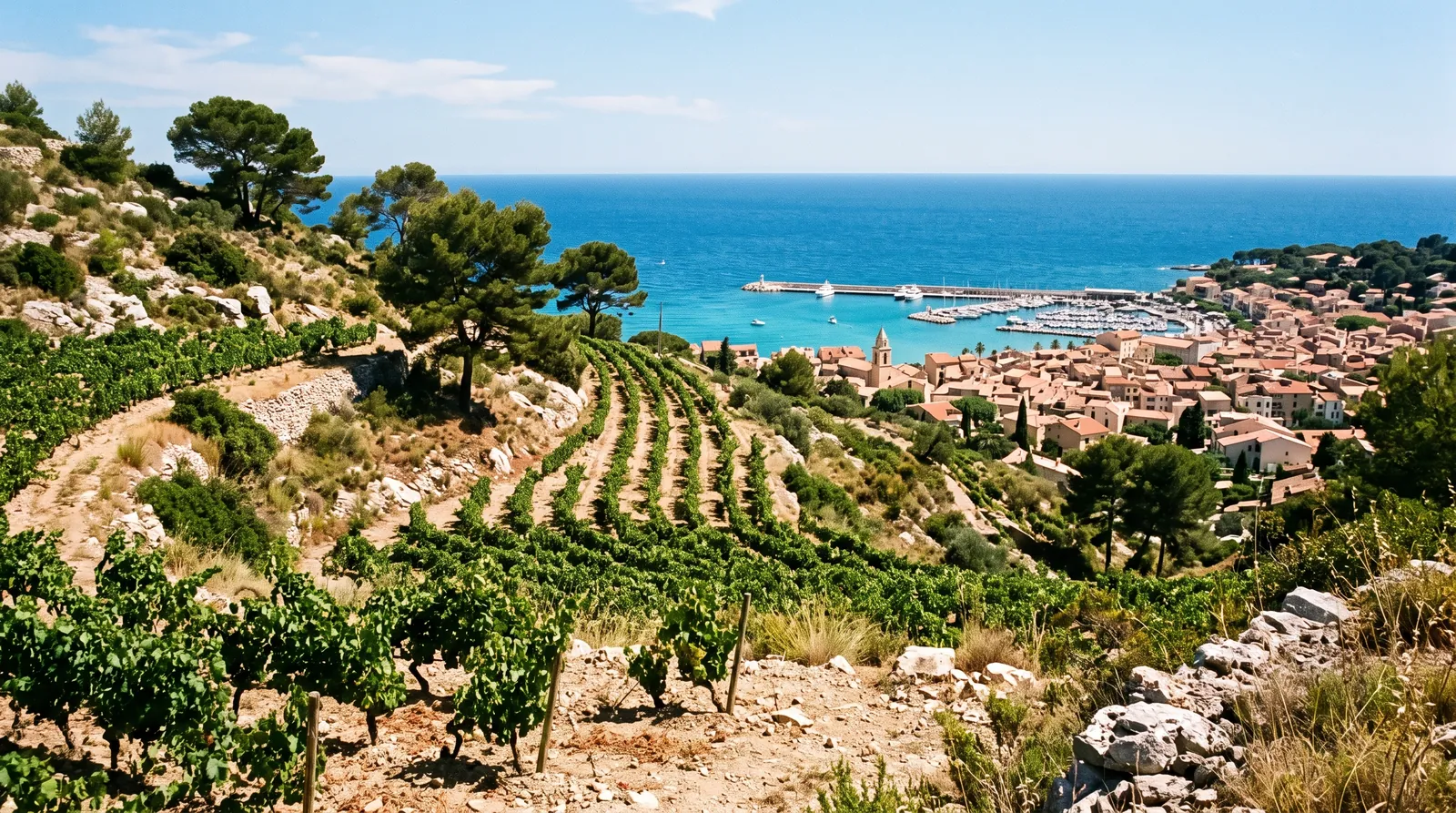 France
Provence
Pale pink rosé and the serious reds of Bandol.
Grapes: Grenache, Cinsault and Syrah for rosé; Mourvèdre for Bandol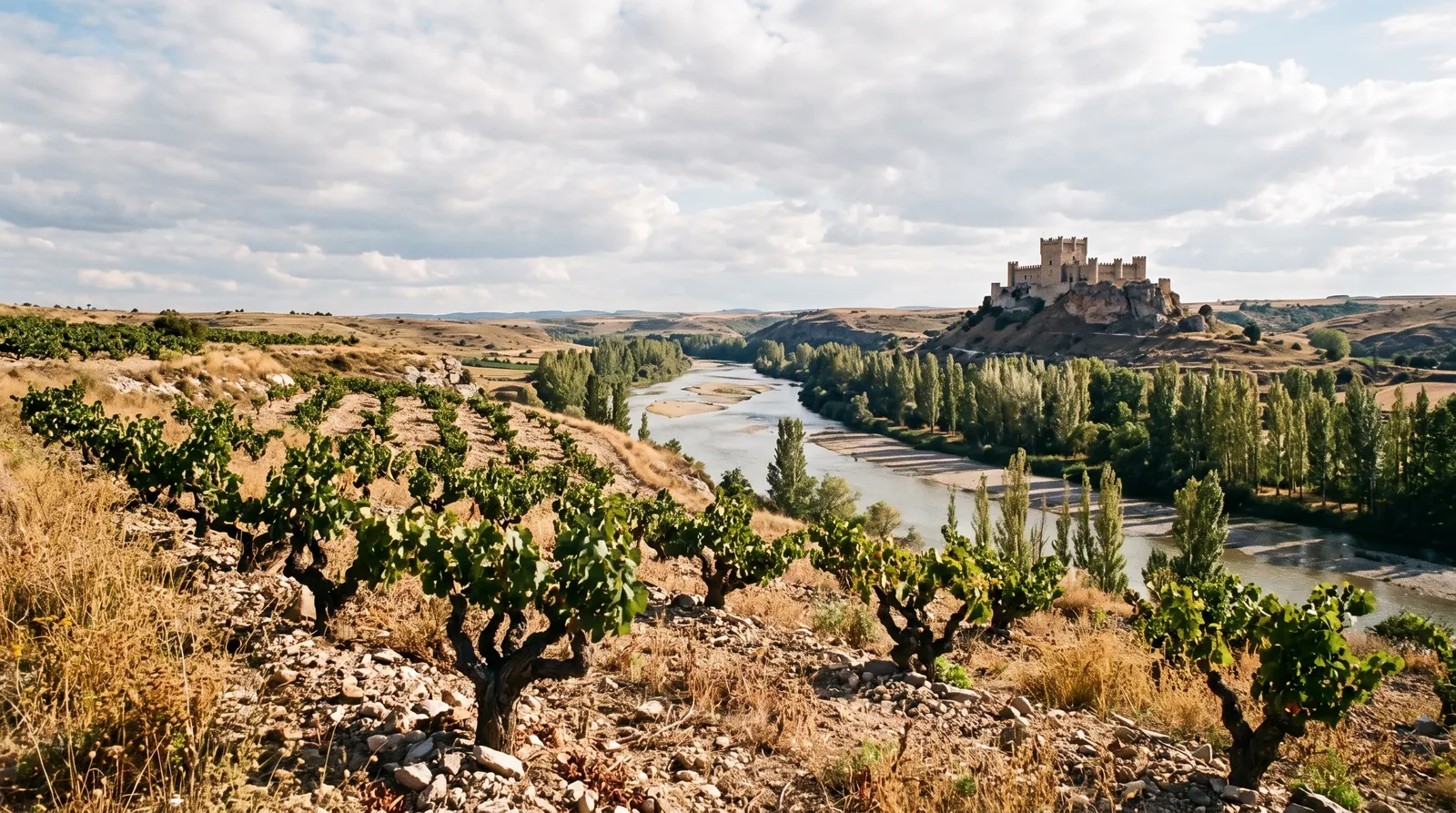 Spain
SpainRibera del Duero
Dark, powerful Tempranillo from a high, cold plateau.
Grapes: Tempranillo, called Tinto Fino here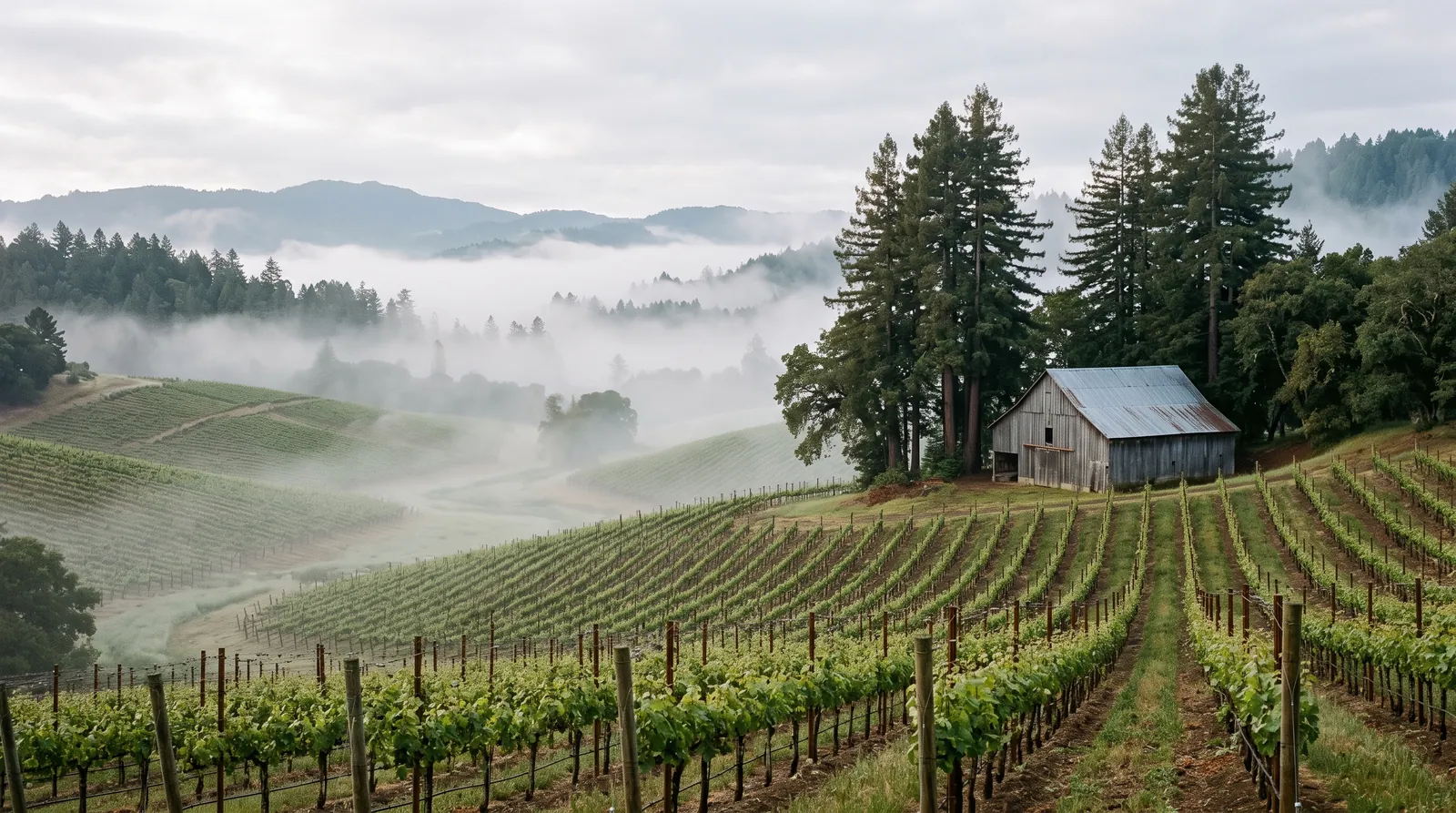 United States
Sonoma
Pinot Noir and Chardonnay in the fog next door to Napa.
Grapes: Pinot Noir and Chardonnay on the cool side, Zinfandel and Cabernet in the warm valleysFind them on the map
The old names sit in a band across France, northern Italy, Spain and Germany, with Sicily, Portugal, Switzerland and England at the edges. The newer ones are scattered round the world: California and Oregon, Mendoza under the Andes, the Cape, south-east Australia and Tasmania, New Zealand. Tap a mark to open that region.
For the curious: how the regions differ as businesses
The regions on this map have a collectible tier in common and little else. Bordeaux is the largest fine-wine economy: about 110,000 hectares of vines, of which a few hundred classified châteaux release thousands of cases each through the en primeur system, so its prices are the most transparent and its wines the most traded at auction. Burgundy is the opposite case — about 33 grands crus on roughly 550 hectares, holdings measured in rows rather than hectares and production of a few hundred cases per wine — so scarcity, not scores, sets the price.
Champagne is a brand economy: some 16,000 growers sell grapes to about 370 houses, and the prestige cuvées carry the margin. The Rhône, Piedmont and Tuscany each pair a large everyday region with a small delimited core — Hermitage and Côte-Rôtie, Barolo and Barbaresco, Bolgheri and Montalcino — whose top wines trade internationally while the wider region sells at everyday prices. Rioja and the Mosel are the value tiers of the collectible world: long-aged gran reservas and sweet Prädikat wines with decades of auction record at a fraction of the Bordeaux price.
In the United States, Napa Valley shows what land does to a bottle: about 45,000 acres, under 4% of California’s vineyard, with land values reported in the hundreds of thousands of dollars per acre feeding cult wines sold by mailing list. Oregon’s Willamette Valley and the sparkling districts of Carneros and Anderson Valley apply Burgundian and Champenois methods on land that costs a fraction as much.
Compare two regions
All the numbers →Side by side: what land, grapes and a finished bottle cost in each place.