 Bordeaux
 Burgundy
 Champagne
 Rhône
Rhône Napa Valley
 Tuscany
 Piedmont
 Mosel
Mosel Oregon
 Rioja
Rioja California sparkling
 Valais and Lavaux
 England
 Douro
Douro Etna
Etna Mendoza
 Marlborough
 Stellenbosch
 Barossa Valley
 Tasmania
 Beaujolais
 Jura
Jura Alsace
 Loire
Loire Provence
 Ribera del Duero
 Sonoma
 What land costs
 Good years and bad
 Appellations
 Famous vineyards
 Famous wines
 Who makes them
 Find a vintage
 Compare wines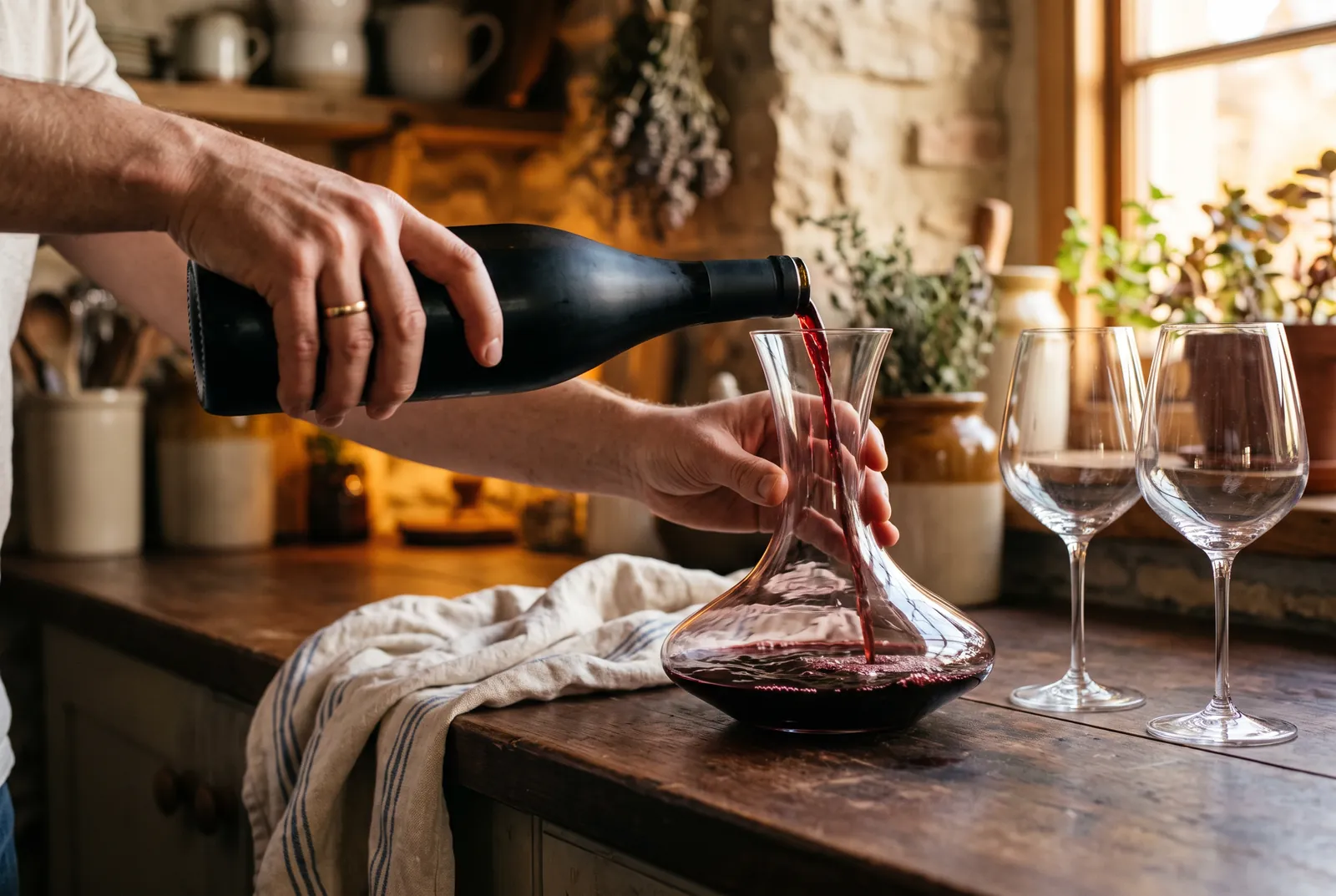
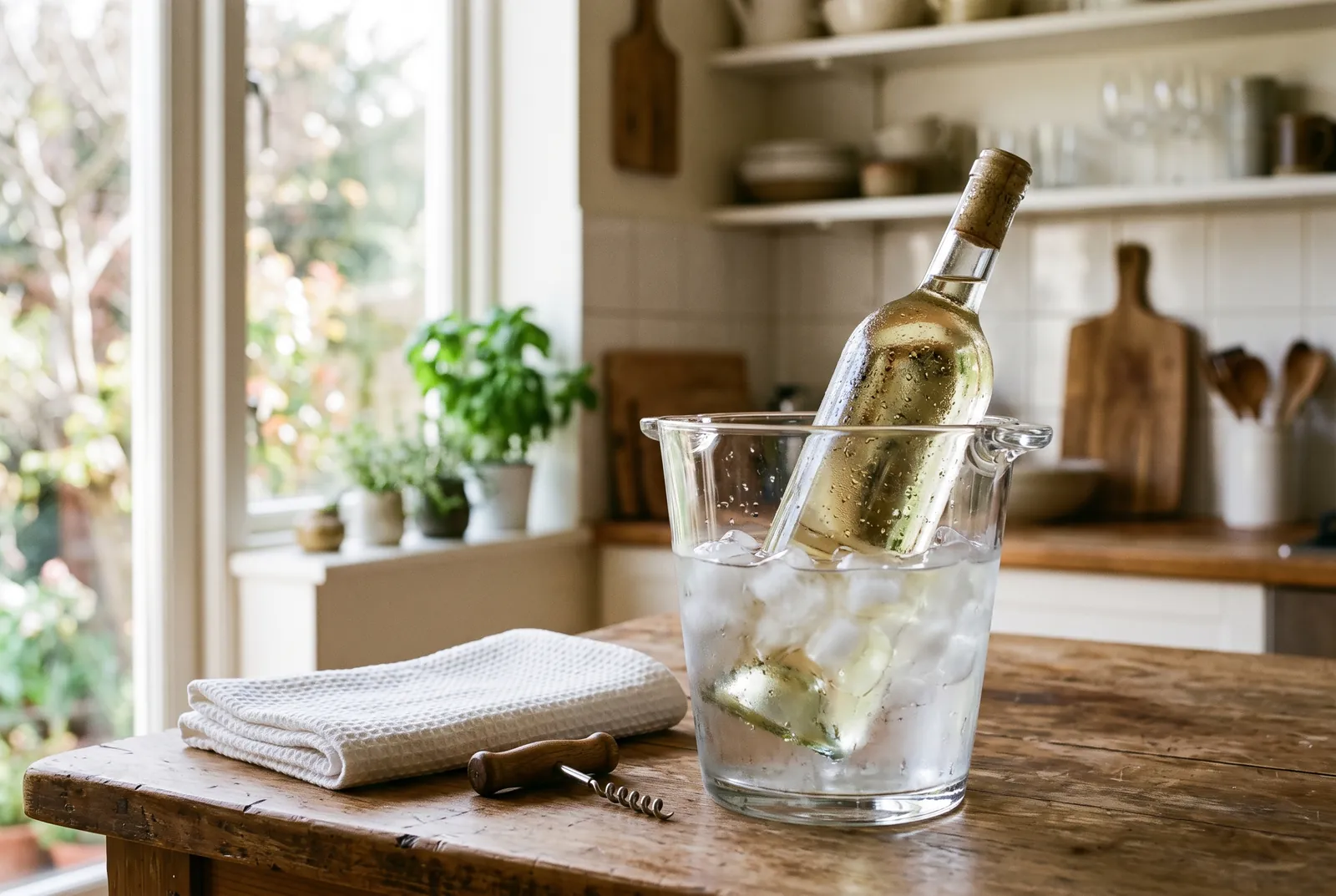
Temperature is the easy win
Warm red wine tastes flat and boozy. Wine that is too cold tastes of very little.
- Sparkling. Very cold. Three hours in the fridge.
- White and rosé. Cold. Take the bottle out of the fridge ten minutes before pouring.
- Light reds. Lightly chilled. Thirty minutes in the fridge.
- Fuller reds. Slightly cool. Fifteen to twenty minutes in the fridge if the room is warm.
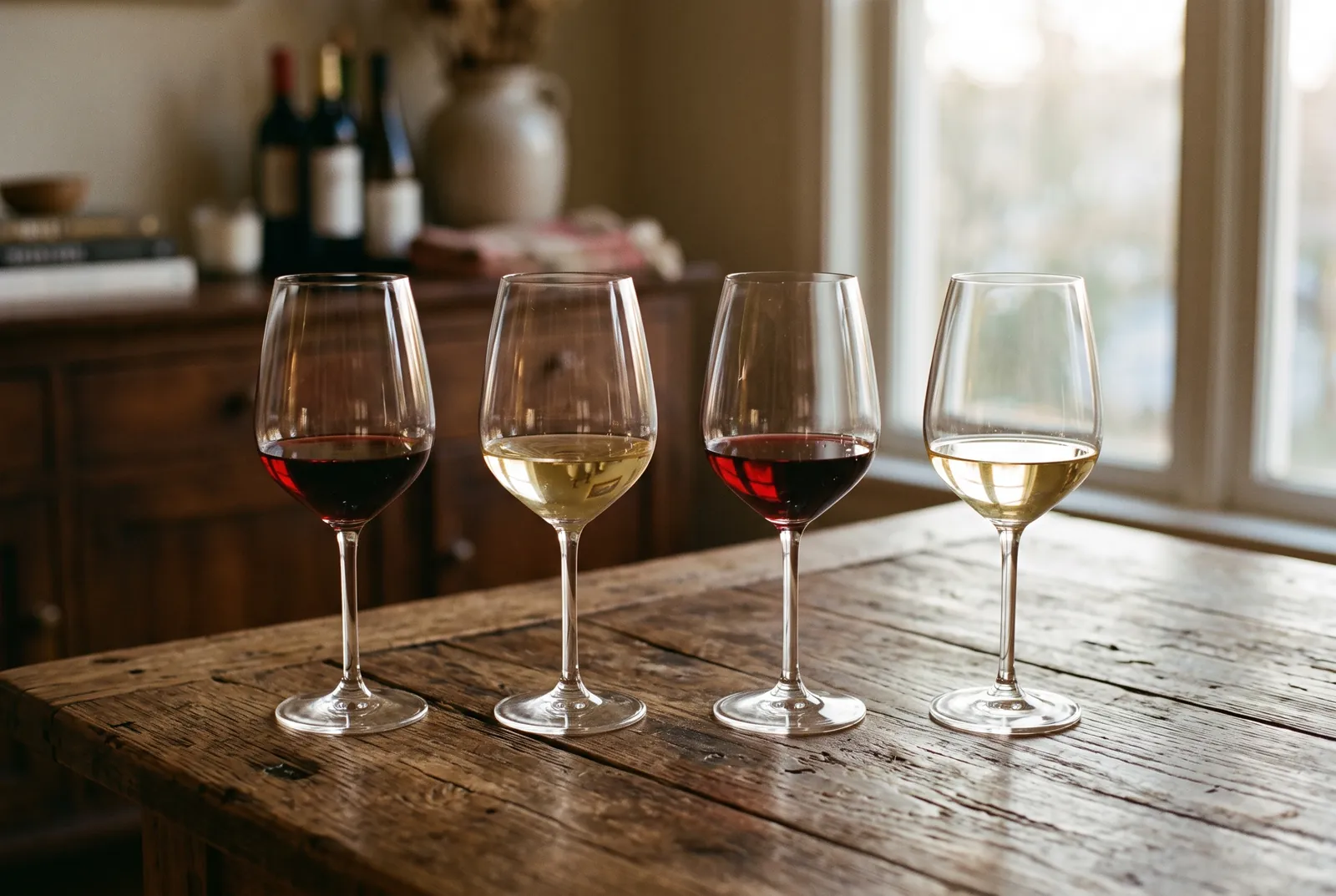
Glasses
One set of medium-sized glasses with a stem is plenty. Fill them about a third full so there is room to swirl.
Letting wine breathe
Young, strong reds often taste softer after some air. Pouring the bottle into a jug or decanter half an hour before dinner is enough. Most whites and light reds do not need it.
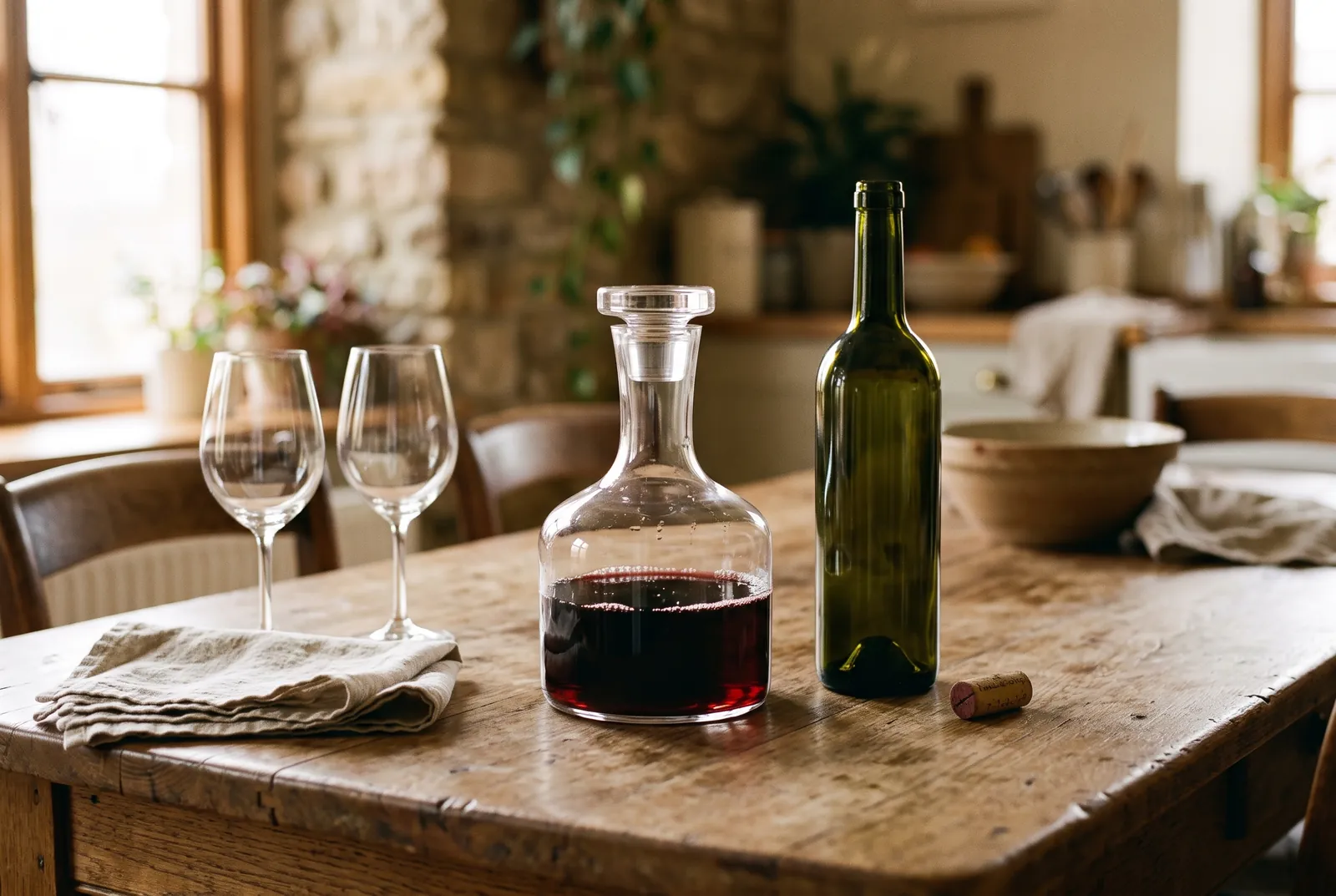
After opening
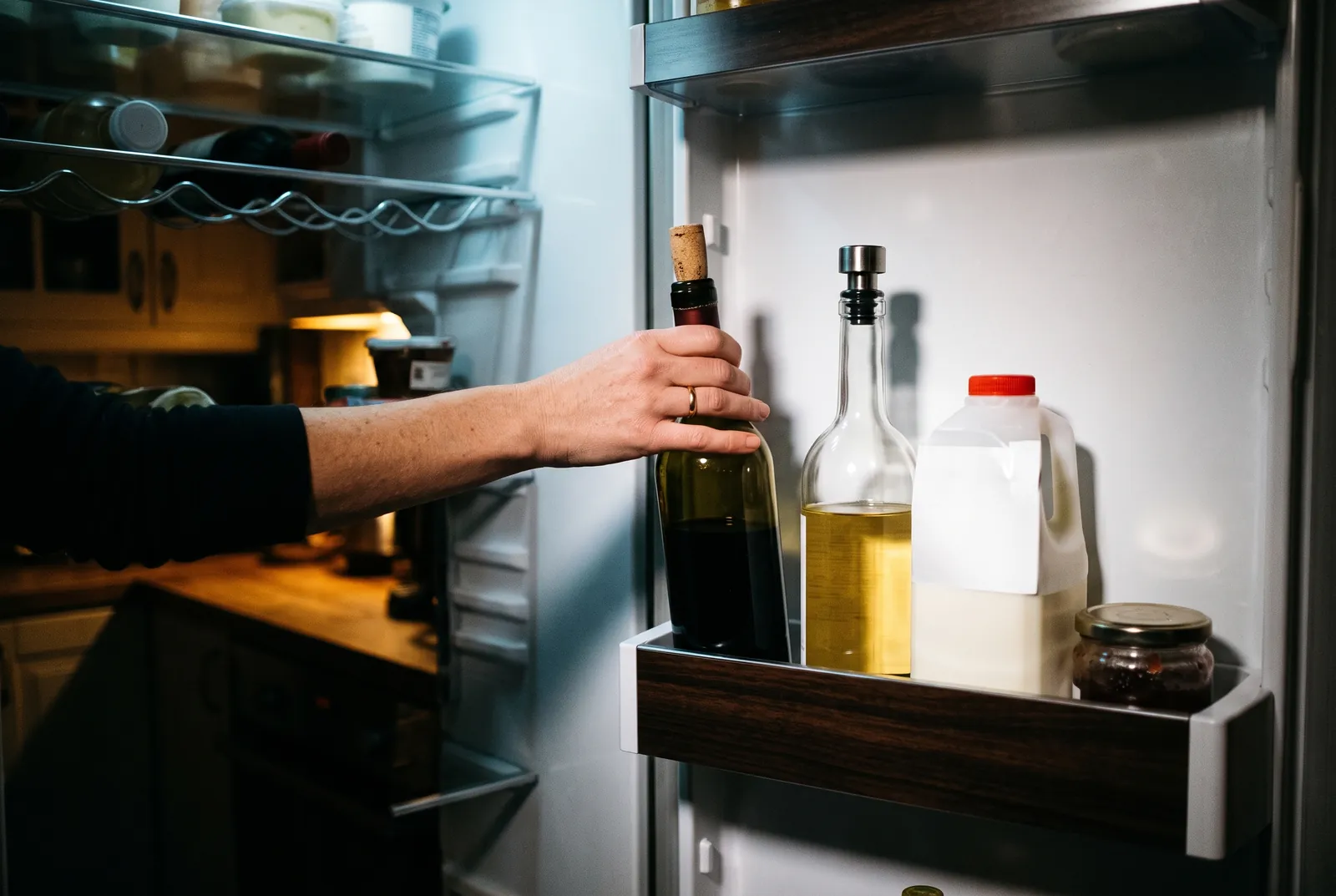
Put the cork or cap back and keep the bottle in the fridge, even if it is red. Most wine stays good for two to four days. Sparkling keeps a day or two with a proper stopper.
Keeping bottles
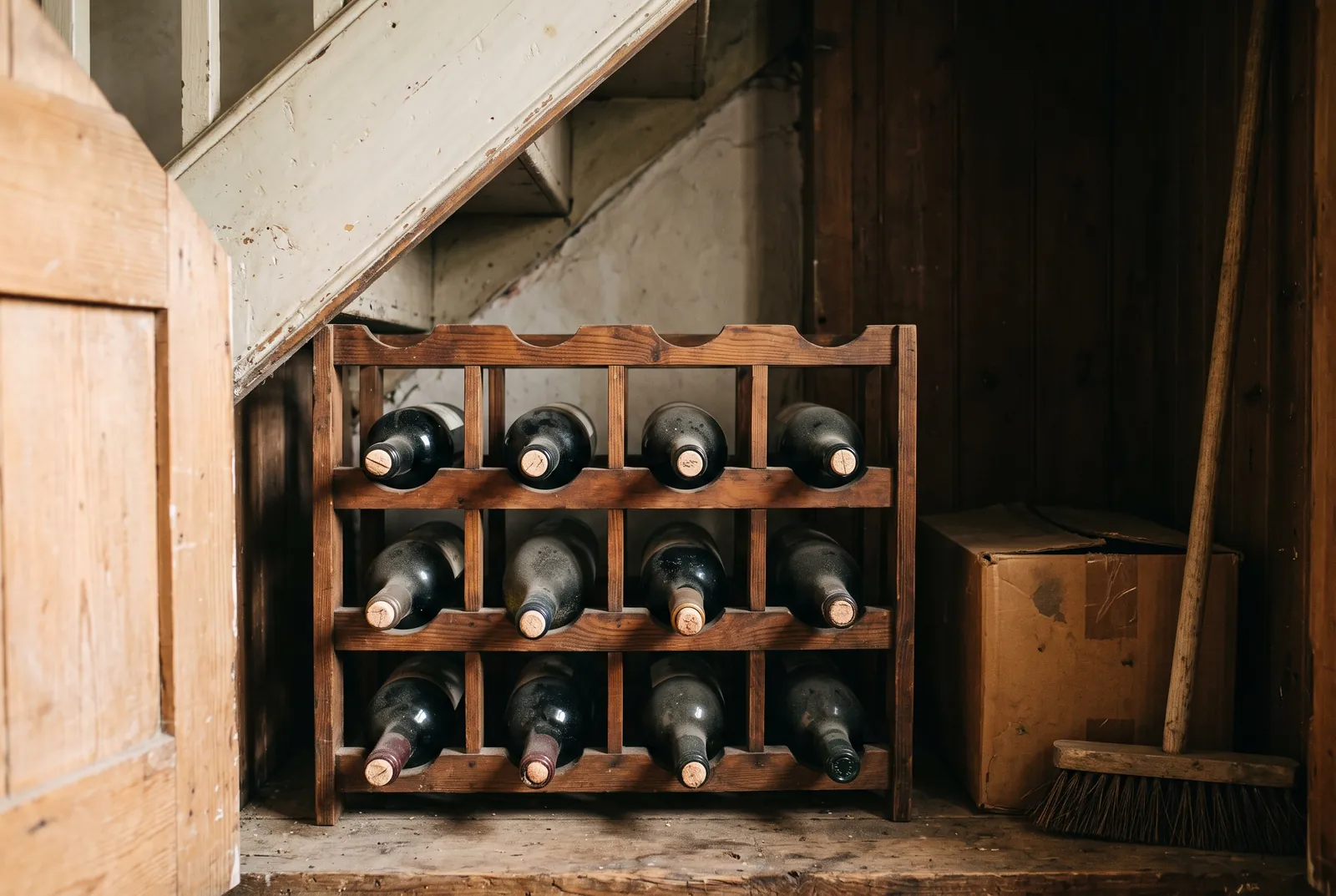
Store wine somewhere cool, dark and steady, away from the oven and the window. Bottles with corks should lie on their side so the cork stays moist. For a few weeks or months, a cupboard is fine.
If a wine smells of damp cardboard or a wet cellar, it is probably corked. It is a fault in the cork, not your fault. A shop or restaurant will normally replace it.
More short lessons
 4 min read
Wine with food: the simple rules
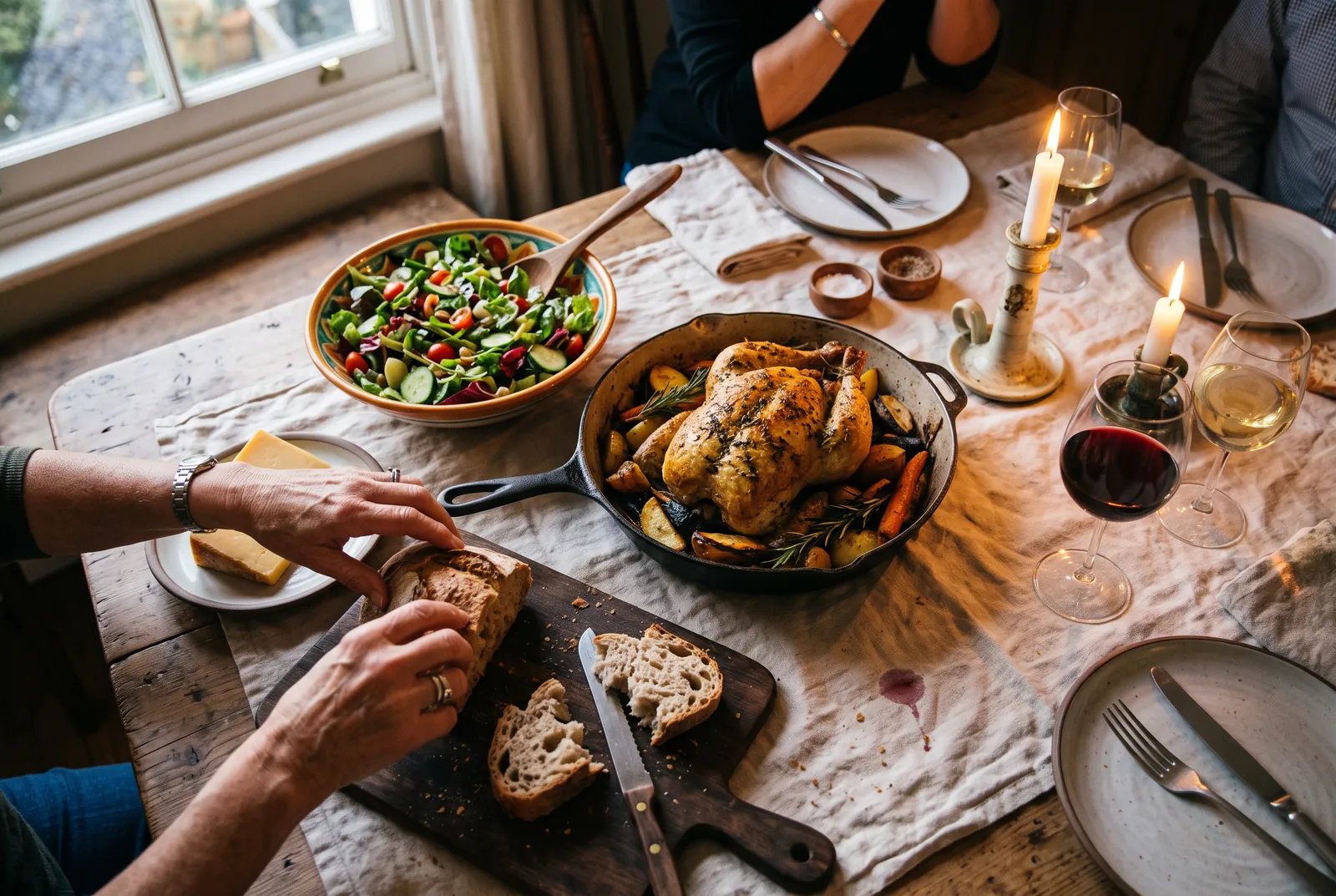
There is no law about red with meat and white with fish. Match the weight of the wine to the weight of the…
 4 min read
How to choose a bottle you will actually like
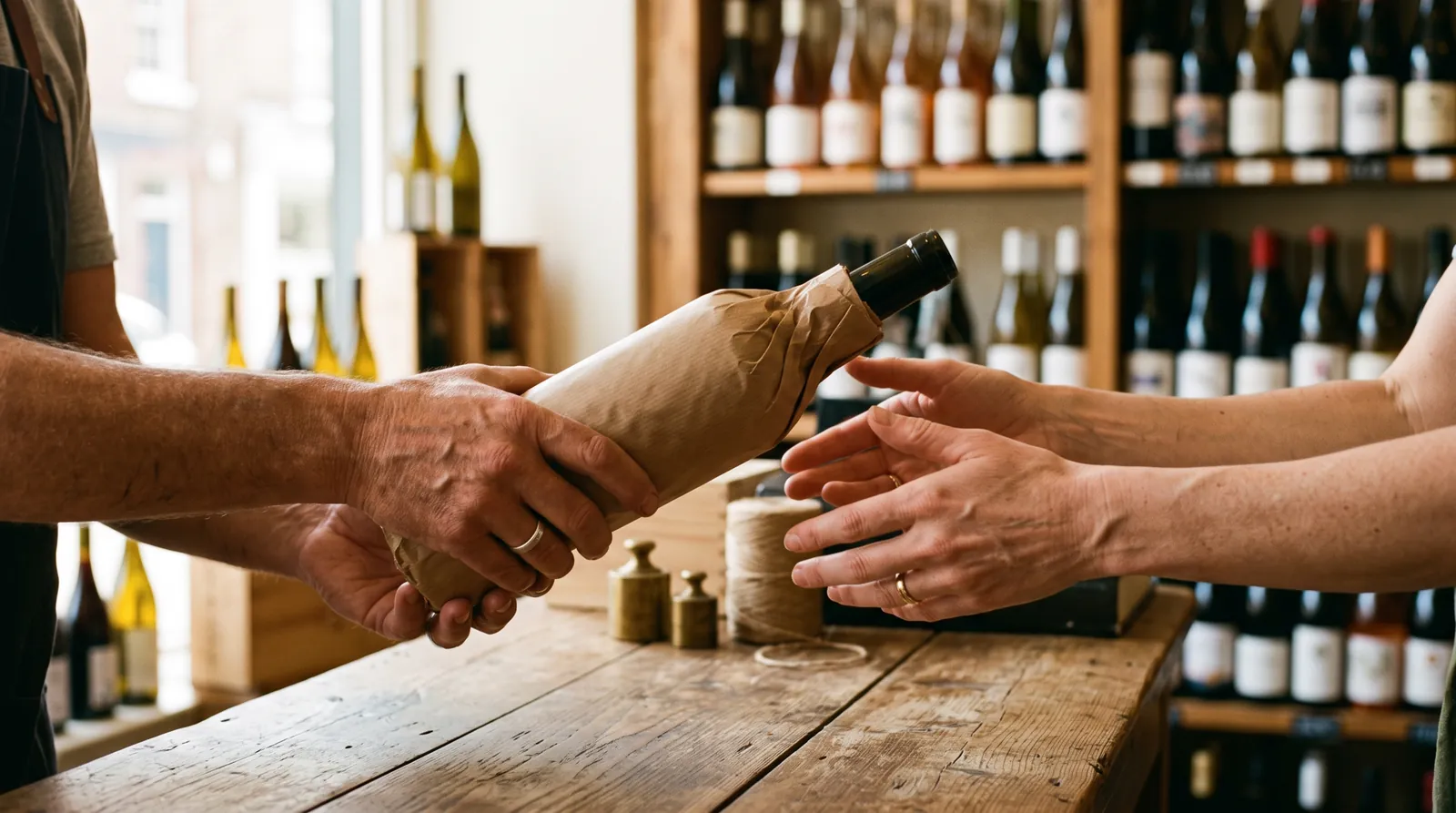
In a shop or a restaurant, three questions do most of the work: what do you like, what are you eating, and…
 3 min read
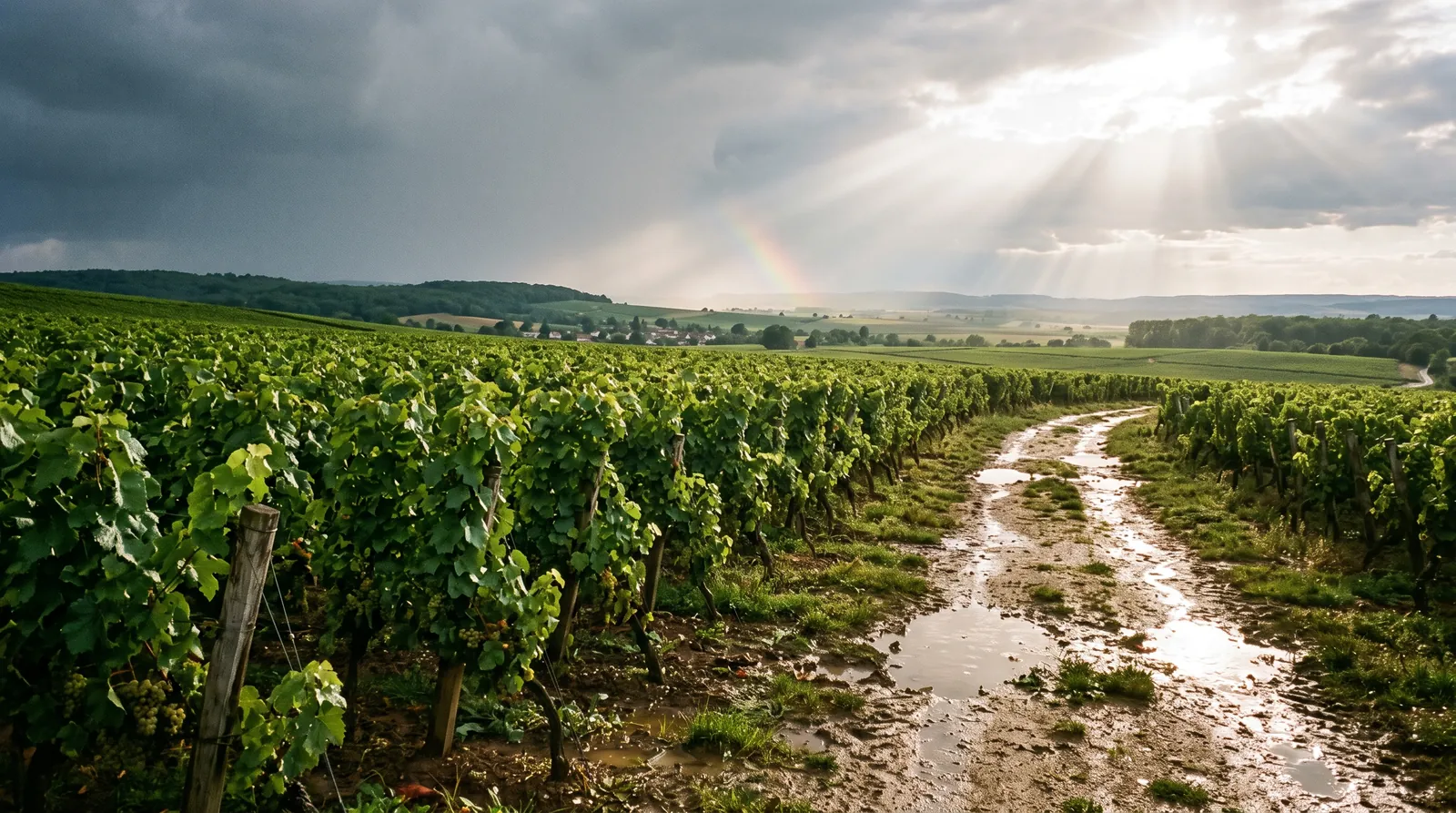
What a vintage is, and when it matters
The vintage is simply the year the grapes were picked. Weather changes every year, so the same wine can taste…