 Bordeaux
 Burgundy
 Champagne
 Rhône
Rhône Napa Valley
 Tuscany
 Piedmont
 Mosel
Mosel Oregon
 Rioja
Rioja California sparkling
 Valais and Lavaux
 England
 Douro
Douro Etna
Etna Mendoza
 Marlborough
 Stellenbosch
 Barossa Valley
 Tasmania
 Beaujolais
 Jura
Jura Alsace
 Loire
Loire Provence
 Ribera del Duero
 Sonoma
 تكلفة الأرض
 سنوات جيدة وأخرى سيئة
 التسميات الجغرافية
 الكروم الشهيرة
 نبيذ مشهور
 من يصنعها
 ابحث عن خمر
 مقارنة النبيذ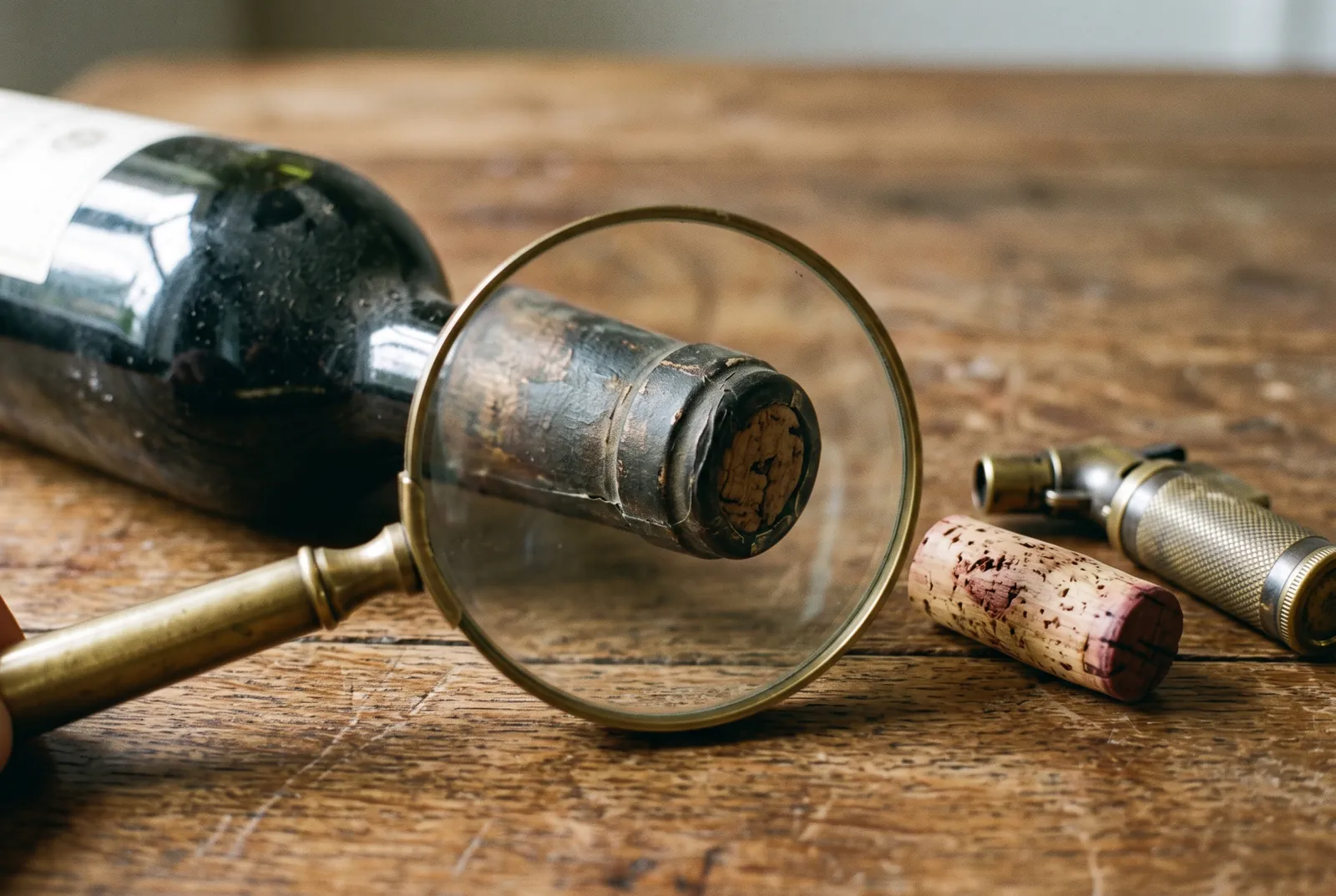
Counterfeit wine is a documented problem at the top of the market — where a single bottle can be worth tens of thousands of dollars and where verification is hard. The Kurniawan case showed fakes passing through major auction houses; producers have since added tags, engraving and registers. The practical defence is provenance.
What gets faked
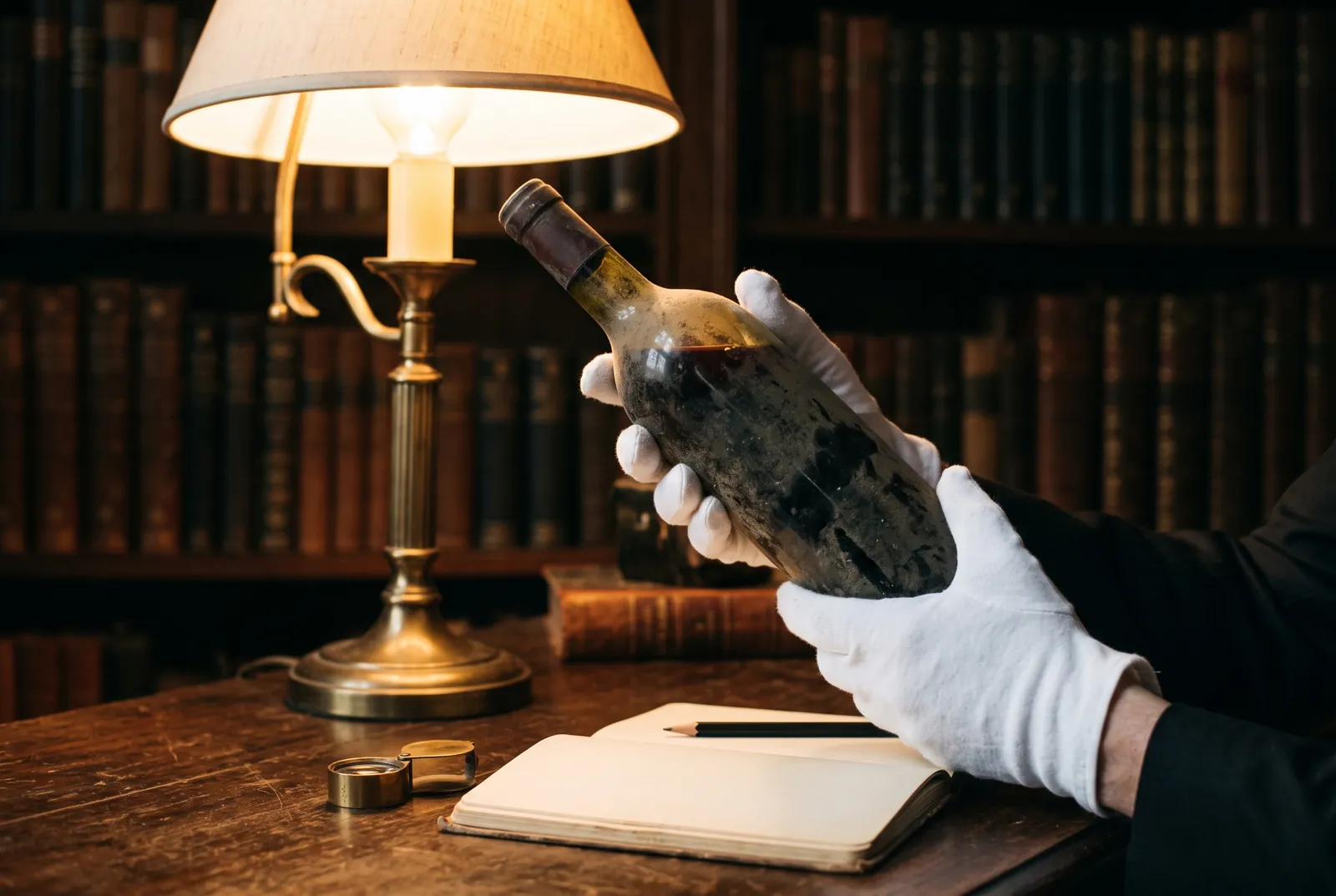
The wines with the highest value per bottle and the longest history: DRC, Pétrus, old Lafite, Mouton and Latour, top Burgundy domaines. Old vintages are easiest to fake because few people know what they should taste like and labels can be reproduced.
Producer responses
Proof tags with unique codes, laser-engraved bottles, tamper-evident capsules, and in some cases blockchain registers of every bottle released. These help with recent vintages; they do nothing for a 1961.
What a buyer can check
Provenance above all: where has the bottle been, in whose records, since release. Condition consistent with age. A seller who can answer questions. Corkonomics records seller, location and condition on any price observation it holds for this reason: wide price dispersion between sellers is one symptom of a market where authenticity is uncertain.