CorkonomicsThe economics of wine production, collection, and vineyards
Die Zahlen
Weinbergland · Pauillac≈$2,798,250 ein Hektar▼ unten 17% on 20232024Eröffnungspreis · Château Lafite Rothschild 2025≈$376 eine Flasche▲ oben 17% gegenüber dem VorjahrBei Auktion verkauft · Romanée-Conti Grand Cru, DRC 2019$22,917 eine FlascheSotheby's, Sep 2026Kosten für eine Flasche · Burgundy grand cru (Pinot Noir)$48–283US-Zoll auf Wein aus · Canada+50%seit Aug 2026Alltagsflasche im US-Handel$13.77 ein Liter▼ unten 1.3% im JahrSep 2026Weinbergland · Margaux≈$1,567,020 ein Hektar▼ unten 7% on 20232024Eröffnungspreis · Château Cheval Blanc 2025≈$376 eine Flasche▲ oben 22% gegenüber dem VorjahrBei Auktion verkauft · La Tâche Grand Cru, DRC 2018$5,417 eine FlascheSotheby's, Sep 2026Kosten für eine Flasche · Champagne prestige cuvée$26–89US-Zoll auf Wein aus · Australia+12.5%seit Jul 2026Weinbergland · Côte-Rôtie≈$1,511,055 ein Hektar▲ oben 8% on 20232024Eröffnungspreis · Château Mouton Rothschild 2025≈$336 eine Flasche▲ oben 19% gegenüber dem VorjahrBei Auktion verkauft · Richebourg Grand Cru, DRC 2012$3,542 eine FlascheSotheby's, Sep 2026Kosten für eine Flasche · Bordeaux classified growth (2nd–5th)$17–61US-Zoll auf Wein aus · New Zealand+12.5%seit Jul 2026Weinbergland · Côte de Nuits grand cru≈$7,275,450 ein Hektar2019Eröffnungspreis · Château Palmer 2025≈$268 eine Flasche▼ unten 19% gegenüber dem VorjahrWeinbergland · Pomerol≈$2,238,600 ein Hektar2023
Corkonomics
LernenTraubenRegionenWeineNachrichten
WeingrundlagenDie fünf WeinartenWie man Wein verkostetSo liest man ein WeinetikettWein zum EssenWeinbegriffe
Learn the economicsThe economics of wine productionThe economics of wine collectingCourses
Regionen
Weine
PreiseWas eine Flasche in der Herstellung kostetWas Weinbergland kostetWas Winzer für Trauben bekommenWas die Grenze kostetWarum Wein kostet, was er kostetAusgabepreiseAuktionsergebnisseZölleMarktübersichtWein in amtlichen StatistikenWeingutökonomieForschung
MehrDaten befragenKI-AgentenGespeichertAPIÜber unsMethodikKontakt
Dunkelmodus
Sprache
Currency
Einstellungen
Dunkelmodus
Sprache
Currency

Neu beim Wein? Beginnen Sie mit den kurzen Lektionen und schlagen Sie dann jedes Wort nach, das Sie nicht kennen.

Lernen · Weinbegriffe · Gespeicherte Seiten

Counterfeits and authenticity

Why the most valuable wines are the most faked, how producers respond, and what a buyer can check.

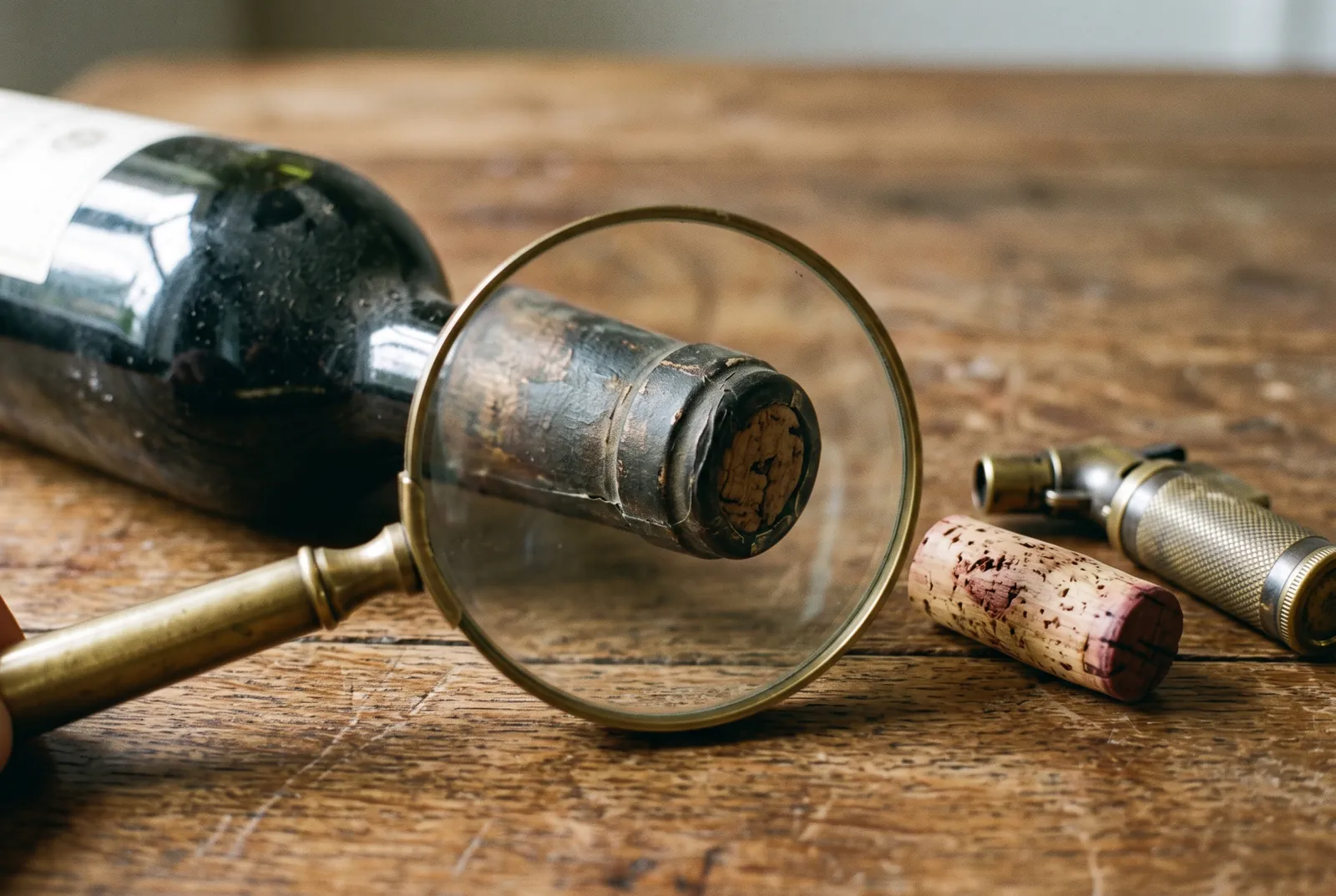
A magnifying glass over the cork of an old bottle

Veröffentlicht 3 September 2026 · Geprüft September 2026 · Corkonomics Redaktion ·

Counterfeit wine is a documented problem at the top of the market — where a single bottle can be worth tens of thousands of dollars and where verification is hard. The Kurniawan case showed fakes passing through major auction houses; producers have since added tags, engraving and registers. The practical defence is provenance.

What gets faked

The wines with the highest value per bottle and the longest history: DRC, Pétrus, old Lafite, Mouton and Latour, top Burgundy domaines. Old vintages are easiest to fake because few people know what they should taste like and labels can be reproduced.
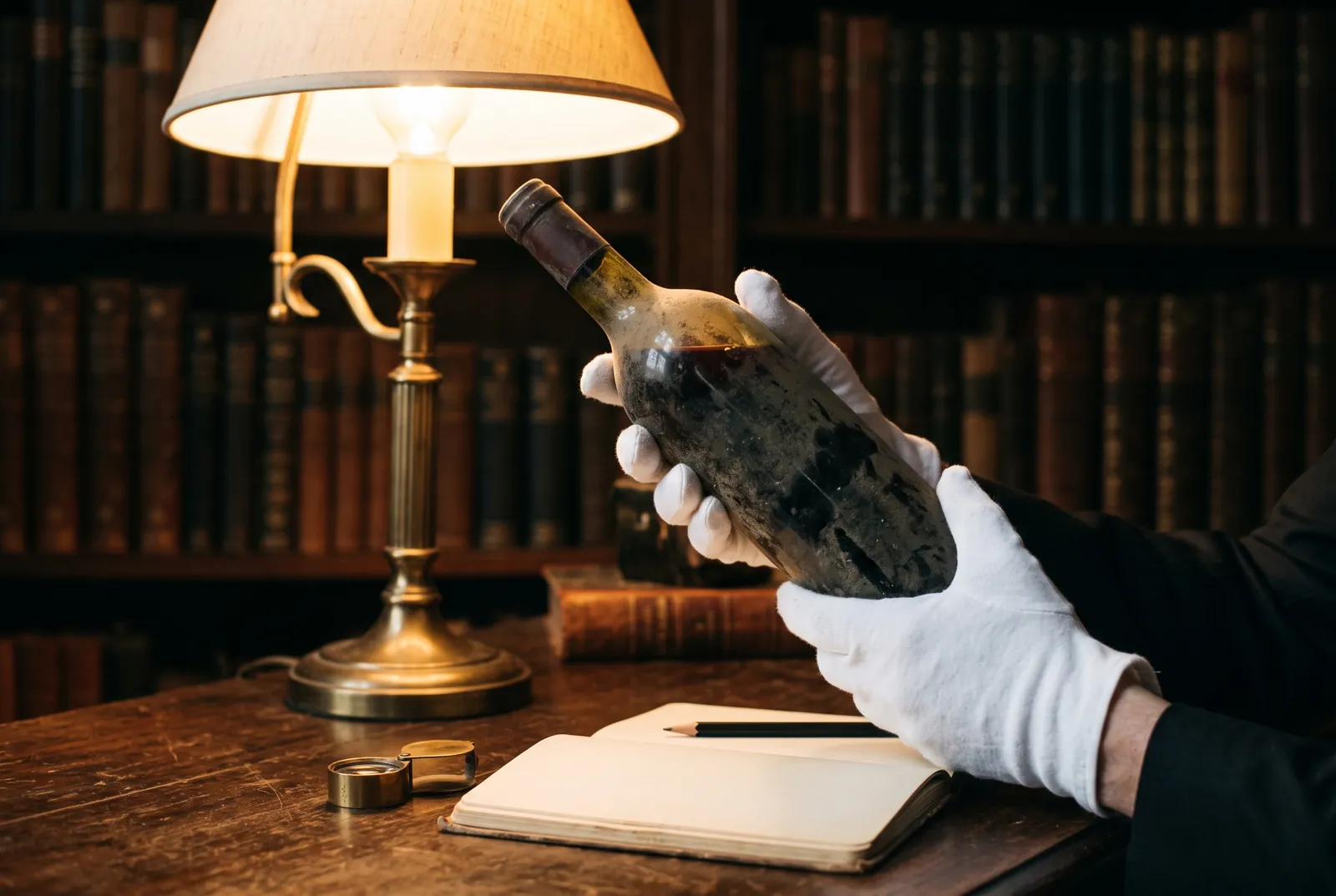
Behandschuhte Hände, die eine alte Flasche gegen eine Lampe halten, um den Füllstand zu prüfen

Producer responses

Proof tags with unique codes, laser-engraved bottles, tamper-evident capsules, and in some cases blockchain registers of every bottle released. These help with recent vintages; they do nothing for a 1961.

What a buyer can check

Provenance above all: where has the bottle been, in whose records, since release. Condition consistent with age. A seller who can answer questions. Corkonomics records seller, location and condition on any price observation it holds for this reason: wide price dispersion between sellers is one symptom of a market where authenticity is uncertain.

Reading level
No prior knowledge assumed
What this is
Education, not advice
Teil von
The Corkonomics Learn series
Zuletzt geprüft: September 2026Fehler auf dieser Seite melden

← Zurück zu Lernen