CorkonomicsThe economics of wine production, collection, and vineyards
Các con số
Đất vườn nho · Pauillac≈$2,798,250 một héc-ta▼ xuống 17% on 20232024Giá mở bán · Château Lafite Rothschild 2025≈$376 một chai▲ lên 17% so với năm trướcBán qua đấu giá · Romanée-Conti Grand Cru, DRC 2019$22,917 một chaiSotheby's, Sep 2026Chi phí sản xuất một chai · Burgundy grand cru (Pinot Noir)$48–283Thuế nhập khẩu Mỹ đánh vào rượu từ · Canada+50%kể từ Aug 2026Chai bình dân tại cửa hàng ở Mỹ$13.77 một lít▼ xuống 1.3% trong một nămSep 2026Đất vườn nho · Margaux≈$1,567,020 một héc-ta▼ xuống 7% on 20232024Giá mở bán · Château Cheval Blanc 2025≈$376 một chai▲ lên 22% so với năm trướcBán qua đấu giá · La Tâche Grand Cru, DRC 2018$5,417 một chaiSotheby's, Sep 2026Chi phí sản xuất một chai · Champagne prestige cuvée$26–89Thuế nhập khẩu Mỹ đánh vào rượu từ · Australia+12.5%kể từ Jul 2026Đất vườn nho · Côte-Rôtie≈$1,511,055 một héc-ta▲ lên 8% on 20232024Giá mở bán · Château Mouton Rothschild 2025≈$336 một chai▲ lên 19% so với năm trướcBán qua đấu giá · Richebourg Grand Cru, DRC 2012$3,542 một chaiSotheby's, Sep 2026Chi phí sản xuất một chai · Bordeaux classified growth (2nd–5th)$17–61Thuế nhập khẩu Mỹ đánh vào rượu từ · New Zealand+12.5%kể từ Jul 2026Đất vườn nho · Côte de Nuits grand cru≈$7,275,450 một héc-ta2019Giá mở bán · Château Palmer 2025≈$268 một chai▼ xuống 19% so với năm trướcĐất vườn nho · Pomerol≈$2,238,600 một héc-ta2023
Corkonomics
Tìm hiểuNhoVùng rượuRượu vangTin tức
Kiến thức cơ bản về rượu vangNăm loại rượu vangCách thưởng thức rượu vangCách đọc nhãn rượu vangRượu vang kết hợp món ănThuật ngữ vang
Learn the economicsThe economics of wine productionThe economics of wine collectingCourses
Vùng rượu
Rượu vang
Giá cảChi phí để sản xuất một chaiGiá đất vườn nhoGiá nho thu muaQua biên giới, giá tăng thêm bao nhiêuVì sao rượu vang có giá như vậyGiá phát hànhKết quả đấu giáThuế quanTổng quan thị trườngRượu vang trong thống kê chính thứcKinh tế học vườn nhoNghiên cứu
Xem thêmHỏi dữ liệuTác nhân AIĐã lưuAPIVề chúng tôiPhương pháp luậnLiên hệ
Chế độ tối
Ngôn ngữ
Currency
Cài đặt
Chế độ tối
Ngôn ngữ
Currency

Mới làm quen với rượu vang? Bắt đầu với các bài học ngắn, rồi tra bất kỳ từ nào bạn chưa biết.

Tìm hiểu · Thuật ngữ vang · Trang đã lưu của bạn

Counterfeits and authenticity

Why the most valuable wines are the most faked, how producers respond, and what a buyer can check.

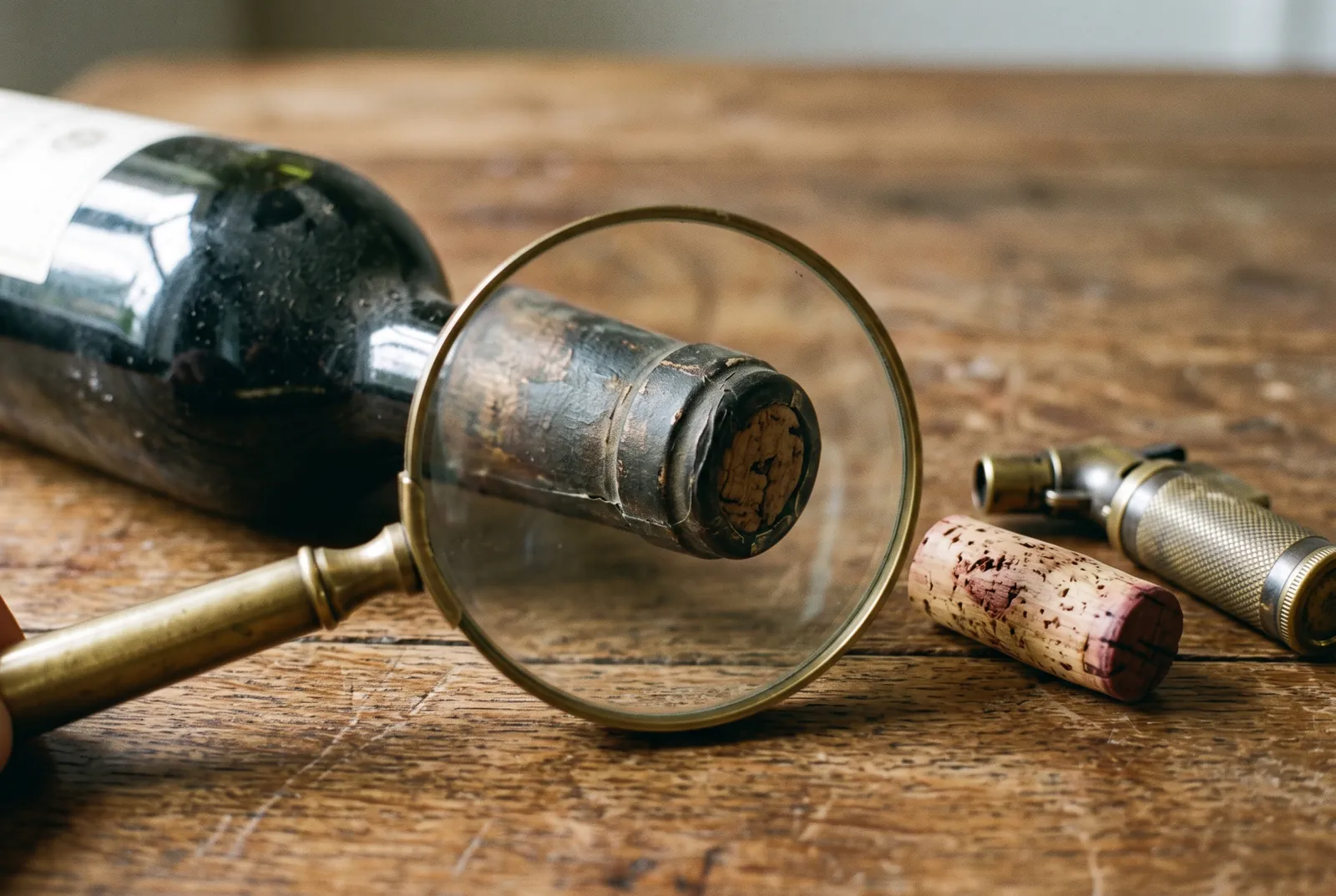
A magnifying glass over the cork of an old bottle

Đã xuất bản 3 September 2026 · Được đánh giá September 2026 · Corkonomics biên tập ·

Counterfeit wine is a documented problem at the top of the market — where a single bottle can be worth tens of thousands of dollars and where verification is hard. The Kurniawan case showed fakes passing through major auction houses; producers have since added tags, engraving and registers. The practical defence is provenance.

What gets faked

The wines with the highest value per bottle and the longest history: DRC, Pétrus, old Lafite, Mouton and Latour, top Burgundy domaines. Old vintages are easiest to fake because few people know what they should taste like and labels can be reproduced.
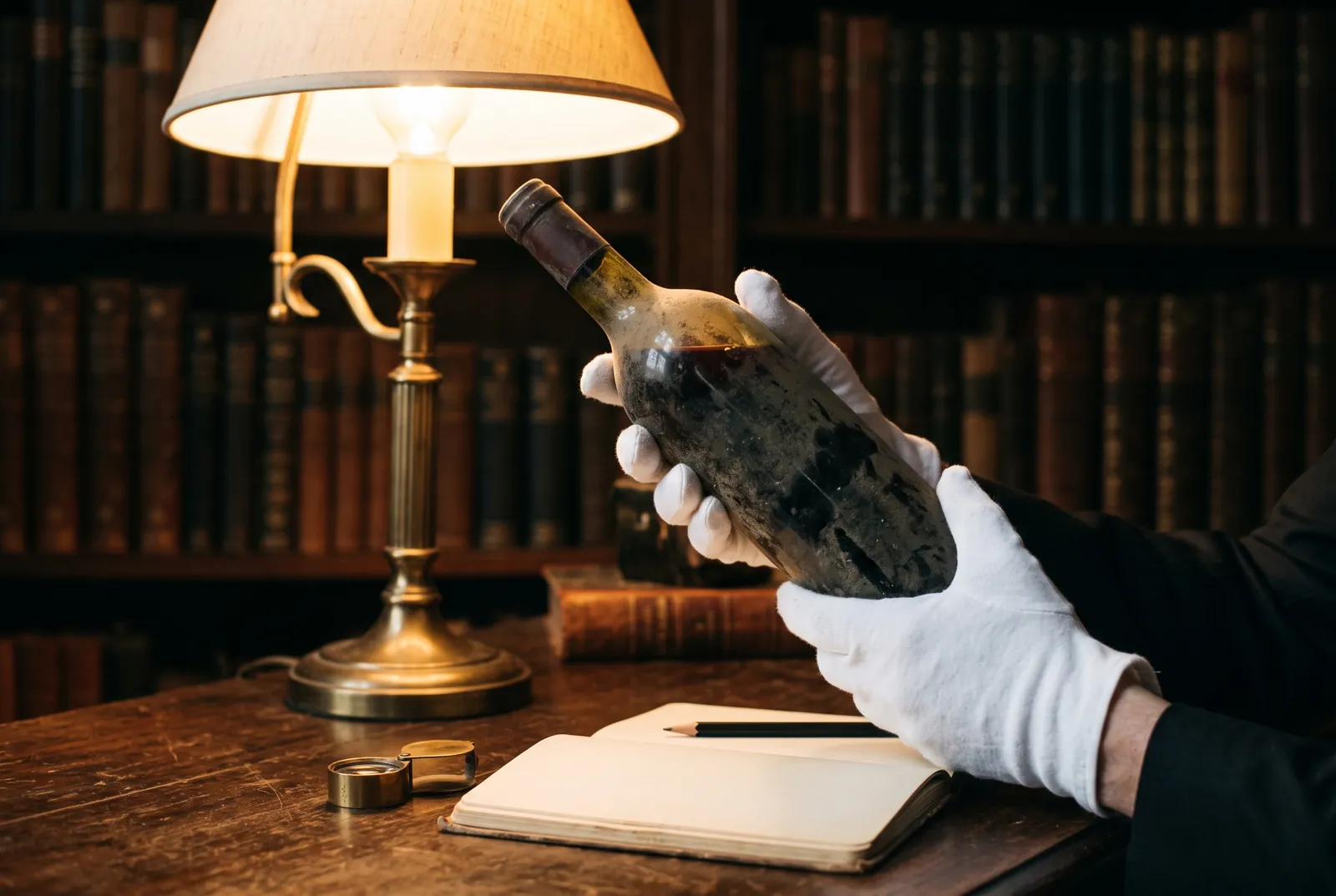
Đôi bàn tay đi găng nâng một chai cũ lên trước đèn để kiểm tra mức rượu trong chai

Producer responses

Proof tags with unique codes, laser-engraved bottles, tamper-evident capsules, and in some cases blockchain registers of every bottle released. These help with recent vintages; they do nothing for a 1961.

What a buyer can check

Provenance above all: where has the bottle been, in whose records, since release. Condition consistent with age. A seller who can answer questions. Corkonomics records seller, location and condition on any price observation it holds for this reason: wide price dispersion between sellers is one symptom of a market where authenticity is uncertain.

Reading level
No prior knowledge assumed
What this is
Education, not advice
Thuộc về
The Corkonomics Learn series
Lần xem xét gần nhất: September 2026Báo cáo lỗi trên trang này

← Quay lại Learn