 Bordeaux
 Burgundy
 Champagne
 Rhône
Rhône Napa Valley
 Tuscany
 Piedmont
 Mosel
Mosel Oregon
 Rioja
Rioja California sparkling
 Valais and Lavaux
 England
 Douro
Douro Etna
Etna Mendoza
 Marlborough
 Stellenbosch
 Barossa Valley
 Tasmania
 Beaujolais
 Jura
Jura Alsace
 Loire
Loire Provence
 Ribera del Duero
 Sonoma
 Giá đất
 Năm tốt và năm xấu
 Appellations
 Các vườn nho nổi tiếng
 Những chai vang nổi tiếng
 Ai sản xuất chúng
 Tìm một vintage
 So sánh rượu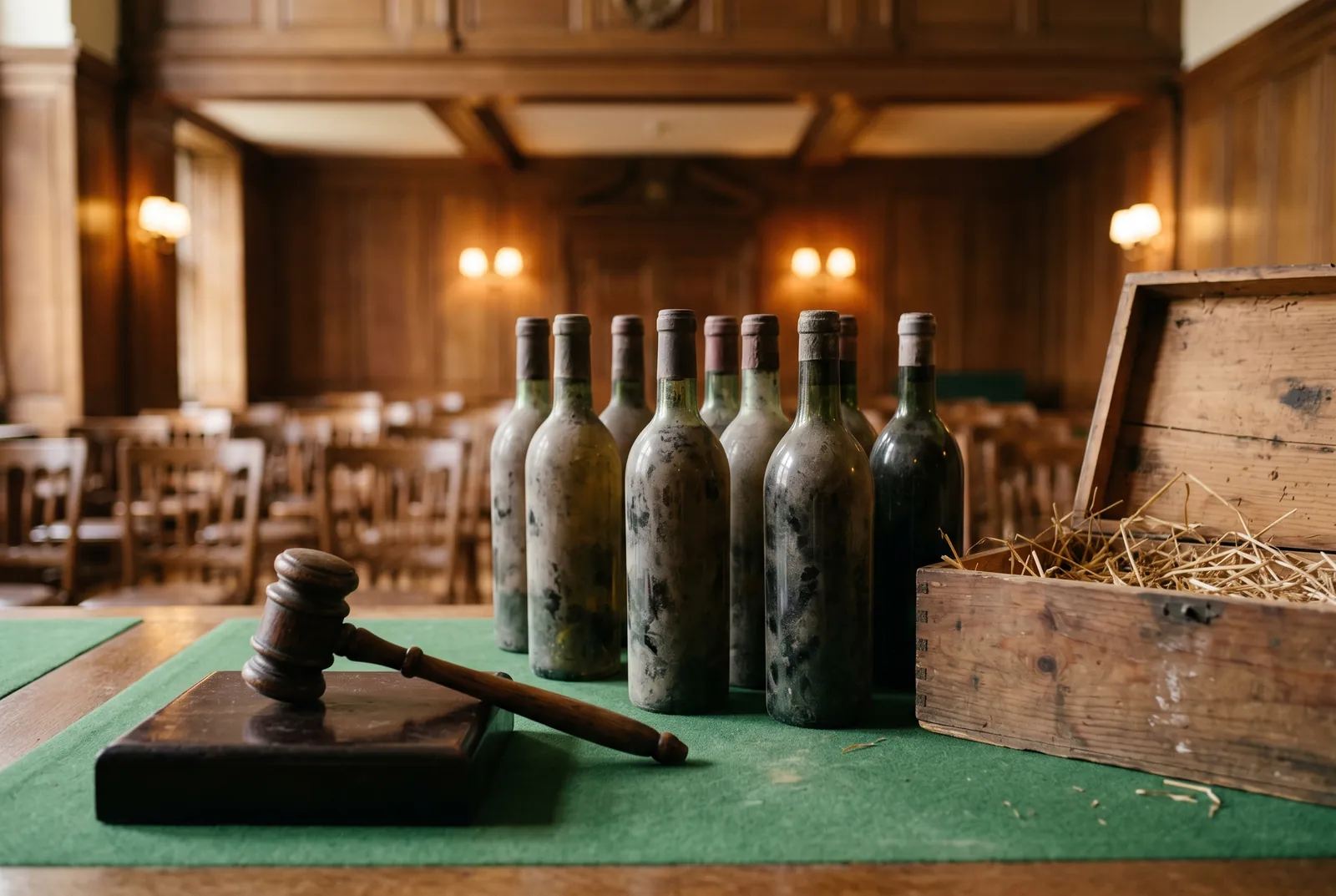
By the end you will be able to
- Calculate the total cost of an auction lot from the hammer price and the buyer's premium
- Work out what a seller actually receives after the seller's commission
- Explain liquidity and the gap between the price buyers bid and sellers ask
- Describe why storage, provenance and condition change a bottle's value
- Spot the warning signs of a counterfeit bottle
How a wine auction works, and what it really costs
At a wine auction, bottles are sold in lots: a single bottle, a case of twelve or a mixed group. Bidders raise the price in steps, in the room, by phone or online, until only one is left. When the auctioneer brings down the gavel, the winning bid is the hammer price.
The hammer price is not what the buyer pays. Auction houses add a buyer's premium, a percentage of the hammer price charged to the winner. For wine it is commonly in the region of 20% to 25%. Many places then add sales tax or VAT on top, and shipping is extra too.
Here is a made-up example with round numbers. The hammer falls at $1,000 and the buyer's premium is 25%. The premium is $1,000 × 0.25 = $250, so the buyer pays $1,250 before tax and delivery.
The seller does not receive the hammer price either. The auction house usually charges a seller's commission, also a percentage of the hammer price, and sometimes fees for insurance, photography or a listing in the catalogue. Commission rates vary and big sellers can often negotiate them down. Suppose, again with made-up numbers, the commission is 10%. On a $1,000 hammer price the seller receives $1,000 minus $100, which is $900.
Put the two sides together and something striking appears. The buyer paid $1,250 and the seller received $900. The difference of $350 went to the auction house, which earns its money from both ends. This is fair payment for finding buyers, checking bottles and running the sale, but it means a bottle bought at auction must rise a long way in value before reselling it at auction gets back what was spent.
Remember Buyers pay the hammer price plus a premium of roughly 20% to 25%; sellers receive the hammer price minus a commission, and the auction house keeps the gap.
Liquidity and the bid-ask gap
Liquidity means how quickly you can turn something into cash without having to cut its price. Money in a bank account is very liquid. A house is not: selling it takes months and costs fees. Fine wine sits much nearer the house end.
One way to see liquidity is the bid-ask gap, sometimes called the spread. The bid is the highest price any buyer is offering right now. The ask is the lowest price any seller will accept. On trading platforms and in merchants' lists you can often see both. For a famous wine that trades every week, the two can be close together. For a rare or unfashionable wine they can be far apart, because buyers and sellers are few.
A made-up example: the best bid for a case is $800 and the cheapest ask is $1,000. The gap is $200, which is 20% of the asking price. If you buy at the ask and then need to sell straight away, you can only sell at the bid. You would lose $200 on the spot, before any fees, even though nothing about the wine changed.
A merchant who buys your wine to resell has to cover storage, staff and the risk that the wine will not sell, so their offer to you sits below the price they hope to sell at. That is not a trick. It is the cost of turning a slow-moving thing into cash quickly.
The lesson for anyone studying wine prices: a price quoted in a list or index is usually closer to what a buyer would pay than to what a seller would get. When you think about what a collection is worth, think about what you could actually sell it for, after fees, in the next few weeks.
Remember Illiquid things have a wide gap between what buyers bid and sellers ask, so buying and immediately selling loses money even if prices do not move.
Storage: why where a bottle has been matters
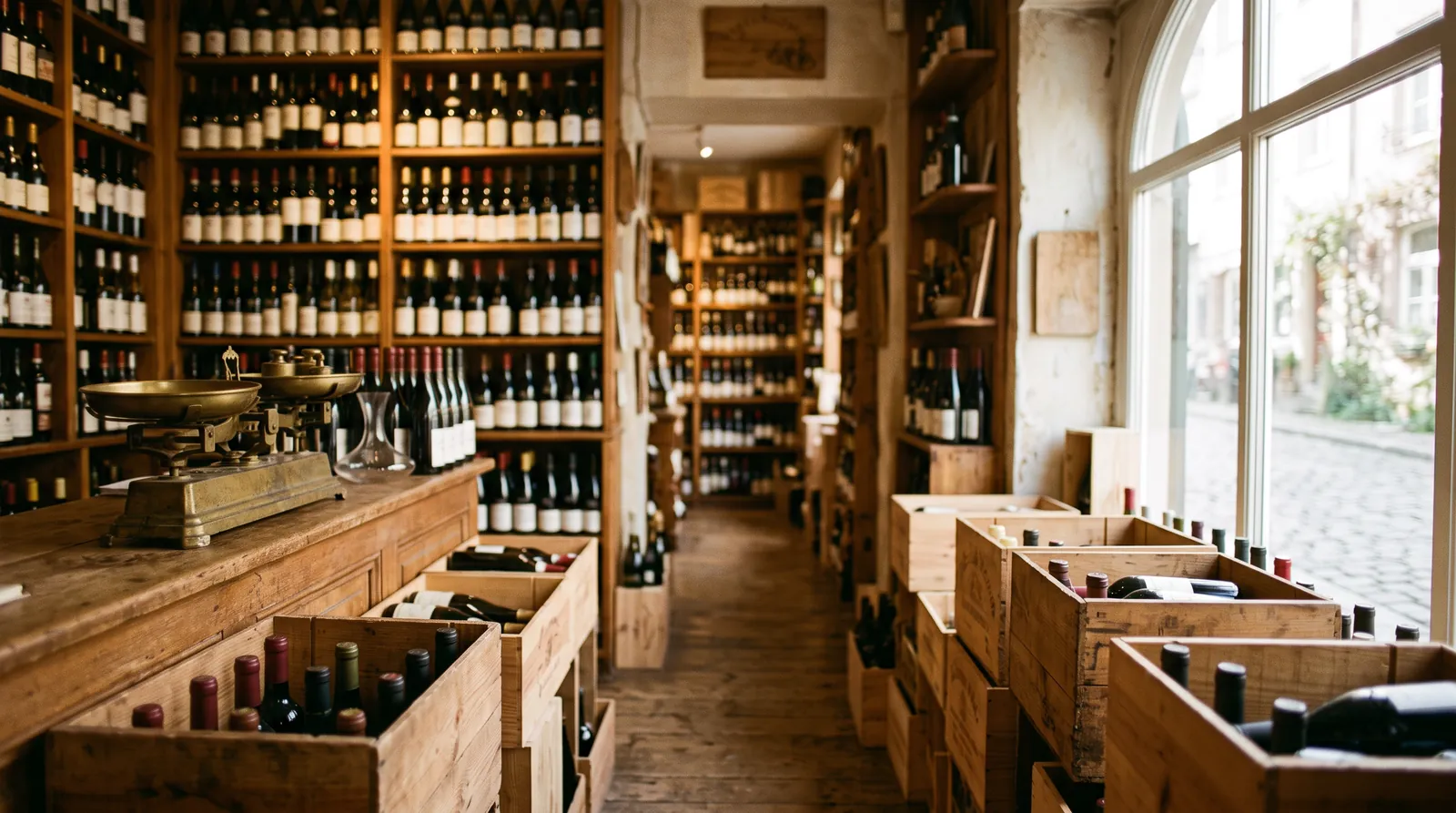
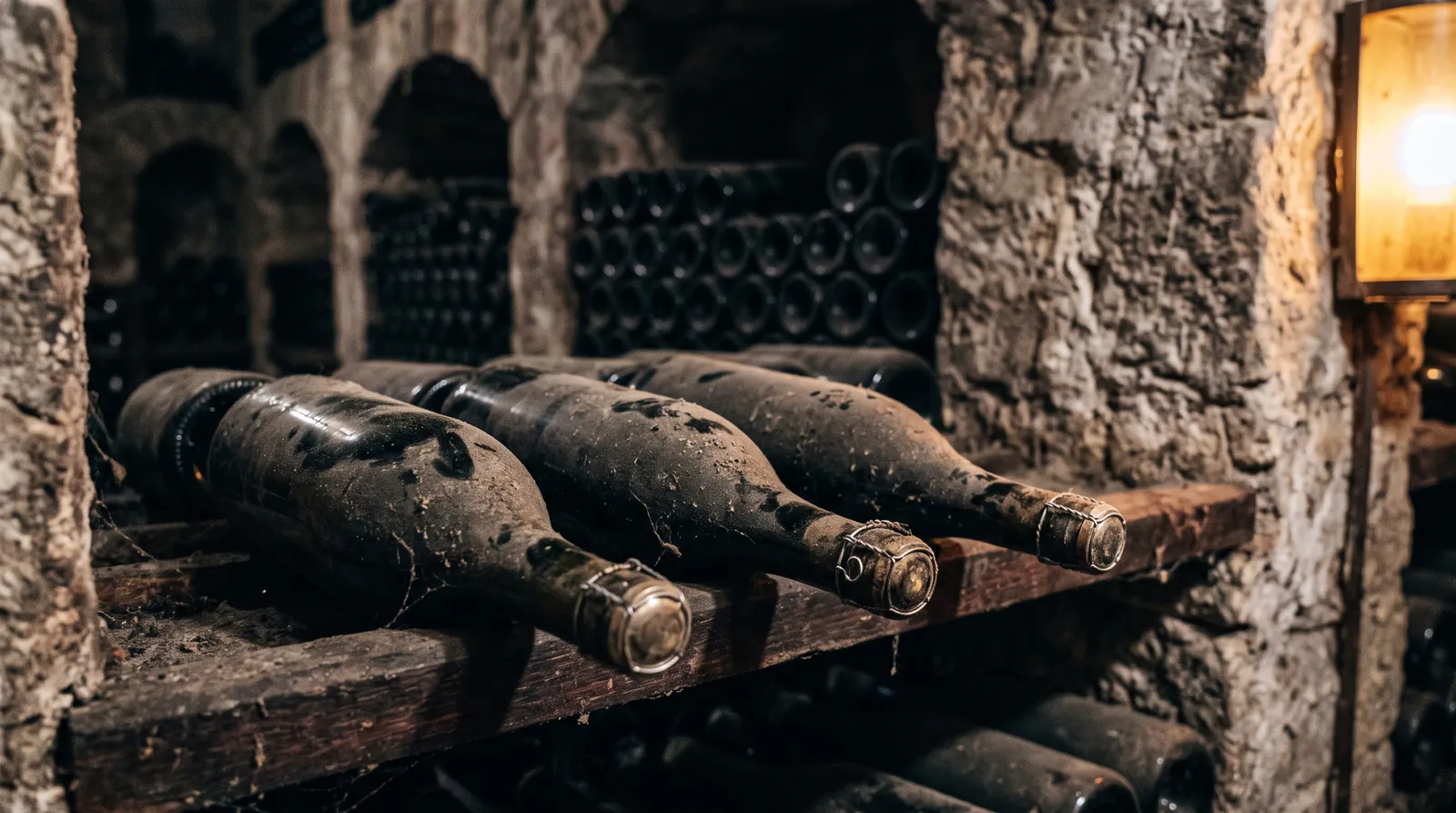
Wine is alive in a slow, chemical way. Heat speeds up ageing and can cook the fruit flavours. Big swings in temperature make the wine expand and shrink, which can push it past the cork. Light can spoil it, and very dry air can shrink corks and let air in. Good storage is cool, dark, steady and slightly humid, with bottles lying down.
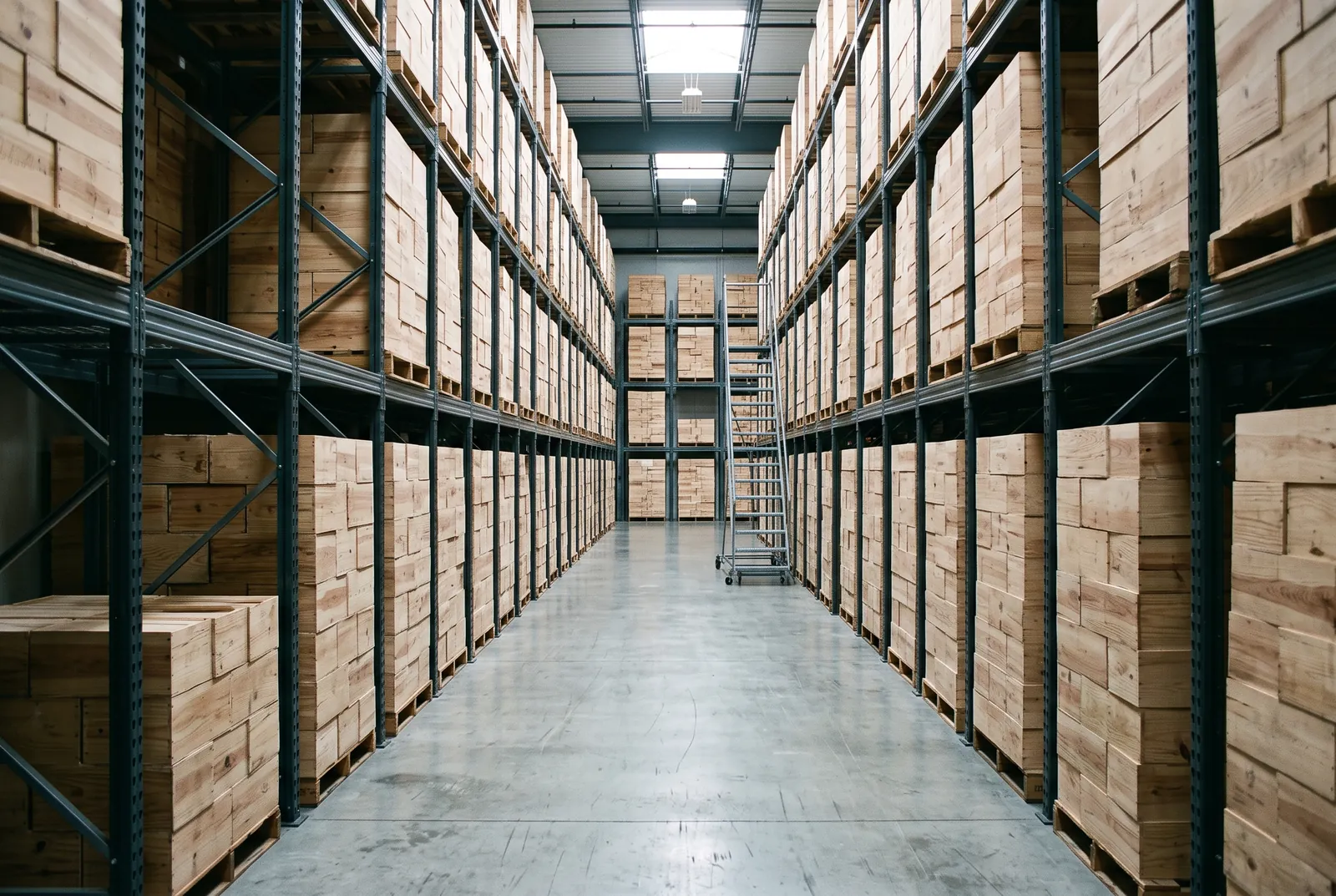
Collectors who plan to keep wine for years often pay a professional warehouse with controlled temperature and humidity. That costs money every year, usually charged per case, and insurance is extra. These are carrying costs: the costs of simply holding something over time. They are easy to forget, and over a decade they add up.
In some countries, wine can be kept in bond, meaning in a government-approved warehouse where duty and tax have not yet been paid. In the UK, for example, a buyer can keep wine in bond and only pay duty and VAT if and when the wine is taken out to drink. Wine that changes owners inside the warehouse never moves at all, which also protects its condition.
Storage matters for price because buyers cannot taste a bottle before buying it at auction. They are paying for confidence. A case that has sat in one professional warehouse since release, with paperwork to prove it, usually sells for more than the same wine with an unknown past. A bottle from a warm flat may still be perfect, but nobody can know that without opening it, and then it is gone.
Remember Cool, dark, steady storage keeps wine sound, costs money every year, and is part of what a later buyer pays for.
Provenance and condition
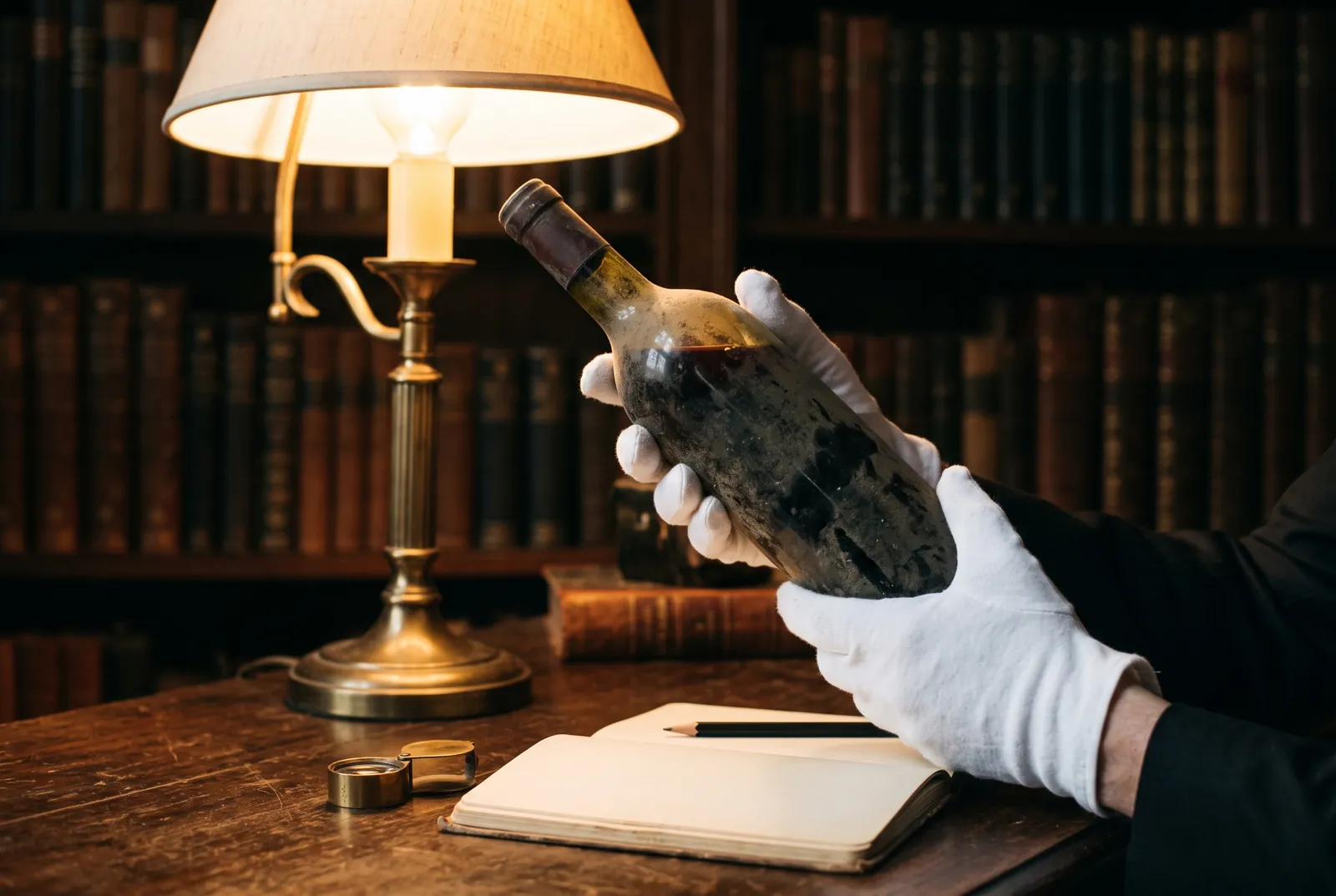
Provenance is the record of where a bottle has been and who has owned it since it left the producer. Strong provenance looks like this: bought at release from a known merchant, stored in a professional warehouse ever since, with invoices to show it. Weak provenance is a bottle that turned up from somewhere, with no paperwork at all.
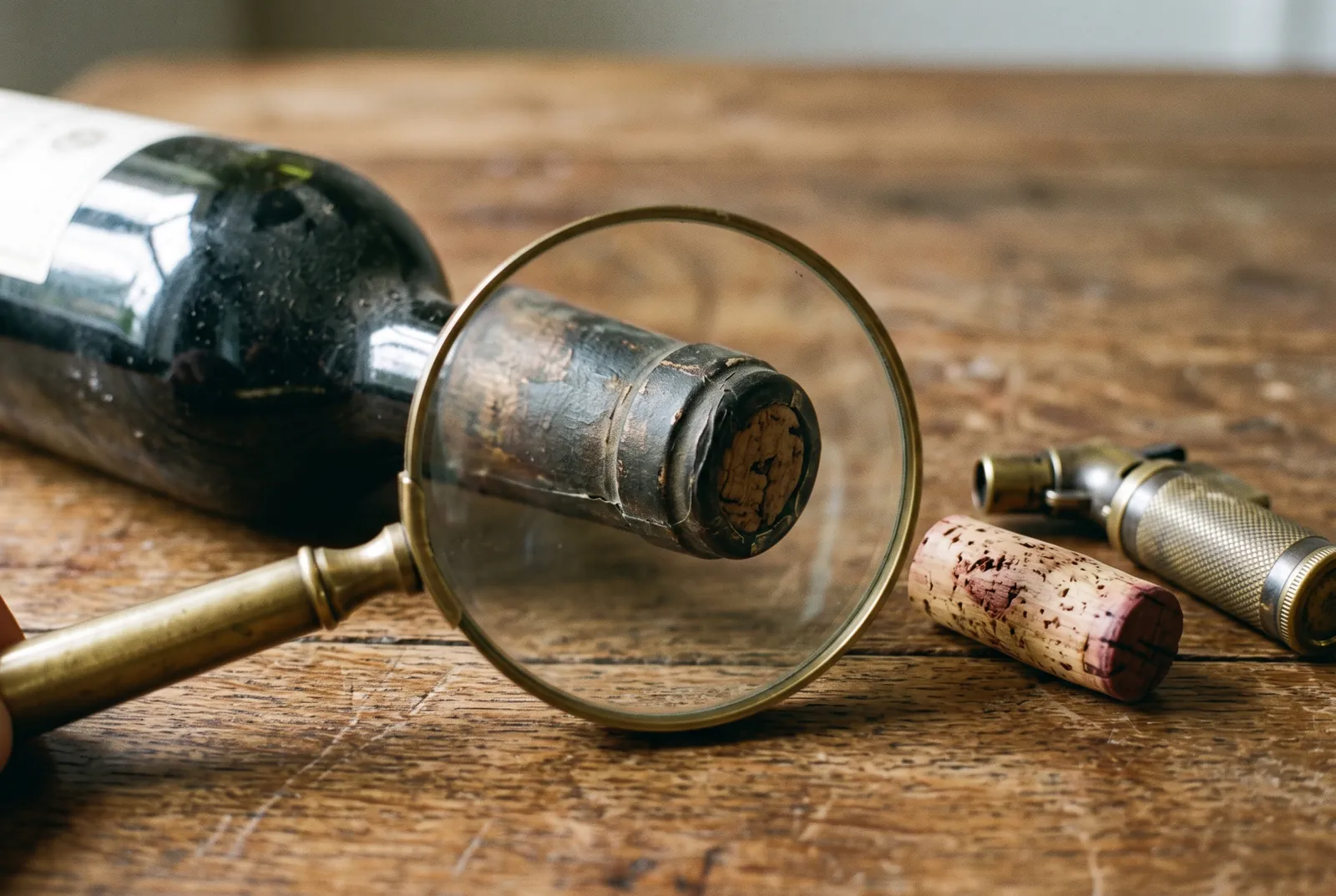
Auction specialists also check condition with their eyes. They look at the fill level, how far the wine reaches up the neck. Over many years a little wine can seep or evaporate through the cork, so a very old bottle with a slightly low level can be normal. A young bottle with a low level suggests heat damage or a failing cork. They look at the capsule over the cork for stains or signs of leaking, and at the label for damage.
Original wooden cases matter too. Many top wines are sold in sealed wooden cases of twelve or six. A case that has never been opened is good evidence that the bottles inside are what they claim to be and have not been swapped. Buyers often pay a little more for it.
All of this connects to one economic idea: information. The seller knows more about the bottle's past than the buyer does. When buyers cannot check, they protect themselves by offering less for every bottle, including the good ones. Paperwork, inspection and careful catalogue notes narrow that information gap, which is why bottles with strong provenance tend to sell for more.
Remember Provenance and visible condition are how buyers judge a bottle they cannot taste; better evidence usually means a higher price.
Fakes, and how they get caught
Where something rare sells for a great deal, someone will try to fake it. Wine is tempting for fraudsters because the most valuable bottles are old, few people have ever tasted them, and the evidence is destroyed when the bottle is drunk.
The best-known case is Rudy Kurniawan, a collector who sold huge amounts of supposedly rare old Burgundy and Bordeaux in the 2000s. He was convicted in the United States in 2013 of fraud for making and selling counterfeit fine wine, and was sent to prison. Investigators found the tools of the trade in his home: old empty bottles, corks, printed labels and cheaper wines for blending. Among the clues that unravelled his story was an offer of bottles from vintages that, according to the estate itself, it had never produced.
Experts check many things. Do the label paper, ink and printing match how the producer worked in that year? Is the cork branded correctly for that vintage? Does the glass match? Is the capsule the right style? Is the provenance documented? Some producers now add security features such as special codes, tags or etched glass, and some buyers ask for the empty bottles of famous wines to be destroyed so they cannot be refilled.
Simple rules protect buyers. Be most careful with the rarest, oldest, most expensive bottles, because those are the ones worth faking. Be wary when a seller has an unusually large supply of something that should be scarce. Ask for provenance, and prefer sellers who stand behind what they sell. If a price looks too good to be true, ask why.
Remember Fakes target the rarest, oldest bottles; experts check labels, corks, glass and paperwork, and a seller with too much of something scarce is a red flag.
Test your knowledge
Ten questions. Pick an answer to see whether it is right and why. Your best score is kept in this browser only.
Research and education only. Nothing here is investment advice.
More courses
-
 Beginner · Giới thiệu 18 minutes · 5 lessons · 10 questions
Fine wine collecting 101
Why a tiny share of the world's wine becomes something people collect, how supply and demand work when no more bottles can ever be made, and how collectors actually get hold of them.
-
 Intermediate · Giới thiệu 18 minutes · 5 lessons · 10 questions
Returns, risks and scams: thinking clearly about wine and money
How to read a claim like "wine has doubled in value": real versus nominal returns, compound growth, the costs that quietly eat returns, booms and busts, tax, and the warning signs of a scam. Strictly educational, never advice.
-
 Beginner · Giới thiệu 18 minutes · 5 lessons · 10 questions
Wine production economics 101
How a winery makes, or loses, money: revenue, cost and profit, fixed and variable costs, the price of land, what yields mean, and the long chain from vine to glass.