 Bordeaux
 Burgundy
 Champagne
 Rhône
Rhône Napa Valley
 Tuscany
 Piedmont
 Mosel
Mosel Oregon
 Rioja
Rioja California sparkling
 Valais and Lavaux
 England
 Douro
Douro Etna
Etna Mendoza
 Marlborough
 Stellenbosch
 Barossa Valley
 Tasmania
 Beaujolais
 Jura
Jura Alsace
 Loire
Loire Provence
 Ribera del Duero
 Sonoma
 Qué cuesta el terreno
 Años buenos y malos
 Apelaciones
 Viñedos famosos
 Vinos famosos
 Quiénes los elaboran
 Busca una añada
 Comparar vinos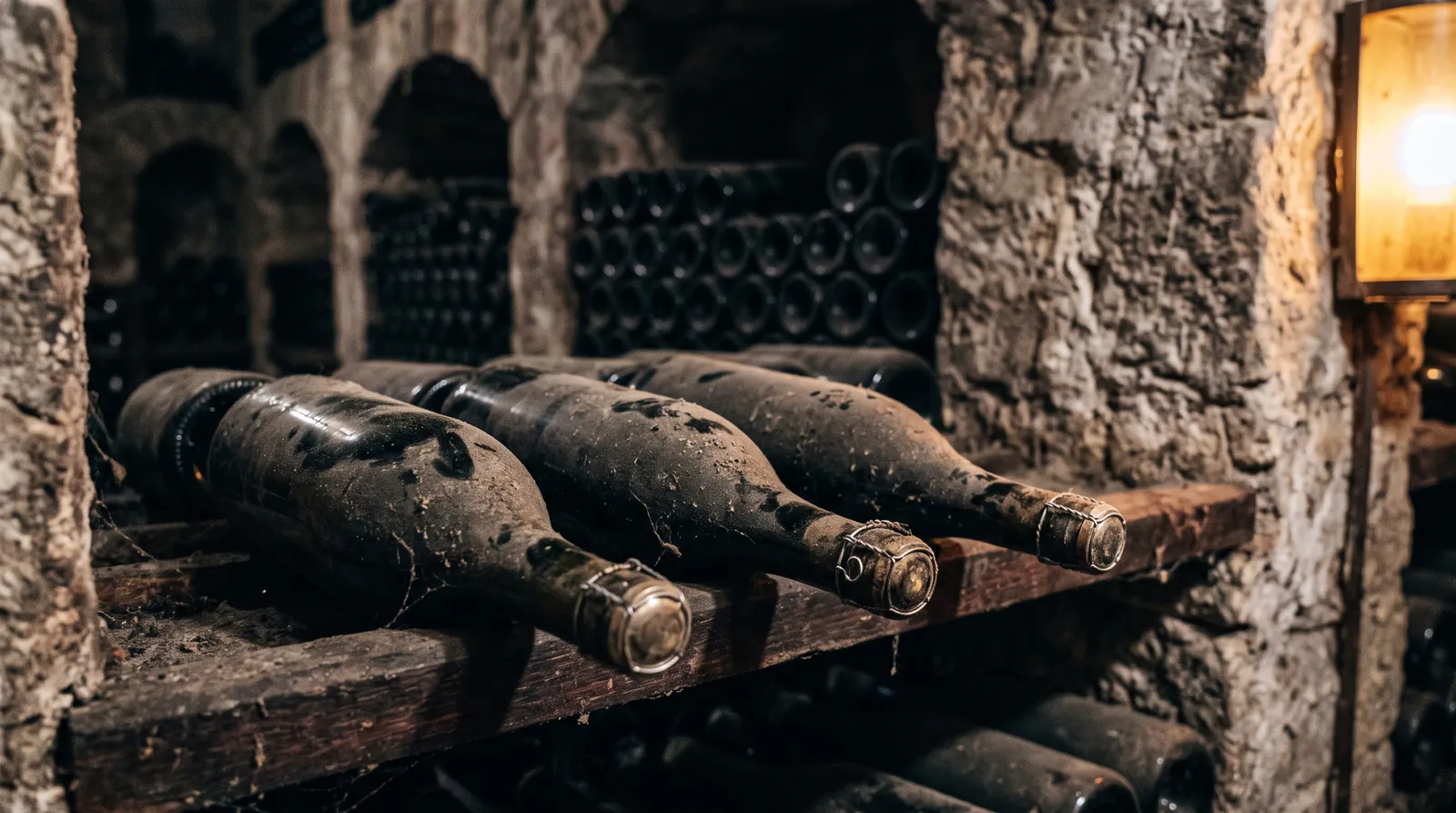
By the end you will be able to
- Explain what makes a few wines collectible while almost all wine is made to be drunk young
- Use supply and demand to explain why prices of a finished vintage can rise or fall
- Describe the main ways collectors buy: at release, en primeur and through allocations
- Weigh the opportunity cost of drinking a bottle against keeping it
What makes a wine collectible
Almost all the wine in the world is made to be drunk within a year or two of the harvest. It sits on a supermarket shelf, someone takes it home, and it is gone by the weekend. Only a very small share is ever bought to keep, and an even smaller share is bought, kept and later sold to someone else. That small corner is what people call fine wine.
Think of trading cards. Millions are printed, and almost all of them are worth nothing to anyone but the child who owns them. A handful become collectible because they are rare, famous and in good condition. Wine works in a similar way. A few things usually have to be true at once.
First, reputation. The wine comes from a name that people have trusted for a long time, such as the top Bordeaux estates ranked in the famous 1855 classification, the grand cru vineyards of Burgundy, the best Champagne houses or a handful of Napa Valley cabernets. Second, the wine must be able to age: to keep improving, or at least keep, for ten, twenty or more years. A wine that fades after three years cannot be collected for long. Third, scarcity: there are only so many bottles, because the vineyard is only so big. Fourth, a track record of trading: other people are known to buy and sell it, so there is a recognised price.
Notice what is missing from that list: taste alone. Plenty of delicious wines are not collectible, because they are made in large amounts, meant to be drunk young or simply not famous enough for strangers to pay for them without tasting them first.
Remember Collectible wine is a tiny slice of all wine: famous, able to age, made in limited amounts and already traded by others.
Supply and demand for a vintage that is finished
Two ideas explain most prices. Supply is how much of something is available to buy. Demand is how much of it people want, and how much they are willing to pay. When many people want something that is in short supply, the price tends to rise. When few people want something that is plentiful, it tends to fall. Economists call the short-supply situation scarcity.
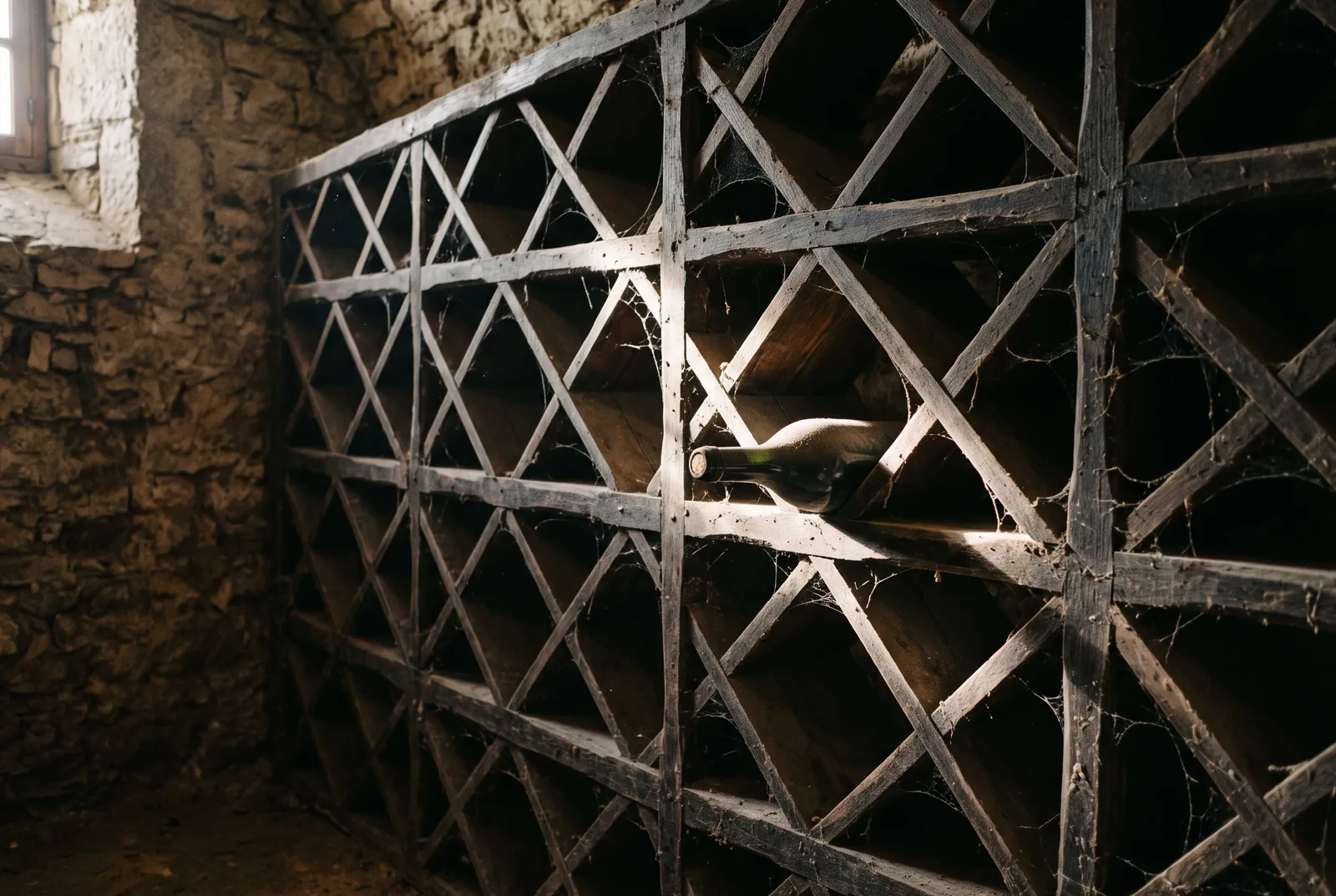
A vintage is the wine from one year's harvest. Once it is made and bottled, the supply is fixed. Nobody can make more 2010 wine from a particular estate, ever. Better still, from a collector's point of view, the supply only shrinks: every bottle that is opened at a dinner, broken in a move or spoiled by a hot garage disappears for good.
Concert tickets are a good comparison. A venue has a fixed number of seats. If a band becomes far more popular after the tickets go on sale, the resale price can climb well above the price printed on the ticket. Nothing about the seat changed. Demand did.
Demand for an old vintage can grow for several reasons. The wine may turn out to be better than expected. Critics may praise it. More people around the world may become rich enough and interested enough to want it. But demand can also fall. Tastes change, economies slow down, and a wine that seemed exciting can go out of fashion. A fixed supply means prices can rise when demand grows, not that they must.
Remember A finished vintage can never be added to and only shrinks, so its price depends heavily on whether demand grows or fades.
Buying at release and en primeur
The first time a wine goes on sale, at the price the producer sets, is called its release, and that price is the release price. Buying from the producer or from merchants at that point is the primary market. Any later sale, from one owner to another, happens on the secondary market: through merchants, auction houses or trading platforms.
Bordeaux has a famous way of releasing wine early, called en primeur, sometimes translated as futures. Each spring, the leading estates sell wine from the previous autumn's harvest while it is still ageing in barrels. Critics and merchants taste samples, the estates announce prices, and buyers pay now. The bottles are delivered a year or two later, once the wine has been aged and bottled.
Most top estates do not sell directly to the public. They sell through a long-established network of Bordeaux merchants and brokers, known as the Place de Bordeaux, which passes the wine on to importers and shops around the world.
Why would anyone pay years in advance? Because in some years buying early has meant paying less than the wine later traded for, and it can be the only reliable way to get a scarce wine at all. Why might it be a bad idea? You hand over money long before you receive anything, so you are trusting the merchant to stay in business. And the price can fall after release, as it did for many Bordeaux wines in some recent campaigns. Early is not the same as cheap.
Remember Release is the first sale at the producer's price; en primeur means paying for Bordeaux while it is still in barrel and waiting a year or two to receive it.
Allocations: when there is not enough to go round
Some wines are so wanted that, at the release price, far more people would buy them than there are bottles. Producers could simply raise the price until the queue disappeared. Many choose not to. Instead they hand out the bottles in fixed shares, called an allocation.
An allocation might be six bottles a year to a loyal customer on a winery's mailing list, which is how many small Napa Valley producers sell. A famous Burgundy domaine might give each importer a few cases, and the importer then shares them out among its best shop and restaurant customers. A shop may in turn offer its share to people who already buy plenty of other wine there.
Limited sneaker drops work in much the same way. The brand sets a price below what the sneakers would fetch on resale, and uses raffles or loyalty to decide who gets a pair. Why leave money on the table? Producers often care about long-term relationships, about not looking greedy and about the wine being drunk by real enthusiasts. A loyal list of buyers is also a kind of insurance for the years when demand is weaker.
The result is that the gap between the release price and the price on the secondary market goes to whoever was lucky or loyal enough to get an allocation. That gap is real, but it is earned partly through years of buying, sometimes including wines you did not especially want. If you stop buying, you can lose your place on the list.
Remember When demand outstrips supply at the release price, producers ration bottles through allocations instead of raising the price, so access itself becomes valuable.
To drink or to sell
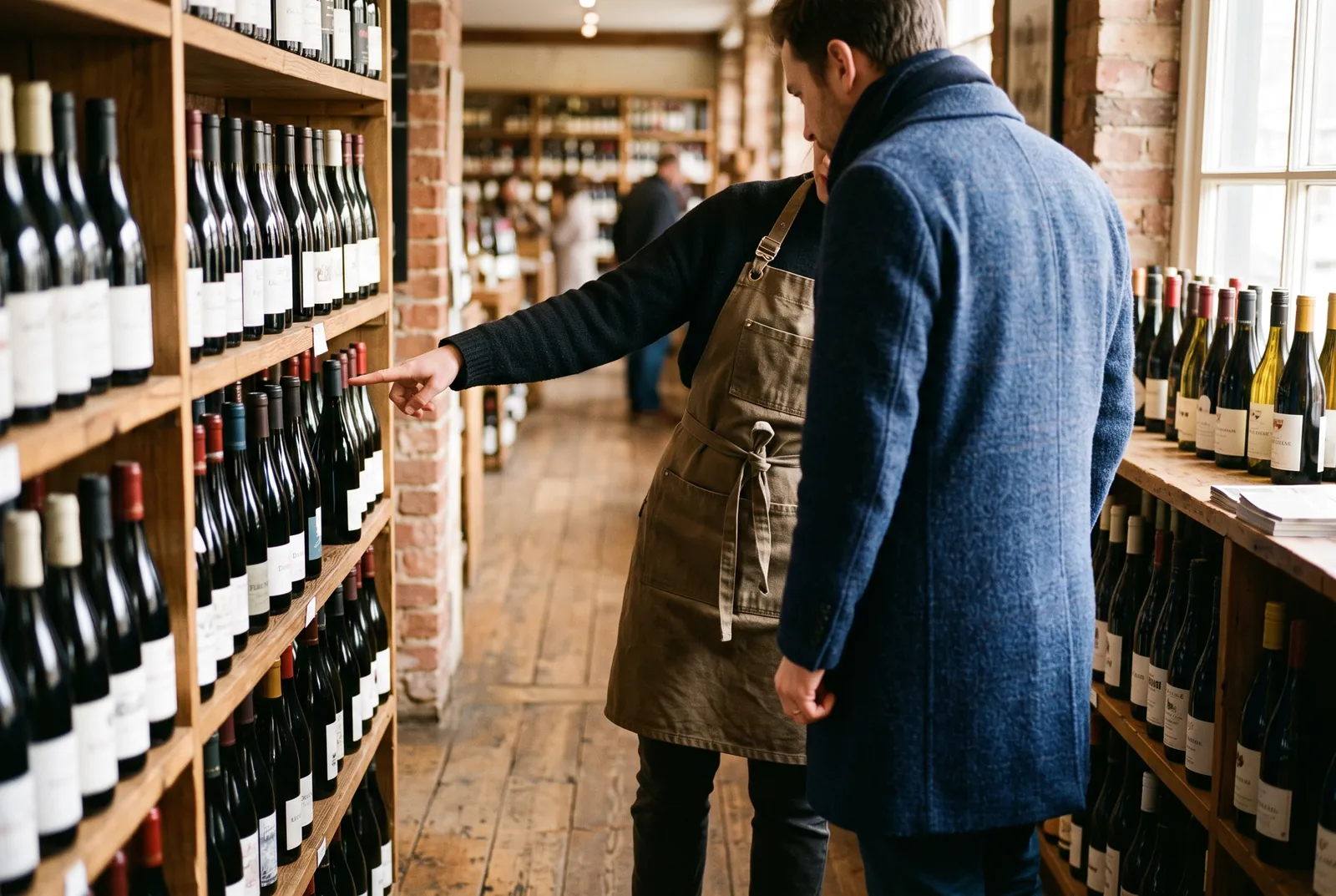
Every collector eventually faces the same question: open the bottle or keep it? Economics has a useful tool here called opportunity cost. It is the value of the best thing you give up when you make a choice. If you bought a bottle for $100 and it would now sell for about $300 after costs, drinking it costs you that $300, not the $100 you paid. The money you paid years ago is already spent and cannot be got back either way.
That does not mean you should never drink the good bottles. It means you should be honest about what you are doing. Many collectors happily drink wines that have become valuable, because sharing them was the whole point. The pleasure of drinking is a real benefit, even if it never shows up in a spreadsheet.
Selling is harder than it looks. Fine wine is illiquid, meaning it cannot quickly be turned into cash at a fair price. You may need an auction house or a merchant, you will pay fees, and the buyer will want proof that the bottle was stored well. A bottle kept in a warm kitchen for ten years may taste tired and be worth far less than the same wine kept in a cool, professional store.
Most people who collect wine end up drinking most of it. Those who plan to sell some keep their receipts, store the wine carefully and accept that prices can fall as well as rise. Nothing in this course says whether buying wine to resell is wise for anyone. It explains how the market works so that you can think clearly about it.
Remember The real cost of opening a valuable bottle is what you could sell it for today, and selling is slower and costlier than it looks.
Test your knowledge
Ten questions. Pick an answer to see whether it is right and why. Your best score is kept in this browser only.
Research and education only. Nothing here is investment advice.
More courses
-
 Intermediate · Acerca de 18 minutes · 5 lessons · 10 questions
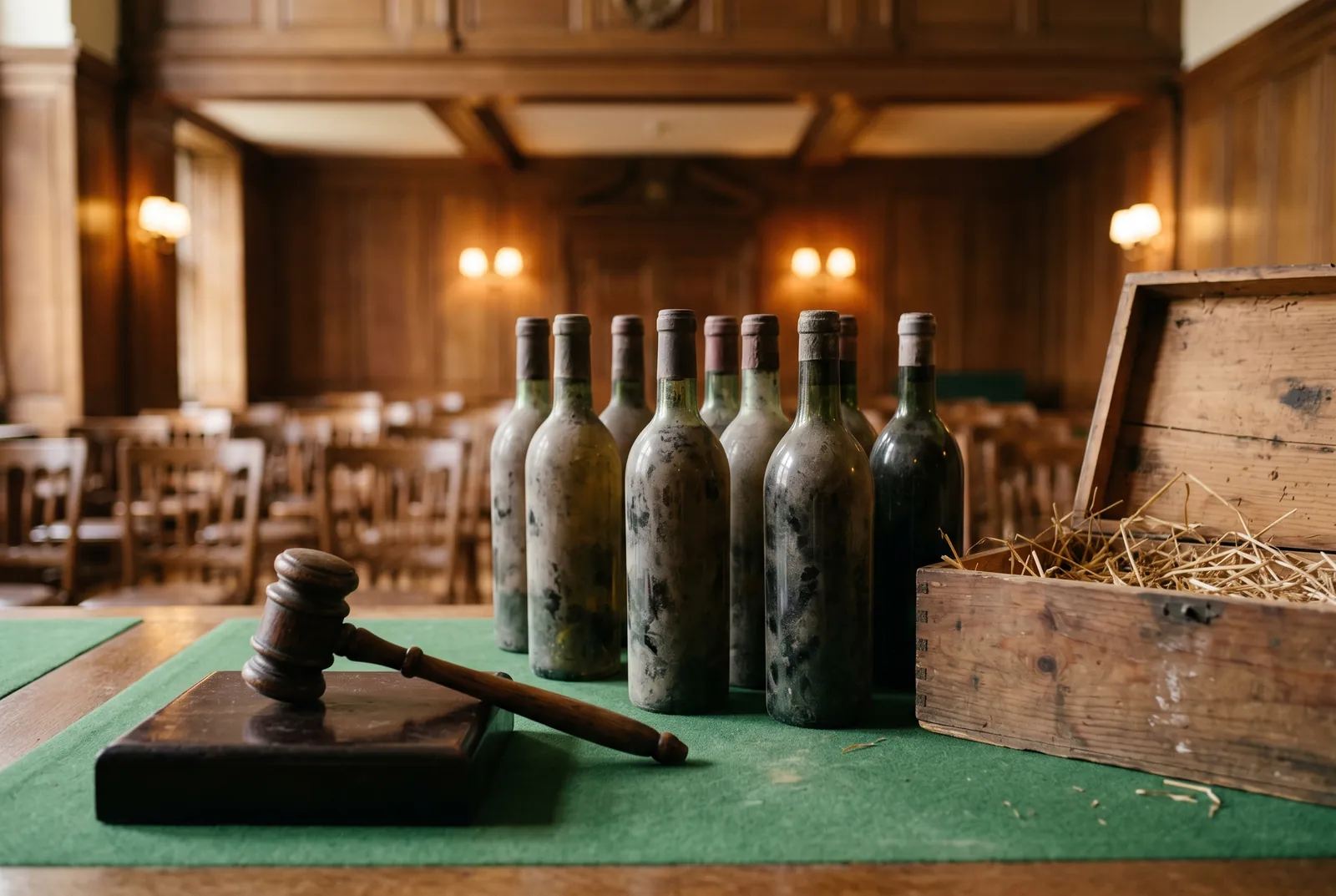
Auctions, storage and fakes
What a bottle really costs at auction, why the price you can sell at is lower than the price you can buy at, and how storage, provenance and counterfeits decide what a bottle is worth.
-
 Intermediate · Acerca de 18 minutes · 5 lessons · 10 questions
Returns, risks and scams: thinking clearly about wine and money
How to read a claim like "wine has doubled in value": real versus nominal returns, compound growth, the costs that quietly eat returns, booms and busts, tax, and the warning signs of a scam. Strictly educational, never advice.
-
 Beginner · Acerca de 18 minutes · 5 lessons · 10 questions
Wine production economics 101
How a winery makes, or loses, money: revenue, cost and profit, fixed and variable costs, the price of land, what yields mean, and the long chain from vine to glass.