 Bordeaux
 Burgundy
 Champagne
 Rhône
Rhône Napa Valley
 Tuscany
 Piedmont
 Mosel
Mosel Oregon
 Rioja
Rioja California sparkling
 Valais and Lavaux
 England
 Douro
Douro Etna
Etna Mendoza
 Marlborough
 Stellenbosch
 Barossa Valley
 Tasmania
 Beaujolais
 Jura
Jura Alsace
 Loire
Loire Provence
 Ribera del Duero
 Sonoma
 تكلفة الأرض
 سنوات جيدة وأخرى سيئة
 التسميات الجغرافية
 الكروم الشهيرة
 نبيذ مشهور
 من يصنعها
 ابحث عن خمر
 مقارنة النبيذ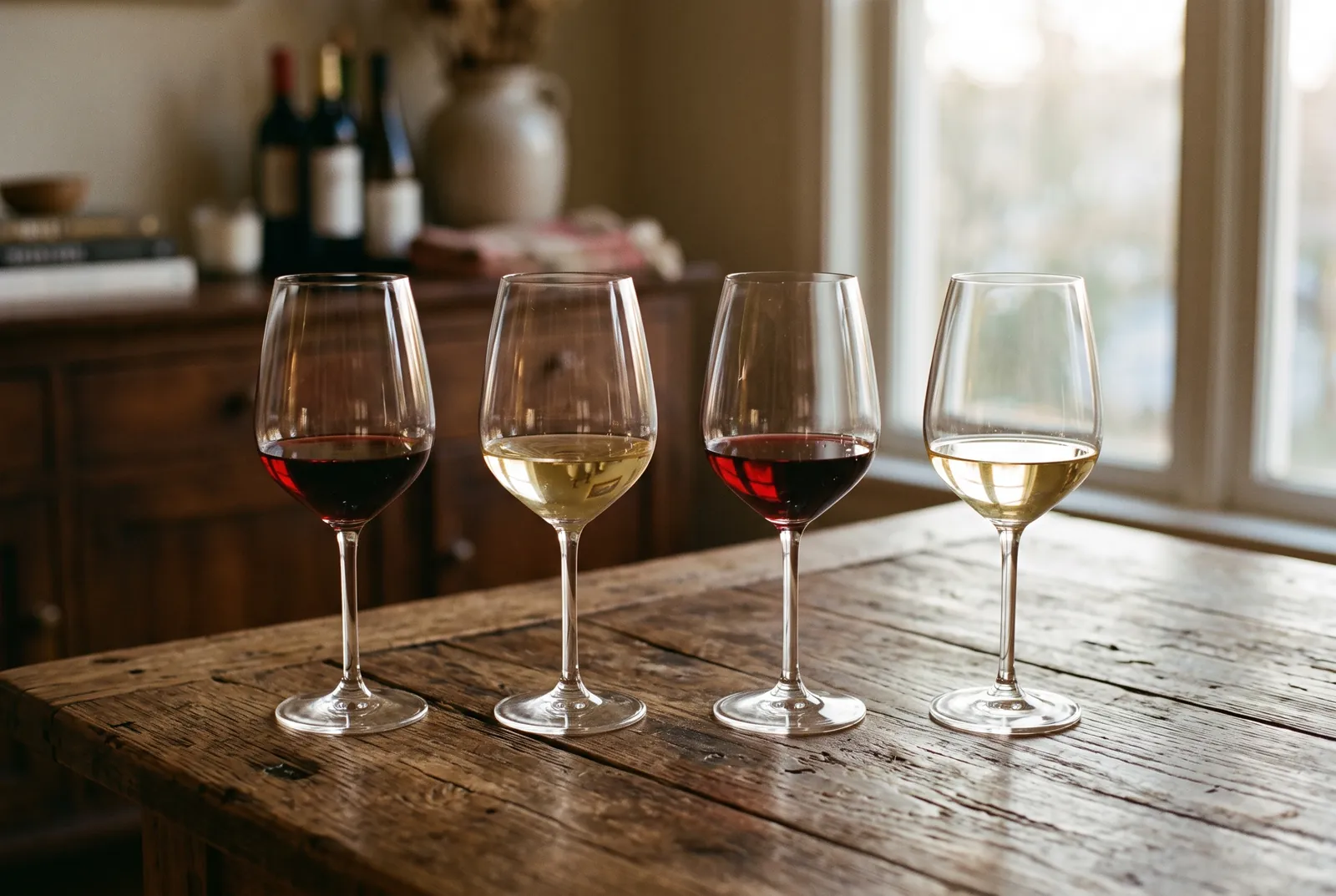
By the end you will be able to
- Name the five types of wine and explain why colour comes from grape skins
- Describe the five steps from vineyard to bottle
- Taste a wine in four steps and describe it in plain words
- Read a label and tell whether it names the grape or the place
- Explain what a vintage is and when it matters
Five types, and why colour comes from the skins
Every bottle in a wine shop is one of five types: red, white, rosé, sparkling or sweet. Once you know what makes each one different, the shelves stop being a wall of bottles.
The surprise is that grape juice is nearly clear, even from dark grapes. Colour comes from the skins. Leave dark skins soaking in the juice for a week or two and you get red wine. Press the juice off the skins straight away and you get white. Leave the dark skins in for just a few hours and you get pink: rosé. Rosé is usually not a mix of red and white, though pink Champagne is a famous exception.
Skins also carry tannin, the thing that makes strong tea feel dry in your mouth. That is why a young red can feel grippy and a white almost never does.
Sparkling wine is any wine with bubbles. The fizz is carbon dioxide trapped from a second fermentation. In Champagne that second fermentation happens inside the very bottle you buy, which takes well over a year and is one reason it costs more. Brut on the label means dry.
Sweet wine keeps some natural grape sugar, either because the grapes were picked very ripe, sometimes shrivelled on the vine, or because the fermentation was stopped early. It is served cold in small glasses and is lovely with cheese or dessert.
Within each type there is a big range. Reds run from light and fruity, like Pinot Noir, to dark and powerful, like Cabernet Sauvignon. Whites run from sharp and light, like Riesling, to rich and round, like oaked Chardonnay.
Remember Red, white, rosé, sparkling and sweet: colour and tannin come from how long the juice spends with the skins.
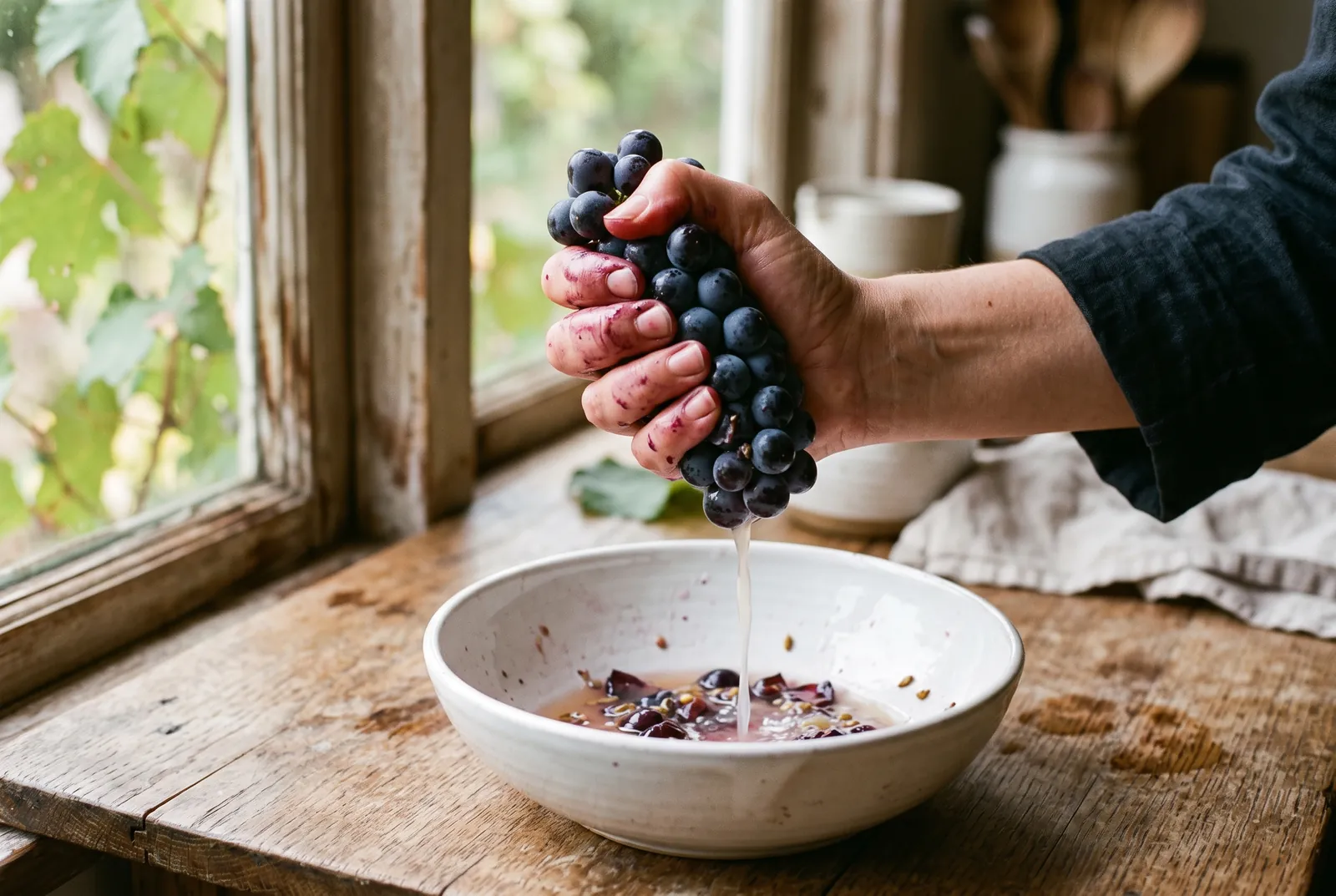
كيف يُصنع النبيذ في خمس خطوات
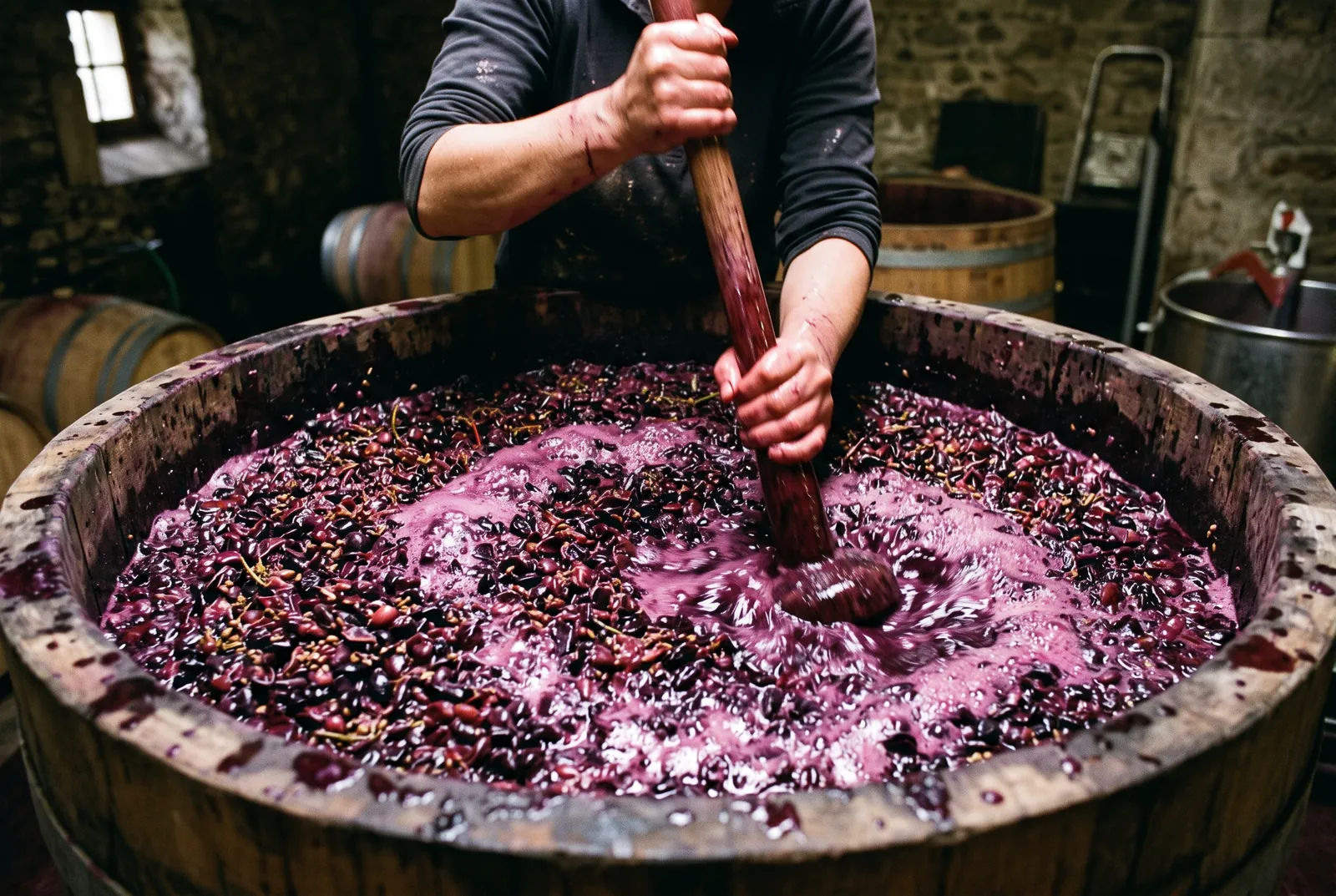
1. Grow and pick. Grapes ripen through the summer and are picked in early autumn: roughly August to October north of the equator, and February to April south of it. Picking earlier gives fresher, lighter wine; later gives riper, fuller wine with more alcohol.
2. Crush and press. The grapes are gently crushed to release the juice. For white wine the juice is pressed off the skins straight away. For red, the skins stay in to give colour and tannin.
3. Ferment. Yeast eats the grape sugar and turns it into alcohol and carbon dioxide. This takes from a few days to a few weeks. When the sugar is used up, the wine is dry. Stop early and some sweetness stays.
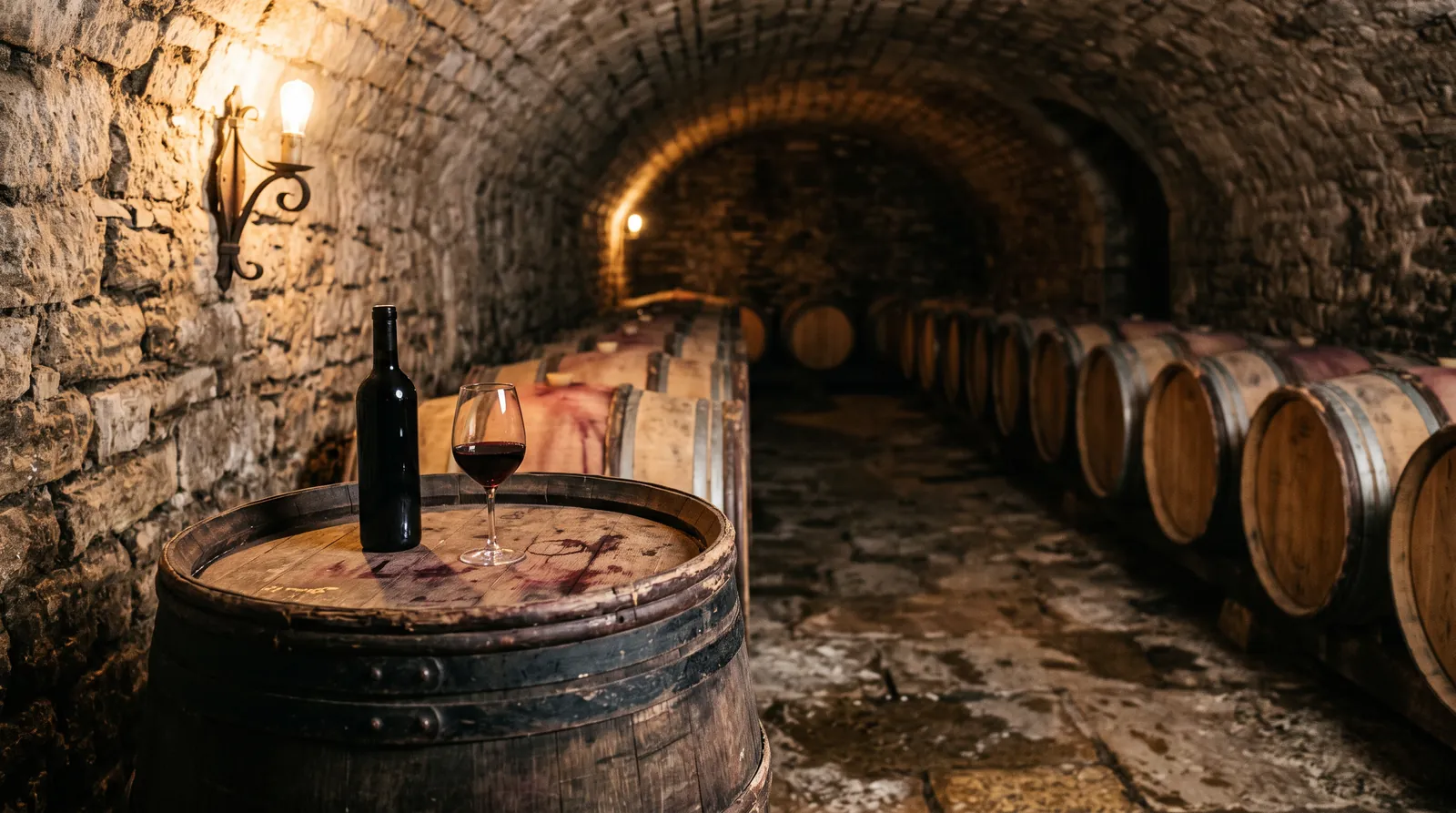
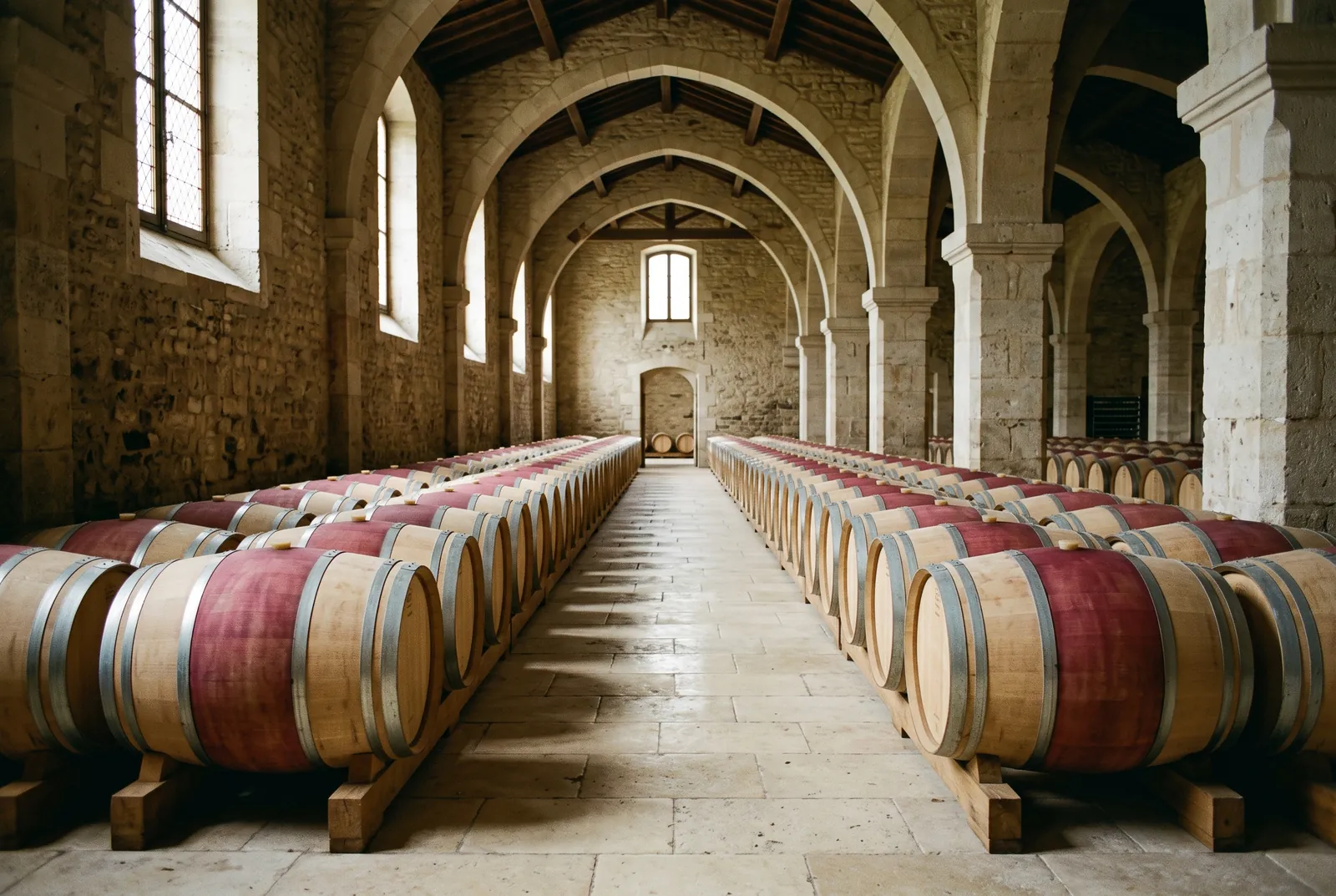
4. Age. The young wine rests for a few months to a few years. Steel tanks keep it fresh and fruity. Oak barrels let in a tiny amount of air and add flavours such as vanilla, toast and spice. A new French oak barrel holds about 225 litres, roughly 300 bottles, and costs a lot, which is one reason some wines are more expensive.
5. Bottle. The wine is bottled and sealed with a cork or a screw cap. Most wine is ready to drink as soon as you buy it. Only a small share is made to improve for ten years or more, and that small share is where most of the collecting economics happens.
Each step is also a business decision. Picking by hand costs more than by machine. Oak costs more than steel. Waiting years before selling ties up money. Those choices show up in the price on the shelf.
Remember Pick, crush and press, ferment, age, bottle: and every step is a choice that changes both the taste and the cost.
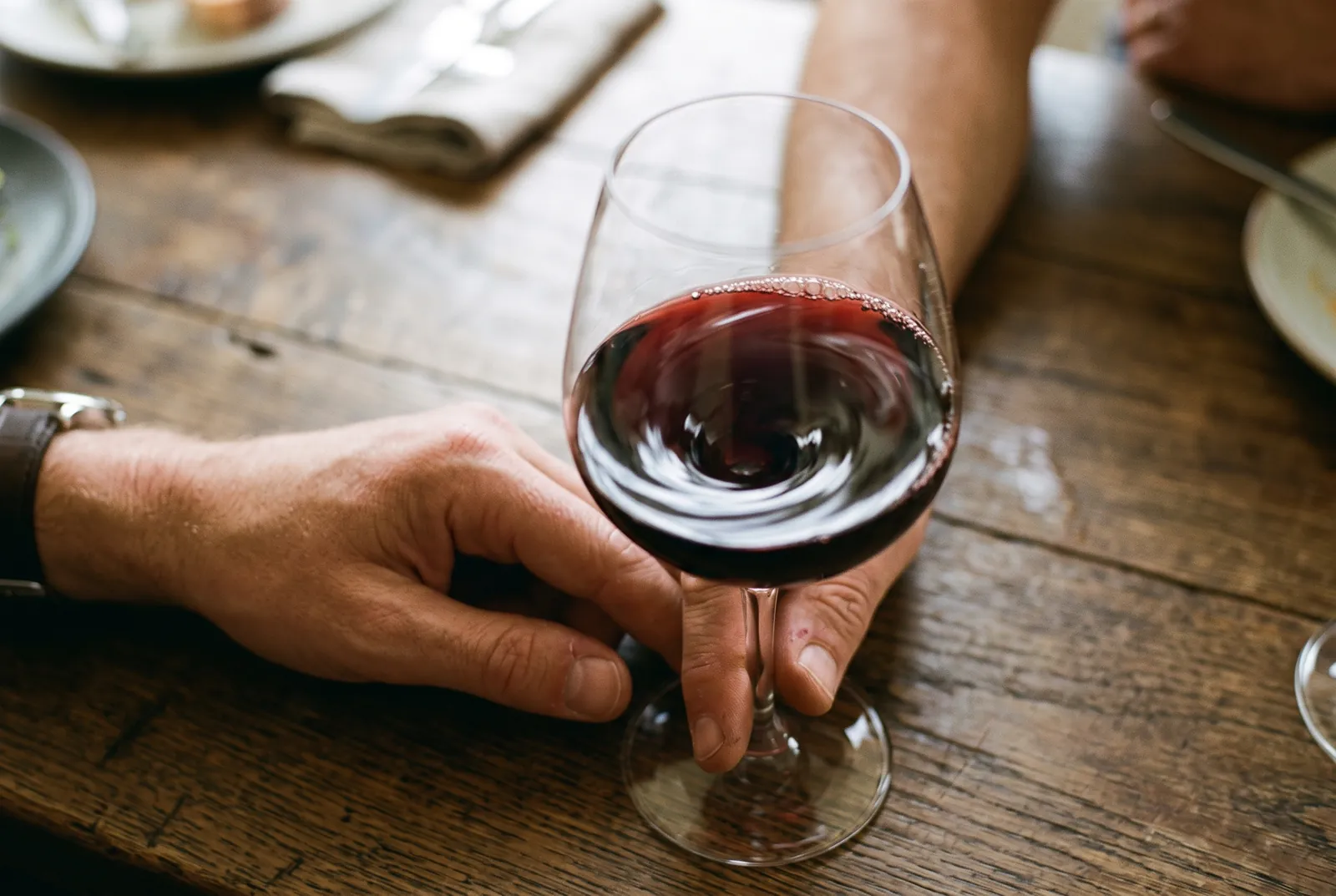
How to taste: look, swirl, sniff, sip
Tasting wine properly takes about a minute and needs no special words. Fill the glass about a third full so there is room to move the wine around.
Look. Tilt the glass over something white. A pale red is usually lighter in taste and a dark one fuller. A white that is deep gold is often older, sweeter or aged in oak.
Swirl. Keep the base of the glass on the table and draw small circles. Swirling mixes in air and lifts the smells out of the wine. That is the only reason people do it.
Sniff. Put your nose right into the glass and take a short sniff. Most of what we call taste is really smell. Ask one simple question: fruit, flowers, spice, or something earthy? Smells of vanilla, toast or coconut usually come from oak barrels, not the grape.
Sip. Let the wine sit on your tongue for a second or two and notice four things. Sweetness: is there any sugar, or is it dry? Acidity: does it make your mouth water, like lemonade? That freshness is acidity. Tannin: does it dry your gums, like strong tea? Body: does it feel light like skimmed milk, or heavy like cream?
Then comes the only question that really matters: do you like it? Nobody can answer that for you. If you remember the grape and the place of a wine you enjoyed, you already know how to find your next bottle.
Remember Look, swirl, sniff, sip, and judge four things on the tongue: sweetness, acidity, tannin and body.
How to read a label: grape names and place names
Almost every label answers four questions. Who made it: the producer, often in the biggest letters. Where: the place the grapes grew, which might be a country, a region or a single village. Which grape, such as Chardonnay or Merlot, though this is not always shown. When: the vintage, the year the grapes were picked.
The confusing part is that labels follow two traditions. Wines from the United States, Australia, Chile, Argentina and most newer wine countries usually name the grape on the front, as in Napa Valley Cabernet Sauvignon. Many European wines are named after the place instead, and you are expected to know the grape. A red Burgundy is Pinot Noir. A Chablis is Chardonnay. A Rioja is mostly Tempranillo. A Barolo is Nebbiolo.
Why name the place? Because in Europe the idea is that the place shapes the wine as much as the grape does. Many place names are protected by law as an appellation, an official growing area with its own rules. France uses the letters AOC or AOP, Italy DOC or DOCG, Spain DO or DOCa.
A few more words are worth knowing. Grand cru and premier cru are French terms for the highest-ranked vineyards or estates. Riserva or Reserva in Italy and Spain means the wine was aged longer by law, while elsewhere reserve can just be marketing. The percentage is alcohol by volume: around 12% feels light, 14.5% and above feels big. And the back label is often more useful than the front, describing the grapes and the taste.
Remember Labels name the producer, the place, sometimes the grape, and the year; many European wines name only the place, and you learn which grape it means.
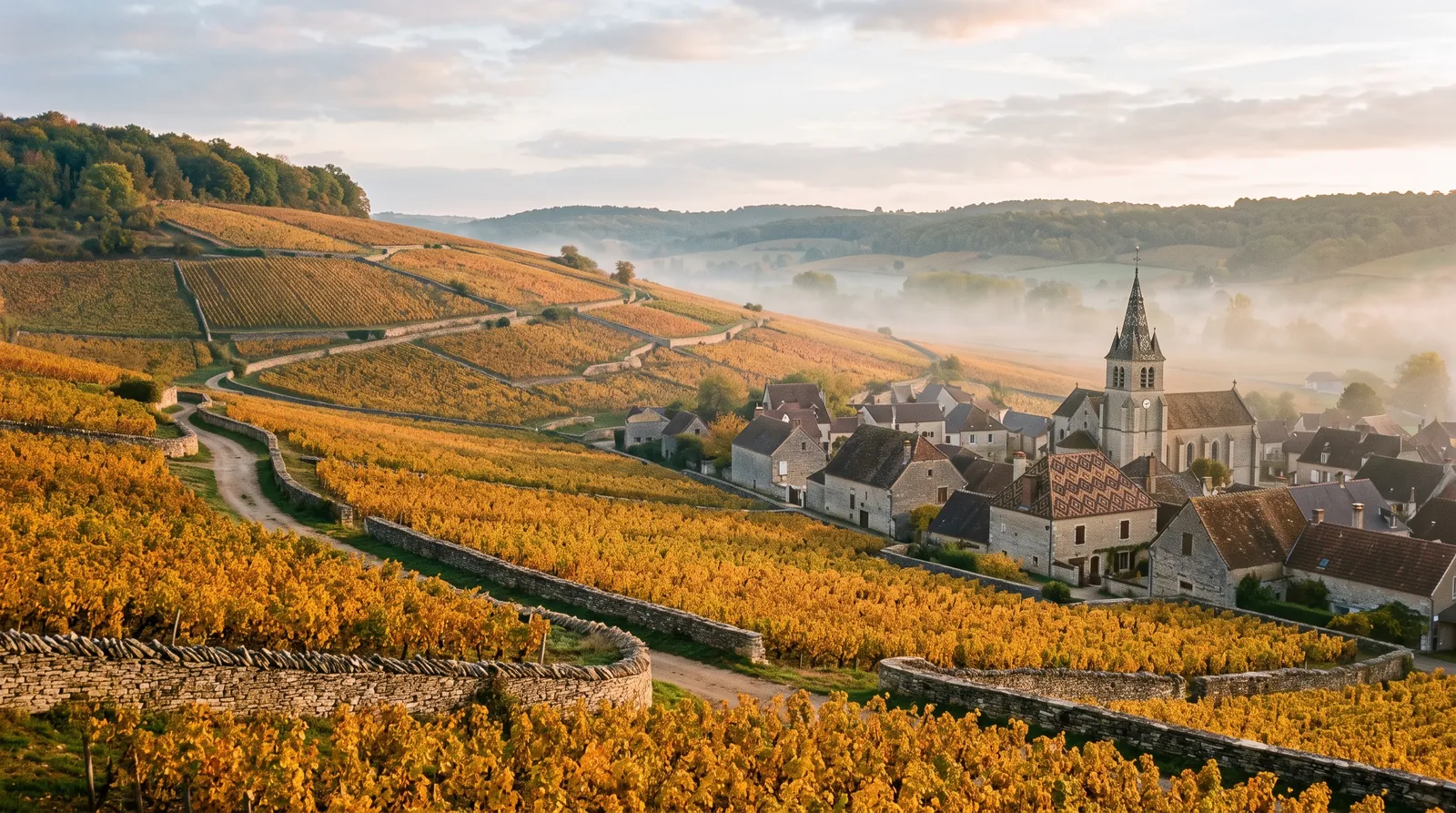
Vintages: what the year on the label means
A wine labelled 2020 was made from grapes picked in 2020. It may not have gone on sale until two or three years later, after ageing at the winery. That year is the vintage.
Years differ because weather differs. A warm, dry, sunny summer gives ripe, generous wines. A cool or rainy one gives lighter, sharper wines, and sometimes far fewer bottles. Frost in spring or hail in summer can wipe out much of a crop, and growers in some regions light small fires or run big fans on frosty nights to protect the young buds.
For everyday bottles the vintage hardly matters: buy the youngest and enjoy it. Vintage matters most for fine wine from places with changeable weather, such as Bordeaux, Burgundy, Piedmont and Champagne. A great year there can taste better, last longer and cost more. A small harvest can push prices up too, because there are fewer bottles to share among the same buyers.
Most Champagne and other sparkling wine has no year on the label at all. It is a blend of several years, mixed so the house style tastes the same every time. The letters NV mean non-vintage. In the best years, Champagne houses may also make a vintage Champagne from that single harvest.
This is where wine basics and wine economics meet. Because every vintage is made once and never again, each year's wine is a fixed supply. That simple fact is the starting point for everything about collecting.
Remember The vintage is the harvest year; it matters most for fine wine from places with changeable weather, and NV means a blend of several years.
Test your knowledge
Ten questions. Pick an answer to see whether it is right and why. Your best score is kept in this browser only.
More courses
-
 Beginner · حول 18 minutes · 5 lessons · 10 questions
Wine production economics 101
How a winery makes, or loses, money: revenue, cost and profit, fixed and variable costs, the price of land, what yields mean, and the long chain from vine to glass.
-
 Beginner · حول 18 minutes · 5 lessons · 10 questions
From vineyard to shelf: where your money goes
Follow one bottle from grapes to shop shelf. See what the wine really costs to make, how each business in the chain adds its markup, and what taxes and tariffs do to the final price.
-
 Intermediate · حول 18 minutes · 5 lessons · 10 questions
Running a vineyard and winery
The decisions that make or break a wine business: how grapes are bought and sold, quality against quantity, weather risk, break-even, the hidden cost of ageing, and pricing a brand.