 Bordeaux
 Burgundy
 Champagne
 Rhône
Rhône Napa Valley
 Tuscany
 Piedmont
 Mosel
Mosel Oregon
 Rioja
Rioja California sparkling
 Valais and Lavaux
 England
 Douro
Douro Etna
Etna Mendoza
 Marlborough
 Stellenbosch
 Barossa Valley
 Tasmania
 Beaujolais
 Jura
Jura Alsace
 Loire
Loire Provence
 Ribera del Duero
 Sonoma
 O que custa o terreno
 Anos bons e ruins
 Appellations
 Vinhedos famosos
 Vinhos famosos
 Quem os produz
 Encontre uma safra
 Comparar vinhos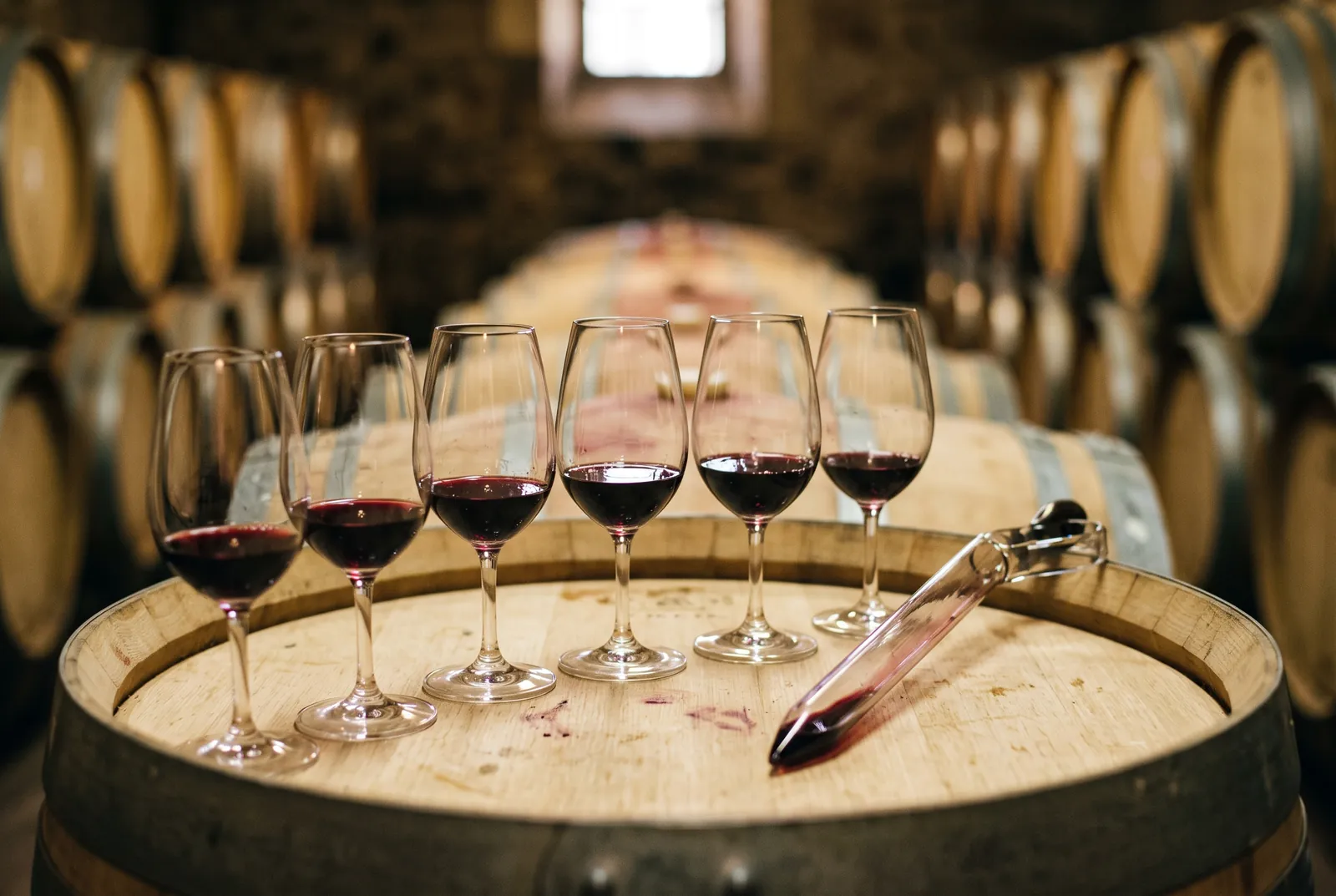
The release price: the first sale
The release price is the price at which a producer first sells a new wine. It is also called the primary price, and the market where it happens is the primary market. Everything after that, when one owner sells to another, is the secondary market.
Producers set release prices with an eye on cost, reputation and demand. A famous estate may deliberately price below what the market would pay, to keep loyal customers happy and to leave something on the table for the merchants who sell its wine. That choice has a cost to the producer, but it buys goodwill that lasts for many vintages.
En primeur: buying wine before it is bottled
Bordeaux has a famous system called en primeur, French for "at first" or "young". Each spring, merchants and critics taste samples of the wine from the previous autumn's harvest, drawn straight from the barrel. The estates then release prices, and buyers pay now for wine that will be bottled and delivered roughly two years later. In English this is often called buying wine futures.
Most Bordeaux estates do not sell directly to the public. They sell through a network of brokers and trading houses known as the Place de Bordeaux, and those houses sell on to merchants around the world.
For the estate, en primeur brings in cash early, long before the wine is ready. For the buyer, it can mean getting a wine at its first price and in the bottle size they want. The catch is that the buyer pays years in advance for a wine they have not seen in bottle, and takes the risk that the price will be lower when it arrives.
Mailing lists and allocations
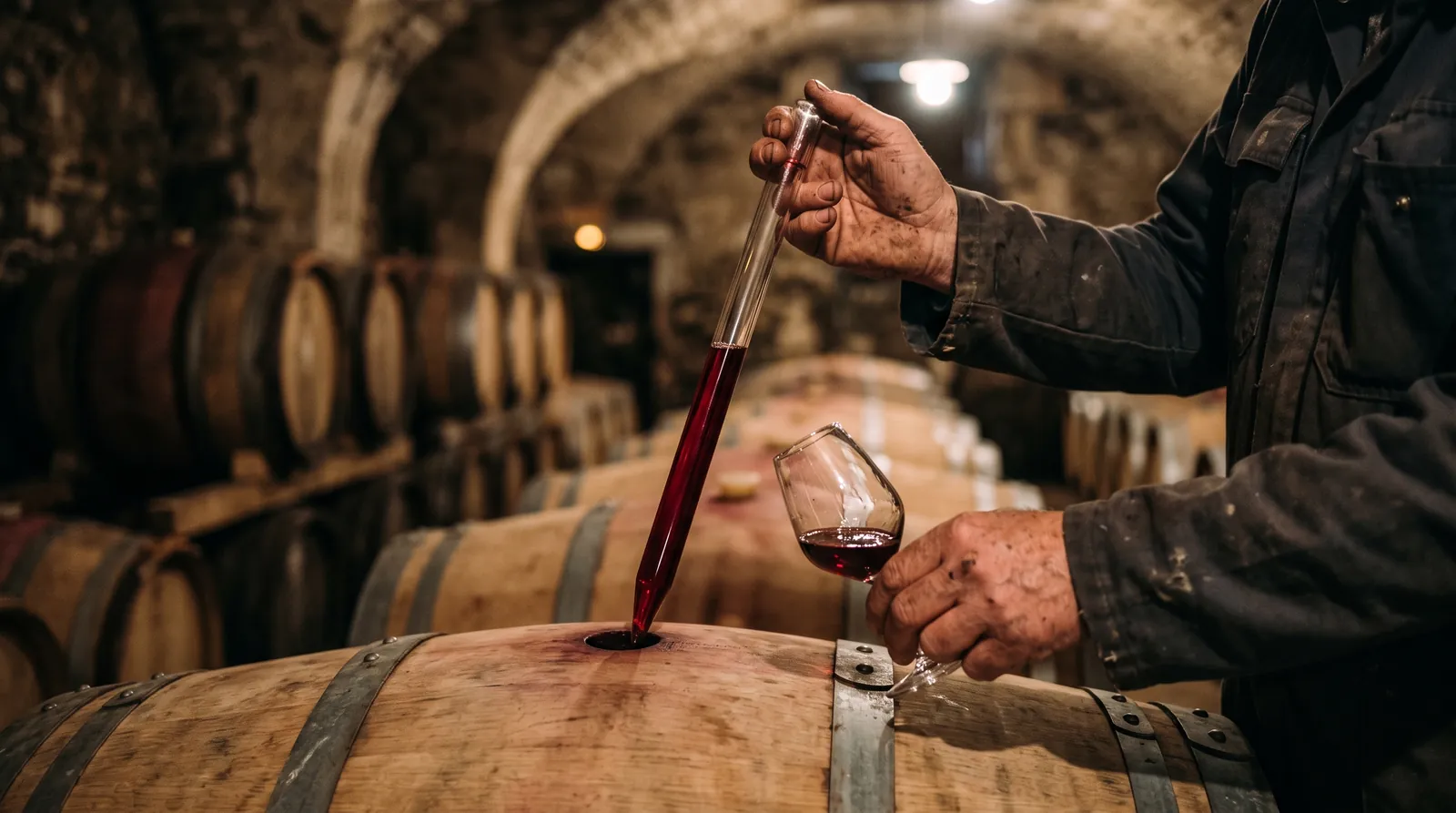
Some of the most sought-after wines, especially small Napa wineries and many top Burgundy producers, sell much of their wine through a mailing list. Customers on the list are offered a set number of bottles each year at the release price. That share is called an allocation.
Allocations are a way of sharing out a scarce product without simply raising the price until demand falls. Waiting lists can be long, and customers who skip a year's offer may lose their place. It is similar to a band selling tickets to its fan club first: the price is fair, but you have to be in the club.
Merchants and their margins
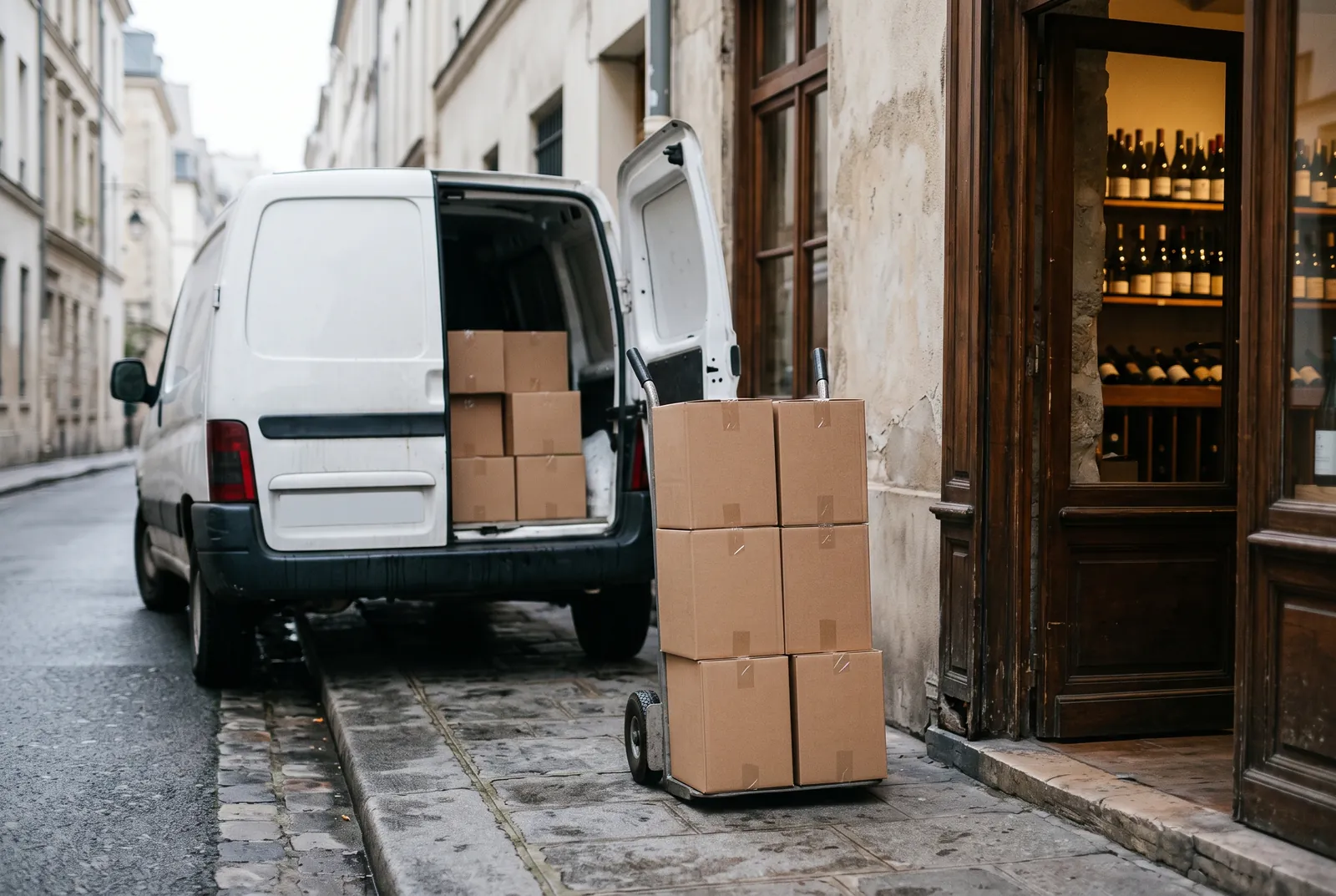
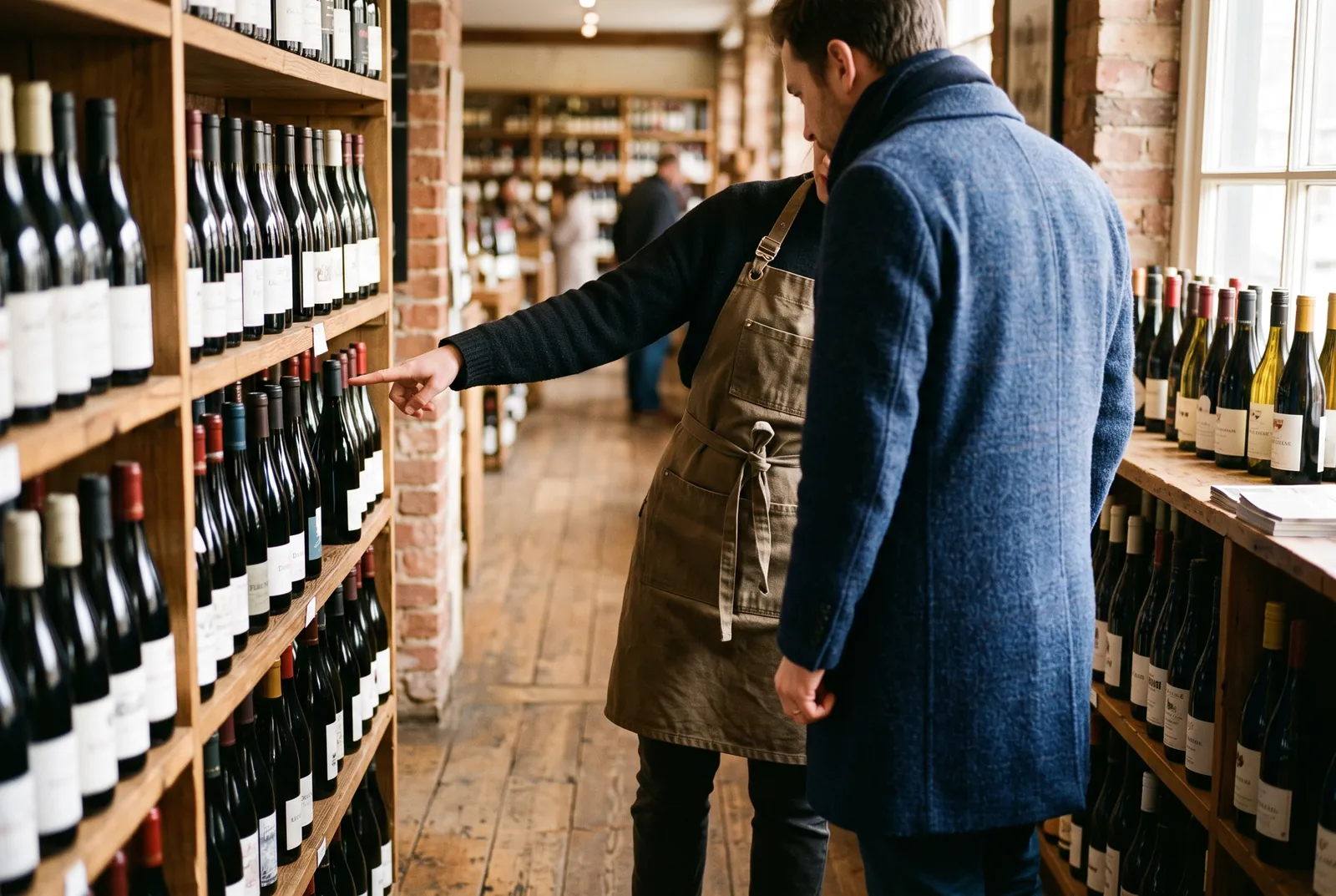
A merchant is a business that buys wine and sells it on, from a local shop to a large international trader. Merchants pay for staff, storage, shipping and the risk of being stuck with wine nobody wants. They cover those costs with a margin: the difference between what they pay for a wine and what they sell it for.
Margin is often written as a percentage of the selling price. If a merchant buys a bottle for $85 and sells it for $100, the margin is $15, which is 15% of the selling price. Margins vary a great deal, from thin on hard-to-get wines that sell themselves to much fatter on everyday wines that need marketing.
Think about it: why might a merchant accept a thin margin on a famous wine in order to keep receiving it each year?
Why the release price of a new vintage matters so much
Every spring the en primeur campaign turns into a kind of public experiment in pricing. Buyers do not judge a new vintage on its own. They compare it with older vintages of the same wine that are already bottled and can be bought on the secondary market.
Suppose an older, well-reviewed vintage of a wine can be bought today, ready in bottle, for less than the price of the new vintage, which will not arrive for two years. Many buyers will simply buy the older one. They get a wine with a known reputation, no waiting and no risk that the market falls before delivery. In that situation, the en primeur campaign can go badly: merchants are left holding stock, and buyers learn to wait.
When a new vintage is released at an attractive price compared with older ones, the opposite can happen. Merchants sell out quickly, early buyers may see the market price rise above what they paid, and they are keen to come back the next year.
This is a lesson that applies far beyond wine. A price is never judged on its own. Buyers always compare it with the substitutes available to them, meaning other things that could do the same job. For a collector, an older vintage of the same wine is often the closest substitute of all.
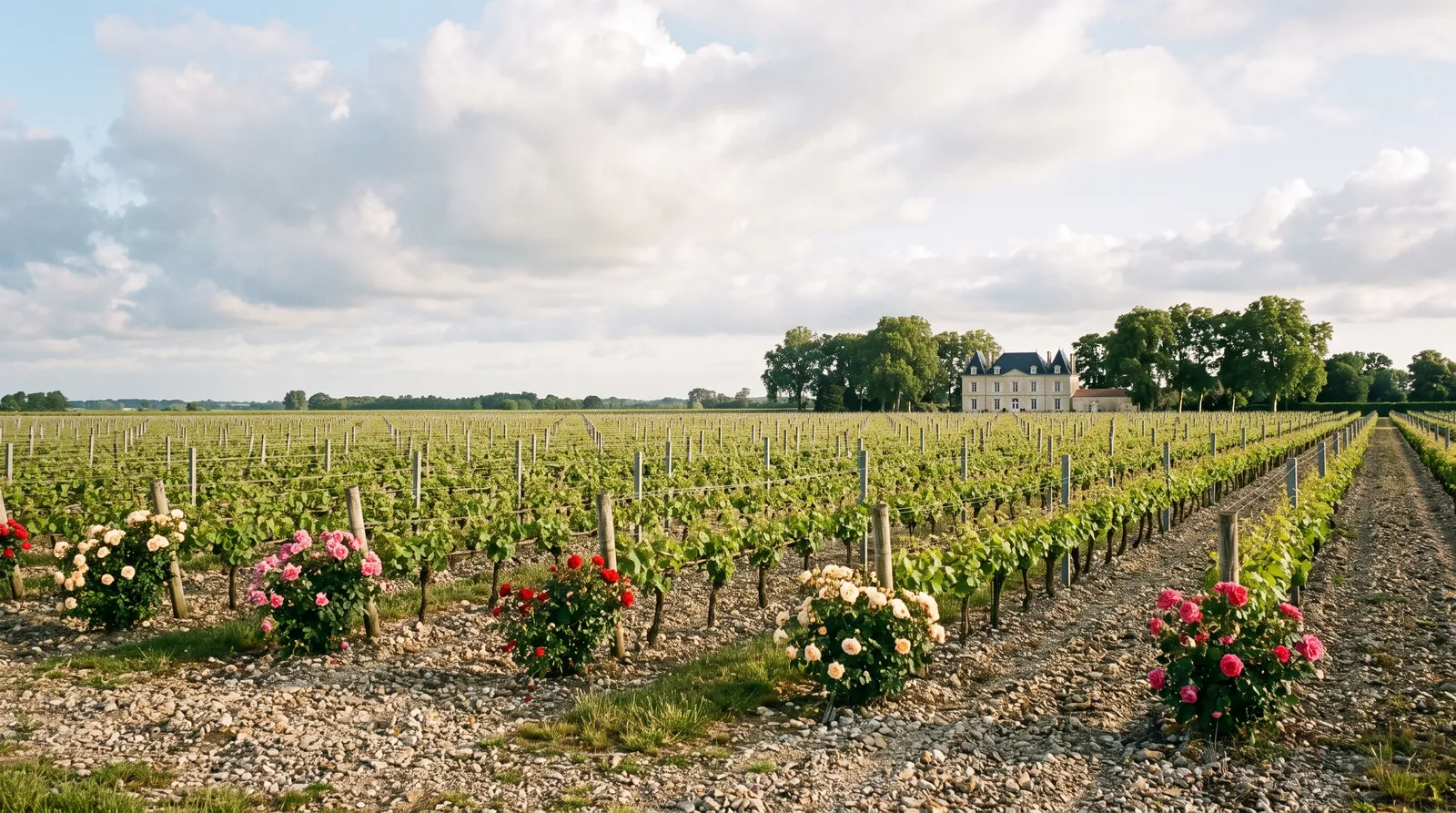
Release price versus market price
Once a wine is out in the world, its market price is whatever buyers and sellers agree on. If demand is strong, the market price can sit well above the release price, which is why allocations are so prized. If a vintage is released too expensively, or the market turns, the market price can fall below what en primeur buyers paid.
Buying early also has an opportunity cost: the benefit you give up by using money one way instead of another. Money paid two years before delivery could have sat in a savings account earning interest. A fair comparison always counts that lost interest.
Worked example: an en primeur purchase
Here is a made-up case of young Bordeaux with round numbers. A merchant buys it for $85 a bottle and offers it en primeur at $100 a bottle, to be delivered in two years.
| Merchant's buying price per bottle | $85 |
|---|---|
| Merchant's selling price per bottle | $100 |
| Merchant's margin | $15, or 15% of the selling price |
| Collector pays for a case of 12 today | 12 × $100 = $1,200 |
| Interest given up: $1,200 at a made-up 4% a year for 2 years | about $98 |
| If the market price at delivery is $130 a bottle | case worth $1,560, which is $360 more than paid |
| If the market price at delivery is $90 a bottle | case worth $1,080, which is $120 less than paid |
The collector carries the price risk for two years and gives up about $98 of interest (because $1,200 × 1.04 × 1.04 is about $1,298). Even the good outcome is before any selling costs, which the next chapter shows can be large.
Key words
- Preço de lançamento
- The price a producer first sells a new wine for, also called the primary price.
- En primeur
- Buying wine, usually Bordeaux, while it is still in barrel, paying now for delivery about two years later.
- Allocation
- The number of bottles a producer or merchant offers a particular customer, usually at the release price.
- Merchant
- A business that buys wine and sells it on to other buyers.
- Margin
- The difference between what a seller pays for something and what it sells it for, often shown as a percentage of the selling price.
- Opportunity cost
- The value of the best alternative you give up when you choose to use your money or time one way.
- Secondary market
- Where existing bottles are bought and sold between owners after the first sale.
Check your understanding
What is the difference between the primary and the secondary market?
Show the answer
The primary market is the first sale, at the producer's release price. The secondary market is every later sale between owners, at whatever price they agree.
A merchant buys a bottle for $40 and sells it for $50. What is the margin as a percentage of the selling price?
Show the answer
The margin is $10, and $10 ÷ $50 = 20% of the selling price.
Give one benefit and one risk of buying en primeur.
Show the answer
A benefit is getting the wine at its first price and in the format you want. A risk is that you pay years ahead and the market price may be lower when the wine is delivered.
Why do some producers sell through allocations instead of raising prices?
Show the answer
To share out a scarce wine among loyal customers and keep goodwill over many years, rather than simply selling to whoever pays most.
Go deeper on Corkonomics
Sources and further reading
- Fine wine market data and indices Liv-ex
- The Oxford Companion to Wine Jancis Robinson and Julia Harding, eds., Oxford University Press
Research and education only. Nothing here is investment advice.
Next chapterAuctions and the secondary market← Previous chapterAll chapters