 Bordeaux
 Burgundy
 Champagne
 Rhône
Rhône Napa Valley
 Tuscany
 Piedmont
 Mosel
Mosel Oregon
 Rioja
Rioja California sparkling
 Valais and Lavaux
 England
 Douro
Douro Etna
Etna Mendoza
 Marlborough
 Stellenbosch
 Barossa Valley
 Tasmania
 Beaujolais
 Jura
Jura Alsace
 Loire
Loire Provence
 Ribera del Duero
 Sonoma
 토지 비용
토지 비용 좋은 해와 나쁜 해
 아펠라시옹
아펠라시옹 유명한 포도밭
 유명한 와인
 만드는 사람들
 빈티지 찾기
 와인 비교
와인 비교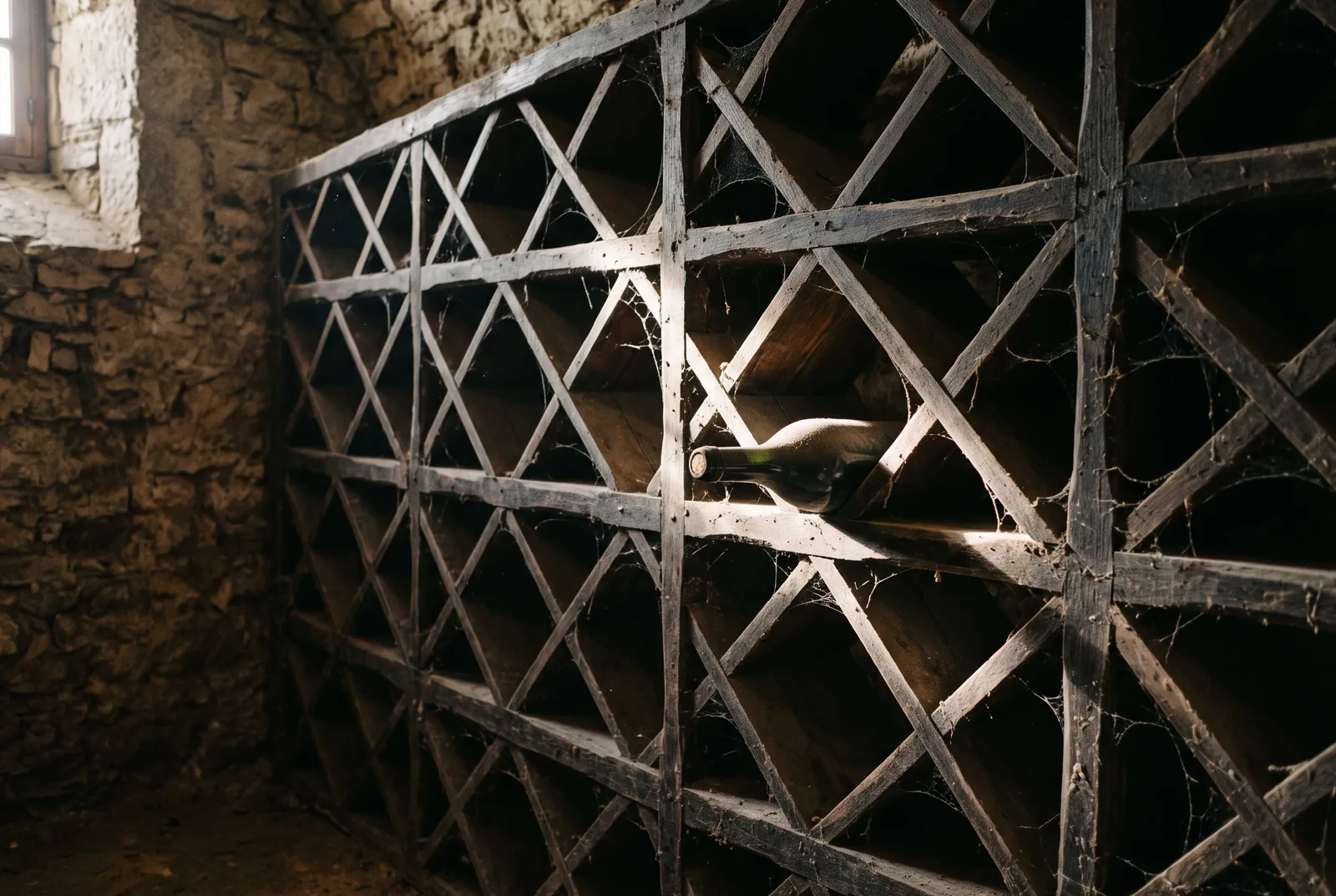
Supply and demand in one paragraph
Supply is how much of something is available to buy. Demand is how much people want to buy at each possible price. When lots of people want something and there is not much of it, sellers can ask more and still sell out. When there is plenty and few buyers, prices fall. The market price is roughly the point where the amount people want to buy matches the amount on offer.
Concert tickets show it well. A stadium has a fixed number of seats. If a hugely popular band plays one night only, resale prices for tickets can climb far above the face value printed on them, because the seats cannot be multiplied.
A vintage is a fixed stock that shrinks
Fine wine behaves like those seats. A vintage is the wine from one year's harvest, and once it is bottled no more of it can ever be made. A Bordeaux estate cannot go back and make extra 2010.
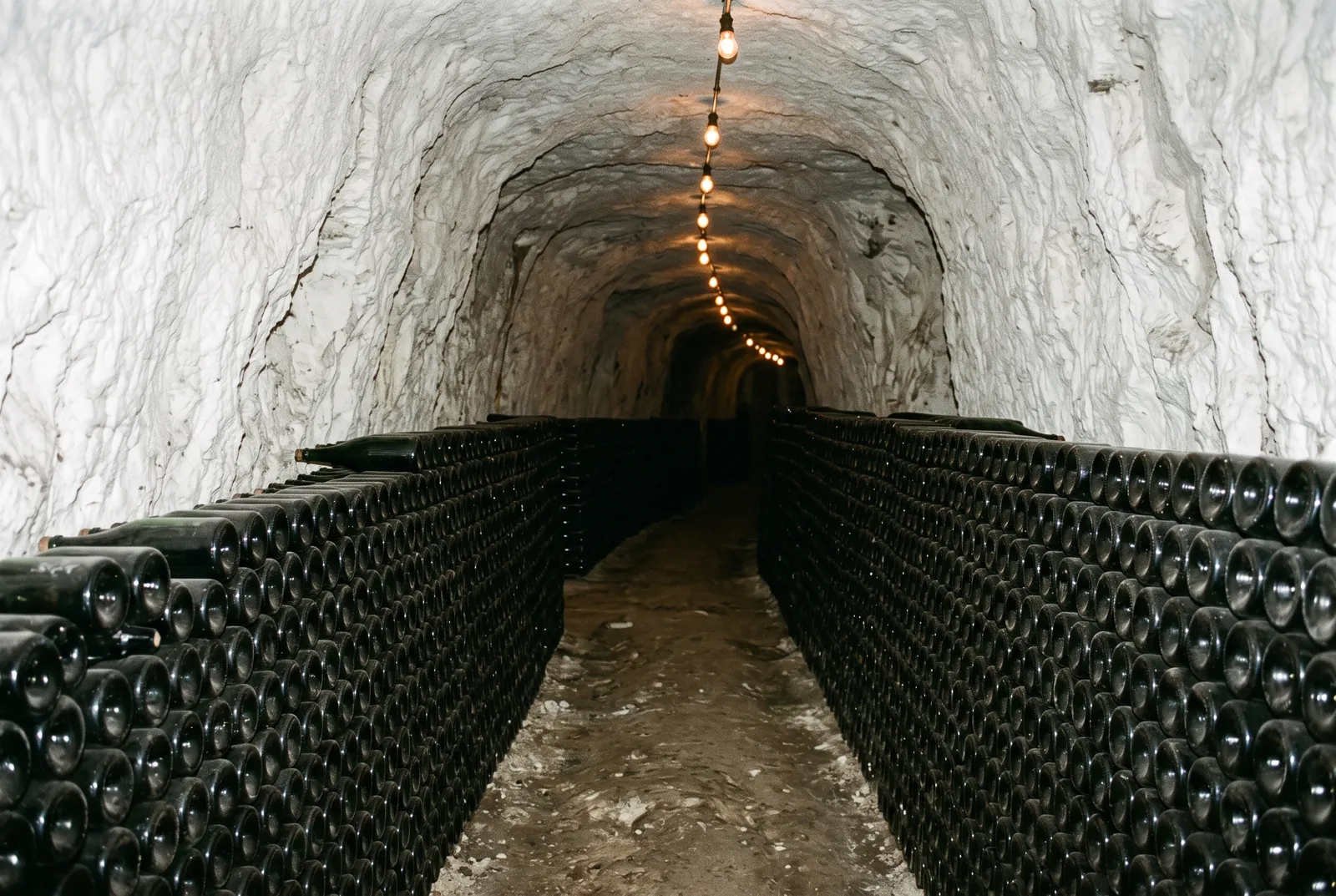
Then the stock starts to fall. Every bottle opened at a dinner is removed from the market for good. Some bottles are broken, some are stored badly and spoil, and some disappear into private cellars and are never sold again. So for a famous old vintage, the number of good bottles available to buy tends to get smaller every year.
Where new demand comes from
On the other side, the number of people who want the most famous wines can grow. As countries become richer, new buyers arrive with money to spend on luxury goods. Over the last few decades demand for top wines has spread well beyond Europe and the United States to buyers in Asia and elsewhere.
Demand can also shift for softer reasons: a wine wins a perfect score from a critic, appears in a film, or simply becomes fashionable. Fashions can fade too, and when buyers leave a market as quickly as they arrived, prices can fall sharply. Chapter 7 looks at a real example.
Why the top can rise while everyday wine does not
Everyday wine is a very different market. If more people want a cheerful red, producers can plant more vines, buy grapes from more growers, or ship wine in from another country. Supply responds to demand, so prices stay fairly steady. In fact, global wine consumption has been drifting lower in recent years, and some regions, including Bordeaux, have paid growers to pull up vines to reduce a surplus.
A top grand cru cannot do that. Its vineyard is fixed by law and by geography. Economists say its supply is inelastic: it barely changes, whatever the price. When demand rises against an inelastic supply, nearly all the adjustment happens through the price. That is how the same country can have too much ordinary wine and not enough of its most famous bottles at the same time.
Think about it: a sneaker brand could make a million more pairs of a popular shoe. Why do they sometimes choose to make only a few thousand?
Price as a way of sharing things out
Whenever there is not enough of something to go round, some rule has to decide who gets it. Economists call this rationing. There are only a few ways to do it: first come, first served (a queue); a lottery; loyalty, where regular customers go first; or price, where the bottles go to whoever is willing to pay most.
Each rule has winners and losers. A queue rewards people with free time. A lottery is fair but random. Loyalty rewards long-standing customers but shuts out newcomers. Price rewards people with the most money, which can feel unfair, but it has one big advantage: it tells everyone how much the item is really wanted, and it encourages owners who value it less to sell to those who value it more.
Fine wine uses a mixture. Producers often sell their new wine through loyalty systems such as mailing lists and allocations, which the next chapter explains. But once bottles leave the producer, the resale market rations them by price. That is why the same wine can have a modest release price and a much higher market price at the same moment: two different rationing rules are working side by side.
The gap between them creates a temptation. Someone lucky enough to buy at the release price can often sell on at once for more, just as a fan who gets a face-value ticket might resell it. Many producers dislike this, and some will drop customers they suspect of reselling.
Think about it: which rationing rule would you choose for selling a very small amount of a famous wine, and who would lose out under your rule?
The resale analogy, and where it breaks
Fine wine has a lot in common with limited sneakers or rare trading cards. The first owner buys at a set price, the item becomes scarce, and a resale market appears where prices are set by whoever wants it most.
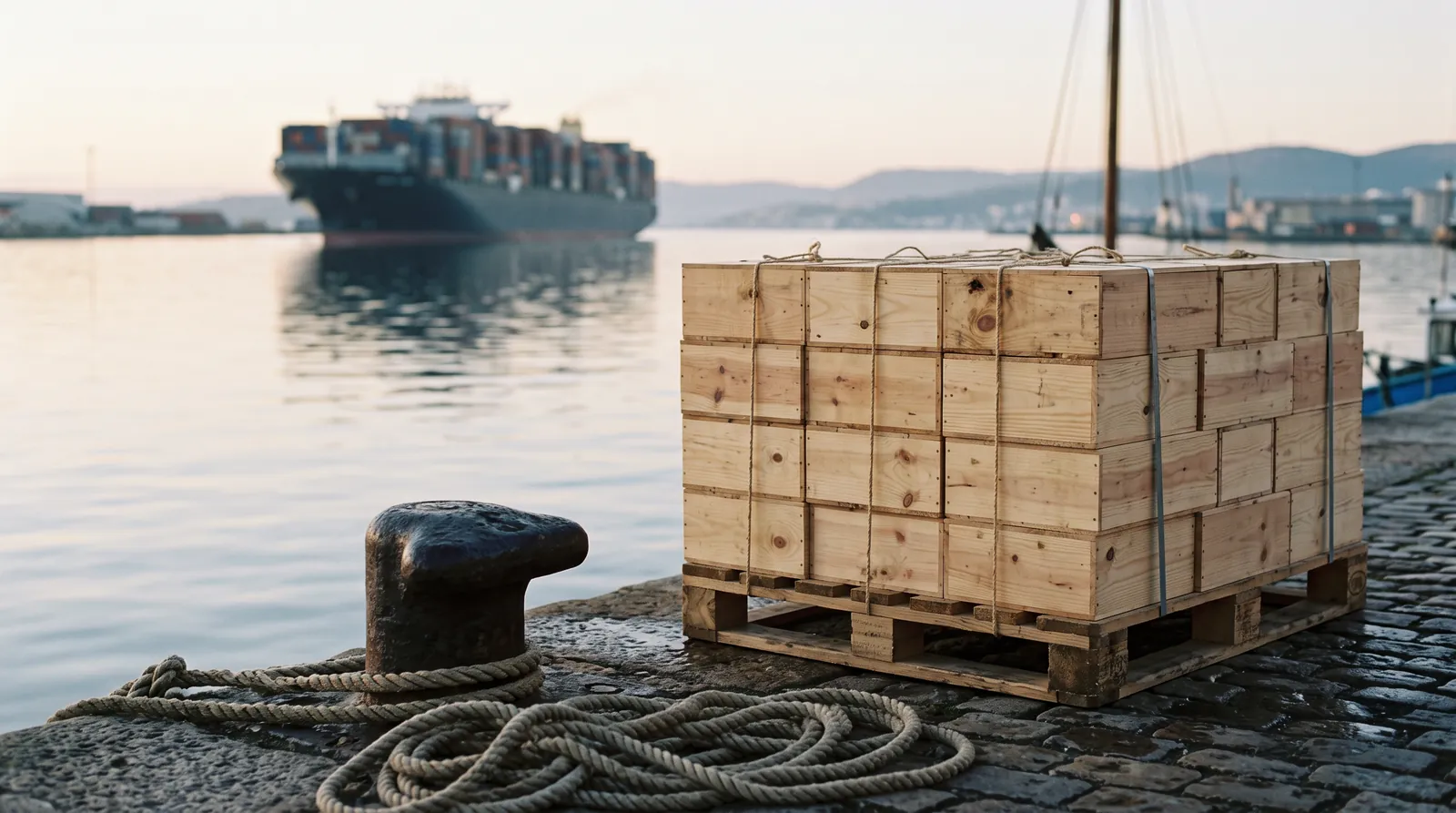
But wine differs in important ways. It can spoil if stored badly. It is heavy, fragile and expensive to move. Its quality changes over time, for better and eventually for worse. And it is meant to be consumed, which is what makes the supply shrink in the first place. Those differences add costs and risks that a card in a plastic sleeve does not have.
Worked example: a vintage that keeps shrinking
Here is a made-up estate with round numbers. It bottles 120,000 bottles of one vintage, and each year about 10,000 of them are drunk, broken or spoiled.
| Bottles when the vintage is released | 120,000 |
|---|---|
| Bottles left after 5 years (120,000 minus 5 × 10,000) | 70,000 |
| Bottles left after 10 years (120,000 minus 10 × 10,000) | 20,000 |
| Buyers in year 10 who would like one bottle at the old price | 60,000 |
| Buyers for each bottle left | 60,000 ÷ 20,000 = 3 |
With three would-be buyers for every remaining bottle, sellers can raise the price until two in three buyers drop out. The price rises not because the wine changed but because the stock shrank while demand held up. If demand had fallen instead, the price could have fallen despite the shrinking stock.
Key words
- Supply
- How much of something is available for sale.
- Demand
- How much of something people want to buy at each possible price.
- Market price
- The price at which the amount buyers want roughly matches the amount sellers offer.
- 빈티지
- The year the grapes were harvested, and the wine made from that year's harvest.
- Inelastic supply
- Supply that barely changes when the price changes, like the output of a fixed, famous vineyard.
- Surplus
- More of something than buyers want at the current price.
Check your understanding
Why can a top Bordeaux estate not simply make more of a famous old vintage when prices rise?
Show the answer
Because a vintage comes from one year's harvest. Once it is bottled, no more can ever be made, and the stock only shrinks as bottles are drunk.
Explain why everyday wine prices stay fairly steady even when demand rises.
Show the answer
Producers can respond by planting more, buying more grapes or importing wine, so supply grows to meet demand and prices do not need to rise much.
In the worked example, how many bottles would be left after 8 years?
Show the answer
120,000 minus 8 × 10,000 = 40,000 bottles.
Give one way fine wine is different from a rare trading card.
Show the answer
Wine can spoil, is expensive to store and move, changes in quality over time, and is meant to be drunk, which removes it from the market.
Go deeper on Corkonomics
Sources and further reading
- World wine statistics and reports International Organisation of Vine and Wine (OIV)
- Fine wine market data and indices Liv-ex
- Journal of Wine Economics Cambridge University Press / American Association of Wine Economists
Research and education only. Nothing here is investment advice.
Next chapterHow collectors buy: release, en primeur, allocations and merchants← Previous chapterAll chapters