 Bordeaux
 Burgundy
 Champagne
 Rhône
Rhône Napa Valley
 Tuscany
 Piedmont
 Mosel
Mosel Oregon
 Rioja
Rioja California sparkling
 Valais and Lavaux
 England
 Douro
Douro Etna
Etna Mendoza
 Marlborough
 Stellenbosch
 Barossa Valley
 Tasmania
 Beaujolais
 Jura
Jura Alsace
 Loire
Loire Provence
 Ribera del Duero
 Sonoma
 Giá đất
 Năm tốt và năm xấu
 Appellations
 Các vườn nho nổi tiếng
 Những chai vang nổi tiếng
 Ai sản xuất chúng
 Tìm một vintage
 So sánh rượu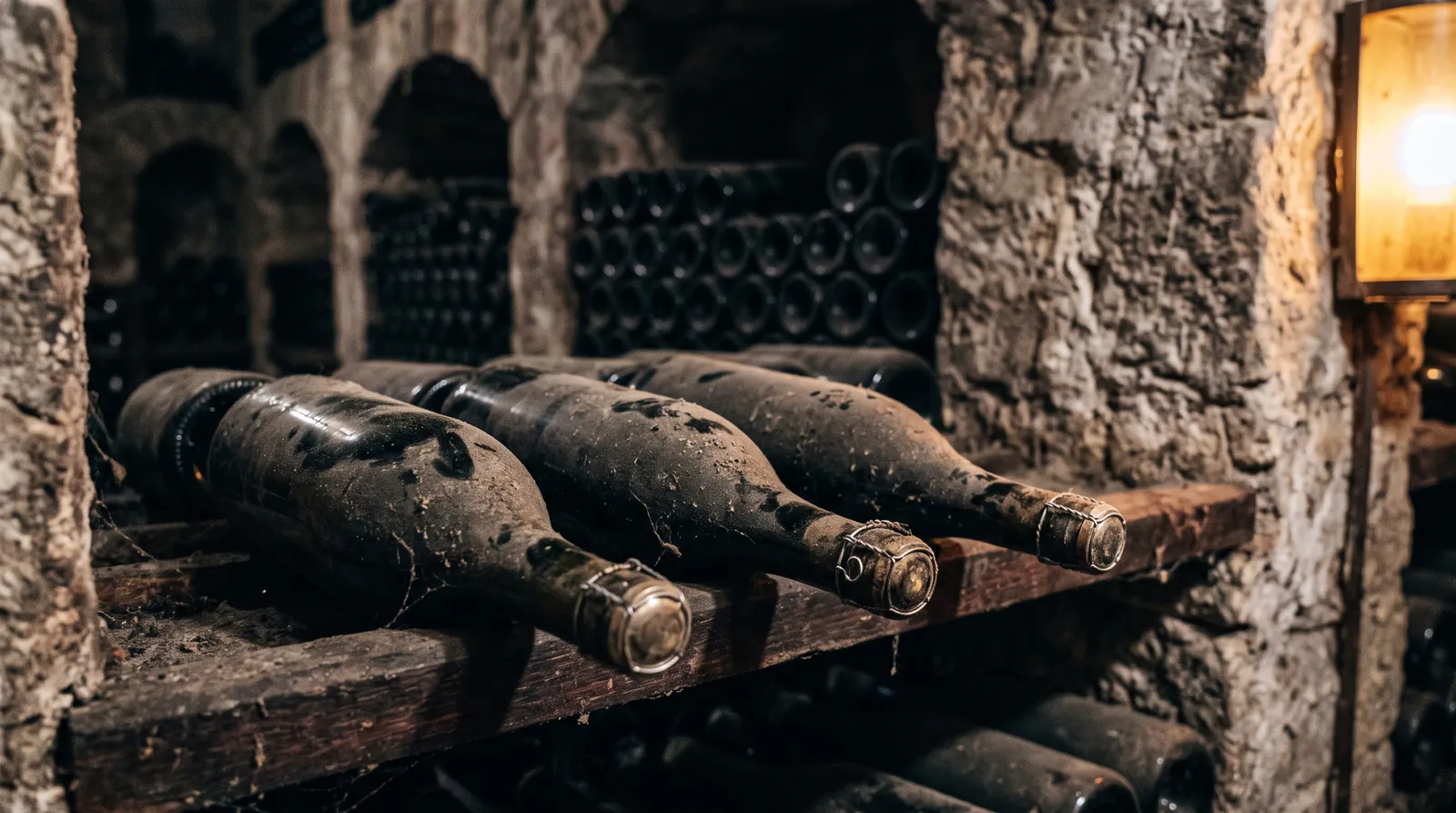
Most wine is made to be drunk now
Walk into a supermarket and nearly every bottle on the shelf was made to be enjoyed within a year or two. That is not a criticism. Fresh, fruity wine is what most people want with dinner, and keeping it for ten years would usually make it worse, not better.
Only a very small share of the world's wine is worth collecting. A collectible is something people keep because it may give them pleasure, status or money later, not just today. Stamps, trading cards, classic cars and rare sneakers are all collectibles. Wine is unusual because it is also a drink: every bottle that is opened is gone for ever.
Age-worthiness: wine that gets better
The first test is whether a wine can improve in the bottle. Some wines have lots of tannin (the drying, grippy feeling from grape skins and oak), acidity and concentrated flavour. Over ten, twenty or even fifty years those parts soften and blend, and new flavours appear. Wine people call the best period for opening a bottle its drinking window.
If a wine can be enjoyed for decades, a bottle bought today can still be wanted long after most of its neighbours have been drunk. That long life is what makes a resale market possible at all.
Think about it: why would nobody pay extra in ten years for a bottle that tastes worse after two?
Reputation, track record and critics
Buyers pay for proof. A wine that has aged beautifully for a century, vintage after vintage, has a track record. That history lowers the risk for the next buyer, who can read old tasting notes and auction results instead of guessing.
Some reputations are written down. The 1855 Bordeaux classification ranked the Médoc's leading estates into five tiers, and those rankings still shape prices today. Burgundy names its very best vineyards grand cru. Wine critics add another layer: a very high score from a famous critic can lift demand for a wine almost overnight, because buyers use scores as a shortcut for quality.
Scarcity and recognisable names
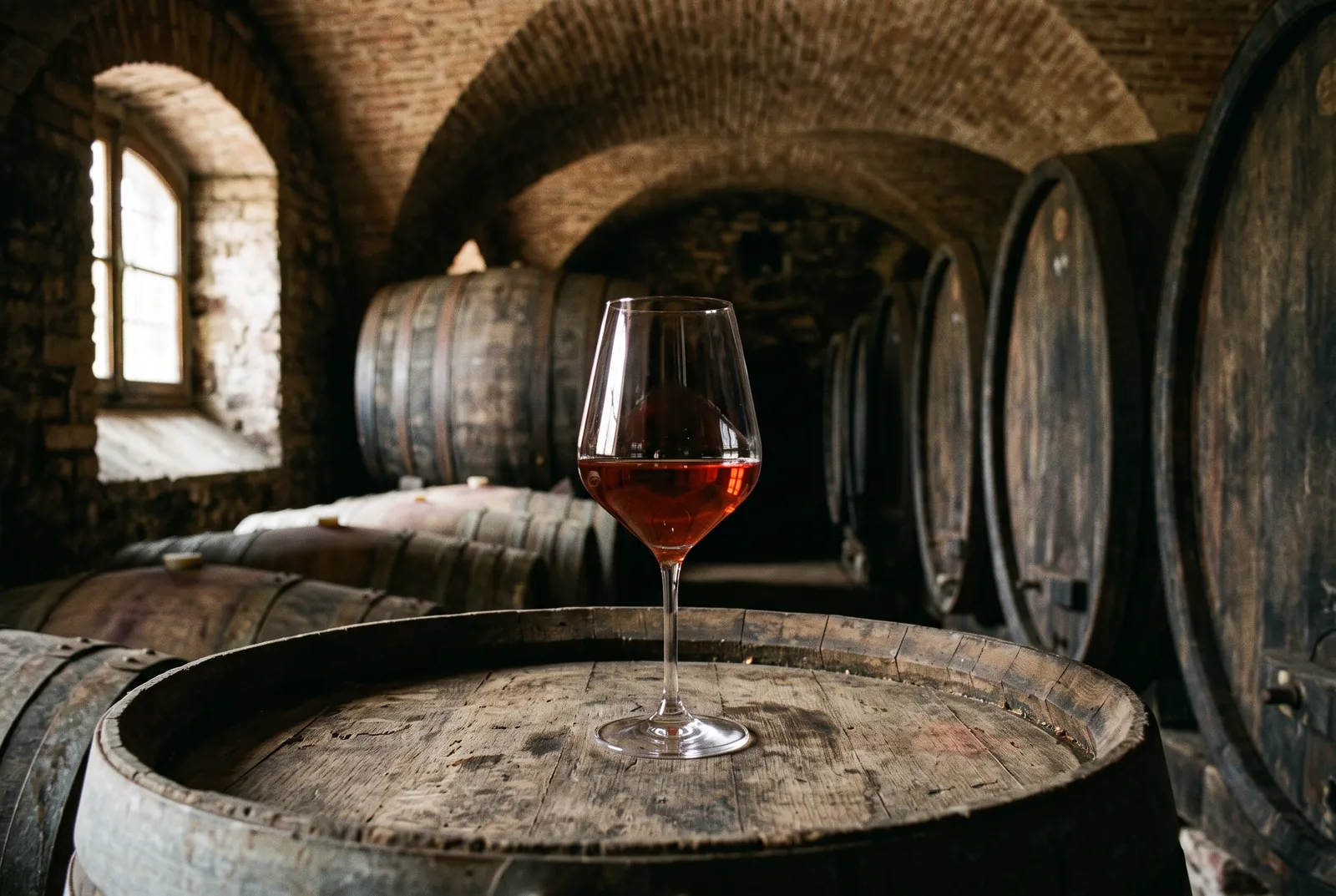
Scarcity means there is not enough of something for everyone who wants it at a low price. A top Burgundy vineyard may be only a few hectares, shared between several growers, so each producer might make just a few hundred cases a year. No amount of money can make that hillside any bigger.
Collectors also cluster around names that people all over the world recognise. A small group of regions dominates the collecting market:
- Bordeaux, especially the classified growths of the Left Bank and the top estates of Pomerol and Saint-Émilion.
- Burgundy, where tiny vineyard plots and small producers make supply very tight.
- Champagne, especially vintage and prestige cuvées that can age for decades.
- Barolo and Barbaresco in Piedmont, made from the slow-ageing Nebbiolo grape.
- Napa Valley Cabernet Sauvignon, including small "cult" wineries sold mainly by mailing list.
Collecting to drink versus collecting to resell
Most people who collect wine do it to drink it. They buy wines young, when they are cheaper and easier to find, and keep them until they are ready. Their reward is a great bottle at a birthday or a wedding twenty years later.
A smaller group buys mainly hoping to sell later for more. That is a very different activity, closer to trading than to enjoying a hobby, and it brings costs and risks that later chapters explore in detail: fees, storage, fakes, and prices that can fall as well as rise. Being clear about which kind of collector you are is the first sensible step.
A useful question for any collector: if the price of this bottle halved tomorrow, would I still be happy to drink it?
A famous name works like a brand
Economists call goods that people buy more of as they grow richer, and that carry prestige, luxury goods. Designer handbags, fine watches and the most famous wines all fall into this group. Part of what the buyer pays for is the liquid in the glass. Part is the name on the label and what it says to other people.
A producer's name works like a brand: a promise of quality that buyers recognise without having to taste. Building that promise takes decades of consistent wine, and it can be damaged quickly by a run of poor vintages or a scandal. That is one reason the most collectible estates are often very old, and why they guard their reputations carefully, for example by selling off wine they think is not good enough under a different label.
Brands also help with resale. A buyer in Hong Kong, London or New York may never have visited Burgundy, but they know the most famous names. The wider the circle of people who recognise a wine, the more potential buyers there are when an owner wants to sell, and the easier it is to agree a fair price. A wine that only a few local experts know may be just as delicious, but its pool of buyers is tiny.
This is where the drink and the collectible part company. Quality in the glass is about grapes, weather and skill. Value in the market is about reputation, scarcity and how many people are competing for the same bottles. The two are linked, but they are not the same thing, and the rest of this track keeps returning to that gap.
Why so few wines qualify
Put the tests together and the list shrinks fast. A wine must age well, have a long and trusted history, come from a famous place, be made in small amounts, and be wanted by buyers in many countries. Thousands of very good wines tick some of those boxes. Only a few hundred names tick all of them, and those few make up most of the trading on fine-wine markets and at auction.
That is also why a delicious wine from a lesser-known region can be wonderful value to drink but almost impossible to resell: there are simply not enough buyers who know its name.
Worked example: how small the collectible slice is
Here is a made-up wine country with round numbers, to show how quickly the collectible share shrinks. The percentages are invented for the example, not real statistics.
| Bottles made in one year | 100,000,000 |
|---|---|
| Share able to age well for 15+ years (made-up 1%) | 1,000,000 |
| Share of those with an active resale market (made-up 10%) | 100,000 |
| Collectible bottles as a share of all bottles | 100,000 ÷ 100,000,000 = 0.1% |
Even with generous made-up numbers, only one bottle in a thousand ends up as a true collectible. Everything else is made to be drunk, which is exactly what most wine is for.
Key words
- Collectible
- Something people keep and trade because they value owning it, not only using it, such as trading cards, stamps or fine wine.
- Drinking window
- The span of years when a wine is expected to taste at its best.
- Track record
- A long history of how a wine has aged and what it has sold for, which helps new buyers judge it.
- Khan hiếm
- When there is less of something than people would like to have at a low price, so it has to be shared out by price or by luck.
- Classified growth
- One of the Bordeaux estates ranked in the 1855 classification.
- Grand cru
- In Burgundy, the top rank of vineyard; in some other regions the term has a different meaning.
Check your understanding
Give two reasons an everyday supermarket wine is hard to resell after ten years.
Show the answer
It was not made to age, so it will probably taste worse, and there is no track record or famous name that would make other buyers want it.
Why does a long track record lower the risk for a buyer?
Show the answer
Because the buyer can look at decades of tasting notes and past prices instead of guessing how the wine will age and what others will pay.
What is the difference between collecting to drink and collecting to resell?
Show the answer
Collecting to drink means buying wine to open yourself when it is ready. Collecting to resell means buying in the hope of selling for more, which brings extra costs and risks.
Name three regions whose wines dominate the collecting market.
Show the answer
Any three of Bordeaux, Burgundy, Champagne, Barolo (Piedmont) and Napa Valley.
Go deeper on Corkonomics
Sources and further reading
- The Oxford Companion to Wine Jancis Robinson and Julia Harding, eds., Oxford University Press
- Fine wine market data and indices Liv-ex
Research and education only. Nothing here is investment advice.
Next chapterSupply and demand for fine wine