 Bordeaux
 Burgundy
 Champagne
 Rhône
Rhône Napa Valley
 Tuscany
 Piedmont
 Mosel
Mosel Oregon
 Rioja
Rioja California sparkling
 Valais and Lavaux
 England
 Douro
Douro Etna
Etna Mendoza
 Marlborough
 Stellenbosch
 Barossa Valley
 Tasmania
 Beaujolais
 Jura
Jura Alsace
 Loire
Loire Provence
 Ribera del Duero
 Sonoma
 Giá đất
 Năm tốt và năm xấu
 Appellations
 Các vườn nho nổi tiếng
 Những chai vang nổi tiếng
 Ai sản xuất chúng
 Tìm một vintage
 So sánh rượu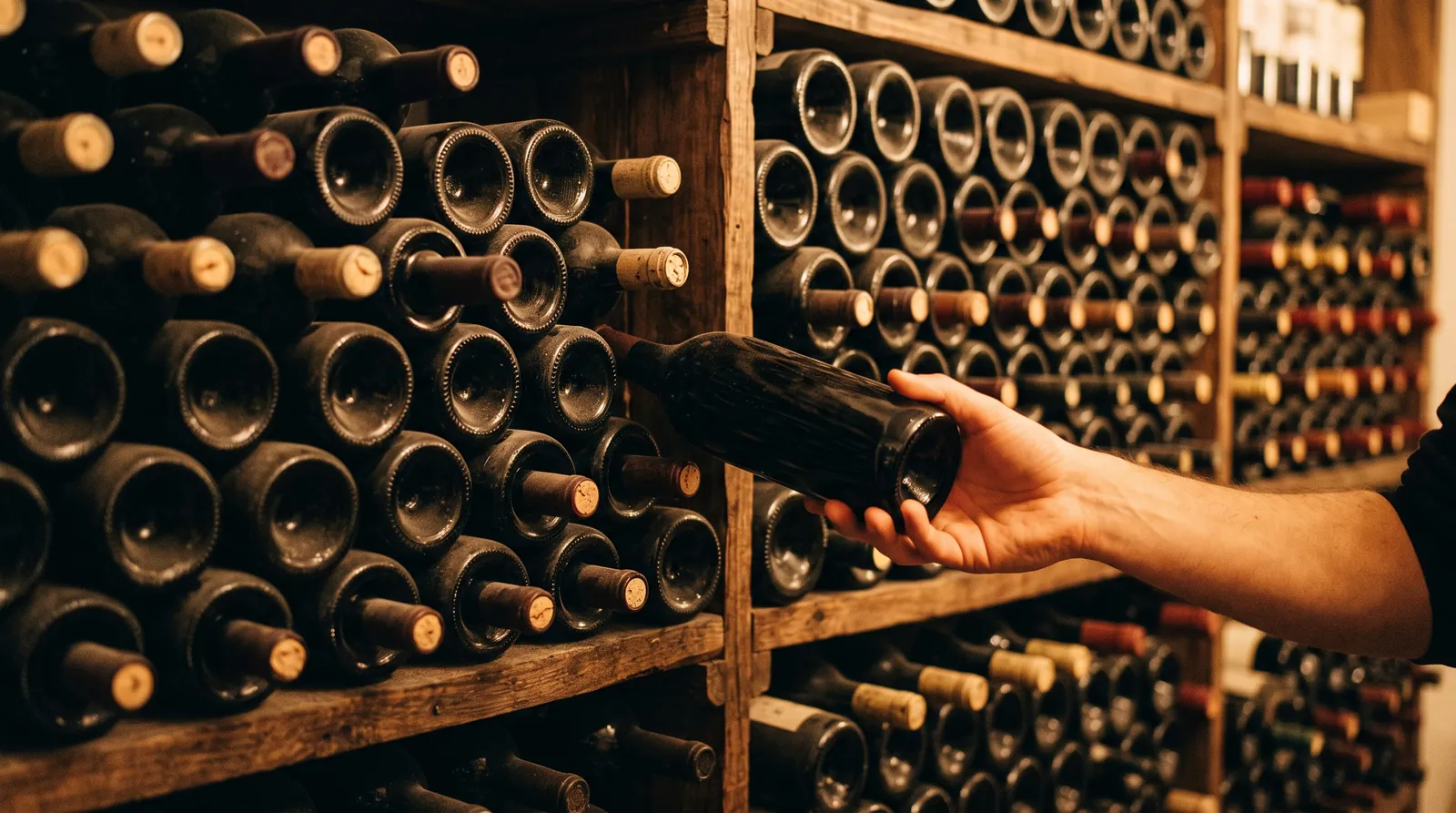
A tiny share of the world's wine is bought to be kept for years, and an even smaller share is ever sold again. That small corner of the market is a living lesson in supply and demand, scarcity, auctions, trust, inflation and risk.
This is research and education, not advice. Nothing here says you should buy or sell any wine. The aim is that by the end you understand how the market works, can work out what a bottle really cost to own, and can spot a scam from a mile away.
Research and education only. Nothing here is investment advice.
What you will learn
- Explain what makes one wine collectible and another not
- Describe how fine wine is sold: on release, en primeur, through merchants and at auction
- Work out the real cost of buying, storing and selling a bottle
- Measure a return honestly, after costs and inflation
- Recognise the warning signs of counterfeits and investment scams
Read the chapters
Each chapter builds on the one before. Read them in order the first time.
-
 Chapter 1 · 7 phút đọc · Completed ✓
What makes a wine collectible
Almost every bottle of wine is drunk within months of being made. A tiny few are kept for decades and change hands for hundreds or thousands of dollars. What sets them apart?
-
 Chapter 2 · 7 phút đọc · Completed ✓
Supply and demand for fine wine
A great vintage is a fixed stock that gets smaller every time someone pulls a cork. Add new buyers from around the world and you have the recipe for rising prices, at least at the very top.
-
 Chapter 3 · 7 phút đọc · Completed ✓
How collectors buy: release, en primeur, allocations and merchants
Before a famous wine ever reaches an auction, it is sold for the first time. Who gets to buy it, when, and at what price is a small economy of its own.
-
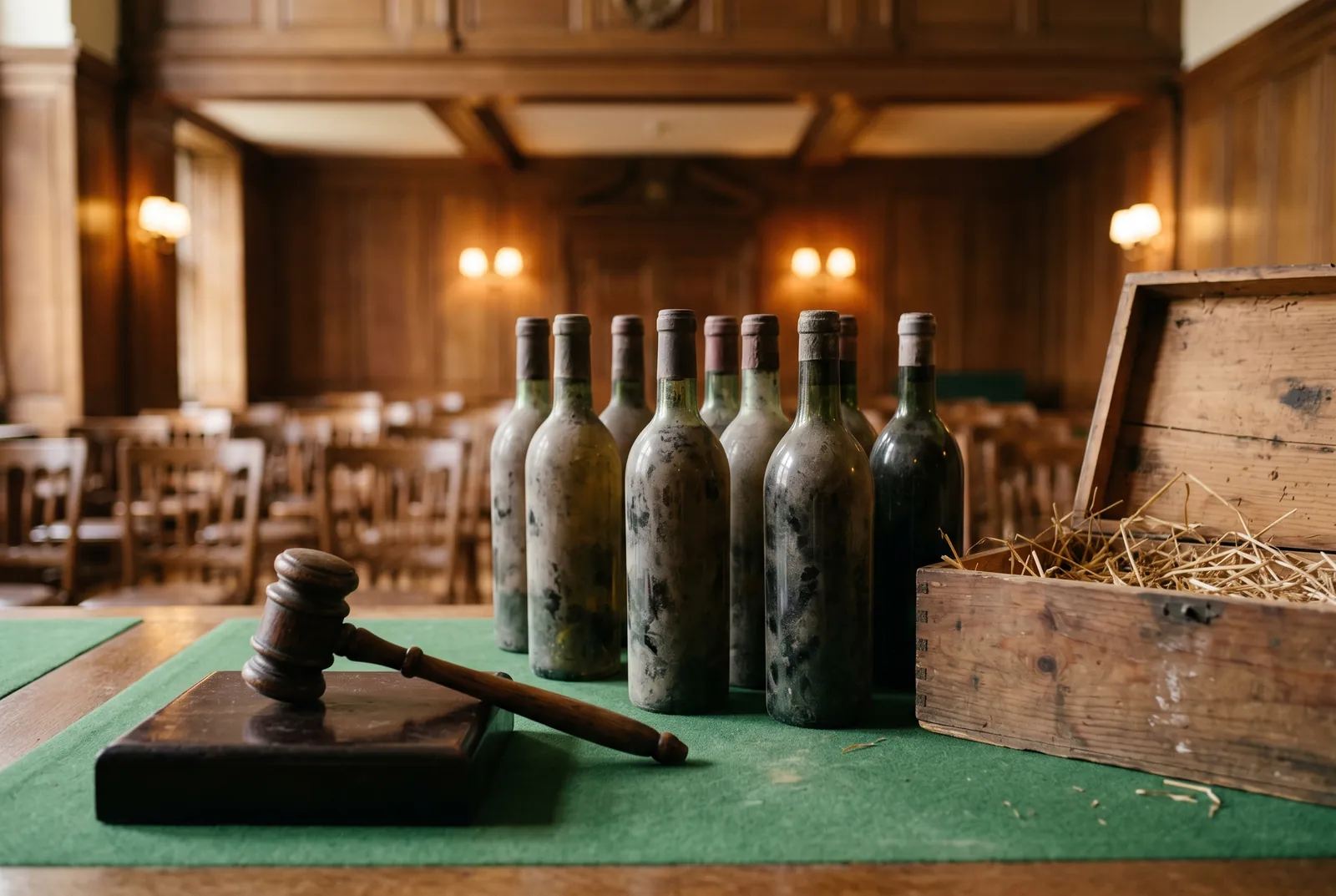 Chapter 4 · 8 phút đọc · Completed ✓
Auctions and the secondary market
The gavel comes down at $1,000. So the bottle is worth $1,000, right? Not quite. Fees on both sides mean the price a buyer pays and the money a seller receives can be hundreds of dollars apart.
-
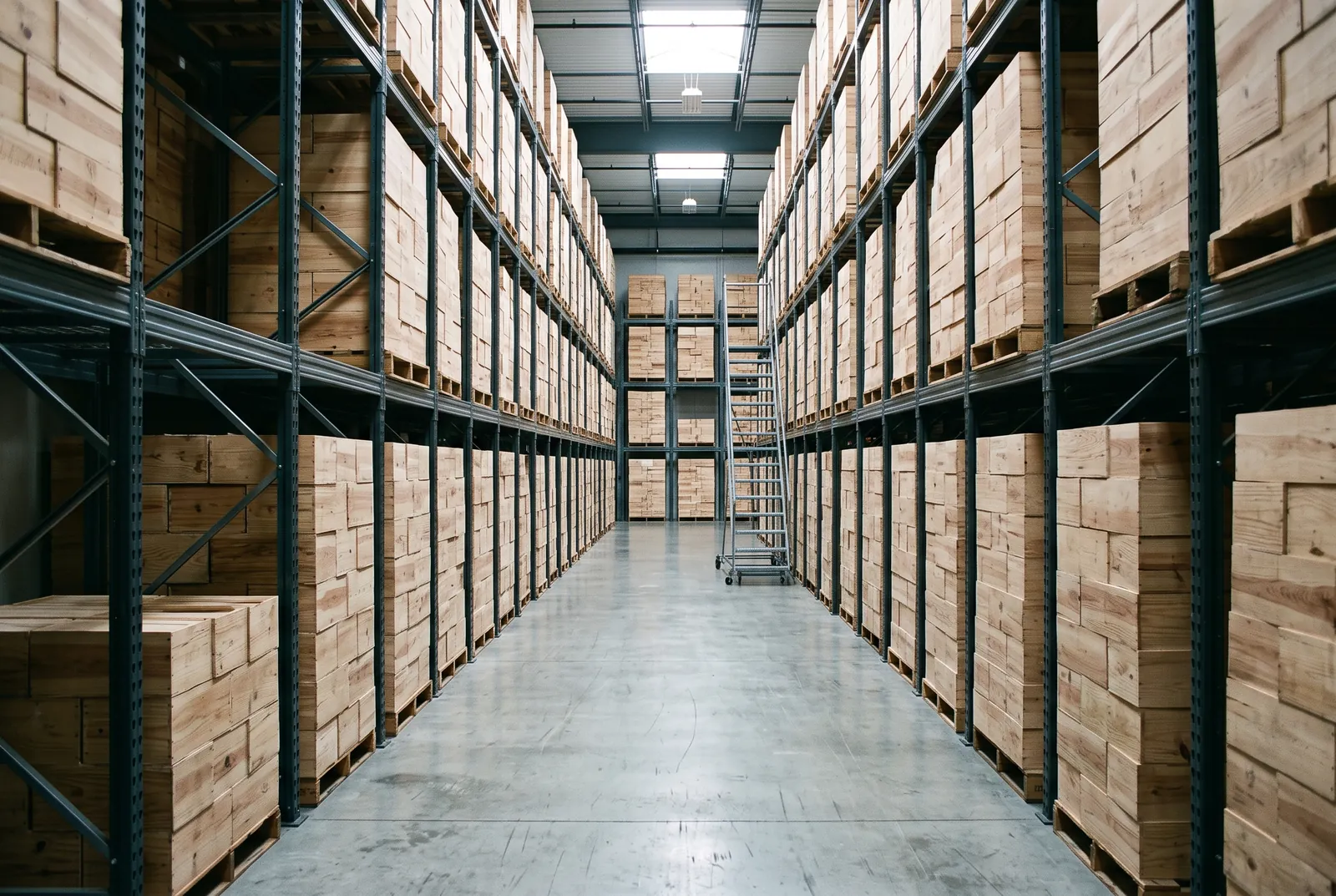 Chapter 5 · 7 phút đọc · Completed ✓
Storage, condition and provenance
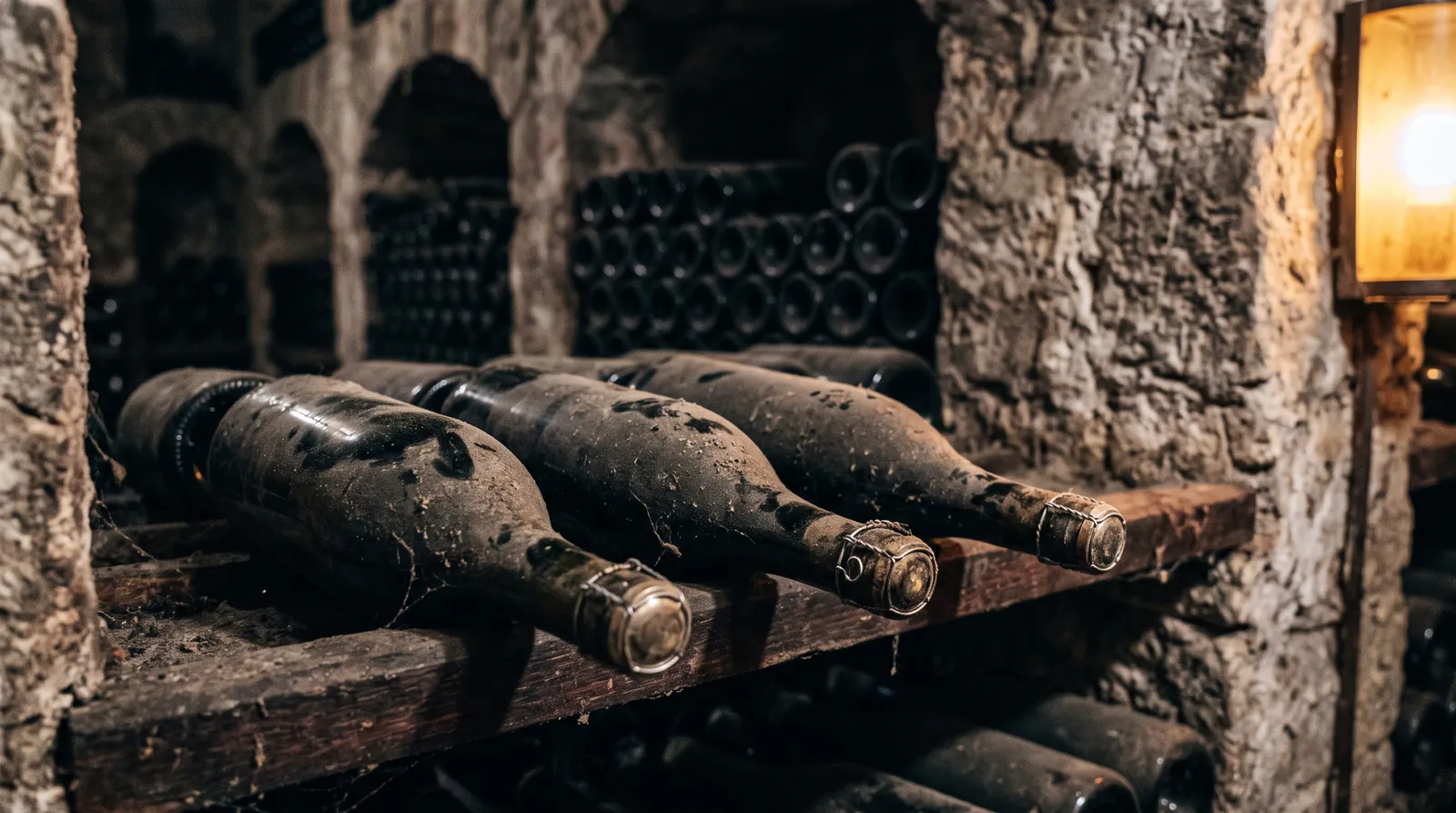
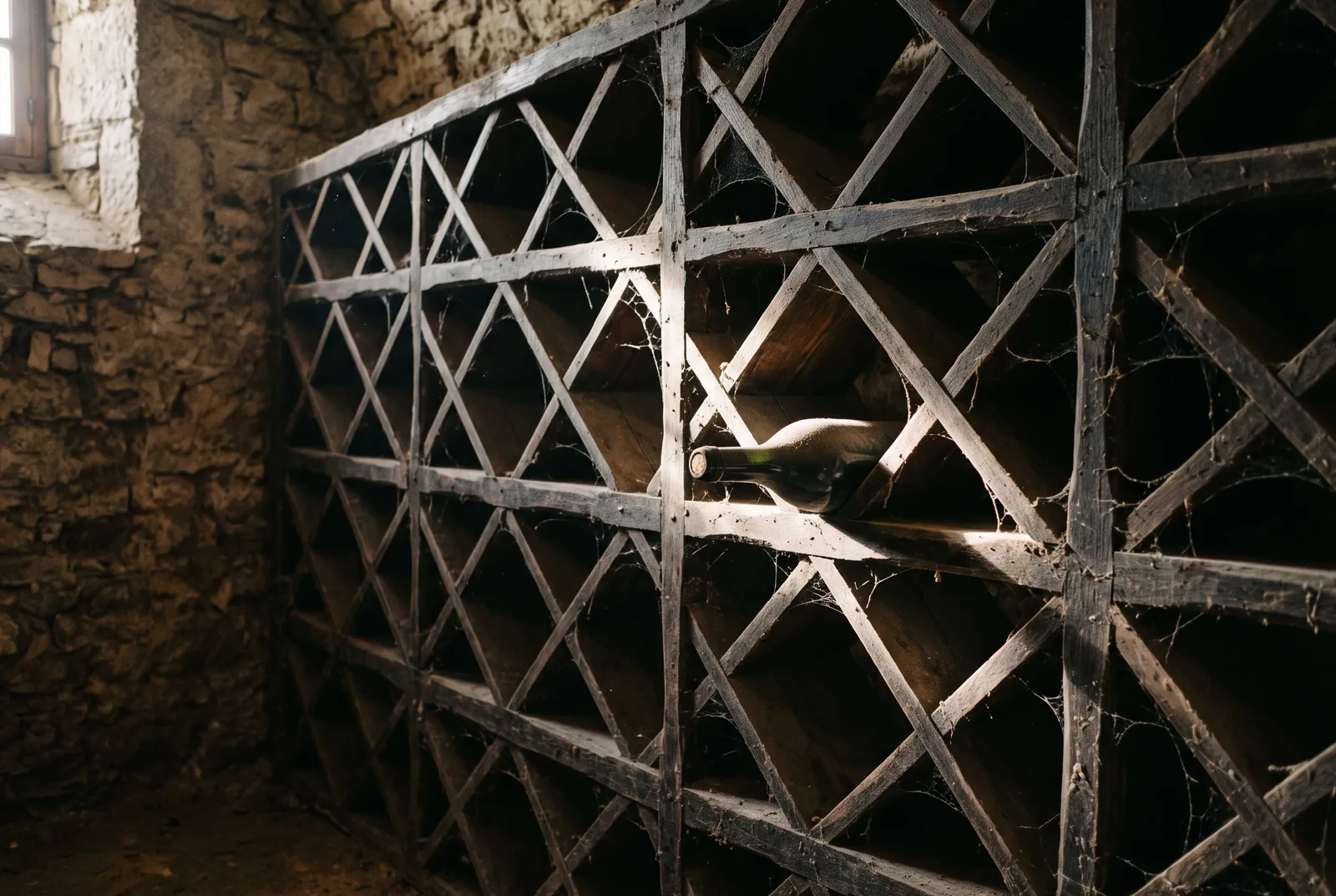
Two bottles of the same wine can sell for very different prices. The difference is not the label: it is where the bottle has been, how it was kept, and whether anyone can prove it.
-
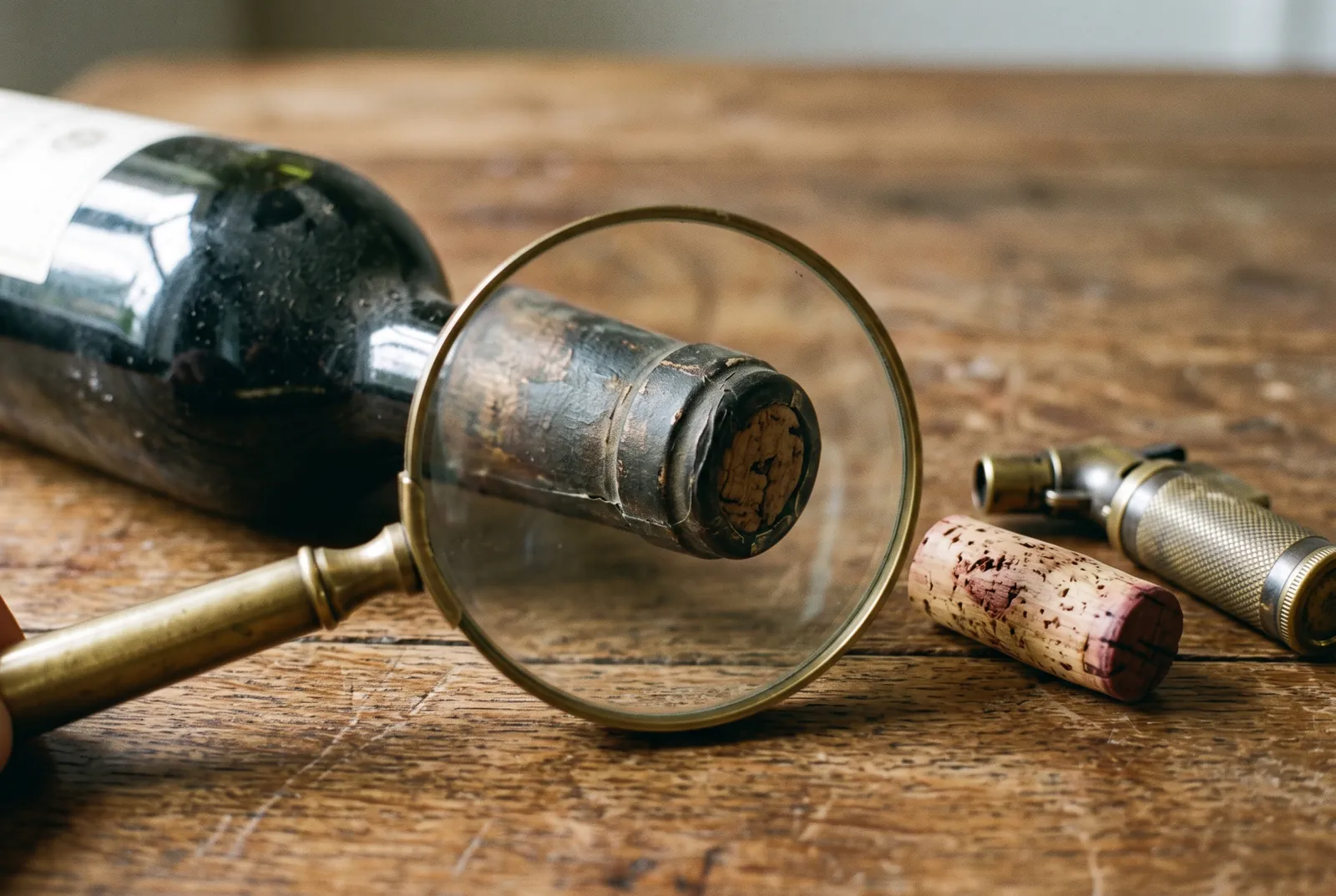 Chapter 6 · 8 phút đọc · Completed ✓
Counterfeits and fraud
Where there is a lot of money and a product that is hard to test without destroying it, fraud follows. Here is how fake wine and wine investment scams work, and how to spot them.
-
 Chapter 7 · 8 phút đọc · Completed ✓
Measuring returns honestly
"This wine doubled in ten years!" sounds impressive. After inflation, fees, storage and tax, the real story can look very different. Here is how to do the sums properly.
-
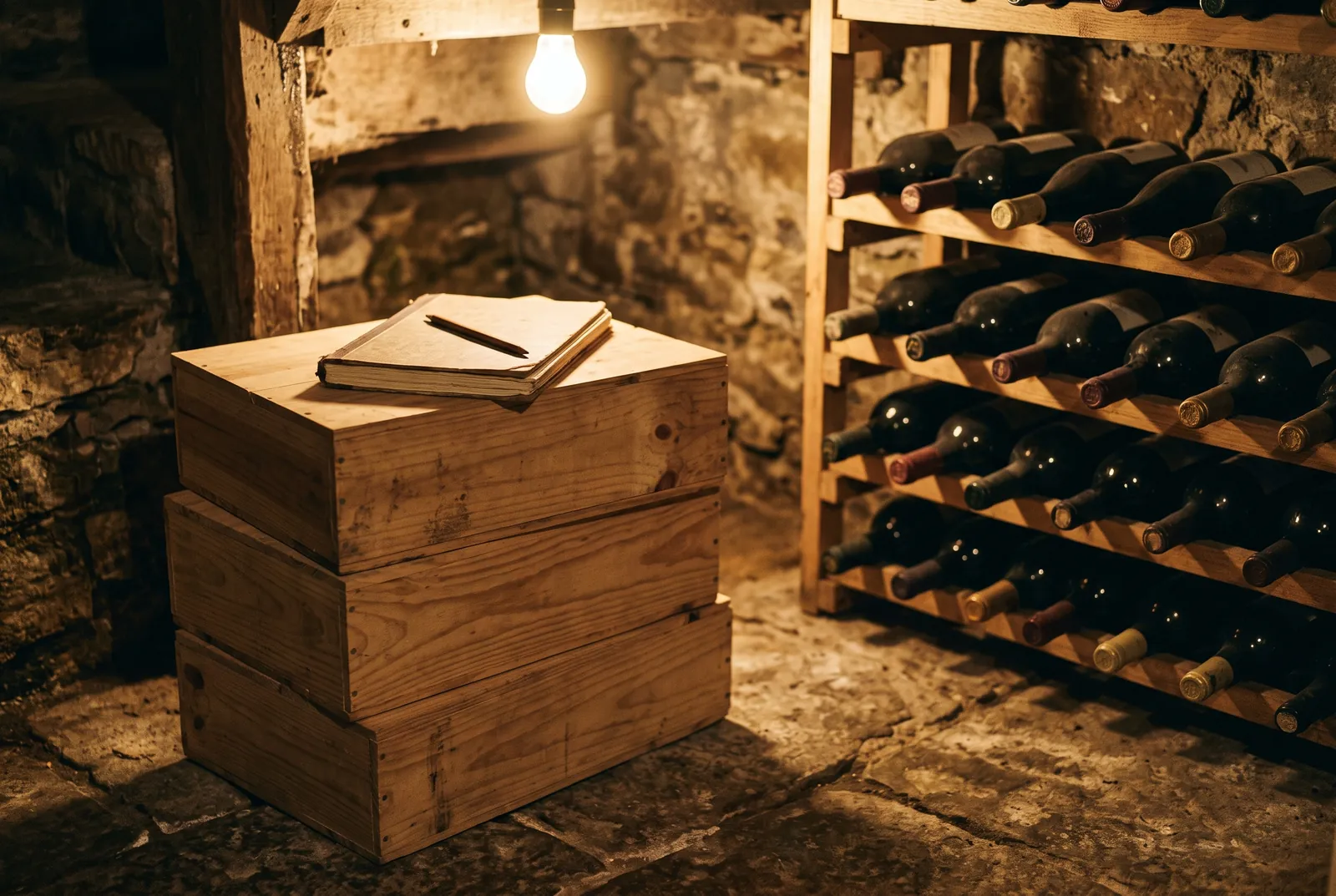 Chapter 8 · 8 phút đọc · Completed ✓
Building a collection sensibly
Collecting wine to drink can be one of the great pleasures of a lifetime. A little planning keeps it affordable, organised and fun, and turns every idea from this track into common sense.
Test yourself with a course
Every course takes less than thirty minutes.
-
 Beginner · Giới thiệu 18 minutes · 5 lessons · 10 questions
Fine wine collecting 101
Why a tiny share of the world's wine becomes something people collect, how supply and demand work when no more bottles can ever be made, and how collectors actually get hold of them.
-
 Intermediate · Giới thiệu 18 minutes · 5 lessons · 10 questions
Auctions, storage and fakes
What a bottle really costs at auction, why the price you can sell at is lower than the price you can buy at, and how storage, provenance and counterfeits decide what a bottle is worth.
-
 Intermediate · Giới thiệu 18 minutes · 5 lessons · 10 questions
Returns, risks and scams: thinking clearly about wine and money
How to read a claim like "wine has doubled in value": real versus nominal returns, compound growth, the costs that quietly eat returns, booms and busts, tax, and the warning signs of a scam. Strictly educational, never advice.
Further reading and data
- How fine-wine investing worksCorkonomics
A plain-English research note on how the fine-wine market functions, its costs and its risks.
- Scarcity: how many bottles surviveCorkonomics
Why the stock of a famous vintage shrinks over time, and what that means for prices.
- The Bordeaux cycle, 2005 to 2025Corkonomics
Two decades of boom and bust in the best-known collecting region.
- Provenance, storage and counterfeit riskCorkonomics
How condition, records and storage shape value, and how fakes slip into the market.
- Wine auctionsCorkonomics
Auction results and the fees that sit between the hammer price and what buyers and sellers really see.
- Fine wine market data and indicesLiv-ex
The trading platform behind the Liv-ex Fine Wine 100 and other widely followed fine-wine indices.
- ScamSmart: avoid investment scamsUK Financial Conduct Authority
The UK regulator's guide to spotting investment scams and checking whether a firm is genuine.
- Investor education and fraud alertsUS Securities and Exchange Commission
Free US guidance on how investments work, common frauds and how to check who you are dealing with.
- Capital gains and losses (Topic 409)US Internal Revenue Service
The official US explanation of capital gains tax, including the higher maximum rate on collectibles.
- Journal of Wine EconomicsCambridge University Press / American Association of Wine Economists
The leading academic journal on the economics of wine, including studies of fine-wine prices.
- The Oxford Companion to WineJancis Robinson and Julia Harding, eds., Oxford University Press
A standard reference book covering wine regions, ageing, storage and the wine trade.