 Bordeaux
 Burgundy
 Champagne
 Rhône
Rhône Napa Valley
 Tuscany
 Piedmont
 Mosel
Mosel Oregon
 Rioja
Rioja California sparkling
 Valais and Lavaux
 England
 Douro
Douro Etna
Etna Mendoza
 Marlborough
 Stellenbosch
 Barossa Valley
 Tasmania
 Beaujolais
 Jura
Jura Alsace
 Loire
Loire Provence
 Ribera del Duero
 Sonoma
 What land costs
 Good years and bad
 Appellations
 Famous vineyards
 Famous wines
 Who makes them
 Find a vintage
 Compare wines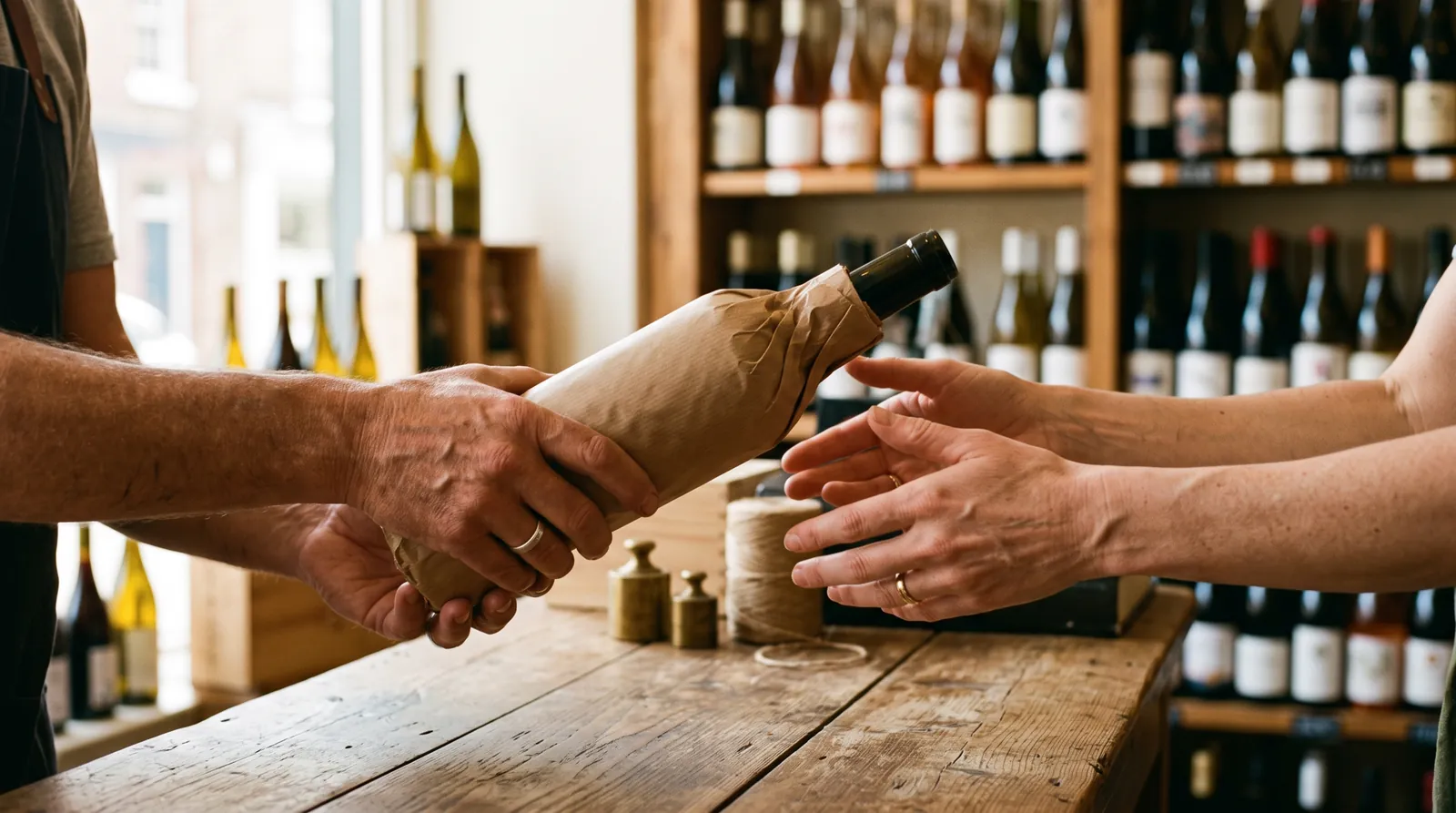
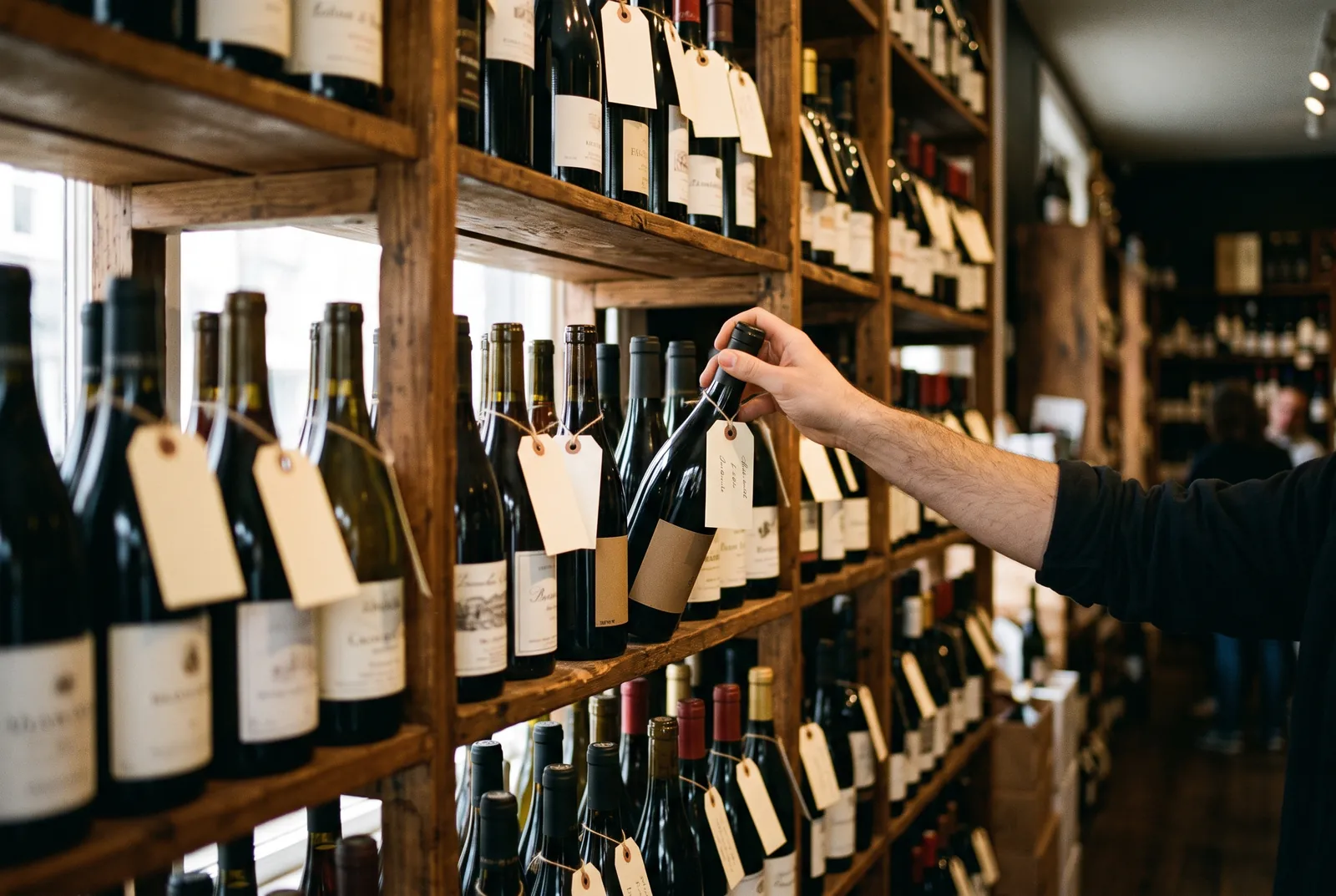
Start from what you already enjoy
Think about a wine you liked and remember two things: the grape and the place. If you enjoyed a Pinot Noir from Oregon, a Pinot Noir from Burgundy is a natural next step. Our grape pages suggest what to try next.
Ask. It is what they are there for
Tell the person in the shop, or the sommelier, what you usually drink and how much you want to spend. Something like: a soft red, not too heavy, around this price. Good staff love that question and never mind a modest budget.
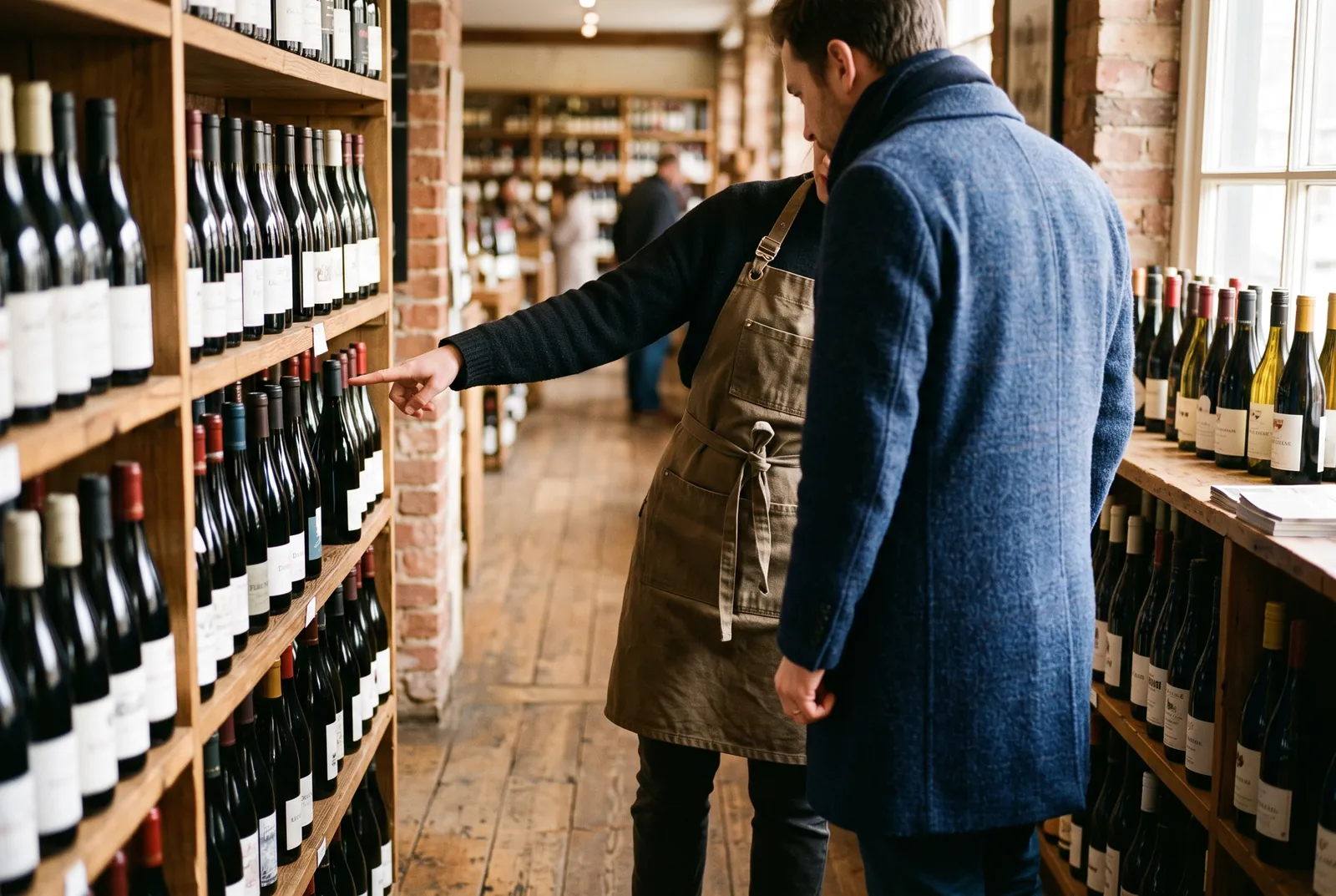
On price
More expensive does not always mean you will enjoy it more. Very cheap bottles leave little money for the wine itself once the glass, shipping and tax are paid for. Moving a few steps up from the cheapest shelf is usually where quality improves fastest. After that you are paying more and more for rarity and reputation.
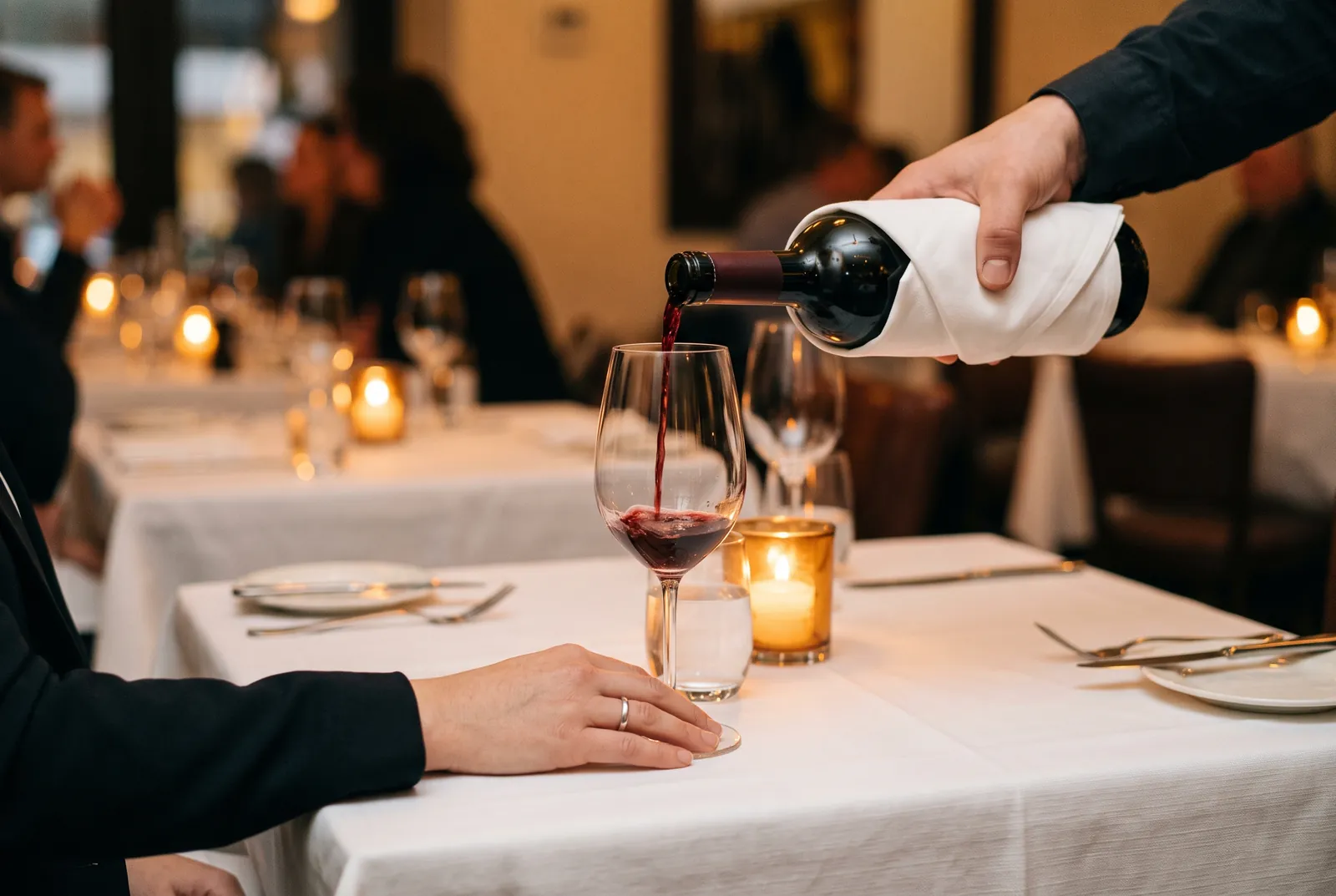
In a restaurant
Wine by the glass is a low-risk way to try something new. If you order a bottle, the small taste you are offered is only to check the wine is not faulty. A sniff is enough.
Keep a note
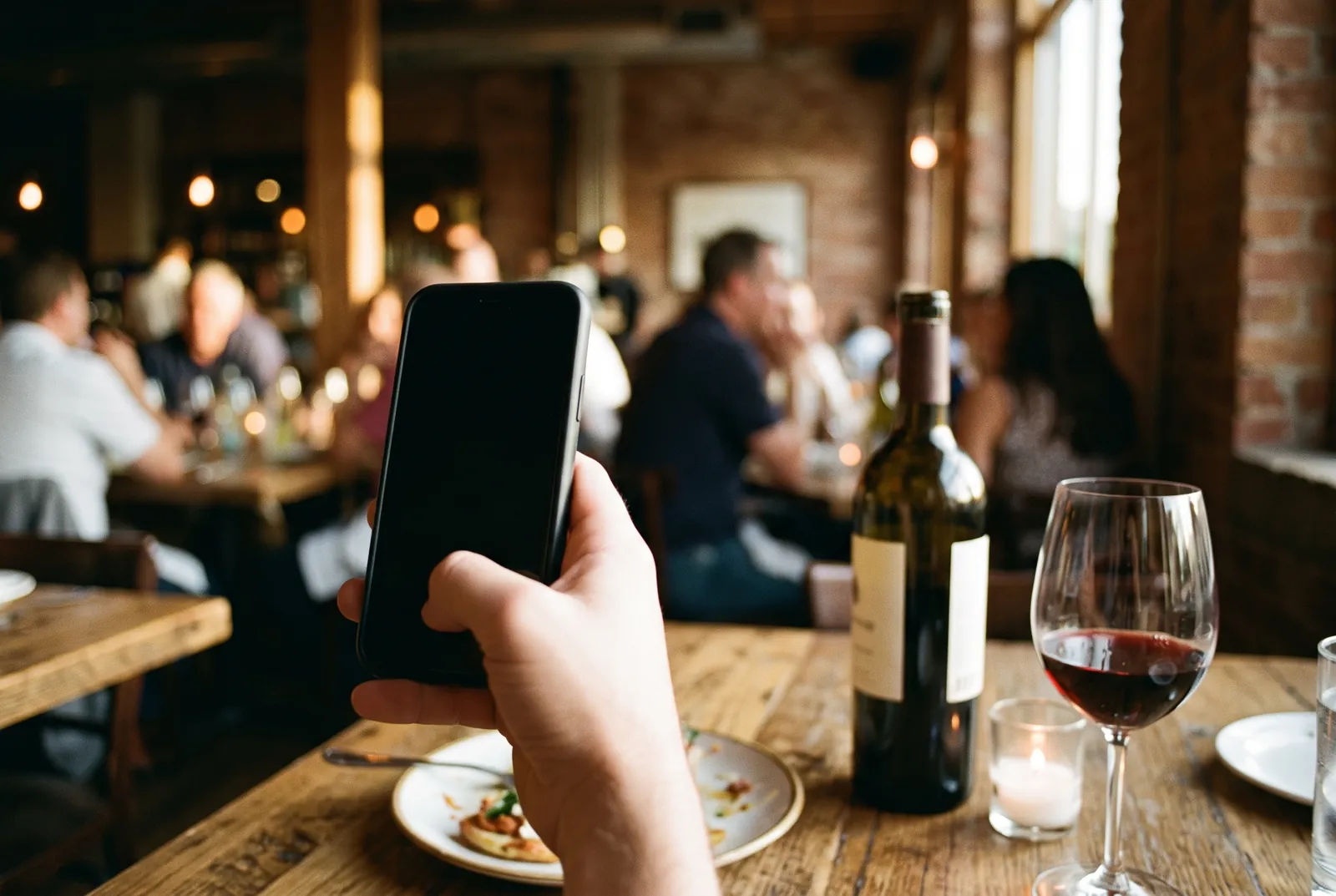
Take a photo of any label you enjoy. In a month you will not remember the name, and the photo is all a shop needs to find you something similar.
Curious where the money goes? See what a bottle really costs to make.
More short lessons
 3 min read
What a vintage is, and when it matters
The vintage is simply the year the grapes were picked. Weather changes every year, so the same wine can taste…
 4 min read
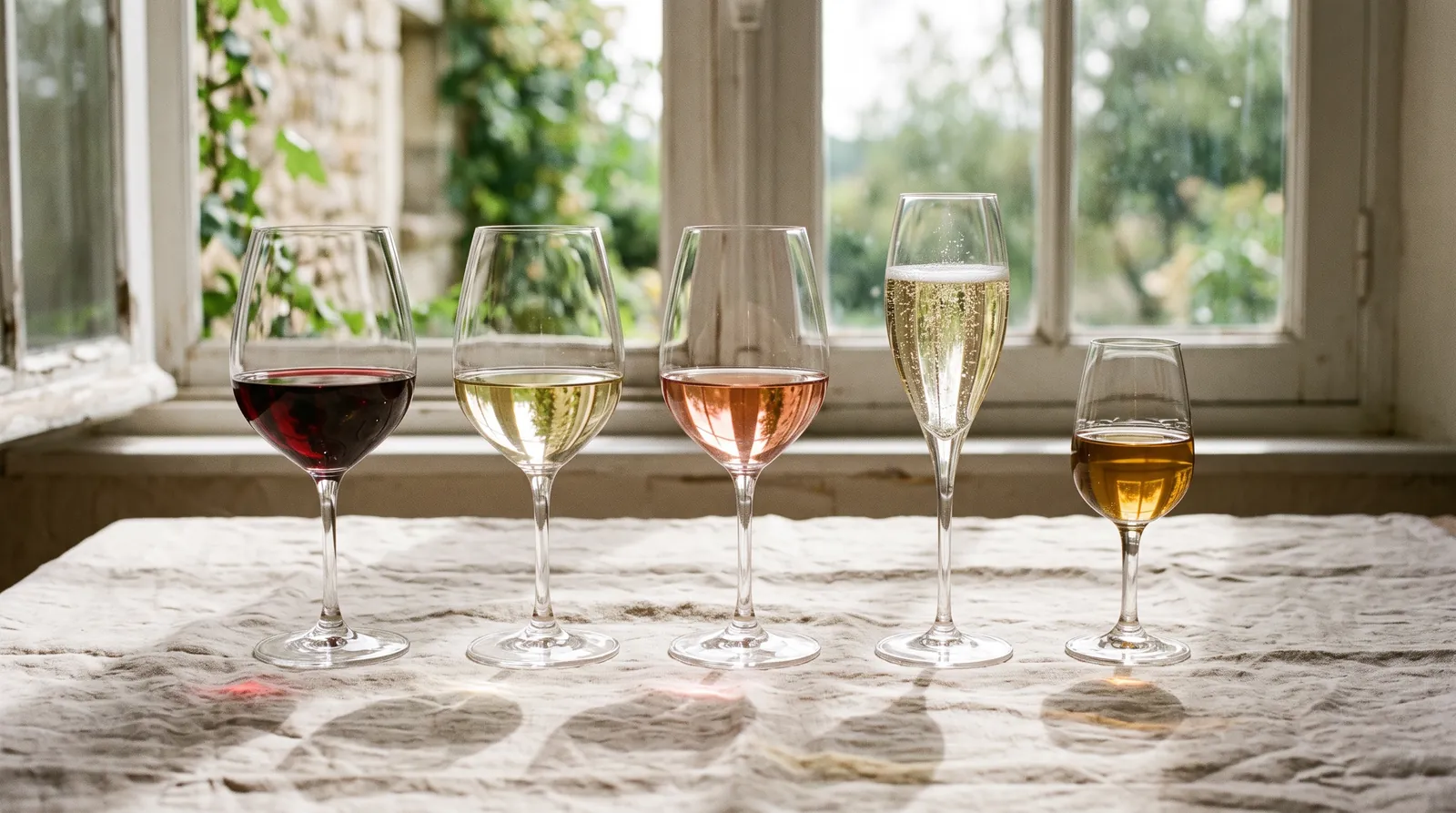
The five types of wine
Red, white, rosé, sparkling and sweet. Once you know what makes each one different, the wine aisle stops…
 4 min read
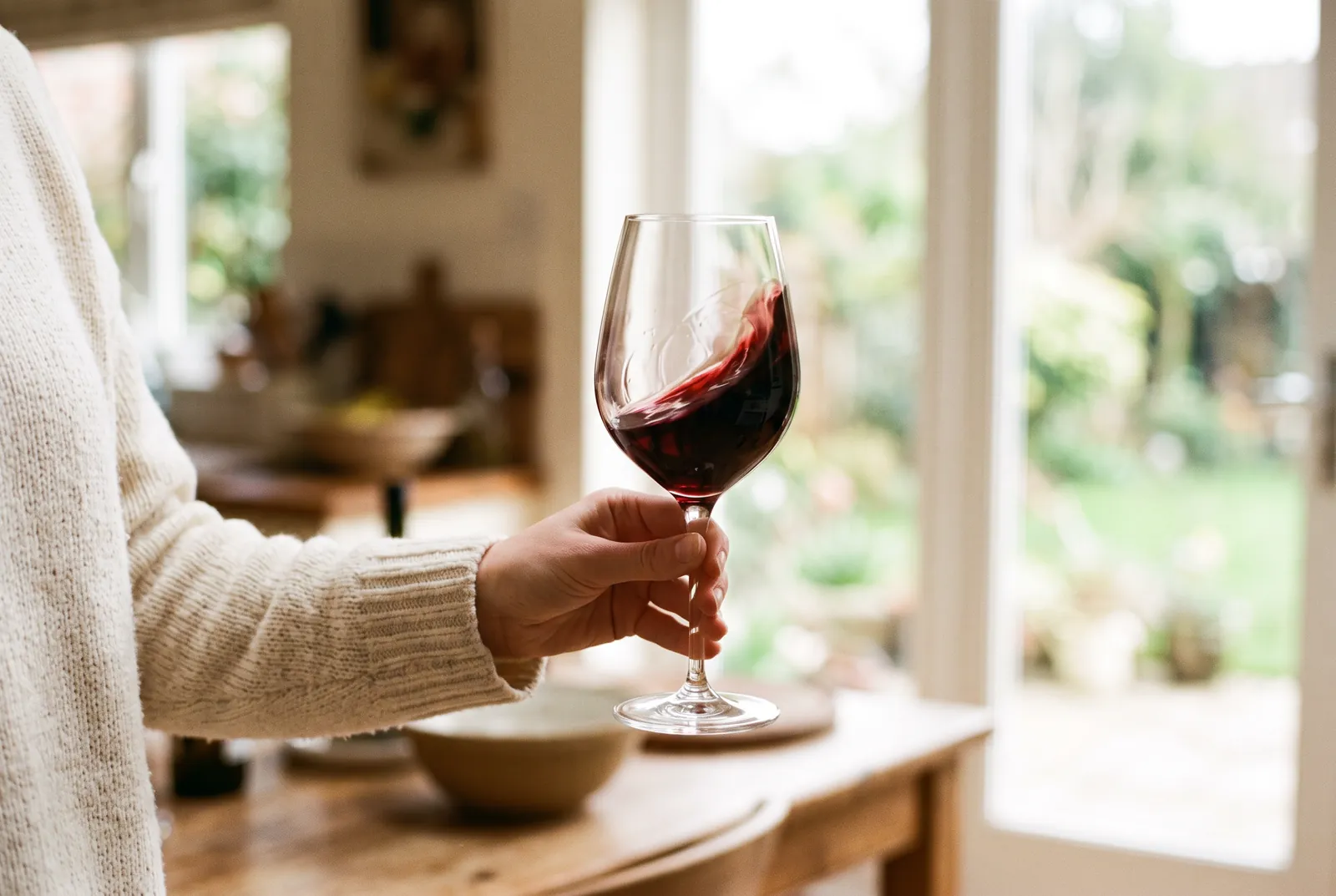
How to taste wine without feeling silly
Four small steps: look, swirl, sniff, sip. They take ten seconds and they really do make a glass more…