 Bordeaux
 Burgundy
 Champagne
 Rhône
Rhône Napa Valley
 Tuscany
 Piedmont
 Mosel
Mosel Oregon
 Rioja
Rioja California sparkling
 Valais and Lavaux
 England
 Douro
Douro Etna
Etna Mendoza
 Marlborough
 Stellenbosch
 Barossa Valley
 Tasmania
 Beaujolais
 Jura
Jura Alsace
 Loire
Loire Provence
 Ribera del Duero
 Sonoma
 Harga lahan
 Tahun baik dan tahun buruk
 Appellation
 Kebun anggur terkenal
 Wine terkenal
 Siapa yang membuatnya
 Temukan vintage
 Bandingkan wine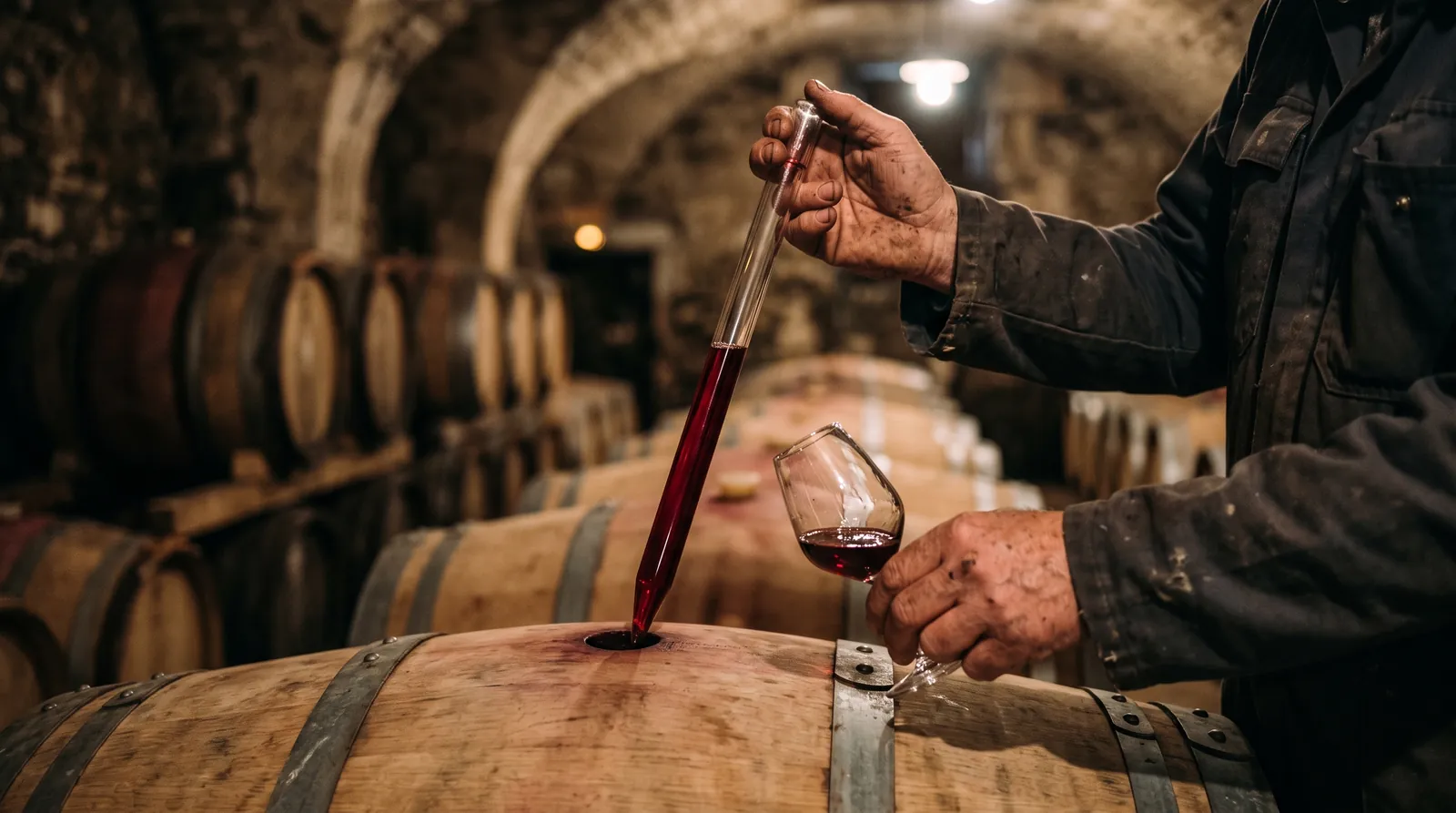
En primeur is the sale of Bordeaux wine in the spring after the harvest, eighteen months before delivery, at a price the château sets. The buyer pays now and takes the wine later; the château gets cash flow and the merchant gets an allocation. For decades the early price was below the later market price; for much of the 2020s it has not been.
How it works
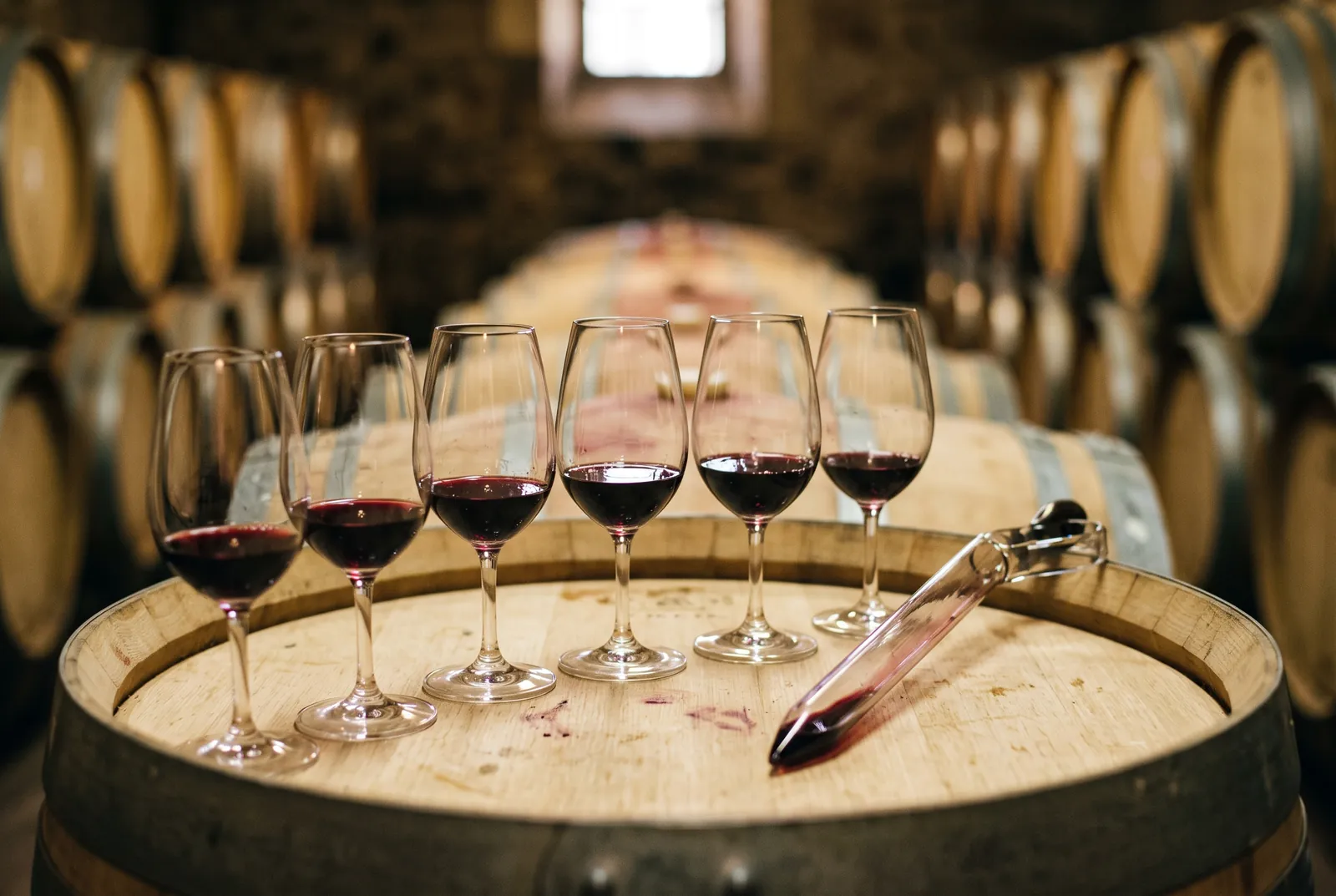
In April critics and merchants taste barrel samples in Bordeaux. From May the châteaux release prices in stages — a first tranche, sometimes a second at a higher price — through the Place's courtiers and négociants. Merchants around the world offer the wine to customers 'in bond', for delivery in about two years.
Why it existed
For the château, cash before the wine is finished and no inventory to carry. For the buyer, the lowest price the wine would ever have — if the vintage was good and the release was reasonable. The 1982 campaign, when early buyers paid a fraction of what the wine later fetched, is the founding myth.
Why it stopped working
After 2010 the release price was often above the market for comparable older vintages, so buyers had no reason to pay early. Latour left the system in 2012. The 2019 campaign, priced low into the pandemic, sold well; the 2022–2024 campaigns did not. The trade's verdict: en primeur is a discount for early commitment, and without the discount it is just a slower way to buy.