 Bordeaux
 Burgundy
 Champagne
 Rhône
Rhône Napa Valley
 Tuscany
 Piedmont
 Mosel
Mosel Oregon
 Rioja
Rioja California sparkling
 Valais and Lavaux
 England
 Douro
Douro Etna
Etna Mendoza
 Marlborough
 Stellenbosch
 Barossa Valley
 Tasmania
 Beaujolais
 Jura
Jura Alsace
 Loire
Loire Provence
 Ribera del Duero
 Sonoma
 تكلفة الأرض
 سنوات جيدة وأخرى سيئة
 التسميات الجغرافية
 الكروم الشهيرة
 نبيذ مشهور
 من يصنعها
 ابحث عن خمر
 مقارنة النبيذ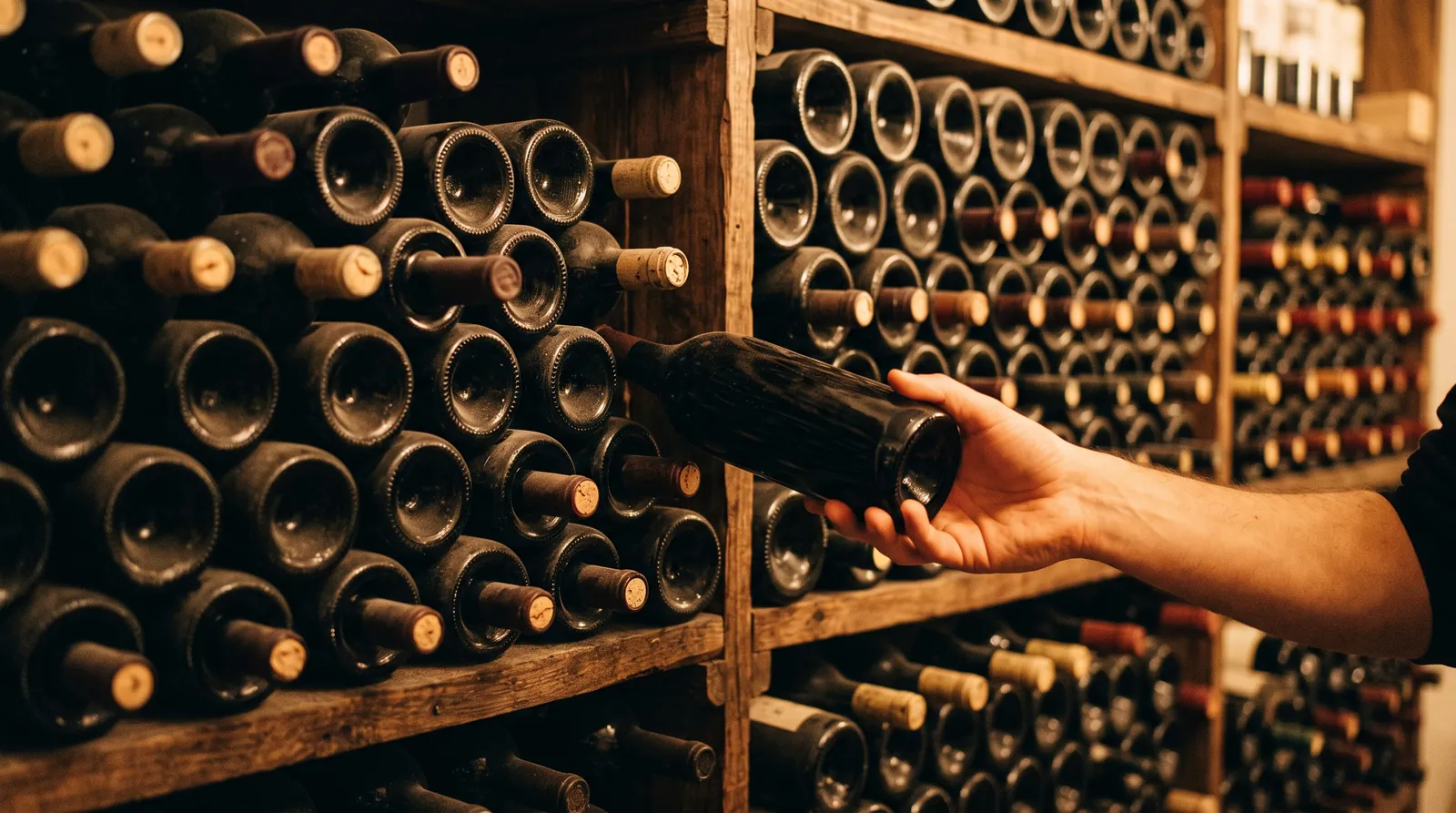
Scarcity asks one question: how many bottles of this vintage are probably left? Corkonomics starts from the number of bottles made, assumes a share is drunk every year, and adjusts for bottle size and the producer's standing. A high score means few bottles are likely left. It says nothing about whether a wine is good or fairly priced.
How it is built
Starts from the production figure (reported where the producer publishes it, estimated from vineyard area and typical yield otherwise), shrinks it by an age-based consumption curve of about 3% a year for the first fifteen years and slower after, then adjusts for bottle size (large formats are rarer) and for the producer's market standing (a scarce wine nobody collects is not scarce in the market sense). A young wine from a large estate scores low; an old wine from a tiny domaine scores high.
What a blank means
If no production figure exists at all, the score is blank and the page says why. Corkonomics does not guess a production number in order to produce a score.
What it is not
Not a measure of how easily the wine trades, not a valuation, and not advice. Ease of trading and price depend on a market Corkonomics does not yet hold licensed data for; when it does, those figures will appear with their own labels.