 Bordeaux
 Burgundy
 Champagne
 Rhône
Rhône Napa Valley
 Tuscany
 Piedmont
 Mosel
Mosel Oregon
 Rioja
Rioja California sparkling
 Valais and Lavaux
 England
 Douro
Douro Etna
Etna Mendoza
 Marlborough
 Stellenbosch
 Barossa Valley
 Tasmania
 Beaujolais
 Jura
Jura Alsace
 Loire
Loire Provence
 Ribera del Duero
 Sonoma
 What land costs
 Good years and bad
 Appellations
 Famous vineyards
 Famous wines
 Who makes them
 Find a vintage
 Compare wines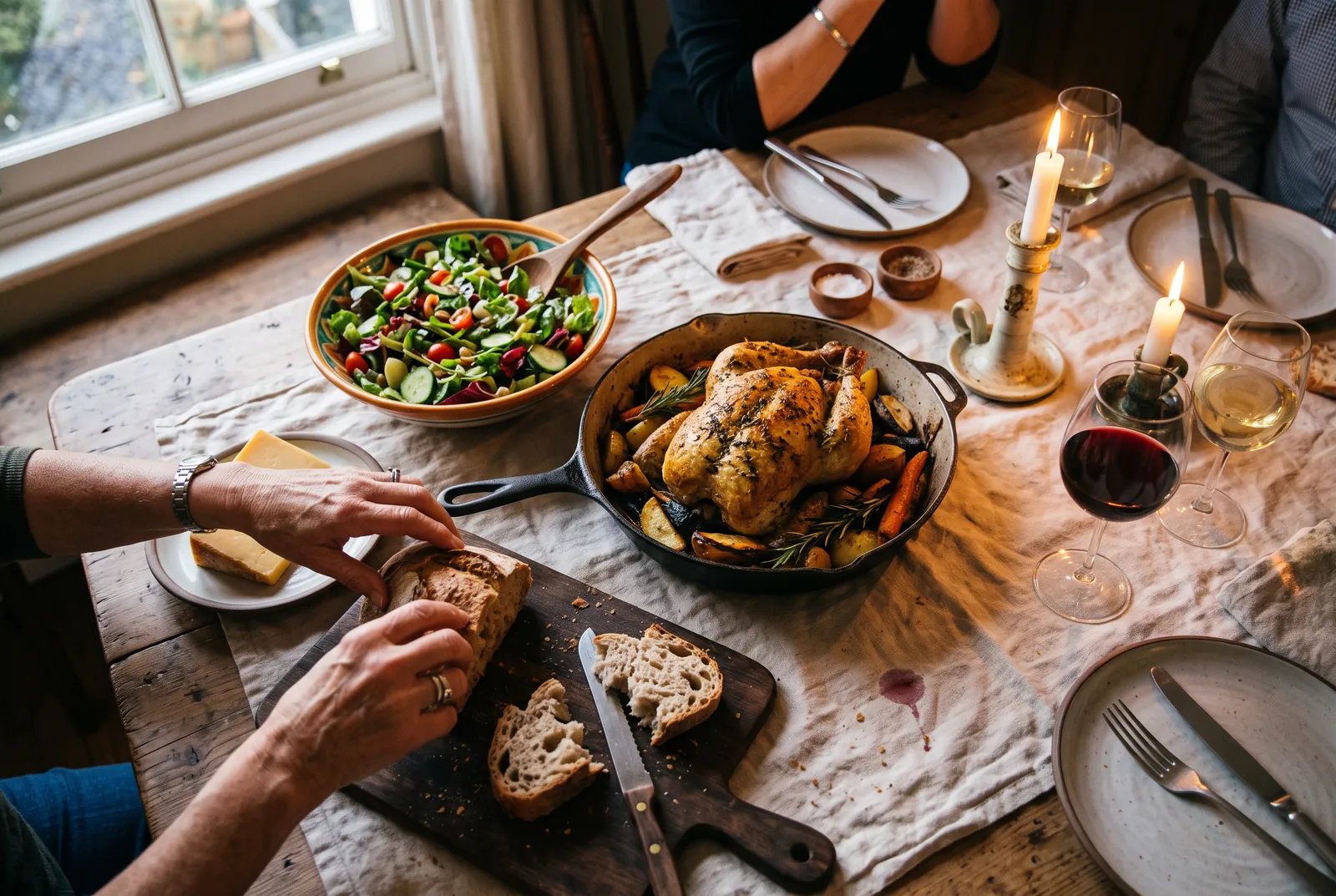
Match weight with weight
Light food likes light wine. A salad, grilled fish or a goat's cheese is happy with a crisp white or a light red. Rich food likes fuller wine. Steak, stew and hard cheese can stand up to a big red.
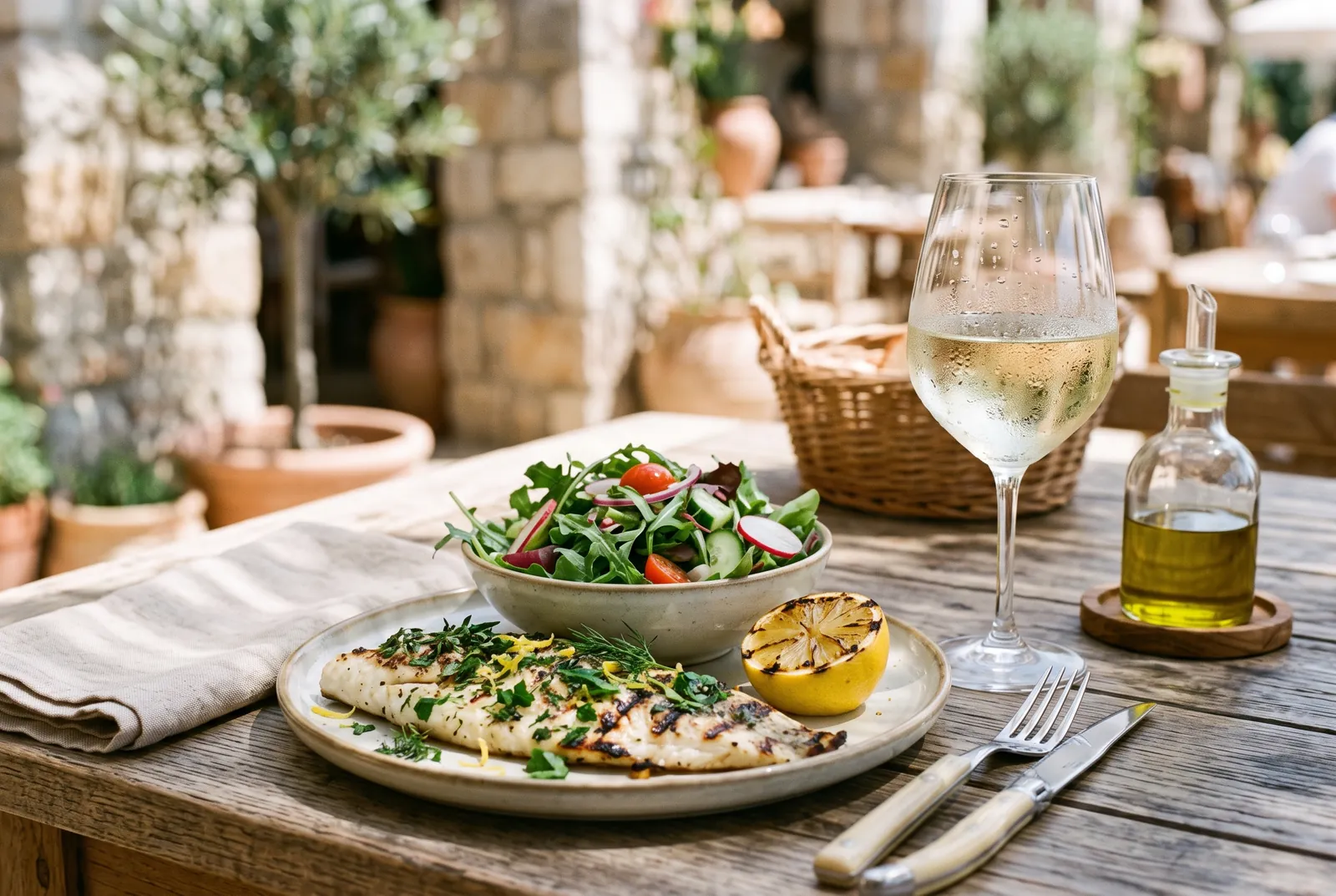
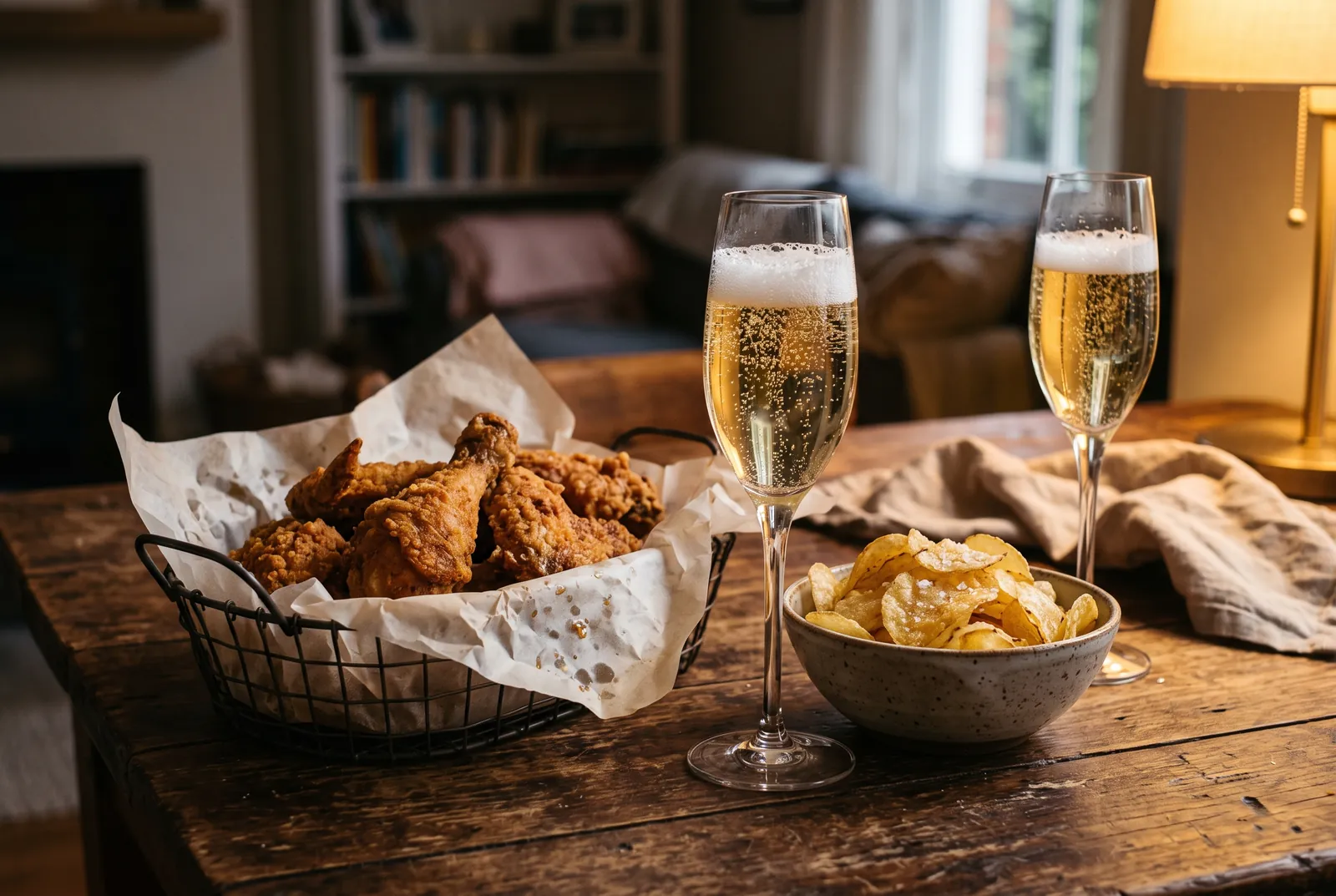
Acid loves fat and salt
Fresh, mouth-watering wines cut through rich or salty food the way a squeeze of lemon does. That is why Champagne is so good with fried food and crisps, and why a zingy white lifts a creamy pasta.
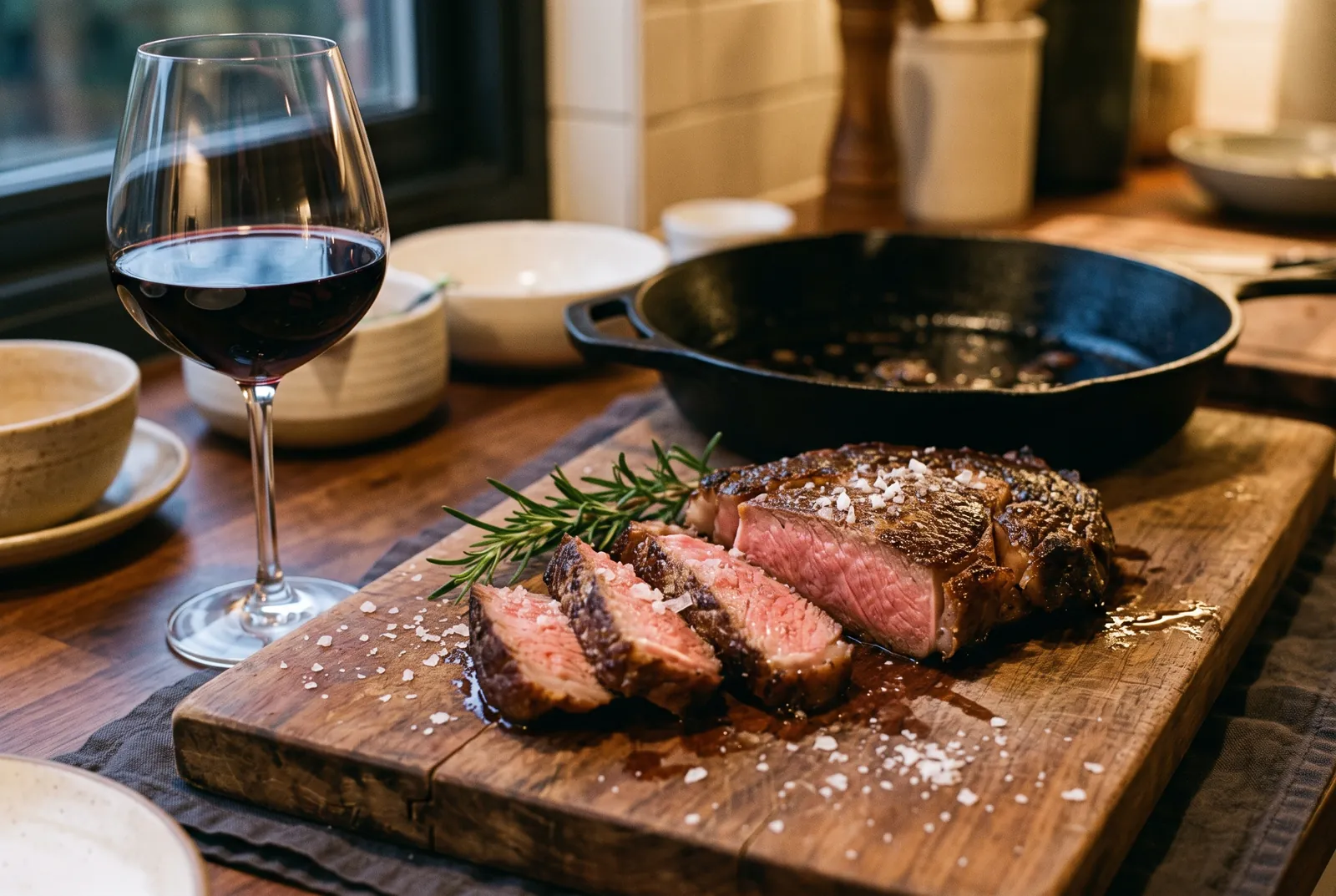
Tannin loves protein
The dry grip of a young, strong red softens next to meat and cheese. This is the real reason steak and Cabernet Sauvignon are such a famous pair.
A little sweetness tames spice
Chilli makes dry, strong wines taste hot and bitter. A lighter wine with a touch of sweetness, such as an off-dry Riesling, cools things down.
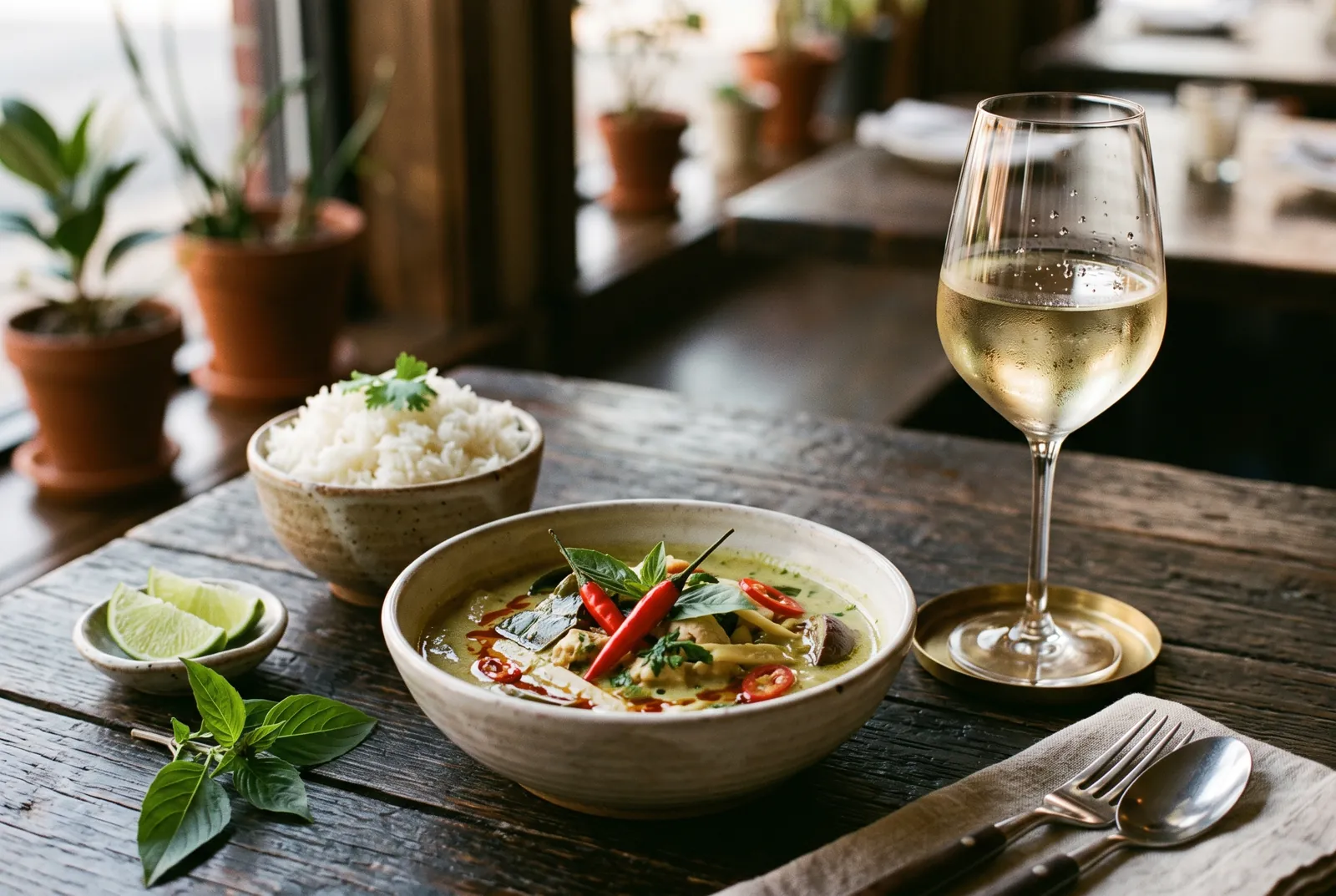
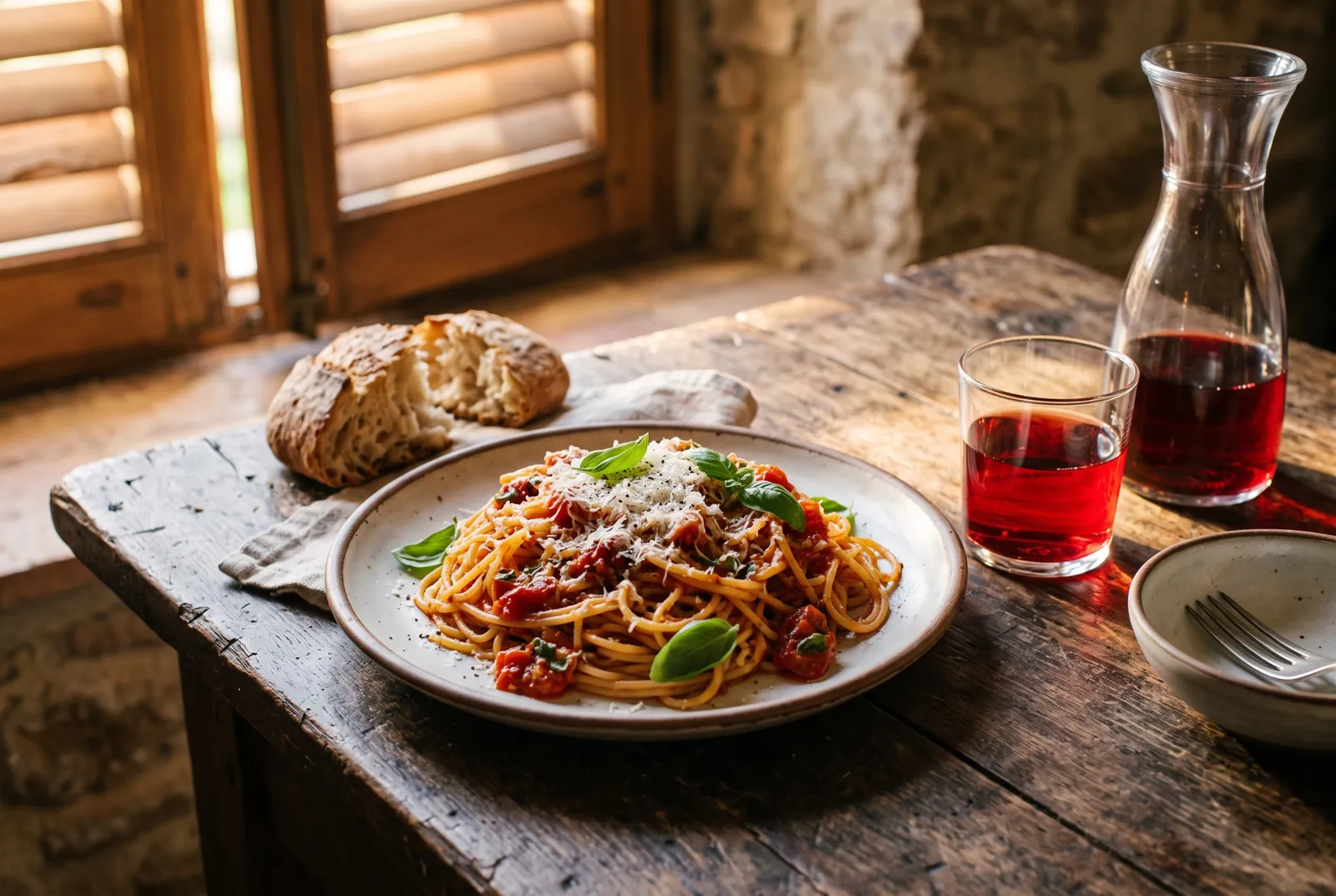
What grows together goes together
Dishes and wines from the same place have had centuries to get used to each other. Tomato pasta with Chianti. Lamb with Rioja. Oysters with Chablis.
When in doubt, open something sparkling or a dry rosé. Both get along with almost everything.
More short lessons
 4 min read
How to choose a bottle you will actually like
In a shop or a restaurant, three questions do most of the work: what do you like, what are you eating, and…
 3 min read
What a vintage is, and when it matters
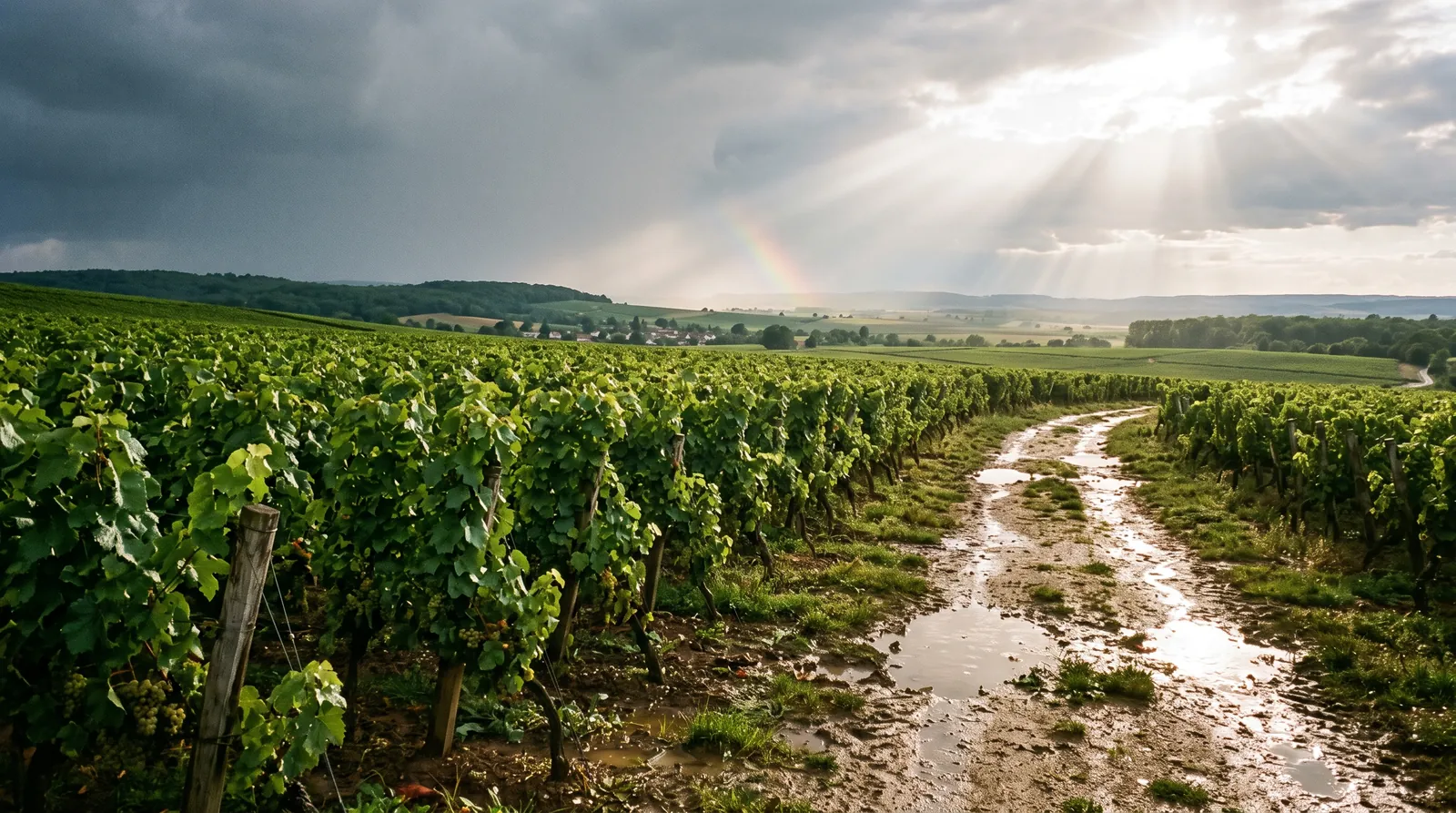
The vintage is simply the year the grapes were picked. Weather changes every year, so the same wine can taste…
 4 min read
The five types of wine
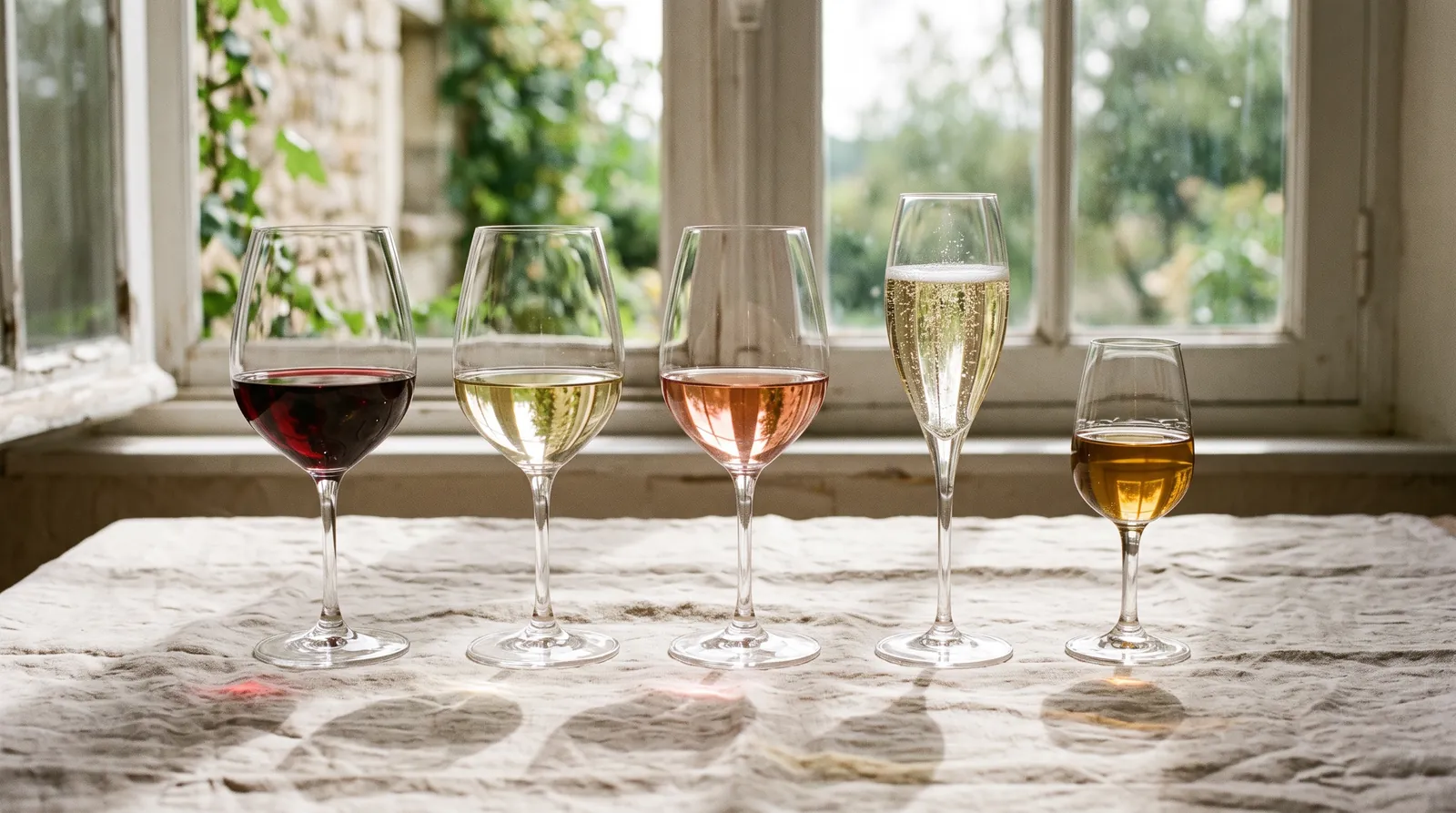
Red, white, rosé, sparkling and sweet. Once you know what makes each one different, the wine aisle stops…