 Bordeaux
 Burgundy
 Champagne
 Rhône
Rhône Napa Valley
 Tuscany
 Piedmont
 Mosel
Mosel Oregon
 Rioja
Rioja California sparkling
 Valais and Lavaux
 England
 Douro
Douro Etna
Etna Mendoza
 Marlborough
 Stellenbosch
 Barossa Valley
 Tasmania
 Beaujolais
 Jura
Jura Alsace
 Loire
Loire Provence
 Ribera del Duero
 Sonoma
 Wat land kost
 Goede en slechte jaren
 Appellations
 Beroemde wijngaarden
 Beroemde wijnen
 Wie ze maken
 Zoek een oogstjaar
 Wijnen vergelijken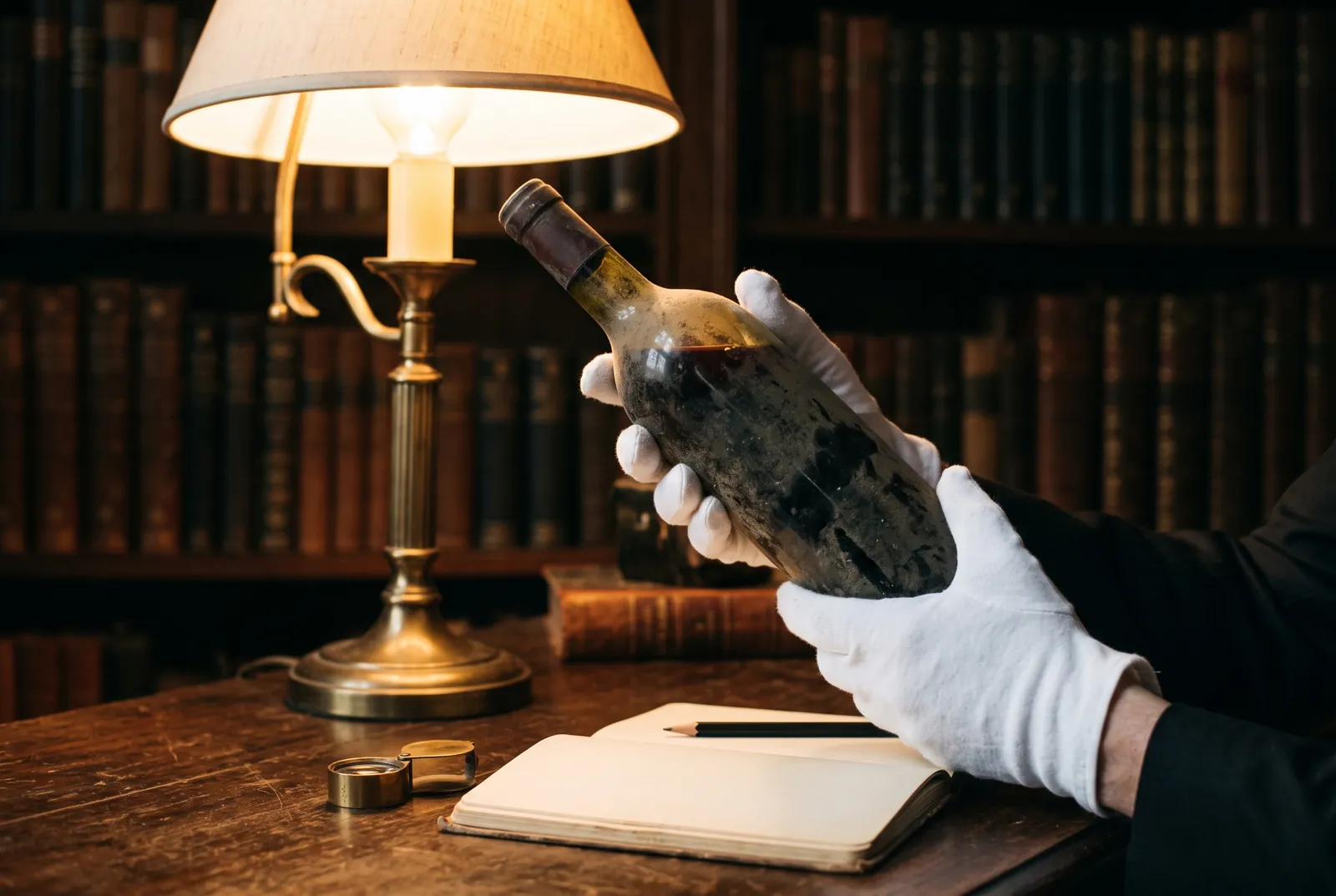
A collectible wine's value depends on where it has been. Bonded storage from release, an unbroken chain of custody and original packaging are worth a premium; a bottle that has crossed the Atlantic twice in summer is worth a discount or nothing. Counterfeits of the top wines exist and have reached major auction houses.
Provenance
The trade prices provenance explicitly: 'ex-château' releases, wines sold direct from the producer's own cellar, fetch a premium because the buyer knows the wine has never moved. A case with a bonded-warehouse history from release is next; a case from a private cellar with no documentation is discounted; a single bottle with a scuffed label from an unknown source is a lottery.
Storage
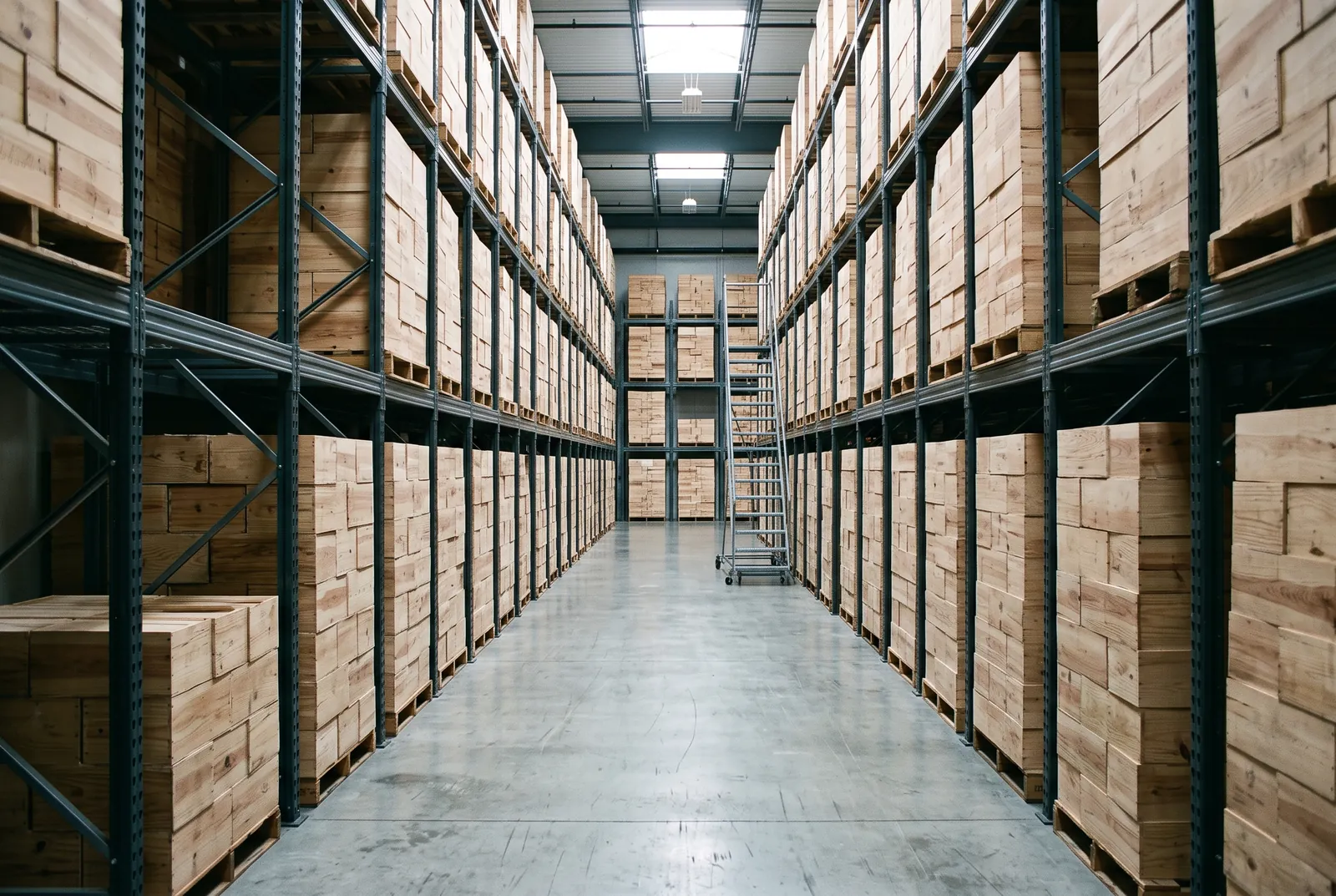
Bonded storage in the UK, the traditional centre of the trade, costs a per-case annual fee (commonly £15–25 including insurance) and defers duty and VAT while the wine stays 'under bond'. In the United States, temperature-controlled storage runs a few dollars a case a month. Over a decade the carrying cost is a material fraction of a mid-priced case's value, which is why storage appears in every honest return calculation.
Counterfeits
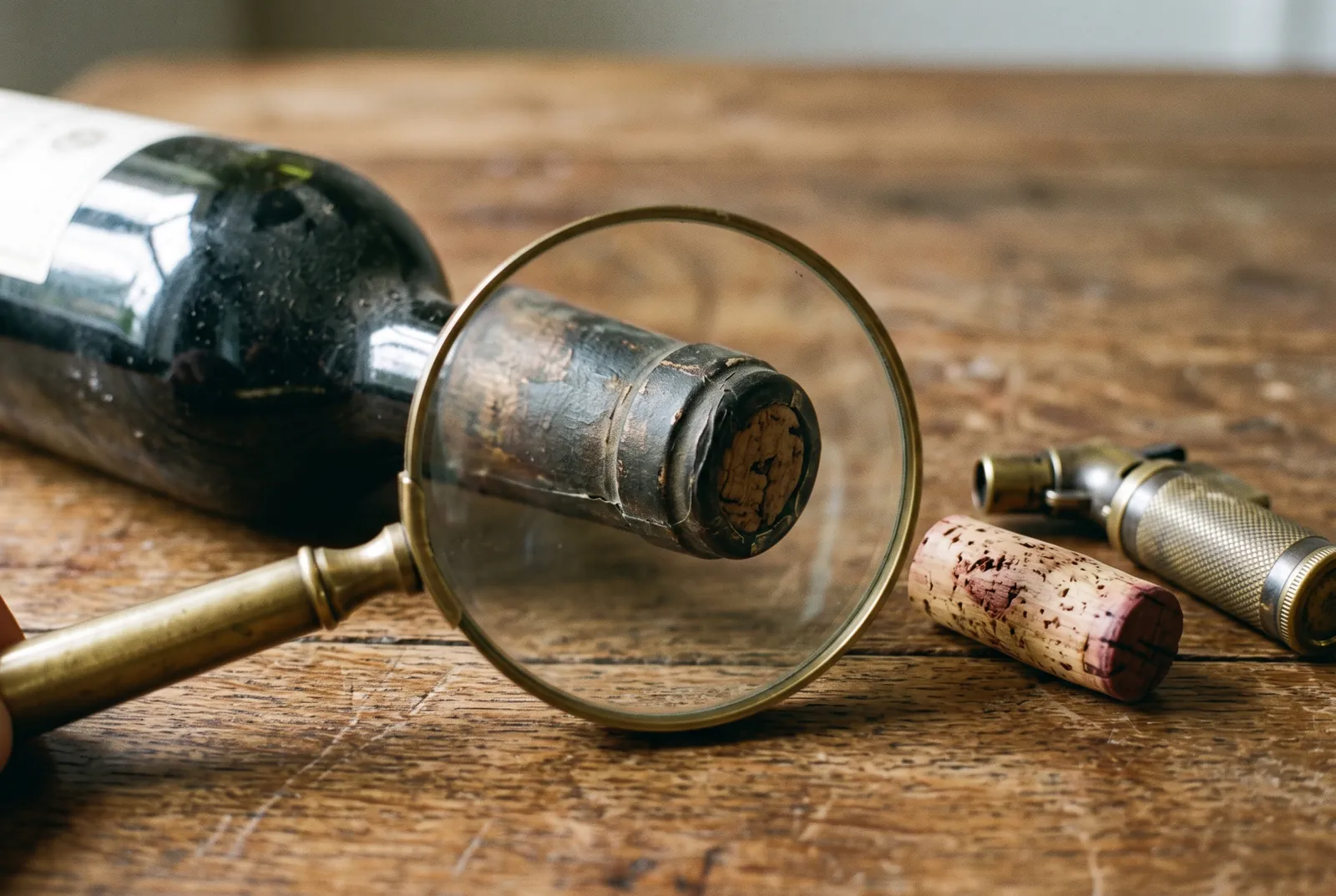
The Rudy Kurniawan case (convicted 2013) showed that counterfeit Burgundy and Bordeaux could pass through leading auction houses for years; producers have since added anti-counterfeit measures (proof tags, engraved bottles, blockchain registers). The wines most at risk are the most valuable per bottle — DRC, Pétrus, old Lafite and Mouton — and the most at risk are buyers who cannot verify a bottle's history.
What it means for value
Two observations of the 'same' wine can differ by half on provenance alone, which is why Corkonomics records the seller, location and condition notes on any price observation it holds.
Bronnen
- Wine fraud and the Kurniawan case, The New York Times, 2013. Opgehaald 3 September 2026.