 Bordeaux
 Burgundy
 Champagne
 Rhône
Rhône Napa Valley
 Tuscany
 Piedmont
 Mosel
Mosel Oregon
 Rioja
Rioja California sparkling
 Valais and Lavaux
 England
 Douro
Douro Etna
Etna Mendoza
 Marlborough
 Stellenbosch
 Barossa Valley
 Tasmania
 Beaujolais
 Jura
Jura Alsace
 Loire
Loire Provence
 Ribera del Duero
 Sonoma
 تكلفة الأرض
 سنوات جيدة وأخرى سيئة
 التسميات الجغرافية
 الكروم الشهيرة
 نبيذ مشهور
 من يصنعها
 ابحث عن خمر
 مقارنة النبيذ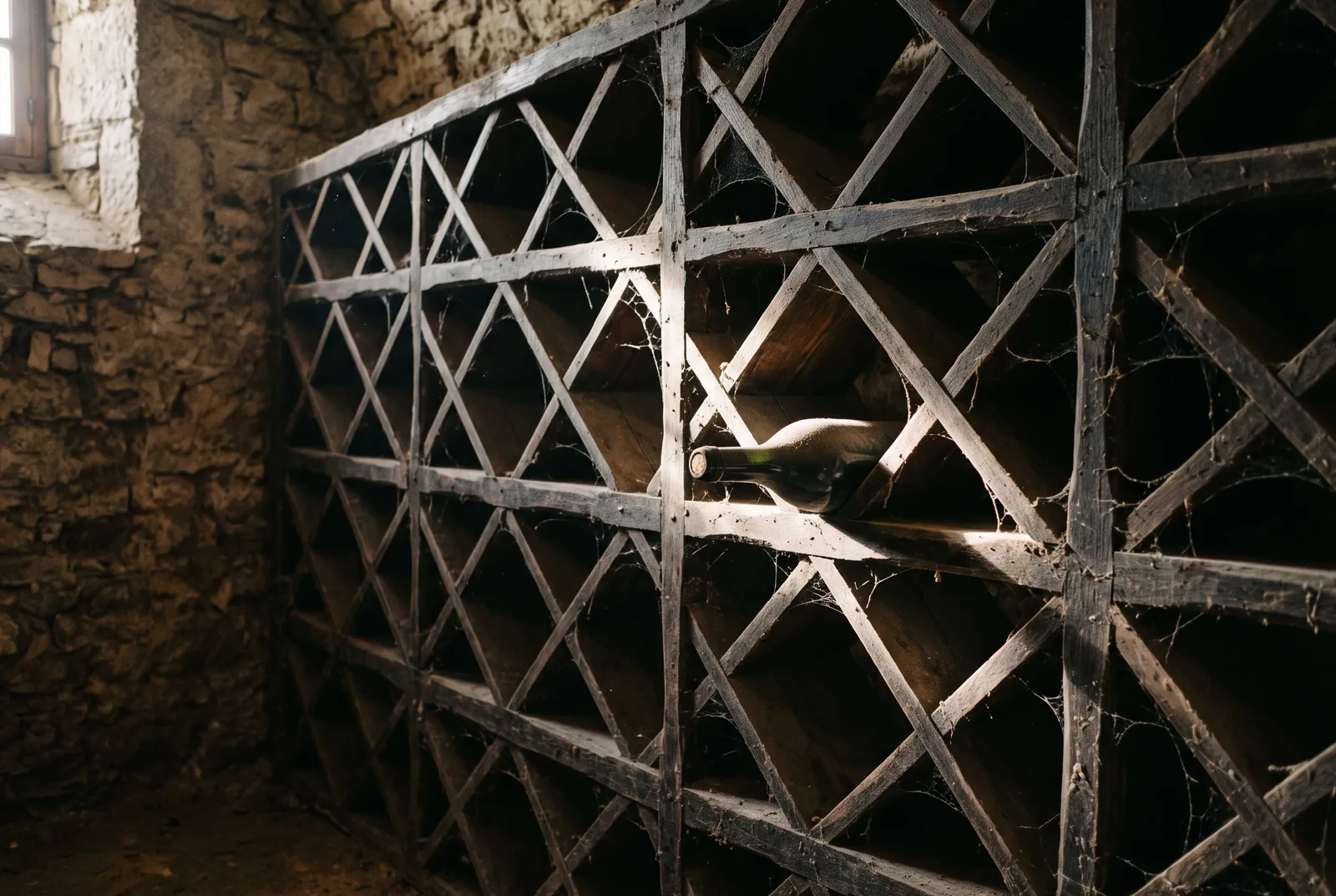
A wine's supply is not what was made but what is left. A 1990 first growth made 200,000 bottles; most have been drunk. A 2020 Burgundy grand cru made 3,000 and almost all survive. Scarcity is the interaction of production, age and demand, and it is why old Bordeaux from a large estate can be scarcer in the market than a young Burgundy from a tiny one.
The consumption curve
Nobody counts the bottles drunk, but the trade's rule of thumb — and the one Corkonomics' scarcity score uses — is a few percent a year through a wine's drinking window, slowing as the survivors move into collectors' cellars. After thirty years, perhaps a fifth to a third of a Bordeaux vintage survives; after fifty, far less.
Format and provenance
Large formats are rarer per bottle-equivalent and age more slowly; magnums and larger carry a scarcity premium the score recognises. Provenance thins the supply further: of the surviving bottles, only some have a history the market will pay for.
What the score does
Corkonomics' scarcity score starts from estimated production, applies the consumption curve by age, adjusts for format, for how often the wine appears at auction (a wine never seen is scarcer than the count suggests) and for the producer's standing (a scarce wine nobody wants is not scarce in the market sense). The method is published on the methodology page; the score is a description, not a recommendation.