CorkonomicsThe economics of wine production, collection, and vineyards
Las cifras
Terreno de viñedo · Pauillac≈$2,798,250 una hectárea▼ abajo 17% on 20232024Precio de apertura · Château Lafite Rothschild 2025≈$376 una botella▲ arriba 17% sobre el año anteriorVendido en subasta · Romanée-Conti Grand Cru, DRC 2019$22,917 una botellaSotheby's, Sep 2026Coste de producir una botella · Burgundy grand cru (Pinot Noir)$48–283Arancel estadounidense sobre el vino de · Canada+50%desde Aug 2026Botella de consumo diario en una tienda de EE. UU.$13.77 un litro▼ abajo 1.3% en un añoSep 2026Terreno de viñedo · Margaux≈$1,567,020 una hectárea▼ abajo 7% on 20232024Precio de apertura · Château Cheval Blanc 2025≈$376 una botella▲ arriba 22% sobre el año anteriorVendido en subasta · La Tâche Grand Cru, DRC 2018$5,417 una botellaSotheby's, Sep 2026Coste de producir una botella · Champagne prestige cuvée$26–89Arancel estadounidense sobre el vino de · Australia+12.5%desde Jul 2026Terreno de viñedo · Côte-Rôtie≈$1,511,055 una hectárea▲ arriba 8% on 20232024Precio de apertura · Château Mouton Rothschild 2025≈$336 una botella▲ arriba 19% sobre el año anteriorVendido en subasta · Richebourg Grand Cru, DRC 2012$3,542 una botellaSotheby's, Sep 2026Coste de producir una botella · Bordeaux classified growth (2nd–5th)$17–61Arancel estadounidense sobre el vino de · New Zealand+12.5%desde Jul 2026Terreno de viñedo · Côte de Nuits grand cru≈$7,275,450 una hectárea2019Precio de apertura · Château Palmer 2025≈$268 una botella▼ abajo 19% sobre el año anteriorTerreno de viñedo · Pomerol≈$2,238,600 una hectárea2023
Corkonomics
AprenderUvasRegionesVinosNoticias
Vino: lo básicoLos cinco tipos de vinoCómo catar el vinoCómo leer una etiqueta de vinoEl vino con la comidaTérminos del vino
Learn the economicsThe economics of wine productionThe economics of wine collectingCourses
Regiones
Vinos
PreciosLo que cuesta producir una botellaQué cuesta el terreno de viñedoLo que pagan por la uvaLo que añade la fronteraPor qué el vino cuesta lo que cuestaPrecios de salidaResultados de subastaArancelesPanorama del mercadoEl vino en las estadísticas oficialesEconomía del viñedoInvestigación
MásConsultar los datosAgentes de IAGuardadoAPIAcerca deMetodologíaContacto
Modo oscuro
Idioma
Currency
Configuración
Modo oscuro
Idioma
Currency

¿Nuevo en el mundo del vino? Empieza con las lecciones cortas, luego busca cualquier palabra que no conozcas.

Aprender · Términos del vino · Sus páginas guardadas

Scarcity: how many bottles survive, and why that sets the price

Production is only the starting point. Consumption, breakage and time reduce the surviving supply of a vintage every year — and the scarcity score tries to measure it.

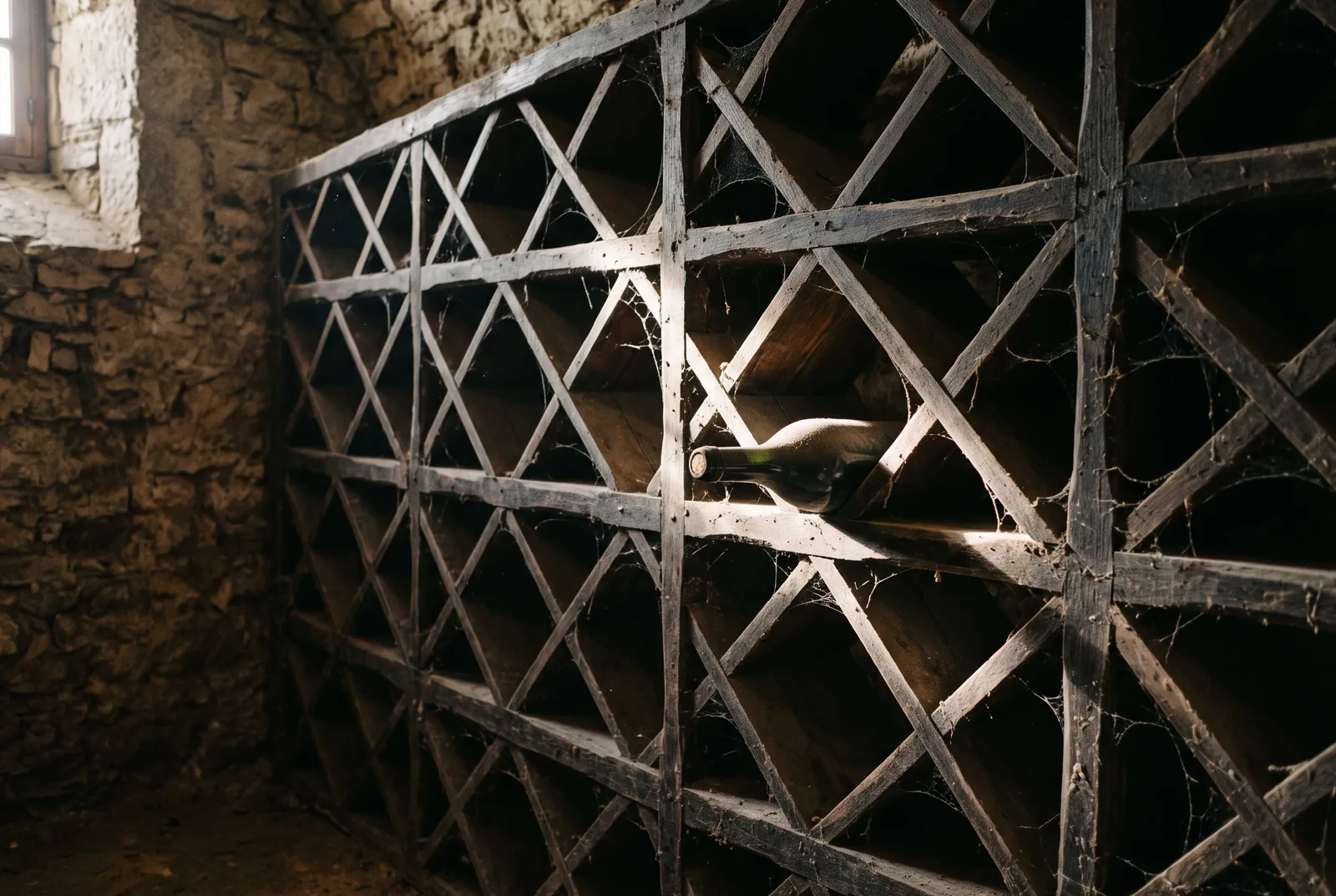
A single bottle left in a large, dusty, empty wine rack

Publicado 3 September 2026 · Revisado September 2026 · Corkonomics editorial ·

A wine's supply is not what was made but what is left. A 1990 first growth made 200,000 bottles; most have been drunk. A 2020 Burgundy grand cru made 3,000 and almost all survive. Scarcity is the interaction of production, age and demand, and it is why old Bordeaux from a large estate can be scarcer in the market than a young Burgundy from a tiny one.

The consumption curve

Nobody counts the bottles drunk, but the trade's rule of thumb — and the one Corkonomics' scarcity score uses — is a few percent a year through a wine's drinking window, slowing as the survivors move into collectors' cellars. After thirty years, perhaps a fifth to a third of a Bordeaux vintage survives; after fifty, far less.
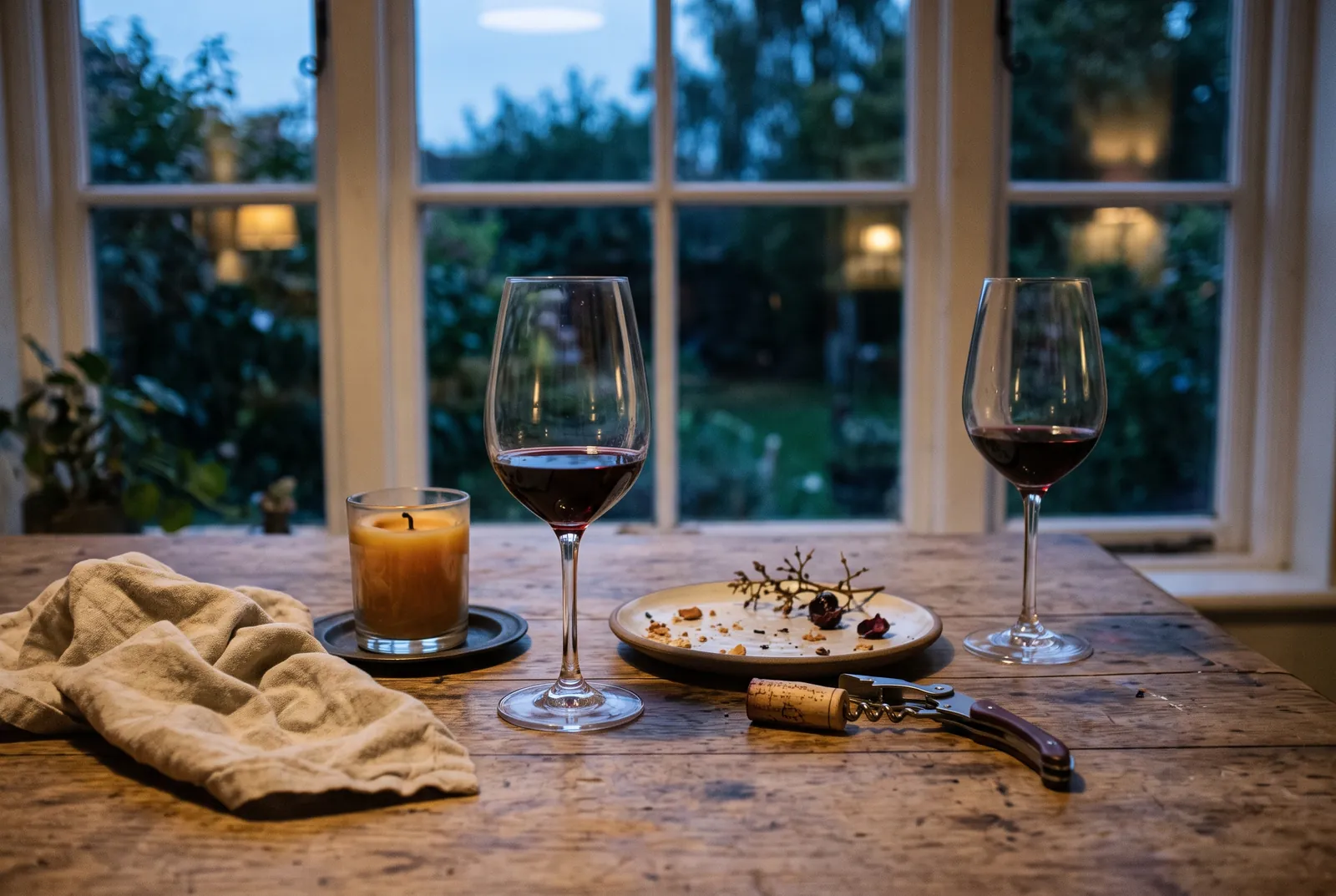
Dos copas con el último sorbo de vino tinto sobre una mesa al final de la cena

Format and provenance

Large formats are rarer per bottle-equivalent and age more slowly; magnums and larger carry a scarcity premium the score recognises. Provenance thins the supply further: of the surviving bottles, only some have a history the market will pay for.

What the score does

Corkonomics' scarcity score starts from estimated production, applies the consumption curve by age, adjusts for format, for how often the wine appears at auction (a wine never seen is scarcer than the count suggests) and for the producer's standing (a scarce wine nobody wants is not scarce in the market sense). The method is published on the methodology page; the score is a description, not a recommendation.

Última revisión: September 2026Informar de un error en esta página