 Bordeaux
 Burgundy
 Champagne
 Rhône
Rhône Napa Valley
 Tuscany
 Piedmont
 Mosel
Mosel Oregon
 Rioja
Rioja California sparkling
 Valais and Lavaux
 England
 Douro
Douro Etna
Etna Mendoza
 Marlborough
 Stellenbosch
 Barossa Valley
 Tasmania
 Beaujolais
 Jura
Jura Alsace
 Loire
Loire Provence
 Ribera del Duero
 Sonoma
 What land costs
 Good years and bad
 Appellations
 Famous vineyards
 Famous wines
 Who makes them
 Find a vintage
 Compare wines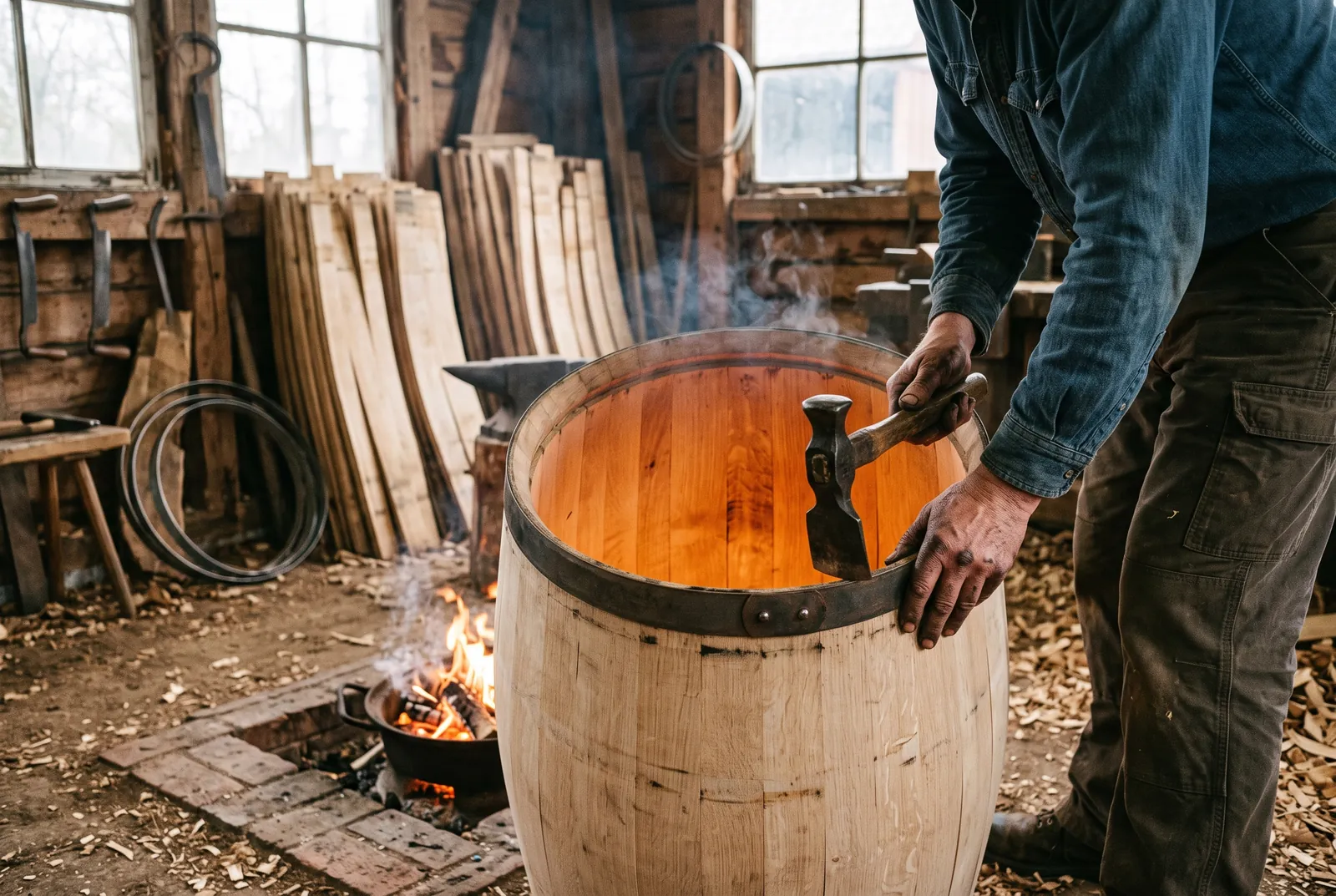
French oak is the single most visible input a winery chooses, and the arithmetic is simple: barrel price, divided by 300 bottles, divided by uses. At $1,200 and one use it is $4 a bottle; at four uses under a dollar. The style decision is a cost decision.
Where the price comes from
A 225-litre Bordeaux barrique or 228-litre Burgundy pièce is made from about 150-year-old oak from the French state forests (Tronçais, Allier, Vosges), split rather than sawn, seasoned outdoors for two to three years, then toasted. Cooperage price lists and trade reporting put a new French barrel at $1,000–1,500, with premium cooperages and specific forests above $2,000; American oak is roughly half. Prices rose sharply in 2022–2024 with energy and timber costs.
Per bottle
Three hundred bottles per barrel. A first growth using 100% new oak once for the grand vin, then selling the barrel to a second wine or another estate, spends $3–5 a bottle on oak. A Barolo producer using large Slavonian casks for decades spends cents. Champagne, aged in tank and bottle, spends nothing on oak except at houses like Krug and Bollinger that ferment in old casks.
The used-barrel market
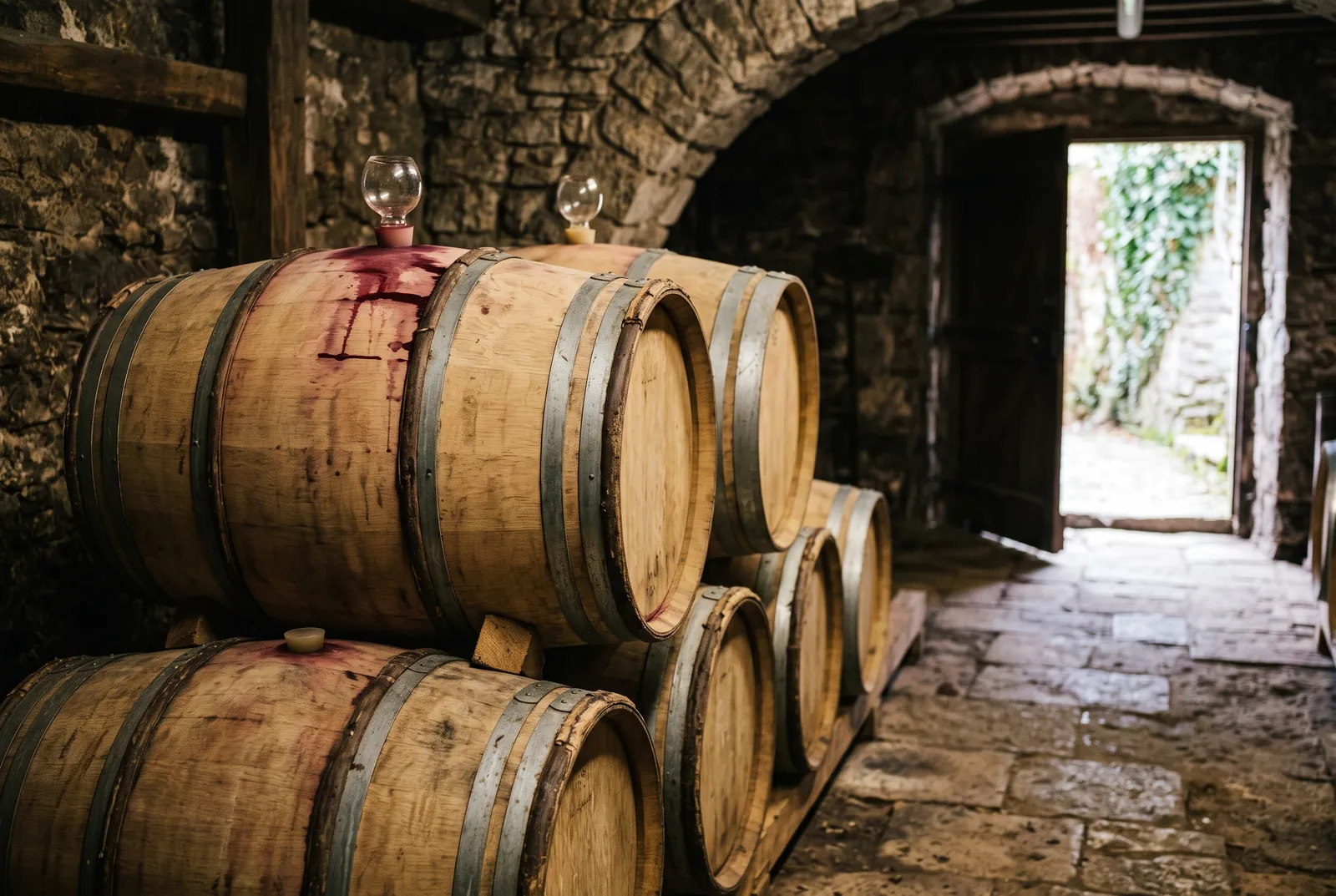
Second- and third-use barrels trade at a fraction of new — a few hundred dollars — which is how smaller estates access good oak and how the first growths' cost per bottle falls: the barrel's residual value is a credit against the grand vin. Corkonomics' cost model amortises each barrel over its uses and weights by the share of new oak, which is why the oak line for a cult Napa Cabernet is several times a Rioja's.
What oak is not
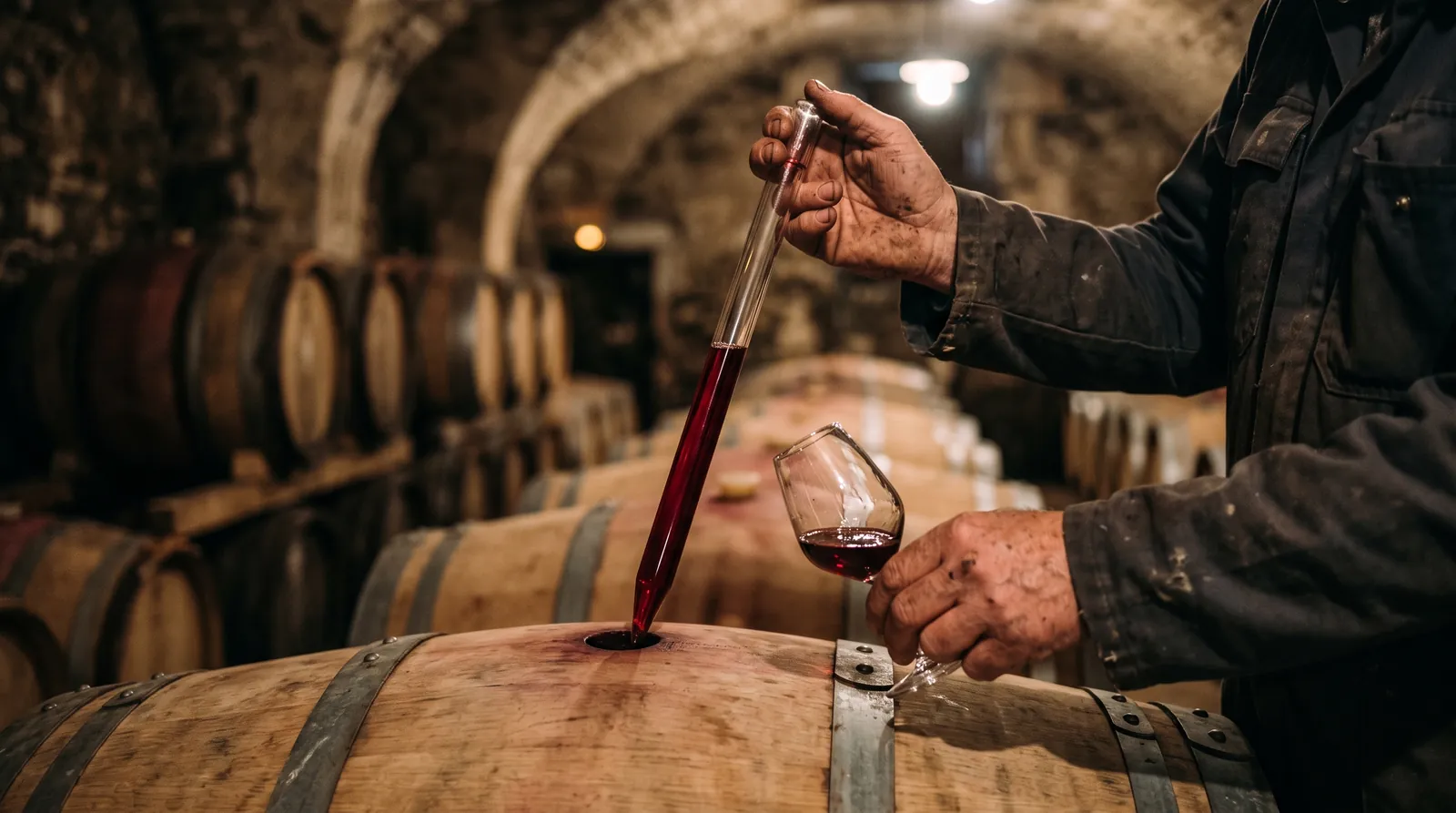
Oak is not the reason a bottle costs $500. Even at the top, the line is under $10 a bottle. It is a signal — 100% new oak says the estate can afford it — and a flavour, and it is a real cost; but the land under the vines and the name on the label are worth more.
Sources
- Barrel ROI: How wineries are getting more life out of their barrels, Wine Industry Network, 2025. Retrieved 3 September 2026.