 Bordeaux
 Burgundy
 Champagne
 Rhône
Rhône Napa Valley
 Tuscany
 Piedmont
 Mosel
Mosel Oregon
 Rioja
Rioja California sparkling
 Valais and Lavaux
 England
 Douro
Douro Etna
Etna Mendoza
 Marlborough
 Stellenbosch
 Barossa Valley
 Tasmania
 Beaujolais
 Jura
Jura Alsace
 Loire
Loire Provence
 Ribera del Duero
 Sonoma
 Qué cuesta el terreno
 Años buenos y malos
 Apelaciones
 Viñedos famosos
 Vinos famosos
 Quiénes los elaboran
 Busca una añada
 Comparar vinos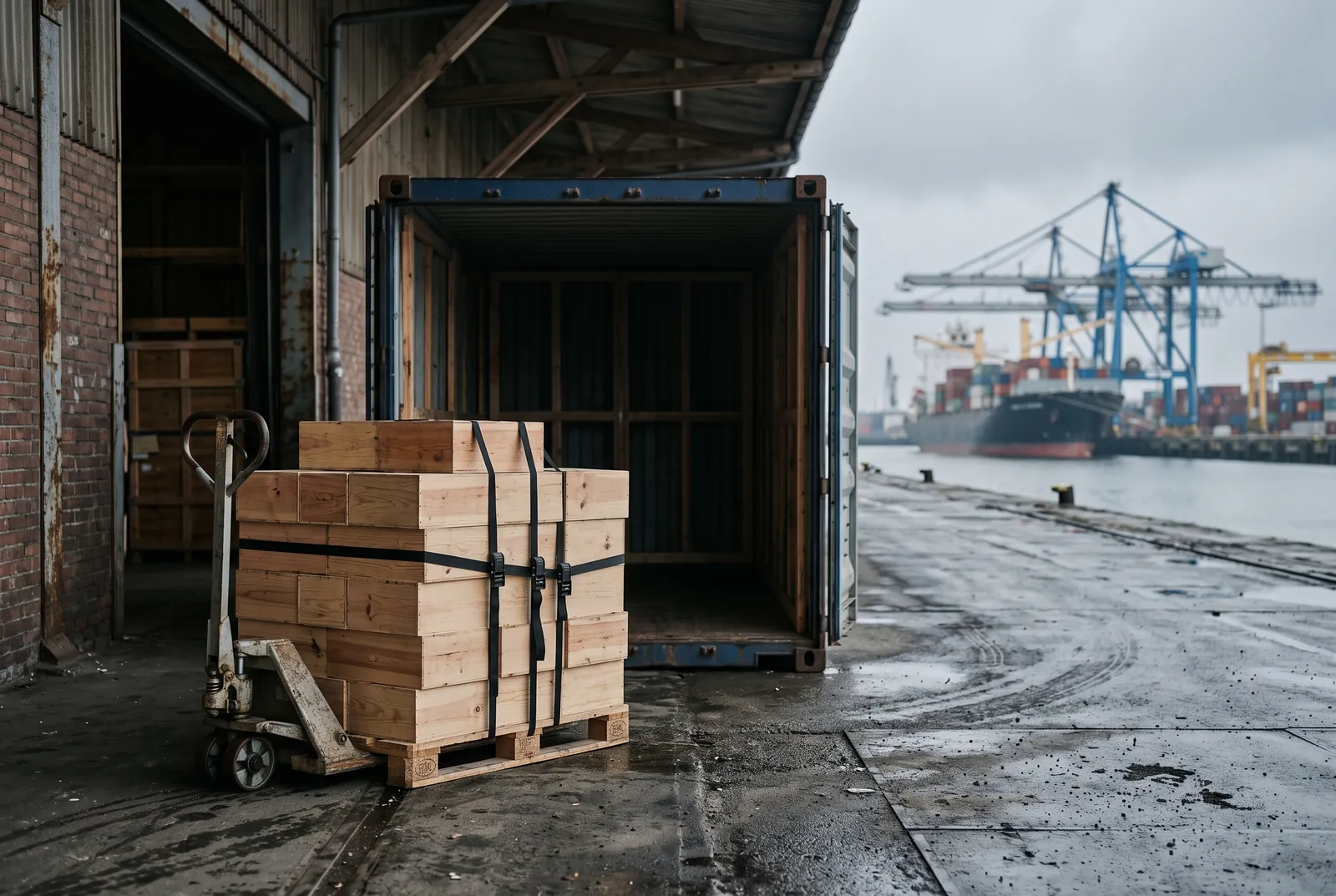
In eighteen months the additional duty on a bottle of European wine entering the United States went from zero to 20% (announced), to 10%, to 15%, to nothing (struck down), to 10% under Section 122, and to 10% under Section 301 with a 15% ceiling. This page records each step with its source; the tariff tracker keeps the current state.
The sequence
April 2025: reciprocal tariffs announced under the International Emergency Economic Powers Act, a 10% baseline from 5 April with country rates (EU 20%) paused. August 2025: the US–EU framework set 15% on most EU exports, wine included. February 2026: the Supreme Court held 6–3 that IEEPA does not authorise tariffs; the administration revoked the orders and imposed a 10% Section 122 surcharge for 150 days. July 2026: the EU agreement entered into force with a 15% ceiling through 2029, and on 24 July Section 301 forced-labour tariffs of 10% or 12.5% by country replaced Section 122. Canada, separately, faces 50% on alcohol under Section 338 from 24 August 2026.
What the duty is on
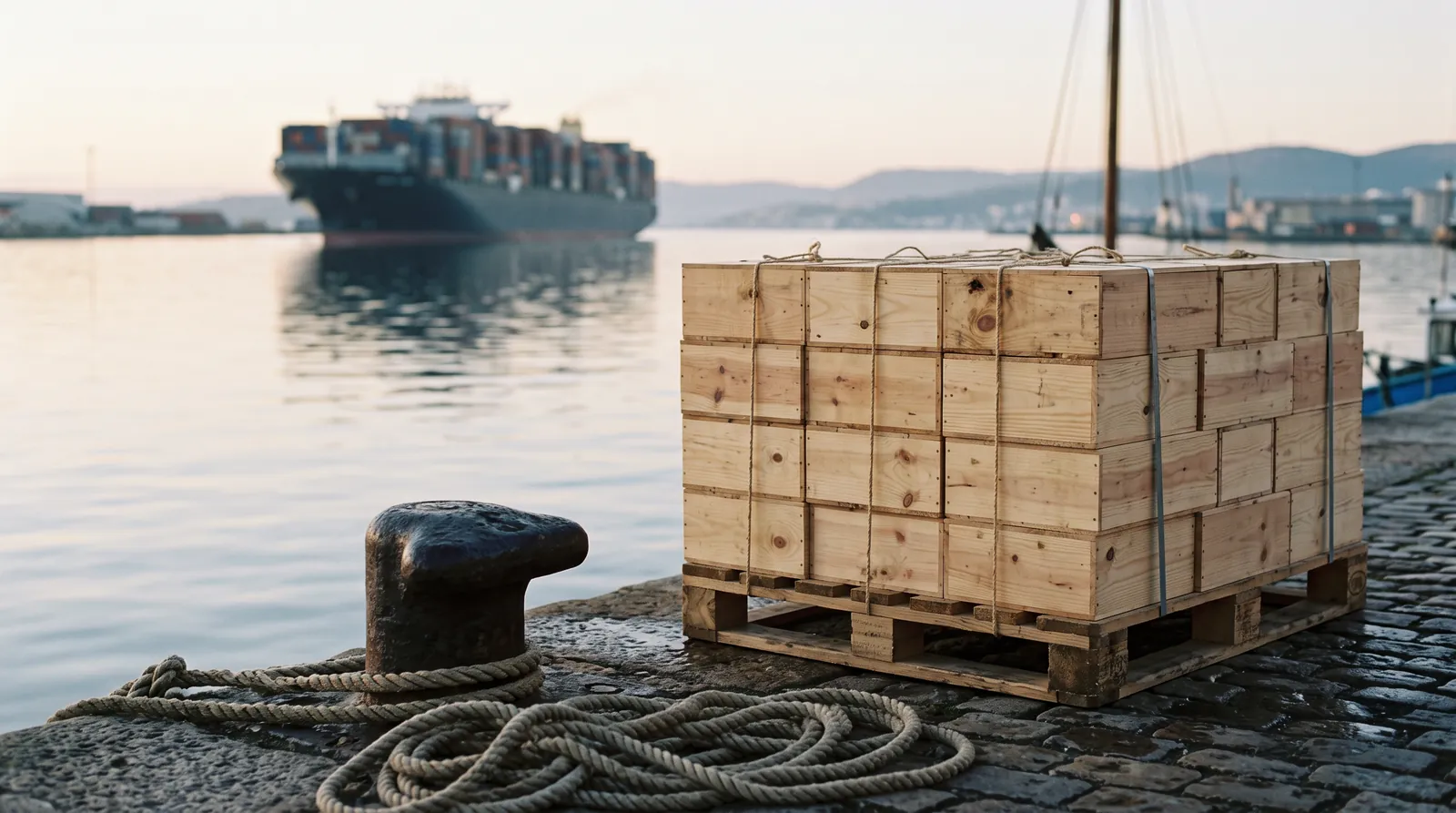
Customs duty is charged on the customs value — normally the transaction price at export, not the shelf price. A bottle a US importer buys for $30 pays 10% ($3) under Section 301 from the EU, plus the HTS base rate of 6.3 cents a litre (about 5 cents a bottle), plus federal excise tax of $1.07 a gallon (about 21 cents) which is not a tariff. By the shelf, the $3 has been marked up through the three tiers.
Who pays
Research on the 2019–2021 Airbus-related tariffs on European wine (NBER, 2026) found substantial pass-through to US prices; importers and retailers absorbed part and passed part on. Trade reporting in 2026 shows US wine imports falling in value in the first half of the year. The tracker's import table, from Census data, records the flows by origin month by month.

Caveats
Rates change by executive action and litigation; the country lists in the Section 301 annex should be verified against the Federal Register; USMCA treatment of Mexican and Canadian goods is in flux. Corkonomics' tracker is a research record with a verification date on every row, not customs advice.
Fuentes
- USTR finalizes Section 301 forced labor tariffs on 60 economies, EY Tax News, 2026. Recuperado 3 September 2026.
- Supreme Court strikes down IEEPA tariffs, Holland & Knight, 2026. Recuperado 3 September 2026.
- Pass-Through of Tariffs: Evidence from European Wine Imports, NBER Digest, 2026. Recuperado 3 September 2026.