 Bordeaux
 Burgundy
 Champagne
 Rhône
Rhône Napa Valley
 Tuscany
 Piedmont
 Mosel
Mosel Oregon
 Rioja
Rioja California sparkling
 Valais and Lavaux
 England
 Douro
Douro Etna
Etna Mendoza
 Marlborough
 Stellenbosch
 Barossa Valley
 Tasmania
 Beaujolais
 Jura
Jura Alsace
 Loire
Loire Provence
 Ribera del Duero
 Sonoma
 Quanto costa il terreno
 Annate buone e cattive
 Denominazioni
 Vigneti famosi
 Vini famosi
 Chi li produce
 Cerca un'annata
 Confronta vini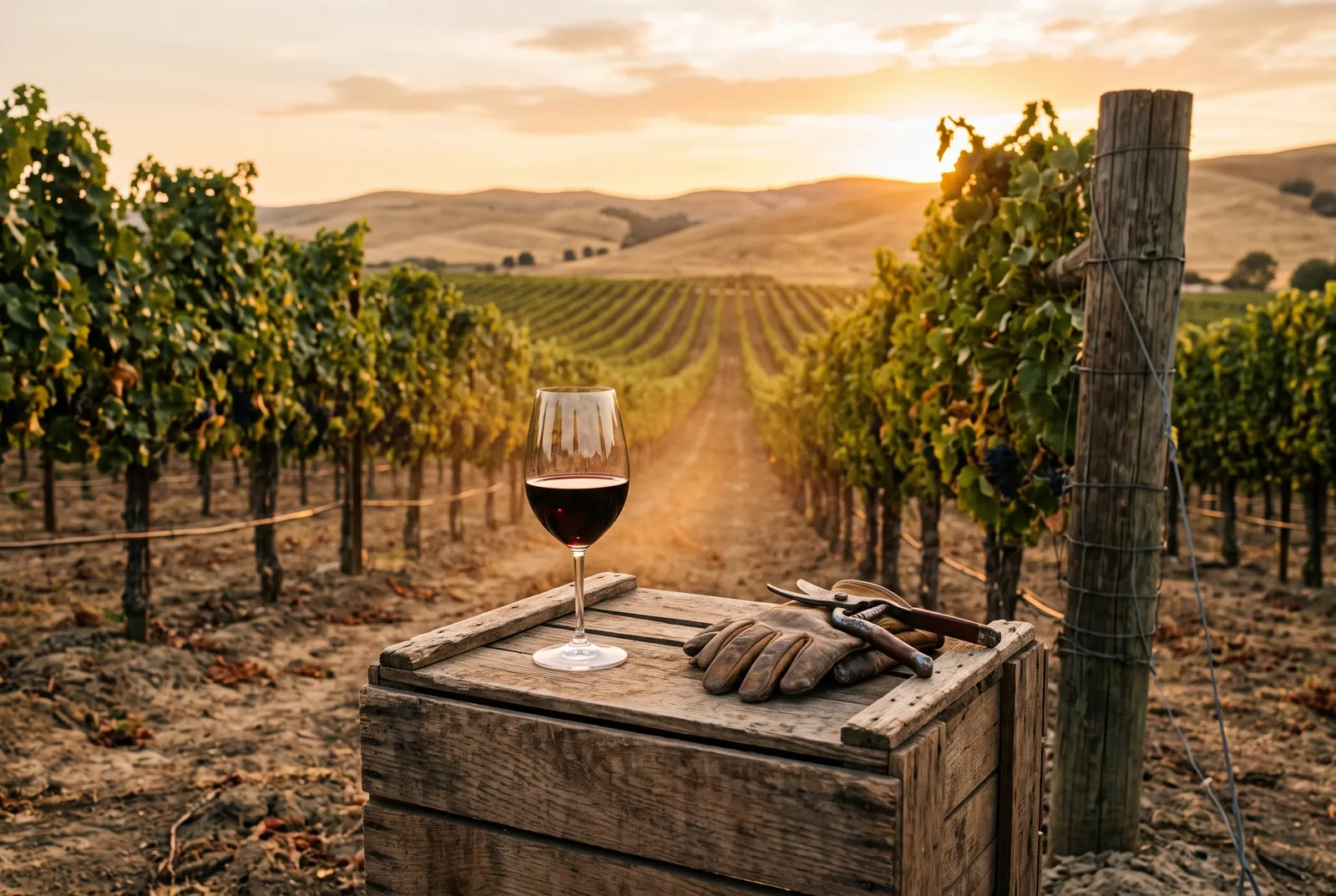
Napa publishes what other regions hide. The Crush Report gives grape prices by district and variety; the county crop report gives tons, acres and value; UC Davis publishes cost studies; brokers report land sales. Put together, they describe an economy in which a bearing acre grossed about $22,400 in 2024 and the land under it is worth ten to twenty times that.
Grapes
Napa County's 2024 crop report recorded about 78,500 tons of Cabernet Sauvignon from 24,800 acres at an average of $9,146 a ton — roughly four times the California statewide Cabernet average of $2,182. District 4's all-variety average in the Crush Report was $6,939, down 1.3% on 2023. At the top, contracts are priced off the bottle: Beckstoffer's To Kalon fruit is widely reported to sell at a hundred times the wine's retail price per ton, so a $200 bottle means $20,000 grapes.
Land
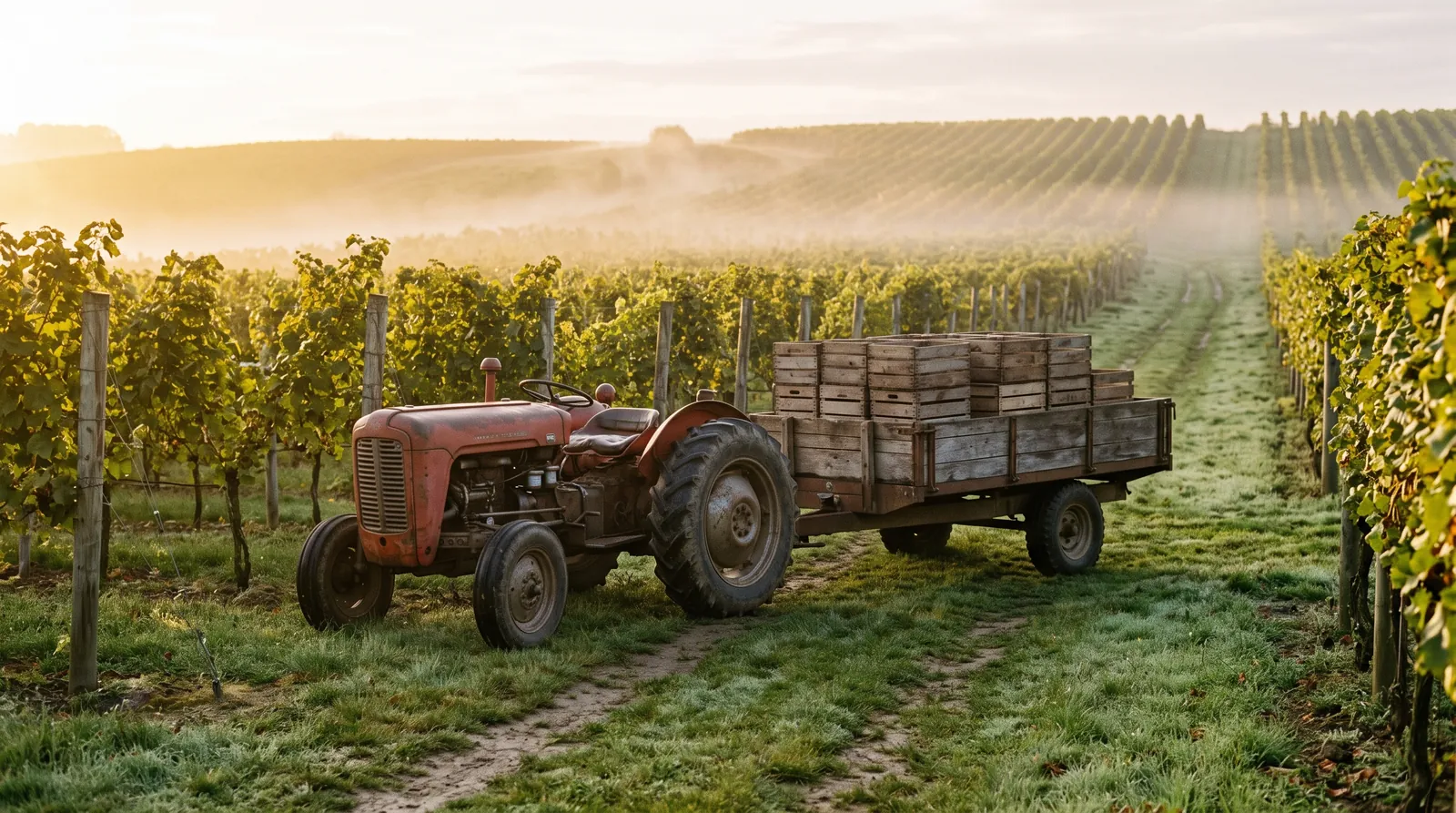
Broker reporting puts established prime Napa vineyard at $300,000–500,000 an acre and secondary sites at $120,000–340,000; record transactions on the Oakville and Rutherford benchland exceed the range. A hectare is 2.47 acres, so prime Napa is $741,000–1.24 million a hectare — below Pauillac's €2.5 million and far below Burgundy grand cru, but the highest in the New World by a wide margin.
Farming
UC Davis's Napa Cabernet study puts establishment at about $45,800 an acre over the first three years, before land, and operating costs for an established hand-harvested vineyard at $5,500–8,500 an acre a year. The cult estates report farming costs well above that — $12,000–25,000 an acre is the range in interviews — for organic regimes, higher density and low yields. Labour is the largest line everywhere; water and permitting are the constraints on new planting.
Per bottle
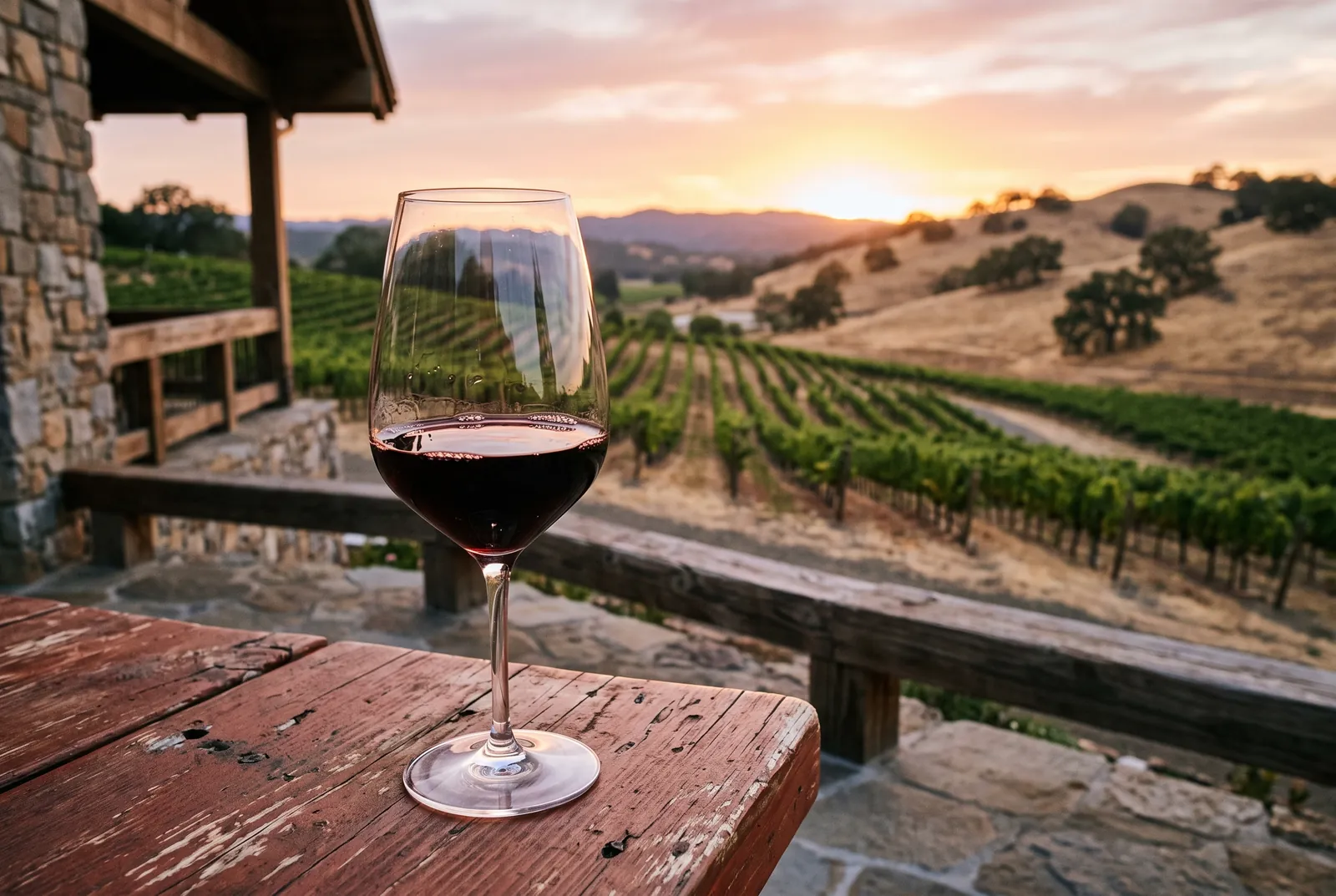
At the county average — 3.2 tons an acre, $9,146 a ton, about 60 cases a ton — grapes are about $12.70 a bottle and the acre grosses $22,400 before costs. A cult estate cropping two tons an acre of fruit it cannot buy on any market, on land worth $1 million a hectare, farmed at $20,000 an acre, carries an imputed land cost and a farming cost per bottle that together approach $20 before a barrel is bought. Corkonomics' Napa cult Cabernet model lands in the tens of dollars a bottle; the release prices are in the hundreds and the secondary market in the thousands.
The three-tier tax
A Napa winery selling through distribution gives up roughly half the shelf price: distributor and retailer margins together commonly double the winery price. The cult estates escape this by selling direct to a mailing list, which is why their economics — and their waiting lists — look nothing like the rest of the valley's.
Fonti
- California Grape Crush Report 2024, preliminary and final, CDFA / USDA NASS, 2025. Recuperato 3 September 2026.
- Sample Costs to Establish a Vineyard and Produce Winegrapes, Cabernet Sauvignon, Napa County, UC Davis / UC Cooperative Extension, 2020. Recuperato 3 September 2026.
- 2024 Napa County Agricultural Crop Report, Napa County Agricultural Commissioner, 2025. Recuperato 3 September 2026.