 Bordeaux
 Burgundy
 Champagne
 Rhône
Rhône Napa Valley
 Tuscany
 Piedmont
 Mosel
Mosel Oregon
 Rioja
Rioja California sparkling
 Valais and Lavaux
 England
 Douro
Douro Etna
Etna Mendoza
 Marlborough
 Stellenbosch
 Barossa Valley
 Tasmania
 Beaujolais
 Jura
Jura Alsace
 Loire
Loire Provence
 Ribera del Duero
 Sonoma
 土地价格
土地价格 好年份与差年份
 法定产区列表
 著名葡萄园
著名葡萄园 名酒鉴赏
名酒鉴赏 谁在酿造它们
 查找年份
查找年份 比较酒款
比较酒款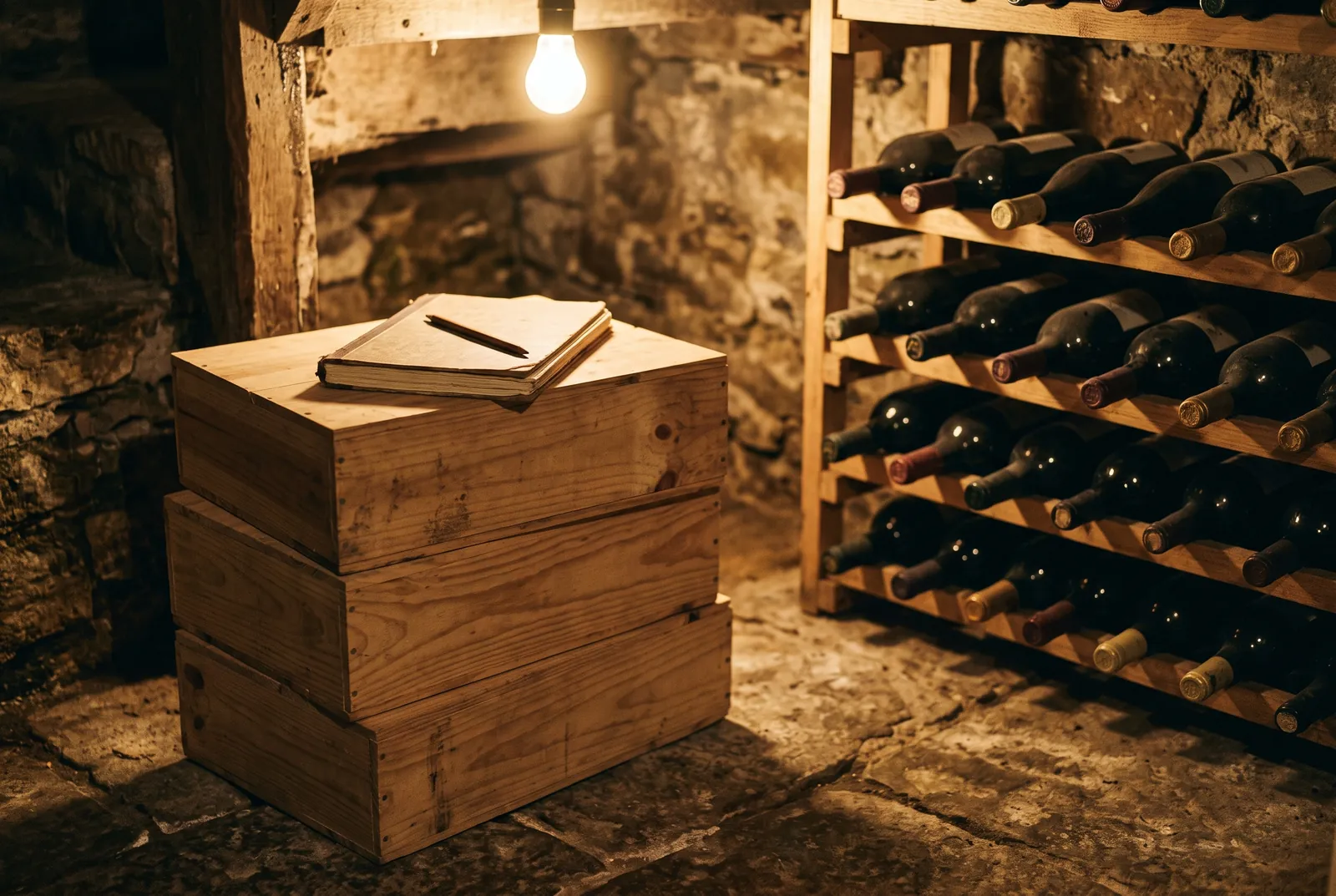
Start with a budget
A budget is a plan for how much money you will spend on something over a set period. For a collector it answers a simple question: how much can I spend on wine each year without it affecting anything more important? Rent, food, savings and emergencies come first.
Setting the budget in advance protects against the most common collecting mistake: buying on impulse because something is rare or "only available today". Scarcity is real, but there will always be another lovely wine next year.
Drinking windows and "buy a case, open one a year"
Every age-worthy wine has a drinking window, and producers, merchants and critics often publish a rough guess at it. A collector's job is to make sure bottles are opened inside that window, not forgotten until they fade.
A classic approach is to buy a case of twelve and open one bottle a year. It spreads the cost of a single purchase across many years of enjoyment, and it lets you taste for yourself how a wine changes: tight and fruity at first, then softer and more complex, and eventually past its best. There is no better way to learn about ageing.
Think about it: why might a cellar keep growing even when you open a bottle every month?
Keeping records and insuring what matters
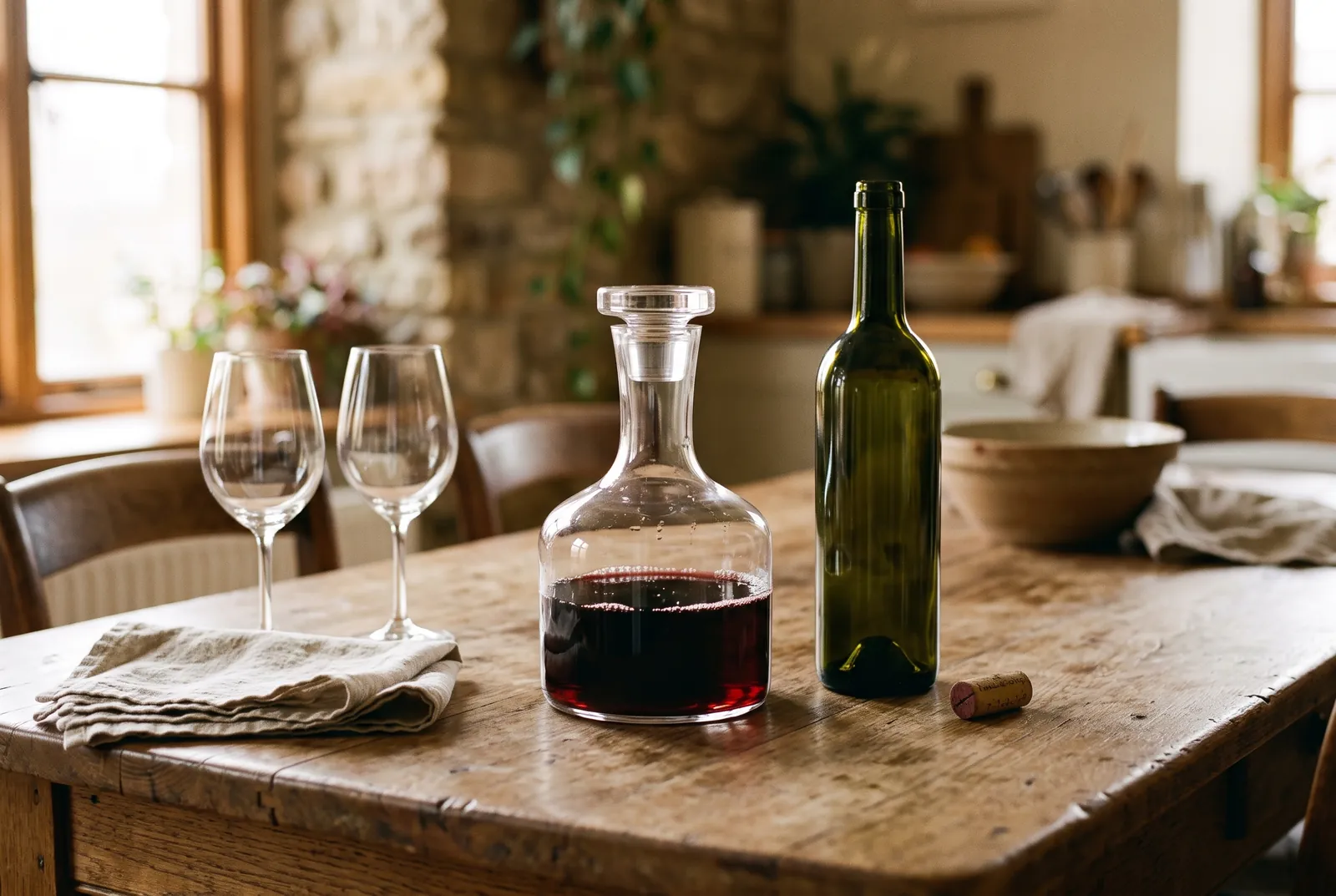
Good records make a collection easier to enjoy and easier to look after. A simple spreadsheet or app noting each wine, where it is, what it cost, where it came from and when it should be drunk is enough. Keep invoices: they are the start of the bottle's provenance.
If a collection becomes valuable, it may be worth asking whether a home insurance policy covers it or whether specialist cover is needed. Check, too, that your storage really is cool and steady, because the cheapest way to lose money on wine is to let it cook in a warm room.
- What it is: producer, wine name, vintage and bottle size.
- Where it is: which rack, shelf or warehouse.
- Where it came from: merchant, date and price, with the invoice kept.
- When to drink it: the expected drinking window.
Buying wisely: where and how
Most collectors do best buying from established merchants and wine shops with a physical address, a long history and clear terms. A good merchant will tell you how a wine has been stored, offer advice on drinking windows, and deliver what you paid for. Comparing a few prices before buying is simple and often saves money, because the same wine can be priced quite differently by different sellers.
It also helps to think about value in the glass rather than value on paper. The most famous names carry a large premium for their reputation. Wines from the same regions made by less famous producers, or from good but less celebrated vintages, can give a great deal of pleasure for a fraction of the price. Learning to enjoy them is one of the most useful skills a collector can have.
Finally, the lessons on fraud apply to collectors as much as to anyone. Be cautious about unknown sellers online, unusually low prices for rare wines, and anyone who contacts you out of the blue. Ask for invoices and provenance on anything old or valuable.
If you inherit a cellar
Some people first meet fine wine when a relative's cellar passes to them. The right steps are calm ones. First, make a list of what is there and photograph it. Second, keep the wine where it is, or somewhere equally cool, rather than moving it to a warm house. Third, gather any invoices, letters or storage records, because those are the provenance.
Then think about what you want: to drink some, to keep some for family occasions, or to sell some. If selling, ask more than one reputable auction house or merchant for an estimate, and remember the fees and round-trip costs from chapter 4. Be especially wary of anyone who contacts you unprompted offering to "value" or "manage" the collection.
The ethics and the fun
Wine is alcohol, and in most countries it is legal to buy only from age 18 or 21. Collecting is about patience and sharing, never about drinking more. It also comes with choices about fairness: buying far more of a scarce wine than you could ever drink, purely to resell, pushes prices up for people who simply want to enjoy it.
The fun is real, though. A collection connects you to places, farmers and years. Opening a bottle from the year a friend was born, or comparing two vintages side by side, turns a spreadsheet of costs into a story.
What this track has taught you
Every economic idea from the previous chapters shows up in a sensible collection:
- Scarcity and reputation explain why a tiny share of wine is collectible.
- Supply and demand explain why the top can rise while everyday wine does not.
- Release price, allocation and margin explain how wine is first sold, and opportunity cost explains the price of paying early.
- Fees, spreads and liquidity explain why buying and selling is costly.
- Carrying costs and provenance explain why storage and paperwork matter.
- Scarcity plus high prices explains fraud, and guaranteed returns are a warning sign.
- CAGR, real returns, volatility and survivorship bias explain how to judge any claim about returns honestly.
Worked example: a case a year, a bottle from each
Here is a made-up collector with round numbers. She budgets $600 a year and buys one case of 12 bottles at $50 each. Each year she opens one bottle from every case she owns, starting with the new one.
| Year 1: buy 12, open 1 | 11 bottles left |
|---|---|
| Year 2: buy 12, open 2 | 11 + 12 minus 2 = 21 bottles |
| Year 3: buy 12, open 3 | 21 + 12 minus 3 = 30 bottles |
| Year 4: buy 12, open 4 | 30 + 12 minus 4 = 38 bottles |
| Year 5: buy 12, open 5 | 38 + 12 minus 5 = 45 bottles |
| Total spent over 5 years (5 × $600) | $3,000 |
| Bottles opened so far (1 + 2 + 3 + 4 + 5) | 15 |
After five years she has spent $3,000 and opened 15 bottles, but 45 are waiting. A cellar grows faster than people expect, so a plan to drink, and somewhere cool to keep the wine, matter as much as a plan to buy.
Key words
- Budget
- A plan for how much money you will spend on something over a set period.
- Drinking window
- The span of years when a wine is expected to taste at its best.
- Inventory
- A list of everything you own of a particular kind, with details such as where it is and what it cost.
- Estimate
- An auction house's or merchant's informed guess at what an item might sell for.
- Opportunity cost
- The value of the best alternative you give up when you choose to use your money or time one way.
Check your understanding
Why does setting a yearly budget help a collector?
Show the answer
It limits spending to what you can afford after more important things, and protects against impulse buys driven by scarcity or sales pressure.
In the worked example, how many bottles would she have after year 6, if she buys another case and opens 6?
Show the answer
45 + 12 minus 6 = 51 bottles.
List three sensible first steps if you inherit a cellar.
Show the answer
List and photograph the wine, keep it somewhere cool and steady, and gather any invoices or storage records that show its provenance.
Which idea from this track would you use to judge a claim that a wine "doubled in value"?
Show the answer
Measuring returns honestly: convert it to a CAGR, subtract fees, storage and tax, allow for inflation, and remember that past rises do not predict the future.
Go deeper on Corkonomics
Sources and further reading
- The Oxford Companion to Wine Jancis Robinson and Julia Harding, eds., Oxford University Press
- Investor education and fraud alerts US Securities and Exchange Commission
- ScamSmart: avoid investment scams UK Financial Conduct Authority
Research and education only. Nothing here is investment advice.
← Previous chapterAll chapters
All chaptersThe economics of wine collecting
Courses from this track
Every course takes less than thirty minutes.
-
 Beginner · 关于 18 minutes · 5 lessons · 10 questions
Fine wine collecting 101
Why a tiny share of the world's wine becomes something people collect, how supply and demand work when no more bottles can ever be made, and how collectors actually get hold of them.
-
 Intermediate · 关于 18 minutes · 5 lessons · 10 questions
Auctions, storage and fakes
What a bottle really costs at auction, why the price you can sell at is lower than the price you can buy at, and how storage, provenance and counterfeits decide what a bottle is worth.
-
 Intermediate · 关于 18 minutes · 5 lessons · 10 questions
Returns, risks and scams: thinking clearly about wine and money
How to read a claim like "wine has doubled in value": real versus nominal returns, compound growth, the costs that quietly eat returns, booms and busts, tax, and the warning signs of a scam. Strictly educational, never advice.