 Bordeaux
 Burgundy
 Champagne
 Rhône
Rhône Napa Valley
 Tuscany
 Piedmont
 Mosel
Mosel Oregon
 Rioja
Rioja California sparkling
 Valais and Lavaux
 England
 Douro
Douro Etna
Etna Mendoza
 Marlborough
 Stellenbosch
 Barossa Valley
 Tasmania
 Beaujolais
 Jura
Jura Alsace
 Loire
Loire Provence
 Ribera del Duero
 Sonoma
 Giá đất
 Năm tốt và năm xấu
 Appellations
 Các vườn nho nổi tiếng
 Những chai vang nổi tiếng
 Ai sản xuất chúng
 Tìm một vintage
 So sánh rượu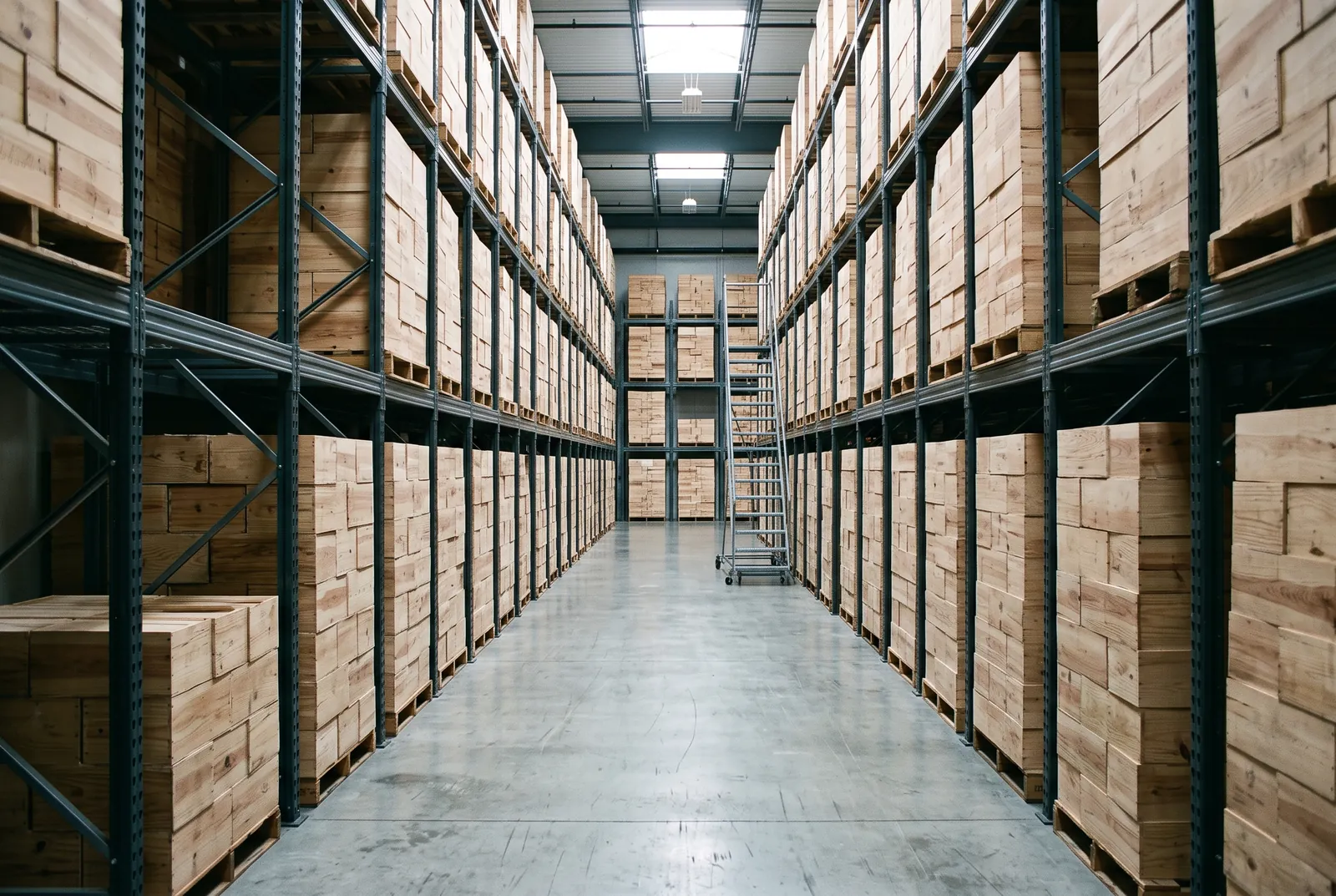
What wine needs to age well
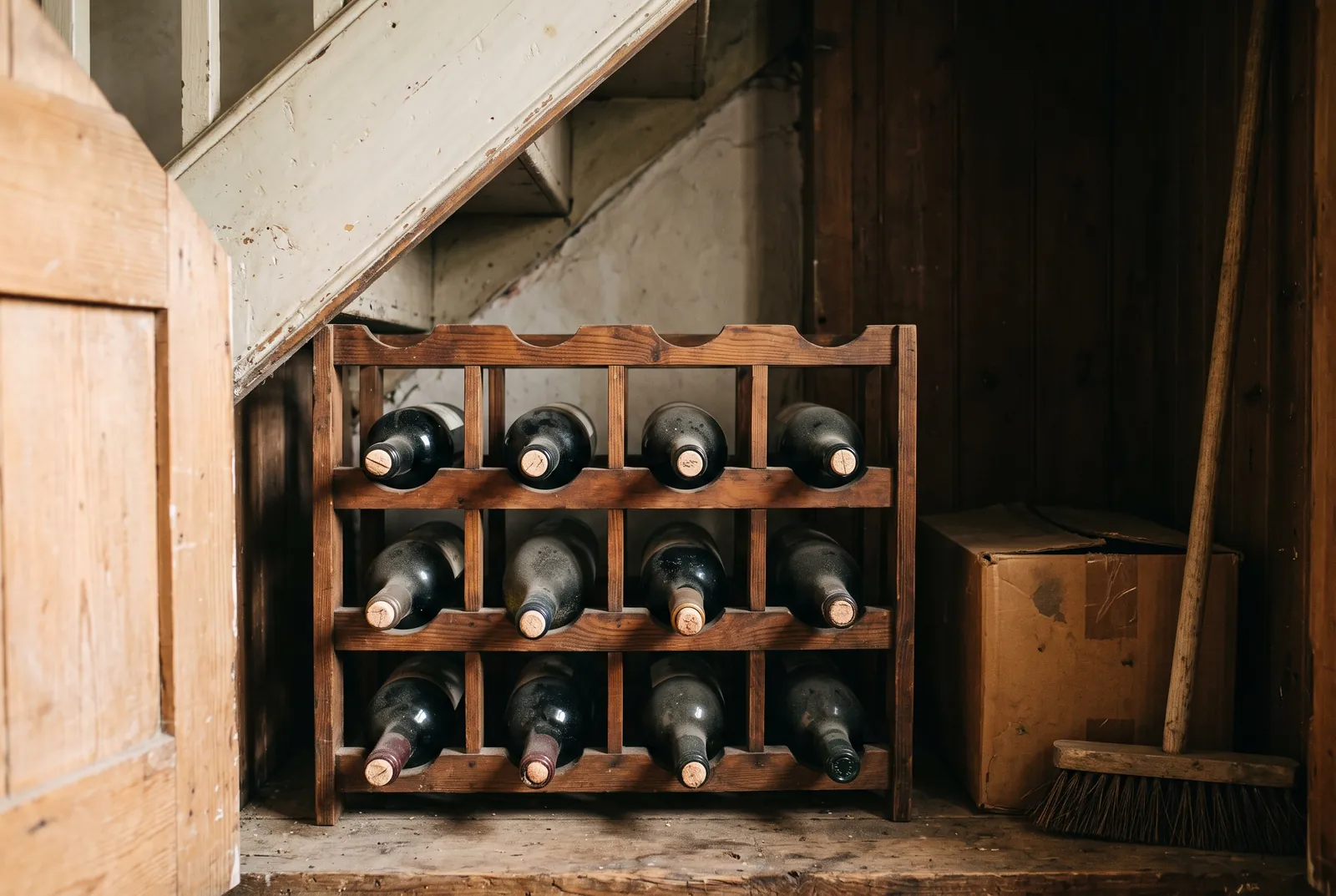
Wine is alive in a slow, chemical way, and it ages best in steady, gentle conditions. The usual rules are a cool, constant temperature (often given as around 12 to 14°C, roughly 55°F), moderate humidity so corks do not dry out, darkness, and as little vibration as possible. Bottles with corks are normally stored lying down so the cork stays moist.
Heat is the great enemy. A summer in a hot garage or a few days in a hot lorry can "cook" a wine, making it taste flat and jammy. Sudden swings in temperature can push wine past the cork. Neither problem may be visible from outside, which is why buyers worry about where a bottle has been.
Professional storage and "in bond"
Many serious collectors pay a specialist warehouse to keep their wine. These stores control temperature and humidity, keep records of every case, and often photograph bottles on arrival. Fees are usually charged per case per year.
In some countries, notably the United Kingdom, wine can be kept in bond: in a government-approved warehouse where duty and VAT (taxes on alcohol and on sales) have not yet been paid. The tax is only due if the wine is taken out to be drunk. Wine that stays in bond can be sold from one owner to another without ever moving, which also protects its condition and its paper trail.
Insurance and carrying costs
Valuable wine is usually insured against fire, flood, theft and breakage. Insurance is often priced as a small percentage of the wine's value each year, so the more the wine is worth, the more it costs to protect.
Storage and insurance are carrying costs: the costs of simply holding an asset over time. A share of a company or money in the bank costs almost nothing to hold. A case of wine costs something every single year, whether its price goes up or down. Over a decade, those small yearly costs add up to a real slice of the wine's value.
Think about it: why might a carrying cost that seems tiny each year matter a lot to someone planning to keep wine for twenty years?
Reading condition: fill levels, labels and capsules
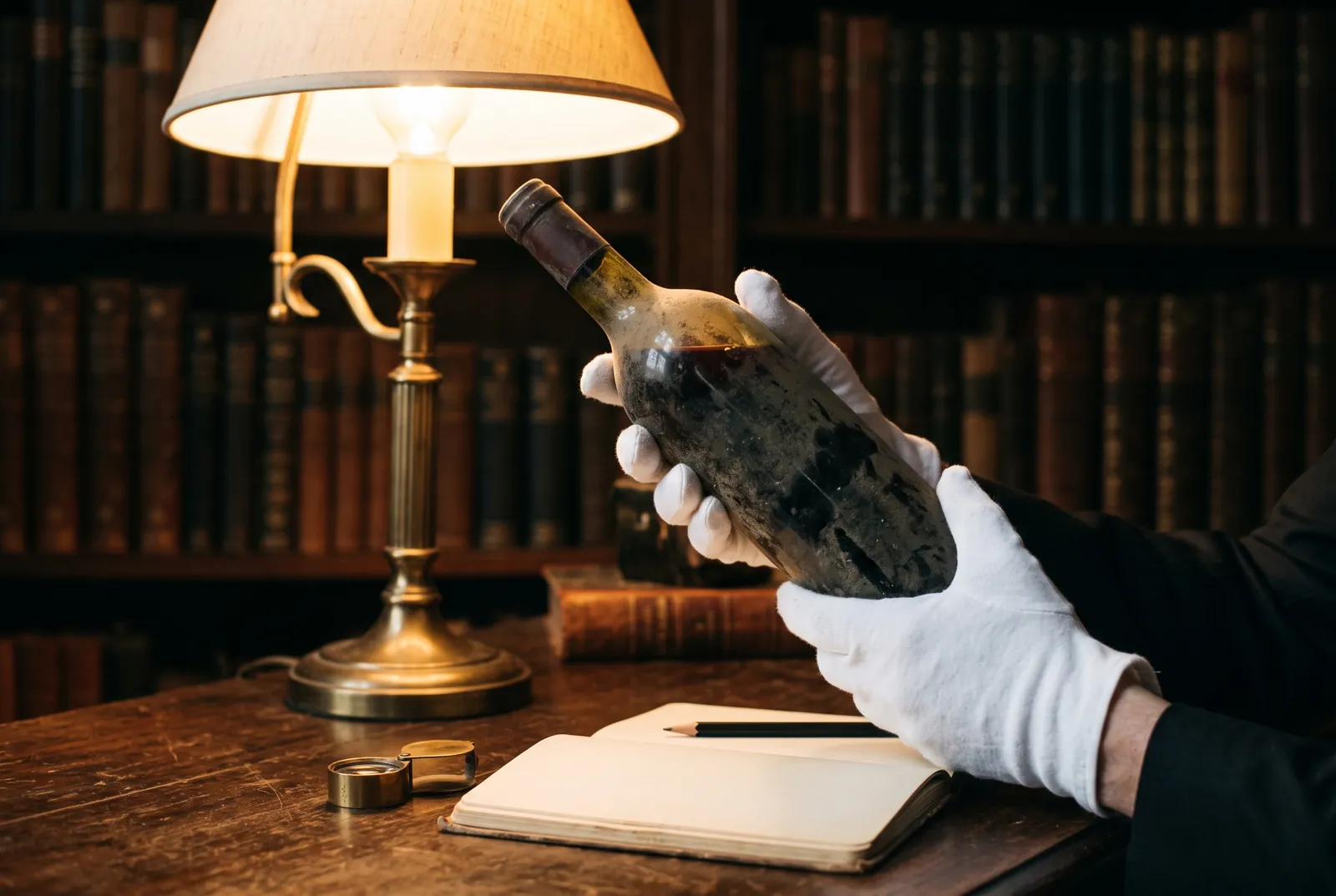
When an auction house describes an old bottle, it notes its condition carefully. The most important clue is the fill level or ullage: how far the wine has dropped below the cork. Over many decades a little wine evaporates through the cork, which is normal. A level much lower than expected for the wine's age can be a sign of poor storage or a failing cork, and buyers will pay less for it, or nothing at all.
Other details matter too:
- Labels: stained or torn labels may not affect the wine, but they lower the price.
- Capsules: the foil over the cork should be intact, not corroded or loose.
- Seepage: sticky marks around the cork suggest wine has leaked out and air may have got in.
- Original wooden case: an unopened case from the estate usually sells for more than the same bottles sold loose.
Why mature wine costs more than young wine
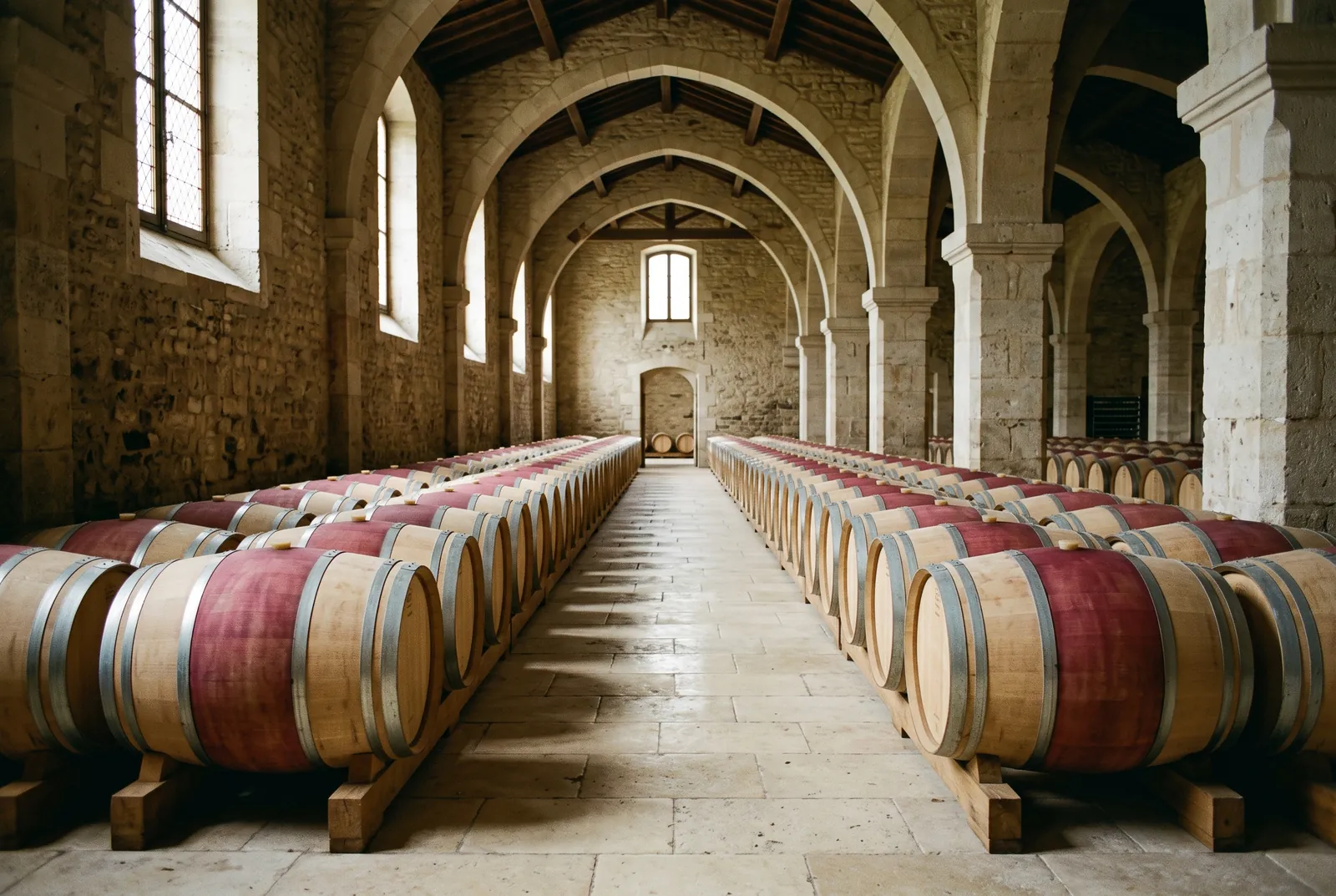
A collector who wants a wine at its best has two choices. They can buy it young and keep it for fifteen years, paying for storage and waiting. Or they can buy a bottle that someone else has already kept for fifteen years, ready to drink tonight.
Economics says the mature bottle should usually cost more, and it often does. Someone has already paid the carrying costs, given up the use of their money for all those years, and taken the risk that the wine would be damaged or that prices would fall. The higher price is partly a repayment for those costs and that risk. There is also simple scarcity: by then, many bottles of that vintage have been drunk.
That does not mean either choice is better. Buying young suits someone with a cool cellar, patience and a love of watching a wine change. Buying mature suits someone who has nowhere to store wine, or who wants a bottle for a particular occasion. What matters is understanding that time is not free: holding wine for years always costs something, whether you pay it yourself or pay it to the person who did the waiting for you.
It also explains why some buyers prefer wine that has stayed in one professional store for its whole life. They are paying a little extra to be confident that the waiting was done well.
Think about it: why might a restaurant charge more for an old vintage than for the same wine from a recent year?
Provenance: the bottle's life story
Provenance means the documented history of who has owned something and where it has been kept. For wine, the best provenance is a straight line from the estate to a merchant to a professional store, with invoices and storage records at each step.
Good provenance matters for two reasons. It tells the buyer the wine has probably been kept well, and it makes it much harder for a fake to slip in, which is the subject of the next chapter. That is why a perfectly stored bottle with a clear paper trail can sell for noticeably more than an identical-looking bottle with an unknown past.
Worked example: the cost of keeping a case, and the reward
Here is a made-up case of wine with round numbers. It is worth $2,000. Professional storage costs $20 a year and insurance costs 0.5% of the value a year ($10), and we keep the value fixed to keep the maths simple.
| Storage for 10 years (10 × $20) | $200 |
|---|---|
| Insurance for 10 years (10 × $10) | $100 |
| Total carrying cost over 10 years | $300, which is 15% of $2,000 |
| Made-up price of one well-stored bottle with full records | $200 |
| Made-up price of the same wine with a low fill and no records | $120 |
| Discount for poor condition and unknown history | $80, which is 40% of $200 |
Good storage is not free: here it costs 15% of the wine's value over ten years. But poor storage can cost more, because a doubtful bottle may sell for 40% less, or not sell at all.
Key words
- Carrying cost
- The cost of holding an asset over time, such as storage and insurance for wine.
- In bond
- Kept in a government-approved warehouse with duty and sales tax not yet paid; tax is due only when the wine is taken out.
- Fill level (ullage)
- How far the wine has dropped below the cork, an important clue to an old bottle's condition.
- Provenance
- The documented history of who has owned a bottle and where it has been kept.
- Bảo hiểm
- Paying a regular fee so that a company will cover your loss if something is damaged, lost or stolen.
Check your understanding
Name three conditions wine needs to age well.
Show the answer
Any three of: a cool, steady temperature; moderate humidity; darkness; little vibration; bottles with corks lying on their sides.
What does it mean to hold wine in bond?
Show the answer
The wine sits in an approved warehouse with duty and sales tax unpaid. The tax is only due if the wine is taken out, and it can change owners without moving.
A case worth $5,000 costs $25 a year to store and 0.5% of its value a year to insure. What is the carrying cost over 4 years?
Show the answer
Storage is 4 × $25 = $100 and insurance is 4 × $25 (0.5% of $5,000) = $100, so $200 in total.
Why does good provenance raise the price of a bottle?
Show the answer
It shows the wine has probably been stored well and makes it much less likely to be a fake, so buyers take less risk and will pay more.
Go deeper on Corkonomics
Sources and further reading
- The Oxford Companion to Wine Jancis Robinson and Julia Harding, eds., Oxford University Press
- Wine auction results Christie's
Research and education only. Nothing here is investment advice.
Next chapterCounterfeits and fraud← Previous chapterAll chapters