 Bordeaux
 Burgundy
 Champagne
 Rhône
Rhône Napa Valley
 Tuscany
 Piedmont
 Mosel
Mosel Oregon
 Rioja
Rioja California sparkling
 Valais and Lavaux
 England
 Douro
Douro Etna
Etna Mendoza
 Marlborough
 Stellenbosch
 Barossa Valley
 Tasmania
 Beaujolais
 Jura
Jura Alsace
 Loire
Loire Provence
 Ribera del Duero
 Sonoma
 토지 비용
토지 비용 좋은 해와 나쁜 해
 아펠라시옹
아펠라시옹 유명한 포도밭
 유명한 와인
 만드는 사람들
 빈티지 찾기
 와인 비교
와인 비교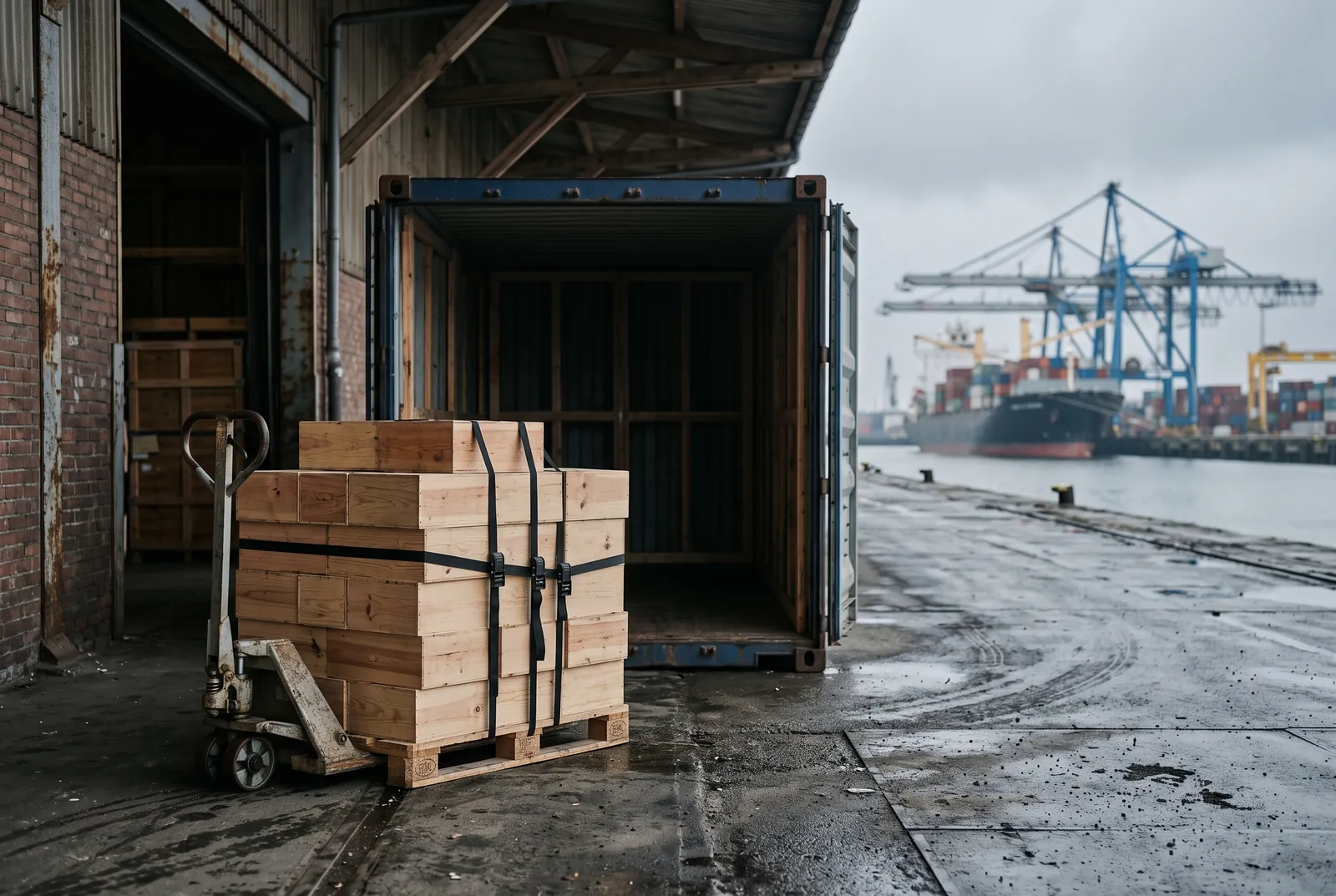
Dressing the bottle
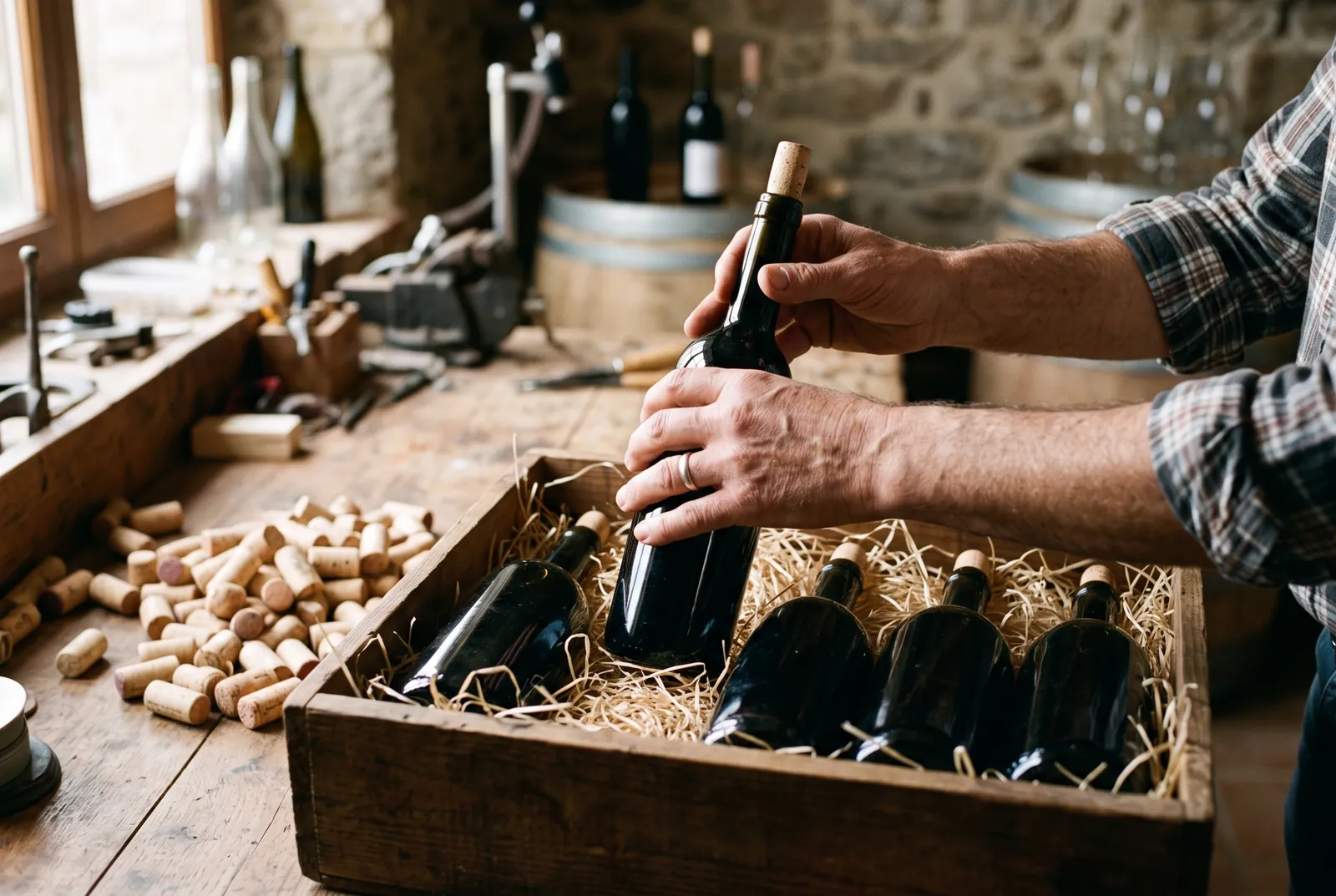
Before wine can travel it needs packaging, and packaging is a real cost. A plain glass bottle is cheap, but heavy, embossed or unusual bottles cost much more and are also dearer to ship. Natural cork usually costs more than a screwcap, and the very best corks cost more still. Labels, capsules and the cardboard or wooden case add a little more.
For an everyday wine, packaging can be one of the biggest costs per bottle, sometimes more than the wine inside. For a luxury wine it is a small share of the price, which is why expensive wines can afford heavy glass and wooden cases.
Weight matters in another way too. Glass is heavy, and wine is shipped in huge quantities, so a heavier bottle adds to fuel costs at every step of the journey. Some producers have moved to lighter bottles, boxes, cans or pouches for everyday wine, both to cut costs and to reduce their carbon footprint.
The US three-tier system
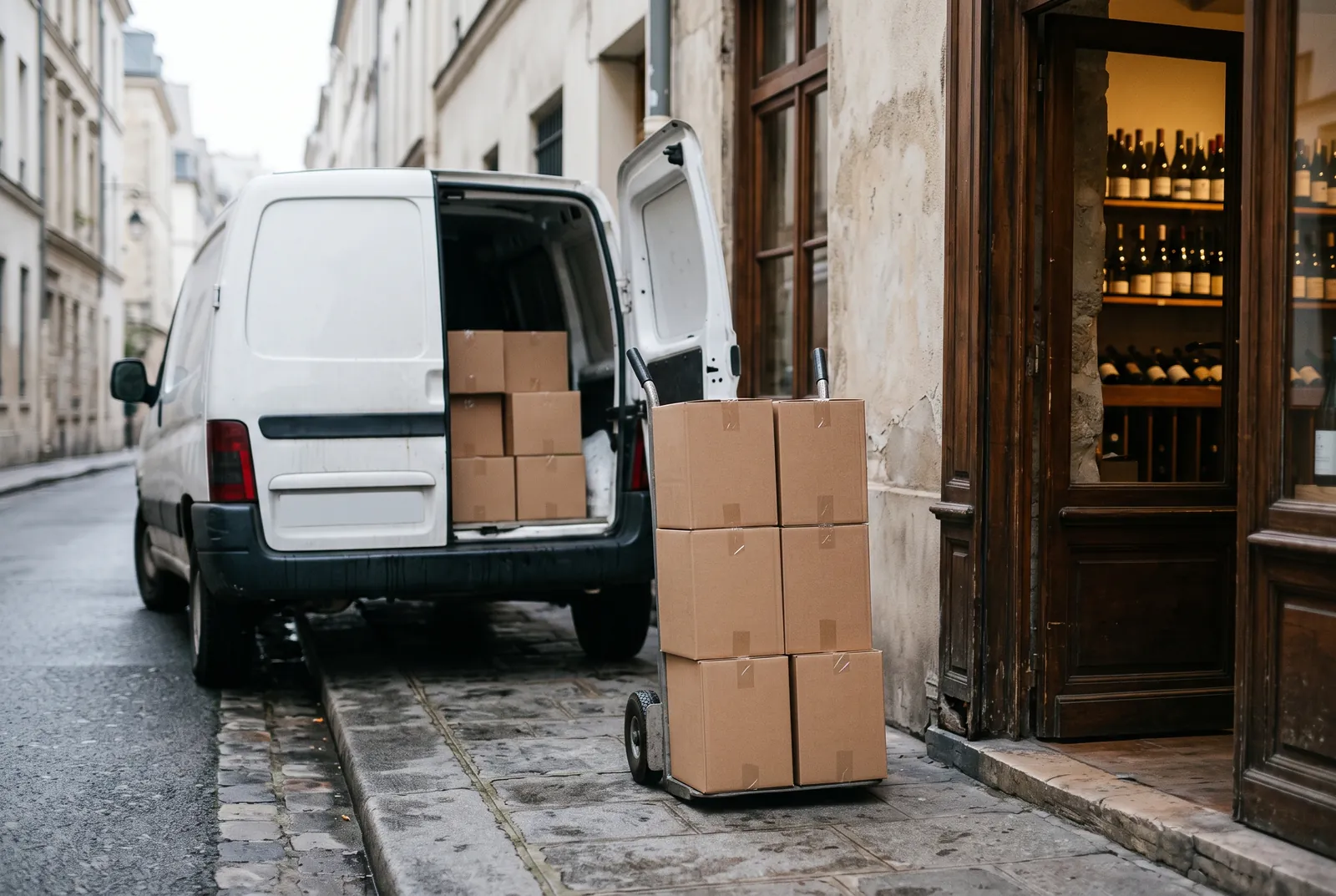
When Prohibition ended in 1933, the United States let each state make its own rules for alcohol. Most adopted what is called the three-tier system: producers (or importers) must sell to licensed distributors, distributors sell to licensed retailers and restaurants, and only retailers sell to the public. The aim was to stop any one company controlling the whole chain and to make taxes easy to collect.
Each tier adds a markup, an amount added to what it paid so that it covers its own costs and earns a profit. Markups vary a lot by state, by wine and by business, but distributors commonly add something like a quarter to a third, and shops something like a third to a half or more. Because each markup is calculated on a price that already includes the previous one, they stack up quickly.
Excise tax
An excise tax is a tax on a particular product, charged by quantity rather than as a share of the price. In the United States, the federal government charges excise duty on wine by the gallon, collected by the Alcohol and Tobacco Tax and Trade Bureau (TTB). For ordinary table wine it works out at roughly 20 cents a bottle, with credits that lower it for small producers. States add their own excise taxes, and sales tax is added at the till.
Because excise is a fixed amount per bottle, it is a much bigger share of a cheap wine's price than an expensive one. Many countries charge far more than the US. The UK, for example, has some of the highest wine duties in Europe, so tax makes up a large slice of a cheap bottle's price there.
Think about it: a 20 cent tax is what share of a $5 bottle, and what share of a $50 one?
Imports and tariffs
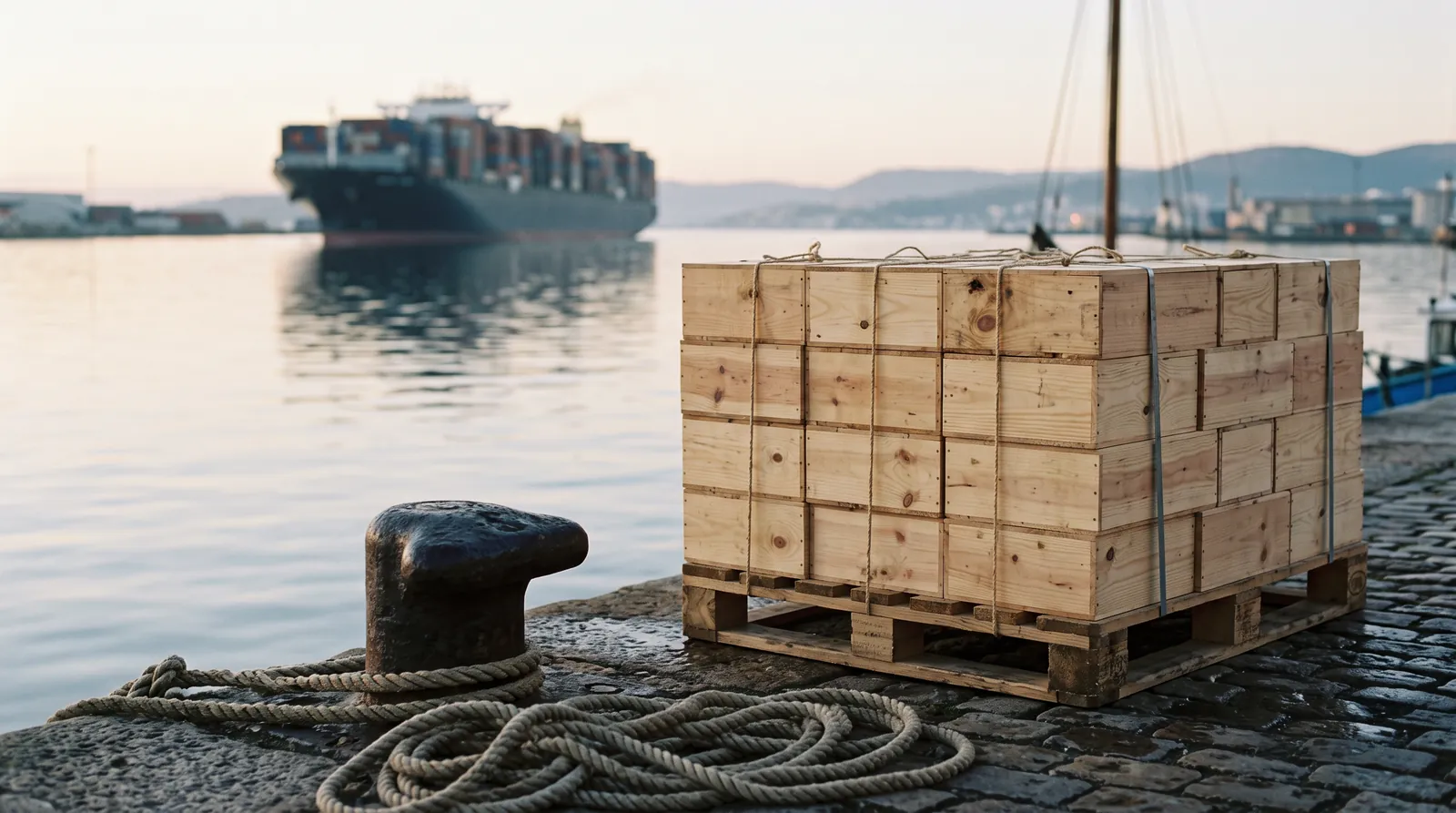
Imported wine has extra links: freight by sea in shipping containers, insurance, and an importer who handles customs and paperwork. On top comes any tariff, a tax charged on goods when they cross a border, usually a percentage of their value. Tariffs make foreign wine dearer compared with home-grown wine, which is often the point: they protect local producers, or are used as a bargaining tool in trade disputes.
US tariffs on wine have changed several times in recent years, including in 2025, and the rates differ by country and type of wine. Because a tariff is charged early in the chain, every later markup is calculated on a price that already includes it, so a tariff raises the shelf price by more than the tariff itself.
Restaurants and the on-trade
The trade calls restaurants, bars and hotels the on-trade, because the wine is drunk on the premises, and shops the off-trade. Restaurants usually buy from the same distributors as shops, at similar prices, but they add a much bigger markup. A bottle a shop sells for $20 might appear on a wine list for $40 to $60.
Part of that markup pays for things a shop does not provide: glasses that break, a cellar, trained staff, a chair and table for the evening. Part reflects the fact that wine is often one of the more profitable things a restaurant sells, helping cover thin margins on food. For wineries, getting onto good wine lists is valuable even when it earns little directly, because diners who enjoy a wine may look for it in shops later. Economists would call that a kind of advertising.
Going direct: tasting rooms and wine clubs
A winery that sells directly to drinkers keeps the slices that the distributor and shop would have taken. In the US this direct-to-consumer trade happens through tasting rooms, websites and wine clubs, where members agree to receive a few bottles several times a year. After a 2005 Supreme Court ruling, most states now allow wineries to ship to residents, with permits and taxes.
Direct sales are not free money. The winery must pay for staff, a tasting room, shipping, marketing and keeping track of each state's rules. It also can only sell as much as its own customers will buy, while a distributor can put the wine in thousands of shops. Most wineries use both routes.
Worked example: from $5 at the winery to the shop shelf
Here is a made-up American wine with round numbers. The winery sells it to a distributor for $5 a bottle, a price that already includes federal excise tax. Real markups vary by state and wine.
| Winery sells to the distributor | $5.00 |
|---|---|
| Distributor adds a 30% markup ($1.50) | $6.50 |
| Retailer adds a 50% markup on $6.50 ($3.25) | $9.75 |
| Shelf price, rounded as shops often do | $9.99 |
| Same wine sold direct from the winery's website | $9.99 |
The price almost doubles between winery and shelf, and the winery keeps about half. Selling the same bottle direct at $9.99 lets the winery keep nearly twice as much per bottle, minus its own shipping and selling costs.
Key words
- Three-tier system
- The US rule, in most states since 1933, that producers sell to distributors, who sell to retailers, who sell to the public.
- Markup
- An amount added to what a business paid for something, so it covers its costs and earns a profit. Often given as a percentage of cost.
- Excise tax
- A tax on a particular product charged per unit, such as per gallon of wine, rather than as a share of the price.
- 관세
- A tax charged on goods when they are imported into a country.
- Direct-to-consumer
- Selling straight to drinkers through a tasting room, website or club, without a distributor or shop.
- Wine club
- A membership where customers receive wine from a winery several times a year, giving the winery steady direct sales.
Check your understanding
A distributor buys a wine for $8 and adds a 25% markup. A retailer then adds 50%. What is the shelf price?
Show the answer
25% of $8 is $2, so the distributor sells at $10. 50% of $10 is $5, so the shelf price is $15.
Why does a tariff raise the shelf price by more than the tariff itself?
Show the answer
It is added early in the chain, and every later markup is a percentage of a price that already includes the tariff.
Why is excise tax a bigger burden on cheap wine than on expensive wine?
Show the answer
It is a fixed amount per bottle, so it is a much bigger share of a low price than of a high one.
Give one benefit and one cost of selling wine through a wine club.
Show the answer
Benefit: the winery keeps the distributor's and shop's share and gets steady sales. Cost: it must pay for shipping, staff, marketing and following each state's rules.
Go deeper on Corkonomics
Sources and further reading
- Wine: rules, labels and taxes US Alcohol and Tobacco Tax and Trade Bureau (TTB)
- US trade data (imports and exports) US International Trade Commission DataWeb
- State of the US Wine Industry report Silicon Valley Bank
← Previous chapterAll chapters
All chaptersThe economics of wine production
- The wine business at a glance: from vineyard to glass
- Land: why some vineyard ground costs millions
- Growing grapes: farming costs and yields
- Grape prices: buying, selling and contracts
- Making the wine: winery costs and economies of scale
- Time is money: ageing, inventory and the cost of waiting
- From cellar door to shop shelf: packaging, distribution, taxes and tariffs
- Pricing, brands and the global picture