 Bordeaux
 Burgundy
 Champagne
 Rhône
Rhône Napa Valley
 Tuscany
 Piedmont
 Mosel
Mosel Oregon
 Rioja
Rioja California sparkling
 Valais and Lavaux
 England
 Douro
Douro Etna
Etna Mendoza
 Marlborough
 Stellenbosch
 Barossa Valley
 Tasmania
 Beaujolais
 Jura
Jura Alsace
 Loire
Loire Provence
 Ribera del Duero
 Sonoma
 Ce que coûte le terrain
 Les bonnes et mauvaises années
 Appellations
 Vignobles célèbres
 Vins célèbres
 Qui les produit
 Trouver un millésime
 Comparer les vins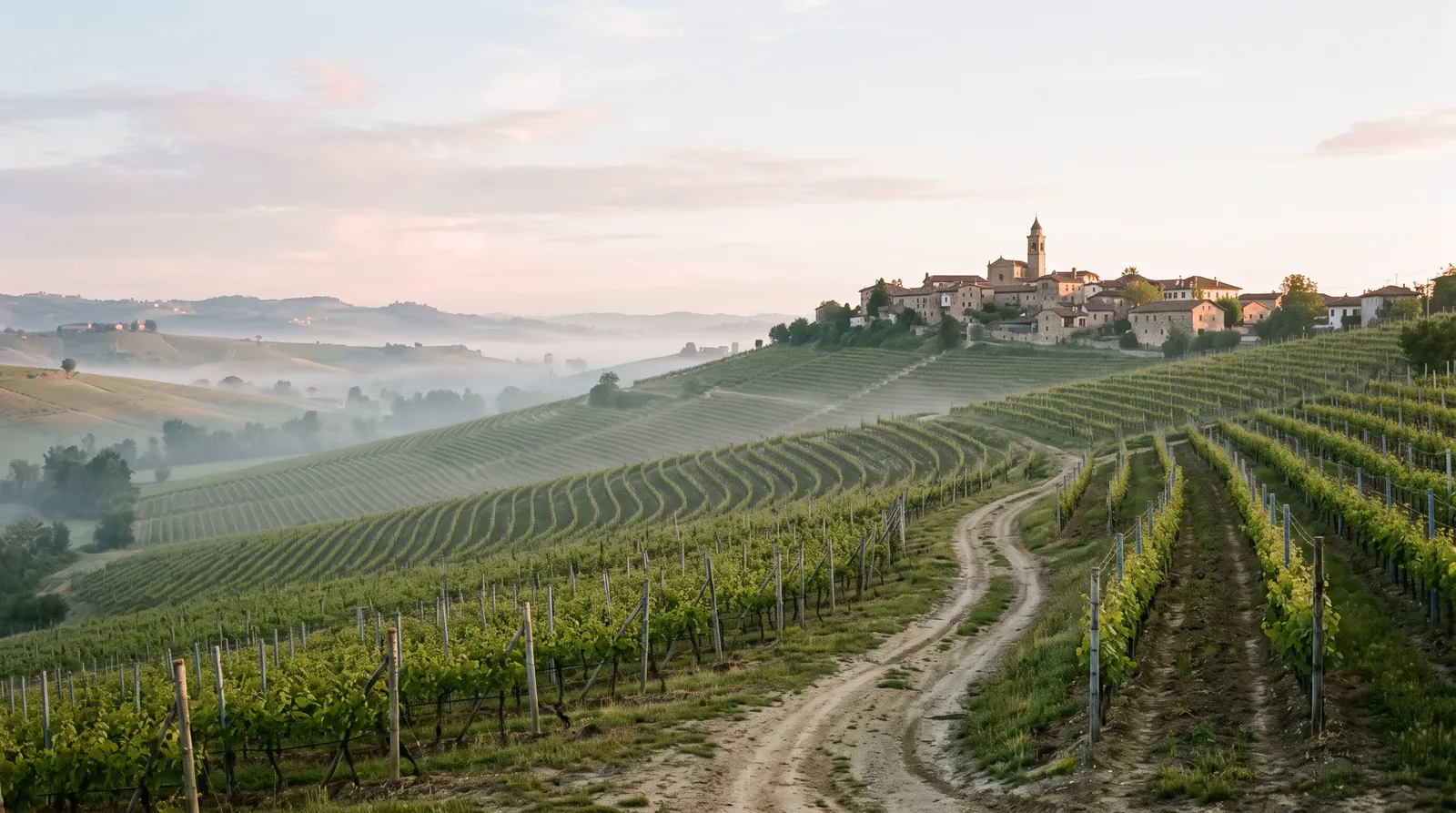
Two ways to set a price
The simplest way to price a wine is cost-plus pricing: add up what it cost to make and add a fixed percentage on top. If a bottle costs $8 to produce and the winery wants a 50% markup, it charges $12. This is easy and makes sure costs are covered, but it ignores what customers would actually pay.
Value pricing starts from the other end: what is this wine worth to the buyer? A famous estate with tiny production and a waiting list of customers can charge many times its costs, because buyers value the name, the rarity and the experience. Think of limited-edition trainers: they may cost no more to make than ordinary ones, but they sell for far more because of the brand and the scarcity.
The price ladder
People in the trade often describe wine prices as a ladder. The names and dividing lines vary from one report to another, but the idea is roughly this.
- Bulk and value: sold by the tanker or in large formats and cheap bottles, where every cent of cost matters.
- Everyday or premium: the bottles most people buy for dinner, often from well-known brands.
- Super-premium and ultra-premium: wines from better sites and smaller producers, where quality and story start to drive price.
- Luxury and icon: famous names such as top Bordeaux estates, Burgundy grand crus or Napa cult wines, made in limited amounts and priced by demand rather than cost.
Brands and scarcity
A brand is a name customers recognise and trust. Building one takes years and money: marketing, consistent quality, good reviews, a strong story. Once built, it lets a producer charge more than an unknown rival for a similar wine, and it keeps customers coming back.
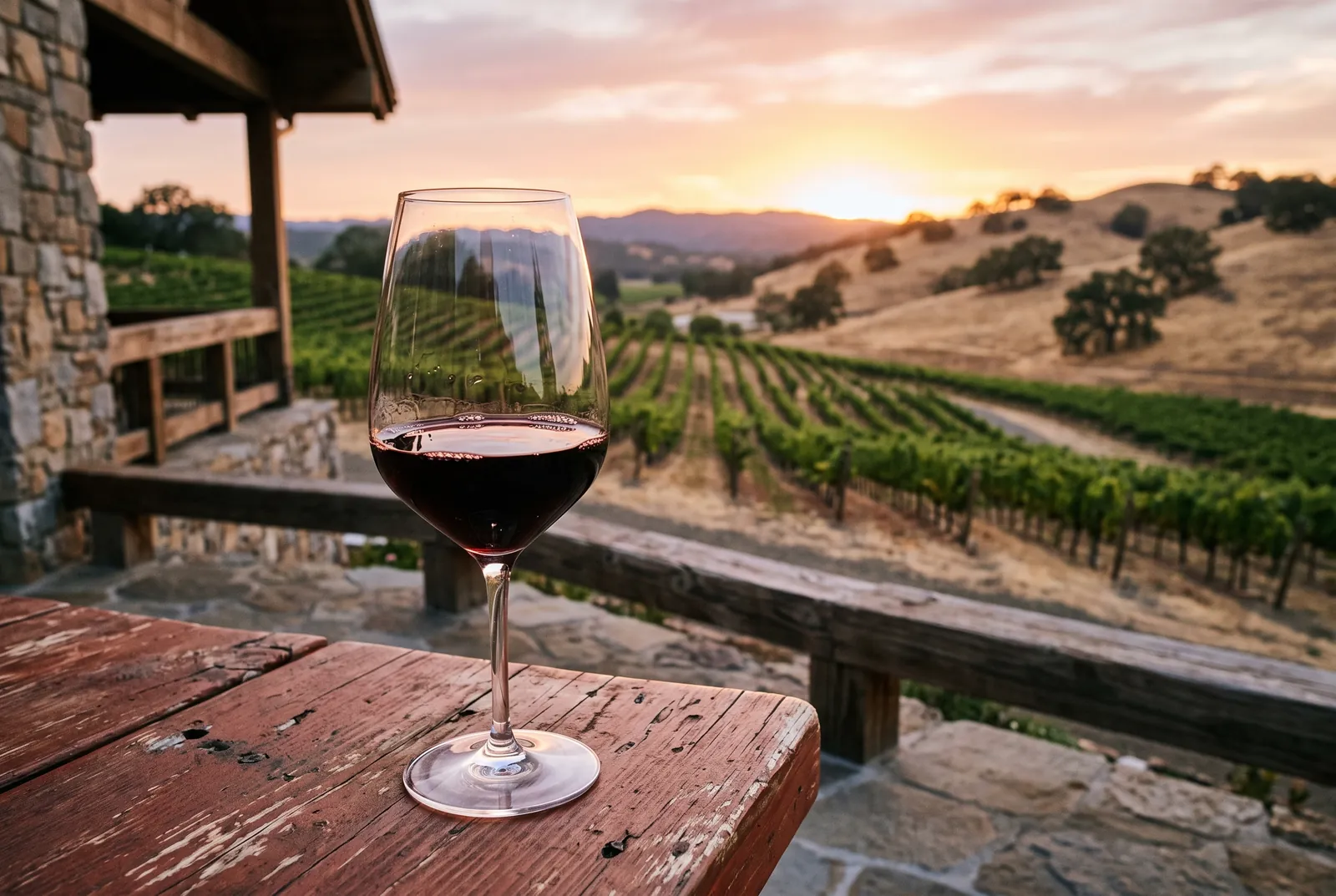
At the top of the ladder, brand and scarcity work together. A wine made in a few thousand bottles from a famous vineyard cannot simply be made in larger amounts, so when more people want it, the price rises rather than the supply. Some producers use allocation, offering each customer only a fixed number of bottles, which keeps demand ahead of supply.
The global balance
Step back and look at the whole world. According to the International Organisation of Vine and Wine (OIV), global wine consumption has been drifting lower in recent years. Younger drinkers in many countries drink less alcohol, and other drinks compete for their money. When production stays high and consumption falls, the result is a surplus, and prices for ordinary wine come under pressure.
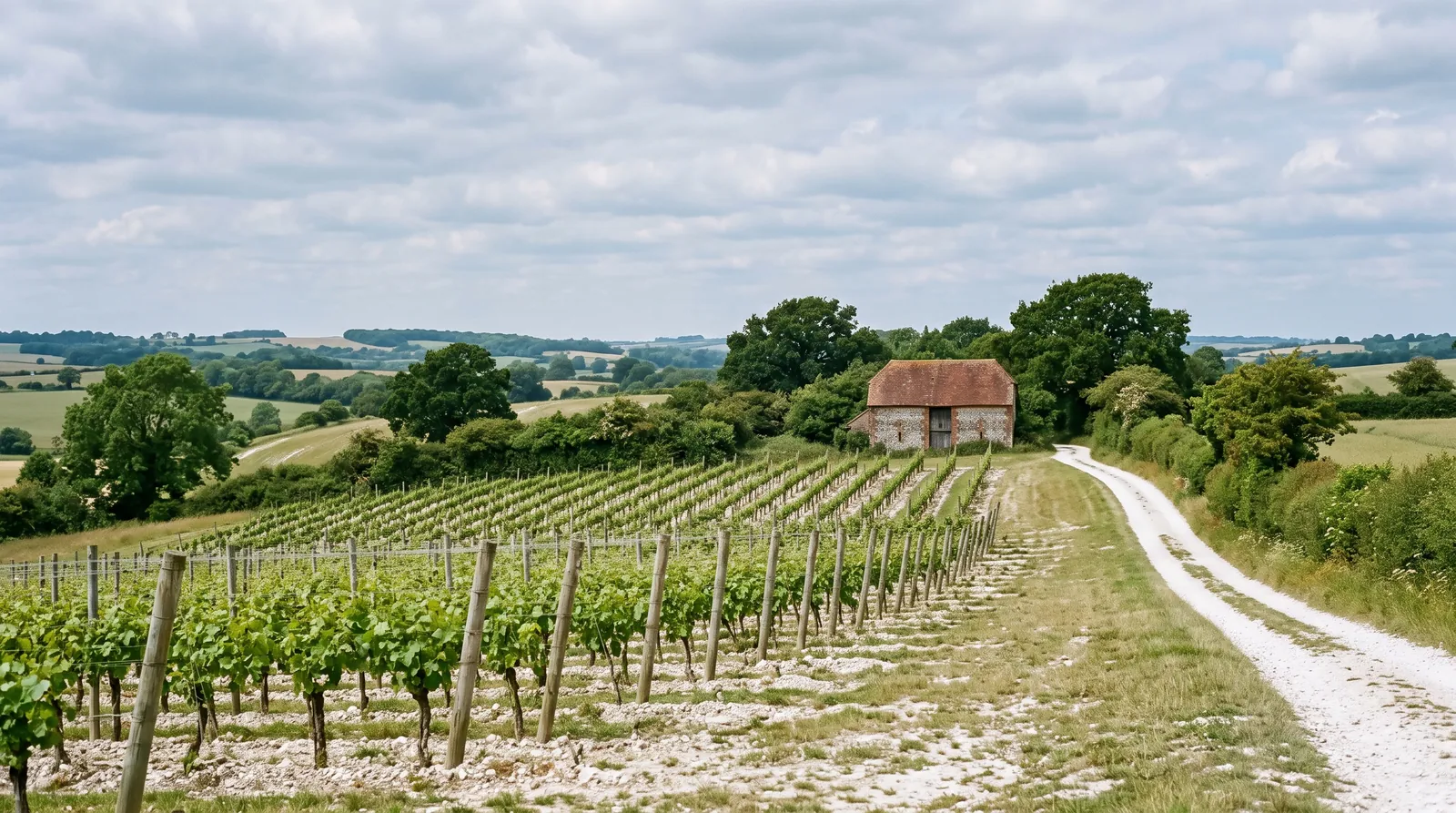
Governments and regions have responded. Several, including Bordeaux, have paid growers to pull up vines, a deliberate cut in supply to bring it closer to demand. At the same time, climate change is shifting where good wine can be made. Warmer summers have helped places once thought too cold, such as southern England, which now makes respected sparkling wine, while some hot regions face drought, heat and more frequent fires. Land values and grape prices follow these shifts over time.
Not all wine travels in bottles. A large share of the world's cheaper wine is shipped in bulk, in huge tanks or bags inside shipping containers, and bottled in the country where it will be sold. That keeps transport costs down and lets brands blend wine from several countries. It also means growers in one region compete with growers on the other side of the world, so a big harvest in one place can push down prices elsewhere.
Why many small wineries struggle
Put the whole track together and the challenge for a small winery is clear. It has high fixed costs and little scale. It may have paid a lot for land, so its imputed land cost is high. It carries weather risk every year and needs working capital to age its wine. It loses about half the shelf price to distributors and shops, and it competes with huge brands that can sell for less. Many survive by selling direct and building a loyal following, but a small fall in sales can turn a thin profit into a loss, as the worked example shows.
None of this means small wineries are doomed. Many do well by being different: a special site, a style nobody else makes, a strong following among visitors, or careful control of costs. The point is that good wine alone is not enough. A winery is a business, and it must cover its costs, manage its risks and find buyers willing to pay a price that leaves something over.
Thinking like a wine economist
When you look at any bottle from now on, try asking these questions. They are the same ones researchers ask, and they work for almost any product.
- What did the land cost, and what could it have earned otherwise?
- What were the yields, and what did the grapes cost per bottle?
- How big is the winery, and how are its fixed costs shared out?
- How long did the wine wait before sale, and who paid for the waiting?
- How many links and taxes stand between the winery and the shelf?
- Is the price set by cost, or by brand and scarcity?
Classroom aside: pick two bottles at very different prices in a shop. Use these six questions to explain as much of the price gap as you can.
Worked example: a small winery's thin margin
Here is a made-up small winery with round numbers. It makes 30,000 bottles a year, each costing $10 in grapes, winemaking and packaging. It sells half direct to customers at $30 and half to a distributor at $15.
| Direct sales: 15,000 bottles at $30 | $450,000 |
|---|---|
| Distributor sales: 15,000 bottles at $15 | $225,000 |
| Total revenue | $675,000 |
| Making 30,000 bottles at $10 | $300,000 |
| Fixed costs (staff, tasting room, marketing) | $300,000 |
| Interest on loans | $50,000 |
| Profit | $25,000 (a margin of about 3.7%) |
| Profit if direct sales fall to 10,000 and distributor sales rise to 20,000 | Loss of $50,000 |
Costs are $650,000, so profit is $25,000. If just 5,000 bottles move from the $30 channel to the $15 channel, revenue falls by $75,000 to $600,000 and the winery loses $50,000. A small change in where it sells can decide its whole year.
Key words
- Cost-plus pricing
- Setting a price by adding a fixed percentage on top of what the product cost to make.
- Value pricing
- Setting a price by what customers are willing to pay, rather than by cost.
- Brand
- A name customers recognise and trust, which can let a producer charge more.
- Allocation
- Offering each customer only a fixed number of bottles of a scarce wine.
- Vine pull scheme
- A programme that pays growers to remove vines, to cut a surplus of grapes and wine.
- Climate change
- Long-term shifts in temperatures and weather, which are changing where and how grapes can be grown.
Check your understanding
A wine costs $6 to make and the winery uses cost-plus pricing with a 50% markup. What does it charge?
Show the answer
50% of $6 is $3, so it charges $9.
Why can a famous estate charge many times its production cost?
Show the answer
Its brand and tiny supply mean buyers value the wine highly, and it cannot make more, so price is set by demand rather than cost.
Why have some regions paid growers to pull up vines?
Show the answer
To cut supply when there is a surplus, so that supply moves closer to falling demand and prices can steady.
In the worked example, why does moving sales from direct to distributor hurt so much?
Show the answer
Each bottle moved earns $15 instead of $30, but costs the same to make, so $15 of profit is lost per bottle.
Go deeper on Corkonomics
Sources and further reading
- World wine statistics and reports International Organisation of Vine and Wine (OIV)
- State of the US Wine Industry report Silicon Valley Bank
- American Association of Wine Economists AAWE
- Journal of Wine Economics Cambridge University Press / American Association of Wine Economists
← Previous chapterAll chapters
All chaptersThe economics of wine production
- The wine business at a glance: from vineyard to glass
- Land: why some vineyard ground costs millions
- Growing grapes: farming costs and yields
- Grape prices: buying, selling and contracts
- Making the wine: winery costs and economies of scale
- Time is money: ageing, inventory and the cost of waiting
- From cellar door to shop shelf: packaging, distribution, taxes and tariffs
- Pricing, brands and the global picture
Courses from this track
Every course takes less than thirty minutes.
-
 Beginner · À propos 18 minutes · 5 lessons · 10 questions
Wine production economics 101
How a winery makes, or loses, money: revenue, cost and profit, fixed and variable costs, the price of land, what yields mean, and the long chain from vine to glass.
-
 Beginner · À propos 18 minutes · 5 lessons · 10 questions
From vineyard to shelf: where your money goes
Follow one bottle from grapes to shop shelf. See what the wine really costs to make, how each business in the chain adds its markup, and what taxes and tariffs do to the final price.
-
 Intermediate · À propos 18 minutes · 5 lessons · 10 questions
Running a vineyard and winery
The decisions that make or break a wine business: how grapes are bought and sold, quality against quantity, weather risk, break-even, the hidden cost of ageing, and pricing a brand.