 Bordeaux
 Burgundy
 Champagne
 Rhône
Rhône Napa Valley
 Tuscany
 Piedmont
 Mosel
Mosel Oregon
 Rioja
Rioja California sparkling
 Valais and Lavaux
 England
 Douro
Douro Etna
Etna Mendoza
 Marlborough
 Stellenbosch
 Barossa Valley
 Tasmania
 Beaujolais
 Jura
Jura Alsace
 Loire
Loire Provence
 Ribera del Duero
 Sonoma
 O que custa o terreno
 Anos bons e ruins
 Appellations
 Vinhedos famosos
 Vinhos famosos
 Quem os produz
 Encontre uma safra
 Comparar vinhos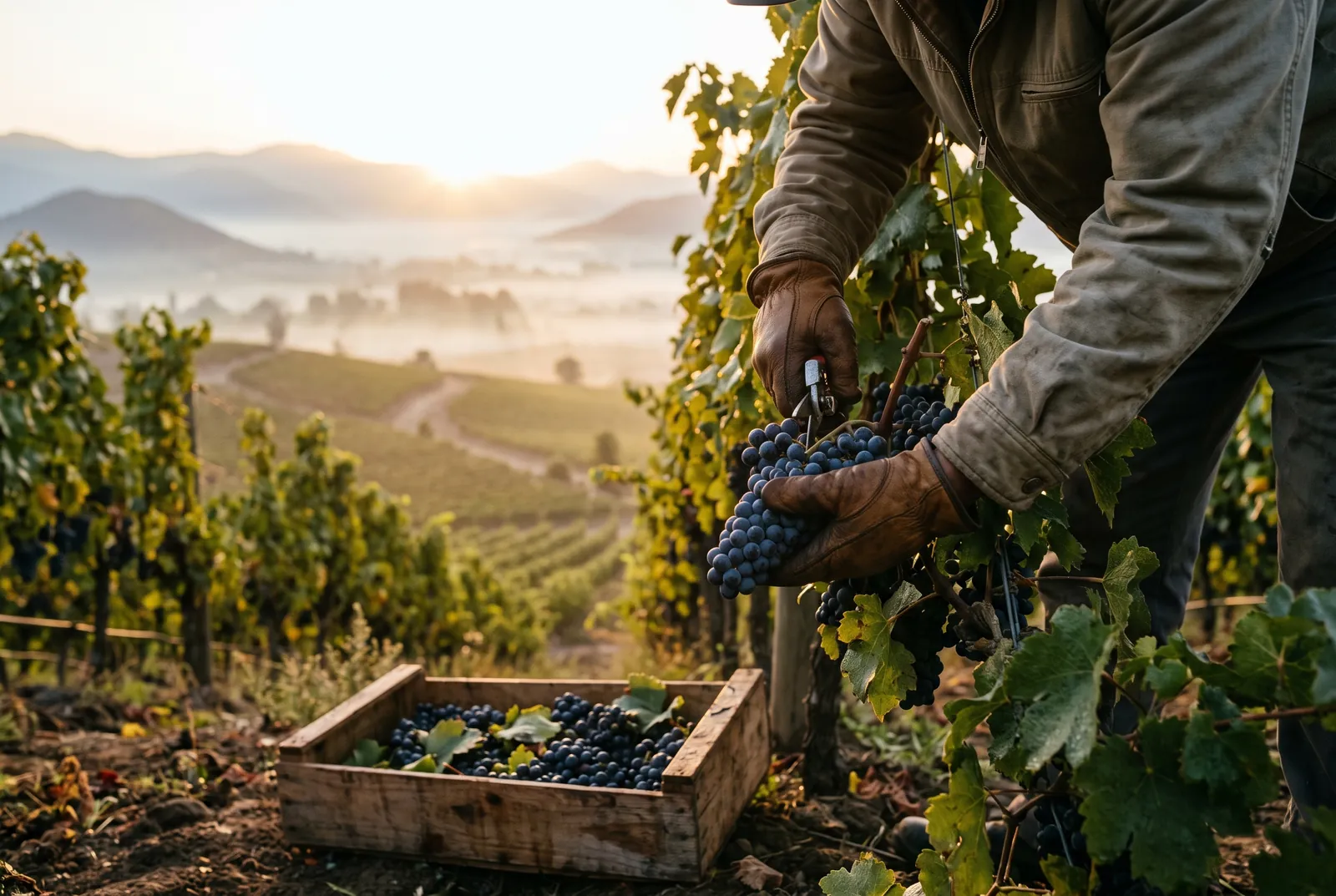
Wine is a farm product, a manufactured good and a luxury brand all at once. That makes it one of the best ways to learn how a business works: land, labour, machines, time, risk, prices and profit all show up in a single bottle.
Read the chapters in order. Each one explains its ideas from scratch, works through an example with round numbers, and ends with a few questions to check you have it. When you are done, take a course to test yourself.
What you will learn
- Follow a bottle from the vineyard to the shop and say who is paid at each step
- Explain why vineyard land in one village costs a thousand times more than in another
- Tell fixed costs from variable costs, and work out a winery's break-even point
- Show how time, interest and taxes push up the price of a bottle
- Read the wine news like an economist: surpluses, tariffs, prices and brands
Read the chapters
Each chapter builds on the one before. Read them in order the first time.
-
 Chapter 1 · 7 min de leitura · Completed ✓
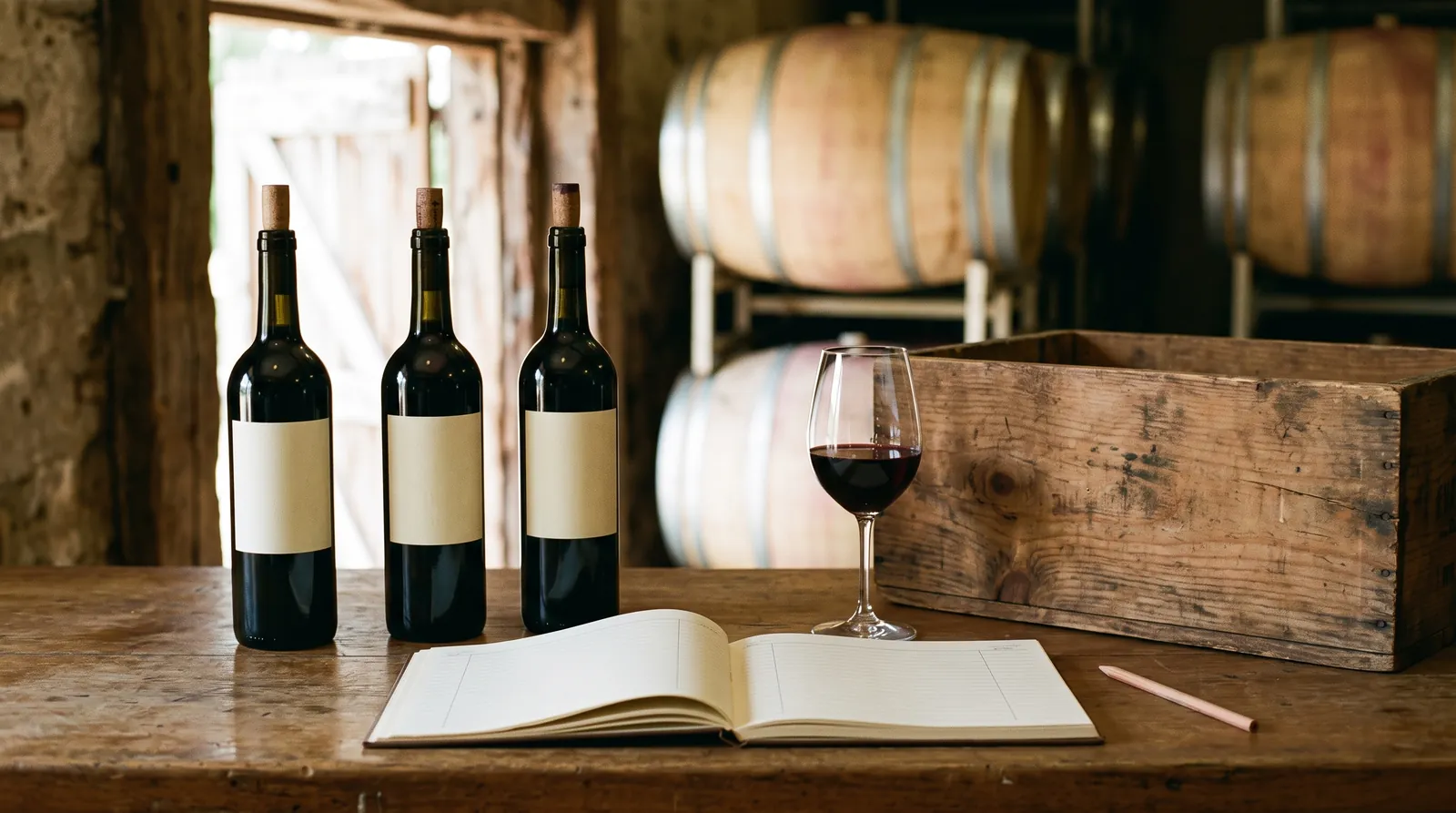
The wine business at a glance: from vineyard to glass
A bottle of wine passes through five or six pairs of hands before you pour it. Each one takes a slice of the price. Here is who they are, and how to tell whether any of them is actually making money.
-
 Chapter 2 · 7 min de leitura · Completed ✓
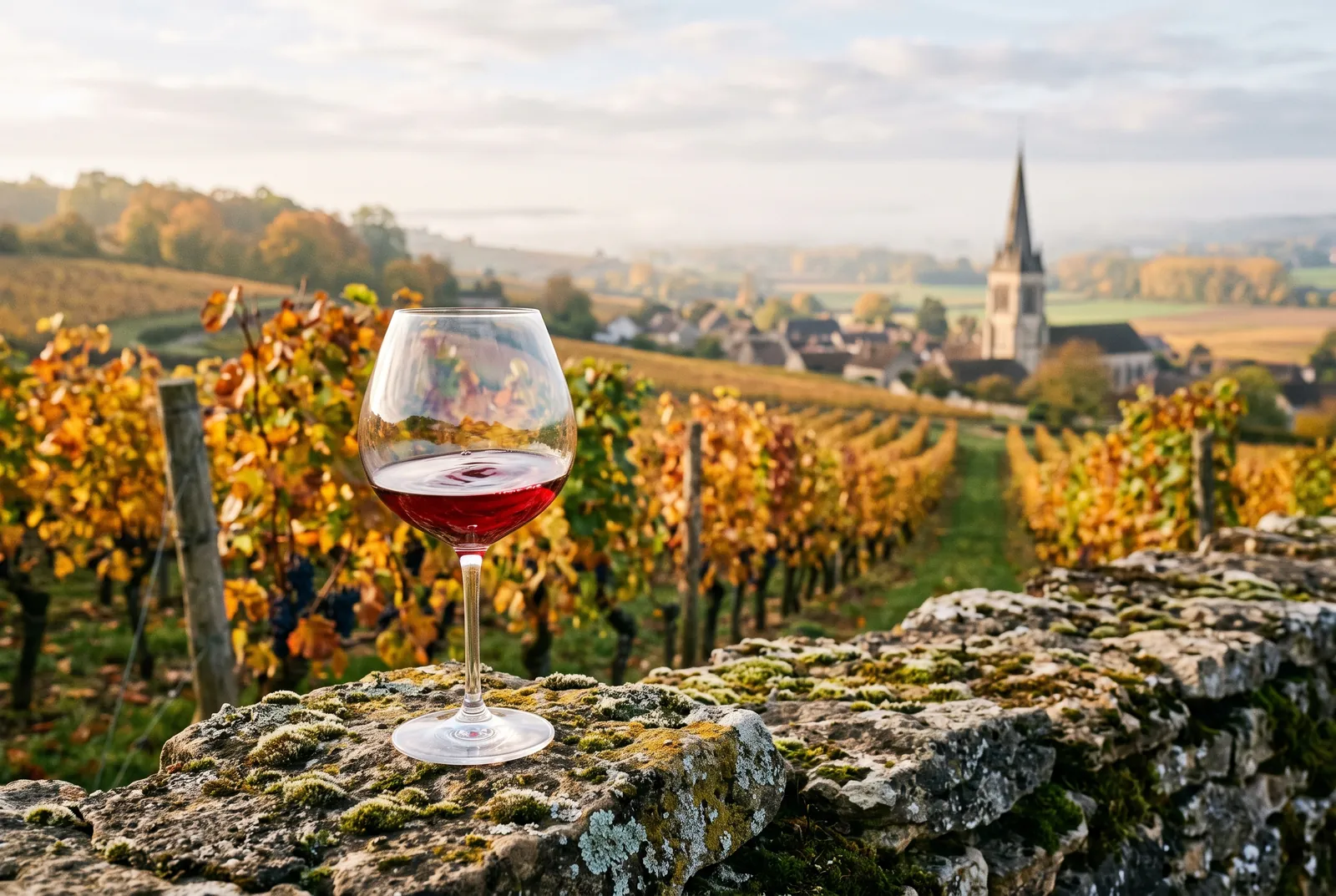
Land: why some vineyard ground costs millions
Two fields of vines can look almost identical, yet one is worth a hundred times more than the other. The reasons are location, rules, scarcity and reputation, and they shape the price of every bottle.
-
 Chapter 3 · 7 min de leitura · Completed ✓
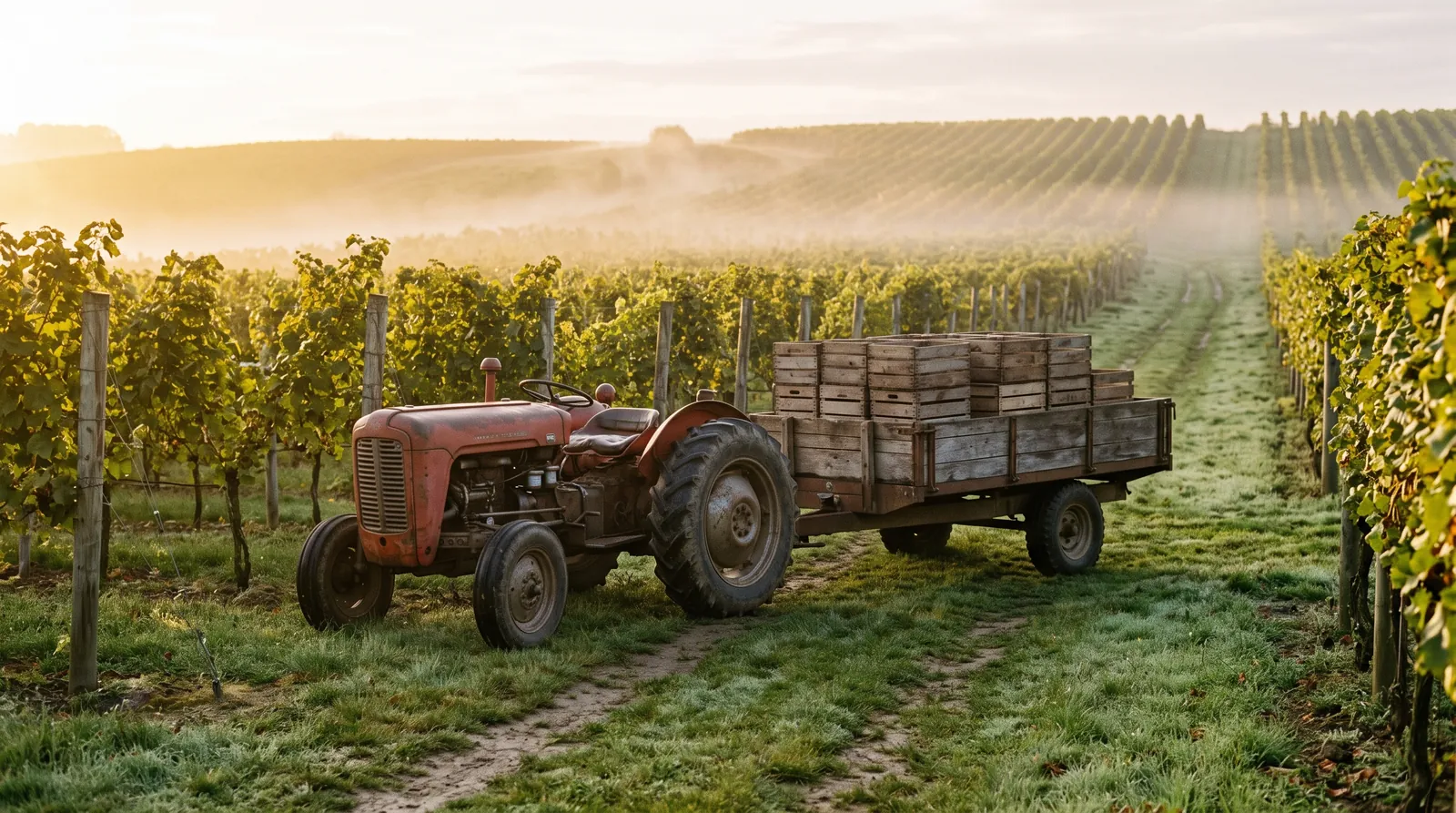
Growing grapes: farming costs and yields
A vine needs a full year of work for one harvest, and the weather can wipe it out in a night. This chapter follows the farming calendar and shows why fewer grapes can mean dearer wine.
-
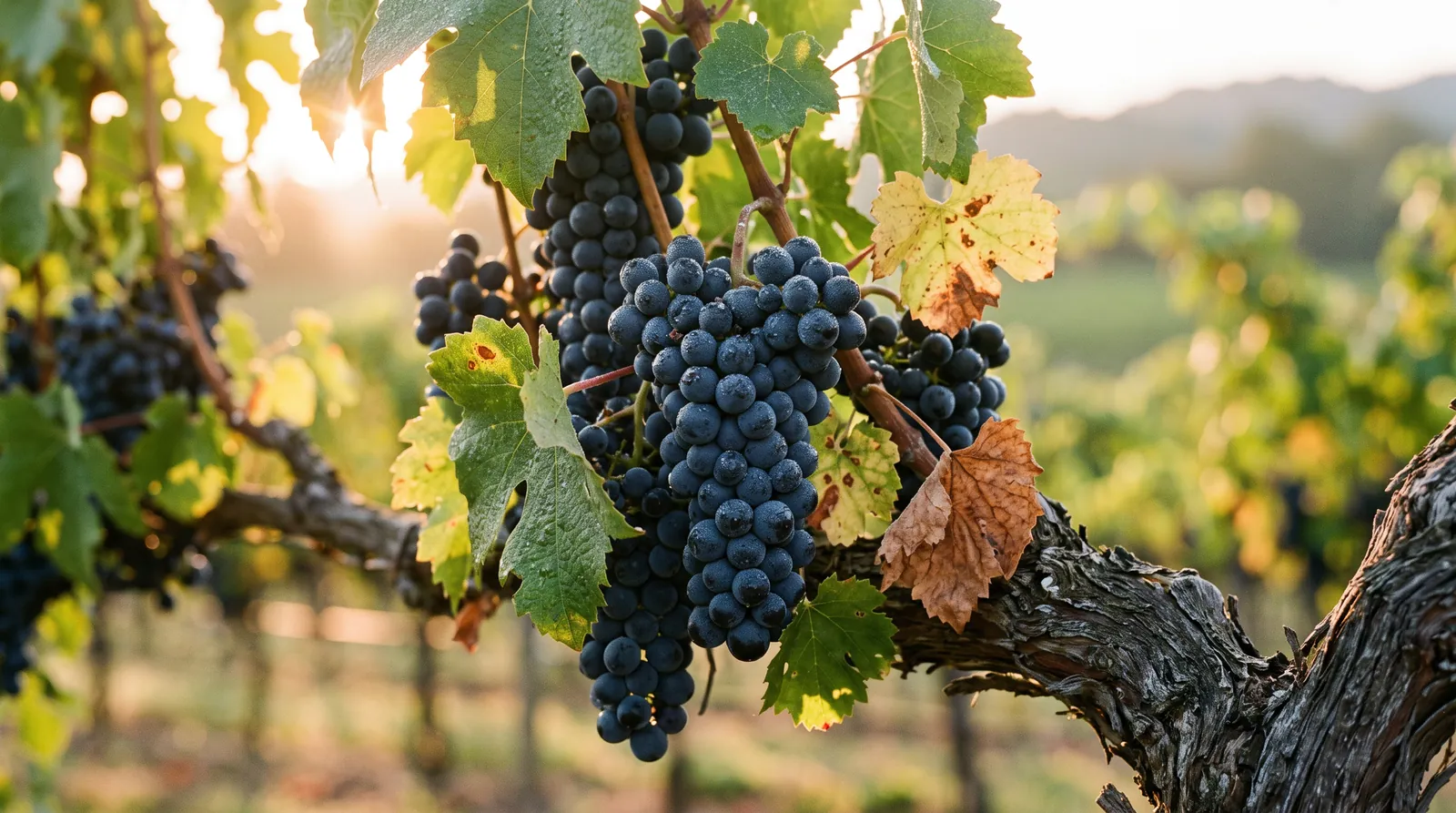 Chapter 4 · 7 min de leitura · Completed ✓
Grape prices: buying, selling and contracts
A ton of grapes can sell for a few hundred dollars or many thousands, depending on where it was grown and how many other grapes are around. This is the market most wine drinkers never see.
-
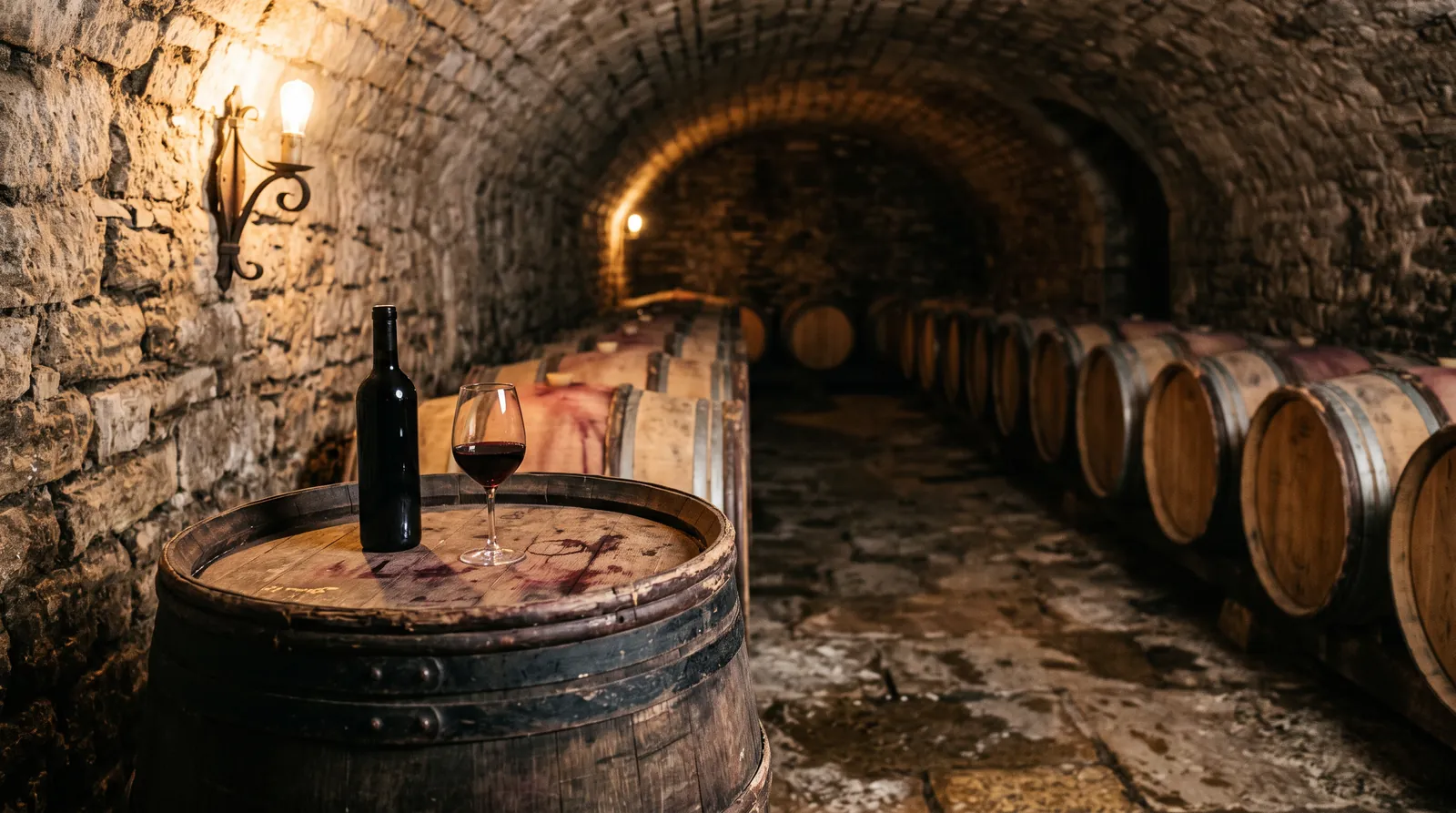 Chapter 5 · 8 min de leitura · Completed ✓
Making the wine: winery costs and economies of scale
Tanks, presses, barrels and a building cost the same whether you fill them or not. That simple fact explains why big wineries can sell cheaply and why a small winery's first job is to reach break-even.
-
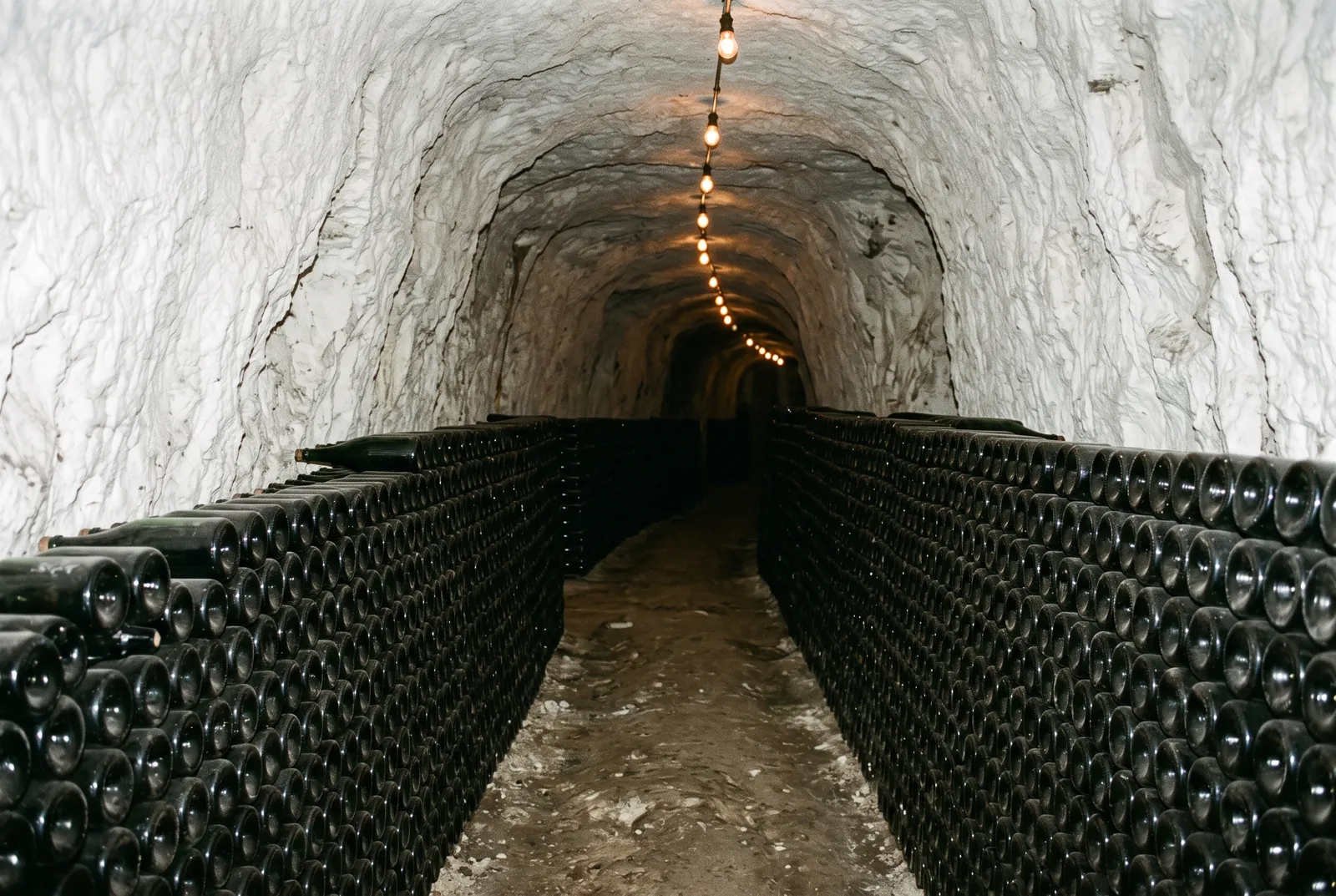 Chapter 6 · 7 min de leitura · Completed ✓
Time is money: ageing, inventory and the cost of waiting
Some wines are sold a few months after harvest. Others sit in a cellar for five years or more before anyone can buy them. Waiting improves the wine, but it also costs real money.
-
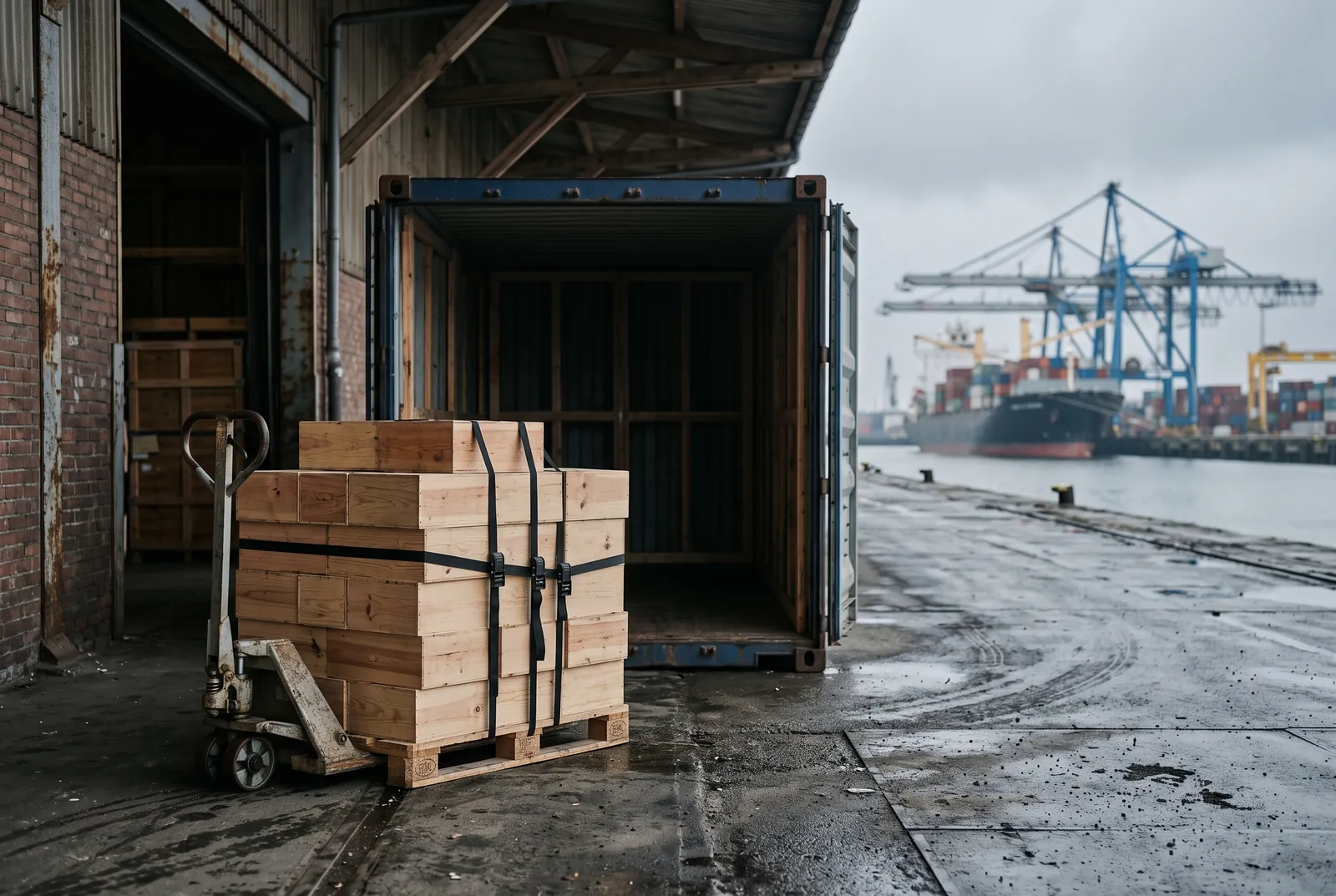 Chapter 7 · 8 min de leitura · Completed ✓
From cellar door to shop shelf: packaging, distribution, taxes and tariffs
A wine that leaves the winery at $5 can reach the shelf at about $10. Glass, corks, lorries, warehouses, taxes and markups all add up, and for imported wine, tariffs add more.
-
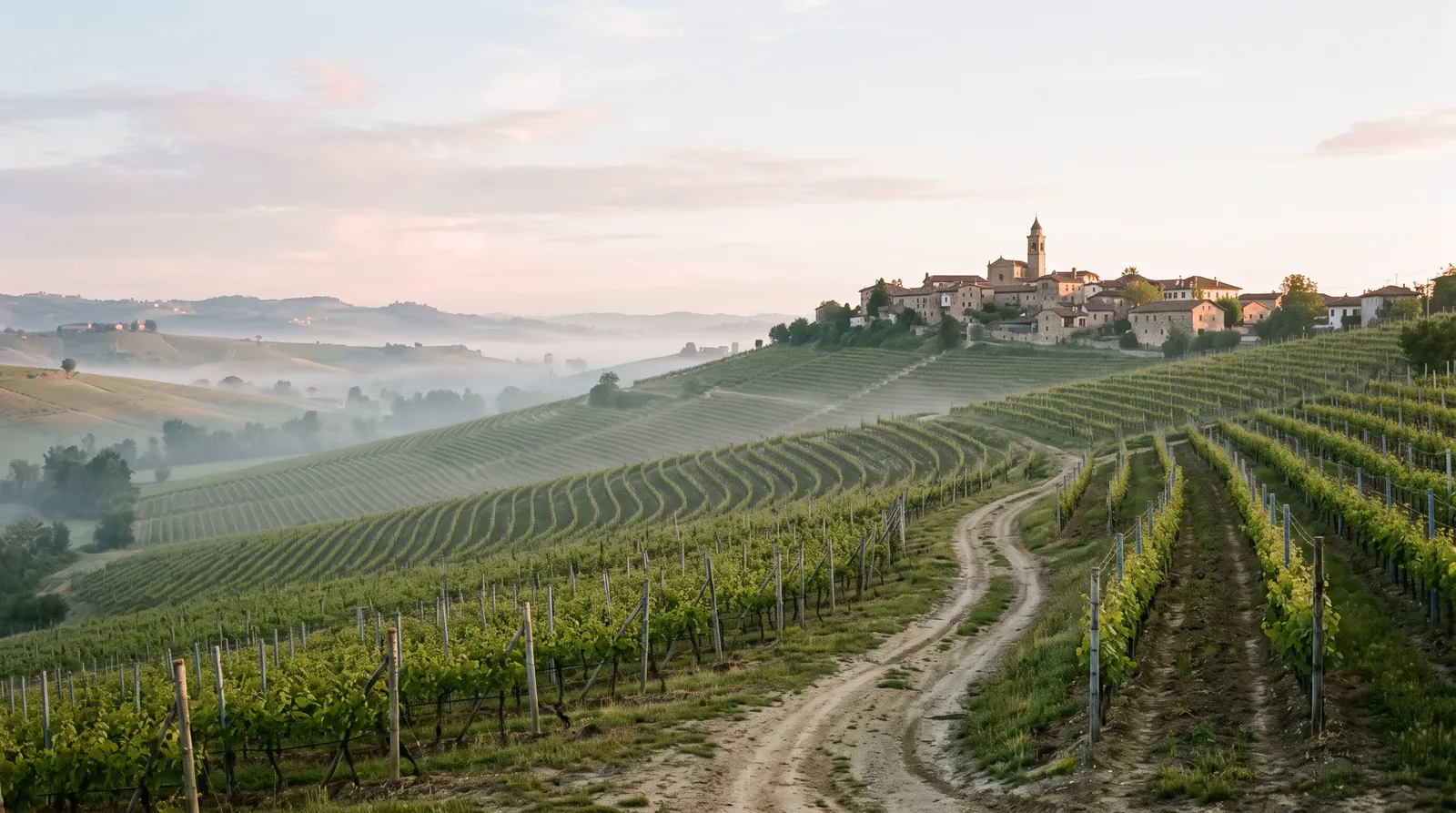 Chapter 8 · 8 min de leitura · Completed ✓
Pricing, brands and the global picture
Why does one bottle cost $8 and another $800? Costs are only part of the answer. This final chapter looks at how prices are really set, why so many small wineries struggle, and how to think like a wine economist.
Test yourself with a course
Every course takes less than thirty minutes.
-
 Beginner · Sobre 18 minutes · 5 lessons · 10 questions
Wine production economics 101
How a winery makes, or loses, money: revenue, cost and profit, fixed and variable costs, the price of land, what yields mean, and the long chain from vine to glass.
-
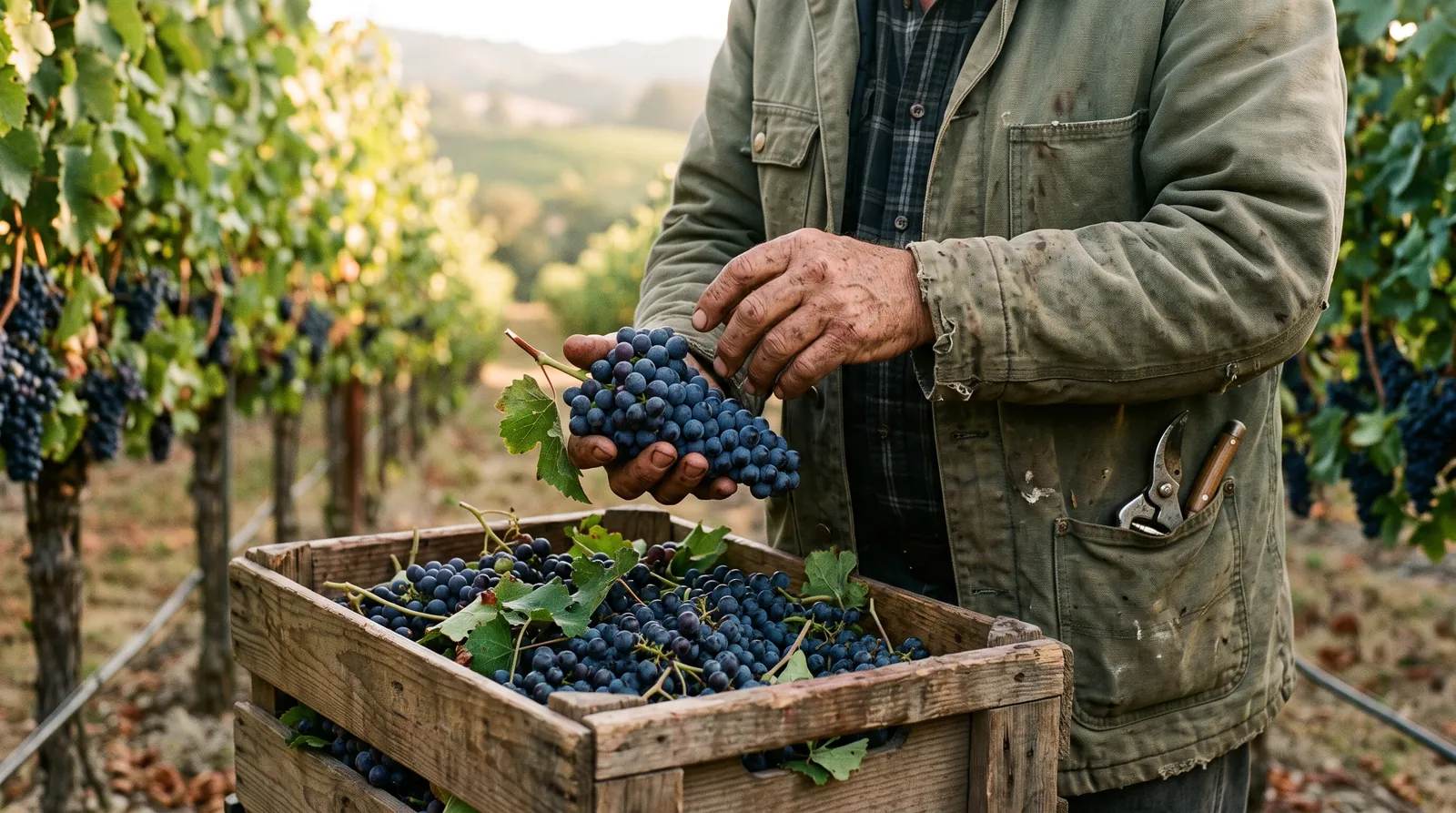 Beginner · Sobre 18 minutes · 5 lessons · 10 questions
From vineyard to shelf: where your money goes
Follow one bottle from grapes to shop shelf. See what the wine really costs to make, how each business in the chain adds its markup, and what taxes and tariffs do to the final price.
-
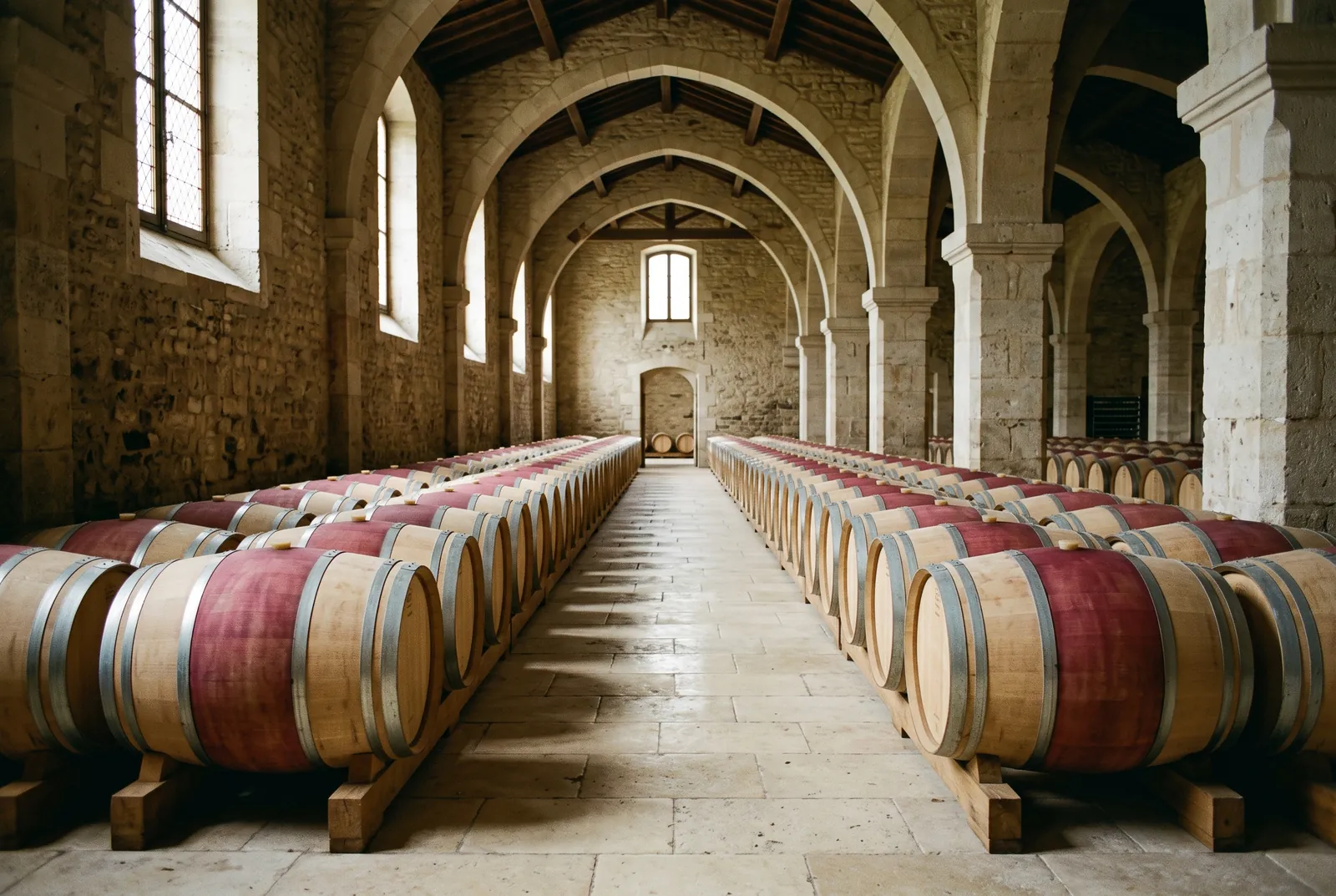 Intermediate · Sobre 18 minutes · 5 lessons · 10 questions
Running a vineyard and winery
The decisions that make or break a wine business: how grapes are bought and sold, quality against quantity, weather risk, break-even, the hidden cost of ageing, and pricing a brand.
Further reading and data
- O que custa produzir uma garrafaCorkonomics
Interactive cost models for sixteen styles of wine, from Mosel Riesling to Napa cult Cabernet.
- What a hectare of vineyard costsCorkonomics
Our research on vineyard land prices around the world and why they differ so much.
- How wine distribution margins workCorkonomics
How markups at each tier turn a winery price into a shop and restaurant price.
- Preços de uvaCorkonomics
Grape prices by variety and region, drawn from public crush reports.
- Cost and return studies for wine grapesUC Davis Agricultural and Resource Economics
Detailed farm budgets for growing wine grapes in different parts of California.
- California Grape Crush ReportsUSDA National Agricultural Statistics Service
Yearly tons crushed and average prices paid for California wine grapes, by variety and district.
- French farmland and vineyard pricesSAFER
Average vineyard land prices across French wine regions.
- Wine: rules, labels and taxesUS Alcohol and Tobacco Tax and Trade Bureau (TTB)
The official guide to US federal wine rules, labelling and excise tax.
- World wine statistics and reportsInternational Organisation of Vine and Wine (OIV)
Global figures on vineyard area, wine production, consumption and trade.
- State of the US Wine Industry reportSilicon Valley Bank
A widely read yearly review of the business health of US wineries.
- Journal of Wine EconomicsCambridge University Press / American Association of Wine Economists
The main academic journal for research on the economics of wine.
- Wine Economics (textbook)Davide Gaeta and Paola Corsinovi, Palgrave Macmillan
A university-level introduction to the economics of wine production and markets.