 Bordeaux
 Burgundy
 Champagne
 Rhône
Rhône Napa Valley
 Tuscany
 Piedmont
 Mosel
Mosel Oregon
 Rioja
Rioja California sparkling
 Valais and Lavaux
 England
 Douro
Douro Etna
Etna Mendoza
 Marlborough
 Stellenbosch
 Barossa Valley
 Tasmania
 Beaujolais
 Jura
Jura Alsace
 Loire
Loire Provence
 Ribera del Duero
 Sonoma
 What land costs
 Good years and bad
 Appellations
 Famous vineyards
 Famous wines
 Who makes them
 Find a vintage
 Compare wines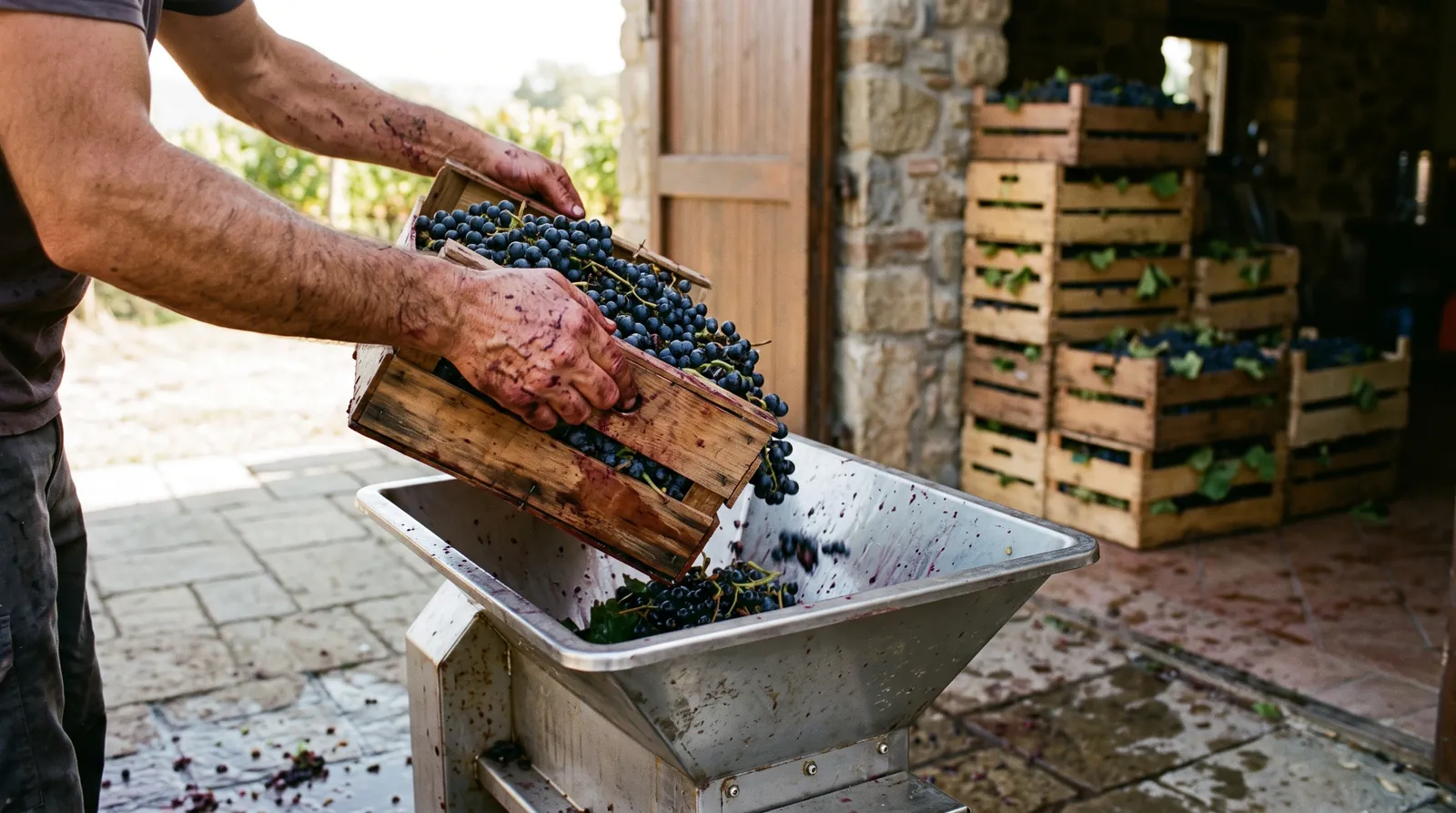
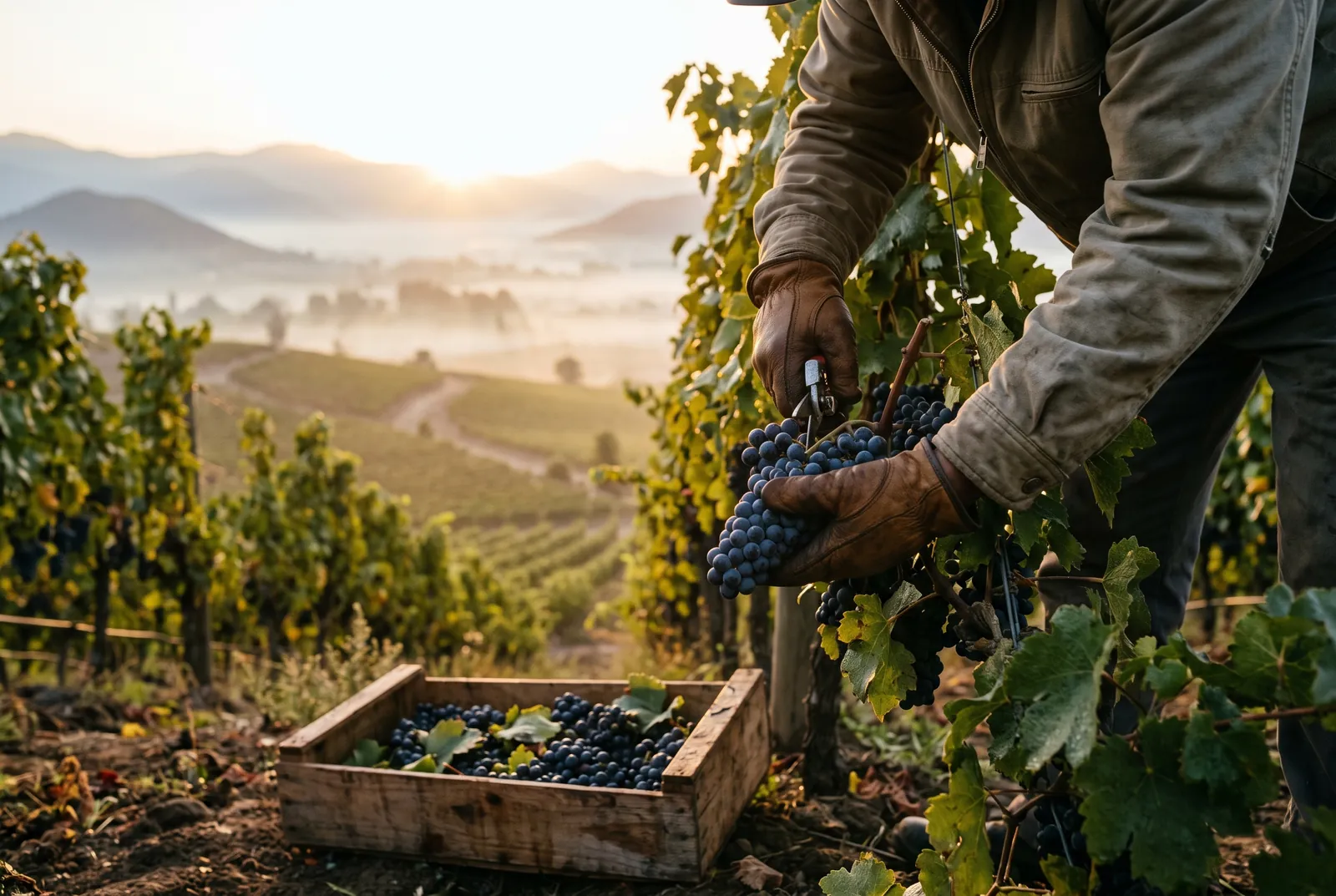
1. Grow and pick
Grapes ripen through the summer and are picked in early autumn. That is August to October north of the equator, February to April south of it. Picking day matters. Earlier means fresher and lighter. Later means riper, fuller and more alcohol.
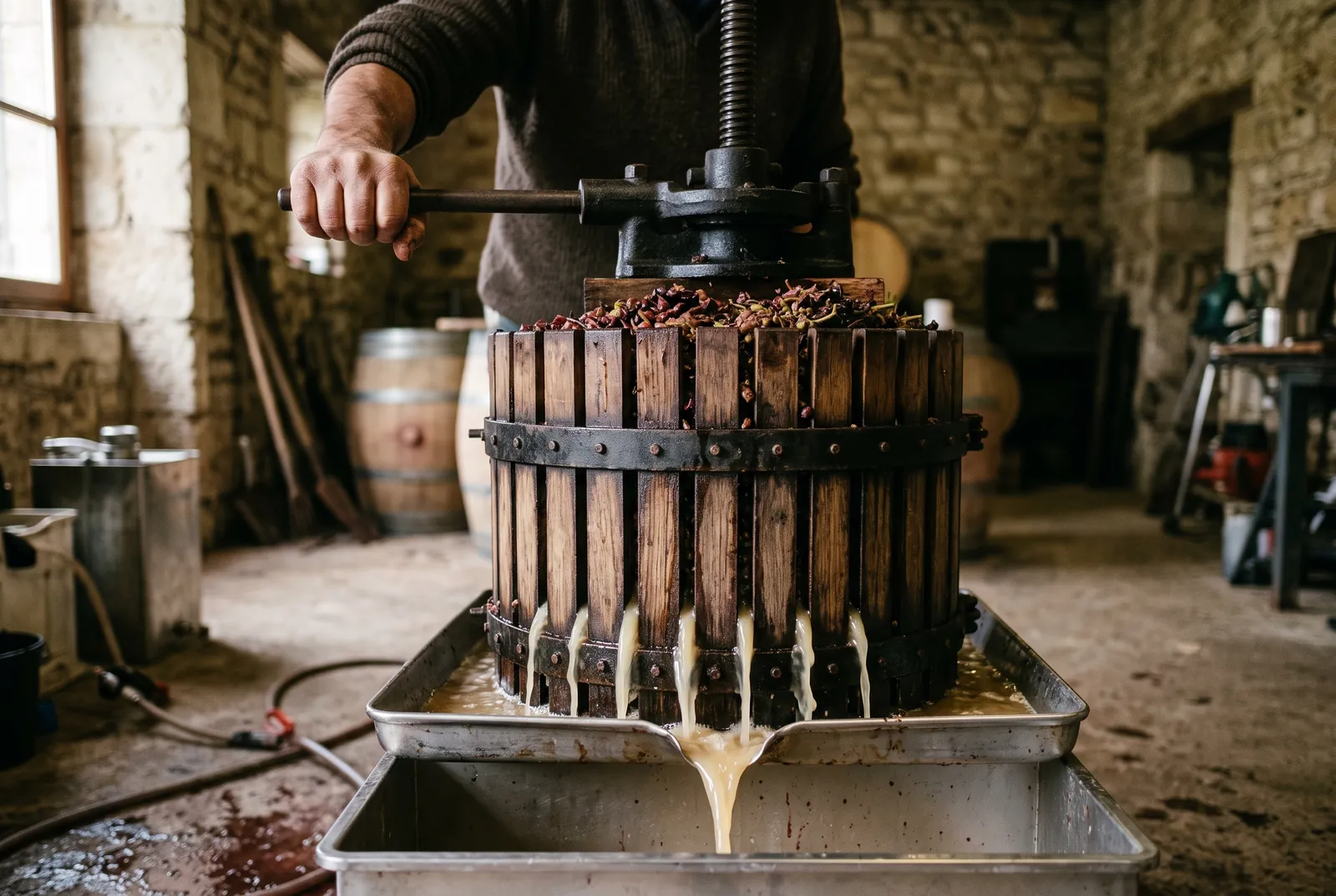
2. Crush and press
The grapes are gently crushed to release the juice. For white wine the juice is pressed off the skins straight away. For red, the skins stay in to give colour and tannin.
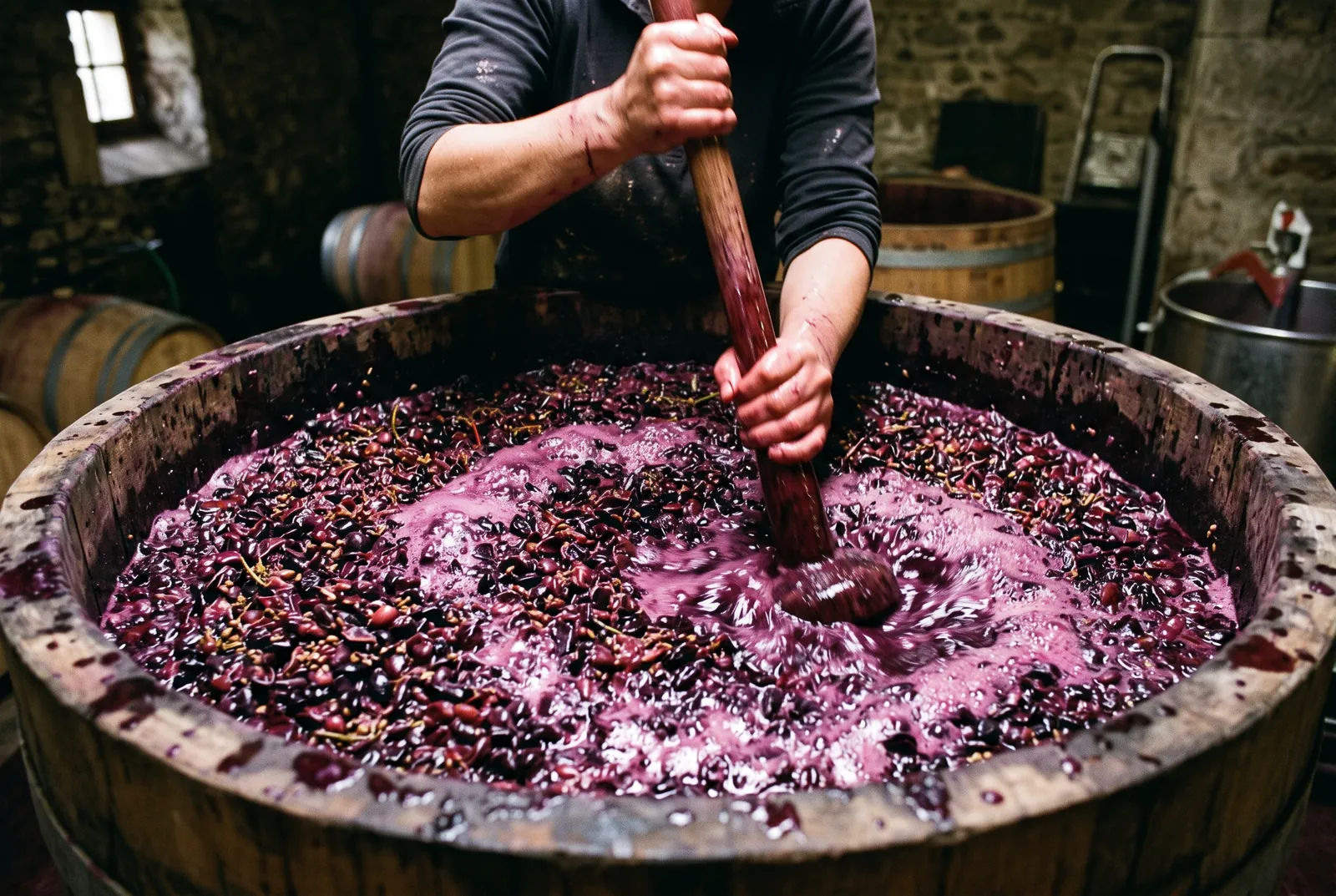
3. Ferment
Yeast turns the grape sugar into alcohol and carbon dioxide. This takes from a few days to a few weeks. When the sugar is used up the wine is dry. Stop early and some sweetness stays.
4. Age
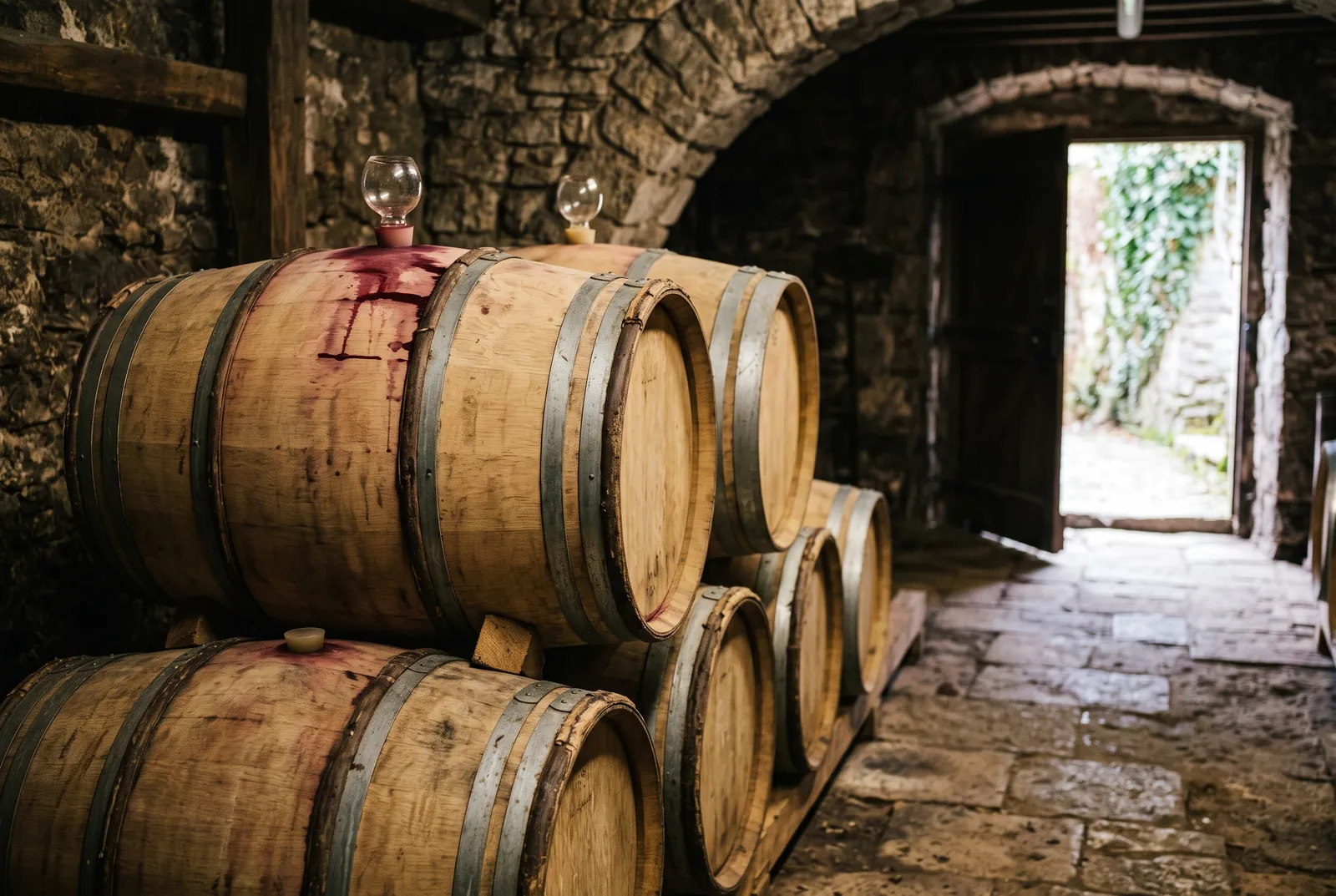
The young wine rests for a few months to a few years. Steel tanks keep it fresh and fruity. Oak barrels let in a tiny amount of air and add flavours such as vanilla, toast and spice. New barrels are expensive, which is one reason some wines cost more.
5. Bottle
The wine is bottled and sealed with a cork or a screw cap. Most wine is ready to drink as soon as you buy it. Only a small share is built to improve for ten years or more.
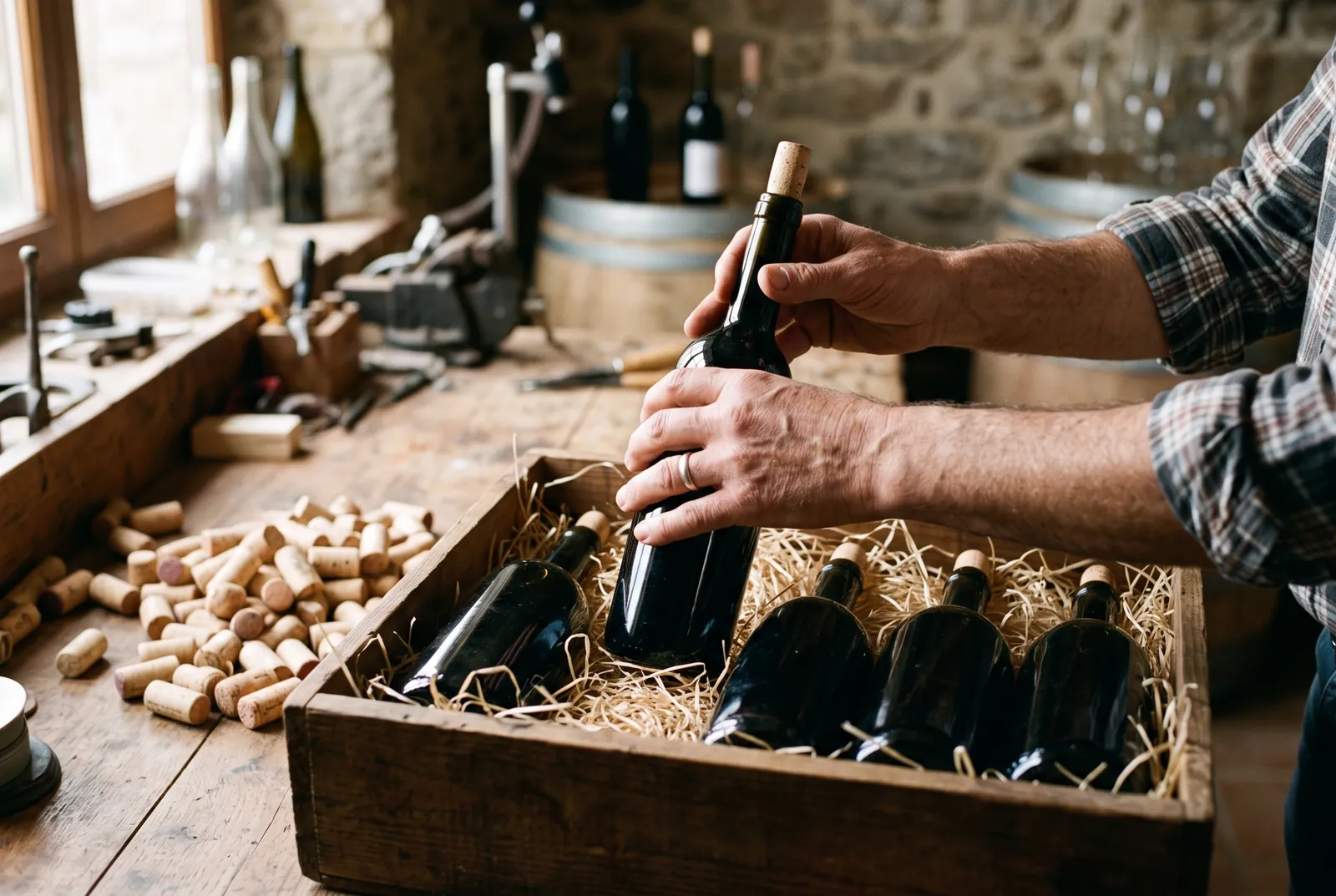
A screw cap is not a sign of cheap wine. Many excellent producers use them because they keep wine fresh and never cause cork taint.
Curious what each of these steps costs? We added it up for sixteen styles of wine, from the farming to the box. What each step of making costs
NextServing and storing wine ← All lessonsMore short lessons
 4 min read
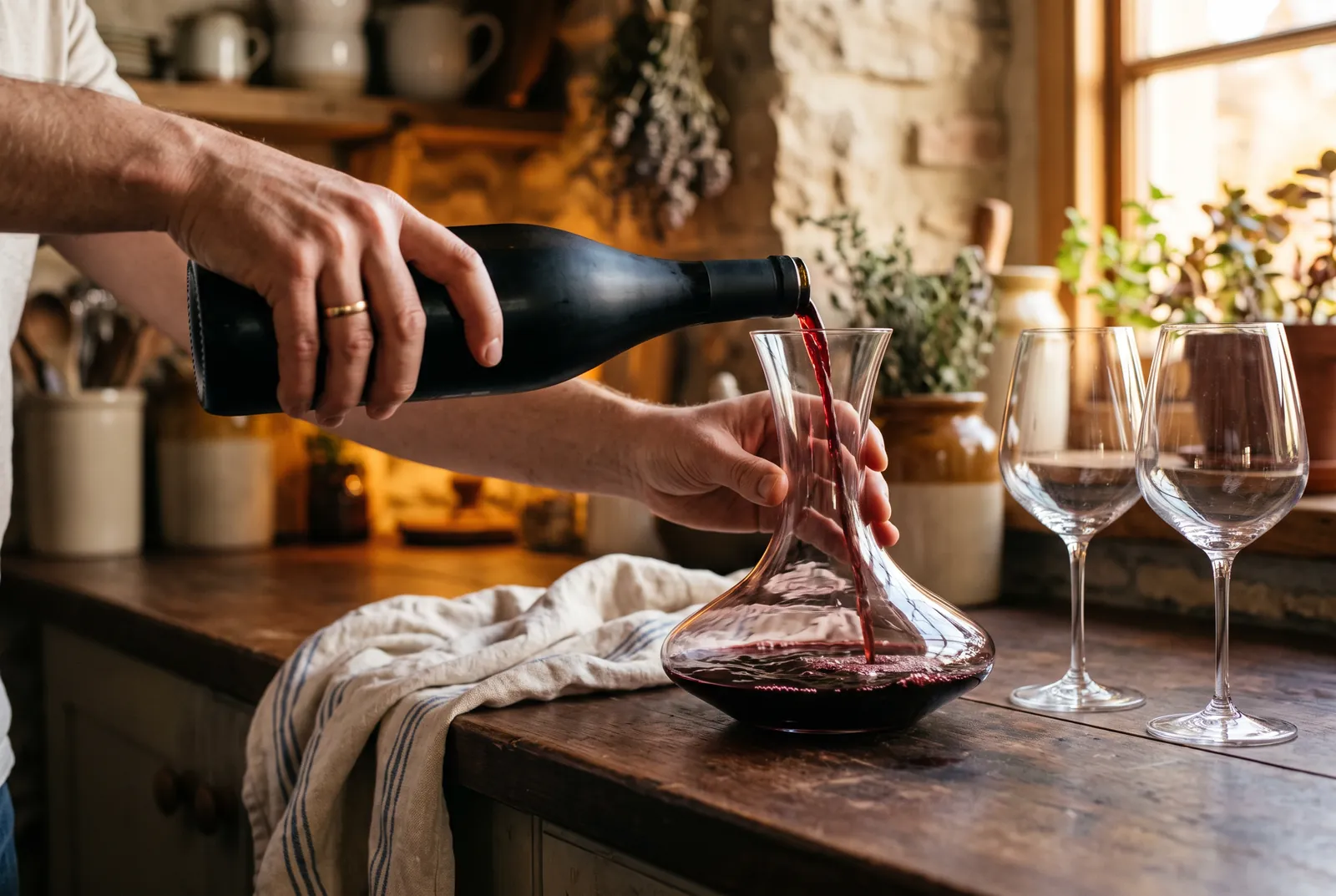
Serving and storing wine at home
You do not need a cellar or special glasses. A few simple habits get the best out of any bottle.
 4 min read
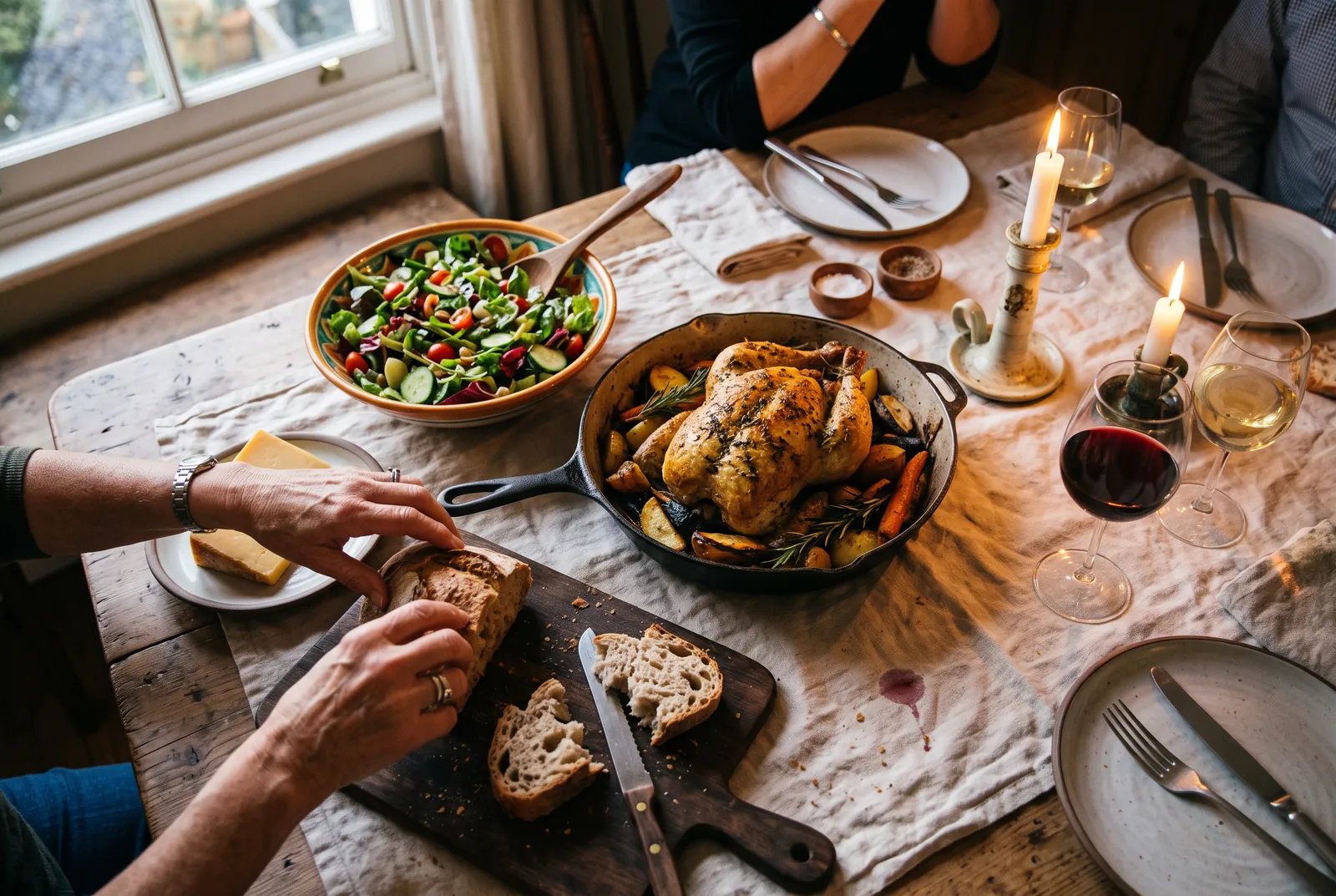
Wine with food: the simple rules
There is no law about red with meat and white with fish. Match the weight of the wine to the weight of the…
 4 min read
How to choose a bottle you will actually like
In a shop or a restaurant, three questions do most of the work: what do you like, what are you eating, and…