 Bordeaux
 Burgundy
 Champagne
 Rhône
Rhône Napa Valley
 Tuscany
 Piedmont
 Mosel
Mosel Oregon
 Rioja
Rioja California sparkling
 Valais and Lavaux
 England
 Douro
Douro Etna
Etna Mendoza
 Marlborough
 Stellenbosch
 Barossa Valley
 Tasmania
 Beaujolais
 Jura
Jura Alsace
 Loire
Loire Provence
 Ribera del Duero
 Sonoma
 What land costs
 Good years and bad
 Appellations
 Famous vineyards
 Famous wines
 Who makes them
 Find a vintage
 Compare wines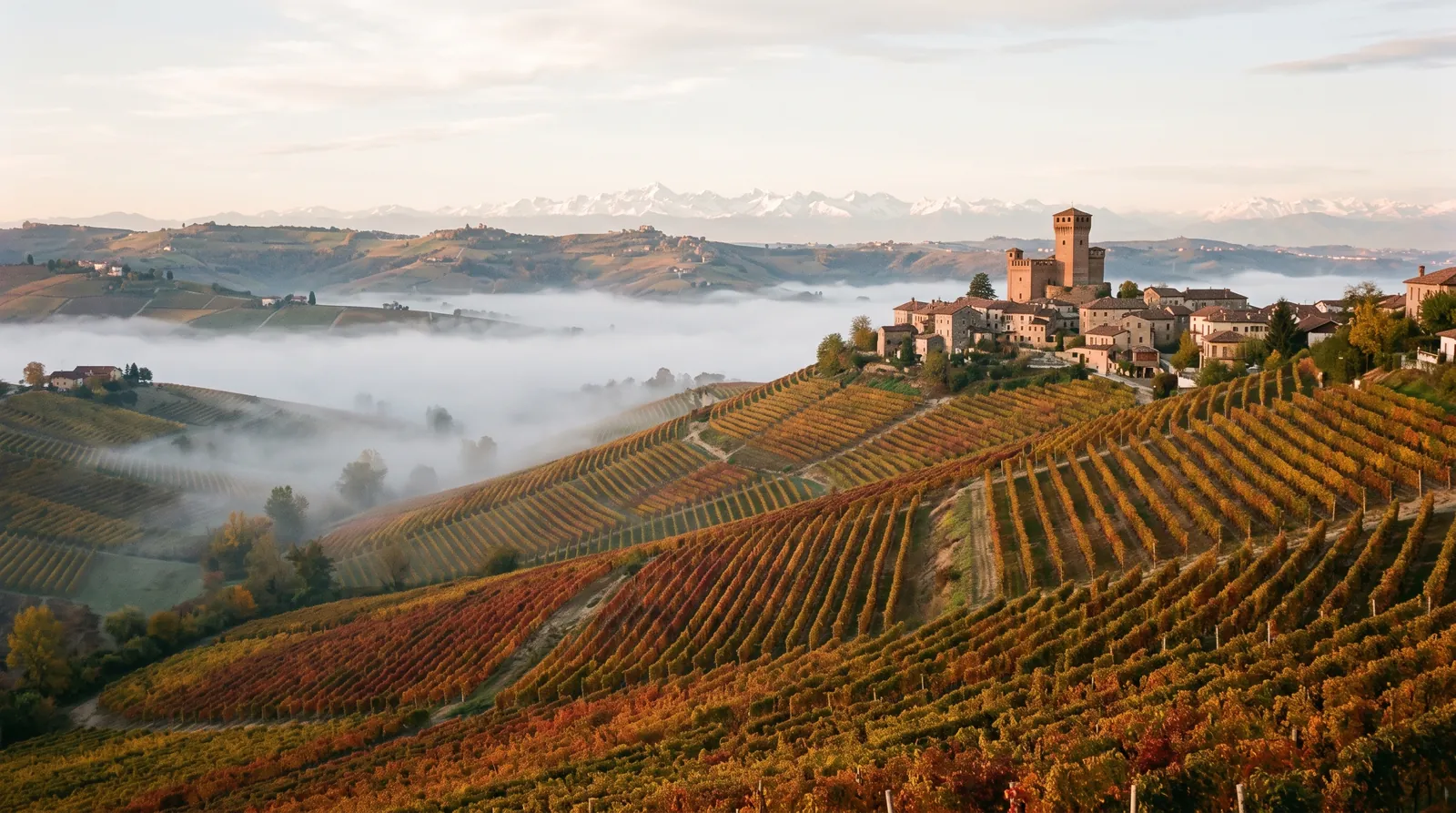
Piedmont in a minute
- The grapes
- Nebbiolo, with Barbera and Dolcetto for everyday drinking
- What it tastes like
- Roses, cherry and tar. Pale in colour, firm in the mouth.
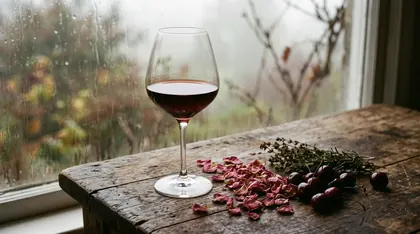 Nebbiolo
Good to know
Barolo and Barbaresco are neighbouring areas that make Nebbiolo meant for ageing. Barbera is the juicy, easy-going local red for weeknights.
On the label
Barolo and Barbaresco are places. Barbera d'Alba means the Barbera grape from around the town of Alba.
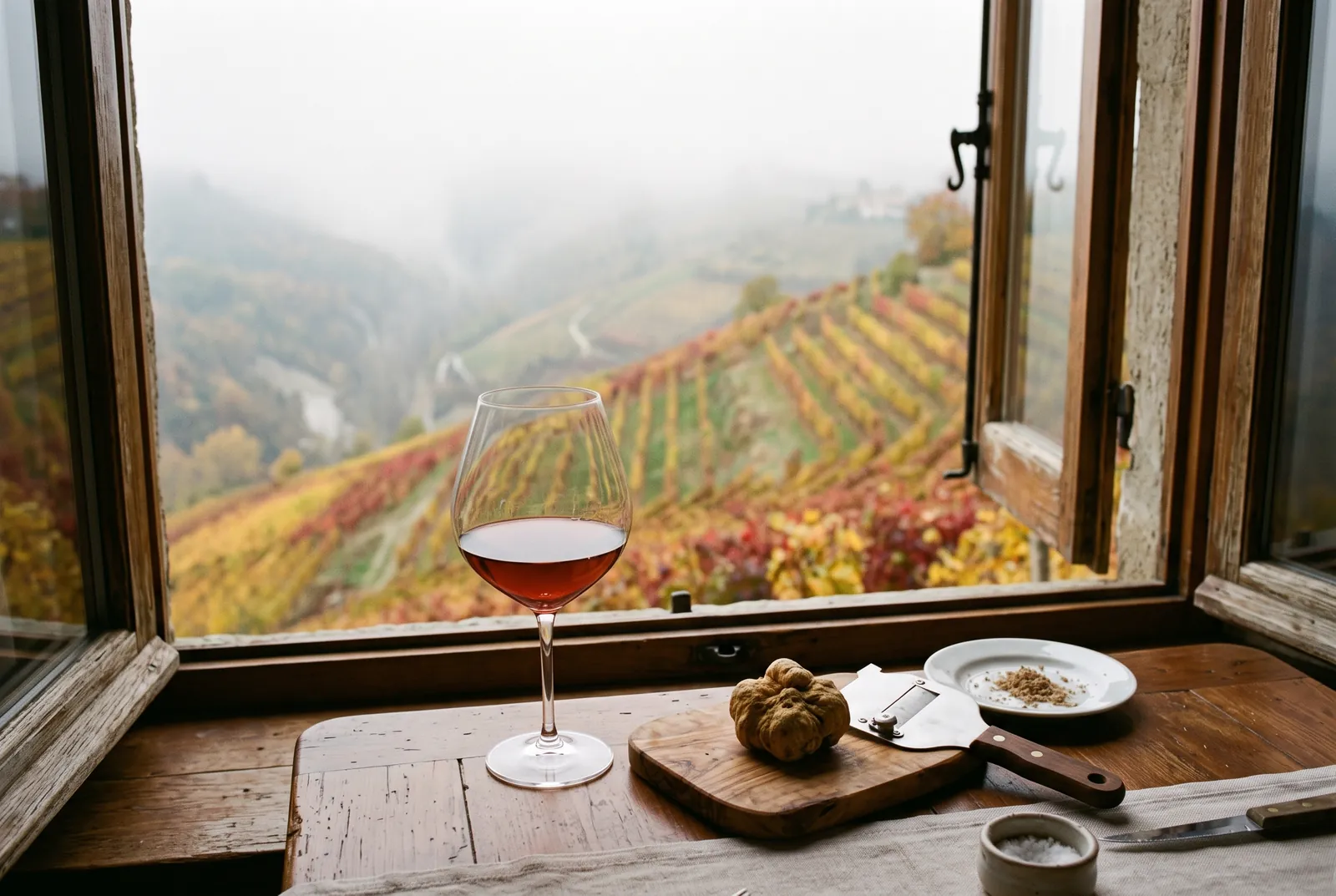
What the land costs
The dearest vineyards here are in Barolo top crus: ≈$1,119,300–≈$2,798,250 a hectare (2024). Zone by zone
The business side
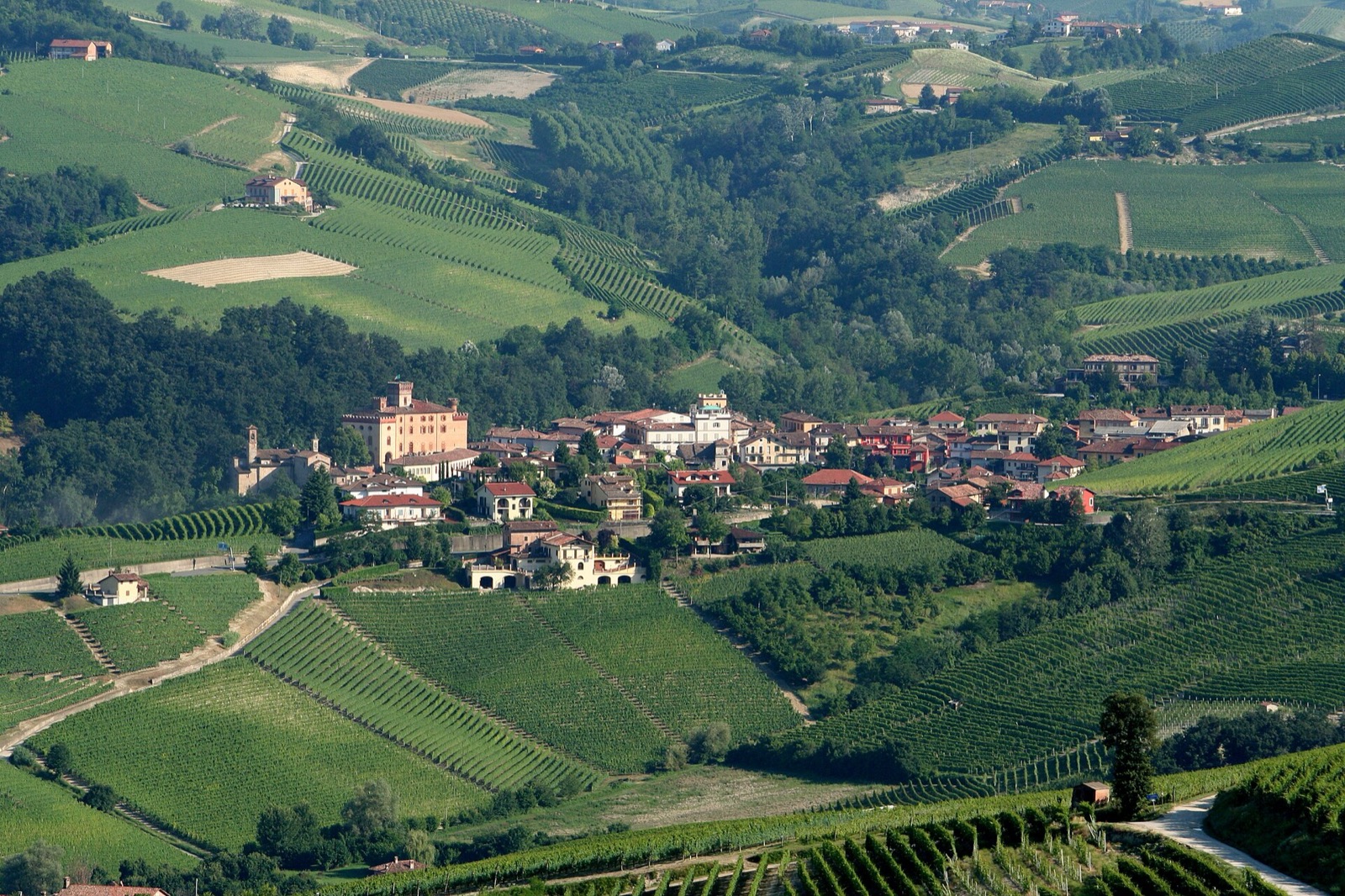
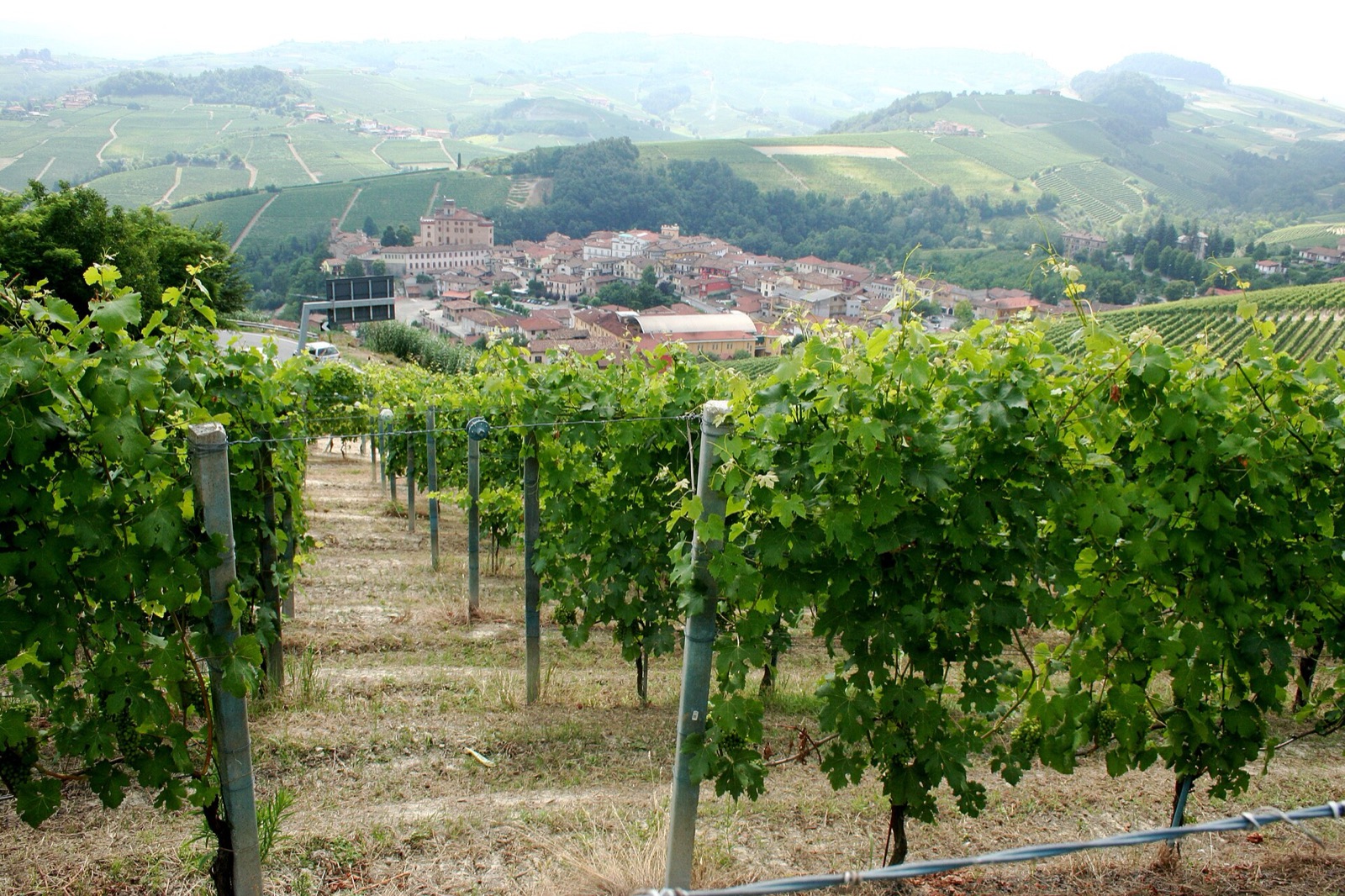
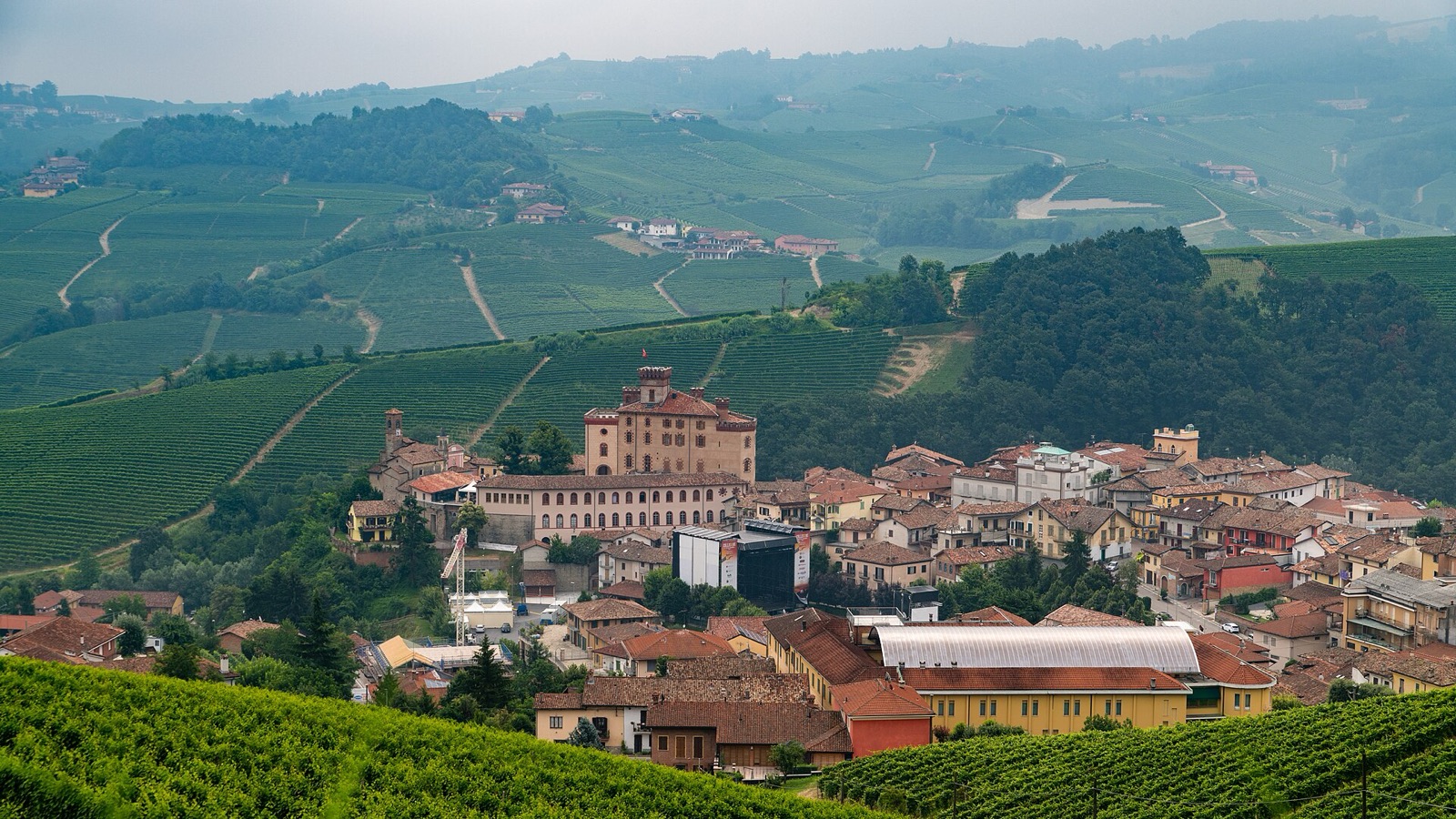
Barolo (about 2,200 ha) and Barbaresco (about 750 ha) are the collectible core of Piedmont. Since the official delimitation of vineyard areas (menzioni geografiche aggiuntive) in 2010, the region has moved toward a Burgundy-style cru economy: single-vineyard bottlings, small production, and land prices for the famous crus reported at over a million euros a hectare.
How the economics work
Nebbiolo ripens late and the wines require years of aging before release (Barolo a minimum of 38 months, riserva 62), so working capital is high. The top producers — Giacomo Conterno, Gaja, Bruno Giacosa, Bartolo Mascarello, Roagna — make their flagship wines in a few thousand to a few tens of thousands of bottles. Land in Cannubi, Rocche dell'Annunziata or Gaja's Barbaresco crus has been reported to trade at prices approaching a Burgundy premier cru, having been ordinary farmland within living memory.
Facts and figures
Good years and bad
All regions →The years to look for: 2016, 2010. The difficult ones: 2002.
| Year | How the year was rated | The growing season |
|---|---|---|
| 2021 | Excellent | |
| 2020 | Very Good | |
| 2019 | Excellent | |
| 2018 | Good | |
| 2017 | Good | |
| 2016 | Exceptional | Even season; released to universal praise; prices for the top crus rose sharply. |
| 2015 | Very Good | |
| 2014 | Mixed | |
| 2013 | Excellent | |
| 2012 | Good | |
| 2011 | Good | |
| 2010 | Exceptional | Long, cool growing season; a classic structured vintage widely rated the best of the decade. |
| 2009 | Good | |
| 2008 | Very Good | |
| 2007 | Very Good | |
| 2006 | Very Good | |
| 2005 | Good | |
| 2004 | Excellent | |
| 2003 | Mixed | |
| 2002 | Difficult | |
| 2001 | Excellent | |
| 2000 | Very Good |
Who makes the famous wines here
All producers → ProducerBruno GiacosaThe red-label riservas of Bruno Giacosa — Barolo Le Rocche del Falletto and Barbaresco Asili — made only in…
 ProducerGajaThe house that put Barbaresco on the auction block: about 100 hectares in Piedmont, single-vineyard Sorì San…
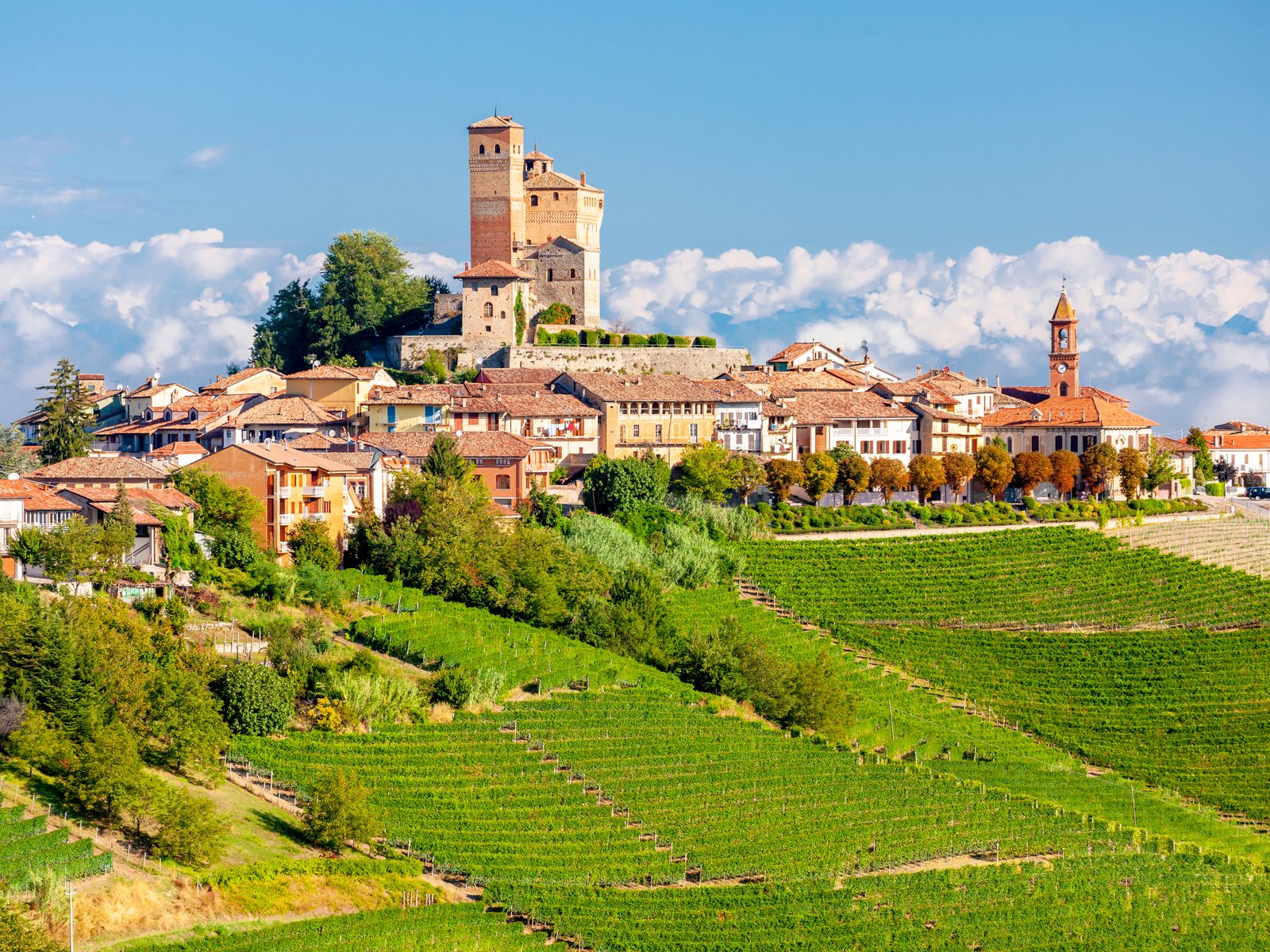 ProducerGiacomo ConternoBarolo's most collectible traditionalist: Monfortino Riserva, made only in selected years and aged around…
Famous wines from here
All →Bruno Giacosa, Barolo Riserva Le Rocche del Falletto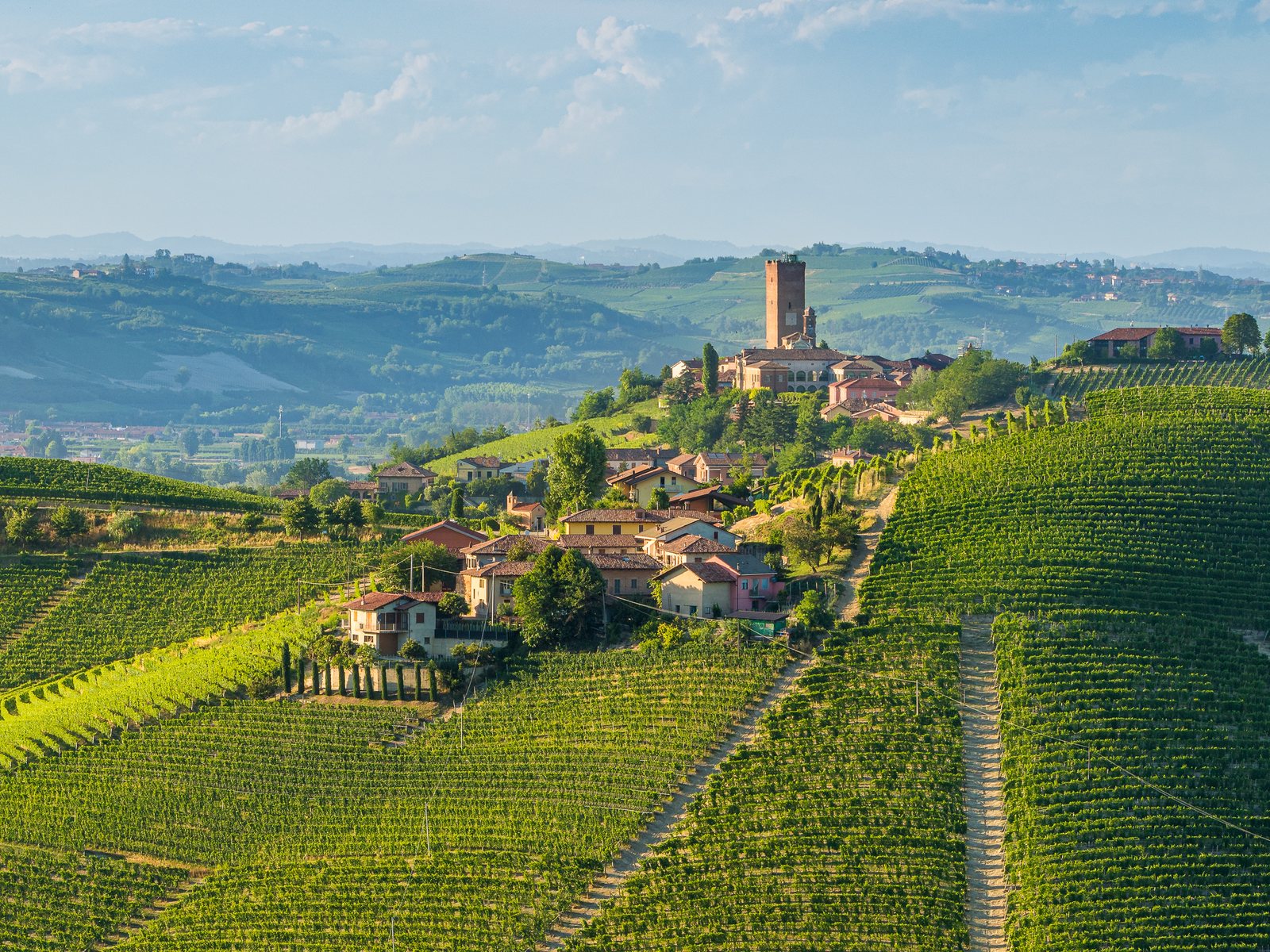 Gaja, Sorì San LorenzoGiacomo Conterno, Barolo Riserva Monfortino
Appellations
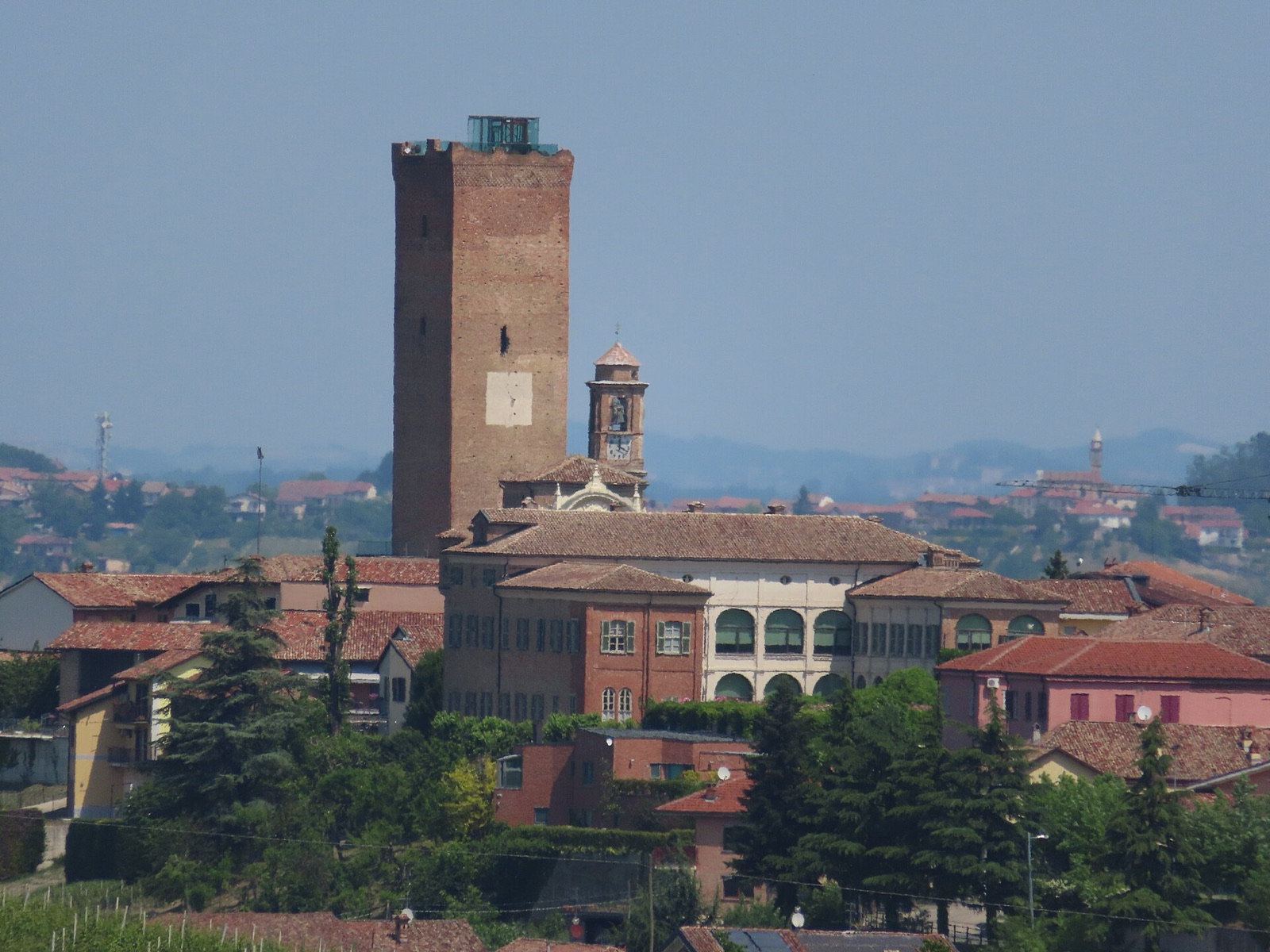 AppellationBarbarescoNebbiolo's second great appellation, made famous by Gaja and Bruno Giacosa.
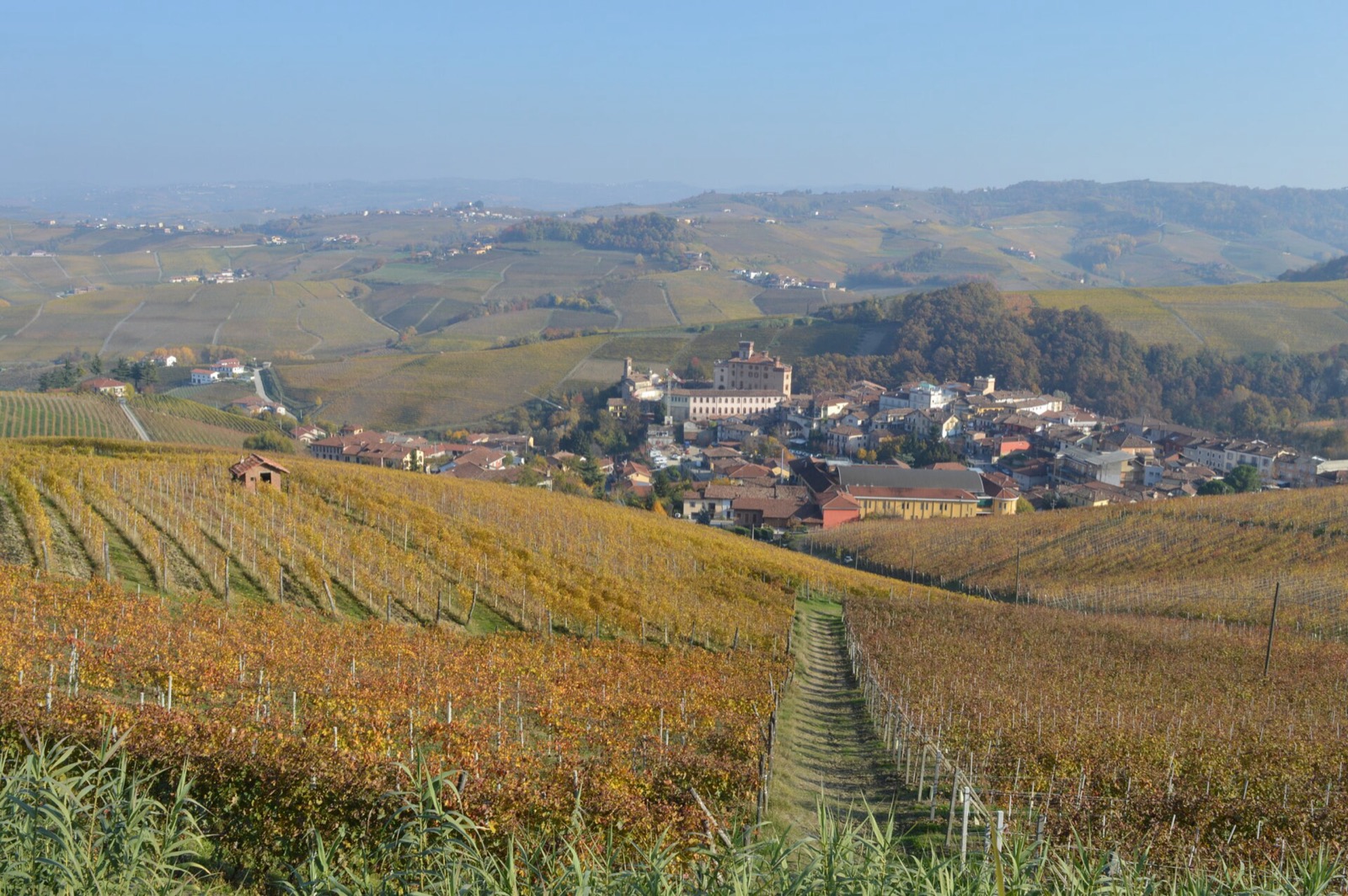 AppellationBaroloEleven communes, 2,200 hectares, 181 delimited vineyard areas — Italy's most developed cru economy.
What a bottle costs to make here
All models →
The numbers behind the region: land, grapes, yields and costs
| Input | Range | Unit | Year | Source |
|---|---|---|---|---|
| Land — what a hectare of vineyard sells for | ||||
| Vineyard land, Barolo DOCG average | 500,000–1,200,000 | EUR/ha | 2024 | Trade reporting on Langhe land prices |
| Vineyard land, Barolo top crus (Cannubi, Rocche dell'Annunziata…) | 1,000,000–2,500,000 | EUR/ha | 2024 | Trade reporting on Langhe land prices |
| Grapes — what growers are paid | ||||
| Nebbiolo da Barolo grapes | 4–6 | EUR/kg | 2024 | Camera di Commercio di Cuneo |
| Yield — how much a hectare produces | ||||
| Yield, Barolo DOCG | 40–56 | hl/ha | 2024 | Disciplinare: max 8 t/ha ≈ 56 hl/ha |
| Aging — time in barrel or on lees | ||||
| Minimum aging, Barolo / riserva | 38–62 | months | 2024 | DOCG disciplinare |
Where the inputs come from
- Trade reporting on Langhe land prices
- Trade reporting on Langhe land prices (Gambero Rosso, Vitisphere)
- Camera di Commercio di Cuneo, listino uve
- Disciplinare: max 8 t/ha ≈ 56 hl/ha
- DOCG disciplinare
Sources
- Numeri e territorio, Consorzio di Tutela Barolo Barbaresco Alba Langhe e Dogliani, 2025. Retrieved 3 September 2026.