 Bordeaux
 Burgundy
 Champagne
 Rhône
Rhône Napa Valley
 Tuscany
 Piedmont
 Mosel
Mosel Oregon
 Rioja
Rioja California sparkling
 Valais and Lavaux
 England
 Douro
Douro Etna
Etna Mendoza
 Marlborough
 Stellenbosch
 Barossa Valley
 Tasmania
 Beaujolais
 Jura
Jura Alsace
 Loire
Loire Provence
 Ribera del Duero
 Sonoma
 O que custa o terreno
 Anos bons e ruins
 Appellations
 Vinhedos famosos
 Vinhos famosos
 Quem os produz
 Encontre uma safra
 Comparar vinhos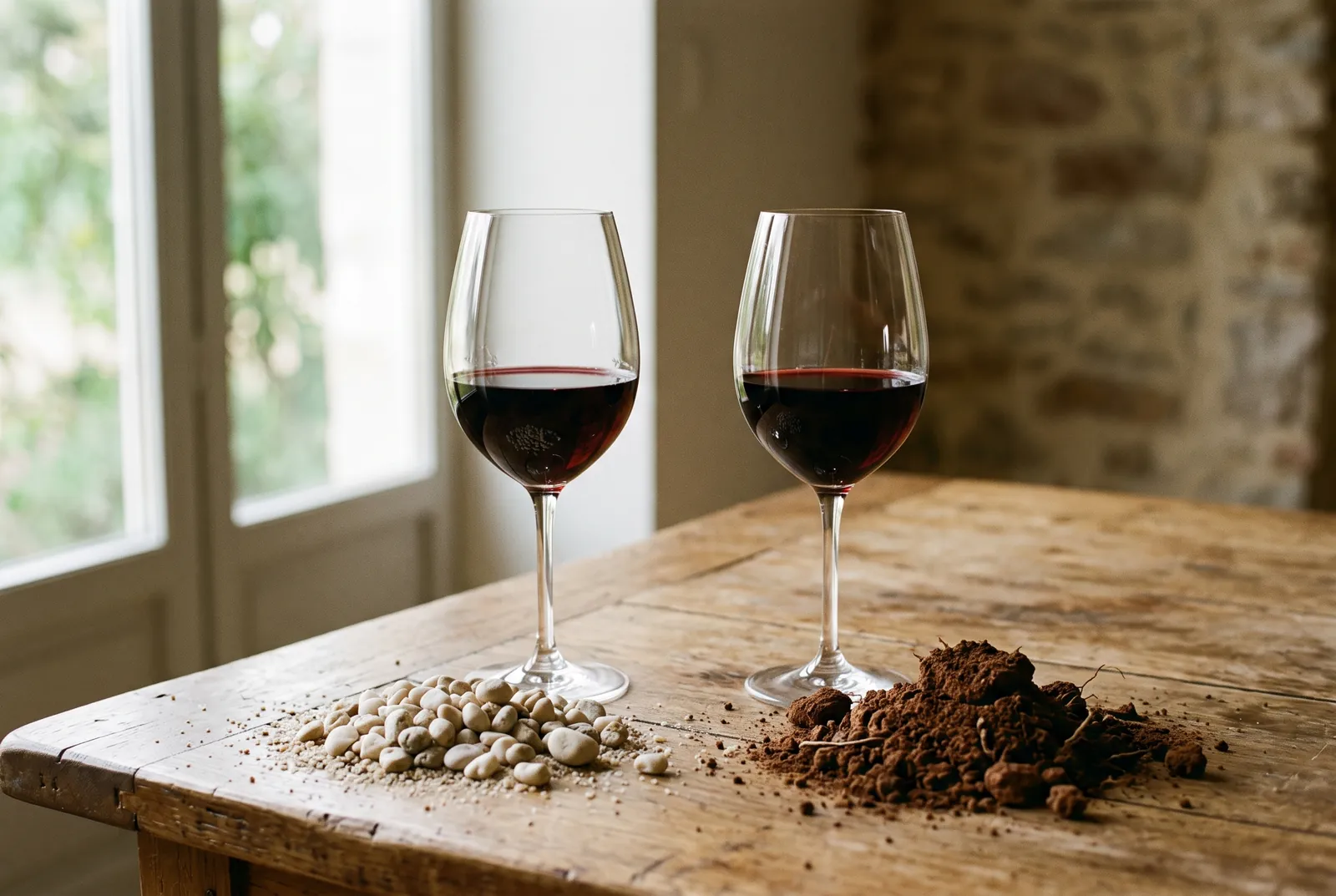
Napa and the Médoc grow the same grape for the same market and publish very different numbers. Napa's are public — grape prices, land sales, cost studies; Bordeaux's are inferred — SAFER land prices, estate statements, trade reporting. Put side by side, Bordeaux's land is dearer, Napa's farming is dearer, and the modeled cost per bottle lands in the same order of magnitude.
Land
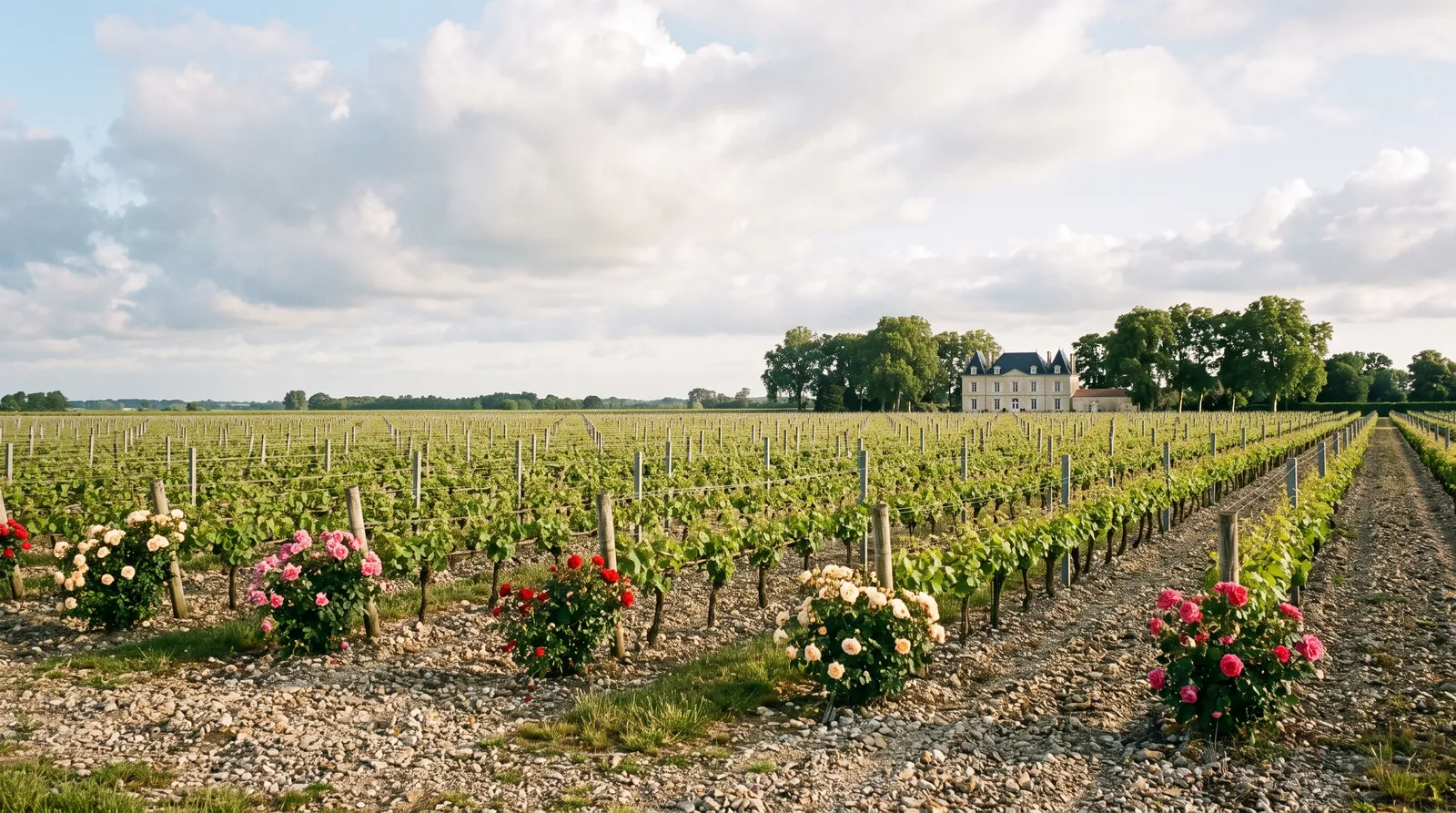
Pauillac at about €2.5 million a hectare (SAFER 2024) against prime Napa at $741,000–1.24 million a hectare: Bordeaux's top land is roughly twice Napa's, and Burgundy's is several times both.
Grapes and farming
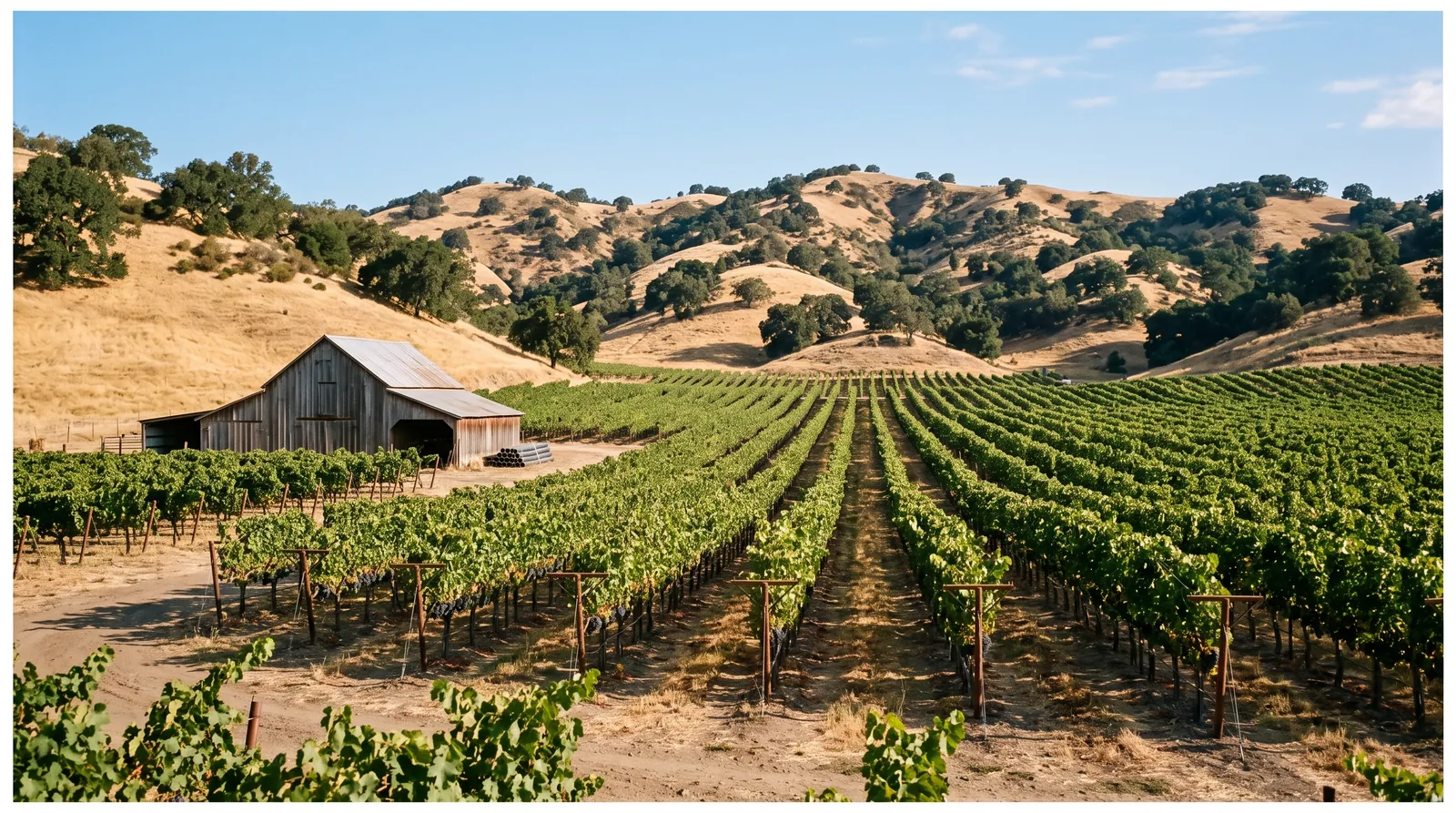
Napa Cabernet has a public price — $9,146 a ton in 2024 — because most Napa wineries buy fruit; the Médoc's classified growths buy none, so the comparable is farming cost per hectare: €15,000–30,000 for a classified growth against $12,000–25,000 an acre ($30,000–62,000 a hectare) reported for Napa's premium estates. Napa's yields are similar or slightly higher in hectolitres per hectare.
Oak and aging
Both use 100% new French oak at the top for 18–24 months; Napa's barrels cost a little more landed. Bordeaux's grand vin is bottled and sold en primeur a year after harvest; Napa's cult wines are released two to three years after, so the aging and financing lines are longer in Napa.
Distribution
Bordeaux sells through the Place at 10–20% négociant margin and then importers and merchants; Napa's cult estates sell direct and keep the whole price, while the rest of Napa gives up half through three tiers.
The models
Corkonomics' first-growth and cult-Cabernet models both land in the tens of dollars a bottle, with Bordeaux's imputed land line larger and Napa's farming line larger. The comparison page sets every input side by side with its source.
Fontes
- Le prix des terres — vignes 2024, SAFER / FNSAFER (as reported by Réussir Vigne), 2025. Obtido 3 September 2026.
- California Grape Crush Report 2024, preliminary and final, CDFA / USDA NASS, 2025. Obtido 3 September 2026.
- Sample Costs to Establish a Vineyard and Produce Winegrapes, Cabernet Sauvignon, Napa County, UC Davis / UC Cooperative Extension, 2020. Obtido 3 September 2026.