 Bordeaux
 Burgundy
 Champagne
 Rhône
Rhône Napa Valley
 Tuscany
 Piedmont
 Mosel
Mosel Oregon
 Rioja
Rioja California sparkling
 Valais and Lavaux
 England
 Douro
Douro Etna
Etna Mendoza
 Marlborough
 Stellenbosch
 Barossa Valley
 Tasmania
 Beaujolais
 Jura
Jura Alsace
 Loire
Loire Provence
 Ribera del Duero
 Sonoma
 What land costs
 Good years and bad
 Appellations
 Famous vineyards
 Famous wines
 Who makes them
 Find a vintage
 Compare wines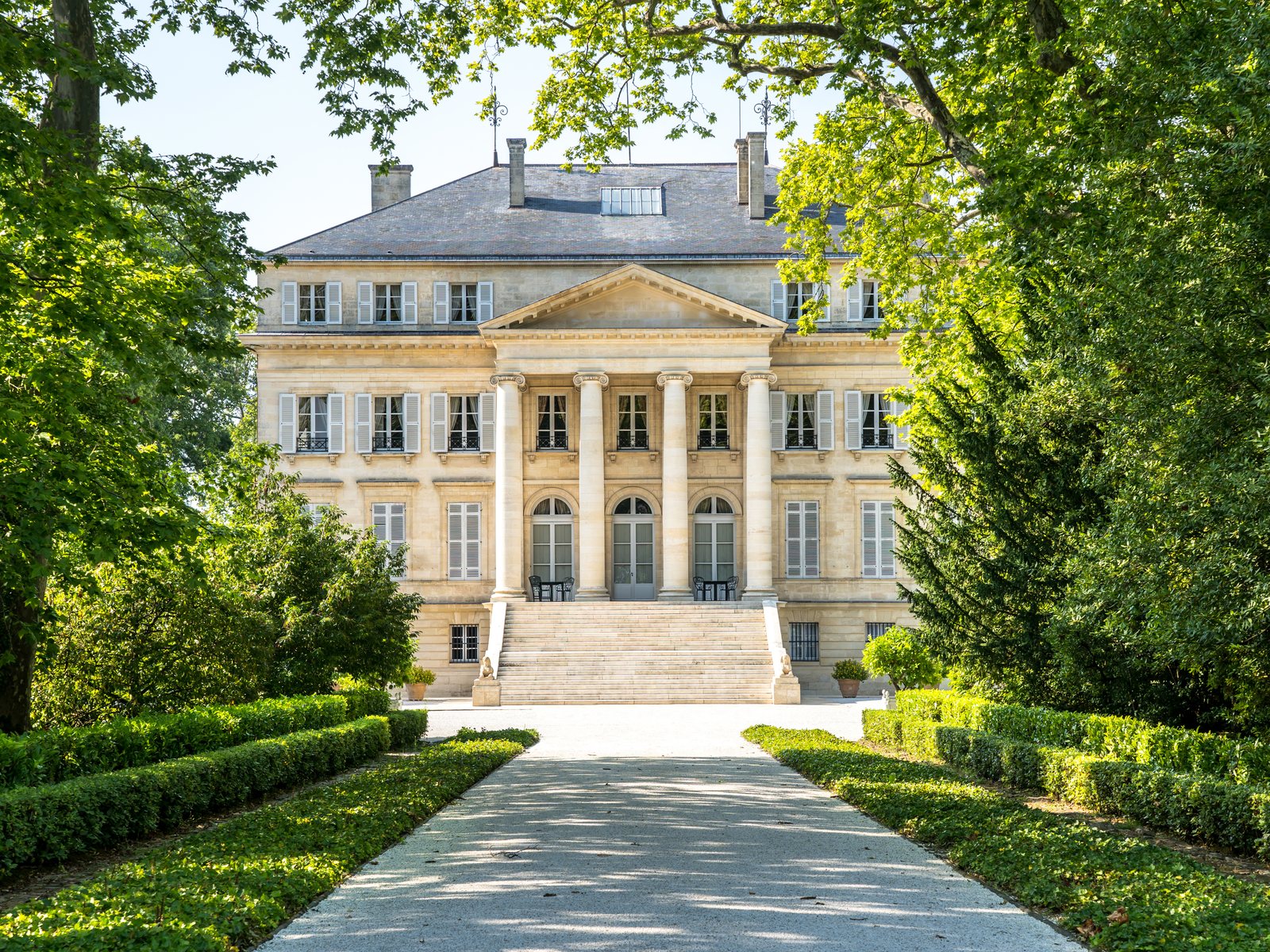
Château Margaux's grand vin is made from a strict selection — the estate says about a third of the red harvest — of its 82 hectares of red vines, aged 18–24 months in 100% new oak from the château's own cooperage. Production of roughly 130,000 bottles (about 11,000 cases) makes it smaller than Lafite or Mouton. It sells en primeur and trades in every vintage.
- Made by
- Château Margaux
- Style
- RedCabernet Sauvignon, Merlot, Cabernet Franc, Petit Verdot
- Bottles made in a typical year
- 130K
Bordeaux first growth
A red from one of the five top-ranked estates of Bordeaux. Every barrel is new, the grapes are picked by hand, and the wine waits more than a year and a half before bottling.
Good years and bad
One square for each year. The darker the square, the better the weather was for the grapes. Tap a year to read about it.
The essentials
Price history in outline
Margaux's secondary market followed Bordeaux's general cycle — a peak on the 2009 and 2010 releases, a decline to 2015, a recovery to 2022 — with smaller swings than Lafite's, which was the focus of Asian demand. The 2015, released in a bespoke bottle after Paul Pontallier's death and Norman Foster's new winery, is the most expensive modern release.
Supply
The selection ratio is the supply lever: in a difficult year (2013, 2017) the grand vin shrinks and Pavillon Rouge grows. Vintage production figures are not published.
Every year in a tableHow each year was rated, and the price the producer first asked
| Vintage | How the year was rated | Release price |
|---|---|---|
| 2025 | Excellent | — |
| 2024 | Mixed | ≈$309 |
| 2023 | Very Good | ≈$403 |
| 2022 | Exceptional | ≈$578 |
| 2021 | Mixed | ≈$470 |
| 2020 | Excellent | ≈$484 |
| 2019 | Excellent | ≈$369 |
| 2018 | Excellent | ≈$457 |
| 2017 | Good | ≈$390 |
| 2016 | Exceptional | — |
| 2015 | Excellent | — |
| 2014 | Very Good | — |
| 2013 | Difficult | — |
| 2012 | Good | — |
| 2011 | Good | — |
| 2010 | Exceptional | — |
| 2009 | Exceptional | — |
| 2008 | Very Good | — |
| 2007 | Mixed | — |
| 2006 | Very Good | — |
| 2005 | Exceptional | — |
| 2004 | Good | — |
| 2003 | Mixed | — |
| 2002 | Good | — |
| 2001 | Very Good | — |
| 2000 | Excellent | — |
| 1999 | Good | — |
| 1998 | Very Good | — |
| 1997 | Mixed | — |
| 1996 | Excellent | — |
| 1995 | Very Good | — |
| 1994 | — | — |
| 1993 | — | — |
| 1992 | — | — |
| 1991 | — | — |
| 1990 | Exceptional | — |
Release price by vintageWhat the producer asked for a bottle, year by year
Each dot is the price the producer asked for one bottle when that vintage was first offered, as reported in the trade press. A falling line is the producer cutting its opening price, usually because the previous vintage sold slowly; a rising one is confidence after a strong year.
What does this wine cost to make?Our estimate: $28–$95 a bottle
We estimate it costs about $28 to $95 to make one bottle of a wine like this. The price in the shop is far higher because the land is scarce, the name is famous, and many hands take a share on the way to you.
| Component | Low | High |
|---|---|---|
| Imputed land cost | $11.34 | $43.88 |
| Vineyard operations | $3.31 | $10.24 |
| Oak barrels | $0.56 | $1.61 |
| Winemaking labour and cellar work | $2.50 | $5.00 |
| Cellar aging | $1.20 | $2.96 |
| Bottle, closure, label, case and bottling | $4.90 | $13.40 |
| Winery overhead | $3.00 | $7.00 |
| Financing over the aging period | $1.61 | $10.89 |
| Estimated winery production cost | $28.42 | $94.98 |
Recent auction resultsWhat bottles of this wine fetched when collectors sold them
| Sale date | Vintage | House and sale | Per bottle |
|---|---|---|---|
| Sep 2026 | 2000 | Christie'sFine and Rare Wines & Spirits Online: London Edition (sale 24534) · lot 384 | ≈$717 with premium |
| Sep 2026 | 1995 | Christie'sFine and Rare Wines & Spirits Online: London Edition (sale 24534) · lot 234 | ≈$524 with premium |
| Sep 2026 | 1999 | Christie'sFine and Rare Wines & Spirits Online: London Edition (sale 24534) · lot 187 | ≈$441 with premium |
| Sep 2026 | 2018 | Christie'sFine and Rare Wines & Spirits Online: London Edition (sale 24534) · lot 2 | ≈$717 with premium |
| Sep 2026 | 1998 | Sotheby'sFinest & Rarest Wines (PF2662) · lot 48 | ≈$466 with premium |
| Sep 2026 | 1997 | Sotheby'sFinest & Rarest Wines (PF2662) · lot 47 | ≈$3,358 with premium |
| Sep 2026 | 1997 | Sotheby'sFinest & Rarest Wines (PF2662) · lot 46 | ≈$373 with premium |
| Sep 2026 | 1997 | Sotheby'sFinest & Rarest Wines (PF2662) · lot 45 | ≈$350 with premium |
| Sep 2026 | 1997 | Sotheby'sFinest & Rarest Wines (PF2662) · lot 44 | ≈$311 with premium |
| Sep 2026 | 1996 | Sotheby'sFinest & Rarest Wines (PF2662) · lot 43 | ≈$7,695 with premium |
| Sep 2026 | 1996 | Sotheby'sFinest & Rarest Wines (PF2662) · lot 42 | ≈$839 with premium |
| Sep 2026 | 1995 | Sotheby'sFinest & Rarest Wines (PF2662) · lot 41 | ≈$2,565 with premium |
The detailsClassification, grapes, bottle sizes and the rest
Comparable wines
Compare →Wines from the same appellation or region that collectors weigh against this one.
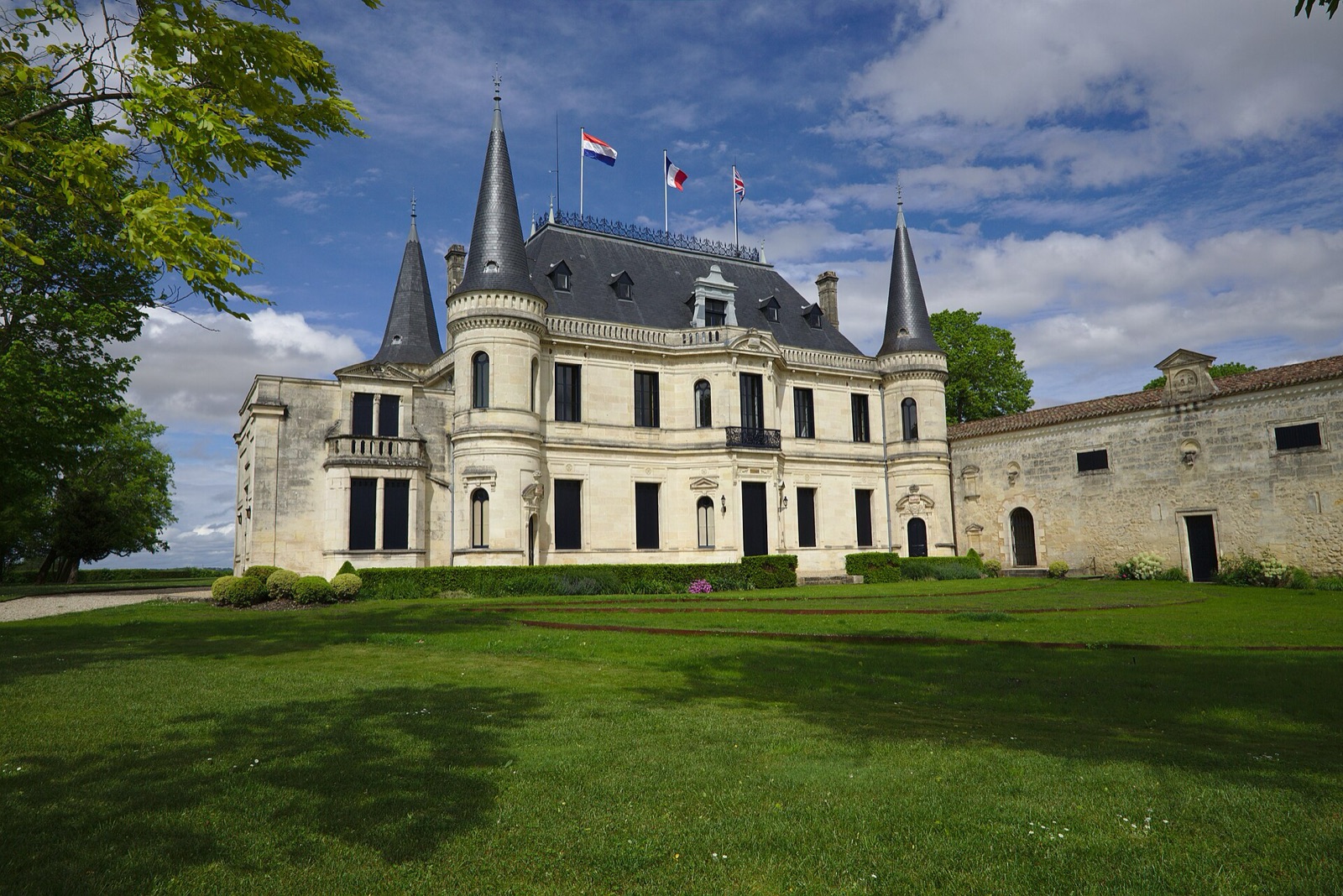
Château Palmer
A third growth priced like a second or better, biodynamic since 2014, from 66 hectares in Margaux.
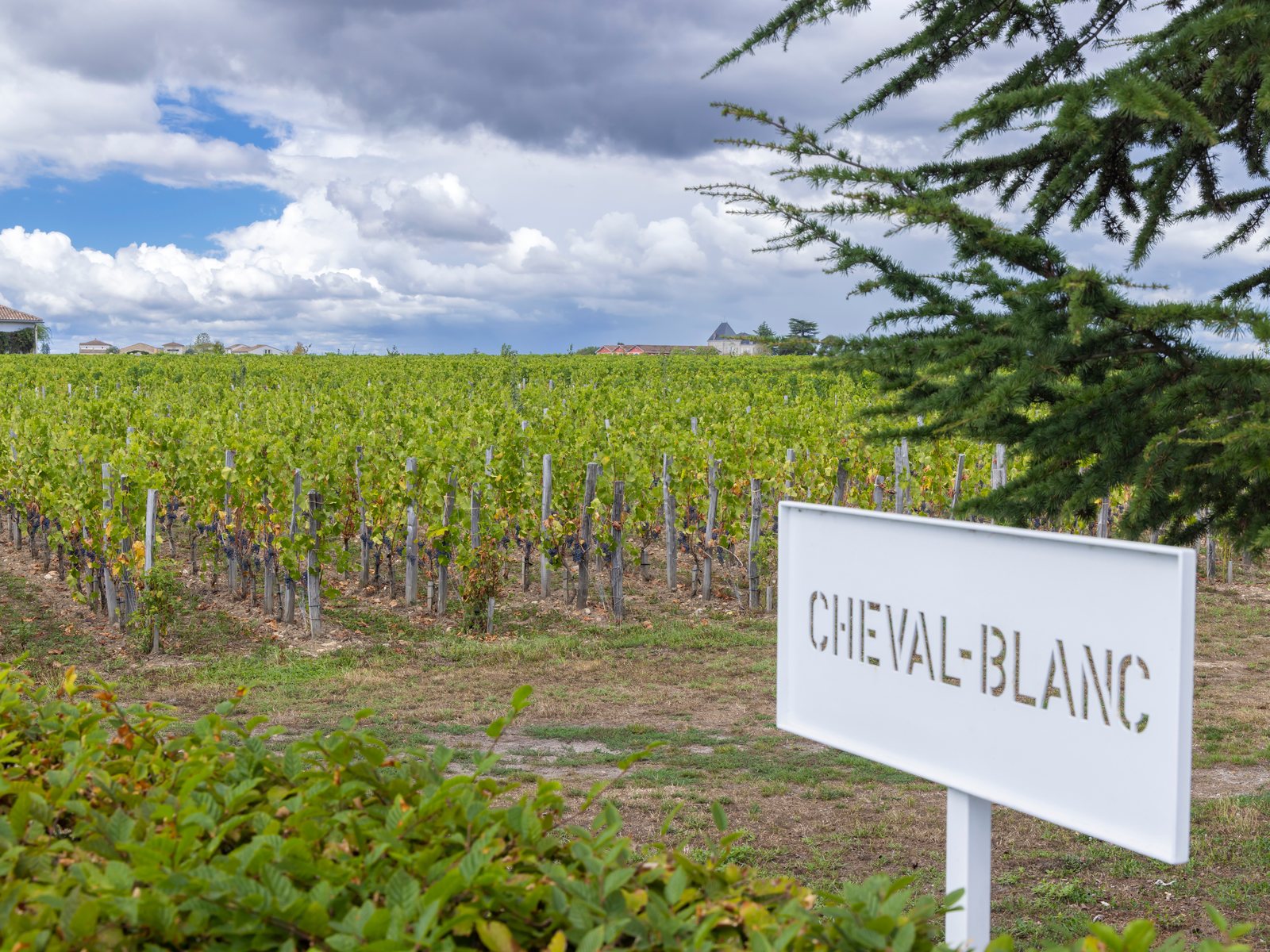
Château Cheval Blanc
Saint-Émilion's Cabernet Franc first growth: about 8,000–10,000 cases from 39 hectares beside Pomerol, sold through the Place de Bordeaux.
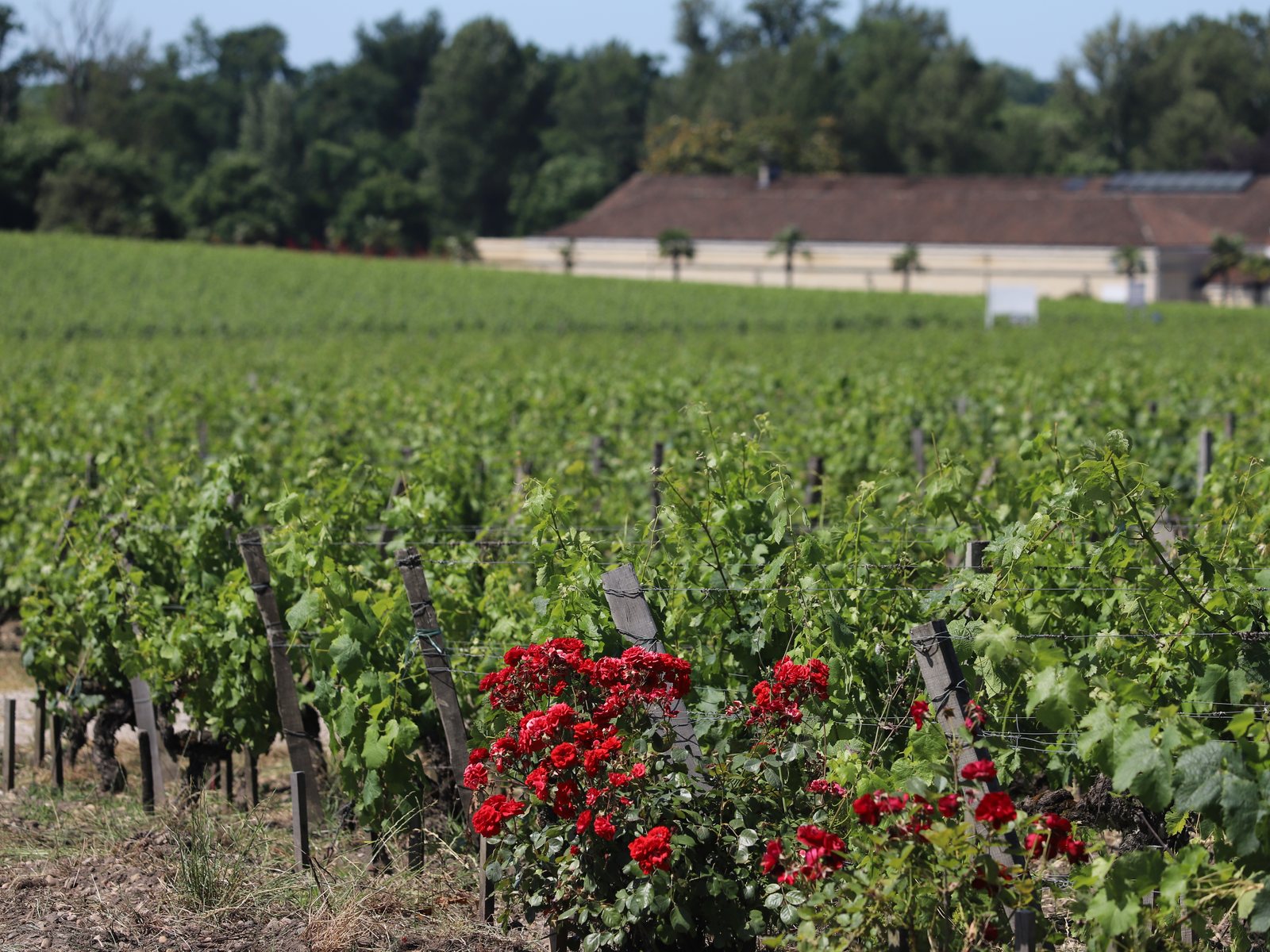
Château Haut-Brion
The smallest first growth by production and the most Merlot-heavy, from a vineyard inside the Bordeaux suburbs.
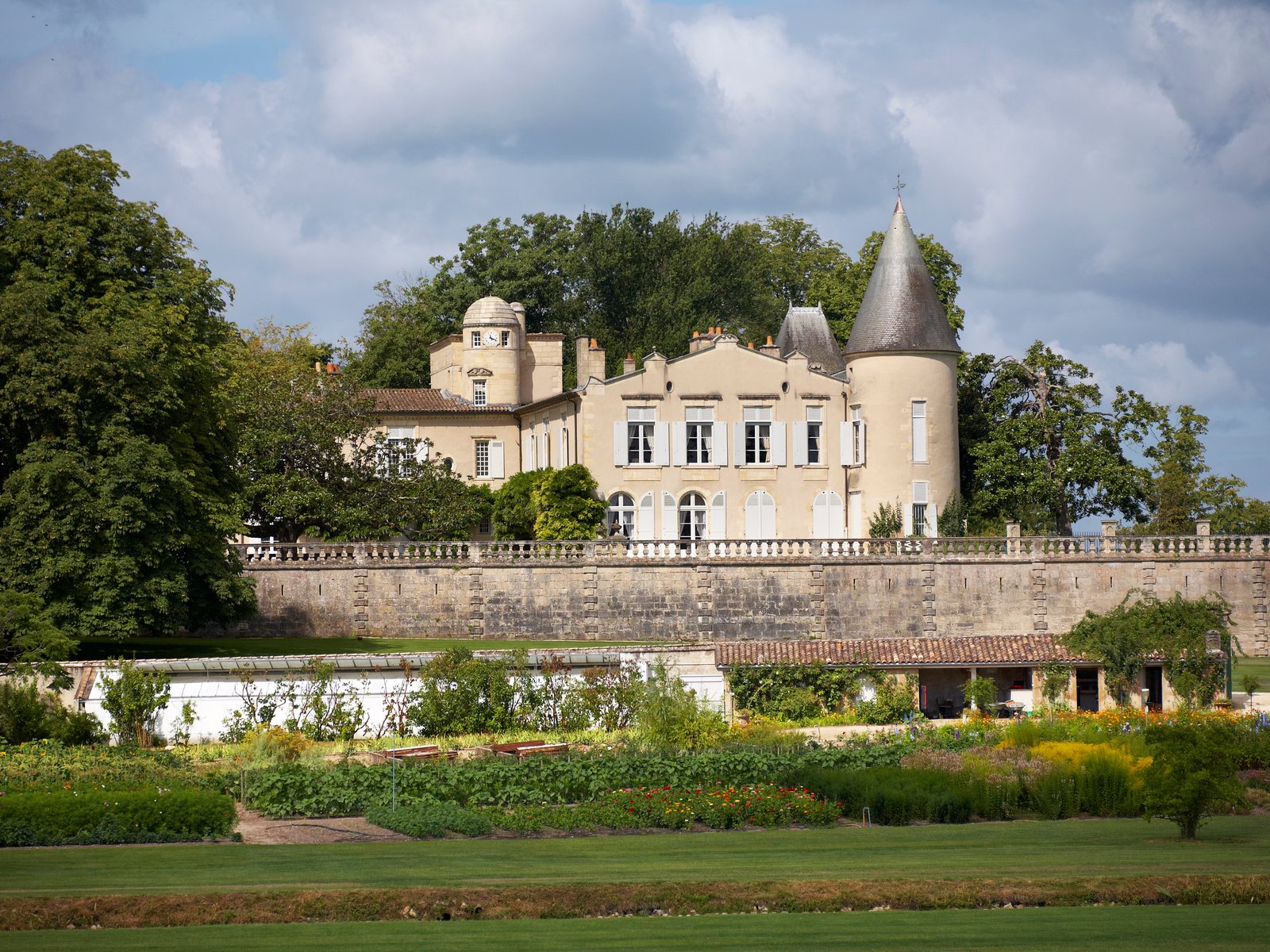
Château Lafite Rothschild
The grand vin of Lafite: the most traded first growth of the 2000s and the wine that defined the Bordeaux bubble and its collapse.
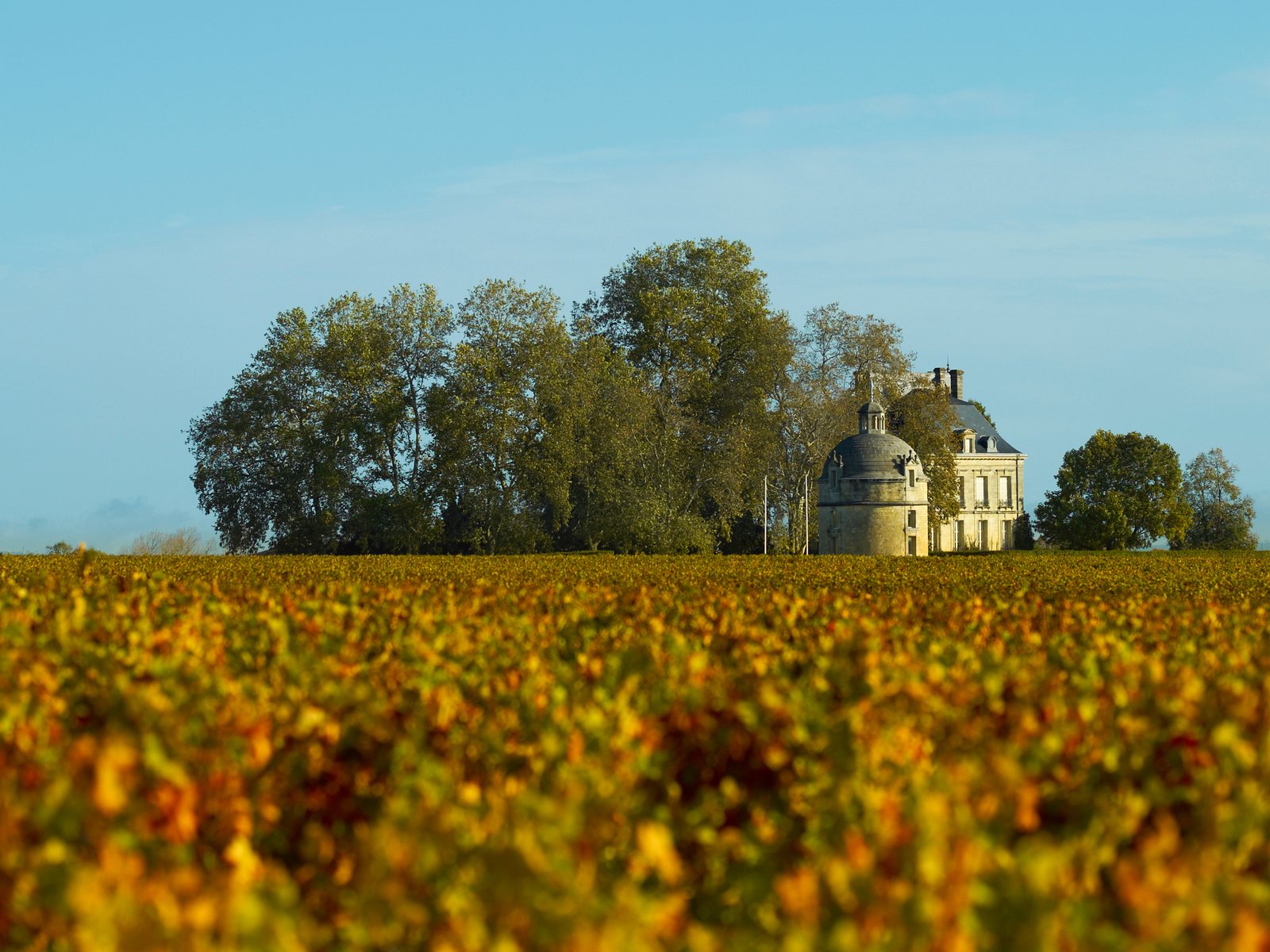
Château Latour
The grand vin from the Enclos — 47 hectares around the château — released only when the estate judges it ready since it left en primeur with the 2011 vintage.
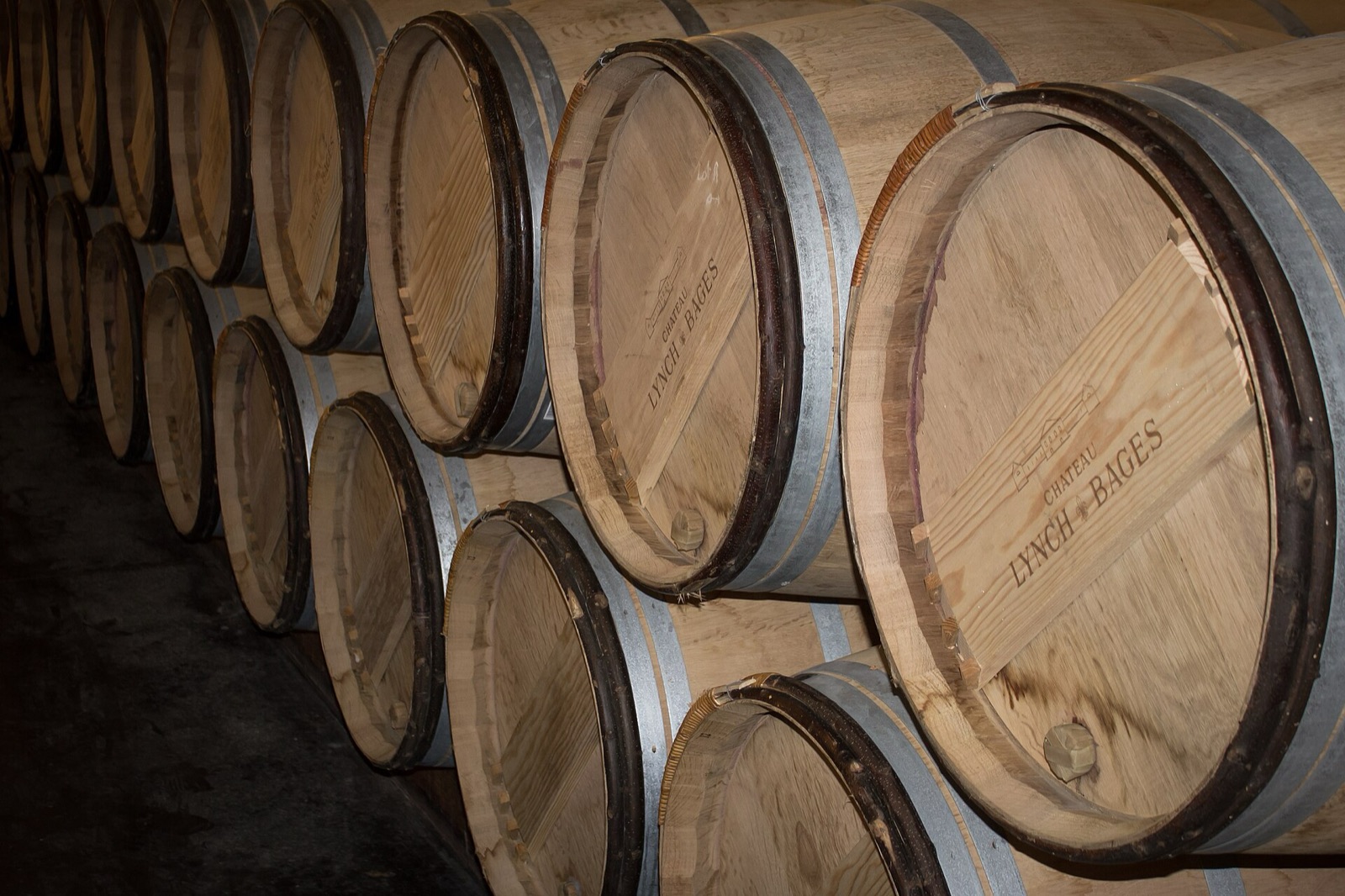
Château Lynch-Bages
The fifth growth with the deepest secondary market below the first growths — large production, every vintage traded.
Sources
- The wines, Château Margaux, 2025. Retrieved 3 September 2026.
- Château Margaux — the estate, 2025. Retrieved 3 September 2026.