 Bordeaux
 Burgundy
 Champagne
 Rhône
Rhône Napa Valley
 Tuscany
 Piedmont
 Mosel
Mosel Oregon
 Rioja
Rioja California sparkling
 Valais and Lavaux
 England
 Douro
Douro Etna
Etna Mendoza
 Marlborough
 Stellenbosch
 Barossa Valley
 Tasmania
 Beaujolais
 Jura
Jura Alsace
 Loire
Loire Provence
 Ribera del Duero
 Sonoma
 Arazi ne kadara mal olur
 İyi yıllar ve kötü yıllar
 Appellation'lar
 Ünlü bağlar
 Ünlü şaraplar
 Kim üretir
 Bir vintage bul
 Şarapları karşılaştır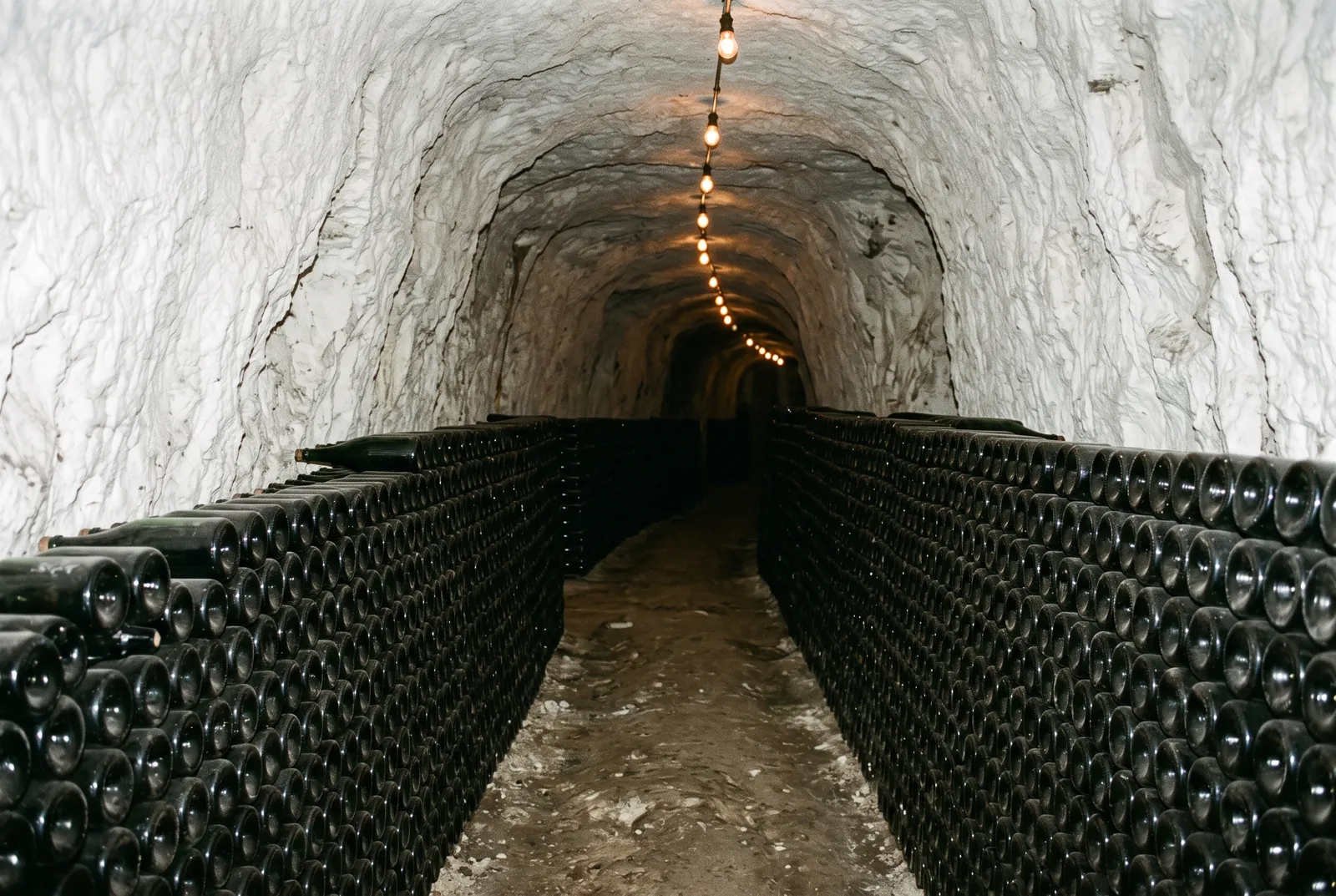
Wine as inventory
Inventory is stock a business has made or bought but not yet sold. A shop's shelves are inventory; so is every barrel and bottle resting in a winery cellar. Inventory is money in another form. The winery has already paid for the grapes, the barrels and the wages, but it will not get any money back until the wine is sold.
The money a business needs to cover that gap between paying out and getting paid is called working capital. A winery that sells its wine the spring after harvest needs a little. A winery that holds wine for five years needs a lot, because it must pay for five vintages in a row before the first one earns a cent.
Interest: the price of money
If the winery does not have that money itself, it must borrow it, and lenders charge interest: a fee for using their money, worked out as a percentage per year. Borrow $10,000 at 6% for one year and you owe $600 in interest. Even a winery with its own cash pays an opportunity cost, because that cash could have sat in a savings account earning interest instead.
Over several years interest grows on top of interest. This is called compound growth, and it works like a snowball rolling downhill. At 6% a year, $10 becomes $10.60 after one year, $11.24 after two, and about $13.38 after five. The longer a wine waits, the faster the cost of waiting rises.
Think about it: why might a winery be keener to age its wine for years when interest rates are very low?
Rules that make wine wait
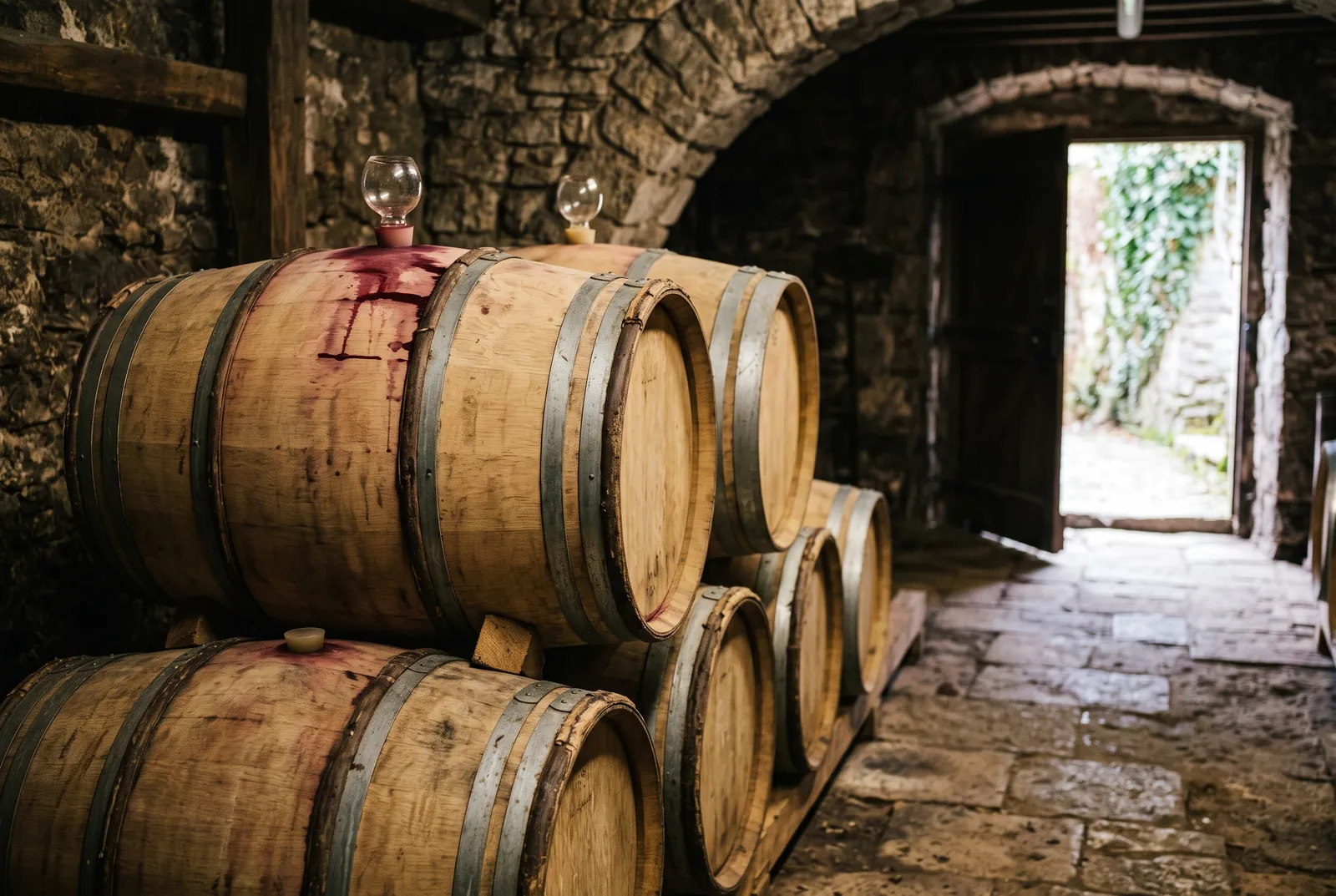
In some famous regions the law sets a minimum ageing time before a wine can carry a particular name. Rioja Gran Reserva red must be aged for at least five years, with at least two of them in oak barrels. Barolo must be aged for just over three years before release, and Barolo Riserva for more than five. Champagne must rest on its yeast in the bottle for at least 15 months if it is non-vintage and at least three years if it carries a vintage date; many houses go well beyond these minimums.
These wines therefore carry several years of storage, insurance, labour and interest in their price. That is one reason a Gran Reserva costs more than a young Rioja from the same grapes. It is not only that the wine tastes different: someone had to pay to wait.
Non-vintage and vintage: two strategies
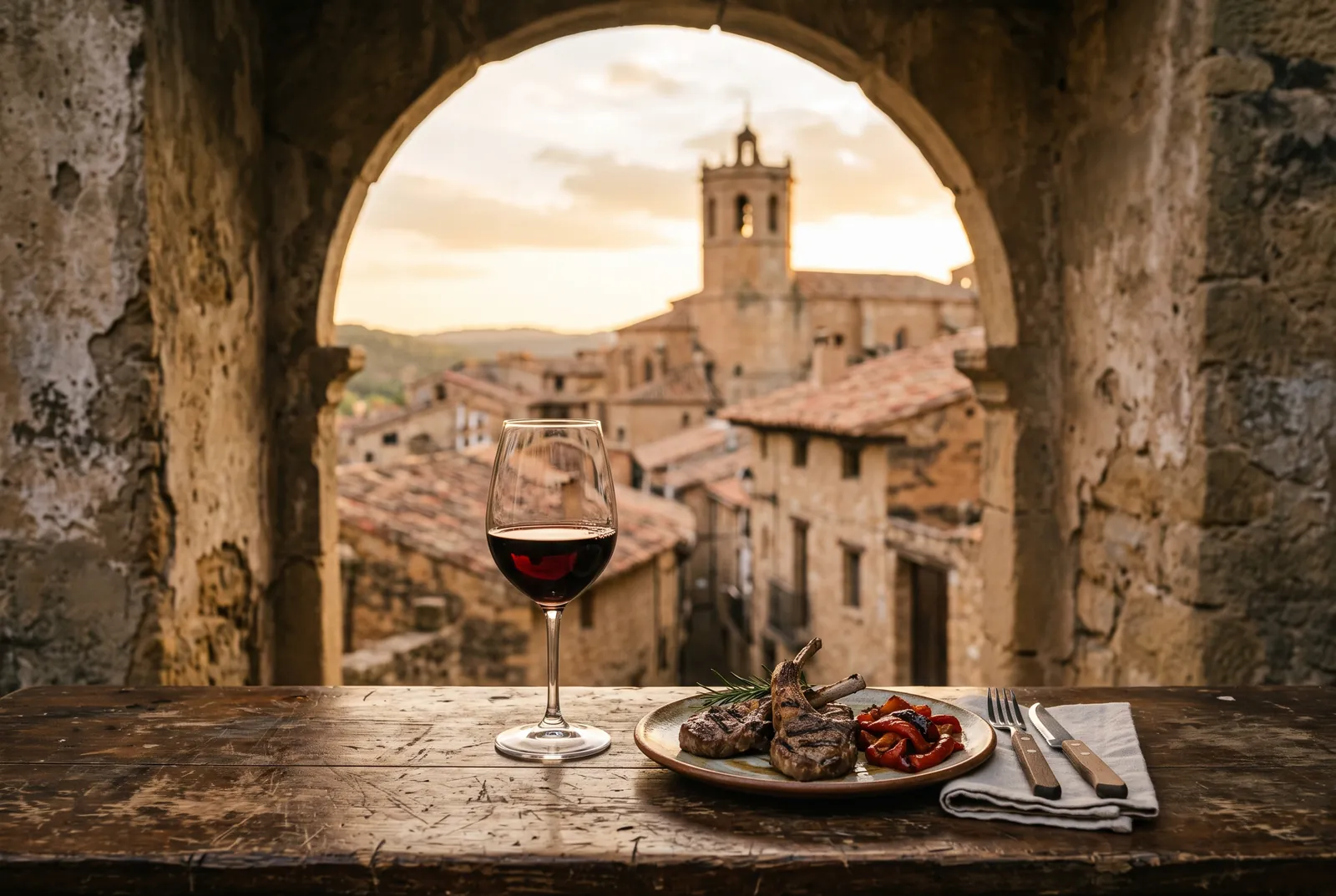
Champagne shows how producers manage time. Most Champagne is non-vintage: a blend of wine from the latest harvest with older reserve wines kept back from earlier years. Blending smooths out good and bad years, so the house can sell a steady style in steady amounts every year, a bit like a soft drink brand that must taste the same in every can.
A vintage Champagne comes from a single, usually excellent year and is aged longer. It is made in smaller amounts and sold at a higher price. Holding reserve wines and ageing vintage wines both tie up working capital, but they also protect the brand and let the house charge more. It is a trade-off between cash today and value later.
Getting paid early: en primeur
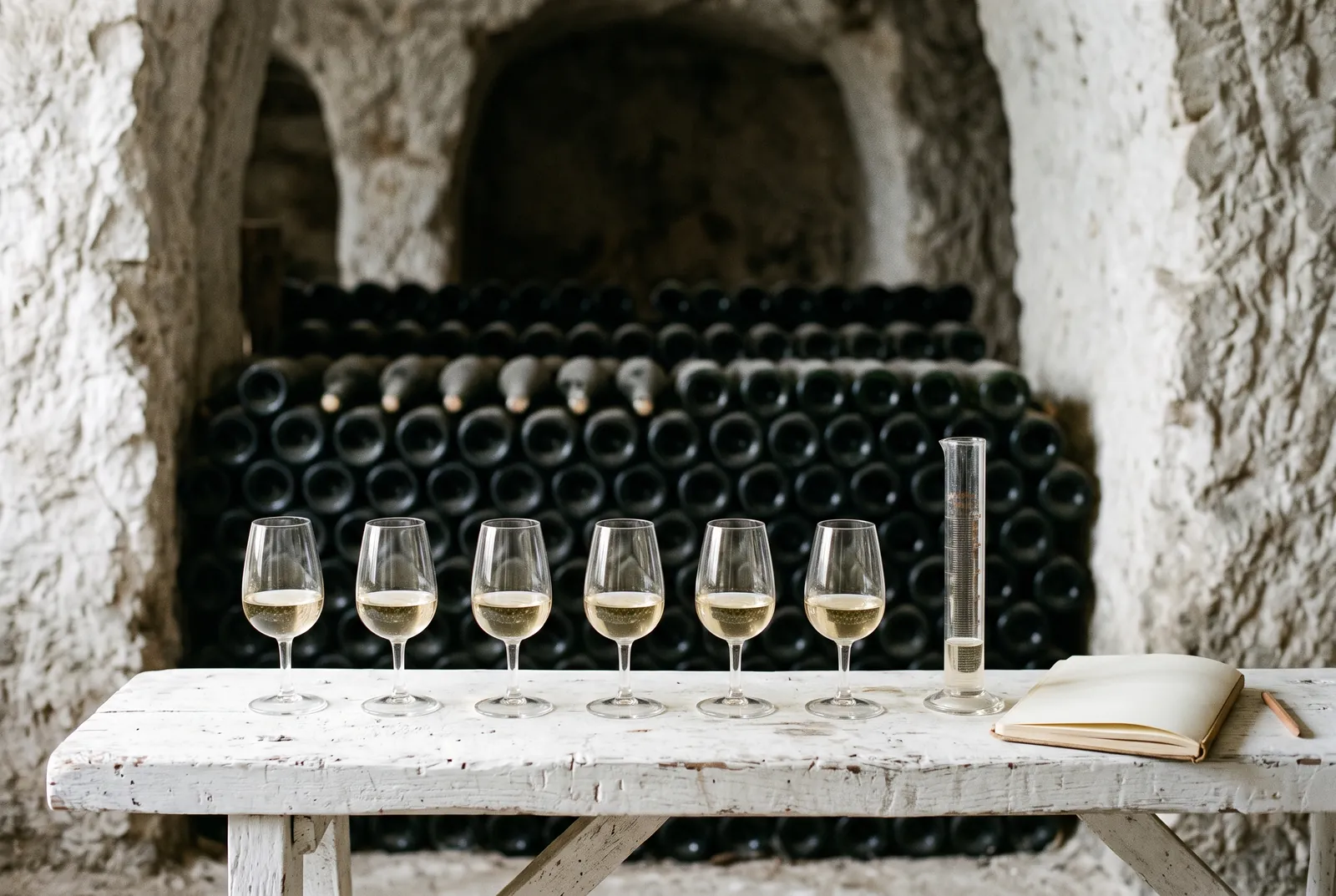
Some producers have found a way to make other people carry the cost of waiting. Each spring, many Bordeaux châteaux offer the wine from the latest harvest en primeur, also called selling futures. Buyers pay for the wine while it is still in barrel and receive the bottles a year or two later.
For the château this is a big help with working capital: money arrives long before the wine is ready. In return, it usually has to offer a price below what it expects the wine to fetch once bottled. The buyer takes on the waiting and the risk that prices fall, and hopes to be rewarded with a lower price than later buyers pay. Whether that hope comes true varies a great deal from year to year.
The risks of waiting
Time does not only cost interest. While wine waits, many things can go wrong. A batch of faulty corks can taint some bottles. A cellar can flood or overheat. Tastes can change, so a style that was popular when the wine was made is less wanted when it is finally released. Prices in the market can fall. Every one of these is a risk the owner carries, and economics says people expect to be paid more for carrying more risk.
That is why the price gap between a young wine and a long-aged one is often larger than the interest and storage bills alone. Part of the extra is a reward for patience and for taking those risks.
Who pays to wait?
Someone always carries the cost of ageing. Sometimes it is the winery, which then charges more. Sometimes it is a merchant who buys young wine and sells it later. Sometimes it is the drinker, who buys a young Bordeaux or Barolo and keeps it at home for ten years. In each case the person waiting gives up the use of their money, takes the risk that the wine is damaged or falls in value, and expects to be rewarded for it.
Worked example: the cost of waiting five years
Here is a made-up winery with round numbers. A bottle costs $10 to make. The winery could sell it after one year or age it for five. Its money could otherwise earn 6% a year, and cellar storage costs $0.20 per bottle per year.
| Cost to make the bottle | $10.00 |
|---|---|
| Sold after 1 year: interest at 6% | $0.60 |
| Sold after 1 year: storage (1 year at $0.20) | $0.20 |
| Sold after 1 year: total cost | $10.80 |
| Sold after 5 years: compound interest ($10 grows to about $13.38) | $3.38 |
| Sold after 5 years: storage (5 years at $0.20) | $1.00 |
| Sold after 5 years: total cost | $14.38 |
Waiting five years adds about $4.38 to a $10 bottle, compared with 80 cents for one year. To earn the same profit, the aged wine must sell for roughly $3.58 more, before counting any bottles lost or broken along the way.
Key words
- Inventory
- Stock that a business has made or bought but not yet sold.
- Working capital
- The money a business needs to cover the gap between paying its costs and getting paid by customers.
- Interest
- The fee for borrowing money, usually a percentage of the amount borrowed per year.
- Compound growth
- Growth where each year's increase is added on and then grows too, like interest earning interest.
- Non-vintage
- A wine, usually Champagne, blended from several years' harvests to keep a steady house style.
- Reserve wine
- Wine kept back from earlier years to blend into later non-vintage wines.
Check your understanding
Why does a winery that ages its wine for five years need more working capital than one that sells after a few months?
Show the answer
It must pay for several vintages before the first is sold, so much more money is tied up waiting.
$1,000 earns 5% interest a year, compounded. Roughly how much is it after two years?
Show the answer
After one year $1,050; after two, $1,050 plus 5% of $1,050, which is $1,102.50.
Give one economic reason a Rioja Gran Reserva costs more than a young Rioja.
Show the answer
The rules require at least five years of ageing, so the producer pays years of storage, labour and interest before selling.
What does a Champagne house gain by keeping reserve wines?
Show the answer
It can blend a consistent style every year and smooth out poor harvests, which protects its brand, at the cost of tying up money.
Go deeper on Corkonomics
Sources and further reading
- The Champagne trade body Comité Champagne
- The Oxford Companion to Wine Jancis Robinson and Julia Harding, eds., Oxford University Press
← Previous chapterAll chapters
All chaptersThe economics of wine production
- The wine business at a glance: from vineyard to glass
- Land: why some vineyard ground costs millions
- Growing grapes: farming costs and yields
- Grape prices: buying, selling and contracts
- Making the wine: winery costs and economies of scale
- Time is money: ageing, inventory and the cost of waiting
- From cellar door to shop shelf: packaging, distribution, taxes and tariffs
- Pricing, brands and the global picture