 Bordeaux
 Burgundy
 Champagne
 Rhône
Rhône Napa Valley
 Tuscany
 Piedmont
 Mosel
Mosel Oregon
 Rioja
Rioja California sparkling
 Valais and Lavaux
 England
 Douro
Douro Etna
Etna Mendoza
 Marlborough
 Stellenbosch
 Barossa Valley
 Tasmania
 Beaujolais
 Jura
Jura Alsace
 Loire
Loire Provence
 Ribera del Duero
 Sonoma
 Ce que coûte le terrain
 Les bonnes et mauvaises années
 Appellations
 Vignobles célèbres
 Vins célèbres
 Qui les produit
 Trouver un millésime
 Comparer les vins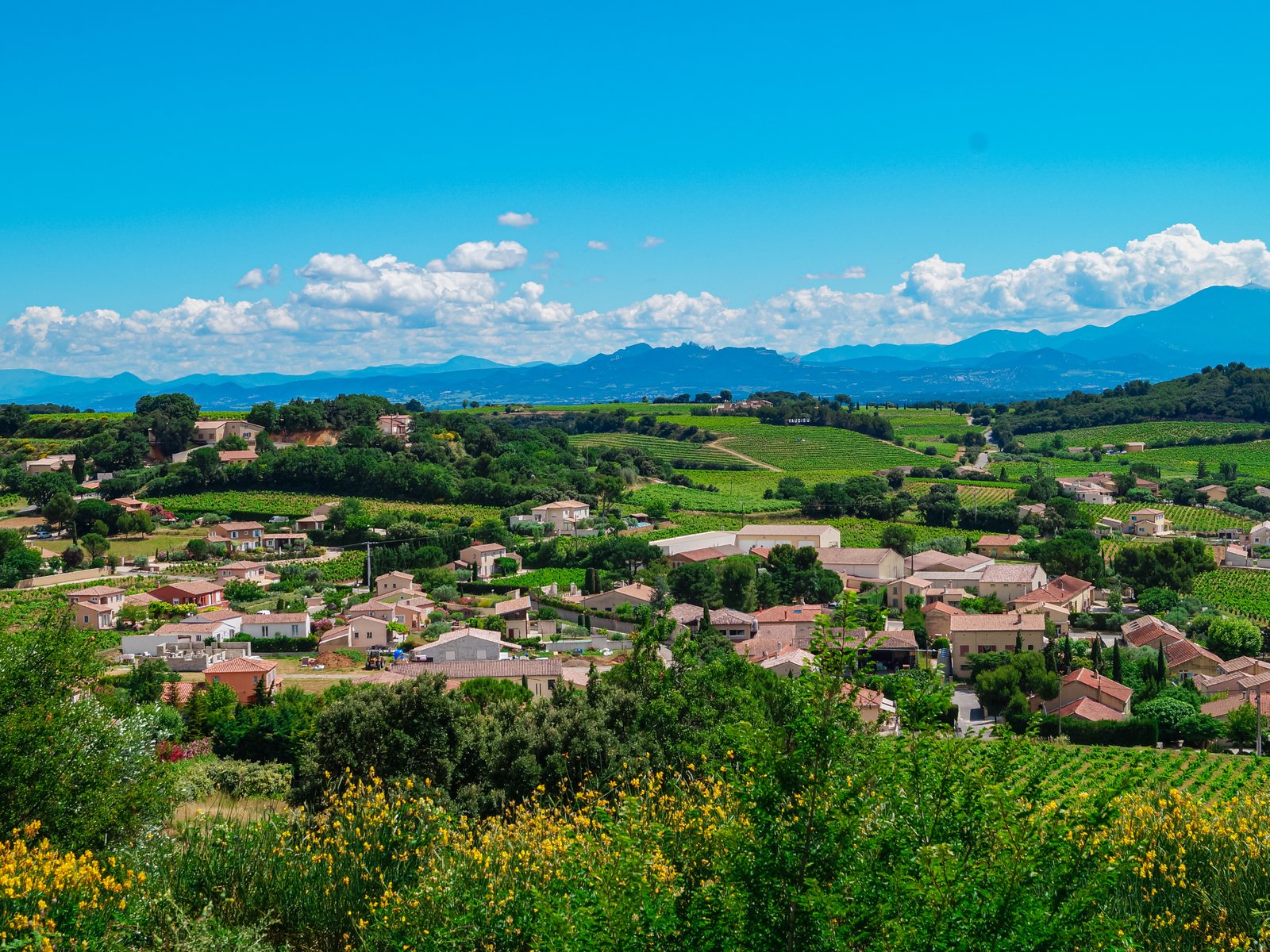
Château Rayas, run by Emmanuel Reynaud, farms about 13 hectares of Châteauneuf-du-Pape on sandy soils under pines, at yields reported around 15 hl/ha — a third of the appellation's typical crop. The estate also owns Château des Tours and Fonsalette.
- Fondé
- 1880
- Région
- Rhone
- Propriété
- Reynaud family
- Vignoble
- 13.0 ha32 ac
Vins
Château Rayas, Châteauneuf-du-Pape Réservé, millésime par millésime
Un carré par année. Plus le carré est foncé, meilleures étaient les conditions météo pour les raisins. Appuyez sur une année pour en lire le détail.
2022202120202019201820172016201520142013201220112010200920082007200620052004200320022001200019991998199719961995
ExceptionnelExcellentTrès bonBonMitigéDifficile
L'essentiel
Economic profile
Rayas shows that yield, not appellation, sets scarcity: a Châteauneuf estate with a Burgundy production profile has Burgundy prices. Its release prices are modest and the secondary market does the rest.
Les détailsClassification, propriété, terroir et production
Fondé
1880
Classification
Châteauneuf-du-Pape AOC
Propriété
Reynaud family (family)
Propriétés viticoles
13.0 ha (32 ac)
Premier millésime produit
1920
Rendement
≈ 15 hl/ha (trade reporting)
Cépage
100% Grenache (red)
Nous estimons qu'il en coûte environ $21 à $70 pour produire une bouteille dans un domaine de ce type. Voir la décomposition complète
Contexte de la valeur foncièreCe qu'un hectare de vigne vaut dans la région
| Intrant | Bas | Haut | Unité |
|---|---|---|---|
| Vineyard land, Châteauneuf-du-Pape2024 | 500,000 | 530,000 | EUR/ha |
| Vineyard land, Côte-Rôtie2024 | 1,000,000 | 1,600,000 | EUR/ha |
| Vineyard land, Côtes du Rhône2024 | 7,000 | 18,000 | EUR/ha |
| Vineyard land, Hermitage2024 | 500,000 | 1,350,000 | EUR/ha |
Chaque vin dans un tableauBouteilles produites, années couvertes et rareté de chaque vin
| Vin | Bouteilles produites en année type | Millésimes couverts | Grandes années |
|---|---|---|---|
| Château Rayas, Châteauneuf-du-Pape RéservéChâteauneuf-du-Pape AOC · Châteauneuf-du-Pape | 21,000 | 28 1995–2022 | 7 |
Chaque année dans un tableauChâteau Rayas, Châteauneuf-du-Pape Réservé: La note attribuée à chaque année, et le prix demandé à l'origine par le producteur.
| Millésime | Comment l'année a été notée | Prix de sortie |
|---|---|---|
| 2022 | Très bien | — |
| 2021 | Mitigé | — |
| 2020 | Très bien | — |
| 2019 | Excellent | — |
| 2018 | Très bien | — |
| 2017 | Très bien | — |
| 2016 | Exceptionnel | — |
| 2015 | Exceptionnel | — |
| 2014 | Mitigé | — |
| 2013 | Bon | — |
| 2012 | Très bien | — |
| 2011 | Bon | — |
| 2010 | Exceptionnel | — |
| 2009 | Très bien | — |
| 2008 | — | — |
| 2007 | Excellent | — |
| 2006 | Très bien | — |
| 2005 | Excellent | — |
| 2004 | — | — |
| 2003 | Très bien | — |
| 2002 | — | — |
| 2001 | Très bien | — |
| 2000 | Très bien | — |
| 1999 | Très bien | — |
| 1998 | Excellent | — |
| 1997 | — | — |
| 1996 | — | — |
| 1995 | Très bien | — |
Comment les années ont été notées
- très bon12 millésimes
- excellent4 millésimes
- exceptionnel3 millésimes
- mitigé2 millésimes
- bon2 millésimes
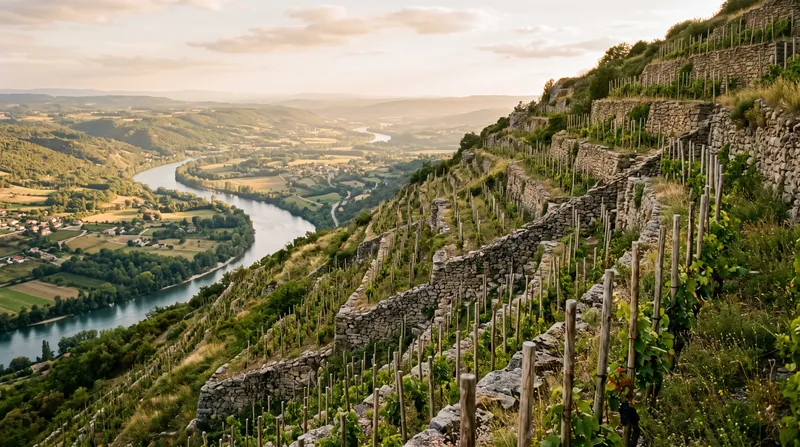 La régionRhôneSyrah poivrée au nord, assemblages chaleureux à base de Grenache au sud.À propos de la région
Sources
- Châteauneuf-du-Pape appellation, Fédération des Producteurs de Châteauneuf-du-Pape, 2025. Récupéré 3 September 2026.