 Bordeaux
 Burgundy
 Champagne
 Rhône
Rhône Napa Valley
 Tuscany
 Piedmont
 Mosel
Mosel Oregon
 Rioja
Rioja California sparkling
 Valais and Lavaux
 England
 Douro
Douro Etna
Etna Mendoza
 Marlborough
 Stellenbosch
 Barossa Valley
 Tasmania
 Beaujolais
 Jura
Jura Alsace
 Loire
Loire Provence
 Ribera del Duero
 Sonoma
 Quanto costa il terreno
 Annate buone e cattive
 Denominazioni
 Vigneti famosi
 Vini famosi
 Chi li produce
 Cerca un'annata
 Confronta vini
Quanto costa produrre una bottiglia
Tutti i modelli →Quanto spende una cantina per produrre una bottiglia di ciascuno stile, dalla cassa più economica alla più costosa. Tocca una voce per vedere come viene distribuita la spesa.
Burgundy grand cru (Pinot Noir)
$48–$283 per produrre una bottiglia
Un Pinot Noir da uno dei vigneti meglio classificati della Borgogna. Le parcelle sono minuscole e ogni vite produce pochissimo vino.
Pomerol micro-estate (Merlot)
$29–$101 per produrre una bottiglia
Un Merlot di un piccolo domaine a Pomerol, su alcuni dei terreni più costosi di Bordeaux.
Burgundy premier cru
$22–$98 per produrre una bottiglia
Un vino di Borgogna da un vigneto di un gradino sotto il rango più alto.
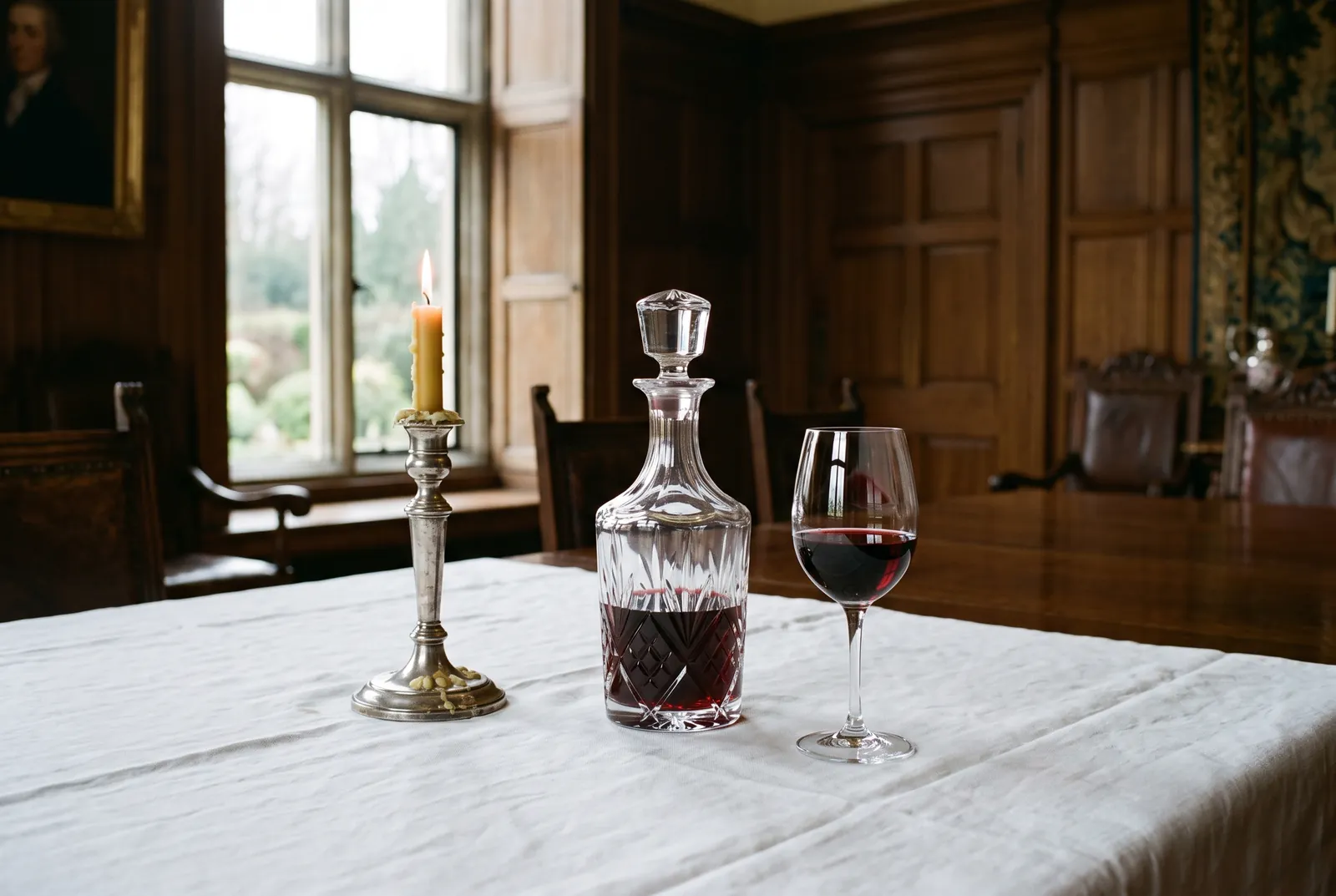
Bordeaux first growth
$28–$95 per produrre una bottiglia
Un rosso da uno dei cinque châteaux cru classé più rinomati di Bordeaux. Ogni barrique è nuova, le uve vengono raccolte a mano e il vino attende più di un anno e mezzo prima dell'imbottigliamento.
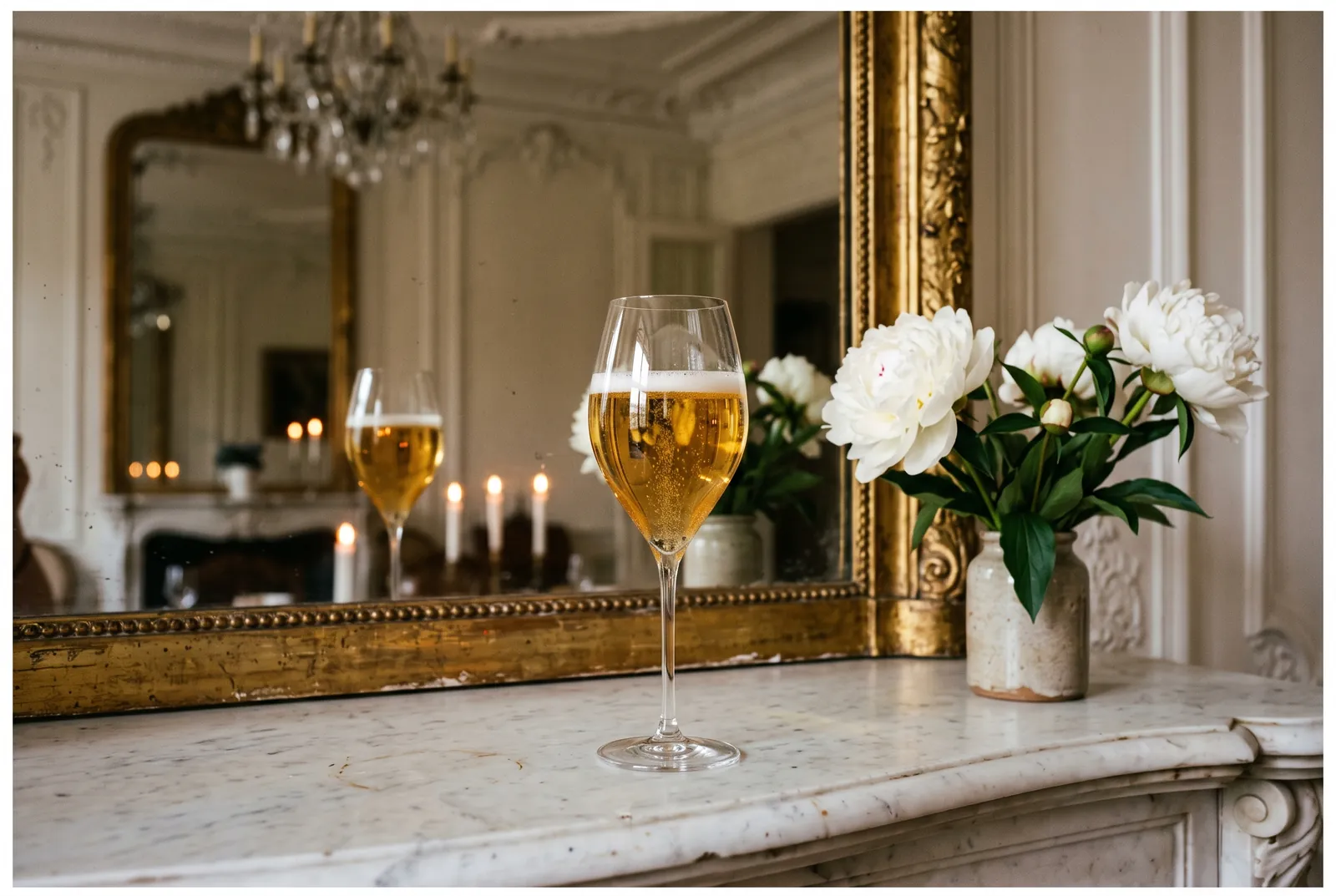
Champagne prestige cuvée
$26–$89 per produrre una bottiglia
La bottiglia di punta di una grande maison di Champagne. È prodotta con le uve migliori, affinata da sei a dieci anni e venduta in una bottiglia pesante con una confezione elegante.
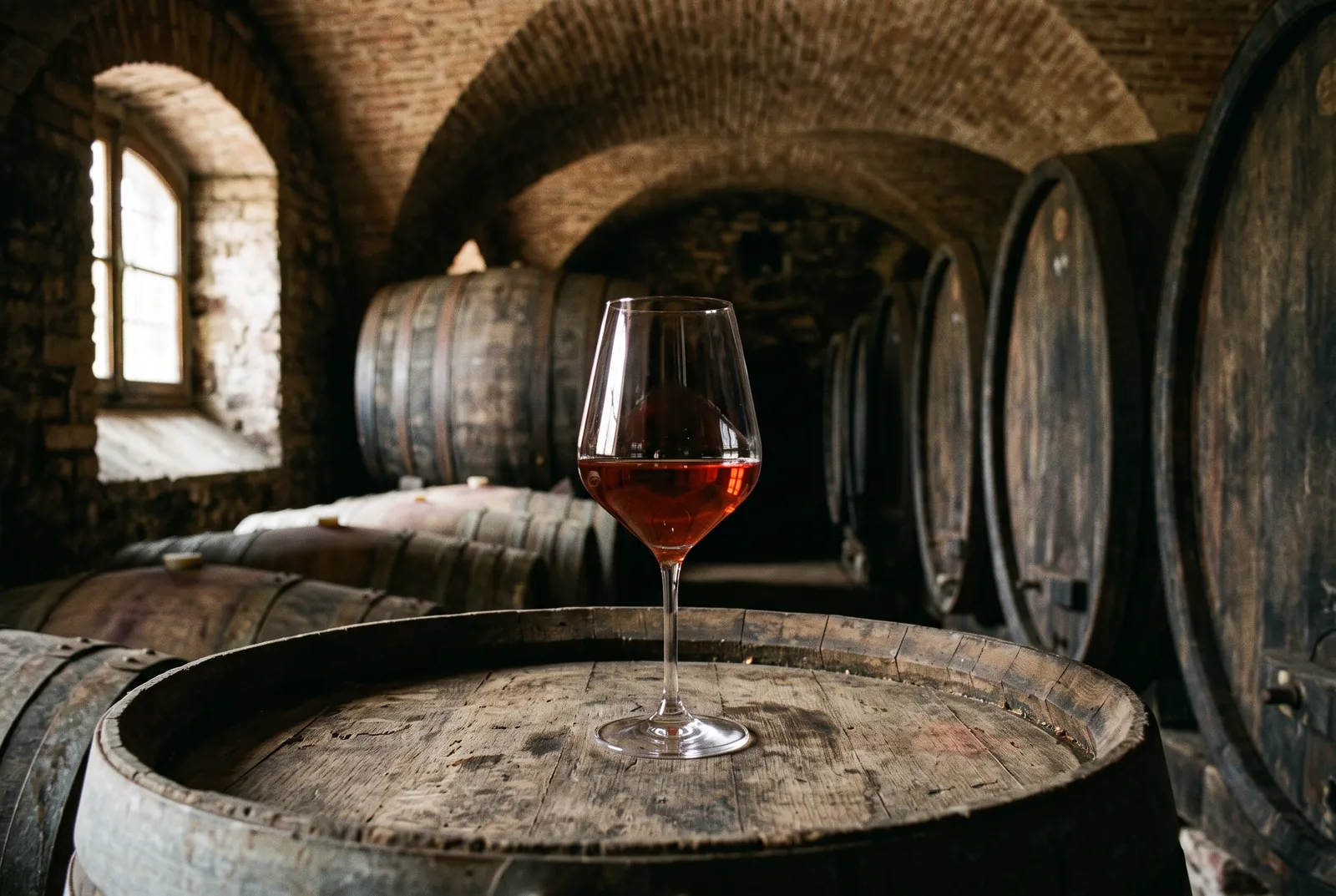
Barolo single-cru
$21–$82 per produrre una bottiglia
Un Barolo di punta da un singolo vigneto famoso nel nord-ovest dell'Italia. È prodotto con il vitigno Nebbiolo e riposa per più di tre anni prima di essere messo in vendita.
Margini di distribuzione
Tutti gli input →| Livello | Basso | Alto | Unità | Fonte |
|---|---|---|---|---|
| Distributor + retailer margin (three-tier)Napa Valley | 60 | 100 | % on winery price | Distributor ≈ 25–30%, retailer ≈ 30–50% on their cost |
| Importer + retailer marginBordeaux | 25 | 60 | % on cost | Merchant price lists vs release prices |
| Négociant margin on the Place de BordeauxBordeaux | 10 | 20 | % of ex-château price | Trade reporting on the Place de Bordeaux (Liv-ex, Decanter) |
Ricerca
Tutta la ricerca →
What really determines the cost of a bottle of wine?
Grapes, land, labour, barrels, time and glass — itemised, sourced, and set beside what the market pays.
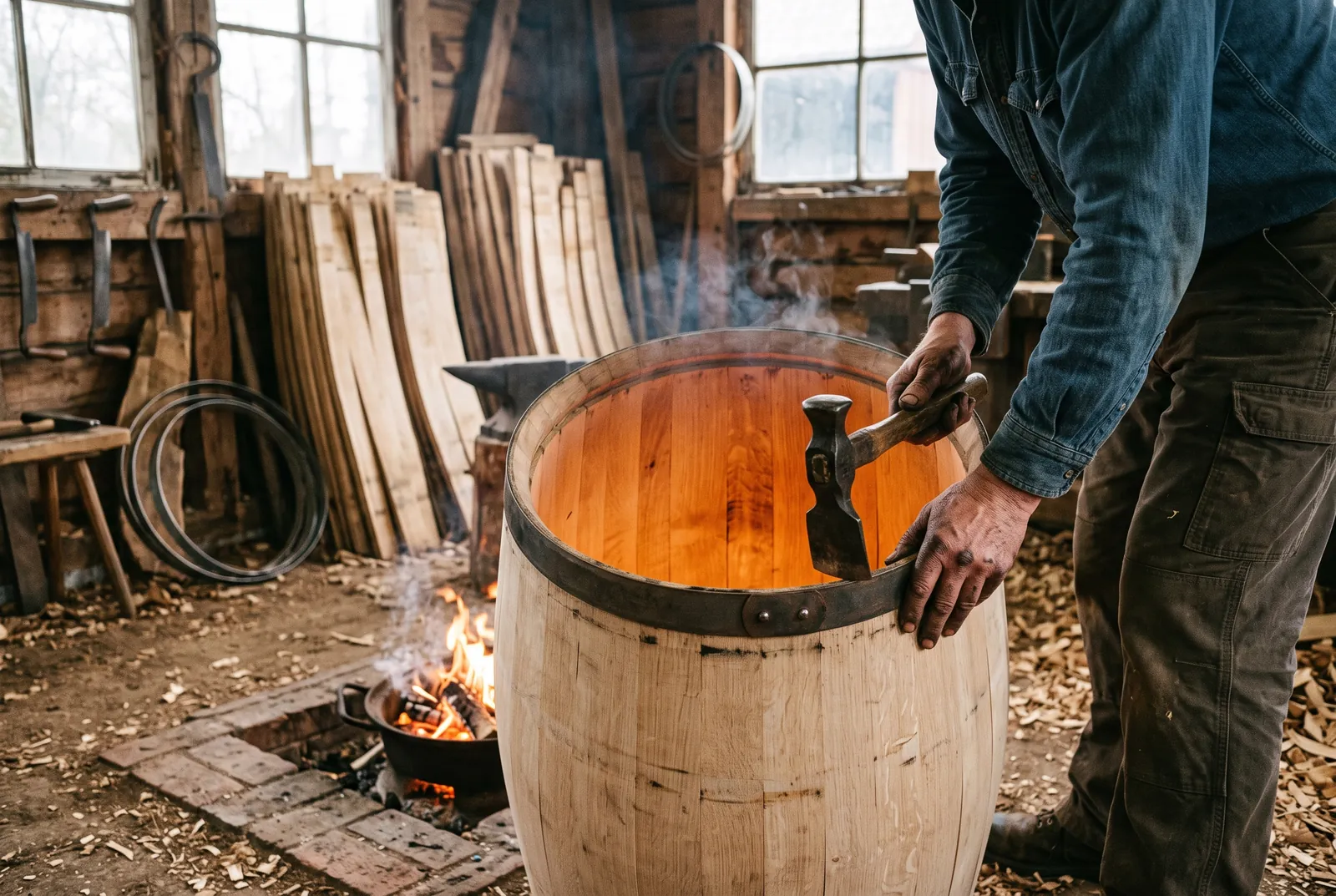
The economics of oak barrels
A $1,200 barrel holds 300 bottles and is used one to five times: how the arithmetic of oak works and why 'new oak' is a cost decision as much as a style.
Why Burgundy prices became so expensive
Inheritance law, 550 hectares of grand cru, allocation pricing and a decade of Asian demand: the arithmetic behind the most expensive wines in the world.
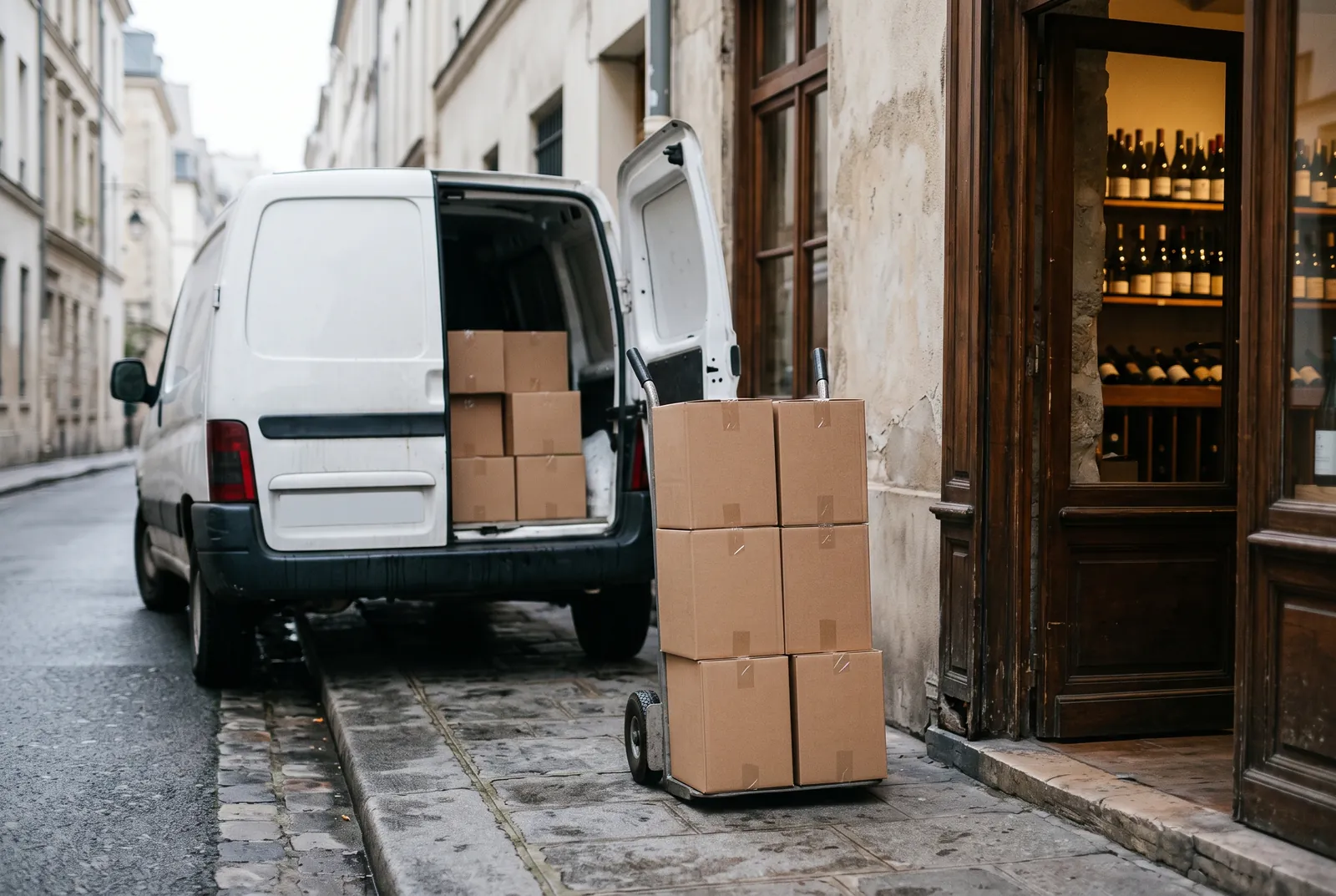
How wine distribution margins work
From the château gate to the shelf: the négociant, the importer, the distributor and the retailer each take a margin, and together they can double the price.
Approfondimenti
Tutti →How to read a Corkonomics page
The basis labels, the numbers, and what each section of a wine or vintage page is telling you.
ApprofondimentiWhat CAGR, drawdown and volatility mean for wine
Three numbers from finance, explained for a bottle.
ApprofondimentiRelease price, market price and the gap between them
Why a wine sold for $150 by its producer can trade at $600 a year later — and who captured the $450.
ApprofondimentiWhat the scarcity score means
One number from 0 to 100 that describes supply: how hard a wine-vintage is likely to be to find. It is not a rating of quality.
ApprofondimentiHow wine auctions work
Hammer prices, buyer's premiums, seller's commissions, reserves and provenance — what the numbers in an auction result actually mean.
ApprofondimentiWhat en primeur means
Bordeaux's futures system: buying wine a year before it is bottled, why châteaux use it, and why it stopped working.
ApprofondimentiStorage, insurance and the cost of carrying a case
What it costs to hold wine for a decade, and why 'gross return' is the wrong number.
ApprofondimentiCounterfeits and authenticity
Why the most valuable wines are the most faked, how producers respond, and what a buyer can check.