 Bordeaux
 Burgundy
 Champagne
 Rhône
Rhône Napa Valley
 Tuscany
 Piedmont
 Mosel
Mosel Oregon
 Rioja
Rioja California sparkling
 Valais and Lavaux
 England
 Douro
Douro Etna
Etna Mendoza
 Marlborough
 Stellenbosch
 Barossa Valley
 Tasmania
 Beaujolais
 Jura
Jura Alsace
 Loire
Loire Provence
 Ribera del Duero
 Sonoma
 Wat land kost
 Goede en slechte jaren
 Appellations
 Beroemde wijngaarden
 Beroemde wijnen
 Wie ze maken
 Zoek een oogstjaar
 Wijnen vergelijken
Wat een fles kost om te maken
Alle modellen →Wat een wijnmakerij uitgeeft om één fles van elke stijl te maken, van de goedkoopste kist tot de duurste. Tik op een stijl om te zien waar het geld naartoe gaat.
Burgundy grand cru (Pinot Noir)
$48–$283 voor één fles
Een Pinot Noir uit een van de best geklasseerde wijngaarden van Bourgogne. De percelen zijn klein en elke wijnstok geeft zeer weinig wijn.
Pomerol micro-estate (Merlot)
$29–$101 voor één fles
Een Merlot van een klein domein in Pomerol, op een van de duurste gronden van Bordeaux.
Burgundy premier cru
$22–$98 voor één fles
Een Bourgogne van een wijngaard één rang onder de absolute top.
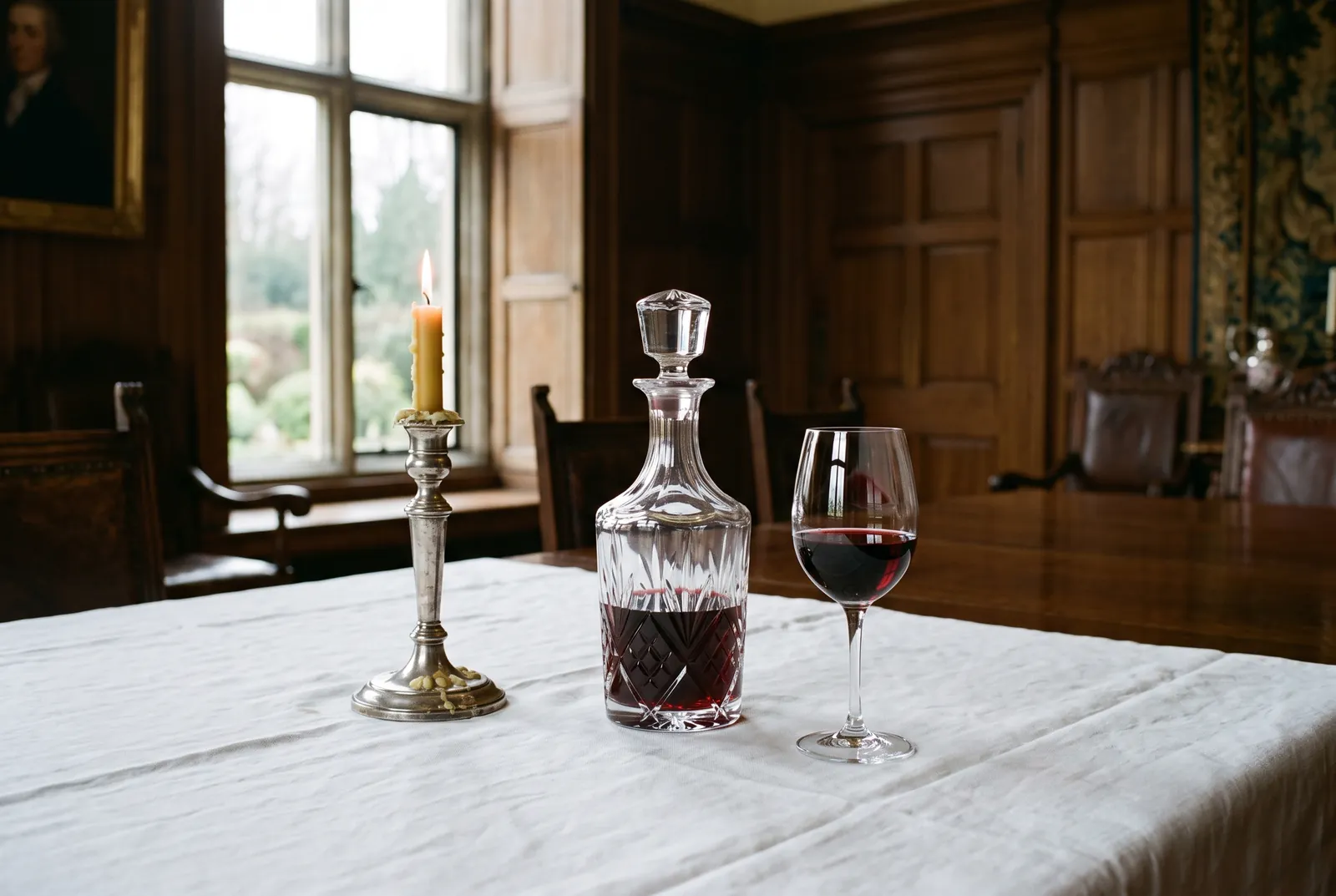
Bordeaux first growth
$28–$95 voor één fles
Een rode wijn van een van de vijf best geklasseerde châteaux van Bordeaux. Elk vat is nieuw, de druiven worden met de hand geplukt en de wijn wacht meer dan anderhalf jaar voor hij wordt gebotteld.
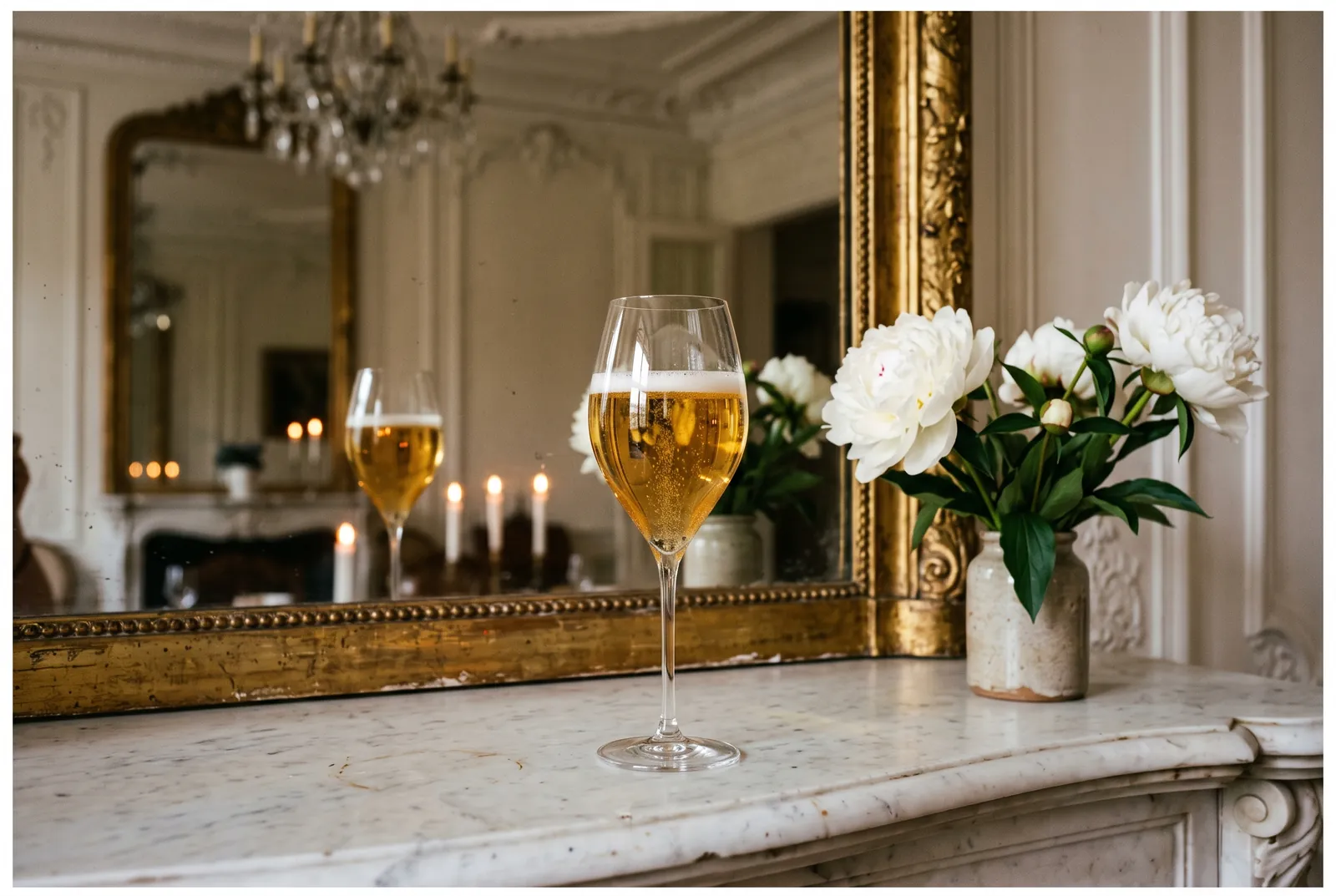
Champagne prestige cuvée
$26–$89 voor één fles
De topfles van een groot Champagnehuis. Gemaakt van de beste druiven, zes tot tien jaar gerijpt en verkocht in een zware fles met een mooie doos.
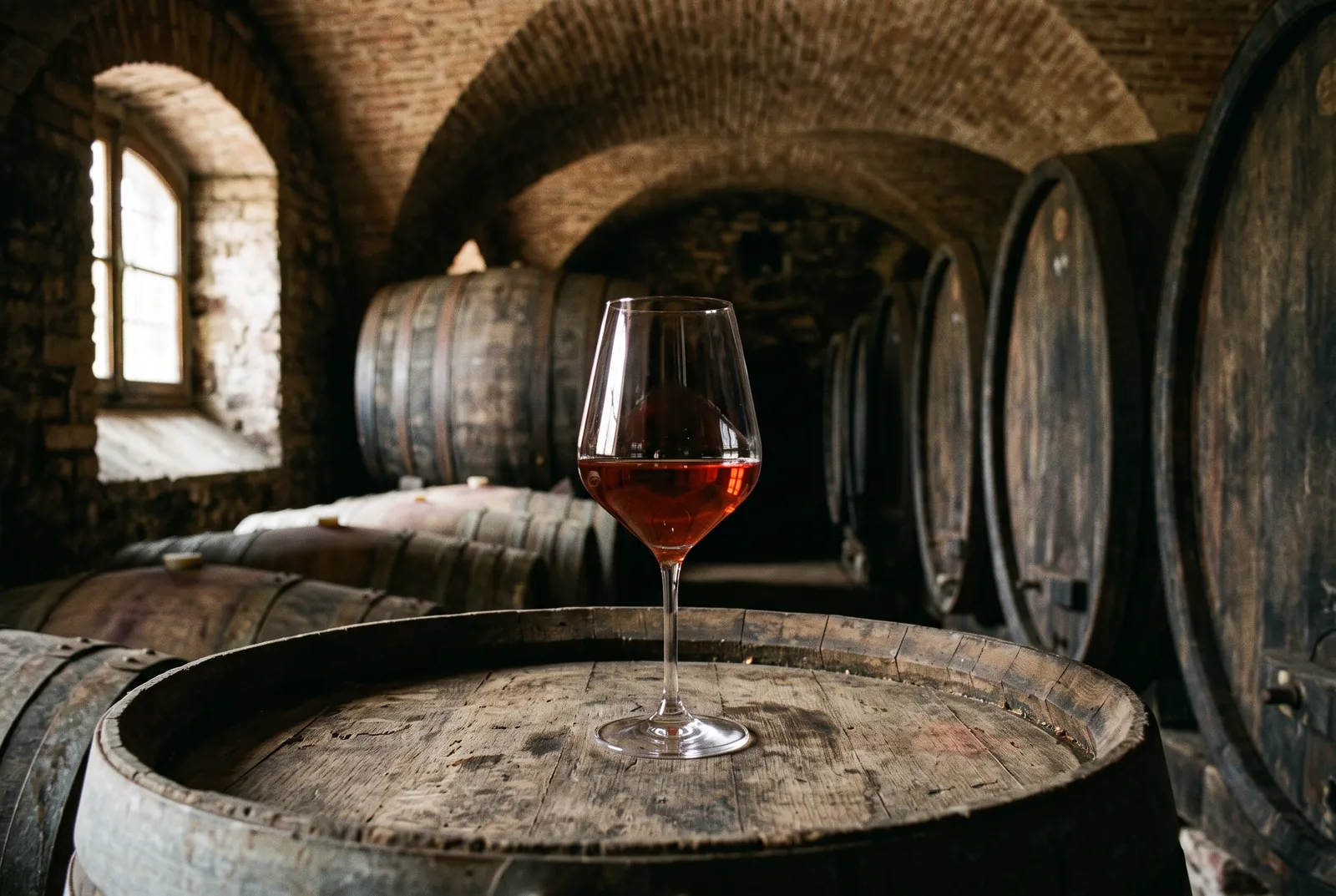
Barolo single-cru
$21–$82 voor één fles
Een top-Barolo uit één beroemde wijngaard in noordwest-Italië. Gemaakt van de Nebbiolo-druif en meer dan drie jaar gerijpt voordat hij wordt verkocht.
Distributiemarges
Alle invoer →| Laag | Laag | Hoog | Eenheid | Bron |
|---|---|---|---|---|
| Distributor + retailer margin (three-tier)Napa Valley | 60 | 100 | % on winery price | Distributor ≈ 25–30%, retailer ≈ 30–50% on their cost |
| Importer + retailer marginBordeaux | 25 | 60 | % on cost | Merchant price lists vs release prices |
| Négociant margin on the Place de BordeauxBordeaux | 10 | 20 | % of ex-château price | Trade reporting on the Place de Bordeaux (Liv-ex, Decanter) |
Onderzoek
Alle onderzoeken →
What really determines the cost of a bottle of wine?
Grapes, land, labour, barrels, time and glass — itemised, sourced, and set beside what the market pays.
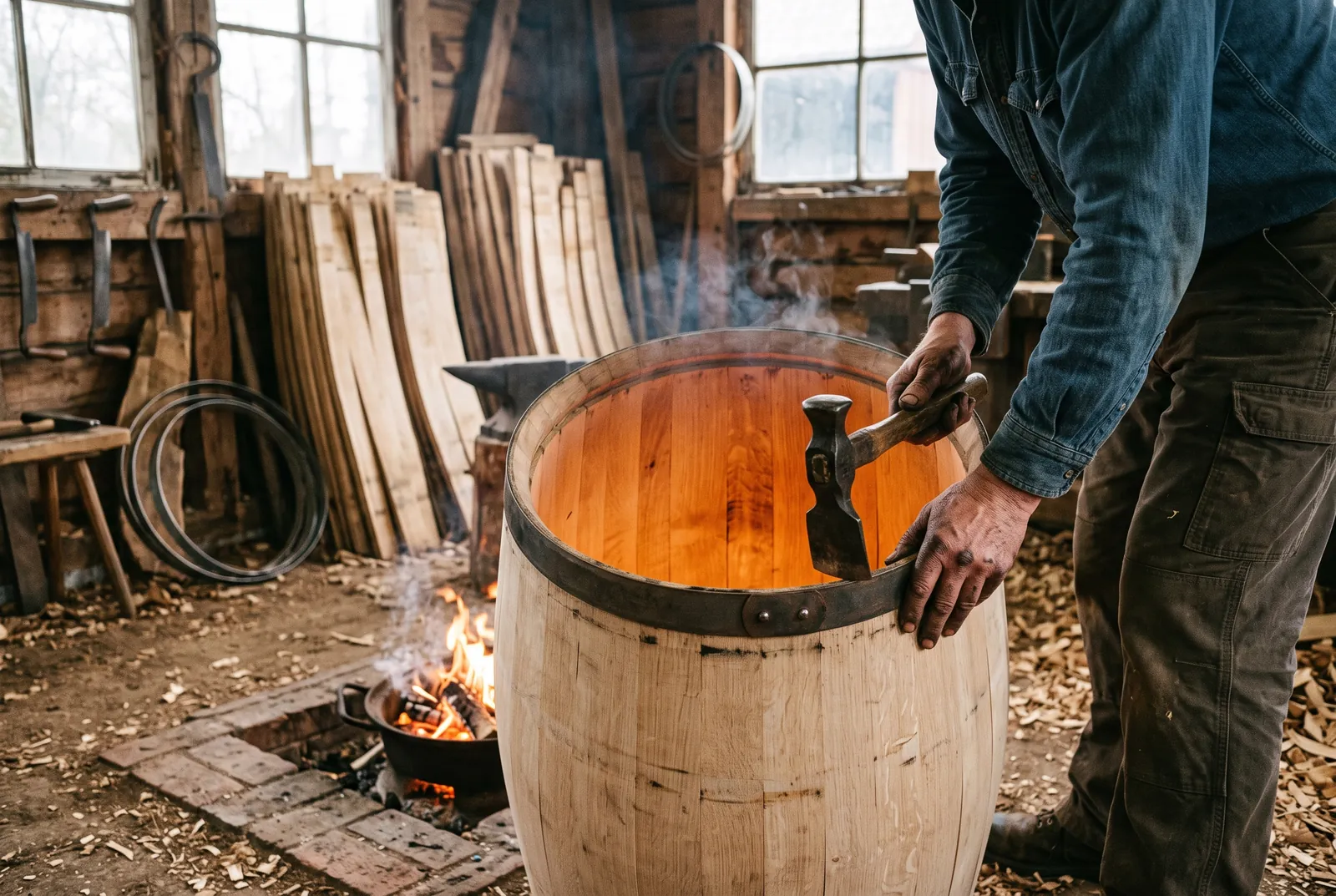
The economics of oak barrels
A $1,200 barrel holds 300 bottles and is used one to five times: how the arithmetic of oak works and why 'new oak' is a cost decision as much as a style.
Why Burgundy prices became so expensive
Inheritance law, 550 hectares of grand cru, allocation pricing and a decade of Asian demand: the arithmetic behind the most expensive wines in the world.
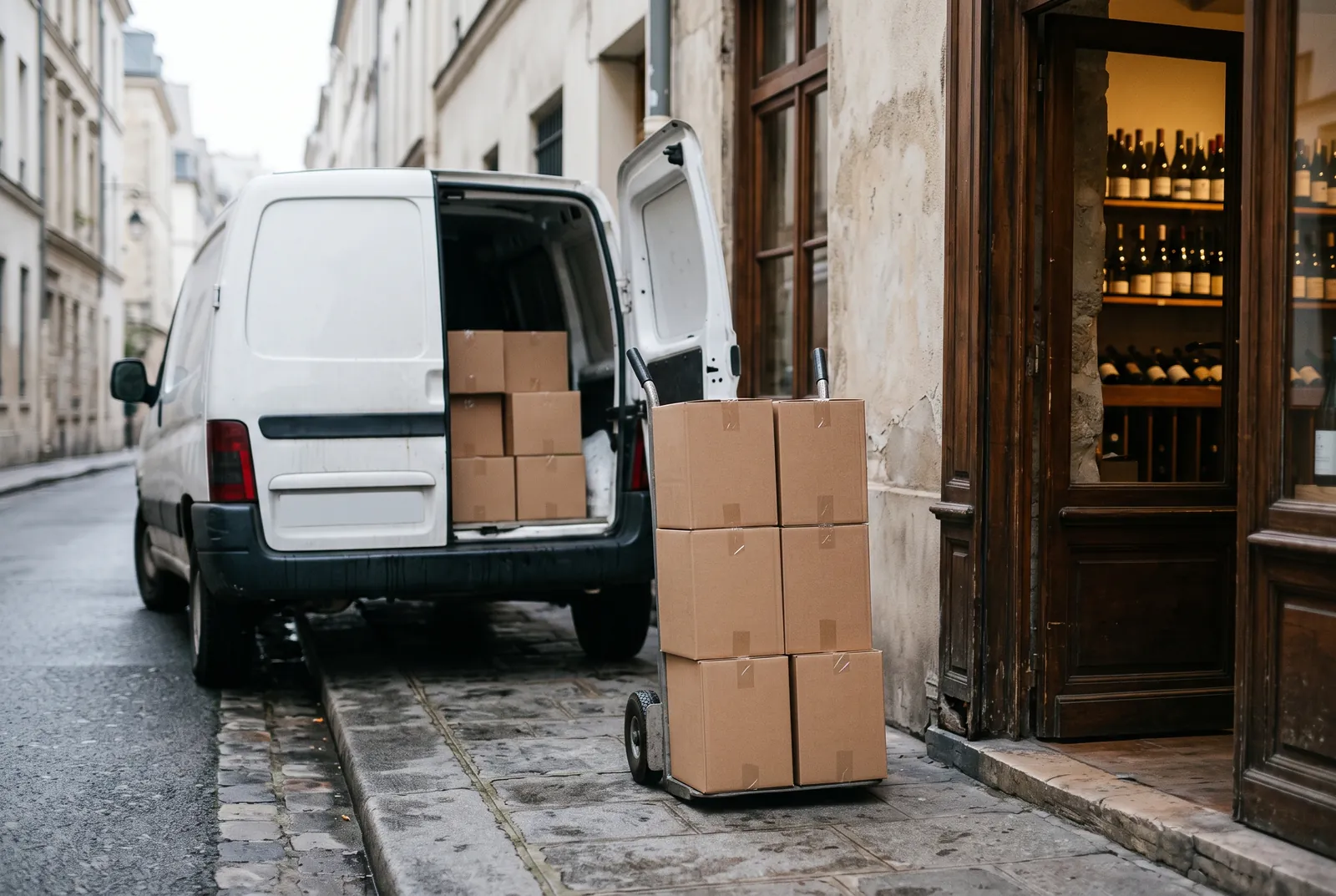
How wine distribution margins work
From the château gate to the shelf: the négociant, the importer, the distributor and the retailer each take a margin, and together they can double the price.
Leren
Alle →How to read a Corkonomics page
The basis labels, the numbers, and what each section of a wine or vintage page is telling you.
LerenWhat CAGR, drawdown and volatility mean for wine
Three numbers from finance, explained for a bottle.
LerenRelease price, market price and the gap between them
Why a wine sold for $150 by its producer can trade at $600 a year later — and who captured the $450.
LerenWhat the scarcity score means
One number from 0 to 100 that describes supply: how hard a wine-vintage is likely to be to find. It is not a rating of quality.
LerenHow wine auctions work
Hammer prices, buyer's premiums, seller's commissions, reserves and provenance — what the numbers in an auction result actually mean.
LerenWhat en primeur means
Bordeaux's futures system: buying wine a year before it is bottled, why châteaux use it, and why it stopped working.
LerenStorage, insurance and the cost of carrying a case
What it costs to hold wine for a decade, and why 'gross return' is the wrong number.
LerenCounterfeits and authenticity
Why the most valuable wines are the most faked, how producers respond, and what a buyer can check.