 Valais and Lavaux
 England
 Douro
Douro Etna
Etna Mendoza
 Marlborough
 Stellenbosch
 Barossa Valley
 Tasmania
 Beaujolais
 Jura
Jura Alsace
 Loire
Loire Provence
 Ribera del Duero
 Sonoma
 Was Land kostet
 Gute und schlechte Jahrgänge
 Appellationen
 Berühmte Weinlagen
 Berühmte Weine
 Wer sie herstellt
 Einen Jahrgang finden
 Weine vergleichen
Die Trauben für eine Flasche kosten rund einen Euro im einfachen Bordeaux und etwa zehn Euro in der Champagne. Der Wein wird auf dieselbe Weise hergestellt; der Unterschied liegt darin, was der Name auf dem Etikett am Markt erzielen kann.
Jede Zahl entspricht dem, was die Quelle veröffentlicht, in der jeweiligen Einheit. Manche Regionen verkaufen Trauben nach Kilo oder Tonne; andere verkaufen den fertigen Jungwein nach Fass oder Liter – beides wird gezeigt. Die Balken bringen alles auf eine gemeinsame Skala: die ungefähren Eurokosten der Trauben oder des Weins pro 75-cl-Flasche, gerechnet 1.3 Kilo Trauben pro Flasche und ein Dollar zu 0.9 Euro.
Was Winzer bekommen, teuerste zuerst
-
 Cabernet Sauvignon grapes, Napa County, 2025 crushNapa Valley · Trauben$8,864–$9,002 a Tonne≈ ≈$12.80–≈$12.99 eine Flasche · 2025
The most expensive grapes in the United States, on the strength of what Napa Cabernet sells for. Prices have slipped since the 2023 peak as demand cooled.
-
 Grape price, Champagne AOCChampagne · Trauben≈$6.16–≈$9.51 a Kilo≈ ≈$8.00–≈$12.37 eine Flasche · 2025
The Comité Champagne fixes how much may be picked each year, and every house needs grapes, so growers are paid more per kilo than anywhere else.
-
 Nebbiolo da Barolo grapesPiedmont · Trauben≈$3.92–≈$6.72 a Kilo≈ ≈$5.09–≈$8.73 eine Flasche · 2024
Grapes that may become Barolo fetch several times the price of the same variety grown outside the zone.
-
 Chardonnay / Pinot Noir for sparkling, Carneros and Anderson ValleyCalifornia sparkling · Trauben$2,500–$4,500 a Tonne≈ ≈$3.61–≈$6.50 eine Flasche · 2024
Picked early and less ripe for sparkling wine, so paid less than still-wine Chardonnay or Pinot Noir from the same districts.
-
 Pinot Noir grapes, Oregon averageOregon · Trauben$2,800–$3,600 a Tonne≈ ≈$4.04–≈$5.20 eine Flasche · 2023
Good Pinot Noir country without Burgundy’s prices, for the land or the grapes.
-
 Bulk Bourgogne rouge, per pièce of 228 litresBurgundy · als Jungwein verkauft≈$1,114 a pièce (228 l)≈ ≈$3.66–≈$3.66 eine Flasche · 2024
The regional red, sold as finished wine by the barrel. Prices rose sharply after the small 2024 crop; village and cru wines fetch many times this.
-
 Chianti Classico DOCG grapesTuscany · Trauben≈$2.44–≈$2.46 a Kilo≈ ≈$3.17–≈$3.20 eine Flasche · 2023
A large appellation with plenty of grapes: steady prices, and well below what the famous names of Montalcino and Bolgheri pay.
-
 Tempranillo grapes, RiojaRioja · Trauben≈$0.90–≈$1.79 a Kilo≈ ≈$1.16–≈$2.33 eine Flasche · 2024
Spain’s classic region grows a great deal of Tempranillo, so growers are paid little for it; the value is added by years in the cellar.
-
 Bulk Côtes du Rhône red, per hectolitreRhône · als Jungwein verkauft≈$144–≈$167 a Hektoliter≈ ≈$1.08–≈$1.25 eine Flasche · 2025
The valley’s everyday red, sold as finished wine. Inter Rhône publishes a guide price to keep growers above their costs, and the market has sat below it.
-
 Bulk red Bordeaux AOC, per tonneau of 900 litresBordeaux · als Jungwein verkauft≈$888–≈$1,119 a tonneau (900 l)≈ ≈$0.74–≈$0.93 eine Flasche · 2025
Everyday red Bordeaux, sold as finished wine. There is far more of it than buyers want, so it changes hands for about a euro a litre, below what it costs to make.
-
 Riesling must, Mosel, per litreMosel · als Jungwein verkauft≈$1.12 a Liter≈ ≈$0.84–≈$0.84 eine Flasche · 2024
Sold as fresh juice rather than grapes. A euro a litre after the smallest harvest in fifty years.
Quellen und was die Zahlen sonst noch sagen
- Cabernet Sauvignon grapes, Napa County, 2025 crush — Weighted average $8,864–9,002 a ton in the preliminary 2025 report, down 1.6% on 2024 and below the 2023 peak of $9,235; late-season spot deals were reported far lower. California Grape Crush Report 2025, preliminary (CDFA / USDA NASS, March 2026), 2025.
- Grape price, Champagne AOC — Grand cru ≈ €7–8.50/kg, premier cru ≈ €6–7.50, other ≈ €5.50–6.50 (trade reporting). Comité Champagne / trade press reporting reference grape prices, 2025.
- Nebbiolo da Barolo grapes Camera di Commercio di Cuneo, listino uve, 2024.
- Chardonnay / Pinot Noir for sparkling, Carneros and Anderson Valley — Crush Report Districts 3 and 4; sparkling contracts pick earlier and pay below still-wine Chardonnay. California Grape Crush Report 2024 (CDFA / USDA NASS), 2024.
- Pinot Noir grapes, Oregon average Oregon Vineyard and Winery Report (Oregon Wine Board / SOU), 2023.
- Bulk Bourgogne rouge, per pièce of 228 litres — The BIVB price for the 2024 harvest used in the official rent order: €995 a pièce, about €4.36 a litre; Bourgogne rouge rose 16–22% on the year after the small 2024 crop. BIVB bulk price for the 2024 harvest, as fixed for the 2025 vineyard-rent order of the Côte-d’Or prefecture (CAVB, November 2025), 2024.
- Chianti Classico DOCG grapes — €220 a quintal in Siena and €217.86 in Florence for the 2023 harvest; ISMEA reports Chianti Classico origin prices flat in 2025 while plain Chianti fell 18%. Prices of wine grapes recorded by the chambers of commerce, 2023 harvest (BMTI analysis, April 2024), 2023.
- Tempranillo grapes, Rioja Gobierno de La Rioja / trade reporting, 2024.
- Bulk Côtes du Rhône red, per hectolitre — €139/hl on average from August to November 2025 (organic €129, conventional €149); Inter Rhône’s guide price is €130/hl for HVE and €170/hl for organic, and growers put their cost above €150/hl. Inter Rhône bulk-market data, 1 August to 30 November 2025, as reported by Vinetur, December 2025, 2025.
- Bulk red Bordeaux AOC, per tonneau of 900 litres — Averaged €943 a tonneau in the 2025–26 campaign, €793 in October 2025: about €1 a litre. The CIVB puts the cost of making a tonneau at about €1,800, so generic red is sold at a loss. CIVB bulk-wine prices for the 2025–26 campaign, as reported by Vitisphere, 19 November 2025, 2025.
- Riesling must, Mosel, per litre — Quality-wine Riesling must €1.00 a litre in mid-October 2024; Weißburgunder €1.20, Grau- and Spätburgunder €1.50. The 2024 crop was the smallest in fifty years. Moselwein e.V., autumn press conference, October 2024 (must prices in mid-October), 2024.
Warum ein Kilo Trauben an einem Ort zehnmal mehr kostet als an einem anderen
Die Regeln begrenzen den Ertrag
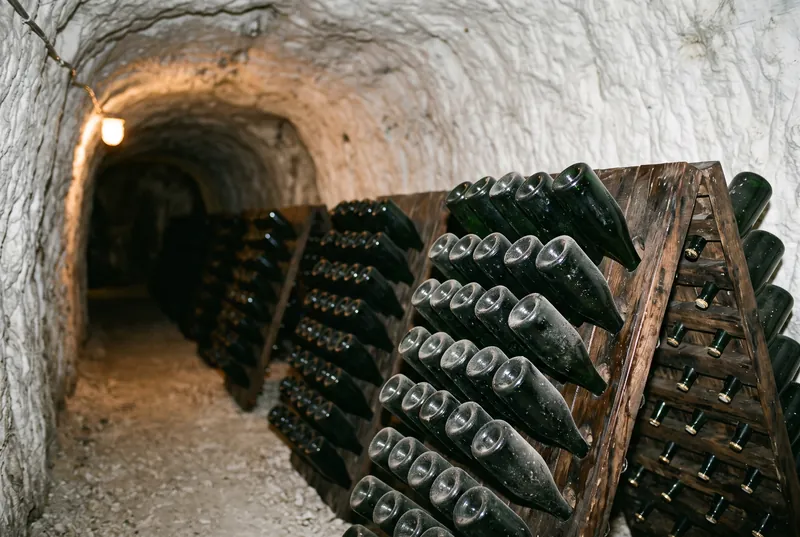
In der Champagne legt das Branchenkomitee fest, wie viele Kilo pro Hektar jedes Jahr gelesen werden dürfen, und jedes Haus braucht Trauben, um seine Cuvée gleich zu halten. Knappe Trauben mit gesichertem Abnehmer erzielen den höchsten Preis.
Was die Flasche kostet
Ein Weingut in Napa, das Cabernet für hundert Dollar verkauft, kann neuntausend Dollar pro Tonne zahlen. Eine Bordeaux-Kooperative, die zu vier Euro verkauft, kann nicht einmal ein Zehntel davon zahlen.
Zu viel des Guten
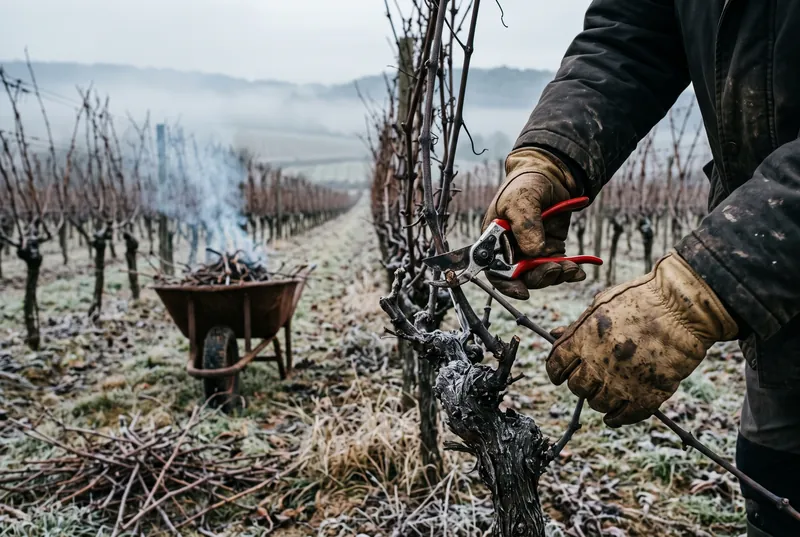
Bordeaux und die Côtes du Rhône erzeugen mehr alltäglichen Rotwein, als die Menschen heute trinken. Wenn das Angebot die Nachfrage übersteigt, fällt der Preis unter die Anbaukosten – und Reben werden gerodet.
Was jeder Schritt der Herstellung kostet
Vom günstigsten bis zum teuersten unserer sechzehn Stile, pro Flasche. Die Spanne ist groß, weil ein Rioja und ein Burgundy grand cru sehr unterschiedlich erzeugt werden.
Die Reben ein Jahr lang bewirtschaften
$0.97 bis $18.46 eine Flasche
A year of pruning, tying, spraying and picking, divided by the bottles a hectare gives. Steep slopes and hand harvests cost the most.
Günstigste: Rioja gran reserva · Teuerste: Napa cult Cabernet
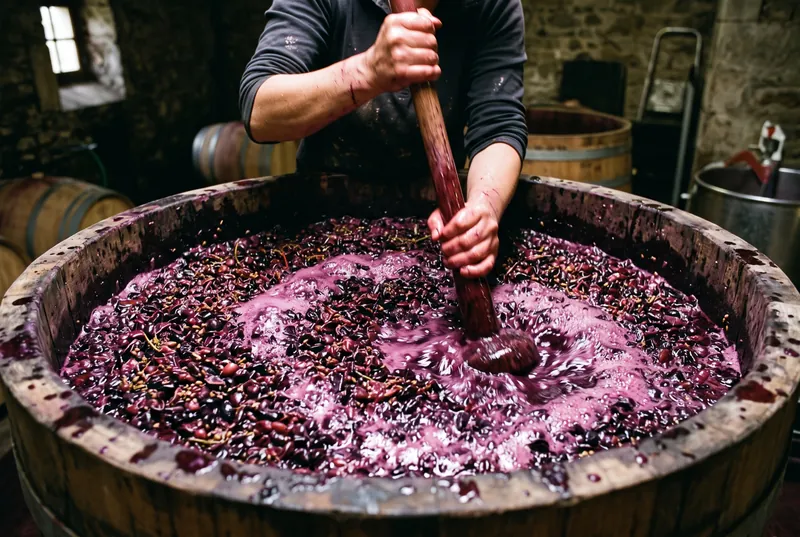
Den Wein keltern
$1.50 bis $6.00 eine Flasche
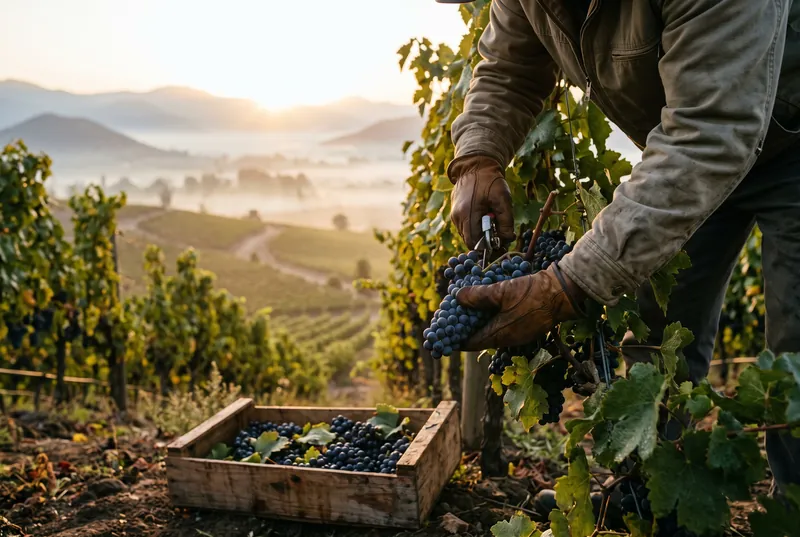
Sorting, crushing, fermenting and the cellar hands who look after it.
Günstigste: Rioja gran reserva · Teuerste: Burgundy grand cru (Pinot Noir)
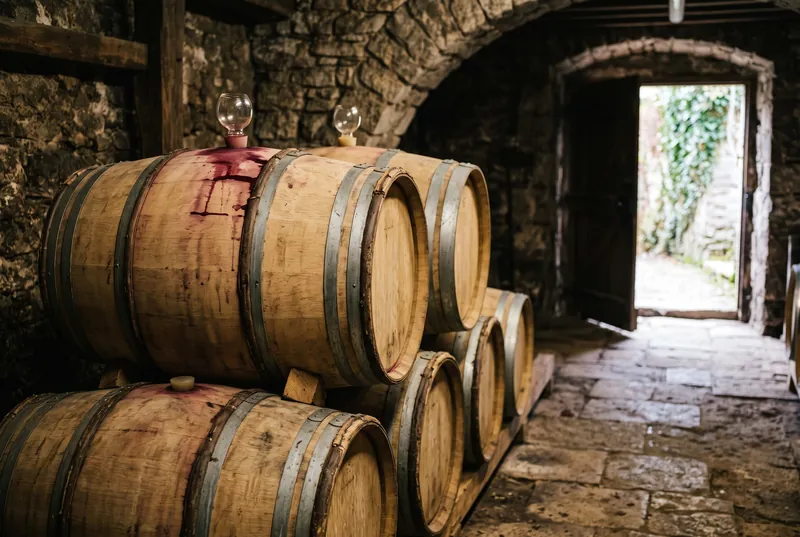
Eichenfässer
$0.12 bis $1.83 eine Flasche
A new French barrel costs well over a thousand euros and holds about three hundred bottles. Estates that use all new oak pay the most.
Günstigste: Barolo single-cru · Teuerste: Northern Rhône single-vineyard Syrah
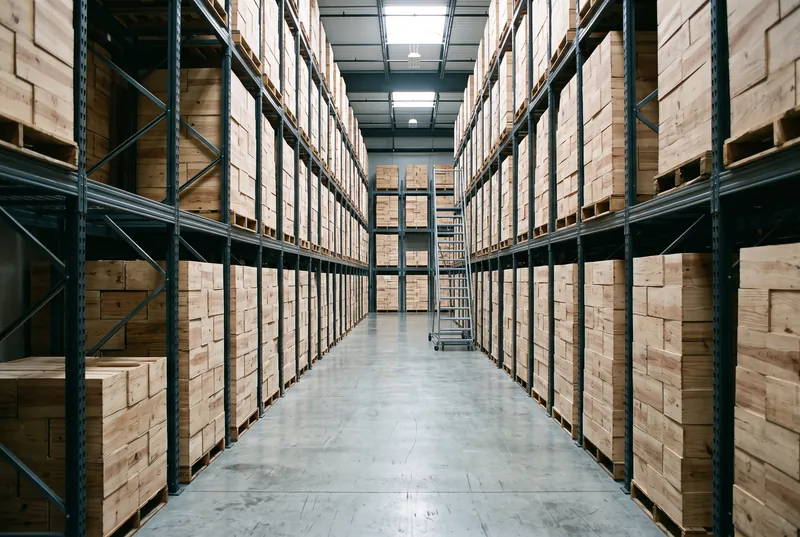
Reifen im Keller
$0.75 bis $45.27 eine Flasche
Space, insurance and the money tied up while the wine waits. Barolo and Rioja gran reserva wait five years.
Günstigste: Mosel steep-slope Riesling (Prädikat) · Teuerste: Champagne prestige cuvée
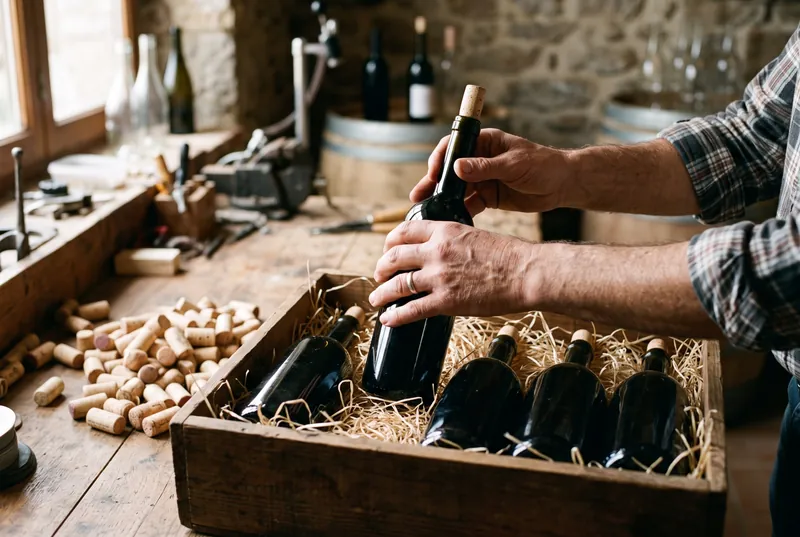
Flasche, Korken, Etikett und Karton
$3.40 bis $14.40 eine Flasche
Glass, cork, capsule, label and case. Heavy bottles and wooden boxes sit at the top of the range.
Günstigste: Rioja gran reserva · Teuerste: Napa cult Cabernet
Den Betrieb führen
$1.50 bis $12.00 eine Flasche
Buildings, equipment, administration and sales, spread across the bottles.
Günstigste: Rioja gran reserva · Teuerste: Pomerol micro-estate (Merlot)
Das Land, auf dem die Reben wachsen, ist der zweite große Posten – und der mit den größten Schwankungen: von ein paar Cent pro Flasche in der Rioja bis zu über zweihundert Dollar in einem Burgundy grand cru. Was Weinbergland kostet