 Bordeaux
 Burgundy
 Champagne
 Rhône
Rhône Napa Valley
 Tuscany
 Piedmont
 Mosel
Mosel Oregon
 Rioja
Rioja California sparkling
 Valais and Lavaux
 England
 Douro
Douro Etna
Etna Mendoza
 Marlborough
 Stellenbosch
 Barossa Valley
 Tasmania
 Beaujolais
 Jura
Jura Alsace
 Loire
Loire Provence
 Ribera del Duero
 Sonoma
 Was Land kostet
 Gute und schlechte Jahrgänge
 Appellationen
 Berühmte Weinlagen
 Berühmte Weine
 Wer sie herstellt
 Einen Jahrgang finden
 Weine vergleichen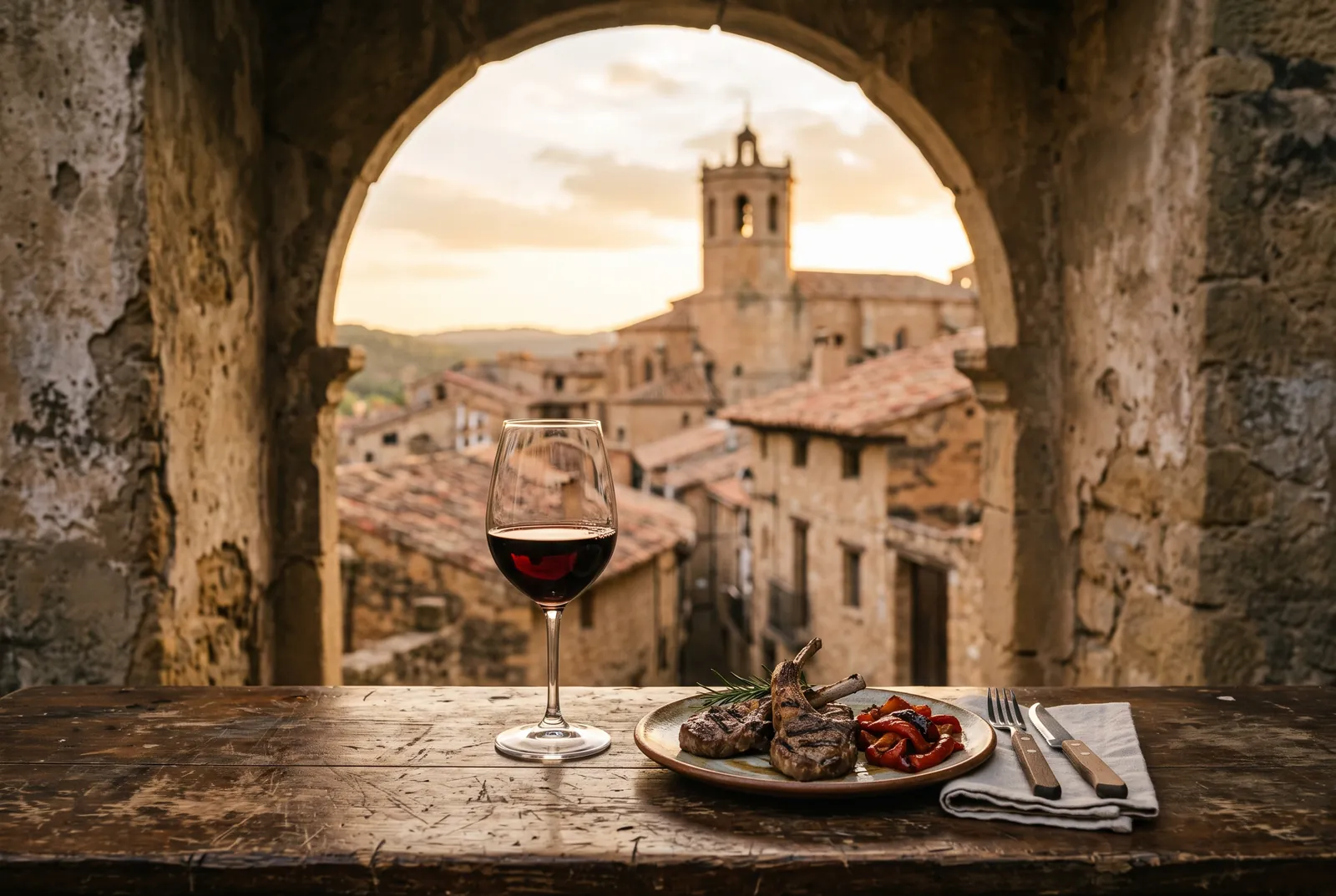
Wir schätzen, es kostet $14 bis $53 für eine Flasche. Der größte Teil davon: gebundenes kapital während der reife.
Wo das Geld hingeht
- Gebundenes Kapital während der Reife$2–$19
- Reifen im Keller$4–$13
- Flasche, Korken, Etikett und Karton$3–$9
- Den Betrieb führen$2–$4
- Den Wein keltern$2–$3
- Die Reben ein Jahr lang bewirtschaften$1–$3
- Der Boden, auf dem die Reben wachsen$0–$1
- Eichenfässer$0–$1
The cost of one bottle, at the winery door. Our models are built in US dollars and shown in your chosen currency. The shop price comes later, after the merchant, the importer, the shop and the taxman have each added their share.
Ein Weingut, das seine Trauben kauft, anstatt das Land zu besitzen, würde ausgeben $14–$52 eine Flasche.
Warum die Flasche mehr kostet
- Es gibt kein Land mehr. Ein berühmter Weinberg kann nicht größer werden, egal wie viele Menschen den Wein wollen.
- Der Name. Jahrzehnte des Rufs, für den Käufer bereit sind zu zahlen.
- Zeit. Bei einer älteren Flasche zahlst du jemanden für die Jahre, in denen er sie gelagert hat.
- Alle dazwischen. Der Händler, der Importeur und das Geschäft schlagen jeweils eine Marge auf.
- Mehr Käufer als Flaschen. Jedes Jahr dieselbe Flaschenzahl – und die ganze Welt will ihn haben.
Die Zahlen, die wir verwendet haben
Das Weingut auf dem Bild: Tempranillo from the classic Rioja Alta bodegas: cheap land and grapes, five-plus years of aging, working capital the dominant cost.
| Was | Niedrig | Hoch | Einheit | Quelle |
|---|---|---|---|---|
| Bottling | 0.40 | 0.90 | USD/bottle | Bottling line quotes |
| Case and packaging | 1.00 | 3.50 | USD/bottle | Supplier price lists |
| Aging before release | 5.00 | 8.00 | years | Consejo Regulador: ≥ 60 months |
| Uses per barrel before sale | 4.00 | 8.00 | uses | Corkonomics assumption |
| Yield | 40 | 60 | hl/ha | Consejo Regulador yield caps |
| New French oak barrel | 700 | 1,100 | USD/barrel | Cooperage price lists 2025 |
| Evaporation, topping and losses | 0.03 | 0.06 | share | Corkonomics assumption |
| Share of new oak | 0.20 | 0.50 | share | Producer technical notes |
| Financing over the aging period | 0.04 | 0.07 | rate | Corkonomics assumption |
| Cost of capital applied to land | 0.03 | 0.05 | rate | Corkonomics assumption |
| Bottle, closure, capsule, label | 2.00 | 5.00 | USD/bottle | Supplier price lists |
| Vineyard land value (imputed at a cost of capital, not purchased) | 44,000 | 132,000 | USD/ha | Ministerio de Agricultura land survey |
| Grape price (purchased-fruit route) | 0.90 | 1.80 | USD/kg | Gobierno de La Rioja grape price repor… |
| Vineyard farming cost | 6,000 | 12,000 | USD/ha/year | Regional cost references |
| Hand harvest and sorting | 1,500 | 3,000 | USD/ha | Regional cost references |
| Winery overhead (staff, insurance, compliance, depreciation) | 1.50 | 4.00 | USD/bottle | Corkonomics assumption |
| Cellar space, topping, monitoring | 0.80 | 1.60 | USD/bottle/year | Corkonomics assumption |
| Winemaking and cellar labour | 1.50 | 3.00 | USD/bottle | Corkonomics assumption |