 Bordeaux
 Burgundy
 Champagne
 Rhône
Rhône Napa Valley
 Tuscany
 Piedmont
 Mosel
Mosel Oregon
 Rioja
Rioja California sparkling
 Valais and Lavaux
 England
 Douro
Douro Etna
Etna Mendoza
 Marlborough
 Stellenbosch
 Barossa Valley
 Tasmania
 Beaujolais
 Jura
Jura Alsace
 Loire
Loire Provence
 Ribera del Duero
 Sonoma
 What land costs
 Good years and bad
 Appellations
 Famous vineyards
 Famous wines
 Who makes them
 Find a vintage
 Compare wines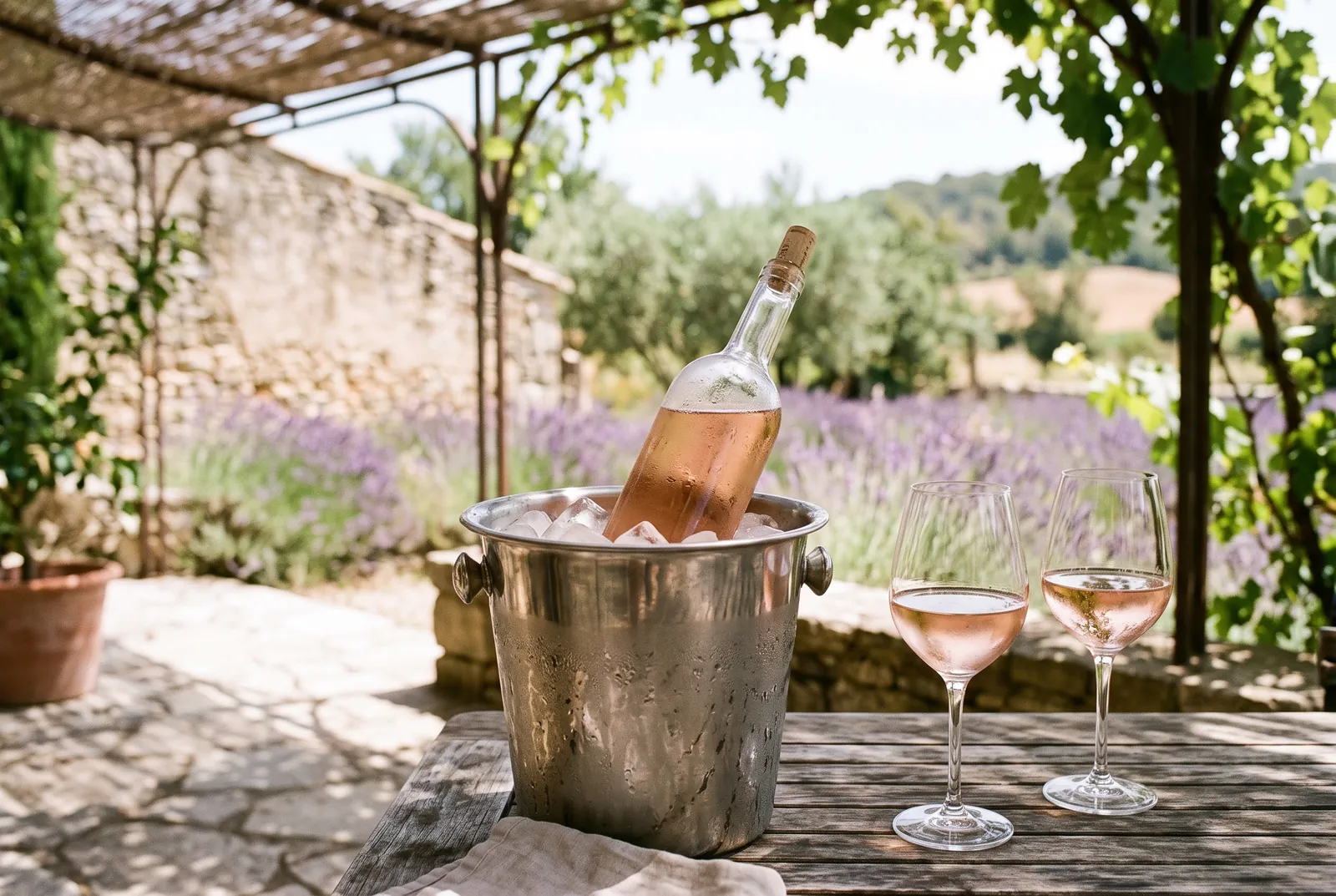
Rosé gets its colour from a few hours with the dark grape skins, so it sits between white and red. Most rosé is dry, light and made to be drunk within a year or two.
- Tastes of
- Strawberry, melon, a squeeze of citrus
- Serve
- Well chilled
- Good with
- Salads, grilled fish, cold meats, anything eaten outdoors
Paler does not mean sweeter or weaker. The pale pink wines of Provence, in the south of France, are among the driest. Tavel, in the Rhône, makes a darker, fuller one.
Start with a pale, dry rosé from the south of France.
Grapes often used for rosé
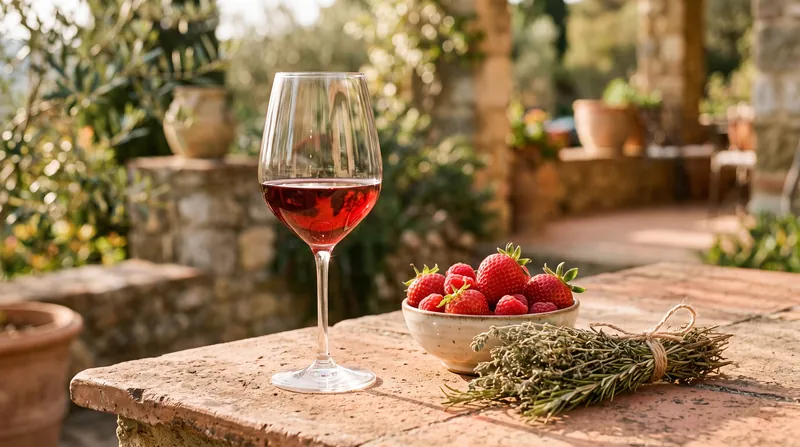
Grenache
Say it: gruh-NASHThe warm, generous red. Ripe strawberry fruit and a soft finish. Called Garnacha in Spain.
- Strawberry
- Raspberry
- White pepper
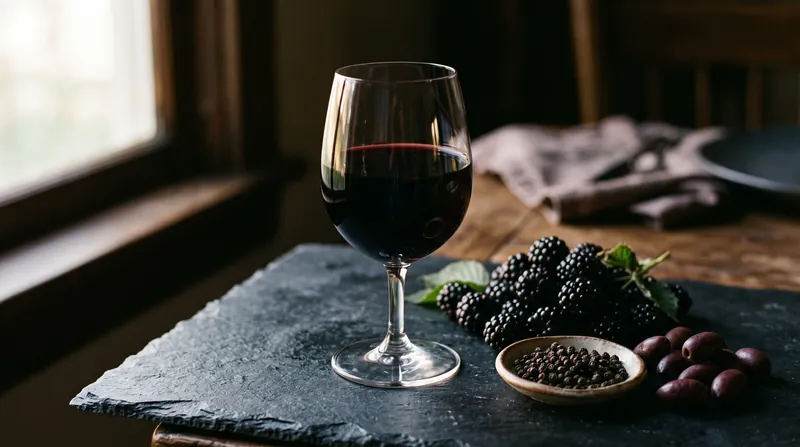
Syrah
Say it: sih-RAHThe dark, peppery red. Also called Shiraz, mainly in Australia.
- Blackberry
- Black pepper
- Olive
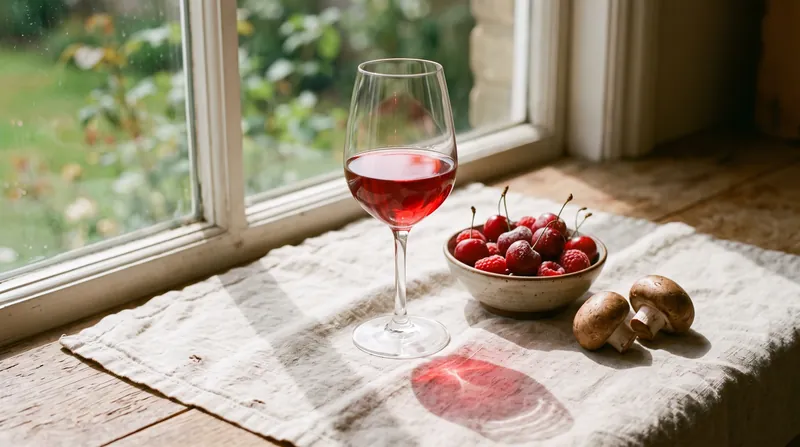
Pinot Noir
Say it: PEE-noh NWAHRThe light, silky red. Pale in the glass, full of red fruit, never heavy.
- Cherry
- Raspberry
- Mushroom
The other four types
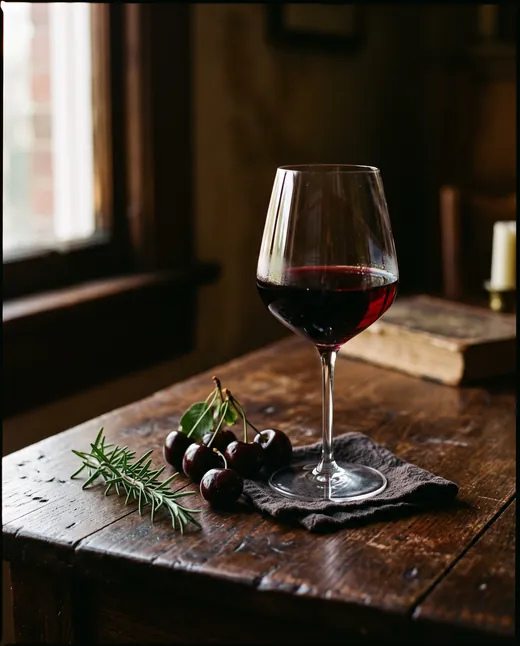
Red
Made from dark grapes, with the skins left in the juice. The skins give the colour and that dry, grippy feeling called tannin.
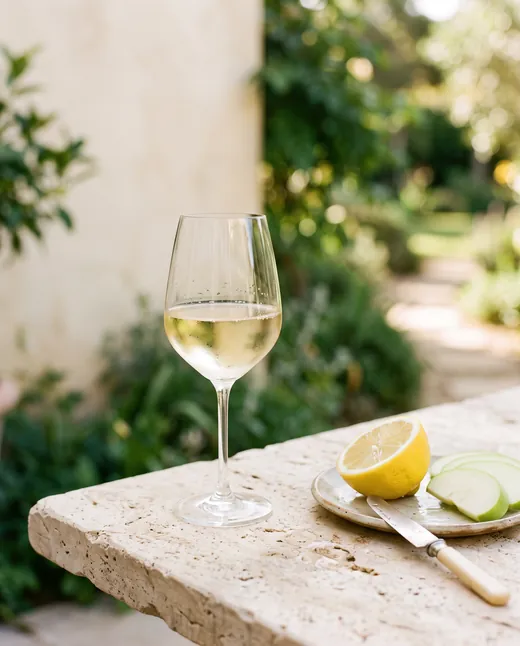
White
Made from the juice alone, without the skins, so it stays pale and fresh. Usually lighter and crisper than red.
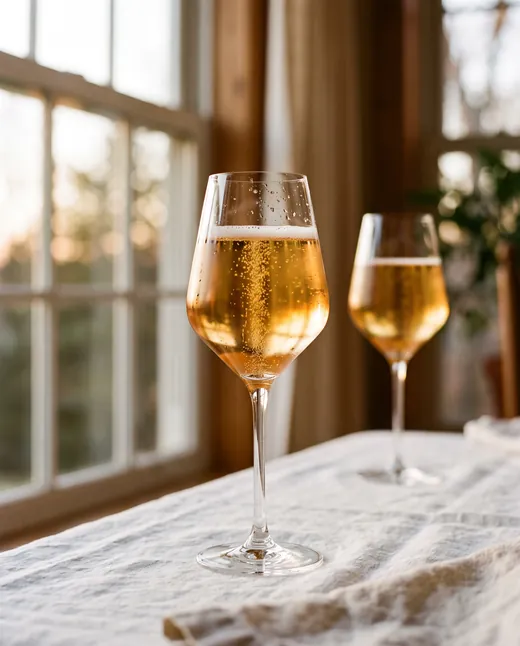
Sparkling
Wine with bubbles. The fizz comes from a second fermentation that traps gas in the bottle. Champagne is the most famous.
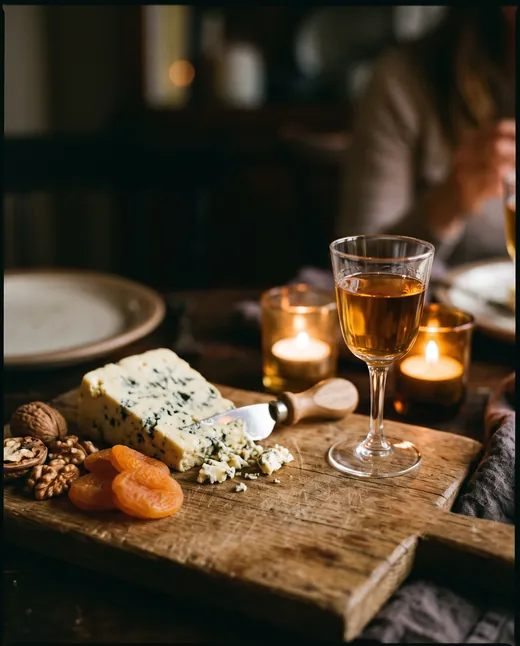
Sweet
Wine that keeps some of the grape's natural sugar. Rich, golden and served in small glasses, often at the end of a meal.