 Bordeaux
 Burgundy
 Champagne
 Rhône
Rhône Napa Valley
 Tuscany
 Piedmont
 Mosel
Mosel Oregon
 Rioja
Rioja California sparkling
 Valais and Lavaux
 England
 Douro
Douro Etna
Etna Mendoza
 Marlborough
 Stellenbosch
 Barossa Valley
 Tasmania
 Beaujolais
 Jura
Jura Alsace
 Loire
Loire Provence
 Ribera del Duero
 Sonoma
 What land costs
 Good years and bad
 Appellations
 Famous vineyards
 Famous wines
 Who makes them
 Find a vintage
 Compare wines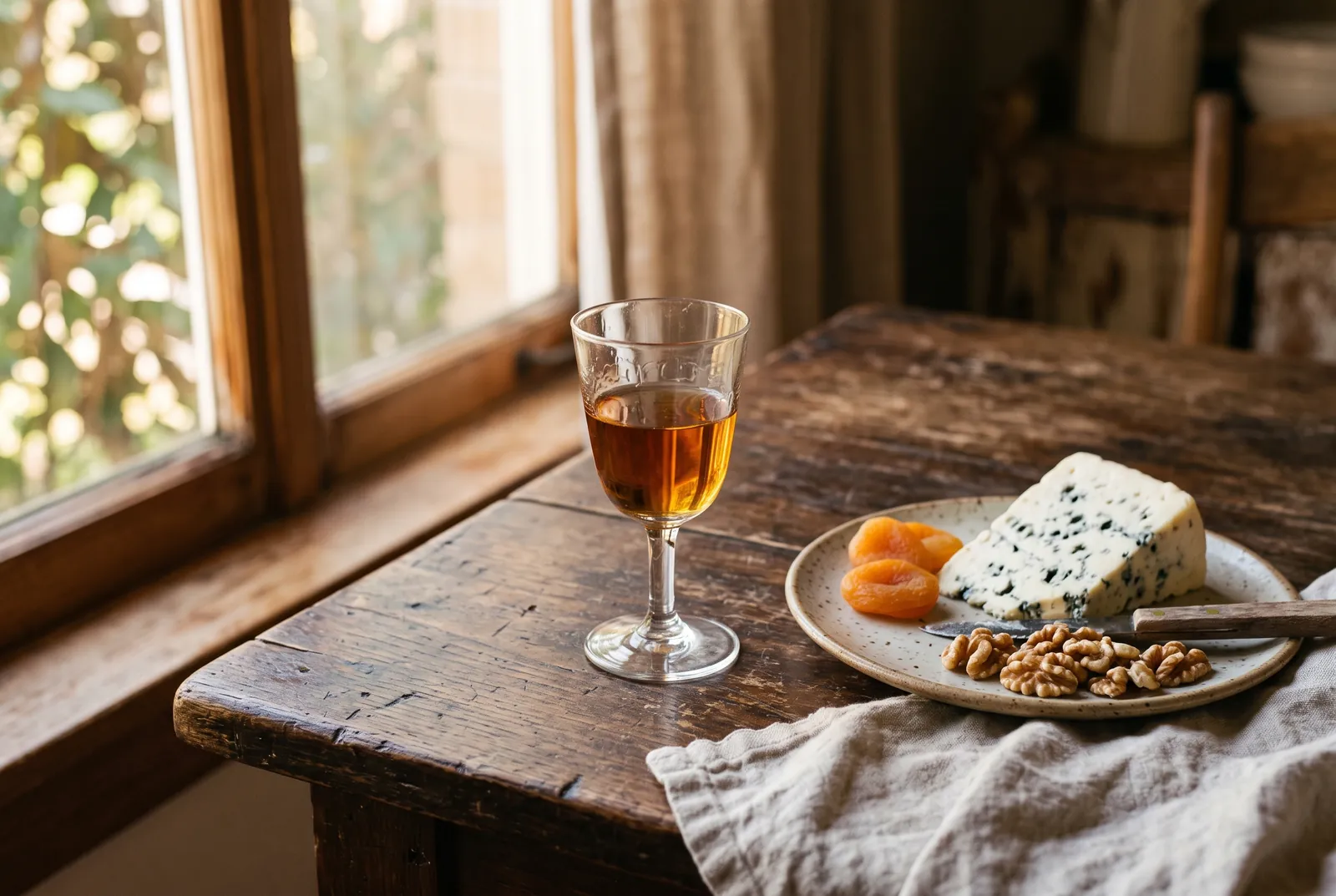
Sweet wine keeps some of the grape’s own sugar. Growers get there by picking very late, by letting the grapes shrivel on the vine, or by stopping the fermentation early.
- Tastes of
- Honey, apricot, orange peel
- Serve
- Chilled, in a small glass
- Good with
- Blue cheese, fruit tarts, pâté, or on its own instead of dessert
The best have enough acidity to balance the sugar, so they taste rich but not sticky.
Start with a late-harvest Riesling. Lovely with blue cheese.
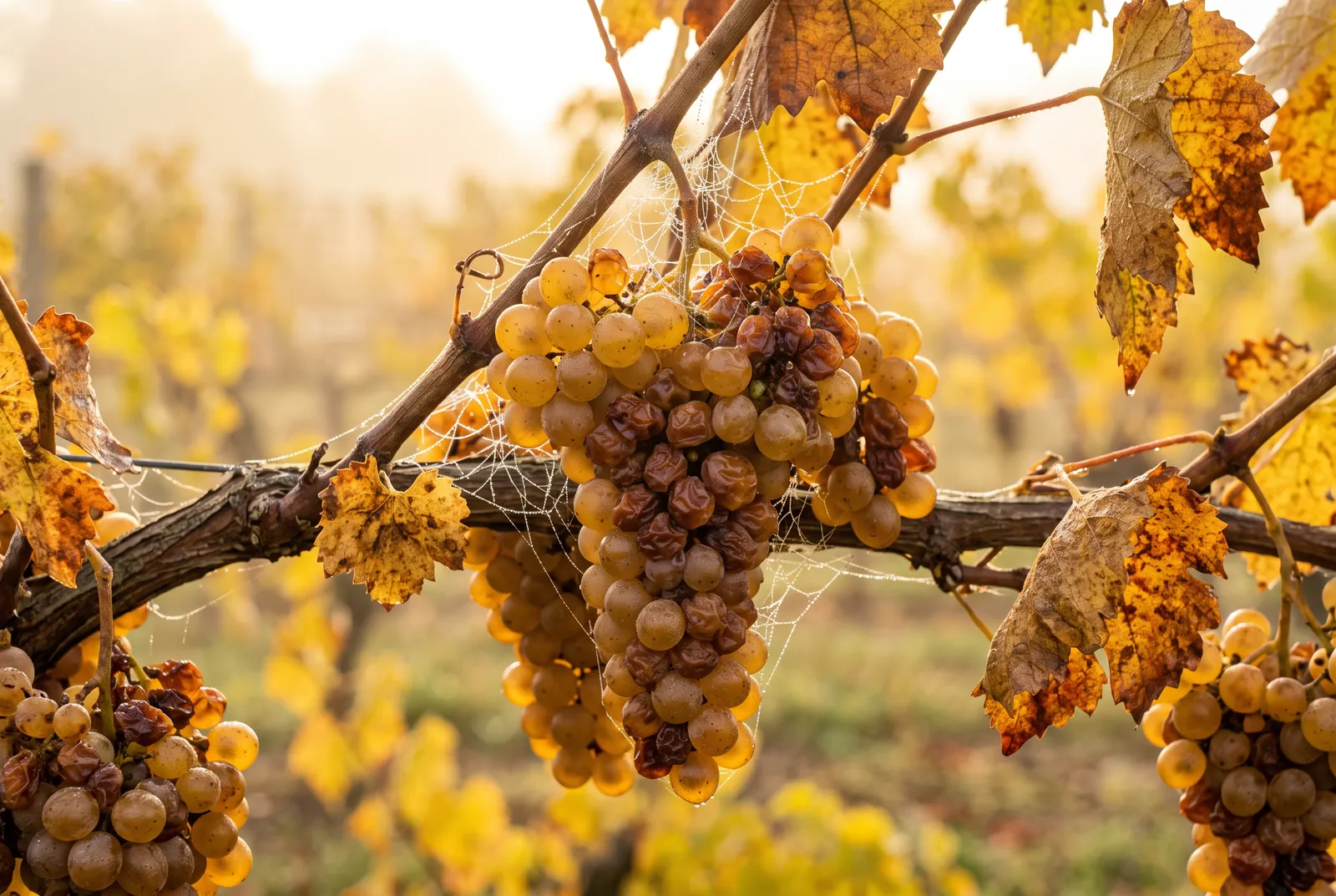
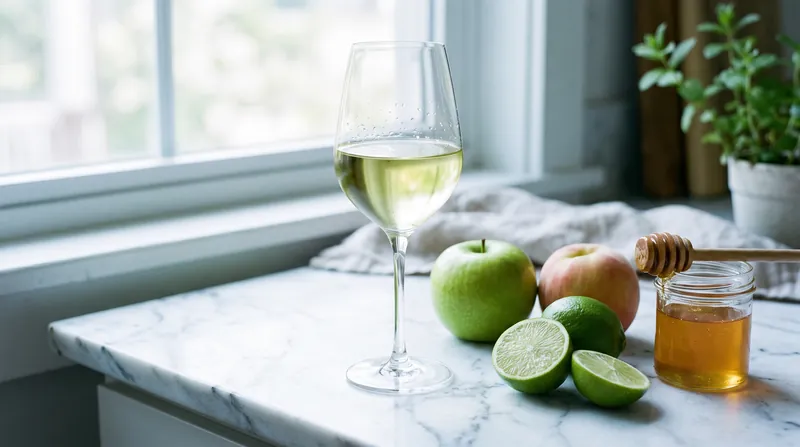
Where the famous sweet wines come from
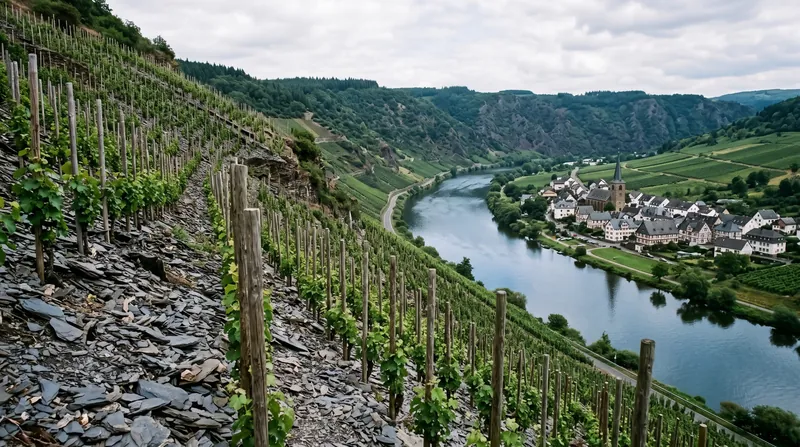
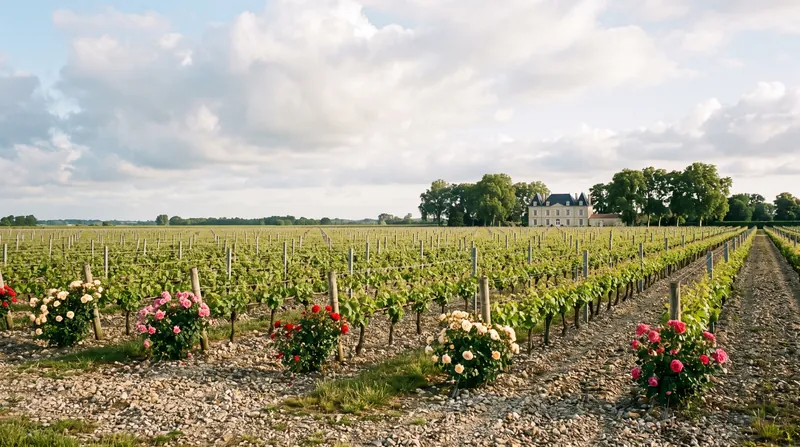
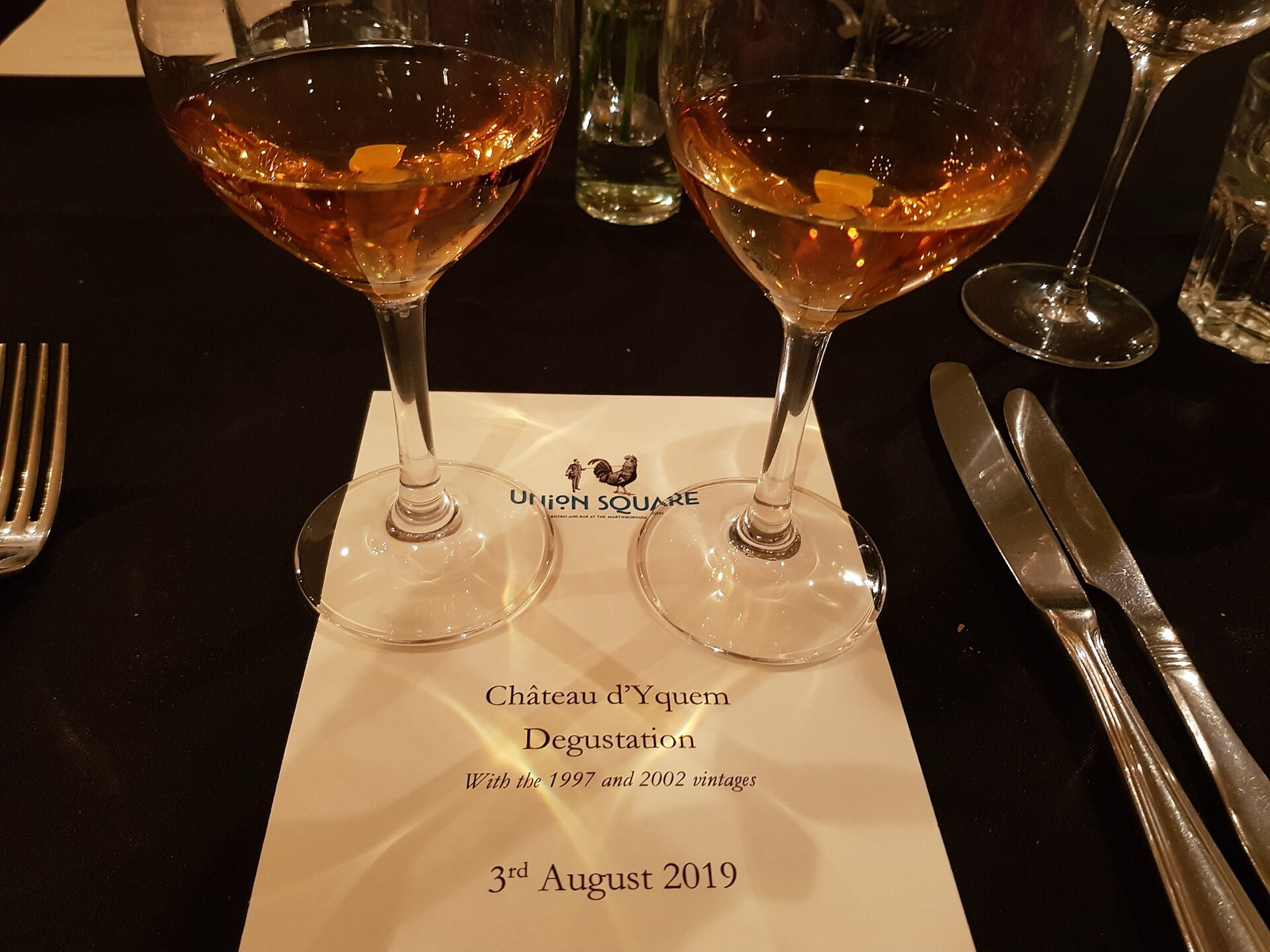 Château d'YquemBordeaux
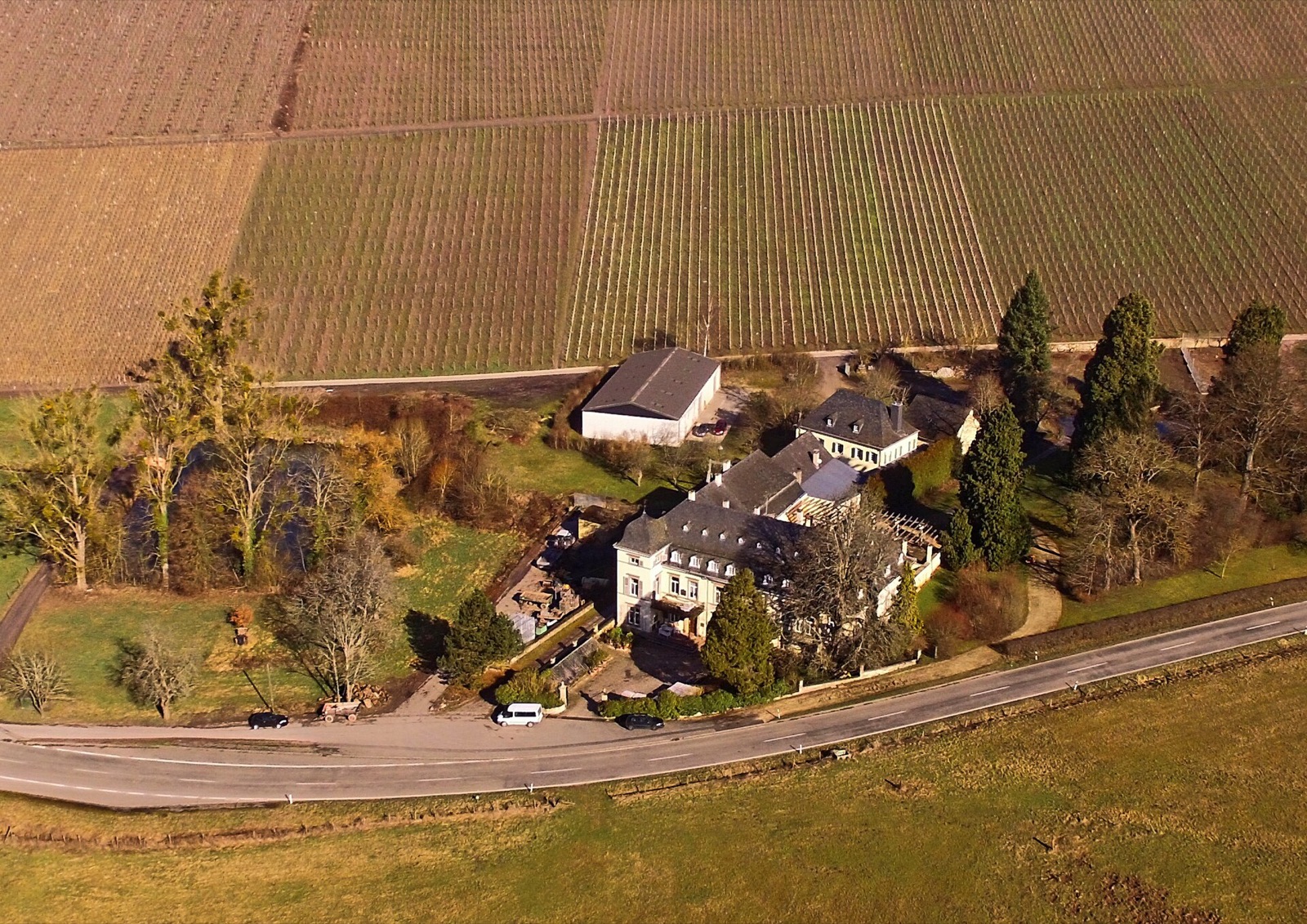 Egon Müller, Scharzhofberger Riesling AusleseMosel
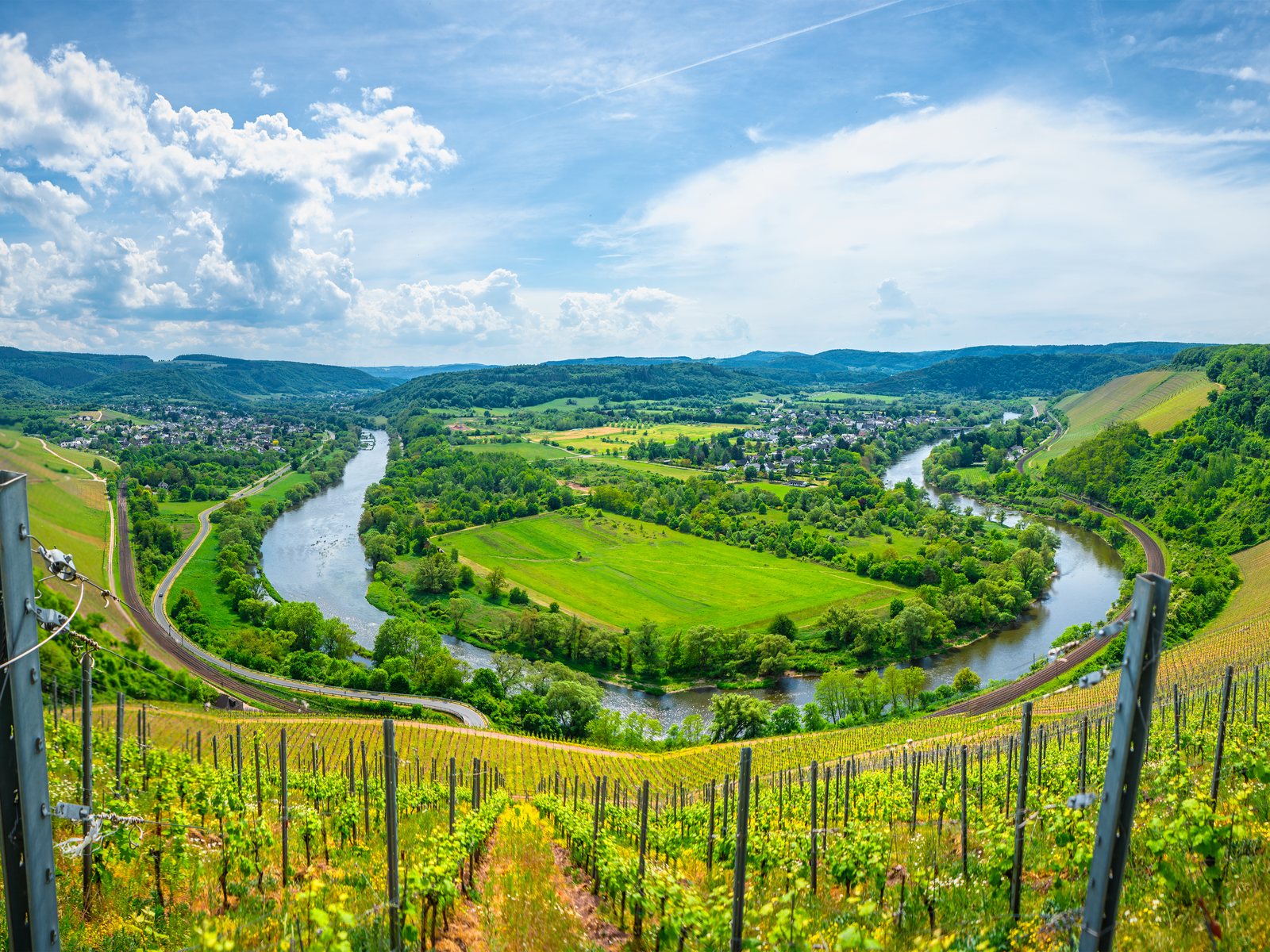 Egon Müller, Scharzhofberger Riesling TrockenbeerenausleseMosel
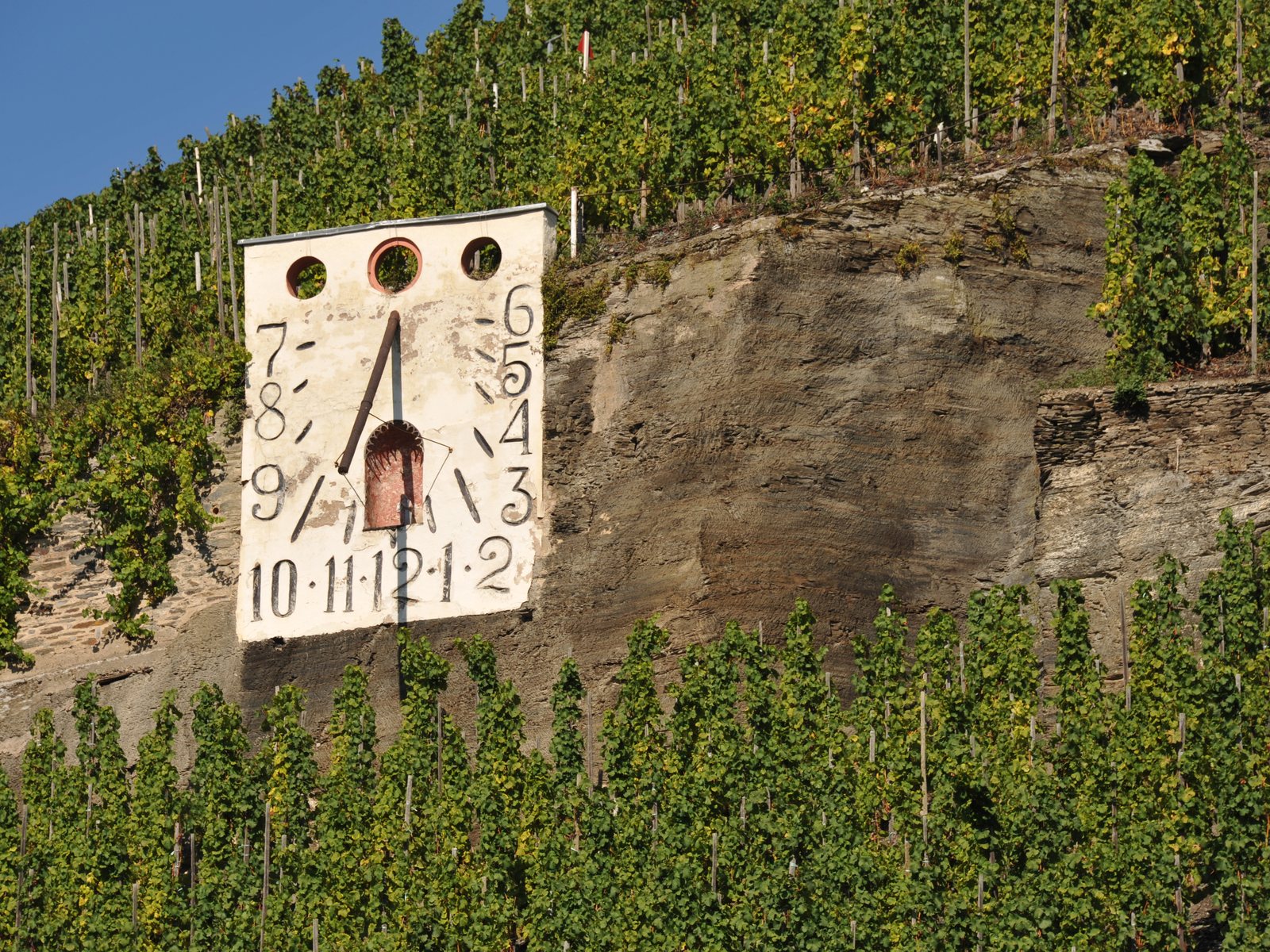 Joh. Jos. Prüm, Wehlener Sonnenuhr Riesling AusleseMosel
The other four types
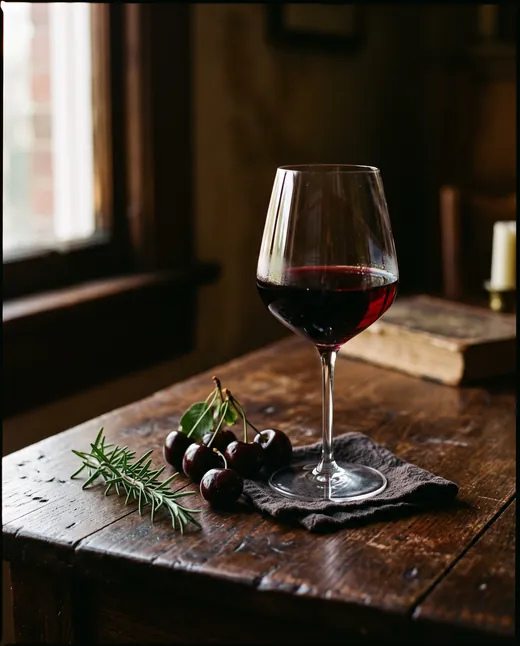
Red
Made from dark grapes, with the skins left in the juice. The skins give the colour and that dry, grippy feeling called tannin.
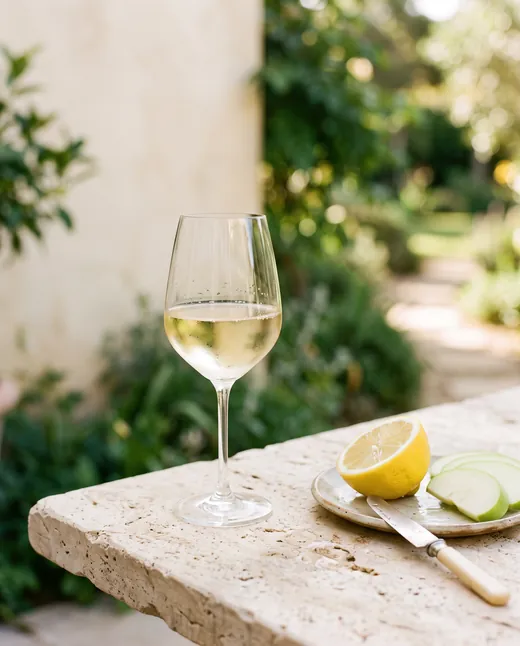
White
Made from the juice alone, without the skins, so it stays pale and fresh. Usually lighter and crisper than red.
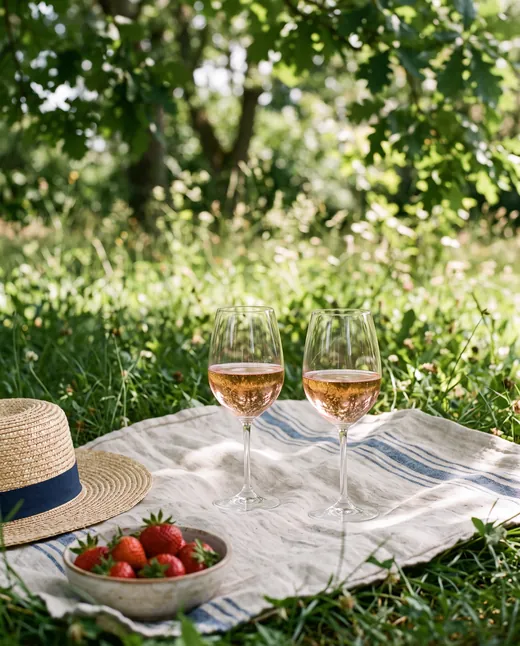
Rosé
Dark grapes, but the skins are left in for only a few hours. Just long enough to turn the wine pink.
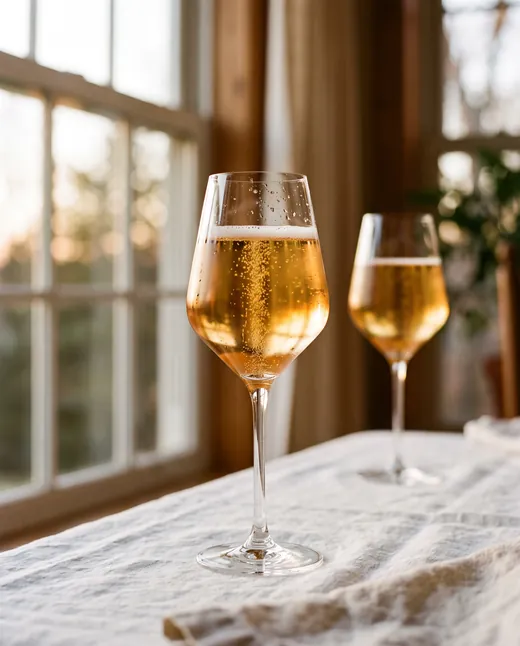
Sparkling
Wine with bubbles. The fizz comes from a second fermentation that traps gas in the bottle. Champagne is the most famous.