 Bordeaux
 Burgundy
 Champagne
 Rhône
Rhône Napa Valley
 Tuscany
 Piedmont
 Mosel
Mosel Oregon
 Rioja
Rioja California sparkling
 Valais and Lavaux
 England
 Douro
Douro Etna
Etna Mendoza
 Marlborough
 Stellenbosch
 Barossa Valley
 Tasmania
 Beaujolais
 Jura
Jura Alsace
 Loire
Loire Provence
 Ribera del Duero
 Sonoma
 What land costs
 Good years and bad
 Appellations
 Famous vineyards
 Famous wines
 Who makes them
 Find a vintage
 Compare wines
Start with the basics
Eight short lessons, three to five minutes each. Read them in order or jump to whatever you are curious about.
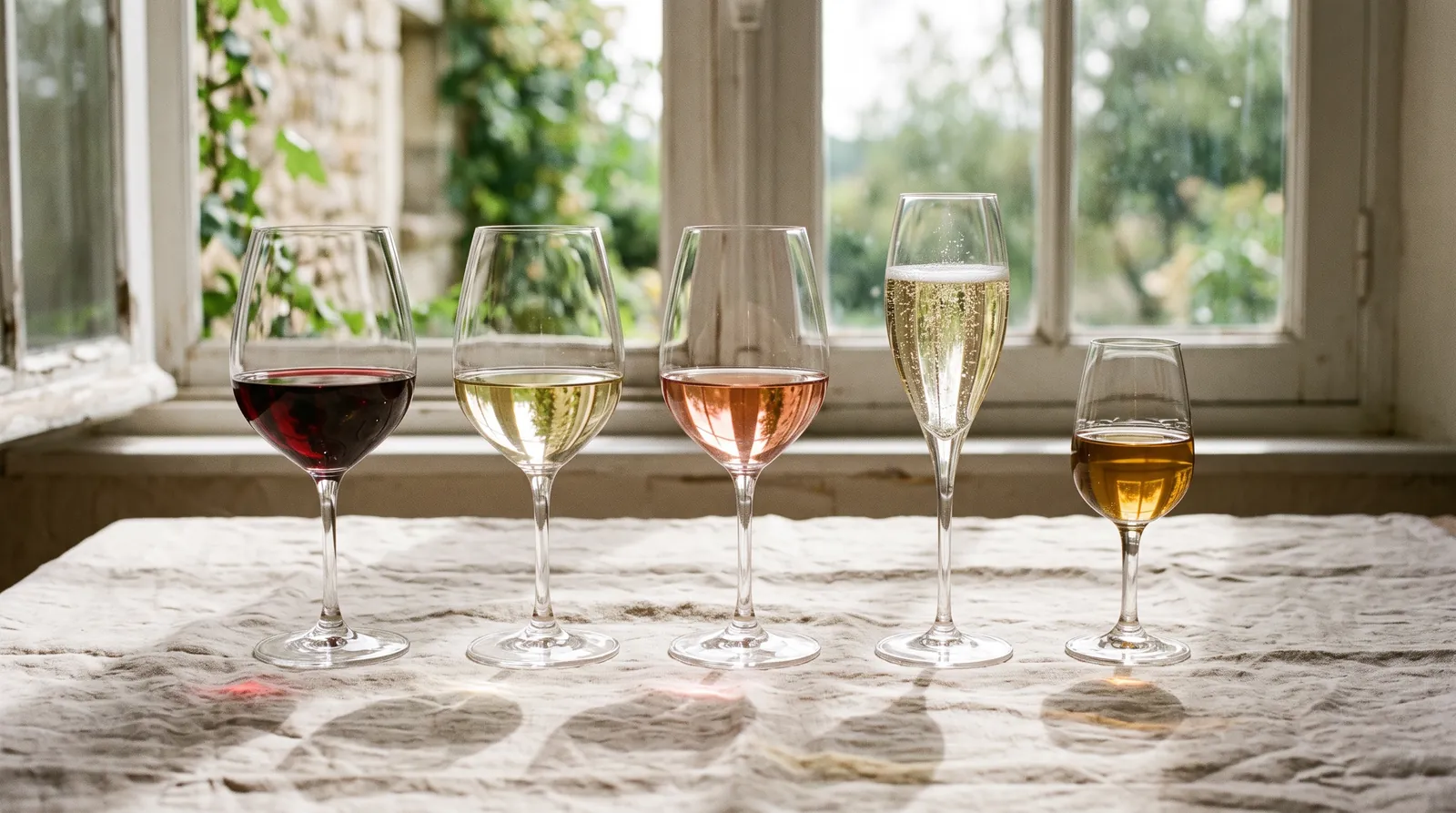 Lesson 1 · 4 min read · read ✓
The five types of wine
Red, white, rosé, sparkling and sweet. Once you know what makes each one different, the wine aisle stops being a wall of bottles.
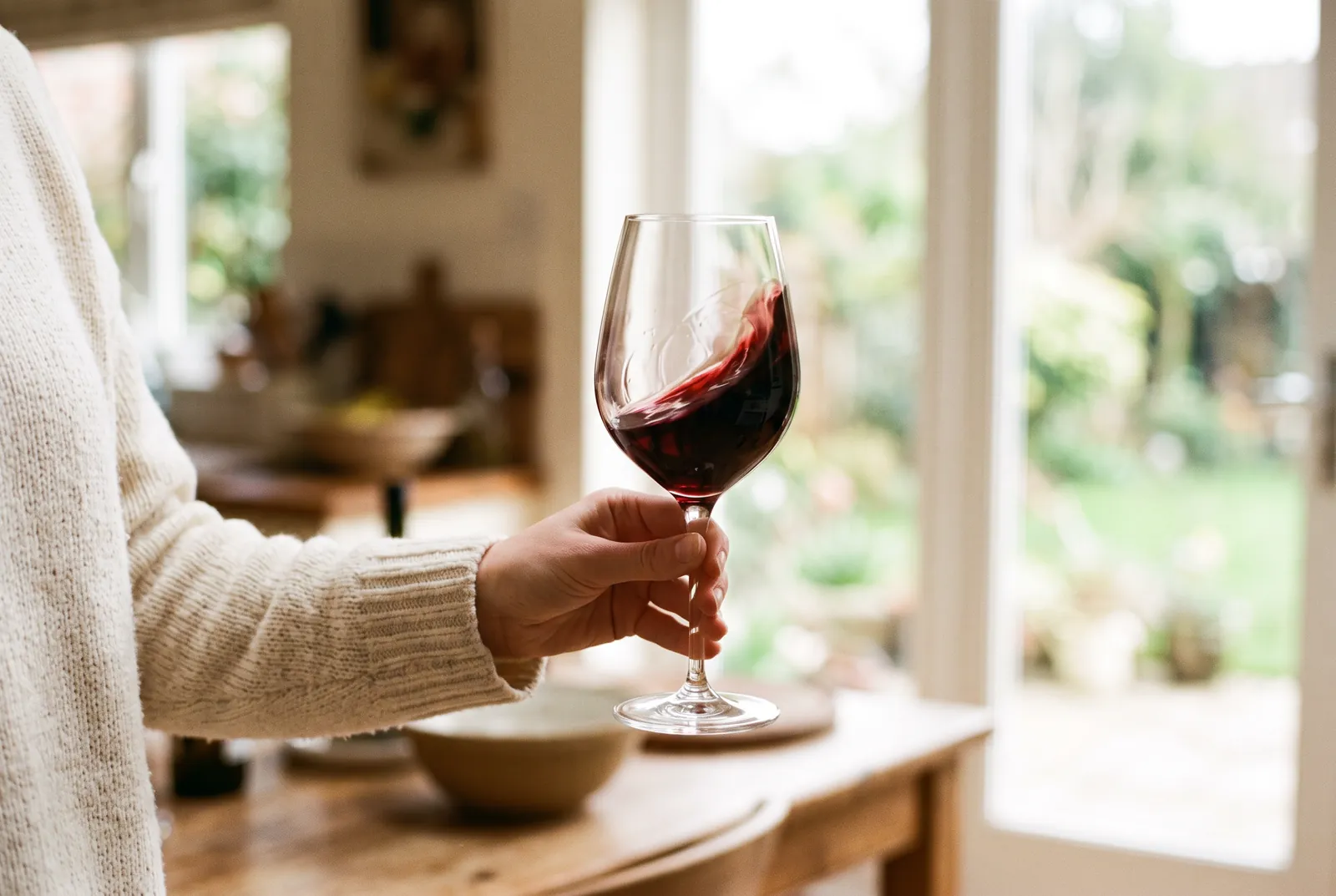 Lesson 2 · 4 min read · read ✓
How to taste wine without feeling silly
Four small steps: look, swirl, sniff, sip. They take ten seconds and they really do make a glass more interesting.
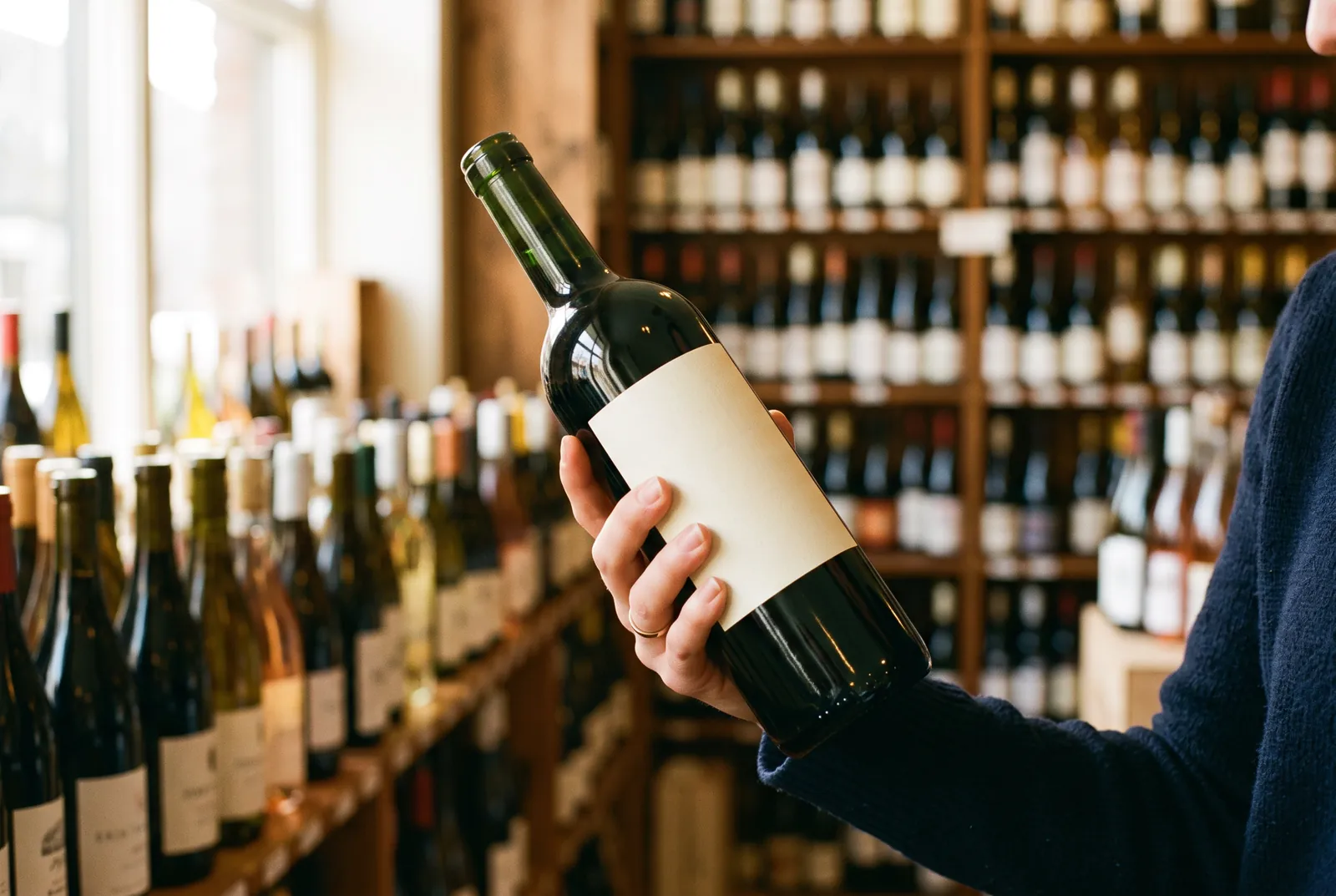 Lesson 3 · 4 min read · read ✓
How to read a wine label
A label answers four questions: who made it, where, from which grape, and in which year. The trick is knowing where to look.
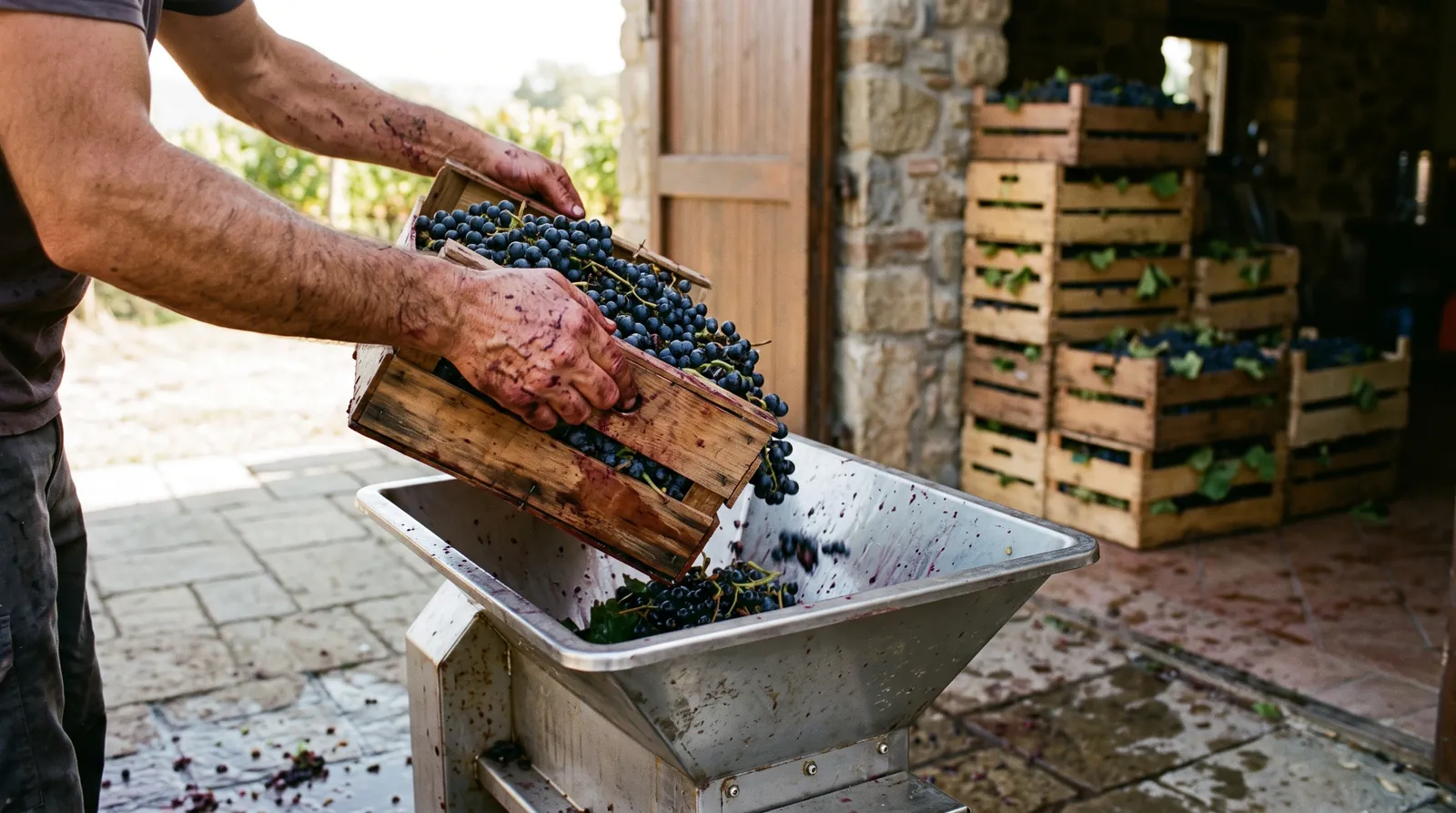 Lesson 4 · 5 min read · read ✓
How wine is made, in five steps
Wine is fermented grape juice. Yeast eats the sugar in ripe grapes and turns it into alcohol. Everything else is detail.
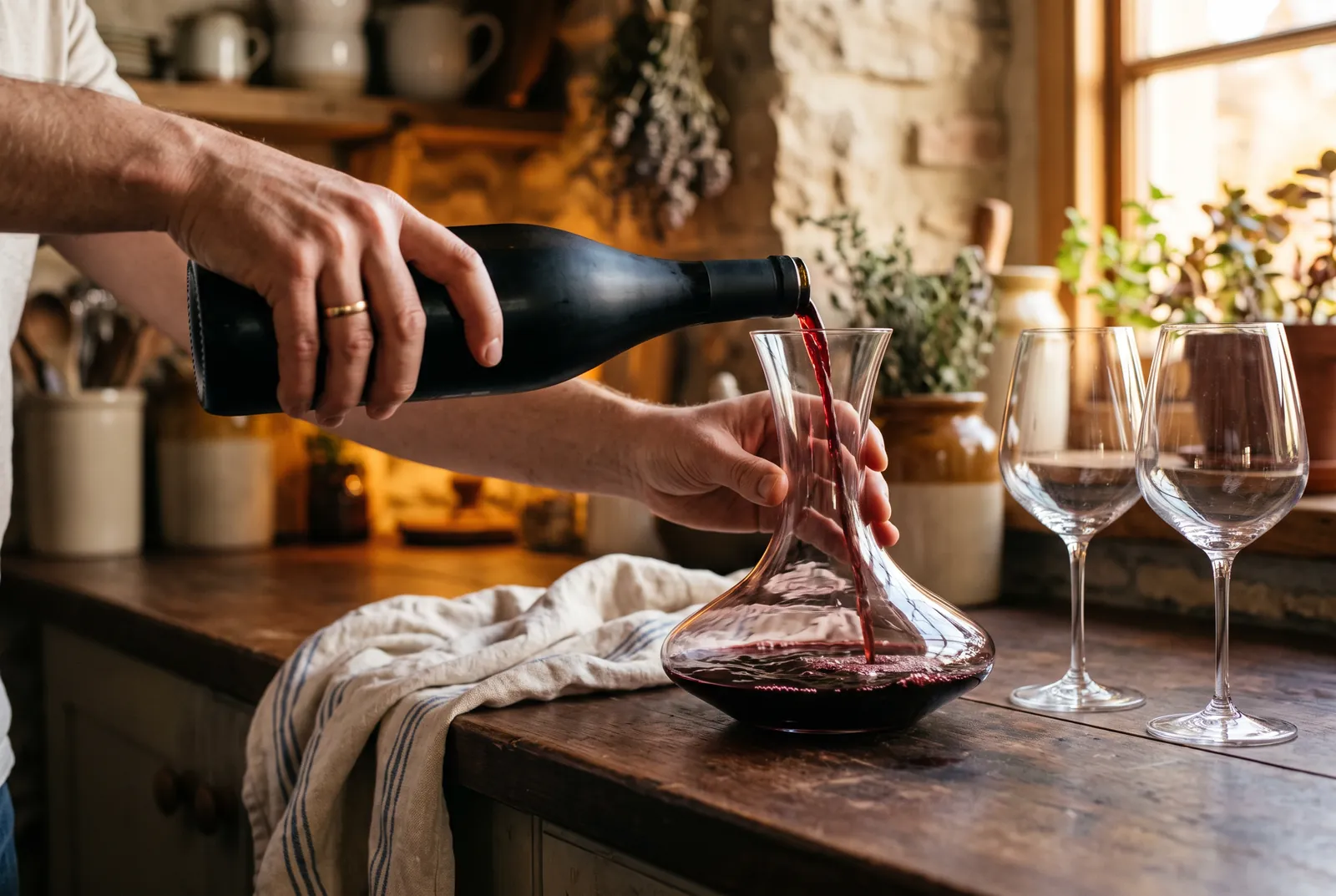 Lesson 5 · 4 min read · read ✓
Serving and storing wine at home
You do not need a cellar or special glasses. A few simple habits get the best out of any bottle.
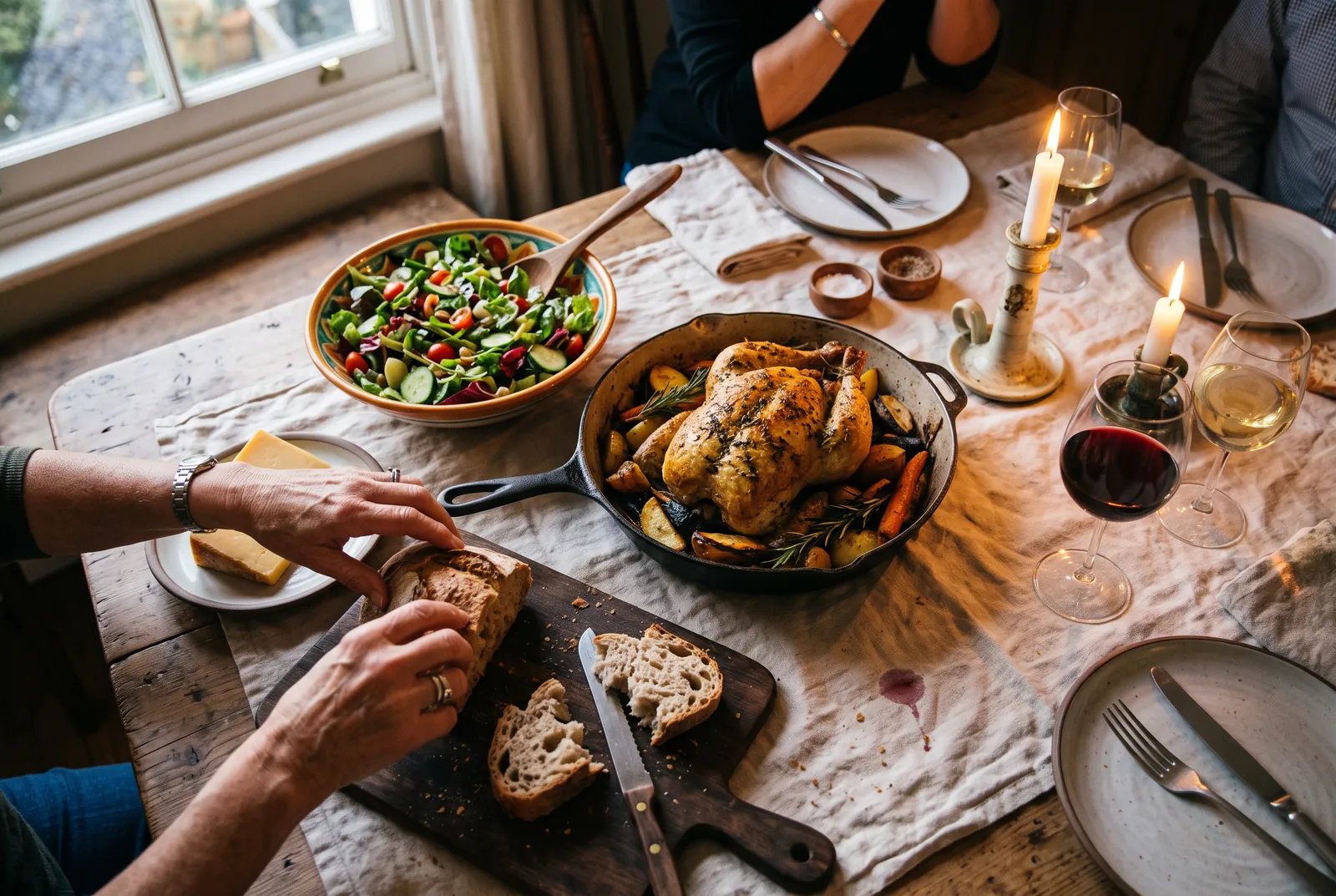 Lesson 6 · 4 min read · read ✓
Wine with food: the simple rules
There is no law about red with meat and white with fish. Match the weight of the wine to the weight of the dish and you will rarely go wrong.
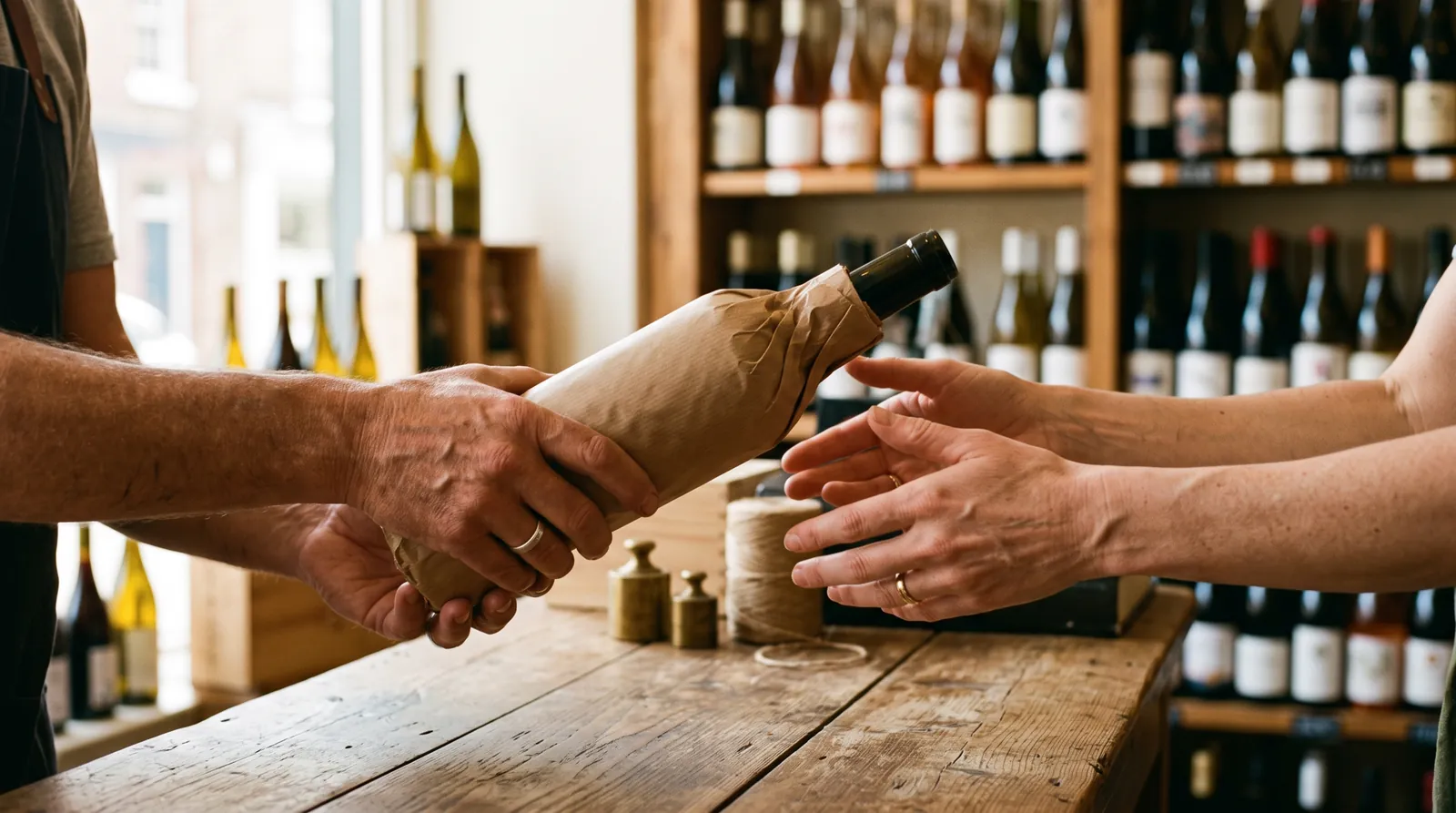 Lesson 7 · 4 min read · read ✓
How to choose a bottle you will actually like
In a shop or a restaurant, three questions do most of the work: what do you like, what are you eating, and what do you want to spend?
 Lesson 8 · 3 min read · read ✓
What a vintage is, and when it matters
The vintage is simply the year the grapes were picked. Weather changes every year, so the same wine can taste different from one year to the next.
Learn the economics
Two longer tracks for anyone from about fifteen up: what it costs to make wine, and how the market for collectible wine works. Then test yourself with a short course.
 8 chapters
Learn the economics of wine production
What it really costs to turn a field of vines into a bottle on a shop shelf, and who earns what along the way. Eight chapters, written for anyone from about fifteen up.
 8 chapters
Learn the economics of wine collecting
Why a few wines get rarer and more valuable as they age, how collectors buy and sell them, and how to think clearly about the money, the costs and the risks. Eight chapters, written for anyone from about fifteen up.
 7 courses
Courses
Short courses that teach you something and then test you on it. Each takes less than half an hour: a few illustrated lessons, then ten questions with an explanation for every answer.
The five types, at a glance
Every bottle in the shop is one of these. Here is how to tell them apart and where to start.
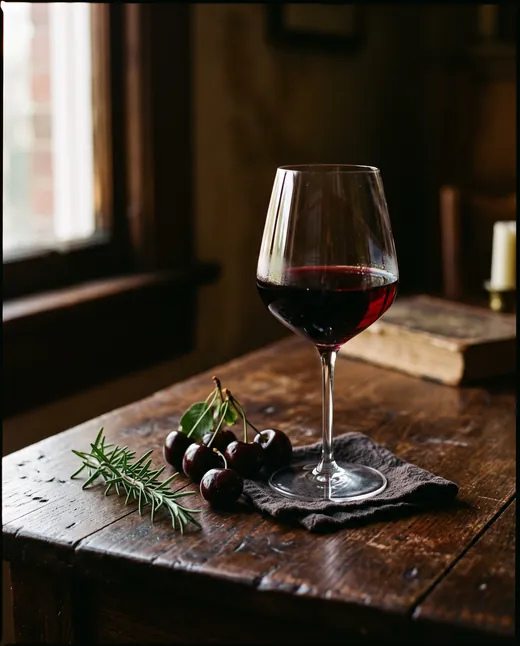
Red
Start with Pinot Noir if you like things light, Merlot for something soft, Cabernet Sauvignon for bold.
Serve just below room temperature
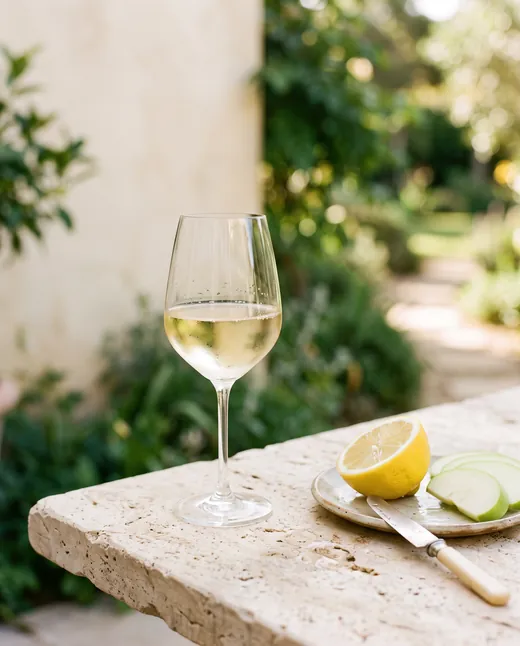
White
Start with Riesling for something zingy, or Chardonnay for something rounder.
Serve chilled, straight from the fridge
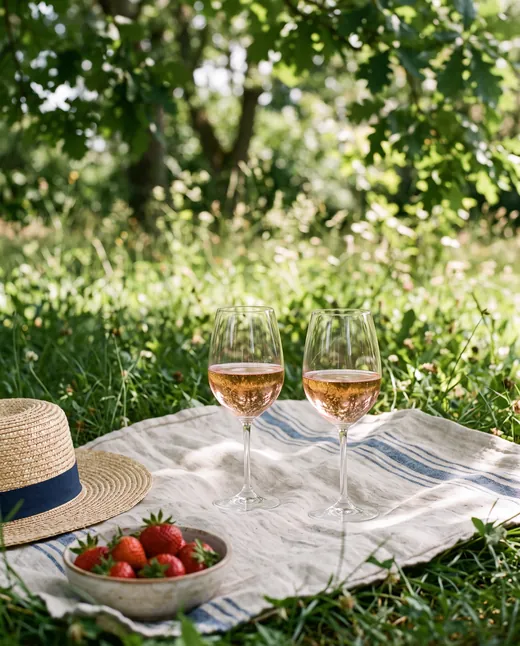
Rosé
Start with a pale, dry rosé from the south of France.
Serve well chilled
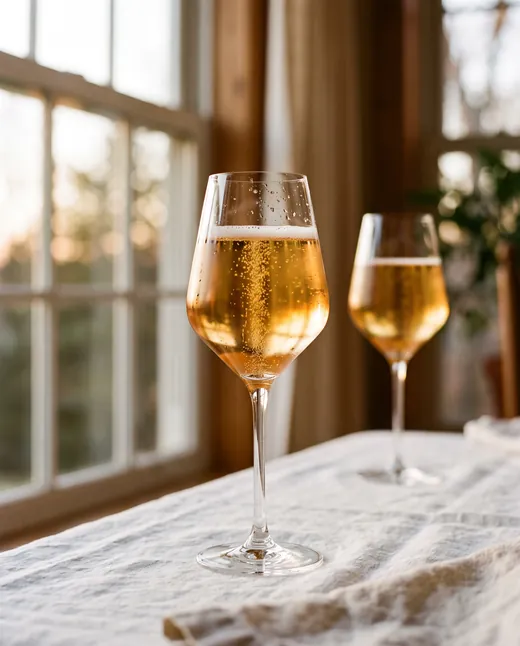
Sparkling
Look for the word Brut on the label. It means dry.
Serve very cold
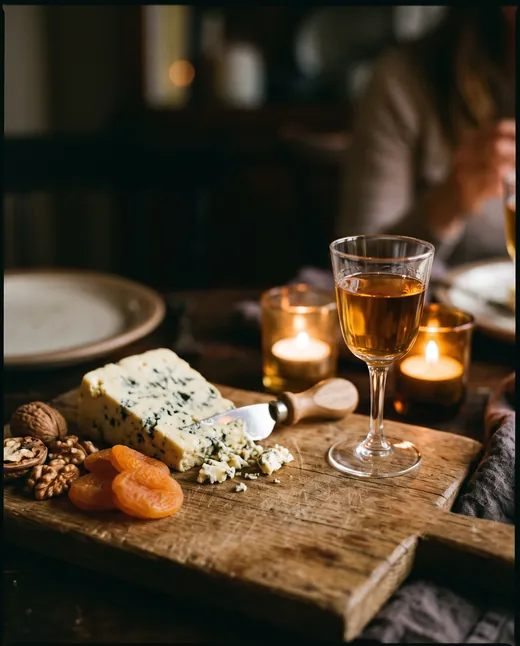
Sweet
Start with a late-harvest Riesling. Lovely with blue cheese.
Serve chilled, in a small glass
Then explore
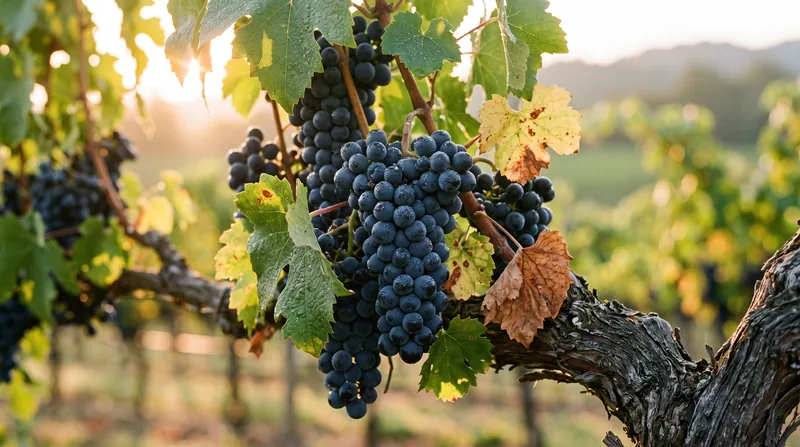
Grapes
Twelve grapes, what each tastes like and how to say the name.
Meet the grapes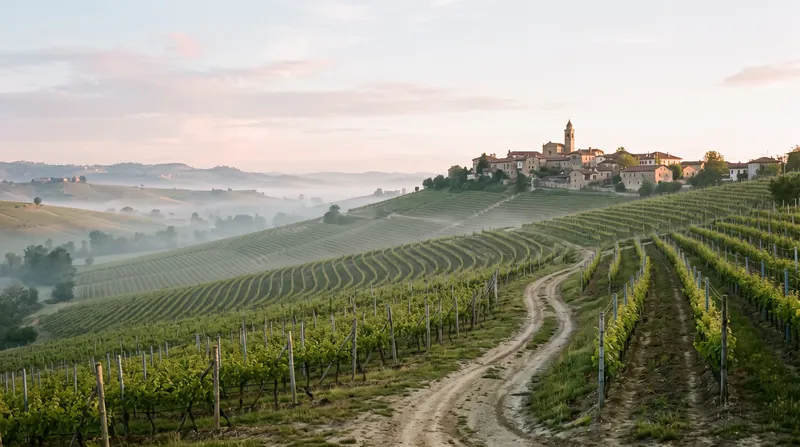
Regions
Where wine comes from, and what each place is known for.
See the regions
Good years and bad
A colour chart of every year, from difficult to exceptional.
See the chart
Wine words
Tannin, terroir, brut. Short meanings in plain English.
Look up a word
Ten quick questions
See how much has stuck. Every answer comes with a one-line explanation, and nobody is keeping score but you.
Wine words on flashcards
Tap a card to turn it over.
Curious about the money side?
Why one bottle costs ten and another a thousand. These go a little deeper, but still in plain language.
How to read a Corkonomics page
The basis labels, the numbers, and what each section of a wine or vintage page is telling you.
What CAGR, drawdown and volatility mean for wine
Three numbers from finance, explained for a bottle.
Release price, market price and the gap between them
Why a wine sold for $150 by its producer can trade at $600 a year later — and who captured the $450.
What the scarcity score means
One number from 0 to 100 that describes supply: how hard a wine-vintage is likely to be to find. It is not a rating of quality.
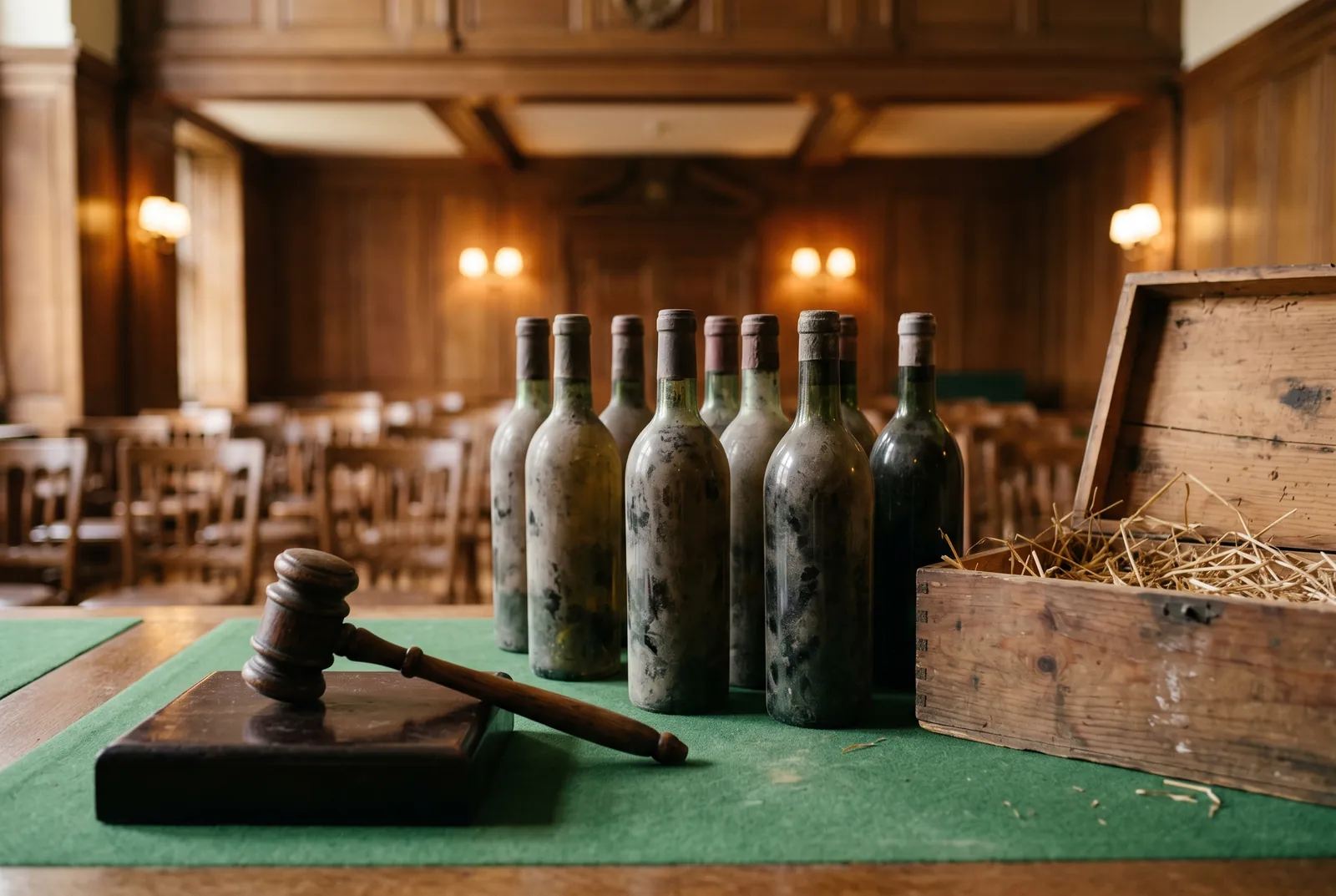
How wine auctions work
Hammer prices, buyer's premiums, seller's commissions, reserves and provenance — what the numbers in an auction result actually mean.
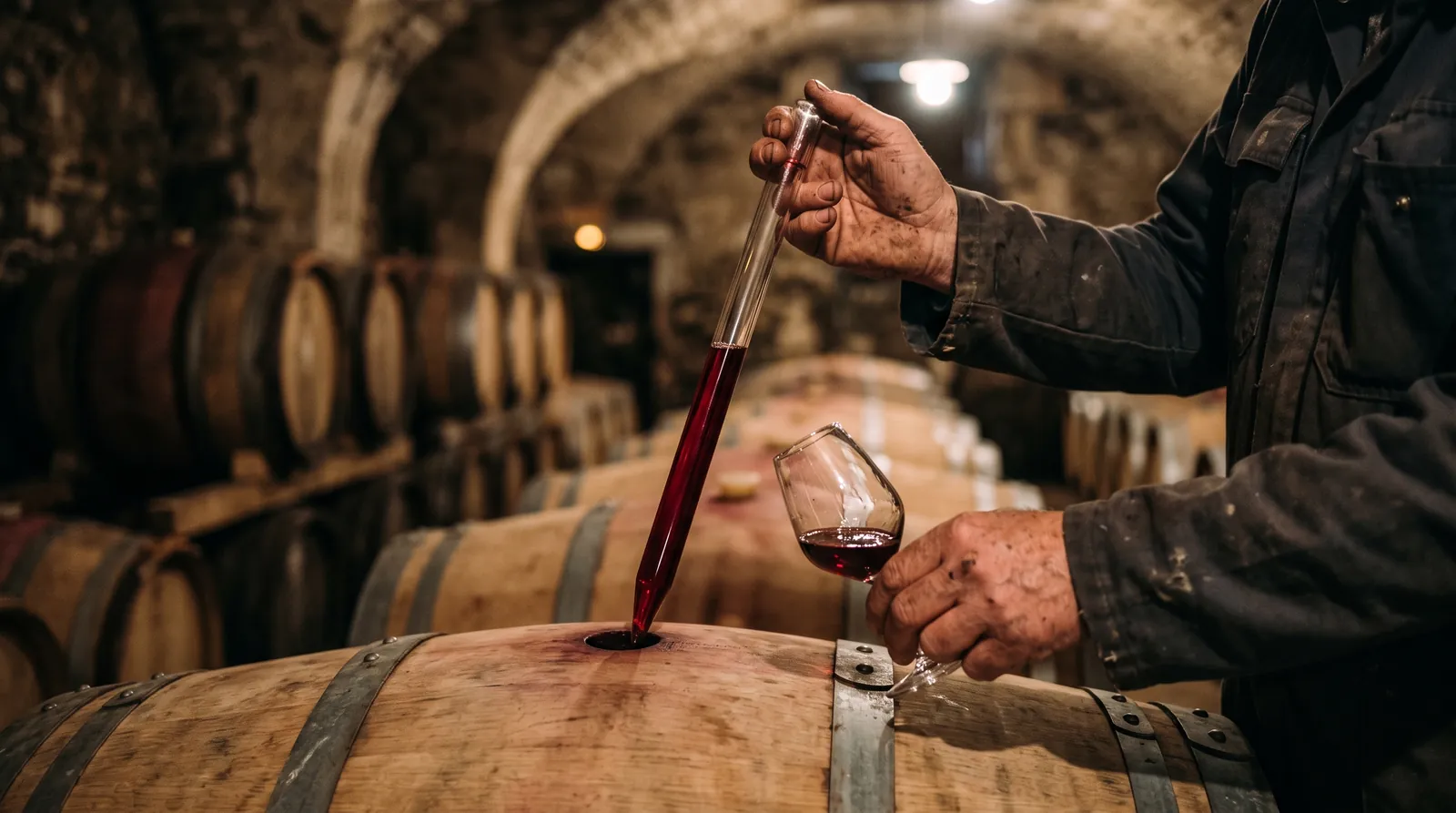
What en primeur means
Bordeaux's futures system: buying wine a year before it is bottled, why châteaux use it, and why it stopped working.
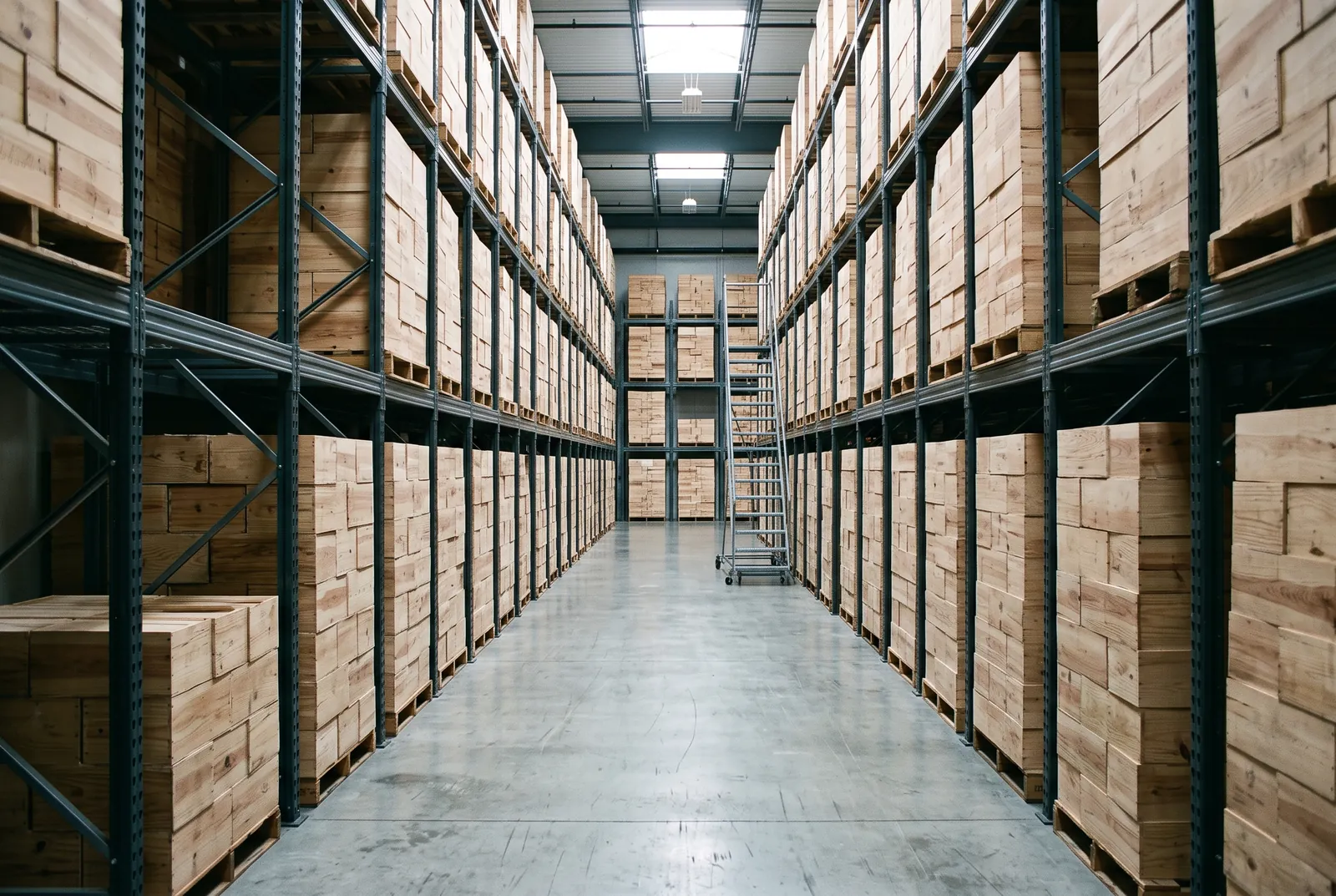
Storage, insurance and the cost of carrying a case
What it costs to hold wine for a decade, and why 'gross return' is the wrong number.
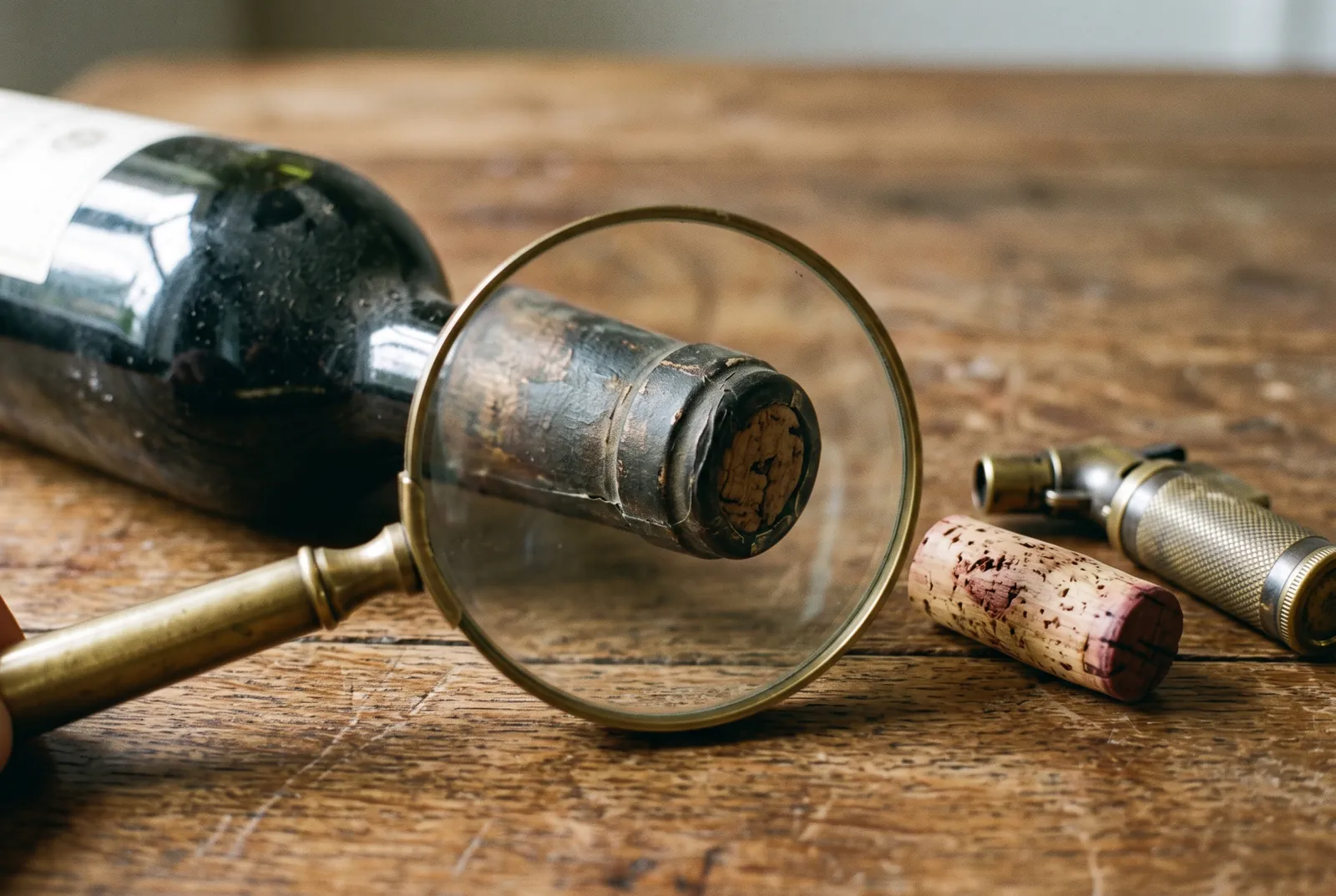
Counterfeits and authenticity
Why the most valuable wines are the most faked, how producers respond, and what a buyer can check.
Tax considerations, in brief
Wine is treated differently from shares in most tax systems. A general note, not advice.
Open the three price calculators
Where does the money go?
Pick a style of wine. The bar is our estimate of what it costs to make one bottle, piece by piece. Then set a shop price and see how much of it is the wine itself.
Cost is the high end of the model range; every input is sourced on the model page.
“Everything else” is land scarcity, brand, aging, distribution margins and demand — the economics of wine, not the cost of making it. See the model →
What is a bottle worth in twenty years?
Arithmetic on numbers you choose, not a real wine. Drag the sliders. The dark line is the gross value; the pale line is what you would actually keep after the buyer’s premium, storage and the seller’s commission.
The costs
Buy here, sell there
A real price series: the average price of a litre of table wine on the US shelf, every month since 1995, from the Bureau of Labor Statistics via FRED. Drag the two handles to choose when you buy and when you sell, and watch the change, the growth a year and the worst moment in between. The lesson: ordinary wine’s price creeps up with inflation and rarely falls — it is a grocery, not an asset.
Growth a year only counts for holds of a year or more; shorter spans show a simple change. FRED, Federal Reserve Bank of St. Louis APU0000720311