 Bordeaux
 Burgundy
 Champagne
 Rhône
Rhône Napa Valley
 Tuscany
 Piedmont
 Mosel
Mosel Oregon
 Rioja
Rioja California sparkling
 Valais and Lavaux
 England
 Douro
Douro Etna
Etna Mendoza
 Marlborough
 Stellenbosch
 Barossa Valley
 Tasmania
 Beaujolais
 Jura
Jura Alsace
 Loire
Loire Provence
 Ribera del Duero
 Sonoma
 Quanto costa il terreno
 Annate buone e cattive
 Denominazioni
 Vigneti famosi
 Vini famosi
 Chi li produce
 Cerca un'annata
 Confronta vini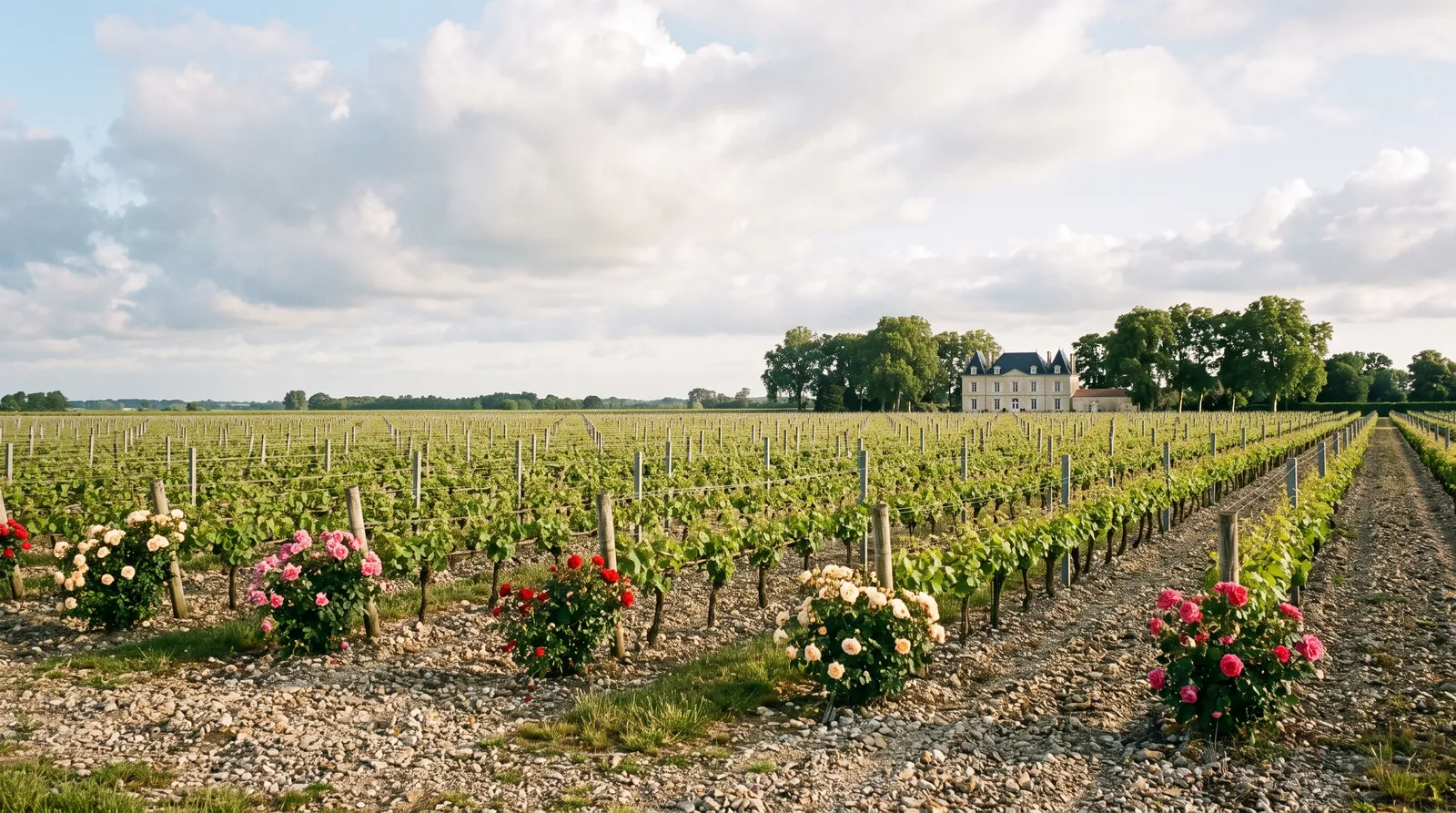
Bordeaux in un minuto
- I vitigni
- Cabernet Sauvignon, Merlot e Cabernet Franc
- Com'è al palato
- Ribes nero, prugna e cedro. Tannico da giovane, più morbido con l'età.
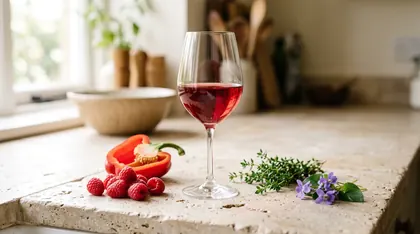 Cabernet Franc
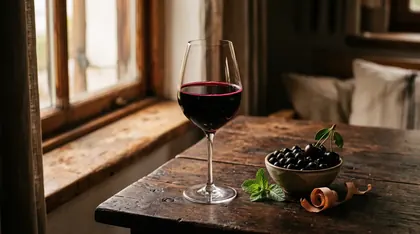 Cabernet Sauvignon
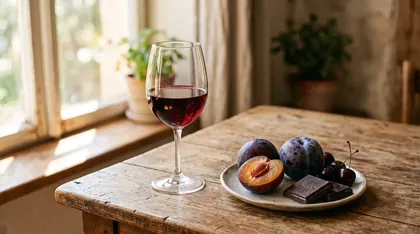 Merlot
Utile sapere
Un fiume divide la regione in due. La Rive Gauche punta sul Cabernet Sauvignon e produce vini più strutturati. La Rive Droite punta sul Merlot e produce vini più morbidi.
In etichetta
Prende il nome dalla tenuta, chiamata château. L'uva compare raramente in etichetta.
Quanto costa il terreno
I vigneti più cari qui si trovano a Pauillac: ≈$1,902,810–≈$4,477,200 un ettaro (2024). Zona per zona
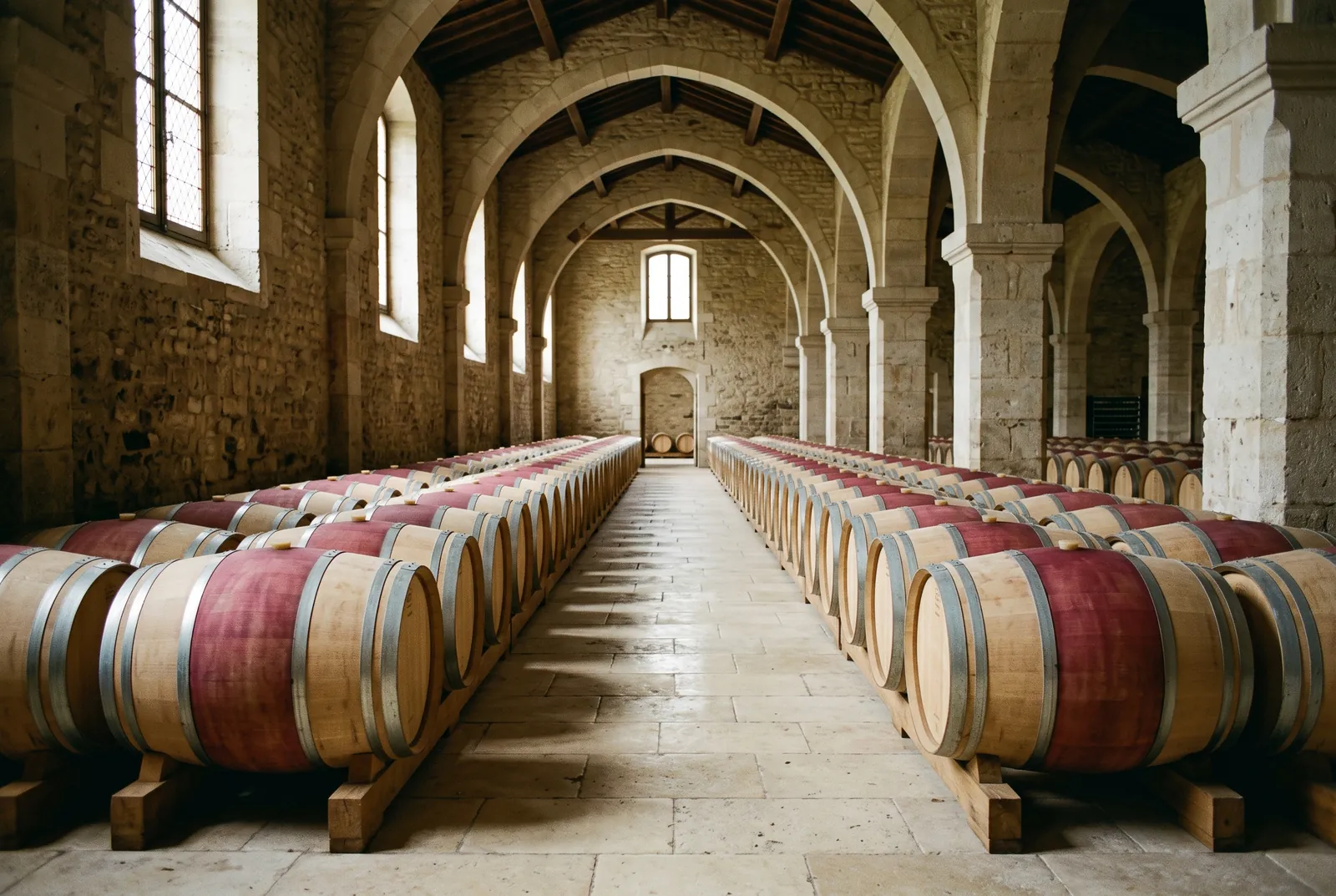
Il lato commerciale
Bordeaux is about 110,000 hectares of vines (CIVB), the great majority producing inexpensive wine. The collectible tier is a few hundred châteaux and perhaps 3% of volume, sold each spring as futures ('en primeur') through négociants, then traded for decades. Because release prices are published and the wines are made in large quantities, Bordeaux has the longest and most liquid price history of any wine.
How the economics work
Three structures define Bordeaux's economics. Classification: the 1855 ranking of the Médoc and Sauternes, Saint-Émilion's periodically revised classification, and Pomerol's absence of one, fix reputations and therefore the price a château can ask. The Place de Bordeaux: châteaux sell to négociants (through courtiers) who sell on to importers; the château captures the release price and the négociant the margin, and the whole system runs on the spring en primeur campaign, when the previous year's wine is offered before bottling. Scale: a first growth makes 150,000–300,000 bottles of its grand vin in a normal year, which is why Bordeaux dominates auction volume even where Burgundy dominates price per bottle.
Land
SAFER publishes vineyard prices by appellation each year. The spread inside Bordeaux is enormous: generic Bordeaux AOC vineyard has traded at roughly €10,000–15,000 a hectare, while the best Pauillac and Pomerol land is reported in the low millions per hectare — a ratio of more than a hundred to one within a single region. Land almost never changes hands at the top; the reported figures are inferred from the few transactions that do.
Approfondimento
The collectible market
Bordeaux's share of the fine-wine secondary market fell from over 90% of Liv-ex-traded value in 2010 to well under half by the 2020s as Burgundy, Champagne, Italy and California grew — a shift widely reported by the trade press and visible in auction catalogues. The 2009 and 2010 vintages, released at record prices into Chinese demand, marked the peak of the 'Bordeaux bubble'; prices of those vintages fell for several years afterwards, the clearest drawdown in the modern record. Release prices since 2019 have generally been set below the trading level of older vintages in an attempt to revive en primeur, with mixed success — the 2023 and 2024 campaigns were widely described by merchants as the weakest in a generation.
Costs
A classified growth's production cost is dominated by labour and by the imputed cost of land rather than by grapes (it grows its own). Vineyard labour in the Médoc is intensive — hand harvesting, green harvesting, leaf-pulling — and the cost per hectare is reported in the tens of thousands of euros at the top estates. New French oak, 100% at the first growths, adds several euros a bottle. The result is a winery cost per bottle for a first growth that Corkonomics models in the tens of euros against a release price in the hundreds.
Dati e cifre
Annate buone e cattive
Tutte le regioni →Le annate da cercare: 2022, 2016, 2010, 2009, 2005, 1990. I casi difficili: 2013.
| Anno | Come è stata valutata l'annata | La stagione di crescita |
|---|---|---|
| 2025 | Eccellente | A dry spring and early summer comparable to 2022, then about 60 mm of rain in late August and early September… |
| 2024 | Mista | A mild, wet winter and budbreak in mid-March; a difficult flowering and disease pressure through a cool… |
| 2023 | Molto buono | A mild, wet winter replenished the soils after 2022's drought and the cycle ran several days ahead. Two hot… |
| 2022 | Eccezionale | Hot, dry summer; small berries, low yields, high concentration. |
| 2021 | Mista | Frost, mildew and a cool summer; variable quality and small crops. |
| 2020 | Eccellente | |
| 2019 | Eccellente | |
| 2018 | Eccellente | |
| 2017 | Buona | |
| 2016 | Eccezionale | Wet spring then a dry summer; a large, balanced crop widely rated with 2009 and 2010. |
| 2015 | Eccellente | |
| 2014 | Molto buono | |
| 2013 | Difficile | Cold wet spring, poor flowering, rot at harvest; small crops and severe selection at the top estates. |
| 2012 | Buona | |
| 2011 | Buona | |
| 2010 | Eccezionale | Cool nights and a dry summer gave high tannin and acidity; released at prices above 2009 — the peak of the… |
| 2009 | Eccezionale | Warm, dry, long growing season; widely described as one of the great modern vintages; released at record en… |
| 2008 | Molto buono | |
| 2007 | Mista | |
| 2006 | Molto buono | |
| 2005 | Eccezionale | |
| 2004 | Buona | |
| 2003 | Mista | |
| 2002 | Buona | |
| 2001 | Molto buono | |
| 2000 | Eccellente | |
| 1999 | Buona | |
| 1998 | Molto buono | |
| 1997 | Mista | |
| 1996 | Eccellente | |
| 1995 | Molto buono | |
| 1990 | Eccezionale |
Chi produce i vini famosi di questa zona
Tutti i produttori →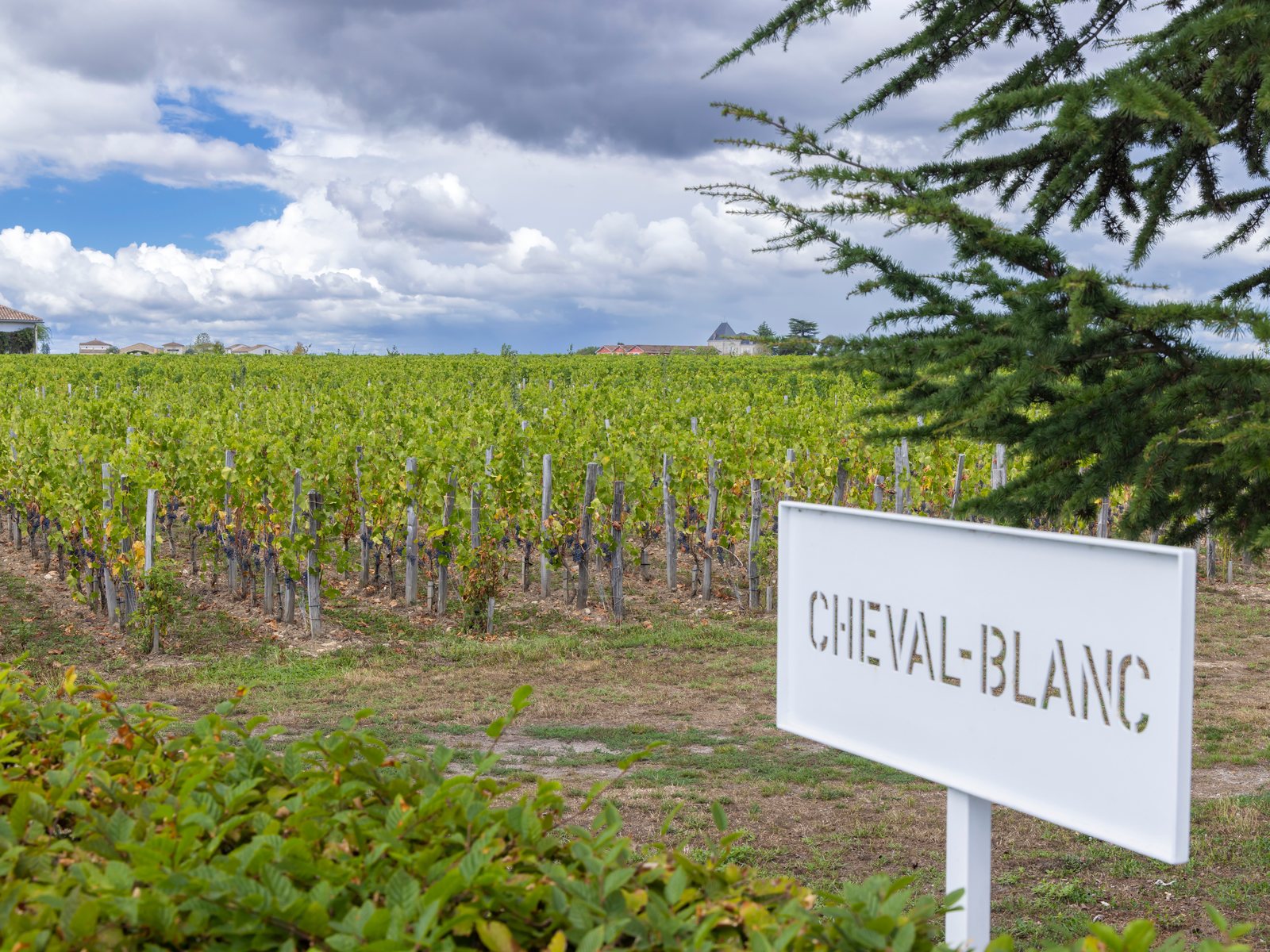 ProduttoreChâteau Cheval BlancSaint-Émilion's Cabernet Franc first growth, owned by LVMH and the Frère family, on 39 hectares beside the…
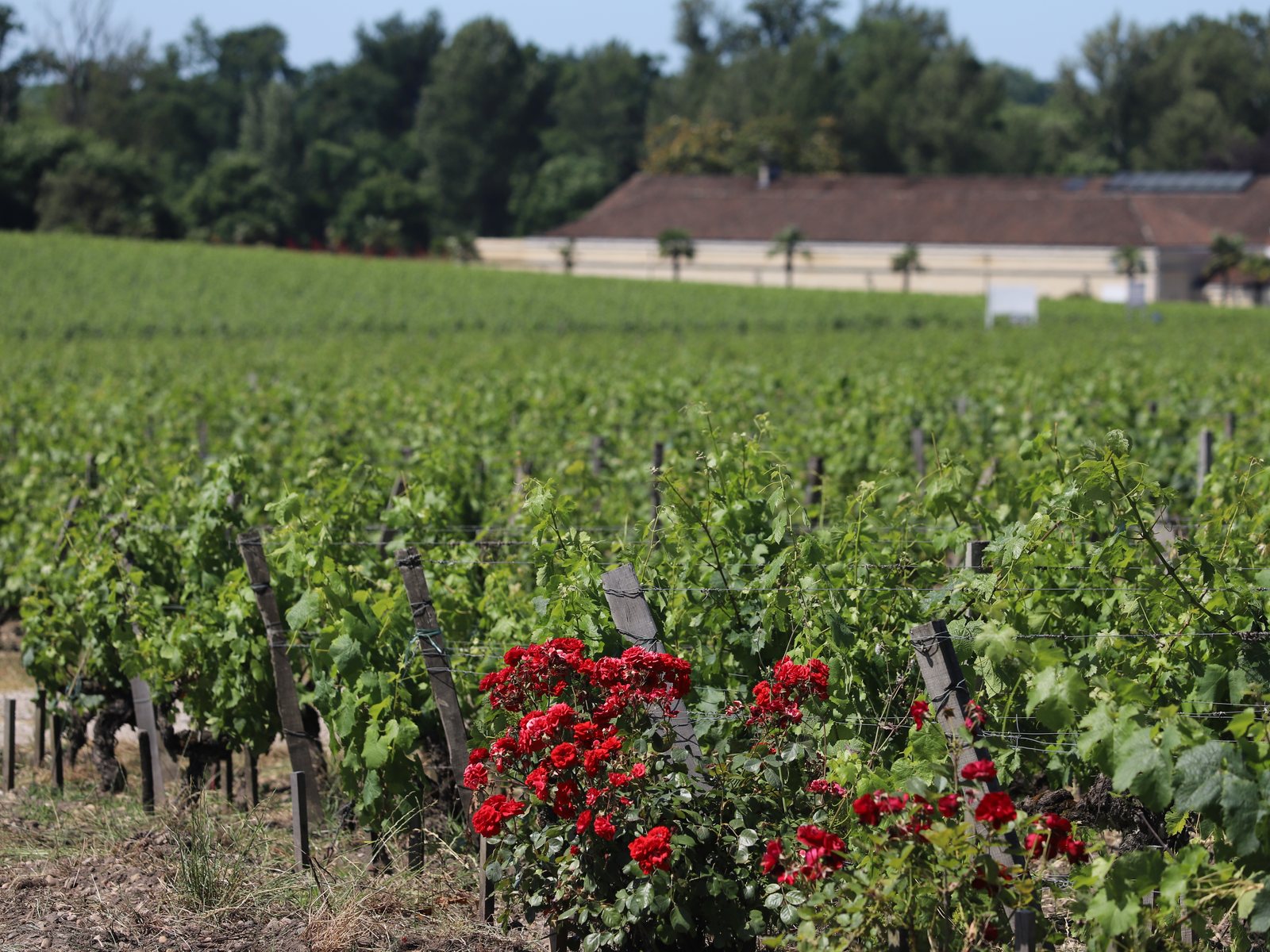 ProduttoreChâteau Haut-BrionThe oldest name in fine wine (Pepys, 1663) and the only 1855 first growth outside the Médoc, on about 51…
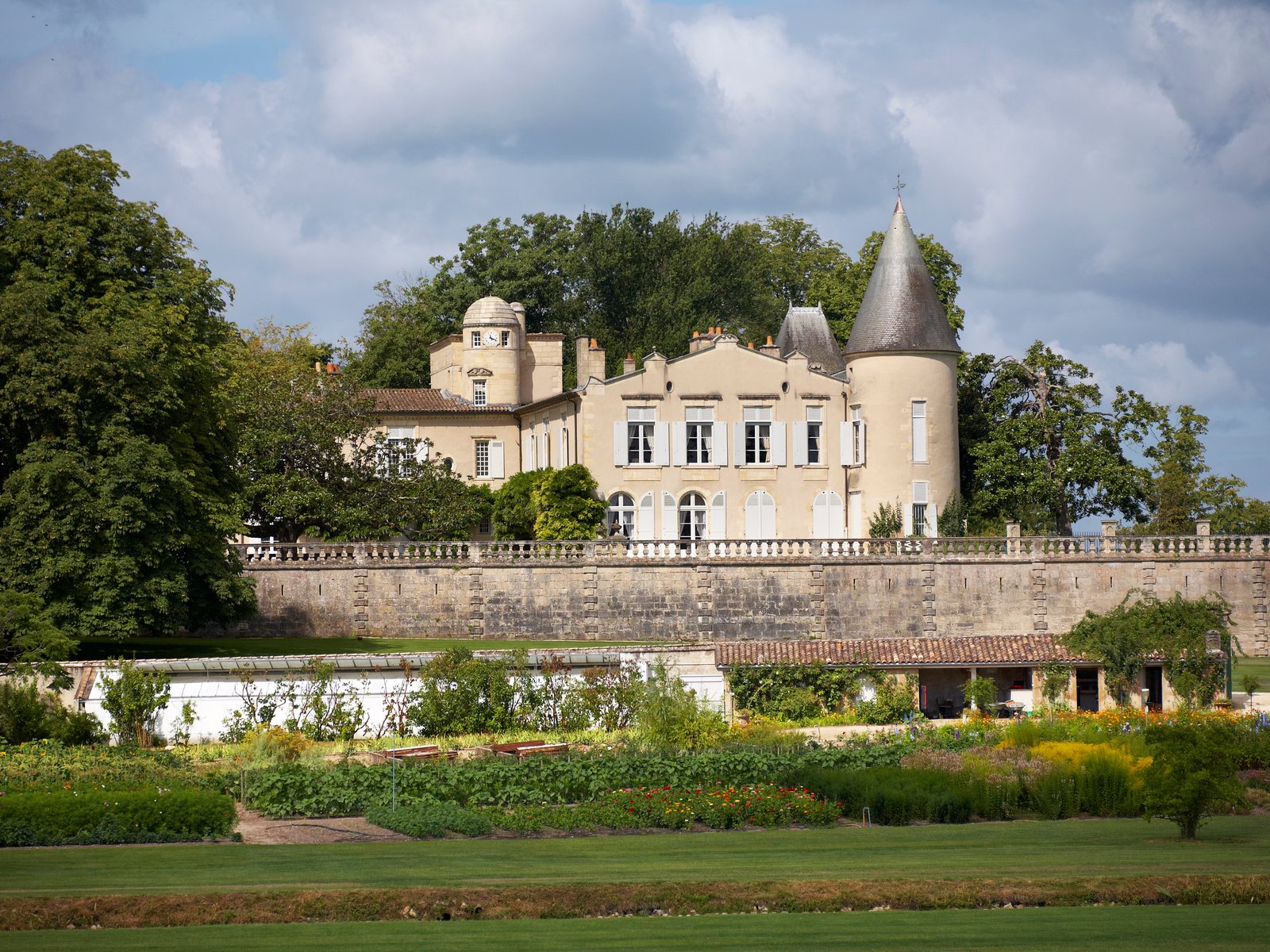 ProduttoreChâteau Lafite RothschildThe Rothschild first growth of Pauillac: about 112 hectares of vines, roughly 16,000–20,000 cases of grand…
 ProduttoreChâteau LatourThe first growth that left en primeur: since the 2011 vintage Latour has released only when it judges the…
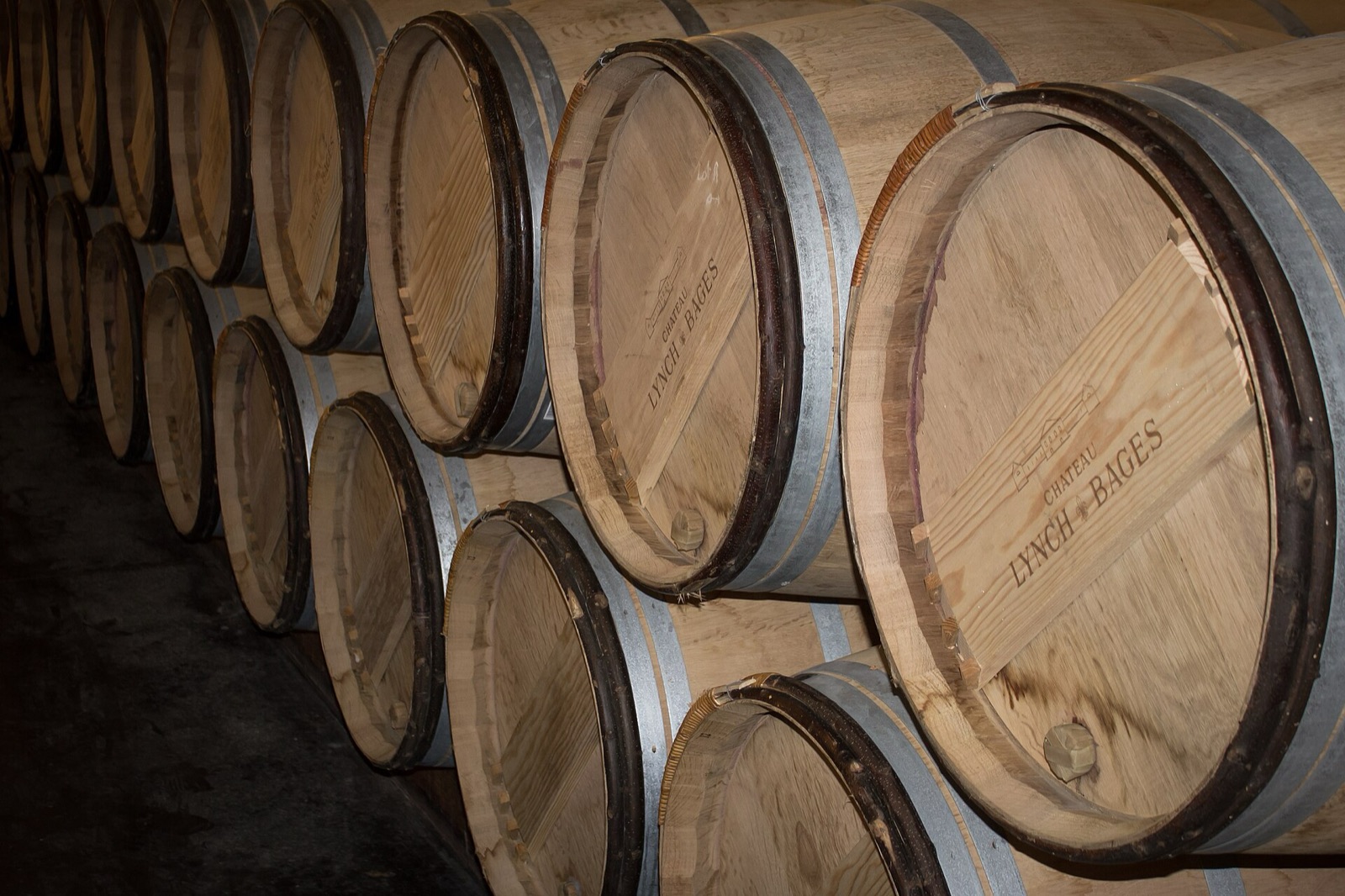 ProduttoreChâteau Lynch-BagesA fifth growth with a first-growth following, 100 hectares in Pauillac, owned by the Cazes family.
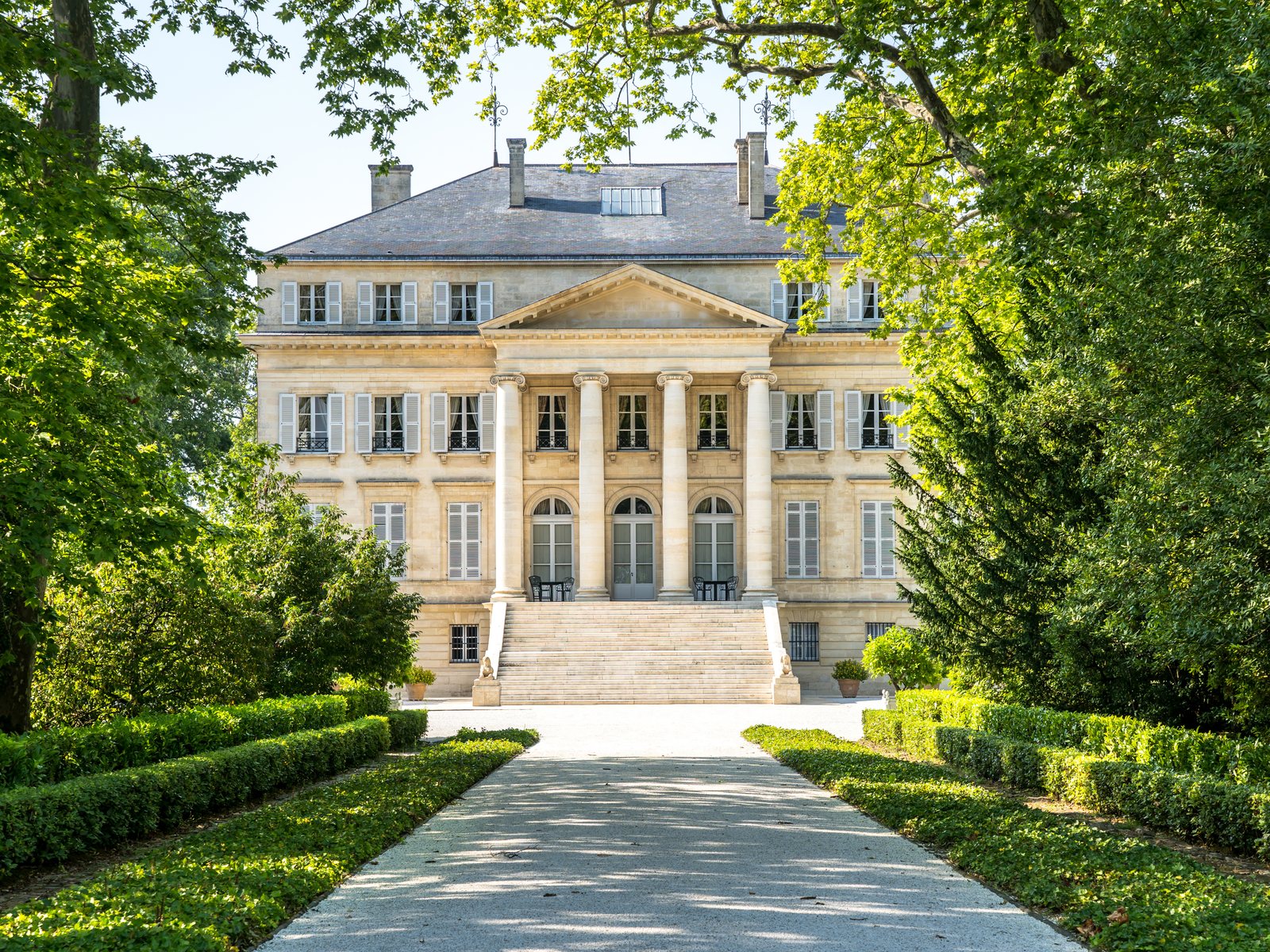 ProduttoreChâteau MargauxThe first growth of Margaux: about 82 hectares of red vines and 12 of white, owned by the Mentzelopoulos…
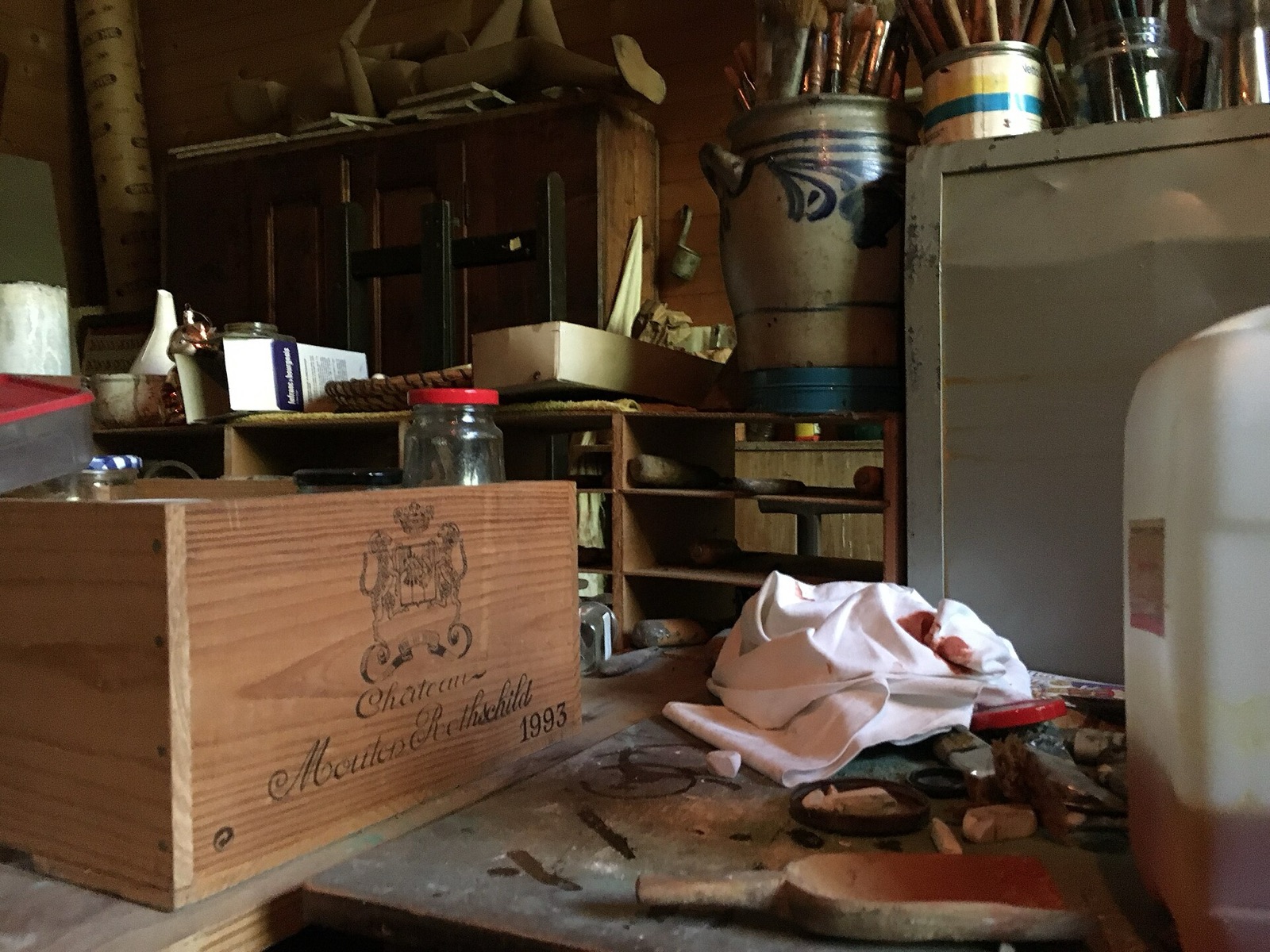 ProduttoreChâteau Mouton RothschildPromoted to first growth in 1973 — the only change ever made to the 1855 classification — and the largest…
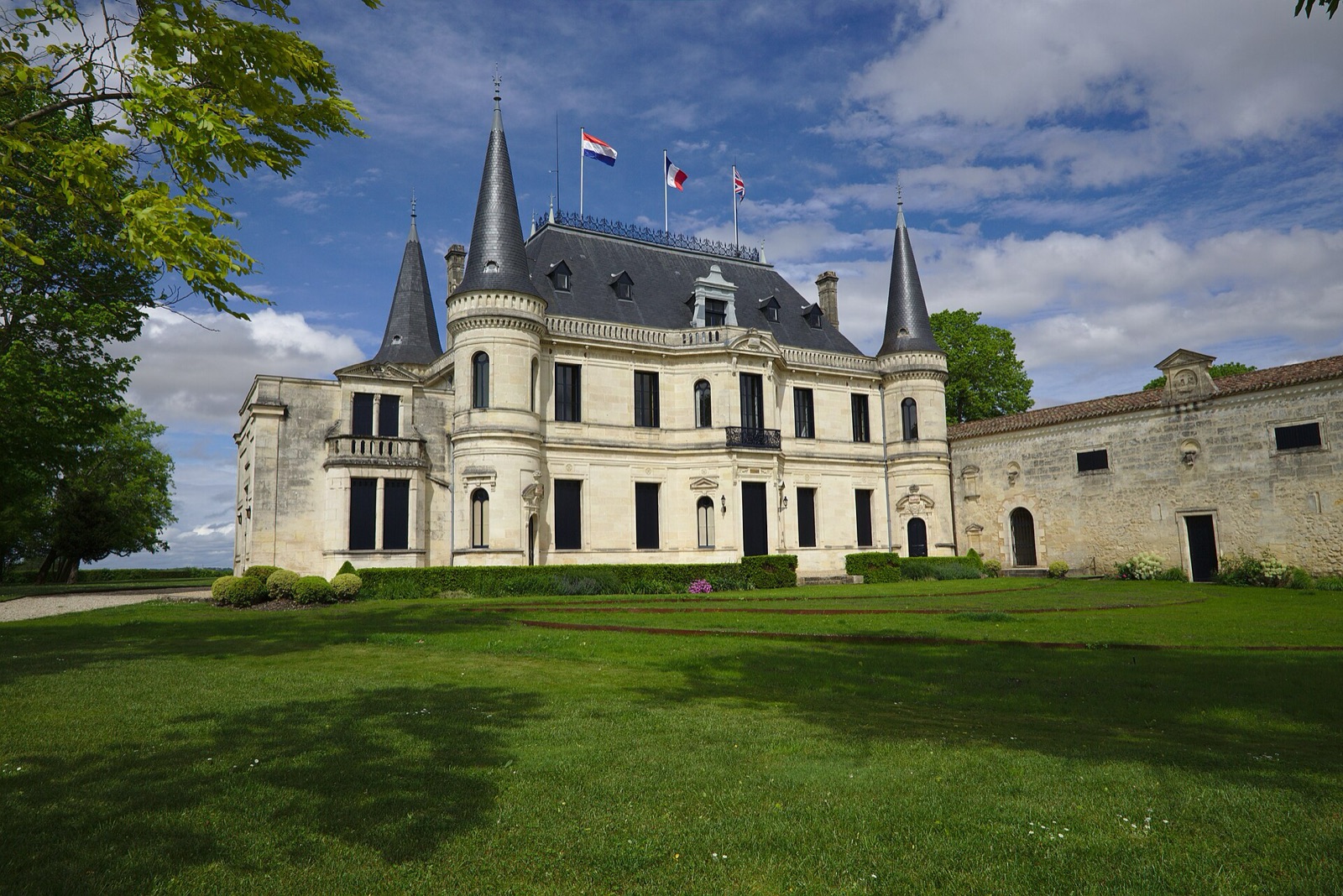 ProduttoreChâteau PalmerA third growth that trades like a first: 66 hectares in Margaux, biodynamic since 2014, owned by the Sichel…
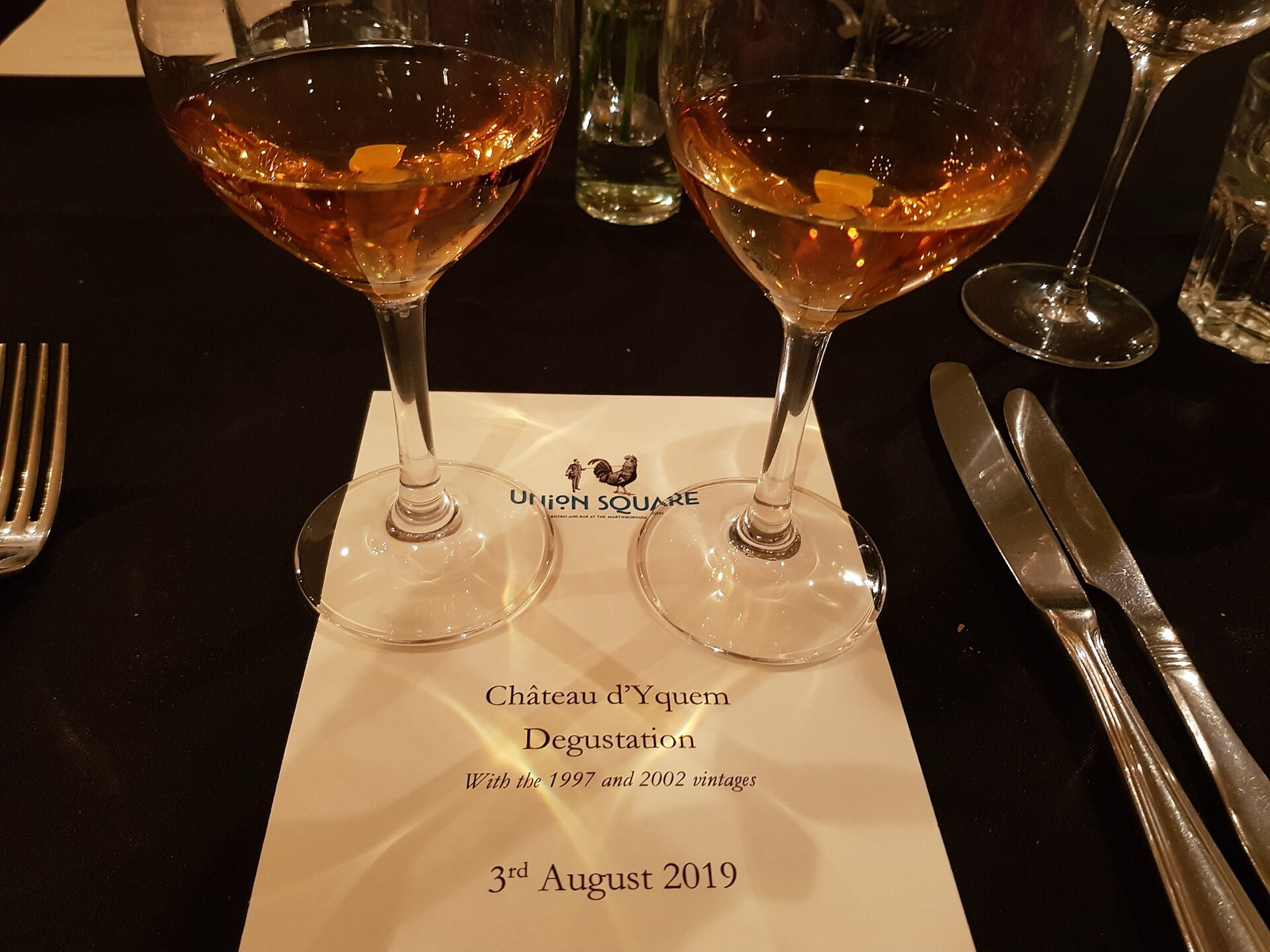 ProduttoreChâteau d'YquemThe only Premier Cru Supérieur of 1855: 113 hectares in Sauternes, LVMH-owned, making one glass of wine per…
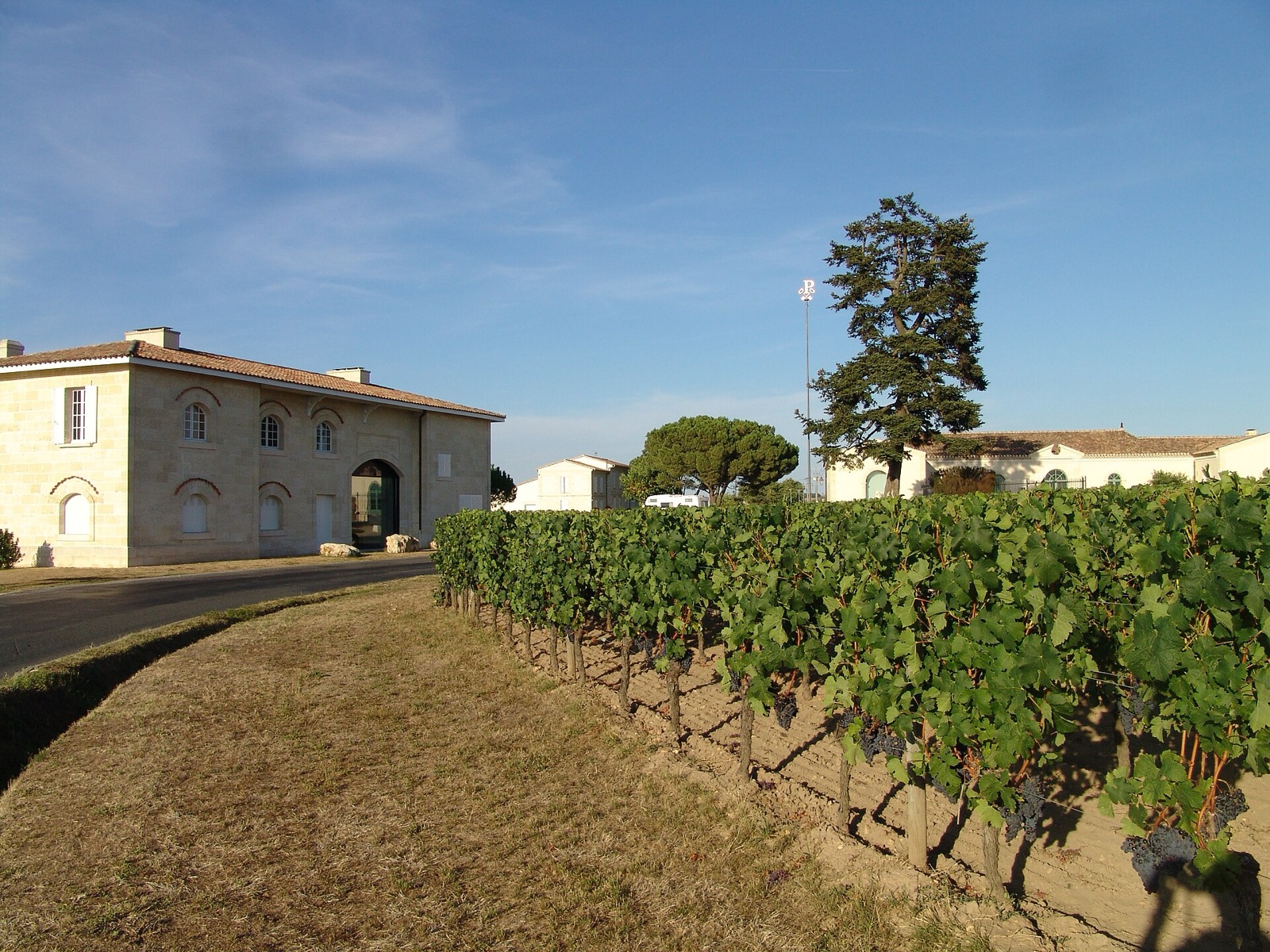 ProduttorePetrusEleven and a half hectares of Merlot on Pomerol's clay button, about 30,000 bottles a year, and the most…
Vini famosi da qui
Tutti →Château Cheval BlancChâteau Haut-BrionChâteau Lafite Rothschild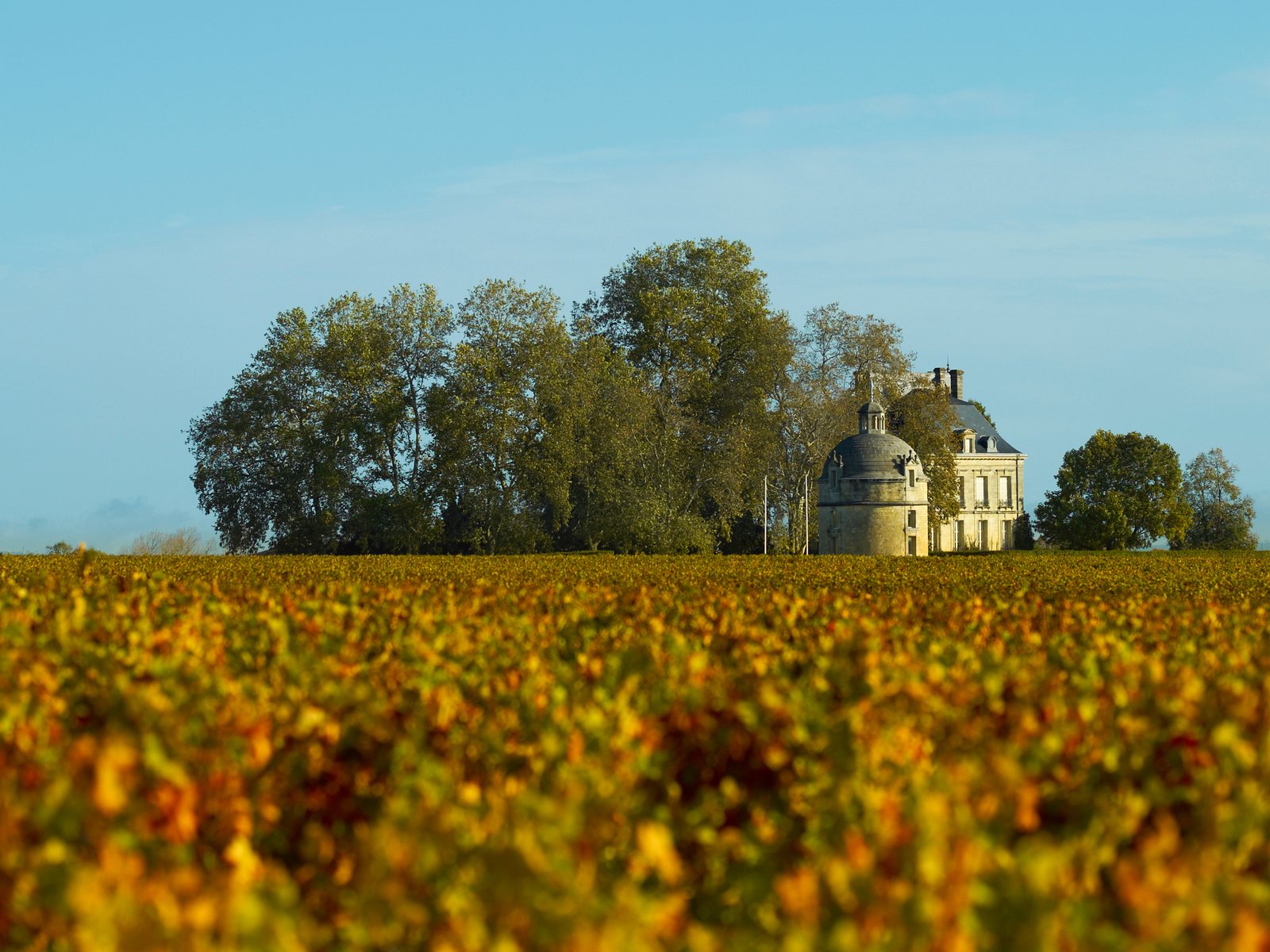 Château LatourChâteau Lynch-BagesChâteau MargauxChâteau Mouton RothschildChâteau PalmerChâteau d'YquemPetrus
Denominazioni
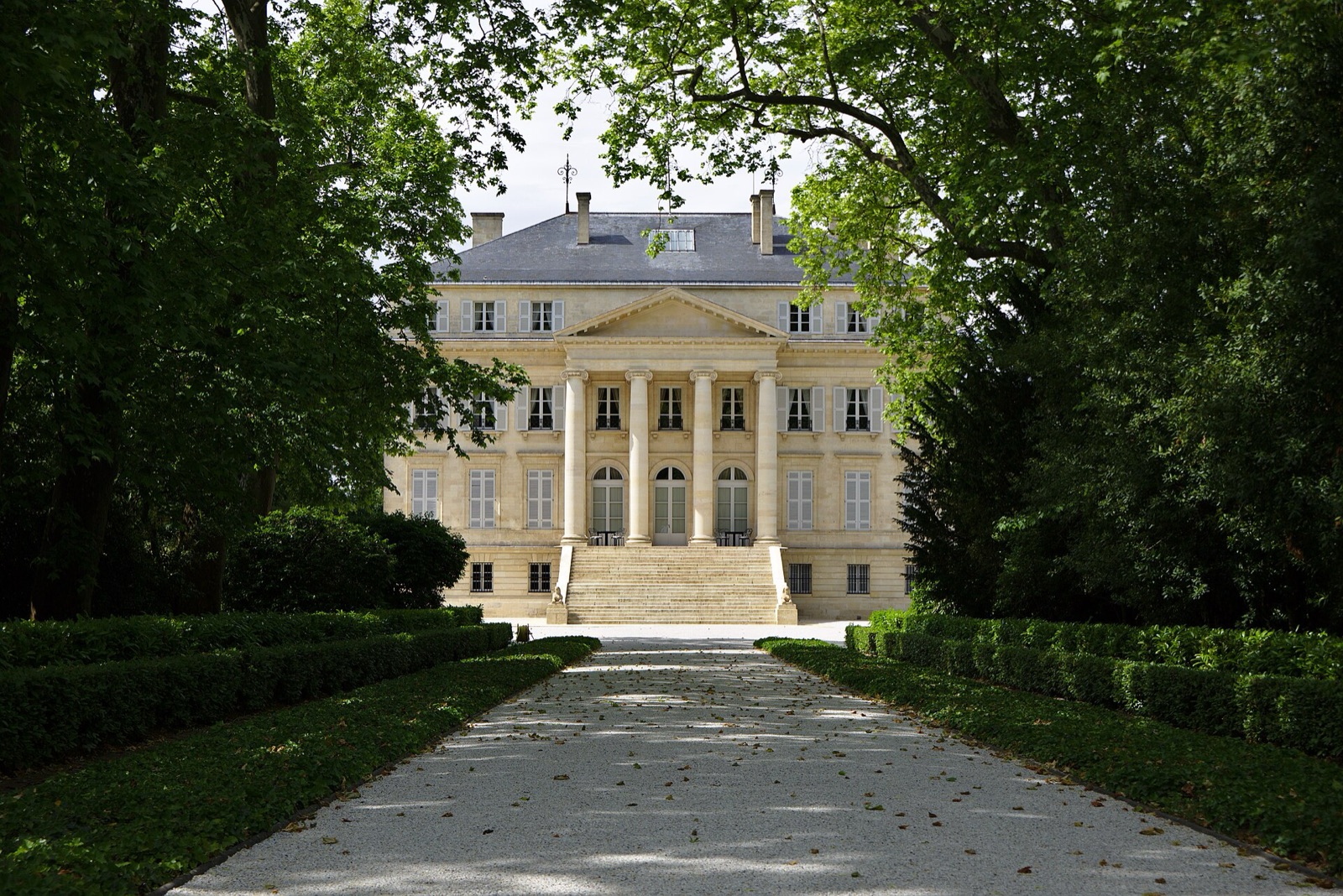 DenominazioneMargauxThe largest of the Médoc's great communes and home of Château Margaux and Palmer.
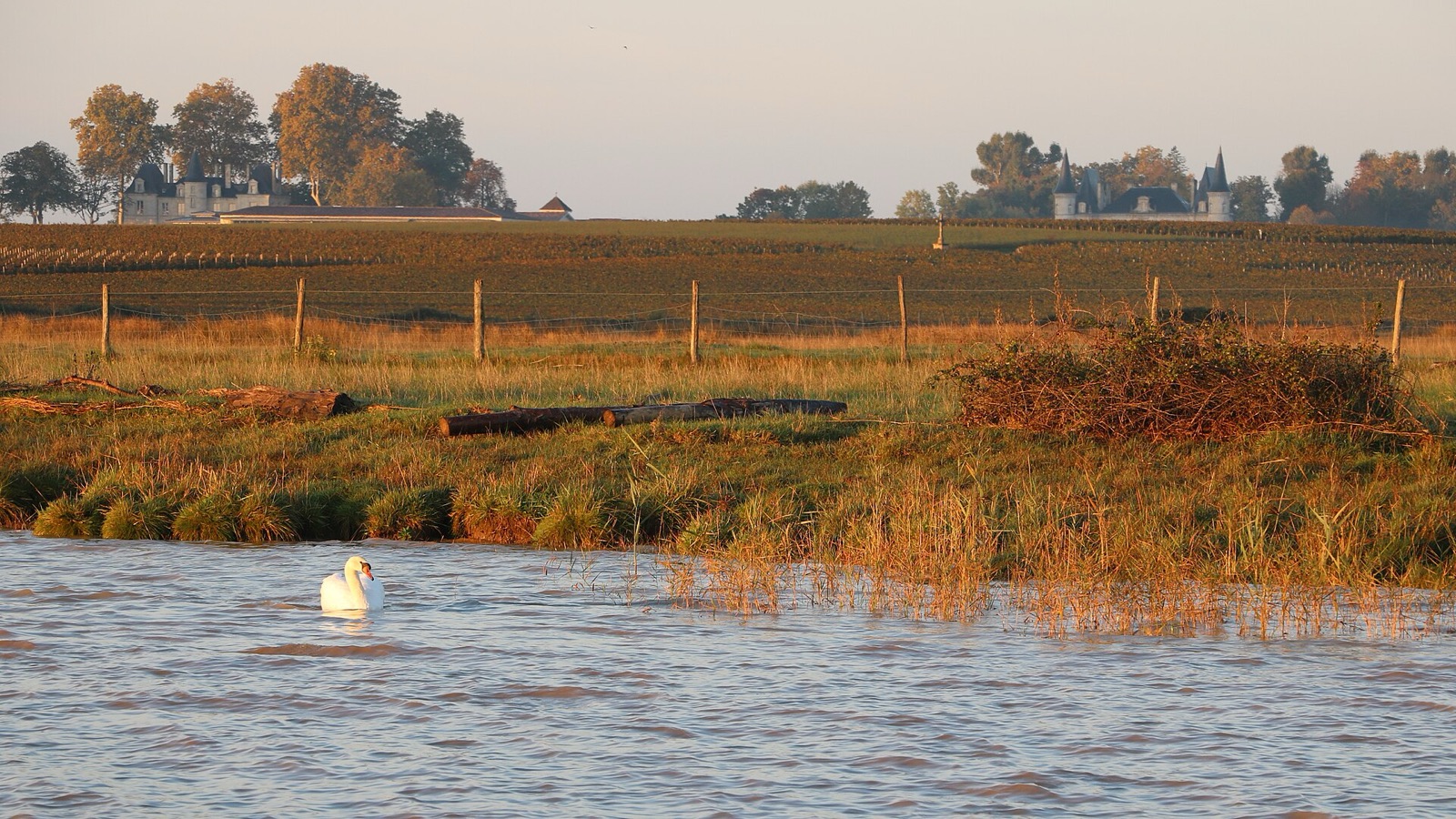 DenominazionePauillacThree of the five first growths and the most expensive vineyard land in the Médoc.
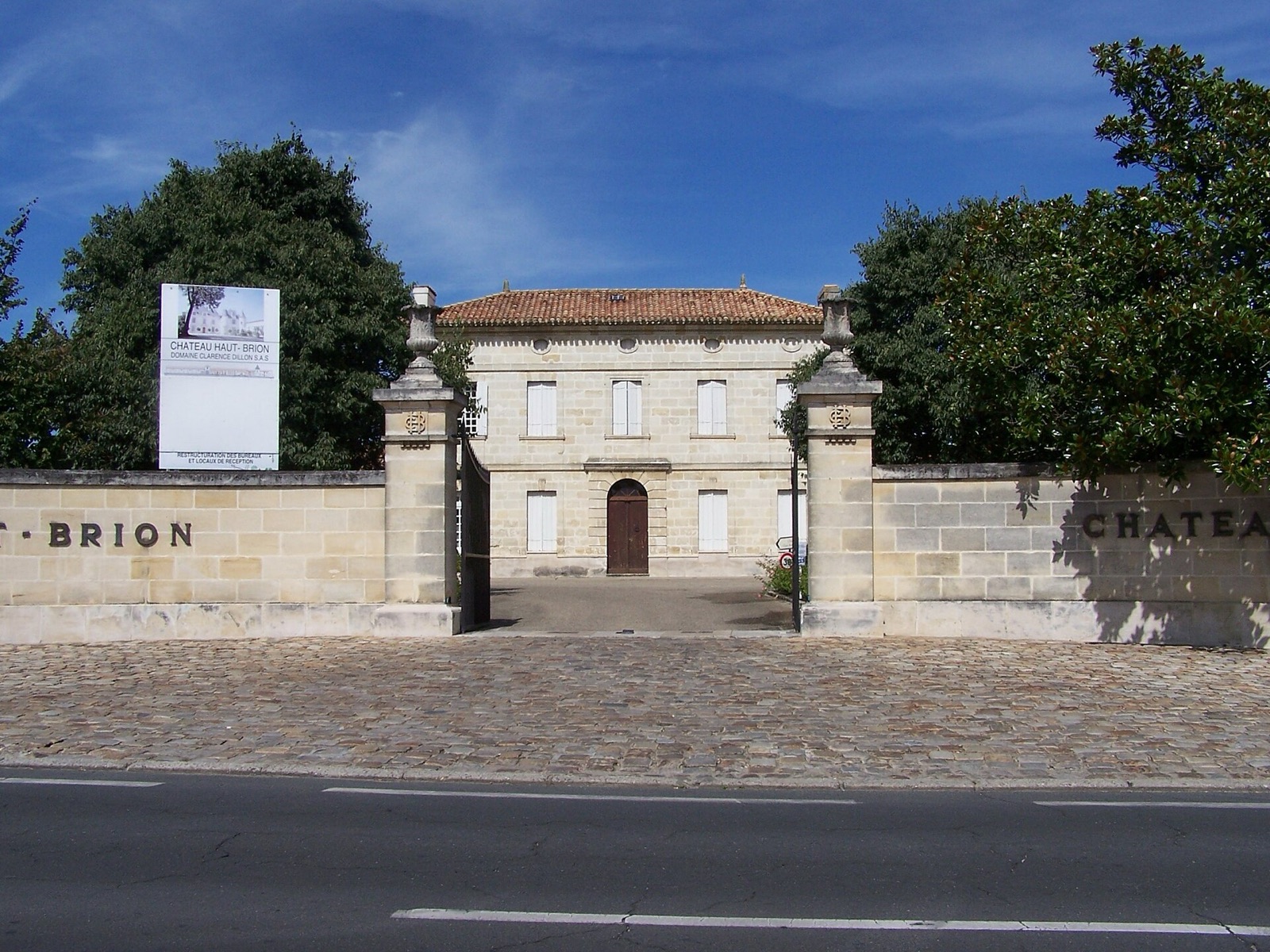 DenominazionePessac-LéognanThe Graves' top appellation, created in 1987 around Haut-Brion — the only first growth outside the Médoc.
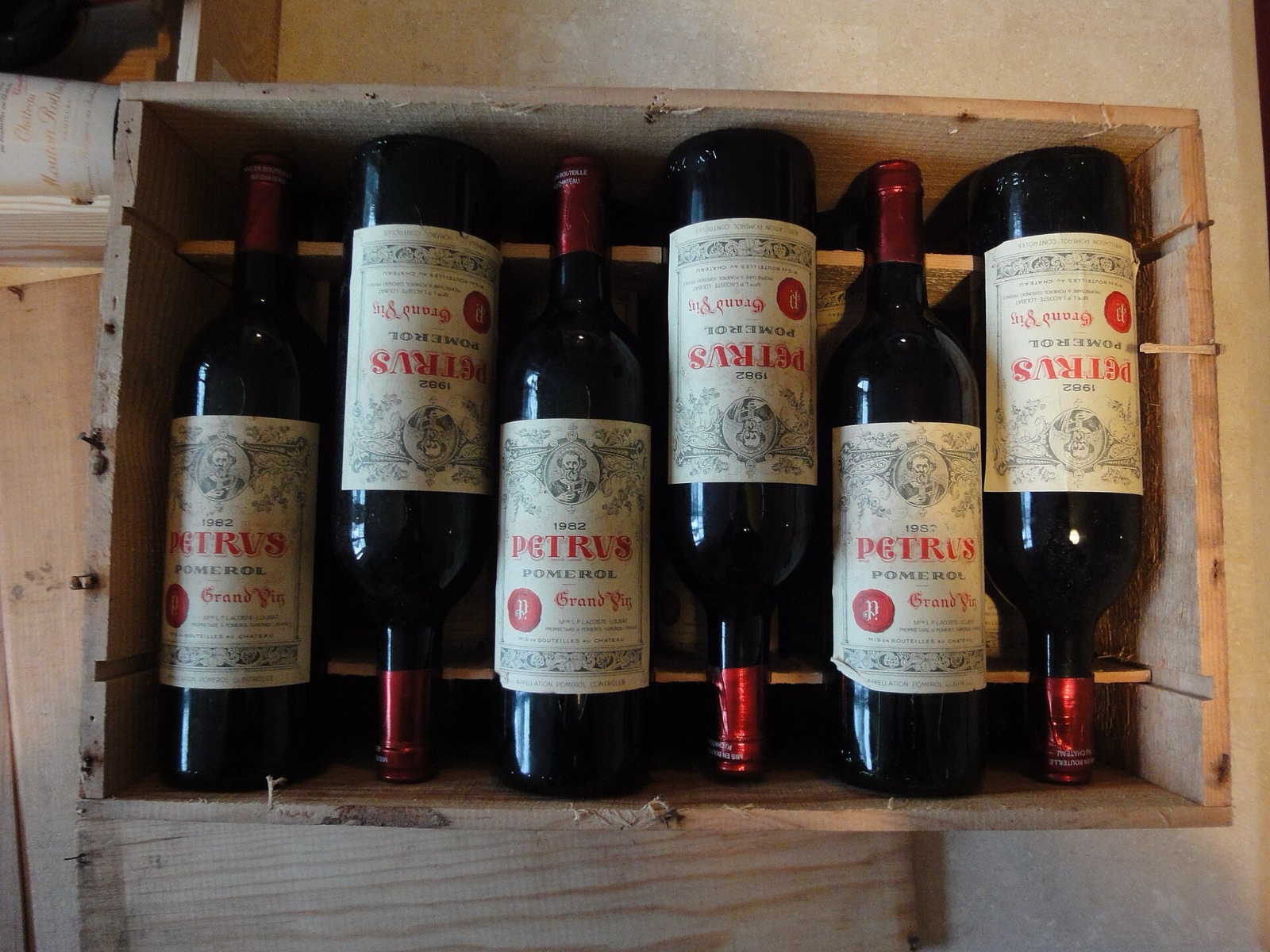 DenominazionePomerolA small plateau of Merlot on clay and gravel with no classification and the highest bottle prices in Bordeaux.
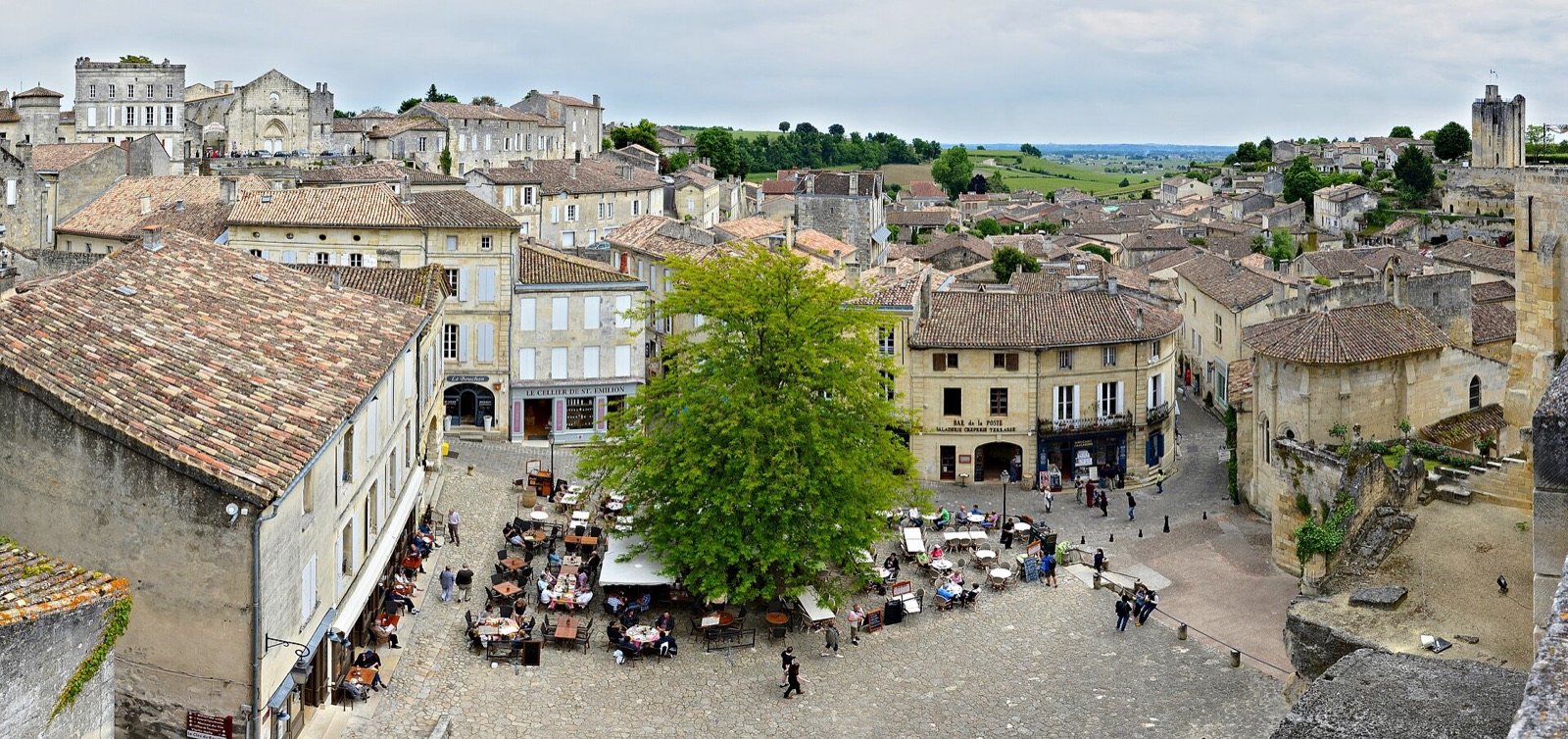 DenominazioneSaint-ÉmilionThe Right Bank's largest fine-wine appellation, with a classification revised roughly every decade — and…
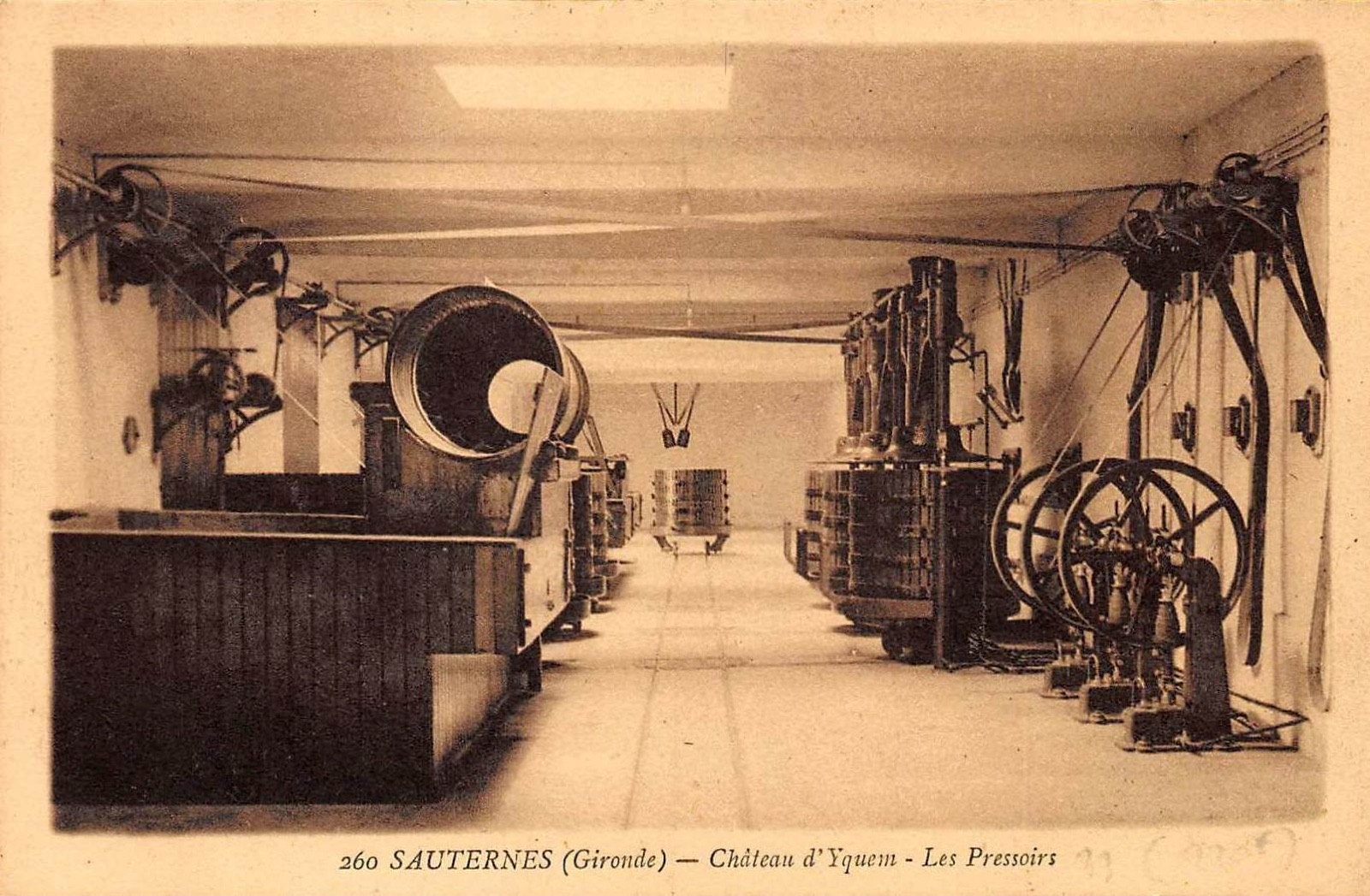 DenominazioneSauternesBotrytised Sémillon at a tenth of a red estate's yield: Yquem and the 1855 sweet-wine classification.
Quanto costa produrre una bottiglia
Tutti i modelli →
Bordeaux classified growth (2nd–5th)
$17–$61 per produrre una bottiglia
Un rosso di uno dei cru classés di Bordeaux, dal secondo al quinto livello della classificazione.
Bordeaux first growth
$28–$95 per produrre una bottiglia
Un rosso da uno dei cinque châteaux cru classé più rinomati di Bordeaux. Ogni barrique è nuova, le uve vengono raccolte a mano e il vino attende più di un anno e mezzo prima dell'imbottigliamento.
Pomerol micro-estate (Merlot)
$29–$101 per produrre una bottiglia
Un Merlot di un piccolo domaine a Pomerol, su alcuni dei terreni più costosi di Bordeaux.
I numeri dietro la regione: superfici, vitigni, rese e costi
| Input | Intervallo | Unità | Anno | Fonte |
|---|---|---|---|---|
| Terreno — prezzo di vendita per ettaro di vigneto | ||||
| Vineyard land, MargauxDominant price €1,400,000/ha in 2024, down 7% on 2023; the official table's range runs… | 900,000–2,000,000 | EUR/ha | 2024 | SAFER 2024 |
| Vineyard land, PauillacDominant price €2,500,000/ha in 2024, down 17% on 2023; the official table's range runs… | 1,700,000–4,000,000 | EUR/ha | 2024 | SAFER 2024 |
| Vineyard land, PomerolSAFER published no significant 2024 figure for Pomerol; the 2023 figure was… | 1,500,000–3,000,000 | EUR/ha | 2023 | SAFER |
| Vineyard land, Saint-ÉmilionDominant price €250,000/ha in 2024 across the appellation; the official range runs from… | 150,000–2,500,000 | EUR/ha | 2024 | SAFER 2024 |
| Vineyard land, generic Bordeaux AOCDominant price €8,000/ha in 2024, down 11%; falling since 2020 with the generic-Bordeaux… | 4,000–14,000 | EUR/ha | 2024 | SAFER 2024 |
| Uve — quanto viene pagato ai viticoltori | ||||
| Bulk red Bordeaux AOC, per tonneau of 900 litresAveraged €943 a tonneau in the 2025–26 campaign, €793 in October 2025: about €1 a litre… | 793–1,000 | EUR/tonneau | 2025 | CIVB bulk-wine prices for the 2025–26 … |
| Resa — quanto produce un ettaro | ||||
| Yield at classified growthsAppellation maximum is higher; the top estates crop below it | 30–45 | hl/ha | 2024 | Estate technical sheets and appellatio… |
| Manodopera — coltivazione e vendemmia | ||||
| Hand harvest | 2,500–5,000 | EUR/ha | 2024 | Trade reporting on Médoc harvest labou… |
| Vineyard labour and operations, classified growthHand harvest, green harvest, leaf-pulling; organic conversion raises the top of the range | 15,000–30,000 | EUR/ha/year | 2024 | Estate interviews and CIVB cost survey… |
| Barriques | ||||
| New French oak barrique (225 l) | 800–1,300 | EUR/barrel | 2025 | Cooperage price lists and trade report… |
| Affinamento — tempo in botte o sui lieviti | ||||
| Barrel aging before bottling | 16–22 | months | 2024 | Estate technical sheets |
| Bottiglia, chiusura, etichetta, cassa | ||||
| Bottle, cork, capsule, label, case | 3–8 | EUR/bottle | 2025 | Supplier price lists |
| Margini di distribuzione — tra cantina e punto vendita | ||||
| Importer + retailer margin | 25–60 | % on cost | 2024 | Merchant price lists vs release prices |
| Négociant margin on the Place de BordeauxCourtier commission ≈ 2% on top | 10–20 | % of ex-château price | 2024 | Trade reporting on the Place de Bordea… |
Da dove provengono i dati
- SAFER / FNSAFER, Le prix des terres 2024 — the official 2024 vineyard-value table (Décision du 26 août 2025, from SAFER data) as reproduced by Fidecorex, 10 February 2026
- SAFER / FNSAFER, Le prix des terres — as reported by iDealwine, 'Combien coûte un hectare de vigne ?', updated 1 October 2025
- CIVB bulk-wine prices for the 2025–26 campaign, as reported by Vitisphere, 19 November 2025
- Estate technical sheets and appellation maxima (Pauillac AOC max 57 hl/ha)
- Trade reporting on Médoc harvest labour
- Estate interviews and CIVB cost surveys as reported in the trade press
- Cooperage price lists and trade reporting (Wine Industry Network, Wines & Vines), 2024–2025
- Estate technical sheets (first growths 18–22 months)
- Supplier price lists; heavy glass and wooden cases at the top
- Merchant price lists vs release prices
- Trade reporting on the Place de Bordeaux (Liv-ex, Decanter)
Fonti
- Bordeaux wine economy: key figures, CIVB — Conseil Interprofessionnel du Vin de Bordeaux, 2025. Recuperato 3 September 2026.
- Le prix des terres — vignes AOC Bordeaux, SAFER / FNSAFER, 2025. Recuperato 3 September 2026. FNSAFER figures as reproduced in the official 2024 vineyard-value table (Décision du 26 août 2025), on a page that opens from outside France.
- Agreste Nouvelle-Aquitaine — viticulture, Ministère de l'Agriculture, 2025. Recuperato 3 September 2026.